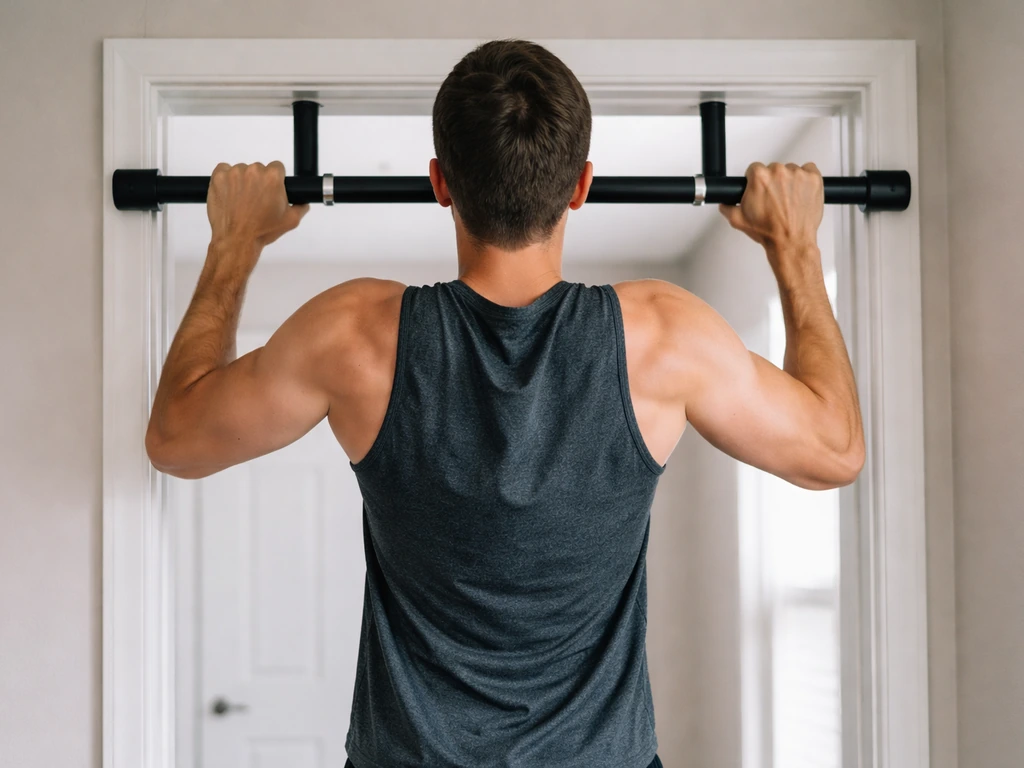
Cardio alone won't make you taller. It doesn't directly stimulate the growth plates or override the hormonal signals that determine how tall you grow. But that's not the whole story. For kids and teens who are still growing, regular physical activity, including cardio, can support the conditions your body needs to reach its genetic height potential. For adults whose growth plates have already closed, no amount of running or cycling will add bone length, though cardio can still influence how tall you measure on a given day through posture and spinal health. If you want to know whether can running help you grow taller, the key is whether you are still a kid or teen with open growth plates and enough fuel for recovery running and cycling.
Does Cardio Help You Grow Taller? What Research Says

Marcus Reeves
4 Jul 2026
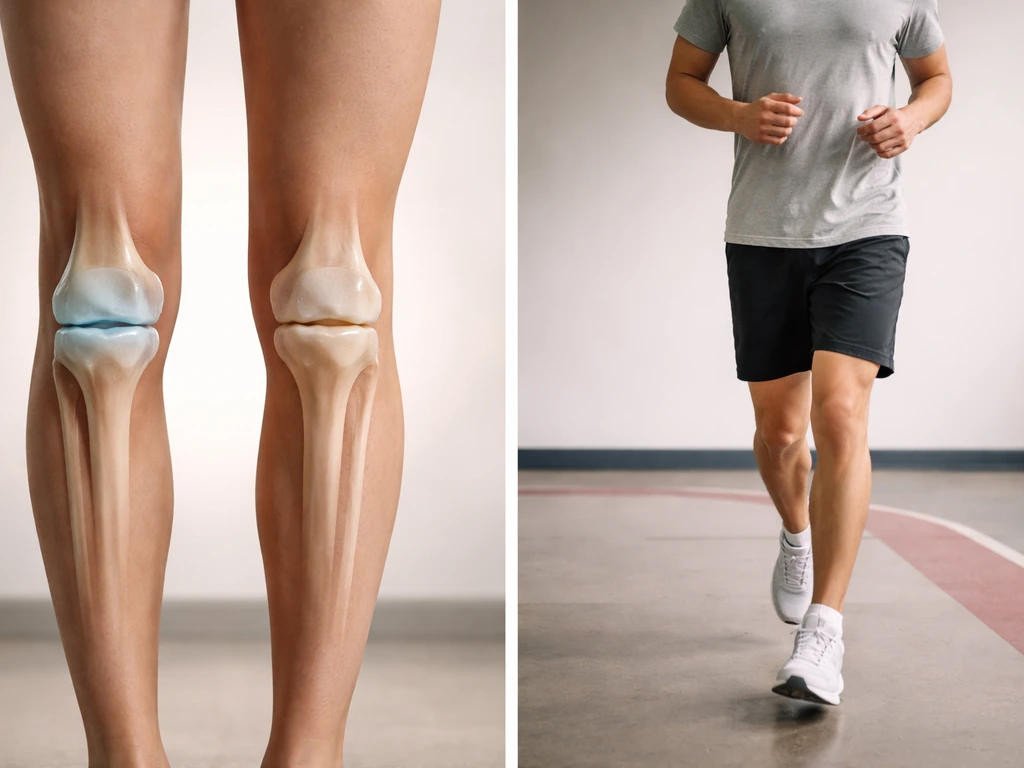
What actually determines how tall you grow
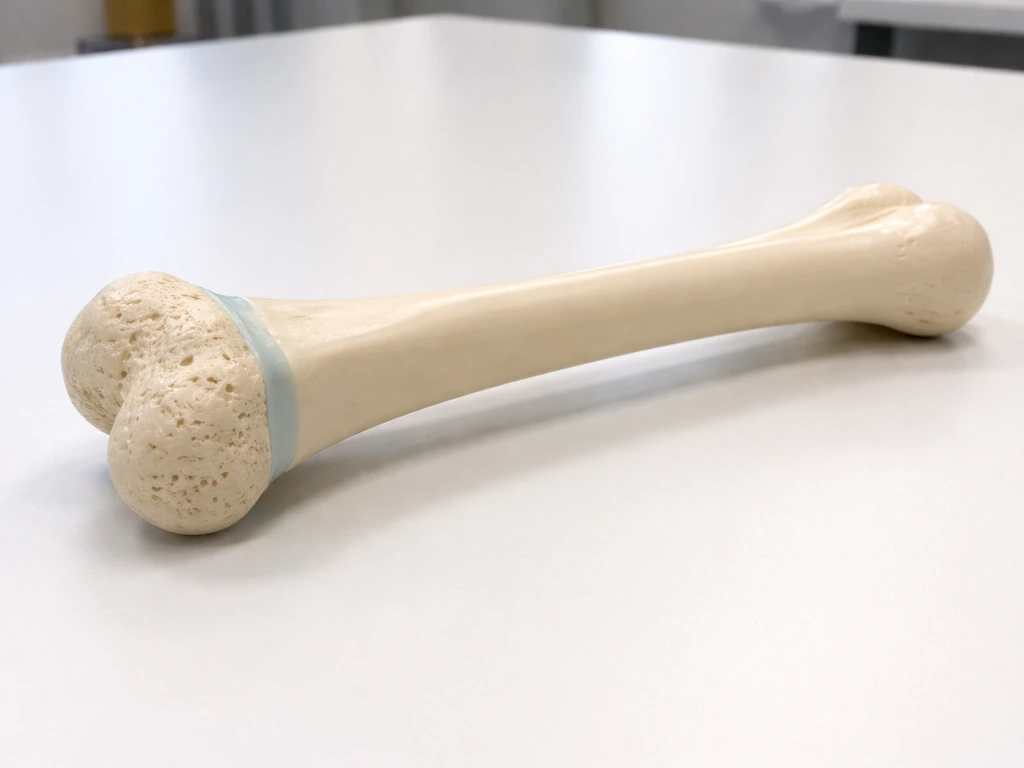
Height is set by what happens at your growth plates, the strips of cartilage near the ends of your long bones. When chondrocytes (cartilage cells) in those plates multiply and differentiate, your bones get longer. That process is driven primarily by the growth hormone (GH) and IGF-1 signaling axis. During puberty, pulsatile GH secretion increases by roughly 1.5 to 3 times, and serum IGF-1 rises by more than threefold, producing the familiar adolescent growth spurt. Later in puberty, estrogen signaling accelerates the senescence of those same growth plates and eventually triggers their fusion. Once they fuse, longitudinal bone growth stops, permanently.
Genetics set the ceiling. Studies consistently estimate that about 60 to 80 percent of height variation between individuals is genetic. The rest comes from environmental inputs during your growing years: nutrition, sleep, illness, stress, and physical activity. In the short term, sprinting is unlikely to make you grow taller because bone lengthening depends on growth plate activity sprinting help you grow taller. So while you can't rewrite your DNA, you absolutely can protect or even optimize the environmental share of your height potential, especially during childhood and the teenage years.
Does cardio actually affect height growth? What the evidence says
The honest answer is that steady-state endurance cardio, think jogging, cycling, or swimming at a moderate pace, has no well-established direct effect on growth plate activity or bone elongation. The research that comes closest to showing exercise-related height effects focuses on impact and loading exercises, not aerobic cardio. A prospective controlled trial of 24-week jumping programs in children with short stature found improvements in linear growth and changes in the GH-IGF-1-IGFBP-3 axis. Separate RCT work on jump training showed greater gains in femoral neck and lumbar spine bone mineral content compared to controls. An RCT also found that a 7-month school-time jumping program (3 times per week) produced greater increases in femoral neck and lumbar spine bone mineral content in the jumping group versus controls. In both cases, it's the mechanical loading and impact forces on bone, not the aerobic component, that appear to be doing the work.
Cardio can still matter indirectly, though. Aerobic exercise supports cardiovascular health, improves sleep quality, lowers chronic stress, and helps maintain healthy body composition. Each of those factors can, in turn, support the hormonal environment that growth depends on. Aerobic exercise also helps you keep your daily habits consistent, which matters because your growth depends on your overall hormonal environment hormonal environment that growth depends on. Poor sleep tanks GH secretion. Chronic stress elevates cortisol, which competes with growth signaling. Being sedentary is linked to worse sleep and higher inflammation. So while cardio isn't pulling the growth lever directly, it can help keep the other levers in a better position, especially in kids and teens.
There's also a cautionary side. High-intensity exercise combined with inadequate calorie intake is a real risk, particularly in youth athletes. The IOC's 2018 and 2023 consensus documents on Relative Energy Deficiency in Sport (RED-S) make clear that when energy expenditure outstrips intake, the endocrine and reproductive systems suffer, which can delay or disrupt puberty timing. Research also shows that high-intensity training combined with nutritional deprivation is associated with later menarche in girls, suggesting the body delays maturation when it doesn't have enough fuel. Cardio that burns significant calories without matching nutritional intake can actively work against normal growth.
Best cardio for general health vs. growth (and what to watch out for)

For someone who wants to support their health and growth potential without undermining either, the type and dose of cardio matter. Low-to-moderate intensity aerobic activity (brisk walking, light jogging, cycling, swimming) at the volumes recommended by the CDC and WHO, about 60 minutes of moderate-to-vigorous activity daily for kids and teens, is well within safe ranges and broadly health-supportive. This kind of cardio promotes cardiovascular fitness, reduces stress hormones, improves sleep architecture, and helps regulate appetite without creating large energy deficits.
Impact-based activities that also carry an aerobic component, like running, basketball, soccer, or jumping rope, offer an added benefit: they double as bone-loading exercises. The CDC specifically includes running and jumping in its list of bone-strengthening activities for youth. These are worth prioritizing over purely non-impact cardio like cycling or swimming if bone density and growth plate stimulation are goals.
What to avoid or watch carefully: very high-volume endurance training (long-distance running, multi-hour daily sessions) in young athletes who aren't eating enough to compensate. This is the RED-S scenario, and it's a genuine risk to normal growth and pubertal development, not just athletic performance. If a teenager is logging significant cardio mileage, calorie intake needs to scale up accordingly.
| Cardio Type | Aerobic Benefit | Bone Loading | Growth Risk if Underfueled | Verdict for Growth Support |
|---|---|---|---|---|
| Running / Jogging | High | Moderate-High | Moderate (if high volume) | Good choice with adequate nutrition |
| Jumping / Skipping | Moderate | High | Low (typically shorter sessions) | Best for bone stimulation |
| Brisk Walking | Moderate | Low-Moderate | Low | Safe, easy to sustain daily |
| Cycling | High | Low | Moderate (easy to overdo volume) | Fine for fitness, less for bone loading |
| Swimming | High | Very Low | Low-Moderate | Great for recovery, limited bone stimulus |
| HIIT / Sprint intervals | High | High | High if nutrition is poor | Effective but requires careful fueling |
Age matters more than anything else here
Children and teenagers (still growing)
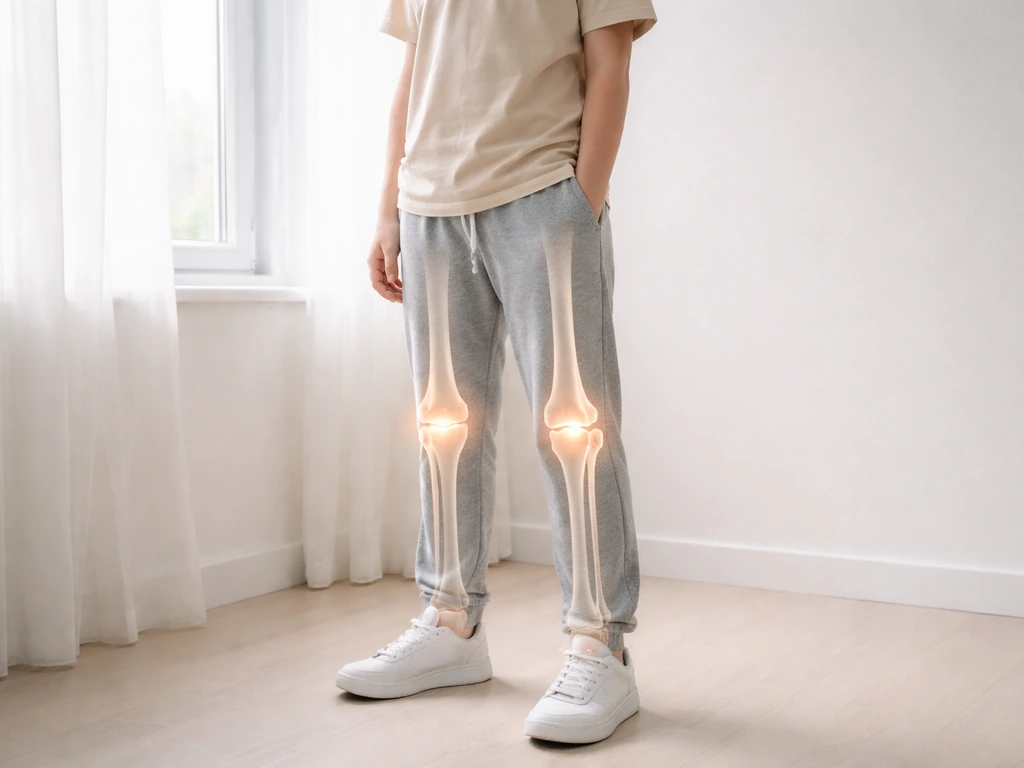
This is the window where what you do actually has a shot at influencing final height. Growth plates are open, GH and IGF-1 are active, and the body is biologically primed to build bone. Cardio during this period contributes to overall health and can support better sleep and hormonal balance, both of which feed directly into normal growth. Walking is a form of cardio that can support that health during growth years, but it does not change your height the way genetics and open growth plates do Cardio during this period contributes to overall health. Impact-based activities appear to have the more direct relationship with bone outcomes than pure aerobic cardio. The key is pairing physical activity with enough calories, protein, calcium, and vitamin D to supply the building materials growth requires.
Adults (growth plates closed)
For most people, growth plates fuse by the late teens to early twenties. After that, no exercise, including cardio, can make your bones longer. Full stop. That said, cardio can still influence how tall you measure in a practical sense. Your intervertebral discs compress throughout the day under gravitational loading, and research using stadiometry and MRI shows this can reduce measured height by nearly 2 cm by late afternoon compared to morning. Regular movement, good posture habits, and exercises that keep your spine mobile and your core strong can help you stay closer to your true height throughout the day. Running has also been shown to support intervertebral disc health over time. So while the number on the wall chart isn't going to go up, you can stop it from shrinking quite as much.
Resistance training and posture-focused work also deserve a mention here. Pull ups are a type of resistance training, and resistance training can support strength and posture, but it does not reopen closed growth plates or guarantee you will grow taller. Adults who develop stronger back extensors and core muscles tend to stand with better alignment, which can recover some of that diurnal height loss. This is related to but distinct from the question of running or cycling specifically.
Exercise timing, intensity, and recovery
Growth hormone is secreted in pulses, with the largest spike occurring during deep sleep, specifically slow-wave sleep. This means the recovery window after exercise is not just about muscle repair; it's when a significant chunk of your GH output happens. Anything that disrupts sleep quality or duration, including training too hard too late in the evening, cuts into this. For kids and teens aiming to support normal growth, getting 8 to 10 hours of sleep per night is not optional, it's arguably the most important growth variable you can control.
Overtraining is a real concern. When exercise volume or intensity consistently exceeds the body's capacity to recover, especially without enough food, the result is elevated cortisol, suppressed GH and IGF-1, disrupted sleep, and reduced appetite. All of these work directly against height growth in younger people. A useful rule of thumb: if cardio is consistently reducing appetite rather than stimulating it, that's a signal the volume may be too high for someone who is still growing.
- Keep cardio sessions at a duration and intensity that doesn't crater your appetite afterward
- Aim for at least 8 hours of sleep per night; 9 to 10 hours for younger teenagers
- Don't schedule hard workouts close to bedtime if it disrupts sleep quality
- Eat within 1 to 2 hours after any significant cardio session to support recovery and energy balance
- Include rest days; 3 to 5 cardio sessions per week is reasonable, daily intense training is not
The other levers that matter more for height
Cardio is near the bottom of the list when it comes to influencing height. Here are the factors with stronger, more direct evidence, especially during growing years.
Nutrition and protein
Adequate calorie intake is non-negotiable for growth. Chronic undernutrition is one of the most well-documented causes of stunted height worldwide. Protein is particularly important because it supplies amino acids for IGF-1 synthesis and bone matrix formation. Growing children and teenagers need more protein per kilogram of body weight than adults, and active kids need even more. Aim for protein at every main meal from varied sources.
Calcium and vitamin D
These two nutrients work together for bone mineralization. Calcium is the structural mineral in bone, and vitamin D regulates its absorption from the gut. NIH and NIAMS data confirm that deficiencies in either, especially during childhood and adolescence, are associated with rickets and impaired bone development. Many people don't meet their vitamin D needs through diet alone, and for those in lower-sunlight environments, supplementation is often warranted. The NIH recommends calcium intakes of 1,000 to 1,300 mg per day for school-aged children and teenagers, with vitamin D intakes of 600 IU per day as a baseline.
Sleep
As mentioned above, sleep is where GH secretion peaks. Consistent, adequate sleep is arguably the single most controllable variable for someone trying to support normal height growth. No supplement or exercise protocol compensates for chronic sleep deprivation during growing years.
Posture and strength training
For adults, posture work and resistance training can help recover some of the height lost to disc compression and forward-head or kyphotic postures. Strengthening the posterior chain (back extensors, glutes, core) supports upright alignment. This isn't the same as growing taller, but it's real and measurable. Related exercises like pull-ups also have a decompression and posture benefit worth considering alongside cardio. Squats and other compound movements load the skeleton in ways that promote bone density in both younger and older individuals.
A practical plan to maximize height potential safely
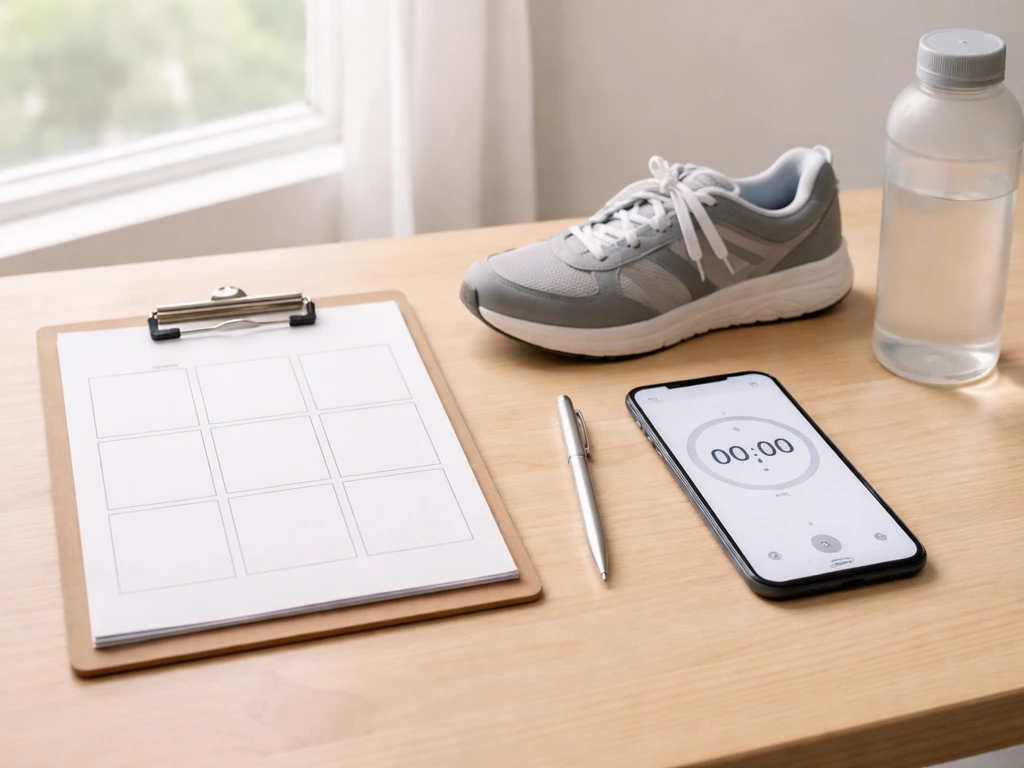
If you're trying to do everything within your control to support height growth (or preserve measured height as an adult), here's how to put it together.
- Do 60 minutes of moderate physical activity most days, including some impact-based movement like running, jumping, or sports that involve both
- Add resistance or bone-strengthening exercises at least 3 days per week: bodyweight movements, jump training, or light resistance work depending on age and experience
- Eat enough to cover your activity level, prioritize protein at each meal, and don't let cardio create a sustained calorie deficit if you're still growing
- Hit your calcium and vitamin D targets daily through food first (dairy, leafy greens, fortified foods, fatty fish) and supplement if your diet or sun exposure falls short
- Protect your sleep above everything else: 8 to 10 hours per night for children and teenagers, no negotiation
- Keep high-intensity cardio sessions to 3 to 4 per week maximum and watch for signs of overtraining like persistent fatigue, reduced appetite, or disrupted sleep
- If you're an adult focused on measured height, add a morning posture routine and spinal mobility work, and measure height in the morning when discs are most hydrated
The bottom line is that cardio is a supporting player, not the main act, when it comes to height. It can help by improving sleep, reducing stress, and keeping your body composition in a range that supports healthy hormone levels. But it won't override your growth plates, extend your growing window, or substitute for good nutrition and sleep. Focus your energy on the highest-leverage factors first, and let cardio do what it's genuinely good at: keeping you healthy enough to grow as well as your genetics will allow.
FAQ
If I’m a teen and I do cardio every day, will it definitely help my height?
It can help indirectly through better sleep, stress regulation, and healthy body composition, but it does not reliably increase bone length. The biggest “help” comes from pairing training with adequate calories, protein, and consistent sleep, especially if you are still gaining weight and progressing normally through puberty.
Does strength training or impact exercise beat cardio for height potential?
For effects on bone, impact and loading movements usually have more direct relevance than steady-state aerobic cardio. That said, cardio still matters for overall health, so a practical plan is to prioritize bone-loading activities (like jumping, sprinting, or sports with impact) while keeping endurance work moderate.
Can cycling help you grow taller if it is low impact?
Cycling is unlikely to add bone length on its own because it does not provide substantial mechanical loading to growth plates. If you choose it, use it mainly for cardiovascular fitness and stress control, and balance it with bone-loading activities if height optimization is the goal.
What amount of cardio is least likely to harm growth in youth?
Moderate activity that supports appetite and sleep is generally safer than very high-volume endurance. A key self-check is whether you are maintaining or increasing intake without losing appetite, and whether sleep quality stays consistent. If cardio reliably suppresses appetite, the intensity or total volume is likely too high.
Is running in particular better than other cardio for measured height?
Running can support posture and spinal health indirectly, and measured height can fluctuate through day-to-day disc compression. However, running does not “lengthen” bones in adults, and the biggest day-to-day height changes come from spinal loading and posture habits rather than running itself.
How long do growth-plate effects take to show up if cardio does help?
Even when exercise supports a healthier growth environment, changes in height are not immediate and usually show over months, not weeks. In growing teens, the most noticeable shifts are typically tied to puberty timing, nutrition sufficiency, and sleep consistency rather than a short training window.
Could cardio delay puberty or reduce growth if I eat normally?
With adequate energy intake, cardio is less likely to cause major endocrine problems. The risk rises when training increases energy expenditure without matching intake, leading to relative energy deficiency, delayed pubertal progression, or reproductive axis disruption.
What signs suggest my cardio volume is too high for a growing teen?
Watch for steadily shrinking appetite, unexplained fatigue, frequent injuries, poor or shorter sleep, persistent weight loss or failure to gain as expected, and in girls, delayed or absent menstrual cycles relative to peers. Those are practical signals to reduce volume and review fueling with a clinician or sports dietitian.
If I’m an adult with closed growth plates, can cardio change how tall I measure?
Yes, indirectly. Adults can experience morning-to-evening height differences due to disc compression, but regular movement, good posture, and core or back-focused strength can help preserve alignment and reduce that daily “shrink.” It will not increase bone length.
Does sleep matter more than cardio for height, and how should I time workouts?
Sleep is a major driver because growth hormone pulses are strongly linked to deep sleep. If you train too hard late in the evening, you may reduce sleep quality, so keeping workouts earlier or not extremely close to bedtime is often a better choice, especially for teens.
Do supplements help if I do cardio to grow taller?
Supplements do not replace calories, protein, calcium, or vitamin D. If you are deficient, correcting vitamin D and ensuring adequate calcium can support bone mineralization, but taking “growth” supplements without addressing energy intake, sleep, and overall nutrition is unlikely to change height.
Next Article
Do Pull-Ups Help You Grow Taller? Evidence and Facts
Do pull-ups make you grow taller? Evidence says they do not, but they can improve posture and strength to help you look