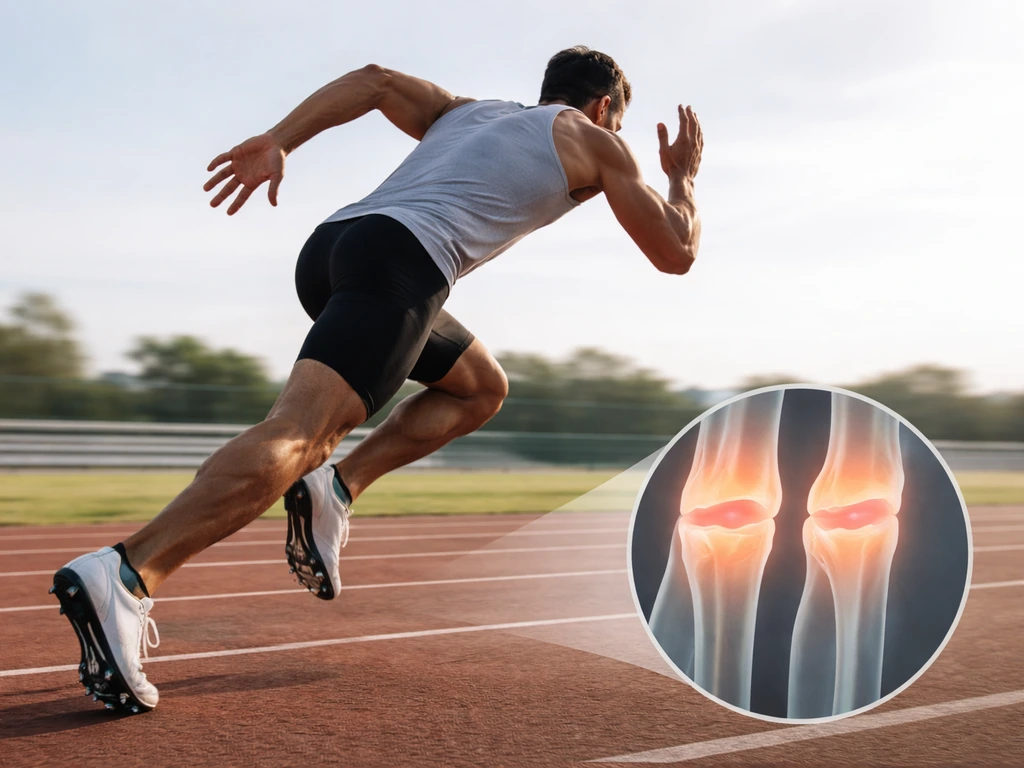
Exercise alone cannot make you grow taller if your growth plates have already closed, which typically happens somewhere between ages 18 and 21. For most adults with closed growth plates, exercise helps you look taller by improving posture and reducing spinal compression, but it cannot increase bone length exercise cannot make you grow taller. If you're a child or teenager whose plates are still open, regular physical activity supports the biological environment that allows normal growth to happen, but it doesn't directly trigger extra bone lengthening beyond your genetic potential. What exercise can do at any age is improve your posture, decompress your spine, and help you stand closer to your actual skeletal height, which can look and measure like a meaningful difference even though your bones haven't changed.
Can Exercise Make You Grow Taller? Evidence and What Works

How your body actually grows taller
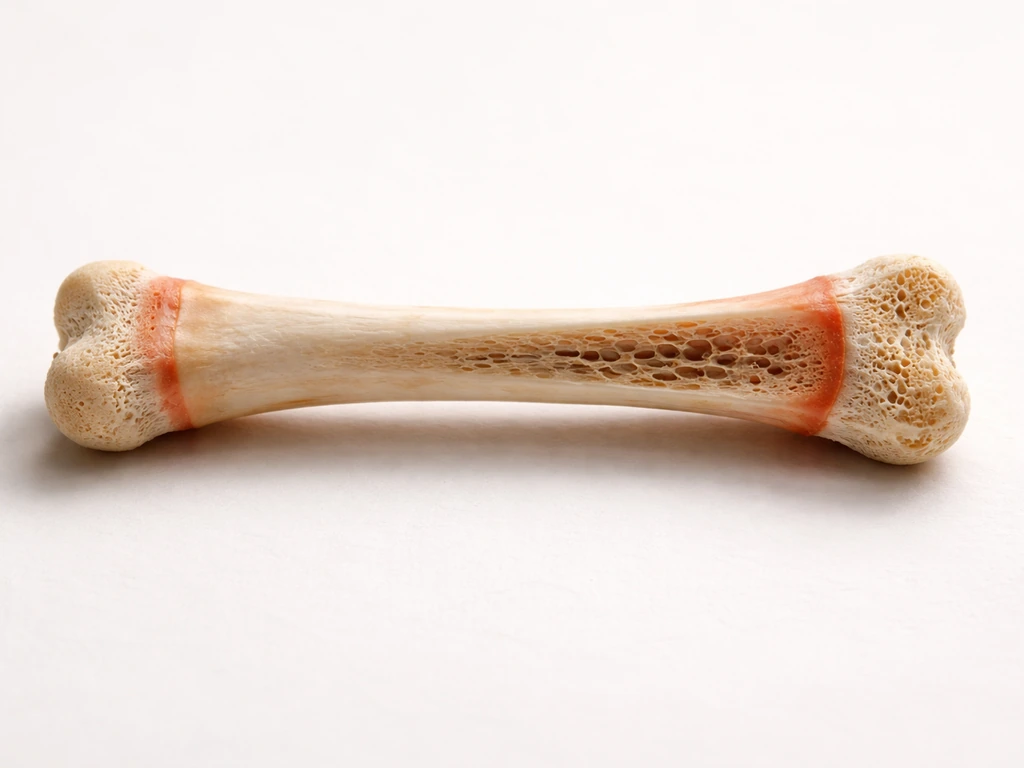
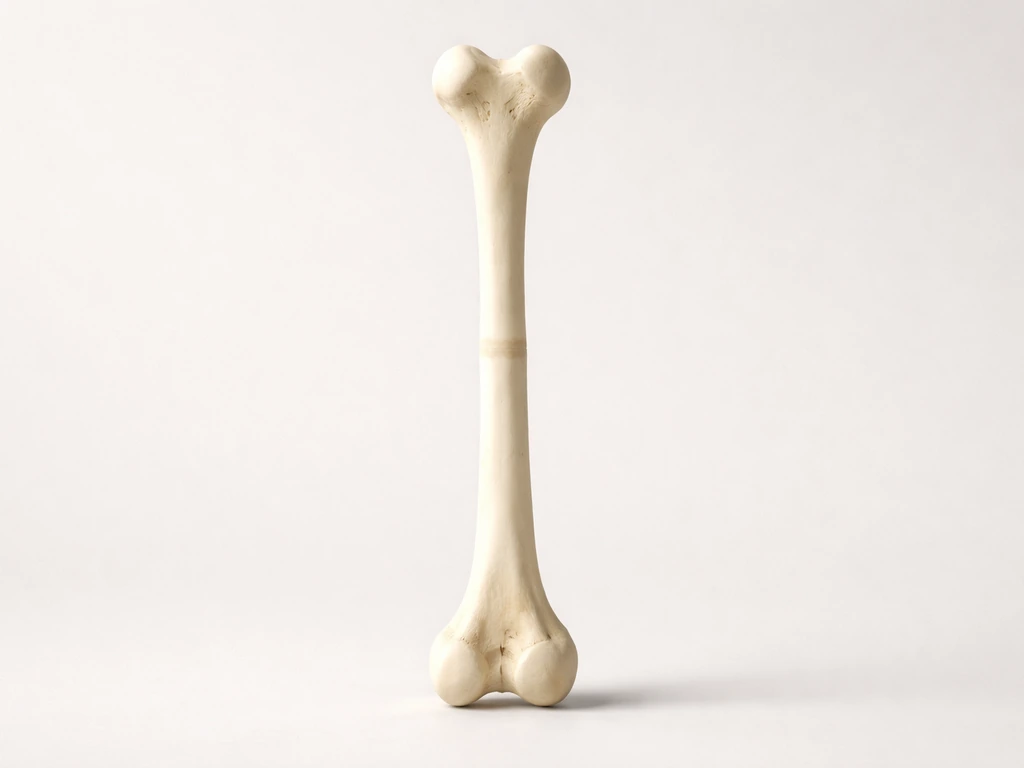
Height comes from one specific structure: the growth plate, also called the epiphyseal plate. It's a strip of cartilage near the ends of your long bones where specialized cells called chondrocytes multiply, mature, and gradually get replaced by bone tissue. That process is what physically lengthens your bones over childhood and adolescence. The whole system is largely driven by hormones, most notably growth hormone and the sex hormones that surge during puberty, including estrogen, which plays a major role in eventually telling the growth plate to close. Once those plates fuse into solid bone, no exercise, no stretching routine, and no supplement can reopen them.
Growth plate closure doesn't happen all at once. Different bones close at different times, and the timing varies by sex and individual biology. Most growth plates are fused by the late teens, but some don't fully close until around age 21. The big takeaway here is that the window for true bone lengthening is real but finite, and it's regulated by your internal biology far more than by anything you do at the gym.
During childhood and the years around peak height velocity (the roughly four-year window surrounding the adolescent growth spurt), bone growth is happening at its fastest rate. Physical activity during this period supports bone mineral accrual and healthy musculoskeletal development, which matters a lot for long-term bone density and strength. But supporting growth and causing growth are different things, and it's worth keeping that distinction clear. However, squats do not make you grow taller by reopening the growth plate squats help you grow taller.
What exercise actually changes about your height
Here's something that often surprises people: measured height isn't a fixed number. Research has documented a difference of 7 to 36 millimeters between someone's relaxed standing height and their 'as tall as possible' standing height, and that gap closes naturally after a night of sleep. Throughout the day, the intervertebral discs in your spine gradually compress under gravity and load, a process called creep, and you literally get shorter by late afternoon than you were when you woke up.
Exercise that involves decompression, stretching, or spinal extension can temporarily recover some of that lost height by reducing disc compression and improving postural alignment. For adults and teens wondering if bodyweight moves like pull ups change height, remember that true bone lengthening depends on open growth plates, so posture and spinal health usually matter more do pull ups help you grow taller.
Posture makes an even bigger practical difference. Thoracic kyphosis (an exaggerated upper-back rounding) and forward head posture can cause someone to stand measurably shorter than their skeleton allows. Randomized trials have shown that targeted corrective exercise programs reduce kyphosis angle and improve back extensor strength in both adolescents and adults. That translates to standing taller, not because new bone grew, but because the spine is better aligned. Harvard Health recommends a combination of strength training and mobility work like yoga specifically for this reason.
So when people say exercise made them taller, they're usually describing one of two real things: recovered posture or reduced spinal compression. Both are legitimate and worth pursuing. If your main goal is whether cardio helps you grow taller, keep in mind that it mainly supports overall health and posture rather than increasing bone length bone growth. They just aren't the same as bone growth.
Best exercise habits depending on your age
Kids and teenagers (still growing)

If growth plates are still open, the goal of exercise isn't to force extra height, it's to support healthy development and avoid anything that could damage the plates themselves. Growth plate fractures in children and adolescents are a real concern, and while normal supervised activity is safe, unsupervised maximal lifting and explosive Olympic-style weightlifting carry a higher injury risk to those vulnerable cartilage structures.
For safely building strength, the American Academy of Pediatrics notes that resistance training can help children and adolescents gain strength when performed with proper technique and supervision, with an emphasis on low injury risk when appropriately prescribed resistance training can help children and adolescents gain strength with proper technique and supervision. The AAP specifically recommends delaying heavy explosive lifting until after the growth spurt when the skeleton has matured.
The WHO and CDC both recommend that children and adolescents aged 6 to 17 get at least 60 minutes of physical activity daily, including muscle- and bone-strengthening activity at least 3 days per week. Bone-strengthening activities, things like jumping, running, gymnastics, basketball, and resistance training with appropriate loads, stimulate bone density and support healthy musculoskeletal development during the critical growth window.
- Running, jumping, and court sports: good bone-loading stimulus, well within safe intensity for youth
- Supervised resistance training: builds strength and supports bone health; keep loads moderate and technique correct
- Swimming and cycling: excellent cardiovascular fitness but lower bone-loading stimulus than weight-bearing activities
- Yoga and mobility work: builds flexibility and body awareness, helpful for posture habits early on
- Avoid: unsupervised maximal lifts, single-rep max attempts, and excessive repetitive loading without recovery
Adults (growth plates closed)
Once your plates are fused, you're working with the skeleton you have. The honest exercise goal for adults who want to look or measure taller is posture and spinal health. A well-designed strength program targeting the posterior chain (glutes, hamstrings, spinal erectors, and upper back) combined with mobility work for the thoracic spine and hip flexors does the most to improve standing height. The CDC recommends that adults include muscle-strengthening activity at least 2 days per week, and for older adults particularly, balance and bone-loading exercise help preserve stature that might otherwise decrease with age-related bone loss.
- Deadlifts and rows: strengthen the posterior chain and support upright posture
- Face pulls and band pull-aparts: directly target the upper back muscles that counter slouching
- Thoracic mobility drills and foam rolling: reduce kyphosis and improve extension range
- Core work (planks, bird dogs): stabilize the spine in a neutral, tall position
- Walking: low-load but consistent bone stimulus and good for overall health
- Yoga or Pilates: improves body awareness and spinal mobility simultaneously
Specific exercise types like running, sprinting, walking, pull-ups, squats, and cardio each have their own nuances when it comes to height-related outcomes. Running and sprinting provide strong bone-loading effects that are especially useful during growth years. Pull-ups decompress the spine temporarily and build back strength relevant to posture. Squats are excellent for posterior chain development but don't directly stimulate bone lengthening in adults. None of these will make a closed-plate adult skeleton grow, but all of them contribute to looking and feeling taller through better alignment and strength.
What actually determines how tall you grow
Genetics sets the ceiling. Your mid-parental height (averaging your parents' heights with a small sex-based adjustment) predicts your adult height range pretty well for most people. But within that genetic potential, a few environmental factors during the growth years genuinely matter, and exercise is only one small piece of the picture.
Nutrition
Adequate protein intake is foundational. Systematic reviews show that insufficient protein during childhood impairs growth outcomes. Calcium and vitamin D are equally important: a randomized controlled trial in children with low calcium and vitamin D intake found that targeted supplementation and counseling improved nutritional status relevant to bone health, and a Cochrane review found vitamin D supplementation probably slightly improves height-for-age z-scores in deficient populations. These aren't magic growth boosters, they're removing deficiencies that would otherwise hold a child back from their genetic potential.
Sleep
This one is genuinely underrated. Growth hormone is secreted primarily during slow-wave (deep) sleep, and the pulse is substantially larger during deep sleep than during lighter stages or REM. Chronic sleep deprivation during childhood and adolescence disrupts this hormonal pattern in ways that can affect growth. Getting consistent, adequate sleep isn't just good general health advice for a growing kid, it's directly relevant to the biology of height.
Medical evaluation when something seems off
If a child is consistently falling below the 3rd to 5th percentile on growth charts, or if their growth velocity drops below roughly 4 cm per year, that's worth investigating with a doctor. The Endocrine Society distinguishes between normal variation (familial short stature or constitutional growth delay) and treatable conditions. A bone age X-ray of the left hand can estimate how much growth potential remains. An endocrinology referral is appropriate when growth velocity is clearly slow for age and sex. Most short children have no underlying disease, but ruling out treatable causes early matters.
The myths, addressed directly
| Claim | What the science says |
|---|---|
| Stretching makes you permanently taller | Stretching temporarily reduces spinal compression and improves posture, giving a measured height increase of up to a few centimeters that returns to baseline over time. No permanent bone lengthening occurs. |
| Heavy weight training stunts growth | Properly supervised resistance training does not stunt growth. The risk is to growth plates from injuries caused by unsupervised maximal or explosive lifting, not from weight training itself. |
| Jumping exercises add height | Jumping is a great bone-loading stimulus that supports bone density and healthy development in youth. It does not directly cause long-bone lengthening beyond genetic potential. |
| 'Growth workouts' can make adults taller | After growth plate closure (typically by age 18-21), no workout can reopen or simulate growth plate activity. Adult exercise affects posture and disc compression, not bone length. |
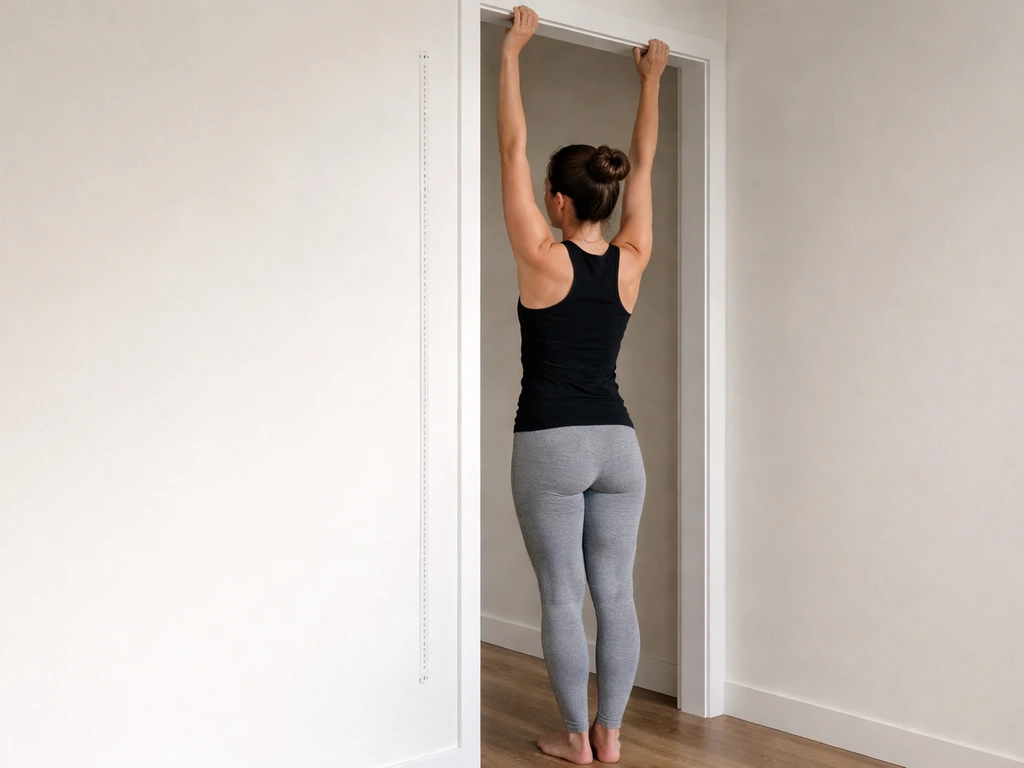
| Hanging from a bar increases height permanently | Hanging decompresses the spine temporarily, similar to lying down overnight. The effect reverses within hours as spinal loading resumes. No structural bone change occurs. |
| You can grow taller at any age with the right program | True height growth requires open, functional growth plates. Once fused, the mechanism for long-bone lengthening no longer exists regardless of training methods. |
What to actually do today, based on your situation
If you're a teenager who is still growing, focus on the fundamentals that protect and support your growth window: get 60 minutes of physical activity daily including weight-bearing exercise at least three days a week, eat enough protein and calcium, prioritize 8 to 10 hours of sleep, and avoid maximal unsupervised lifting until after your growth spurt. These habits won't guarantee extra inches, but they create the best possible environment for your genetics to fully express themselves.
If you're an adult and your plates are closed, redirect your energy toward what exercise can actually deliver: better posture, a stronger posterior chain, and improved spinal mobility. A consistent routine of back-strengthening work, thoracic extension mobility, and core stability will help you stand at your true height rather than a compressed version of it. That gap can be surprisingly meaningful in practice, and it's entirely achievable.
If you're a parent concerned about a child's growth, track height every 6 months on a standard growth chart, note whether the velocity seems to be slowing, and bring that data to a pediatrician. A bone age X-ray and endocrinology referral can answer questions that no exercise program ever will.
FAQ
If I do stretching every day, can I “pull open” my growth plates and grow taller?
No. Stretching may temporarily reduce spinal compression and improve posture, but it cannot reopen fused growth plates or lengthen bones once they have become solid bone tissue.
How soon would I notice height changes from exercise, if it is just posture or disc decompression?
Posture and decompression effects can show up immediately or within days, especially with routines that train the upper back and posterior chain. The measurement difference typically varies by time of day (you are usually taller after sleep), so track height at consistent times.
Are pull-ups and hanging really safe for kids and teens who might still be growing?
Generally, controlled hanging or assisted pull-up variations are usually safe when supervised and not done to the point of pain. Avoid forcing range or maximal effort if a child has pain, loose technique, or any red flags like persistent wrist or shoulder discomfort.
Can heavy lifting stunt growth or damage growth plates in children?
Normal supervised resistance training is typically safe, but maximal unsupervised lifting, high-impact ego lifting, or explosive moves done too early increase injury risk. The key is appropriate loading and technique, especially during growth spurts, not avoiding training altogether.
Does cardio make you taller compared with strength training?
Cardio mainly supports health and conditioning and can indirectly help posture and body composition. For looking taller, strength work that targets glutes, hamstrings, spinal erectors, and the upper back usually has a more direct effect than steady-state cardio.
If I am an adult and exercise makes me look taller, will my ID card height eventually change?
If your growth plates are closed, it will not permanently change bone length. Real-world height changes from exercise are typically postural or decompression related, so measurements taken at different times may vary even without lasting structural change.
What is the easiest way to tell whether my “taller” change is posture versus actual growth potential?
If you are still in the growth-window (child or teen), actual growth should show up as changes on a growth chart over months, and growth velocity trends matter. If you are an adult, any increase is almost always posture alignment or temporary disc unloading, which fluctuates across the day.
Should a teen stop sports or weight-bearing exercise if they are worried about their height?
Usually no, because weight-bearing activities like running, jumping, and resistance training support bone density and healthy musculoskeletal development. Stop and get medical advice if there is pain, repeated injuries, or signs of growth-related problems like clearly slowed growth velocity.
How should parents measure height to reduce misleading results?
Measure at home using a consistent protocol (same time of day, ideally after waking), shoes off, and a proper stadiometer if possible. Because height naturally varies by spinal disc compression, comparing measurements taken at the same time each check-in is more informative than one-off numbers.
If a child’s growth seems slow, what specific data helps a doctor decide next steps?
Bring a record of heights over time (at least several months), calculate or approximate growth velocity, note puberty stage if relevant, and share nutrition, sleep, activity, and any symptoms (fatigue, headaches, GI issues). A doctor may consider bone age imaging to estimate remaining growth potential.
Does Sprinting Help You Grow Taller? Science and Tips
Does sprinting help you grow taller? Evidence says no for height, but it can improve bone health, posture, and fitness.