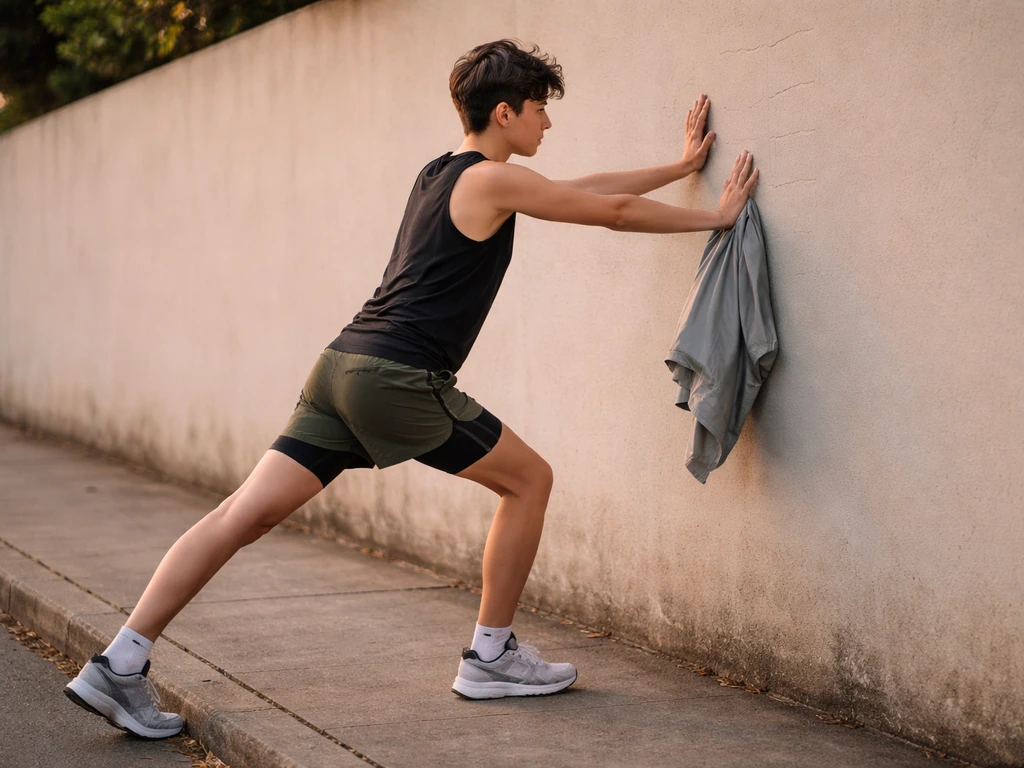
Sprinting will not directly make you grow taller. For a direct answer to whether exercise helps you grow taller, the key point is that it cannot add height beyond what your genetics and growth plates are set to produce. There is no credible evidence that sprinting, or any other exercise, adds measurable height beyond what your genetics and growth plates were already going to produce. That said, sprinting does trigger a real hormonal response, supports bone density, builds the posture-strengthening muscles along your spine, and keeps your body in the kind of shape where you express your full natural height rather than slouching an inch or two away from it. So the honest answer is: no for adding new height, yes for supporting the conditions that let healthy growth happen and for making the most of the height you already have.
Does Sprinting Help You Grow Taller? Science and Tips

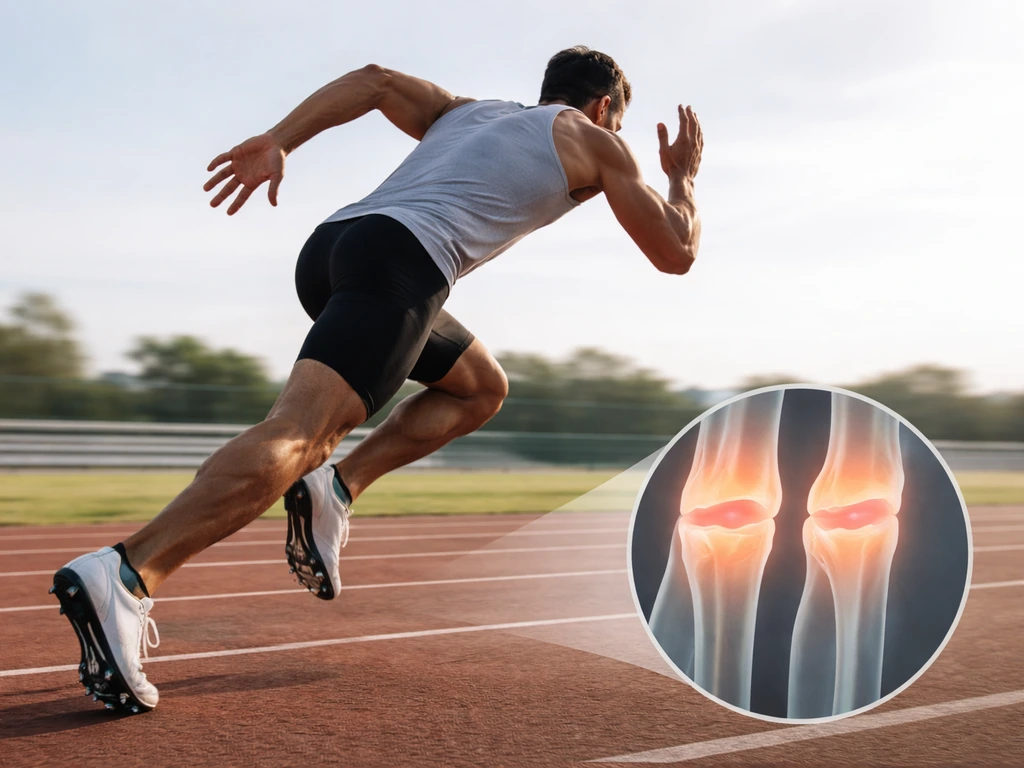
How your body actually gets taller
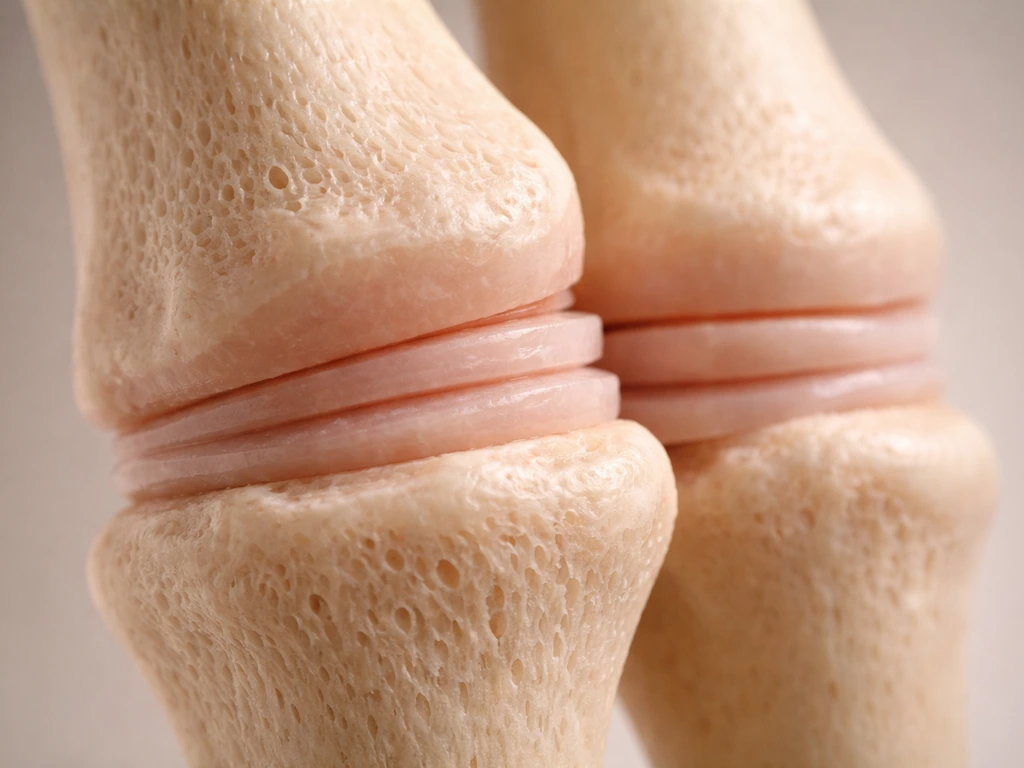
Height comes down to three things working together: your genetics, your hormones, and the activity of your growth plates. The growth plates are thin discs of cartilage sitting near the ends of your long bones, places like the femur, tibia, and humerus. Through a process called endochondral ossification, cartilage cells in those plates divide, mature, and gradually get replaced by bone tissue, pushing the bone longer in the process. Growth hormone (GH) and its downstream signal IGF-1 are the key regulators here, stimulating those cartilage cells to multiply and the bone to lengthen.
The catch is that the growth plates have a built-in expiration date. As puberty progresses, the plates go through a predictable sequence: a proliferative phase (lots of cartilage cell division), a hypertrophic phase (cells enlarge), and finally senescence, where growth slows and the plates fuse into solid bone. Once that fusion is complete, usually in the mid-to-late teens for girls and the late teens to early twenties for boys, longitudinal bone growth stops entirely. No exercise, supplement, or lifestyle change reverses fused growth plates. Genetics largely sets the pace and endpoint of this whole timeline, which is why tall parents almost always have taller children.
What sprinting can and can't do for your height
What it genuinely does
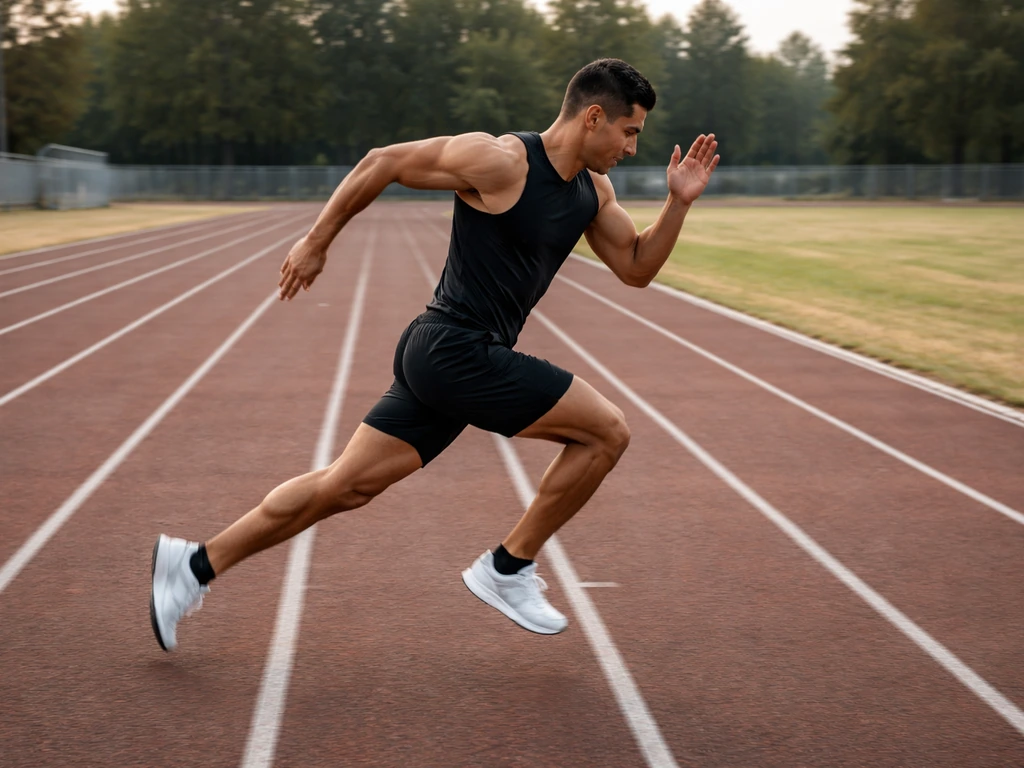
Sprinting is a high-intensity, full-body effort, and a few of its real effects are worth knowing. First, intense anaerobic exercise like sprinting produces a short but meaningful spike in growth hormone output. GH pulses are a normal part of how the body manages tissue repair, metabolism, and, in younger people, growth. Second, the mechanical loading from sprinting places stress on your bones, which over time stimulates bone remodeling and higher bone density. Third, sprinting heavily recruits the posterior chain: glutes, hamstrings, calves, and the erector muscles along your spine. Strengthening those muscles matters for posture, and posture matters more than people realize for functional height. A person who stands with a pronounced anterior pelvic tilt or thoracic kyphosis can appear and actually measure noticeably shorter than their skeletal frame allows.
What it cannot do
Sprinting cannot lengthen your bones if your growth plates are open, and it certainly cannot reopen them once they are fused. The GH spike from a hard sprint is transient, not the sustained, pulsatile hormonal environment that drives childhood and adolescent growth. Cartilage in the growth plate does not respond to a single bout of exercise the way it responds to months of hormonal signaling during puberty. There is also a common myth that the repeated impact of sprinting compresses the spine and then allows it to decompress and grow, similar to how astronauts gain height in zero gravity. This does not hold up. Spinal height fluctuates a small amount throughout the day due to disc hydration, but that fluctuation is not bone growth, and it reverses by the next morning regardless of what you did the day before.
What the science says about exercise and height at different life stages
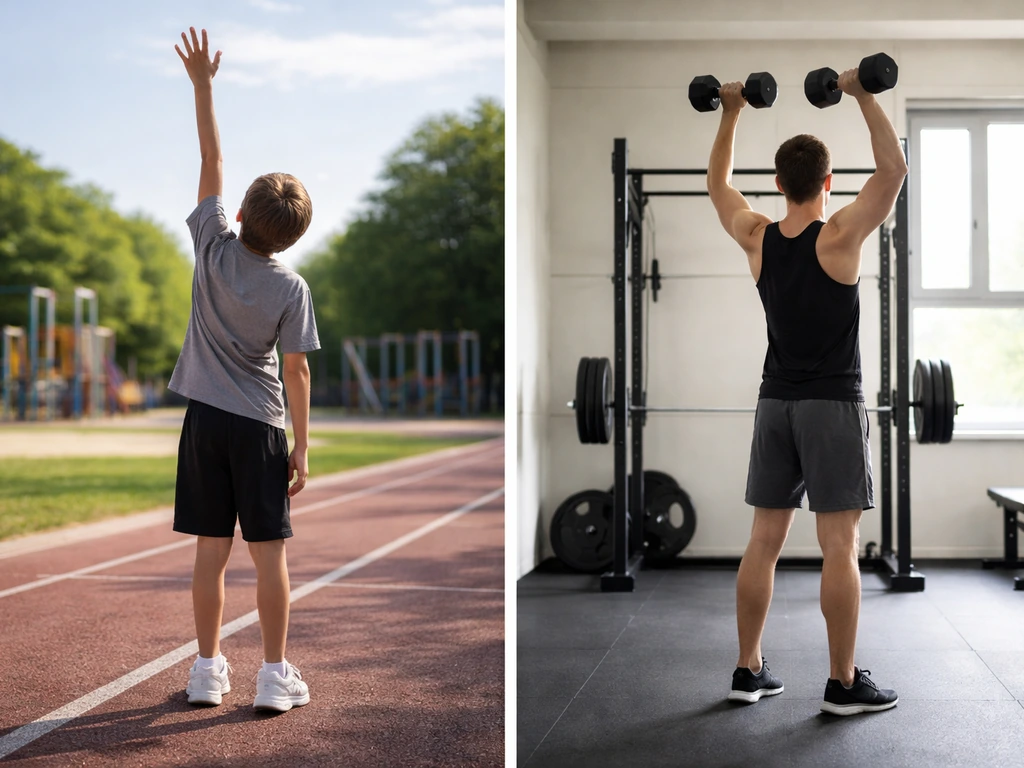
Research on exercise and height is clearest in one direction: severe malnutrition or extreme physical stress during childhood can stunt growth, but moderate to vigorous physical activity during the growing years does not cause extra height beyond genetic potential. Some studies in children and adolescents show that regular physical activity supports bone mineral accrual and healthy body composition, both of which create conditions for normal growth to proceed. But conditions for normal growth are not the same as adding height on top of what genetics planned. For example, squats can help build leg strength and improve posture, but they do not add measurable bone length the way growing hormones during puberty do squats help you grow taller.
For adults whose growth plates have fused, the conversation shifts entirely. Exercise cannot change your skeletal height, full stop. What it can change is your functional, measured height, because better core strength and spinal muscle endurance reduce the degree to which you slouch or compress under gravity. Doing pull ups can be a great upper-body strength exercise, but they do not directly make you grow taller. Adults who strengthen their posterior chain and practice good posture can realistically recover the centimeter or two that poor posture was costing them. That is not new height, but it is real and measurable. For a direct answer to does working out help you grow taller, the evidence points to genetics and growth-plate timing rather than exercise creating new height. Sprinting, alongside other forms of exercise like swimming, cycling, or walking, can contribute to that kind of functional improvement. If you are wondering whether walking helps you grow taller, the short answer is that it mainly supports the conditions for normal growth rather than adding extra height.
It is also worth noting that clinical height increases using pharmacologic GH therapy are only observed in specific pediatric diagnoses, such as documented GH deficiency or idiopathic short stature under careful medical protocols. Even under those controlled conditions, outcomes depend heavily on how much growth plate activity remains. This underscores the point: when the biology supports growth, targeted hormonal intervention can help. When it does not, no amount of sprinting or supplementation changes the equation.
How to sprint safely if you want the fitness and posture benefits
If you are going to sprint, the goal should be general fitness, posture support, bone health, and athletic development rather than height. Done right, sprinting is excellent for all of those. Done wrong, it is one of the faster routes to a hamstring strain or a stress fracture. Here is how to approach it sensibly.
Build a base first
If you are not already doing regular cardiovascular exercise, do not start with sprints. Cardio can still support overall health and posture, but it does not directly make you grow taller. Spend four to six weeks jogging at a comfortable pace three to four days per week before introducing any sprint work. Your tendons, ligaments, and bones adapt to load more slowly than your cardiovascular system does, and skipping the base phase is exactly how people get hurt.
Warm up properly every single time
A proper sprint warm-up takes about ten minutes and covers dynamic movements rather than static stretches. Leg swings, hip circles, high knees, butt kicks, and a few acceleration runs at 50 to 70 percent effort prime the neuromuscular system and raise tissue temperature before you go full effort. Skipping this step at sprint speeds is genuinely risky, especially for the hamstrings.
A beginner sprint structure
- 2 sprint sessions per week, with at least 48 hours between them
- Start with 6 to 8 repetitions of 20 to 30 meter accelerations at about 80 percent effort
- Rest 60 to 90 seconds between reps (walk back to the start)
- Increase distance or intensity by no more than 10 percent per week
- Cap total sprint volume at 3 to 4 sessions per week even as you advance
Injury prevention priorities

- Sprint on a flat, predictable surface: a track is ideal, a sloped or uneven field is not
- Wear proper running shoes with adequate heel cushioning and lateral support
- Stop at the first sign of sharp pain, especially in the hamstrings or around the knees
- Include one or two strength sessions per week targeting glutes, hamstrings, and calves to protect the tendons that sprinting loads heavily
- Prioritize sleep: soft tissue recovery happens primarily during deep sleep, and skimping on sleep is a common reason for overuse injuries in young athletes
One note for younger athletes: growth plates are vulnerable to overuse stress during adolescence, particularly around the knee (Osgood-Schlatter) and heel (Sever's disease). These conditions are not caused by sprinting alone, but high-volume, high-intensity sprint training without adequate rest can aggravate them. If a growing child or teen develops persistent joint pain near a growth plate, reduce training load and see a clinician before continuing.
What to actually prioritize based on your age
| Life Stage | Height Potential Status | Best Priorities |
|---|---|---|
| Children (under 12) | Growth plates fully open, puberty not yet started | Adequate nutrition (protein, calcium, vitamin D), 9-11 hours sleep, varied physical play, no extreme training loads |
| Teens (12-18) | Growth plates active, puberty ongoing | Same nutrition and sleep priorities, moderate exercise variety, manage stress, avoid overtraining, monitor for growth plate pain |
| Late teens/Young adults (18-22) | Plates likely fusing or recently fused | Shift focus to posture, core strength, spinal health; ensure nutrition supports bone density accrual (peak bone mass sets in by mid-20s) |
| Adults (22+) | Growth plates fused, no new height possible | Posture and posterior chain strength, spinal decompression exercises, body composition, overall bone health maintenance |
For children and teens, the evidence is consistent: the biggest modifiable factors for healthy height development are nutrition and sleep, not any specific type of exercise. Getting enough protein, calcium, and vitamin D supports the raw materials for bone growth. Getting 9 to 11 hours of sleep per night (for children) or 8 to 10 hours (for teens) is not optional: the largest GH pulses of the day happen during deep sleep, and chronically short sleep is one of the few lifestyle factors that meaningfully blunts normal GH secretion. Exercise, including sprinting, is a healthy complement to those foundations, not a replacement for them.
For adults, the actionable question is not how to grow taller but how to stand at your full height. Exercises that open the thoracic spine, strengthen the glutes and lower back, and improve hip flexor flexibility are genuinely useful. Sprinting contributes to this indirectly by strengthening the posterior chain and improving overall body awareness. Other forms of exercise like yoga, swimming, and resistance training tend to be more directly targeted at postural improvement. If posture and spinal health are the goal, a combination approach works better than sprinting alone.
When to talk to a doctor about growth
Most people searching this question are curious rather than clinically concerned, but there are real situations where a medical conversation is warranted. Growth delay in children and adolescents has identifiable causes, some of which are treatable, and early intervention makes a meaningful difference in outcomes.
- A child who falls significantly below the growth curve for their age or drops two or more percentile lines over time
- A teen who has not started puberty by age 14 (boys) or 13 (girls)
- A child or teen whose growth seems to have stalled entirely for six months or more without an obvious explanation like illness or poor nutrition
- Persistent bone or joint pain near growth plates during or after exercise
- Significant height difference between a child and both biological parents that cannot be explained by family history
A pediatric endocrinologist can evaluate bone age via a hand X-ray, check IGF-1 and GH levels, and assess whether there is an underlying condition affecting growth. When GH deficiency or another treatable cause is found, medically supervised therapy started while growth plates are still open can make a real difference. That is a fundamentally different situation from a healthy teenager wondering whether sprinting faster will add an inch to their frame. For the latter, the answer stays the same: focus on sleep, nutrition, and consistent activity, and let biology do the rest.
FAQ
If I’m still growing, can sprinting make me taller faster than other workouts?
No, sprinting does not create the sustained growth-plate signaling that drives true height gains. It may cause brief hormone changes and improve posture, but it cannot accelerate bone lengthening beyond your genetics and remaining growth-plate activity.
Does sprinting make you taller temporarily by “stretching” your spine or discs?
What you may notice is daily posture and disc hydration fluctuation, not bone growth. Any gain from better alignment typically reverses by the next day if you do not keep postural work and mobility habits consistent.
How do I know whether my growth plates are still open?
Only an imaging-based assessment can confirm it. A clinician can estimate maturity using bone age (often a hand X-ray) and, when needed, evaluate growth context. Self-testing or guessing from age is unreliable.
Can I use sprinting to recover height lost from slouching?
You can often improve functional height by reducing forward head, thoracic kyphosis, and pelvic tilt through consistent posterior-chain strengthening and thoracic mobility. The improvement is real and measurable, but it is not the same as adding new skeletal height.
Are there any signs that sprint training is risking my growth-related joints?
Yes, persistent pain near a growth plate area, such as the knee (Osgood-Schlatter) or heel (Sever’s disease), especially with continued sprinting, is a stop-and-evaluate signal. Reduce volume and see a qualified clinician rather than pushing through discomfort.
What’s the biggest mistake people make when they try sprints hoping for height benefits?
Starting sprint intensity too soon without a base of easier cardio and without adequate warm-up. Tendons and bones adapt slower than your cardiovascular system, so rushing often leads to hamstring strains or stress injuries.
Is sprinting better than walking or cycling for height support?
For actual height potential, no form of exercise reliably adds new bone length beyond genetic programming and growth-plate timing. Sprinting may offer extra benefits for fitness and posterior-chain strength, but walking and cycling can still support bone health and posture when done consistently.
Does more sprint volume mean more growth hormone and more height?
More volume is not the goal, because the growth-driving environment is not replicated by exercise bursts. Overdoing sprints increases injury risk and can aggravate growth-plate stress during adolescence without improving height outcomes.
What should children and teens prioritize if they want to maximize height potential?
Sleep and nutrition are the highest-impact levers. Consistent protein intake, calcium, vitamin D sufficiency, and enough nightly sleep support normal bone development, while exercise should complement that foundation rather than replace it.
When should I talk to a doctor about my height concerns?
If there is delayed growth compared with peers, lack of expected growth over time, or persistent pain affecting activity. A pediatric endocrinologist can evaluate bone age and consider treatable causes, including growth hormone issues when indicated.
Can Running Help You Grow Taller? Science, Limits, and Tips
See if running can affect height, the growth science, and practical tips for bone health and posture by age.