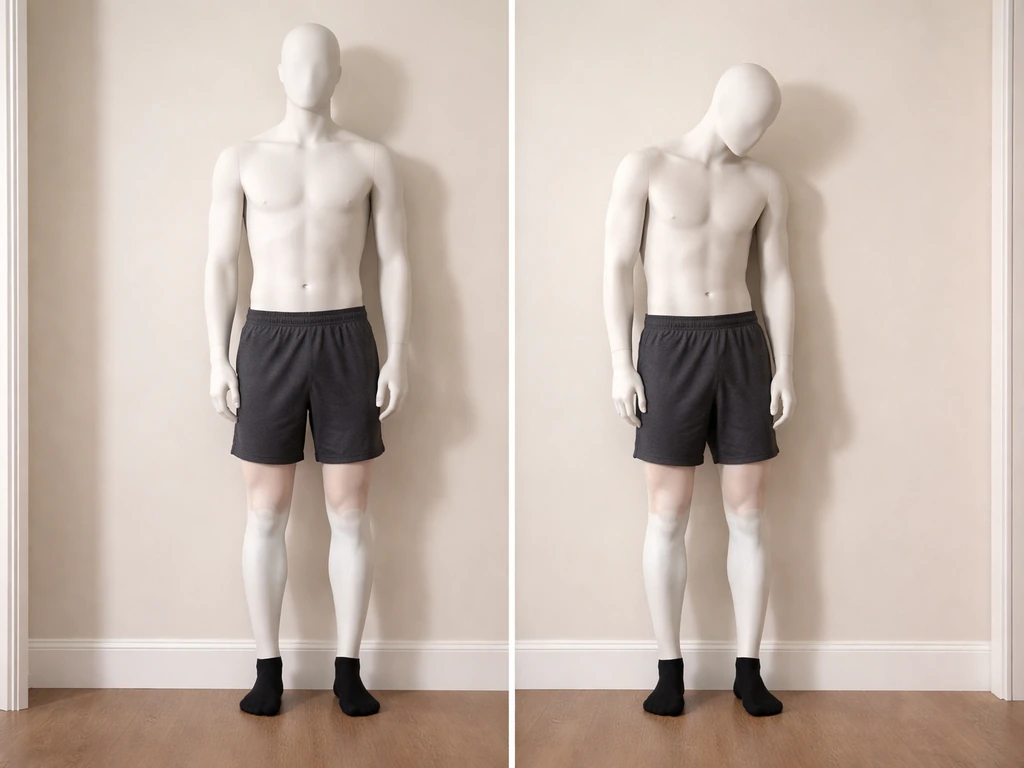
Running will not make you taller on its own. That's the short answer. But the longer answer is more useful, because whether running can support your height potential depends heavily on your age, whether your growth plates are still open, and what else you're doing alongside it. For kids and teens who are still growing, regular physical activity including running does play a role in healthy development, and some evidence points to impact exercise influencing the hormonal environment that supports growth. For adults, the picture is different: growth plates are closed, and no exercise will add centimeters to your skeleton. What it can do is help you stand taller through better posture and stronger supporting muscles, which is a real but very different thing. For the specific question of whether working out helps you grow taller, the answer depends mostly on age and whether growth plates are still open stand taller through better posture. It can also be useful to compare this with whether does exercise help you grow taller, since the answer changes a lot between kids with open growth plates and adults with fused plates.
Can Running Help You Grow Taller? Science, Limits, and Tips

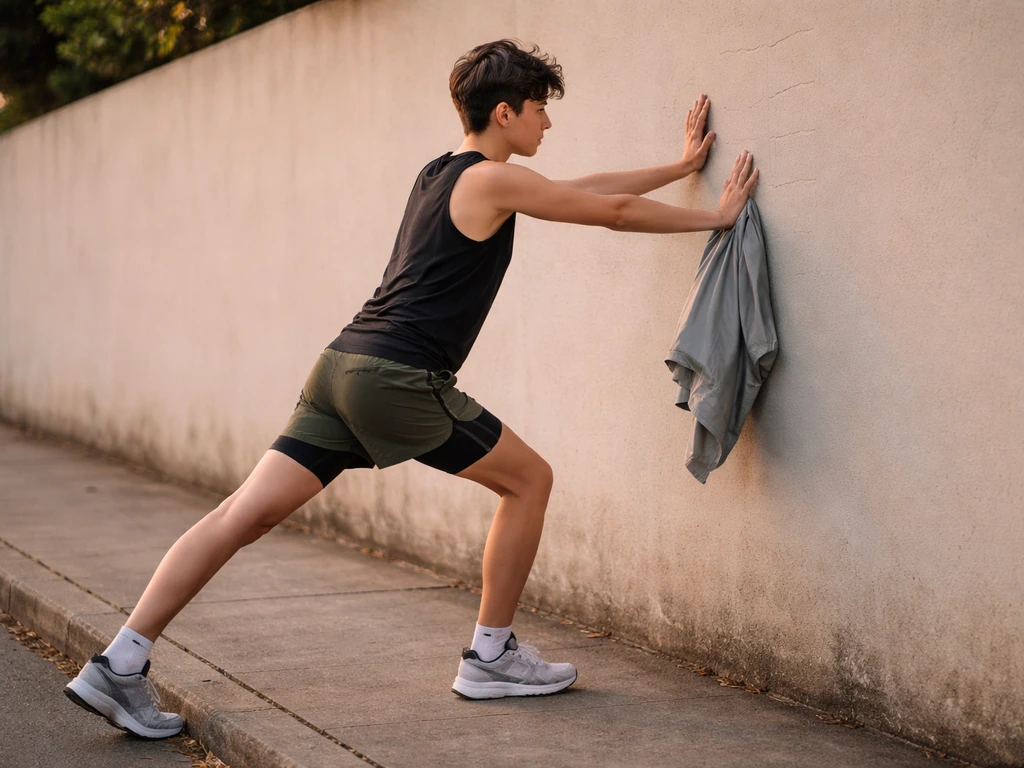
The answer changes a lot depending on your age
Children and teenagers (still growing)
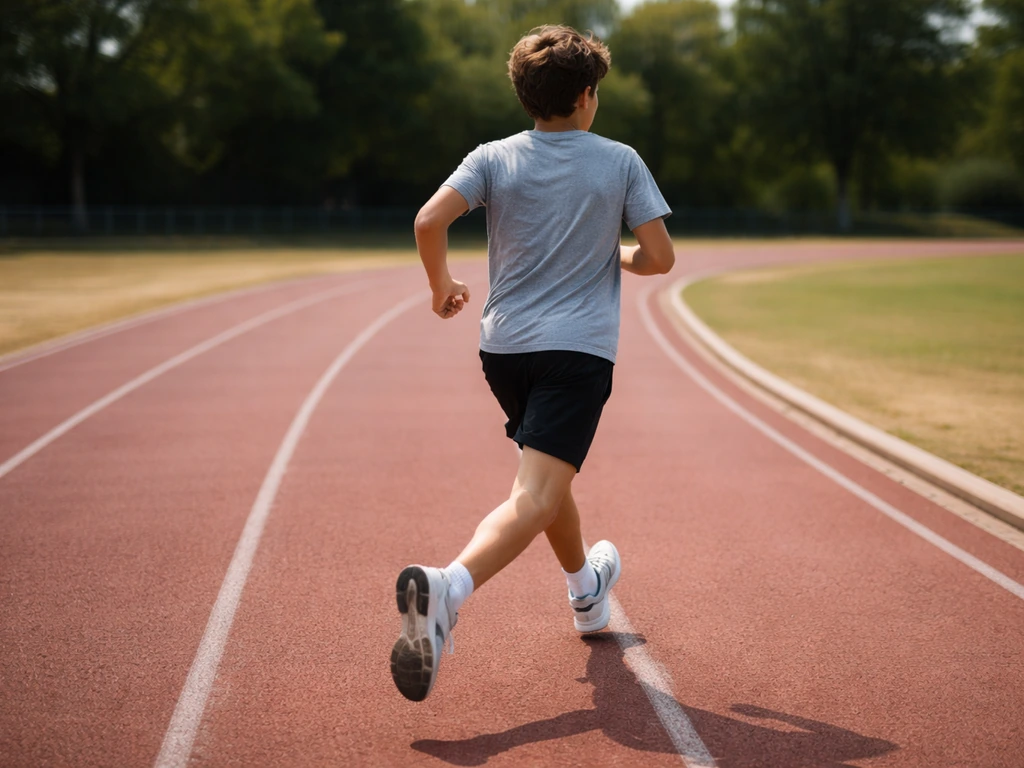
If you're a child or adolescent with open growth plates, physical activity matters. Running and other impact-based movement are included in CDC guidelines for youth as bone-strengthening activities, recommended at least 3 days per week as part of 60 minutes of daily activity. That guideline exists because impact loading during the growing years supports bone density and healthy skeletal development, not because running directly adds height. However, there is some interesting research worth knowing about: a 24-week jumping exercise intervention in short-stature children reported improved growth rate and linked those effects to the GH-IGF-1 axis, which is the hormonal pathway that drives linear bone growth at the growth plates. This doesn't mean running will override your genetics, but it suggests that being active during the growing years is genuinely supportive of the growth process, not just neutral.
That said, the Endocrine Society is direct about this: for most cases of short stature, there is no specific food, diet, or exercise that can guarantee improved growth. Exercise supports the environment for growth, but it doesn't switch on height genes or add years to your growth timeline.
Adults (growth plates closed)
For adults, typically by the late teens to early 20s, the epiphyseal plates (growth plates) fuse and linear bone growth stops. A similar point comes up in the Reddit thread “Have my plates fused yet?” where community members discuss that growth plates fuse over time and describe post-fusion changes like epiphyseal scar remodeling blank" rel="noopener noreferrer">epiphyseal plates fuse and linear bone growth stops. After that point, running cannot add height. The biology simply doesn't allow it. What running and strength training can do for adults is improve posture, strengthen the postural muscles around the spine, and reduce the chronic slouching that makes many people look shorter than they actually are. That effect is real and worth pursuing, but it's posture correction, not height gain. If you're an adult asking this question, managing your expectations here will save you from chasing something that isn't physiologically on the table. For adults, this usually means exercise can still help you look taller through better posture, but it won't increase your actual bone length.
How running actually interacts with growth biology
Growth plates and impact loading
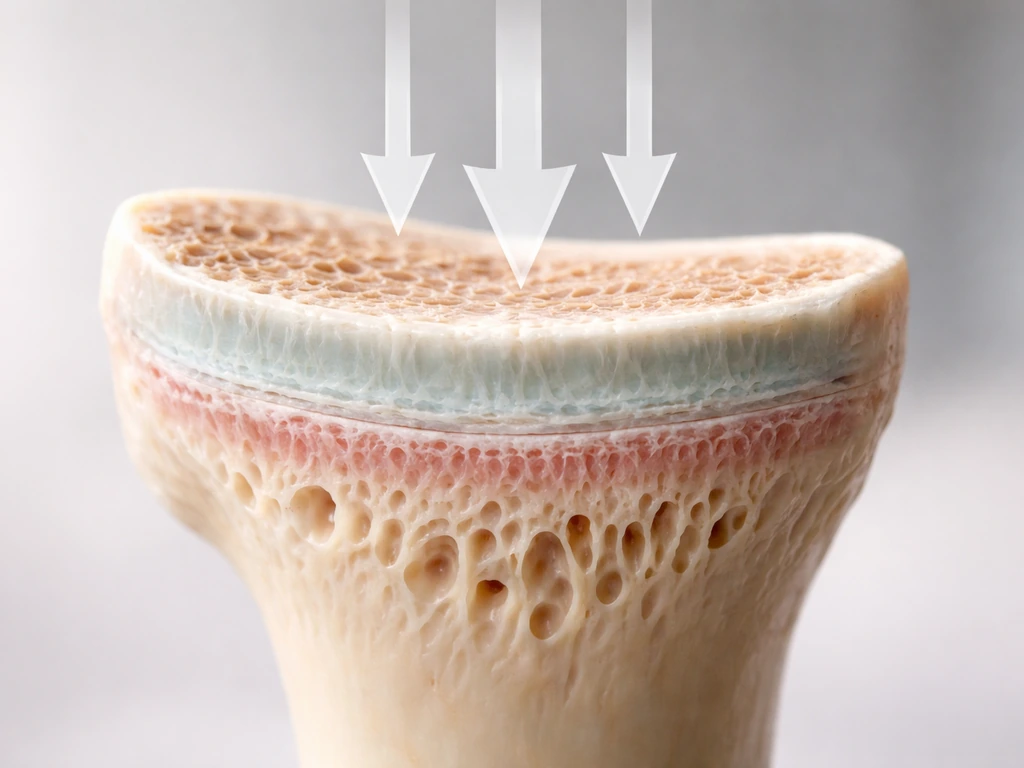
Linear height comes from the growth plates, which are cartilaginous zones near the ends of long bones like the femur and tibia. Chondrocytes (cartilage cells) in these plates multiply and eventually mineralize into bone, pushing bone length outward. Running creates mechanical loading on these bones. Moderate impact loading appears to stimulate chondrocyte activity and bone formation, which is why weight-bearing activities like running and jumping are consistently listed as bone-strengthening for youth, while low-impact activities like swimming and cycling are not. An AAP clinical review noted that high-impact, low-frequency activity such as jumping for just 10 minutes, three times a week increased femoral neck bone mineral density compared to controls. Running produces similar repetitive impact. The key word here is moderate: appropriate loading supports growth plate health, but excessive or repetitive stress in young athletes can actually harm growth plates, which I'll come back to.
The hormone connection
Growth hormone (GH) and IGF-1 (insulin-like growth factor 1) are the main hormonal drivers of height during childhood and adolescence. Exercise, particularly moderate-to-vigorous physical activity, can stimulate acute GH release. The jumping intervention study mentioned earlier explicitly connected its improved growth-rate findings to changes in the GH-IGF-1-IGFBP-3 axis. So there's a plausible hormonal pathway: regular impact activity may upregulate the GH-IGF-1 signaling that acts on growth plates in still-growing kids. This is a mechanism, not a magic button, but it helps explain why physical activity is genuinely relevant during the growth years rather than just coincidentally recommended.
What about posture?
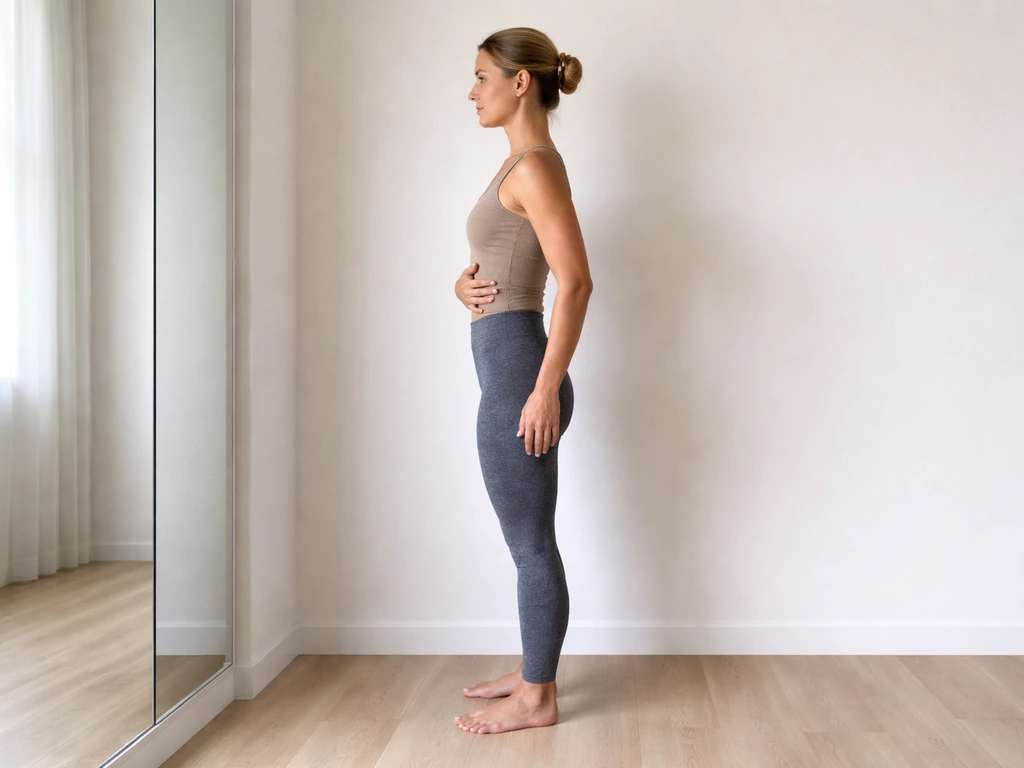
Running, especially combined with core strengthening, can improve the muscular support around your spine. Poor posture, forward head carriage, and a rounded thoracic spine can compress your apparent height by several centimeters. Correcting that through exercise can make you look measurably taller. This is not a trivial effect, and it's completely real. It's just not the same thing as growing taller. If your question is whether running can help you appear taller by improving how you carry yourself, the answer is yes. Pull-ups are another kind of strength exercise, but whether they help you grow taller depends on your growth plates and age do pull ups help you grow taller. If the question is whether it adds centimeters to your bones, that's a different story.
What's real and what's a myth
| Claim | Reality |
|---|---|
| Running makes you grow taller | Not directly. It supports bone health and hormonal activity in growing kids, but doesn't add height on its own. |
| Adults can gain height from running | No. Growth plates are fused. Running can improve posture, which may improve apparent height. |
| Impact exercise is bad for growth in kids | Moderate impact is actually beneficial. Extreme overtraining is the risk, not moderate running. |
| Running releases enough GH to significantly boost height | Exercise does stimulate GH, but the effect is acute and modest. Sleep-driven GH surges are far more significant. |
| Running tall improves posture and makes you look taller | True. Stronger core and postural muscles from running can reduce slouching and recover lost apparent height. |
| Sprinting grows you faster than jogging | No strong evidence supports this distinction for height. Both are impact-loading activities with similar bone effects. |
What actually matters more for height potential
Running is one small piece of a much bigger picture. If you're a growing child or teen trying to reach your full height potential, these evidence-based factors matter considerably more than what exercise you choose.
Nutrition and calories
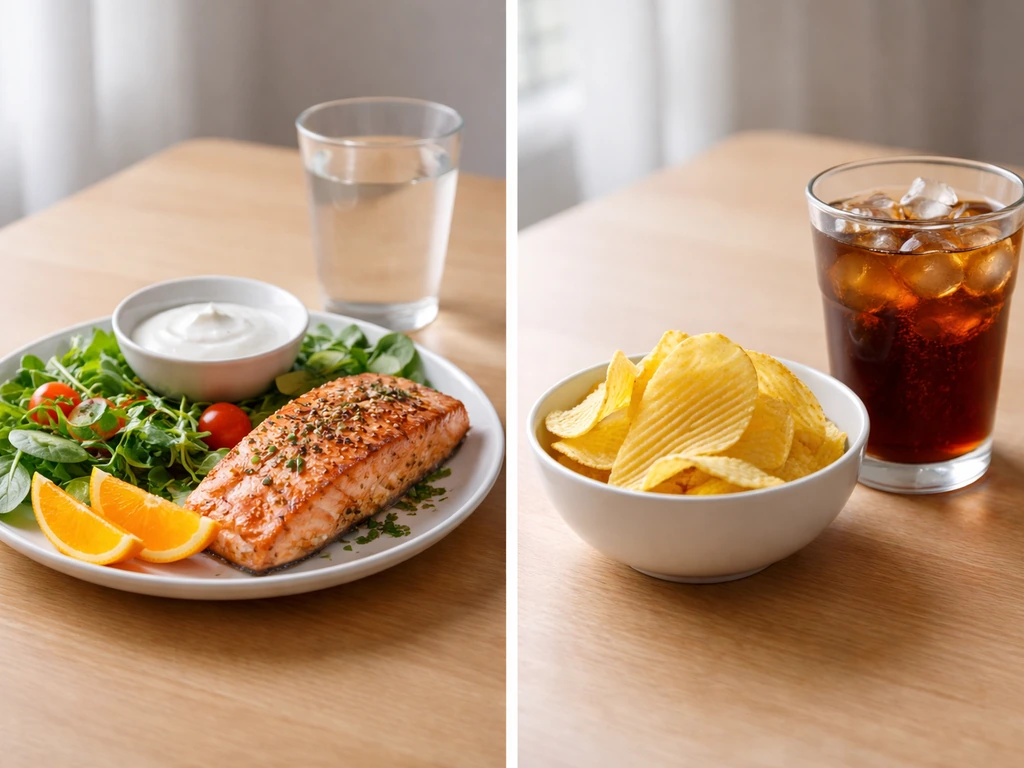
Chronic caloric restriction or protein deficiency during the growing years is one of the most reliable ways to fall short of genetic height potential. The body will not prioritize bone elongation when it's in an energy deficit. Adequate protein supports IGF-1 production, and IGF-1 is a direct driver of growth plate activity. If a growing teenager is under-eating, no amount of running will compensate for that deficit.
Calcium and vitamin D
These two nutrients are the foundation of bone mineralization. The Pediatric Endocrine Society recommends that kids ages 9 to 18 get 1,300 mg of calcium per day and 600 IU of vitamin D per day. Most adolescents fall well short of these targets, particularly vitamin D. Without adequate vitamin D, calcium absorption is impaired. Without adequate calcium, the bones being built during growth years won't mineralize properly. This is not a subtle effect: deficiency during the growth window has lasting consequences for skeletal health.
Sleep
This is arguably the most underappreciated factor. The largest surge of growth hormone secretion happens during deep sleep, specifically in the early part of the night. Sleep deprivation directly suppresses GH secretion. For a growing child or adolescent who's running but sleeping only 5 or 6 hours a night, the hormonal environment needed to support linear growth is being systematically undermined. Getting 8 to 10 hours of sleep during the growing years is not optional if you're trying to support height potential.
Avoiding overtraining and chronic stress
High training loads in young athletes can actually suppress GH and IGF-1 over time, particularly when paired with inadequate caloric intake. Female athletes in particular are at risk of the relative energy deficiency in sport (RED-S) syndrome, which can delay puberty and stunt growth. More running is not always better for growth.
Genetics
Roughly 60 to 80 percent of height is determined by genetics. Everything else, including nutrition, sleep, and exercise, operates within that genetic ceiling. These factors matter most when they're suboptimal: fixing a deficiency can help a child reach their genetic potential, but optimizing beyond baseline won't push them above it.
A practical running plan that supports bone and growth health

If you're building a running routine for a growing child or teen with bone health and growth support in mind, here's how to approach it practically. The goal is consistent, moderate impact loading, not high-volume training.
- Frequency: Aim for at least 3 days per week of weight-bearing activity, which aligns with CDC bone-strengthening guidelines. Running, skipping, and jumping all qualify.
- Duration and intensity: 20 to 30 minutes of moderate-effort running per session is appropriate for most school-aged children. The evidence base for bone health improvement in youth often uses relatively short high-impact sessions (some studies used just 10 minutes of jumping, 3 times weekly) rather than long-distance runs.
- Type of running: Varied terrain and including some bounding, skipping, or short sprints adds more impact stimulus than steady-state jogging alone. Mix it in rather than running only long, slow distances.
- Rest and recovery: At least 1 to 2 full rest days per week. Young bones need time to adapt to loading. Running every single day without rest increases injury risk, especially stress fractures.
- Pair with strength: Bodyweight exercises like squats, lunges, and core work complement running by improving posture and muscle balance around the skeleton.
- Monitor total load: If a child is also playing a sport, training with a team, and running separately, total weekly load should be tracked. A general rule of thumb is that weekly training hours for youth athletes shouldn't exceed their age in years (so a 12-year-old shouldn't train more than about 12 hours per week across all activities).
- Eat before and after: Running in a fasted state or chronically underfueling a young athlete undermines any growth benefit from the exercise. Carbohydrates and protein within an hour of training matter.
For adults, a running plan for height-related goals is really a posture and spinal health plan. Focus on running form (upright posture, relaxed shoulders, tall spine), pair it with core strengthening and hip flexor stretching, and work on thoracic mobility. These changes won't add bone length but can meaningfully improve how tall you appear and feel day-to-day.
When running becomes a problem for growing bodies
Overuse injuries and growth plates
Growth plates in children and adolescents are actually weaker and more vulnerable than the surrounding bone tissue. This is the opposite of adult anatomy, where the growth plate zone no longer exists. High-mileage or high-frequency running in young athletes can produce growth plate stress injuries, the most common being Sever's disease (at the heel's growth plate) and Osgood-Schlatter disease (at the tibial tuberosity below the knee). These conditions are painful and typically require rest. More seriously, repetitive unaddressed stress at a growth plate can disrupt normal bone growth in that region. Any growing child or teen who develops persistent joint or bone pain from running should stop the activity and get it evaluated, not train through it.
Signs that growth may need medical attention
Running isn't going to cause growth disorders, but it's worth knowing what to watch for. The AAFP recommends referral to pediatric endocrinology when a child's growth velocity falls below 5 cm (about 2 inches) per year, or when their height is more than 2 standard deviations below average for age and sex. Plotting height on a CDC or WHO growth chart every 6 to 12 months is the most practical way to catch a problem early. If a child is growing consistently, even if slowly, that's usually reassuring. If growth has stalled or the chart trend is dropping across percentile lines, that warrants a clinician's evaluation regardless of how much they're running.
When to see a doctor specifically
- Height velocity below 5 cm per year in a school-aged child
- Height tracking consistently below the 3rd percentile on a growth chart
- A child's height falling significantly below the mid-parental height expectation
- Delayed puberty alongside slow growth
- Any persistent bone or joint pain during or after running in a child or teen
- Signs of disordered eating or very low body weight in a young athlete who is also running heavily
- Concern about growth hormone deficiency (fatigue, very low growth rate, history of head trauma or cancer treatment)
Growth hormone therapy exists and is effective for specific diagnosed conditions, but it's a medical treatment guided by endocrinology, not something exercise can replicate or replace. If there's a genuine concern about a child's growth trajectory, the right move is a conversation with a pediatrician or pediatric endocrinologist, not more running.
The bottom line on running and height
Running is genuinely good for growing children and teens, primarily because it's a bone-strengthening, weight-bearing activity that supports bone density and may contribute to a healthy hormonal environment for growth. It's one supporting factor among several, and it works best when paired with adequate sleep, good nutrition, and sufficient calories. It won't make a genetically average-height child grow to six feet, and it won't add an inch to an adult's frame. But dismissing exercise's role in healthy growth would also be wrong. Think of running as maintaining the conditions where growth can happen, not as a direct height-adding intervention. That framing is both accurate to the science and actually useful for making decisions about how to train safely during the growing years. Similar questions come up around other forms of exercise too, like whether walking, sprinting, or resistance-based movements like squats affect height differently, and the same principles largely apply: impact-loading activities support bone health in growing bodies, but no exercise overrides your growth plate biology or genetics. Squats are similar to other impact-loading exercise for growing bodies, and they do not override growth plate biology or genetics. Walking can also support bone health and posture, but it does not make adults taller by lengthening their bones, especially if growth plates are closed walking help you grow taller. If you're wondering about sprinting specifically, it follows the same rule: moderate impact can support bone health in kids, but it cannot make you grow taller if your growth plates are closed.
FAQ
At what age should I stop hoping running will make me taller in the literal sense?
Most people reach adult-like bone growth once growth plates fuse, typically in the late teens to early 20s. If you are unsure, the most practical check is a pediatrician evaluation for teens, especially if growth has slowed for age. After plates fuse, running cannot add bone length, though it can still improve posture and how tall you look.
How much running is “enough” for bone health if I’m still growing?
Aim for regular, moderate impact rather than high mileage. A common guideline for youth activity is at least 3 days per week of bone-strengthening activity within the broader target of 60 minutes daily movement. If you are training for distance running, consider mixing in other impact types and backing off when pain or fatigue builds, because excessive load can irritate growth-plate regions.
Is sprinting better than jogging for growth-related benefits?
Sprinting can be a high-impact stimulus, and in growing kids it may support bone health similarly to other weight-bearing impact. But “faster” does not mean “better” for height. The key driver is appropriate loading, controlled frequency, and recovery, not speed. If sprinting increases heel or knee pain, it likely exceeds what your growth plates and tendons can tolerate right now.
Can running help a child who is short, or will it only help bone density?
Running mainly supports the conditions for healthy growth by improving bone density and possibly supporting growth-related signaling in growing bodies. It does not guarantee catching up to an average height if genetics or medical factors set a different target. If a child’s growth velocity is low for their age, a medical evaluation is more important than adding running.
What’s the fastest way to tell if exercise is helping growth or just changing how they stand?
Track growth with a growth chart and compare height over time (for example every 6 to 12 months). Improvements in posture can make someone appear taller within weeks, but actual linear growth changes more slowly. If height percentile remains flat over a year, posture training may be helping appearance more than growth.
My teen runs a lot and also has low appetite, is that a problem for height?
Yes, it can be. Low energy availability (not enough calories for the training plus basic needs) can suppress growth-related hormones and delay puberty in susceptible athletes. If weight is dropping, periods are irregular, or fatigue is persistent, the first step is to address nutrition and training load with a clinician or sports dietitian, not to increase running volume.
What should we do if running causes heel or knee pain in a growing kid?
Stop running that triggers the pain and get it evaluated. Common growth-related overuse issues include heel and knee traction pain. Continuing through symptoms can worsen stress at or near growth-plate areas and lead to longer recovery.
Does running improve posture enough to look taller, and how long does it take?
It can, especially if it is paired with core strengthening and mobility work that reduces slouching. Visible posture changes can occur within a few weeks, but durable improvements usually take longer and require consistent training plus daily habits (sleep, screen posture, carrying loads). If posture worsens after training, you may be overloading hips and calves without enough trunk or thoracic mobility work.
Are there signs I should see a pediatric endocrinologist, even if my child runs?
If growth velocity falls below about 5 cm per year (around 2 inches) or height is more than about 2 standard deviations below average for age and sex, referral is typically warranted. Also consider evaluation if growth has stalled across percentile lines on a chart, regardless of exercise habits. Running can support health, but it cannot replace identifying endocrine, nutritional, or chronic illness causes.
Can adults use running to “fix” height loss from spinal issues?
Running can help overall fitness and posture habits, but it will not reverse fused growth plates or lengthen bones. For adults, the most meaningful outcomes are improved alignment and reduced compressive posture from stronger trunk and better thoracic mobility. If you have significant back pain, numbness, or rapid height change, get assessed to rule out spinal or bone conditions.
Should growing kids avoid impact entirely if they are worried about growth plates?
No, complete avoidance is usually not the goal. Growth plates are vulnerable, but appropriate, not excessive, impact is specifically why running and jumping show up in youth bone-strengthening guidance. The right strategy is moderate frequency, proper footwear, gradual increases, and stopping when pain appears.
Does stretching or core work matter more than running for height-related goals?
For adults looking to appear taller, core strength and thoracic mobility can matter more than additional running volume. For growing kids, running can contribute to bone loading, but it works best as one part of a system that includes adequate sleep, sufficient calories, and nutrient intake. If you can only pick one add-on, posture-supporting strength is often the most practical for “looking taller” goals.
Does Exercise Help You Grow Taller? What Research Says
Exercise can support healthy growth and posture, but it cannot permanently make adults taller or override genetics.