Here is the short answer: exercise does not permanently make you taller once your growth plates have closed. No workout, stretch, or hanging routine can lengthen your bones after that point. Walking is a healthy activity, but it cannot permanently make you taller after your growth plates have closed; for the age-specific take on this, see does walking help you grow taller. But that is not the whole story. For kids and teenagers who are still growing, regular physical activity creates the conditions your body needs to grow well. And for adults, certain exercises can improve your posture and spinal alignment enough to recover centimeters of measurable height you have been losing to slouching. So the honest answer is: it depends on your age, your growth status, and what you actually mean by 'grow taller.'
Does Exercise Help You Grow Taller? What Research Says

How your body actually grows taller
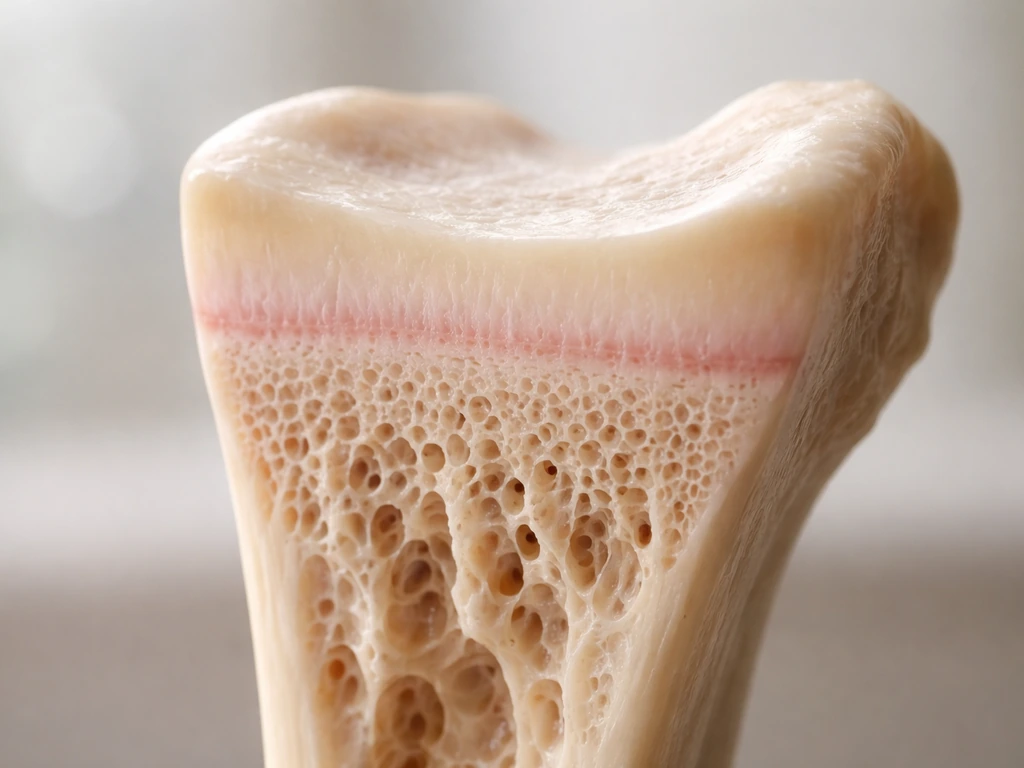
Height comes from your bones getting longer, and that only happens in one place: the growth plate. Growth plates (also called epiphyseal plates) are thin strips of cartilage near the ends of your long bones, like the femur in your thigh and the tibia in your lower leg. Inside these plates, cartilage cells called chondrocytes multiply, stack up, and eventually get replaced by solid bone through a process called endochondral ossification. Each round of that cycle adds a small amount of length to the bone.
The whole system is controlled by hormones. Growth hormone (GH) is the key signal, but it mostly works by triggering the production of insulin-like growth factor-1 (IGF-1), including locally inside the growth plate cartilage itself. IGF-1 is what actually drives chondrocyte activity. During puberty, sex hormones join the picture, accelerating growth initially but also maturing the plates. Eventually, those plates harden and fuse into solid bone. Once that happens, longitudinal bone growth is over, full stop. The Endocrine Society is clear about this: no food, supplement, or exercise can restart growth after the plates have fused.
Puberty timing matters more than most people realize. The growth spurt happens around peak height velocity (PHV), which typically falls in early-to-mid puberty. Research in conditions that delay pubertal onset shows that those delays are associated with significantly lower final height outcomes. So the window during which growth is possible is tied tightly to puberty, not just to age in calendar years.
What the science says: kids and teens vs adults
If you are still growing (children and teenagers)
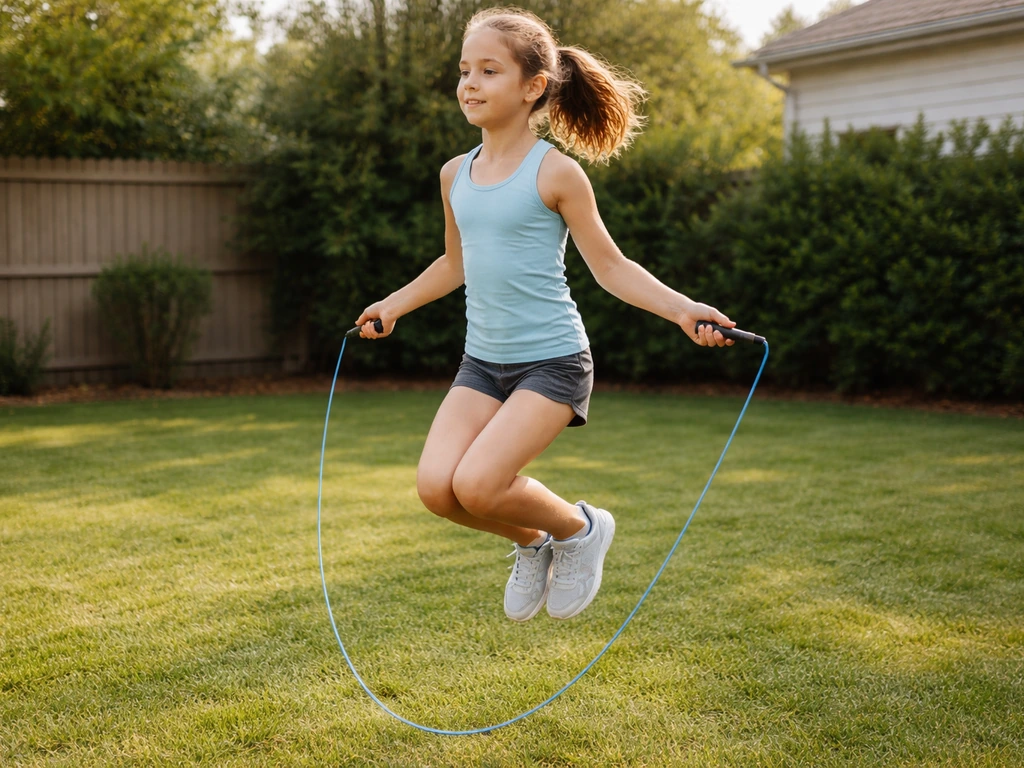
Exercise does not directly stimulate your growth plates the way a hormone injection would. For more on how exercise supports growth during childhood and the science behind height changes, see our guide on whether exercise can make you grow taller can exercise make you grow taller. But it plays a genuine supporting role. Regular physical activity helps maintain the hormonal environment, body composition, and bone health that allow growth to proceed as nature intended. For most children and teenagers, regular exercise can support healthy growth, but it does not guarantee extra height beyond normal biological limits. Both the CDC and WHO recommend at least 60 minutes per day of moderate-to-vigorous physical activity for children and adolescents, and those guidelines exist because that level of activity is linked to healthy development across the board, including for the skeletal system.
Some randomized controlled trials have found that structured exercise programs in youth can improve bone density parameters, and a few studies report modest linear growth differences in specific short-stature groups. That is worth knowing, but it does not mean exercise is a height hack. The more important mechanism is indirect: kids who are physically active tend to sleep better, maintain healthier body composition, and avoid the energy deficits that can actively suppress growth. Exercise supports the environment in which normal growth happens.
There is a real risk on the other side, too. Overtraining or extreme caloric restriction, especially in young athletes, can impair growth. Low energy availability (not eating enough to support training demands) disrupts IGF-1 levels, bone metabolism, and hormonal function. This is the physiology behind the female athlete triad and the broader concept of Relative Energy Deficiency in Sport (RED-S). For a teenager chasing height, piling on training while under-eating is one of the worst things they can do.
If you are done growing (adults)
Once your growth plates have fused, typically in the late teens for most people but sometimes into the early twenties, no amount of exercise changes your bone length. Claims about hanging, stretching, or specific workouts permanently adding height in adults are not supported by anatomy. True bone lengthening after skeletal maturity requires surgical distraction osteogenesis, a medical procedure involving cutting and slowly separating bone segments over months. That is categorically different from a lat pulldown or a yoga session.
What adults can legitimately change is their measured standing height through posture. Research on postural exercises in older adults found acute improvements in measured stature of roughly 0. A study of acute postural exercise in older adults found post-exercise increases in stature ranging from 0.9 to 6.0 cm (upright) and 0.2 to 7.2 cm (supine), with an average increase of about 3.5 cm postural exercises in older adults found acute improvements in measured stature. 9 to 6.0 centimeters simply from improved alignment during measurement. That is not bone growth, but it is real and it is recoverable with consistent effort.
Exercise for posture and apparent height
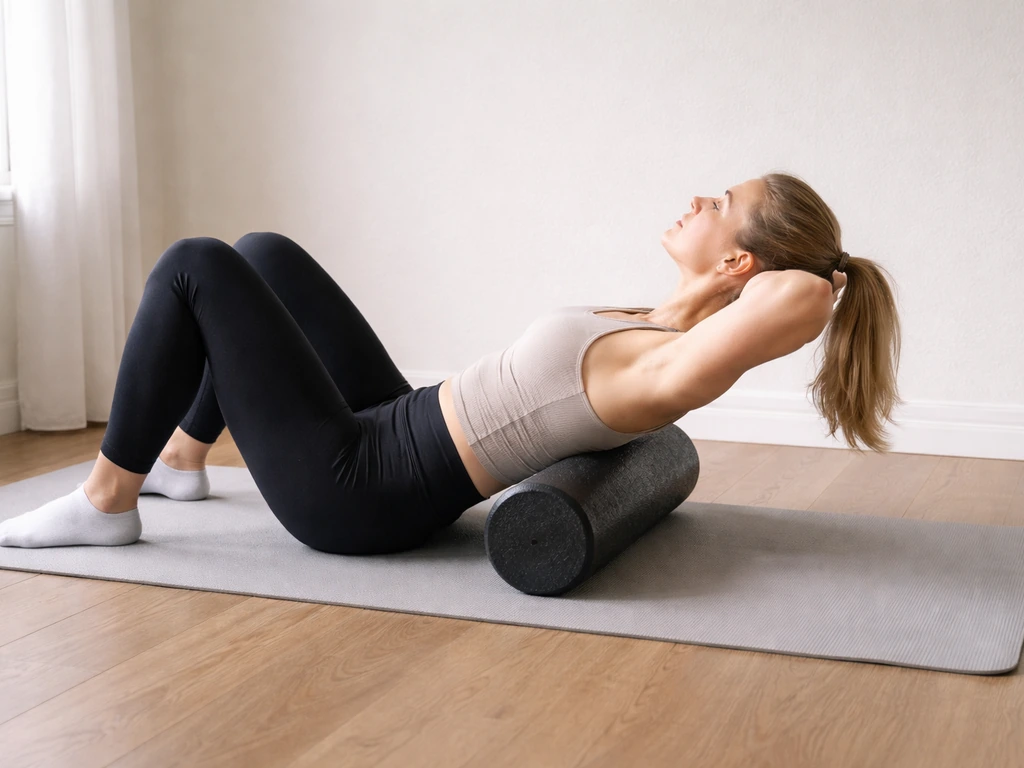
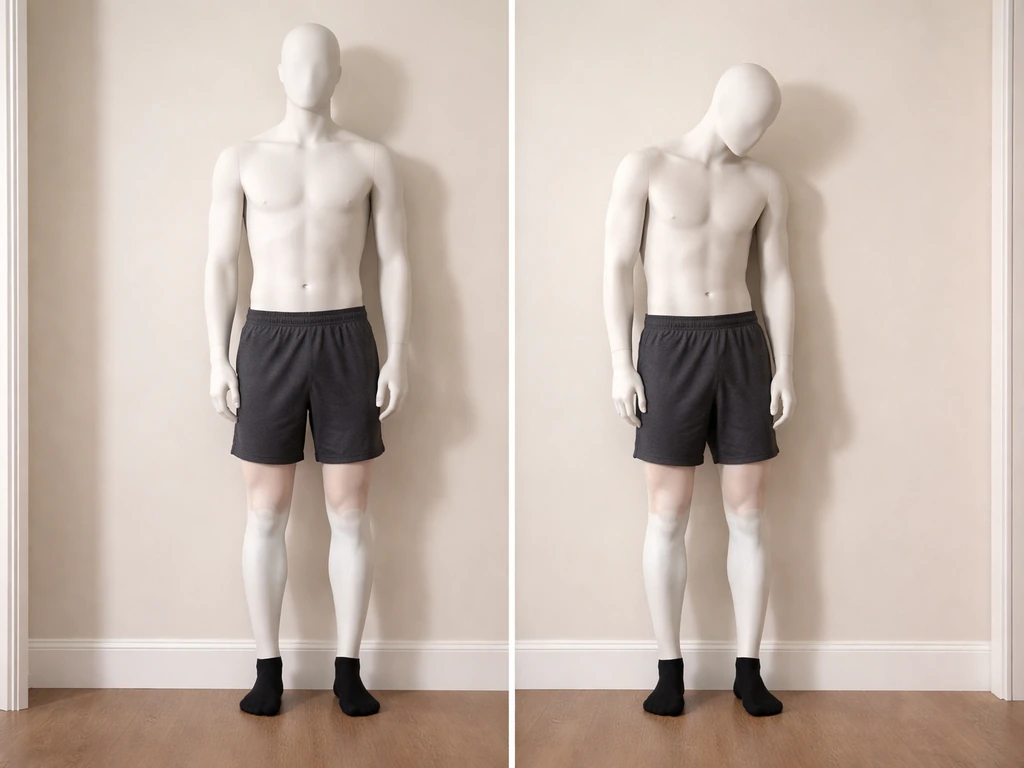
Posture affects how tall you look and how tall you measure. Chronic forward head posture, rounded shoulders, and a compressed lumbar spine all reduce your standing height below your skeletal potential. Correcting these patterns does not lengthen bones, but it does allow you to express the height you actually have. In adults with spinal deformities like scoliosis, clinical studies show that correcting the curve produces measurable gains in standing height, reflecting the recovery of height lost to the deformity rather than new bone growth.
The exercise types most relevant here are not the ones people usually think of when they ask about height. They are core strengthening, mobility work, and targeted stretching that address the muscle imbalances driving poor posture.
- Core strengthening exercises (planks, dead bugs, bird dogs) build the spinal stability needed to hold an upright posture without effort
- Hip flexor stretching counteracts the anterior pelvic tilt and forward lean that comes from prolonged sitting
- Thoracic spine mobility work (foam rolling, cat-cow movements) reduces the hunched mid-back posture that compresses apparent height
- Wall posture drills, where you stand with your head, shoulders, and heels against a wall, help retrain neutral spinal alignment
- Pulling exercises like rows and face pulls strengthen the upper back muscles that pull the shoulders back and open the chest
Pull-ups and hanging from a bar are commonly claimed to increase height by decompressing the spine. There is a grain of truth here in that spinal compression from daily gravity does temporarily reduce height by a few millimeters to over a centimeter throughout the day, and decompression can restore some of that. But this is a transient, daily fluctuation, not permanent lengthening. The benefit of hanging is more about shoulder mobility and spinal decompression relief than any measurable lasting height change.
Comparing exercise types for height-related goals
| Exercise Type | Benefit for Growing Youth | Benefit for Adults | Height Impact |
|---|---|---|---|
| General aerobic activity (running, cycling) | Supports overall health and hormonal environment | Cardiovascular and metabolic health | Indirect support for growth in youth; none for adults |
| Resistance/strength training | Improves bone density when done appropriately | Maintains bone health and posture muscles | No direct height effect; beneficial if energy intake matches demand |
| Core and postural exercises | Builds alignment habits early | Directly recovers measurable standing height | Strongest apparent height benefit for adults |
| Stretching and mobility work | Supports joint health and flexibility | Reduces posture-related height loss | Moderate apparent height benefit |
| High-impact sports (basketball, volleyball, jumping) | Associated with bone loading and development | Maintains bone density | No evidence of specific height advantage beyond general activity |
| Hanging and spinal decompression | No permanent effect; short-term spinal relief | Temporary decompression only | Transient, not structural |
For growing kids, the recommendation is straightforward: prioritize any activity they enjoy and will do consistently for at least 60 minutes a day, making sure caloric intake supports it. For adults, the highest return for height-related goals comes from postural strengthening and mobility work rather than any specific sport or lifting program.
What exercise genuinely cannot do
It is worth being direct about the limits because a lot of misinformation circulates around this topic. Exercise cannot override your genetics. Your genetic blueprint sets the ceiling for your height potential, and no routine changes that. Exercise cannot reopen fused growth plates, stretch long bones permanently, or trigger a second growth spurt in adults. If you are wondering specifically about cardio, it cannot restart height growth once your growth plates have closed, though it can support healthy development in kids and teens does cardio help you grow taller. Exercise cannot restart height growth once your growth plates have closed, though it can support healthy development in kids and teens, and the same limits apply when asking does sprinting help you grow taller. For more on whether running specifically can support height during the years when you are still growing, see our guide on whether can running help you grow taller. The Endocrine Society specifically notes that no exercise improves growth when the biological capacity for growth is no longer present.
Height is also not purely about long bones. The spine contributes a significant portion of standing height, but even aggressive spinal decompression or stretching does not permanently alter vertebral height in a skeletally mature person without medical intervention. The improvement you get from posture work is real but it is about recovering your existing height, not exceeding it.
It is also worth noting that some specific exercise types warrant caution in younger adolescents. Heavy axial loading (very heavy squats or deadlifts) during the growth spurt is not proven to damage growth plates in otherwise healthy youth when done with proper form and supervision, but it is a topic that generates ongoing discussion. So even if you do squats, they are not proven to make you grow taller after your growth plates have closed, but proper training and nutrition still matter. What is clearly harmful is the combination of high training volume with chronically inadequate caloric intake, which suppresses the hormonal signals driving growth.
Practical steps you can start today

For parents and growing teens
- Hit the 60-minute daily movement target first. Any moderate-to-vigorous activity counts, and consistency matters more than type.
- Make sure caloric intake matches activity level. Growth requires energy surplus relative to maintenance, not a deficit. Protein, calcium, and vitamin D deserve particular attention.
- Prioritize sleep. Growth hormone is primarily secreted during deep sleep, so 8 to 10 hours for adolescents is not optional if you care about growth.
- If adding structured resistance training, keep loads moderate, focus on form, and work with a qualified coach who understands adolescent development.
- Track growth on a consistent schedule. If a child is consistently tracking below their expected percentile based on parental height, that warrants a conversation with a pediatrician, not more exercise.
For adults focused on measured height
- Add 10 to 15 minutes of daily postural work: thoracic mobility, hip flexor stretching, and core activation exercises.
- Incorporate two to three pulling sessions per week (rows, face pulls, band pull-aparts) to counteract rounded shoulders.
- Practice standing and sitting with deliberate alignment throughout the day, not just during exercise sessions.
- Measure your height in the morning rather than the evening, when spinal compression from daily loading is at its lowest, for your most accurate standing measurement.
- Be consistent for at least 6 to 8 weeks before judging results. Postural changes take time to become default patterns.
When to see a doctor
See a pediatrician or pediatric endocrinologist if a child is falling off their expected growth curve, if their height is more than two standard deviations below average for their age and sex, or if puberty seems significantly delayed or absent. Doctors use bone age X-rays of the left hand and wrist to assess how much growth potential remains, and early evaluation opens more treatment options if a medical cause is found. For adolescent athletes showing signs of disordered eating, menstrual irregularities, or frequent stress fractures, a sports medicine physician or endocrinologist familiar with RED-S is the right resource. These are medical questions, not exercise programming questions, and no training routine substitutes for proper evaluation.
FAQ
If I’m already past puberty, can exercise make my bones grow longer in any way?
No. After the growth plates fuse, exercise can improve posture and spinal alignment (so measured height may temporarily increase or recover), but it cannot add permanent bone length. Any claim of lasting centimeters from stretching or hanging after skeletal maturity is not consistent with how growth plate biology works.
How can I tell whether I still have growth potential, not just posture-related height loss?
Two common clues are whether you’re still changing through puberty (ongoing growth spurts, ongoing Tanner-stage changes) and whether your growth has slowed versus your past curve. If you are far below expected height or growth seems abnormally delayed, a pediatrician can order bone age testing (often a hand and wrist X-ray) to estimate remaining growth potential.
Does hanging from a bar or doing pull-ups permanently increase height?
Typically no. Hanging can reduce spinal compression temporarily, so you may measure a bit taller afterward, but it is a daily fluctuation, not an increase in bone length. If you want real gains in what you can measure over time, focus on posture, core strengthening, and mobility rather than only decompression.
Can exercise help a child who is short, or does it just help them look taller?
In growing kids, physical activity can support the conditions needed for normal development (bone health, body composition, and sleep), which may help them reach their genetic potential. It can also improve posture, which changes appearance. But exercise is not a guaranteed way to “catch up” to peers if there is an underlying medical or endocrine reason for poor growth.
Will cardio help me grow taller if I’m still growing?
Cardio can support overall health and development in children and teens, which indirectly helps the environment for growth. However, cardio itself does not reopen growth plates. For height-related goals, the bigger impact usually comes from adequate calories, good sleep, and avoiding under-eating during training.
What’s the safest way for teenagers to train for height without harming growth?
The key is not just workouts, it is energy balance. Avoid chronically low calorie intake relative to training, and do not let training volume ramp up while meals and recovery do not. If a teen has stress fractures, menstrual irregularities, or signs of RED-S, the priority is medical evaluation rather than increasing training intensity.
Can strength training like squats or deadlifts stunt growth?
In generally healthy youth, properly supervised resistance training is not proven to stop growth, and it may improve bone strength. The biggest red flag is high training volume combined with inadequate calories. Technique and progressive loading matter, especially for movements that place heavy axial load through the spine.
How much posture improvement should I expect from exercise?
Measured height changes from posture work vary, but studies in older adults have reported acute increases after correcting alignment, on the order of about 1 to 6 centimeters. Realistically, the goal is to recover height you are already losing to slouching, not to exceed your skeletal potential. Consistency usually determines how long the effect lasts.
Do stretching routines increase height permanently or just temporarily?
In mature adults, stretching typically provides temporary changes (for example, better alignment or reduced compression) but does not permanently increase vertebral or long-bone height. For lasting measurement improvements, stretch plus strengthening is usually more effective than stretching alone, because muscles need to hold the new posture.
If I’m not tall enough for my age, when should I stop experimenting and see a doctor?
If a child is falling off their expected growth curve, is more than two standard deviations below average for age and sex, or puberty seems significantly delayed/absent, get evaluated. For adolescent athletes with disordered eating, menstrual irregularities, or frequent stress fractures, see a sports medicine physician or endocrinologist familiar with RED-S. Training changes alone cannot replace medical assessment.
Does Working Out Help You Grow Taller? Evidence and Tips
Find out if working out helps you grow taller, what lifts do to growth plates, and how to improve height safely.