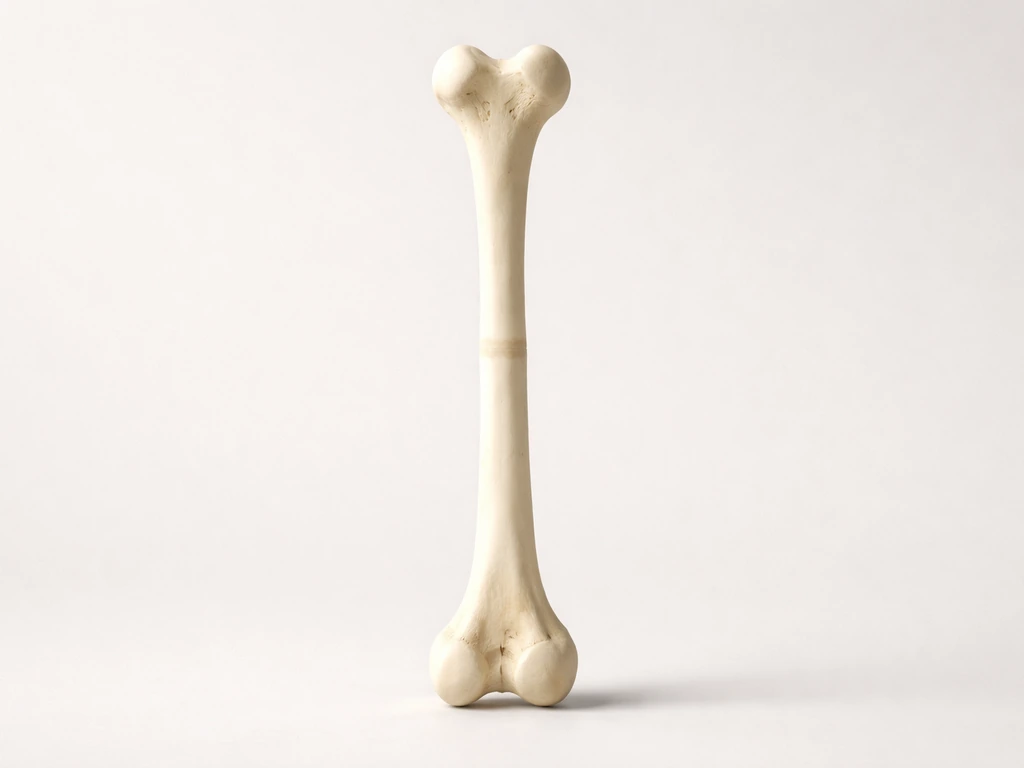
Walking does not make you grow taller in any direct, bone-lengthening sense. Once your growth plates close at the end of puberty, no amount of walking, stretching, or exercise can add true height. Exercise cannot reopen closed growth plates, so it does not truly help you grow taller after puberty ends no amount of walking, stretching, or exercise can add true height. For kids and teens whose plates are still open, walking supports overall health and bone density during the growth years, but it is not a growth trigger on its own. What walking genuinely can do for anyone is improve posture, decompress the spine, and help you carry yourself in a way that expresses your full existing height. That is a meaningful and realistic benefit, just not the one most people are hoping for.
Does Walking Help You Grow Taller? Science and Steps


How height actually works
Your height is determined almost entirely by your growth plates, your genetics, and the timing of your puberty. Growth plates are zones of soft, cartilaginous tissue near the ends of your long bones, like the femur and tibia. While they are open, the body lays down new bone tissue there, and that is literally how you get taller. Once puberty ends and the growth plates undergo senescence and closure, longitudinal bone growth is finished. No exercise, supplement, or habit can reopen closed growth plates.
Puberty timing matters a lot here, and it varies considerably between individuals. For boys, peak growth velocity tends to happen around ages 13 to 14, with gains of more than 10 cm possible in a single year. Girls typically enter puberty earlier, which can make them taller than male peers during childhood, but earlier epiphyseal fusion also means they often end up shorter as adults. Adolescence broadly spans ages 11 to 21, though the window where growth plates are actively open and responsive narrows significantly toward the end of that range. Adolescence is typically ages 11 to 21, and the growth spurt peak occurs roughly around ages 13 to 14 for boys who are not taking puberty blockers, when they can gain more than 10 cm in a single year adolescence spans ages 11 to 21. Genetic and epigenetic factors shape when puberty starts and how it progresses, which is a big part of why height potential differs so much from person to person even in the same family.
What walking actually does for your body

Even if walking cannot make your bones longer, it does several things that are genuinely useful for height-related concerns. The three main ones are posture improvement, spinal decompression, and body composition.
Posture and how you carry yourself
Regular walking, especially at a brisk pace with good form, engages your core, glutes, and the muscles along your spine. Over weeks and months, this strengthens the postural muscles that hold you upright. Poor posture from prolonged sitting can shave a meaningful amount off your apparent height because a rounded upper back and forward head position physically compress the vertical line of your body. Fixing that through walking and targeted strengthening will not add bone, but it can make a visible and measurable difference in how tall you look and how tall you measure at the doctor's office if you are habitually slouching. Pull-ups are a strengthening exercise, and in most cases they help with posture and upper-body strength rather than increasing true height do pull ups help you grow taller.
Spinal decompression
The intervertebral discs in your spine act like shock absorbers, and they compress throughout the day under gravitational load. This is why most people are very slightly shorter in the evening than in the morning, sometimes by as much as 1 to 2 cm. Walking at a low impact keeps the spine mobile and the discs hydrated without compressing them the way heavy axial loading does. It is not the same as gaining height, but maintaining spinal health preserves the height you already have.
Body composition and bone density
Walking contributes to a healthier body composition, which matters for how height is perceived and for bone health generally. Being excessively overweight adds compressive load to the spine and joints. Evidence also supports that physical activity during growth increases bone mass, which is important for long-term skeletal health even if it does not directly drive height. A denser, healthier skeleton is better equipped to maintain its structure over decades.
Kids and teens versus adults: the difference is everything
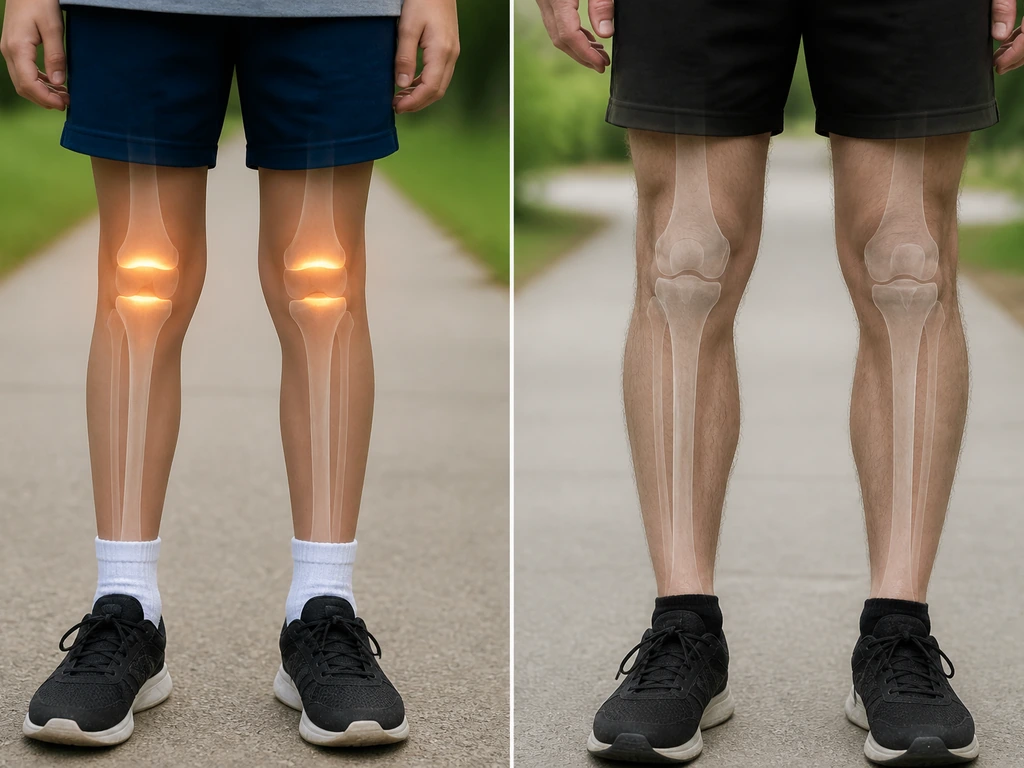
The effect of walking on height-related outcomes is completely different depending on where you are in life, and it is worth being very direct about this.
| Life Stage | Growth Plates | Can Walking Increase True Height? | Main Benefit of Walking |
|---|---|---|---|
| Children (pre-puberty) | Open and active | No, but supports growth conditions | Bone density, healthy weight, sleep quality |
| Teenagers (puberty) | Open, closing progressively | No direct effect, but supports overall growth environment | Posture, bone health, weight management |
| Adults (post-puberty) | Closed | No | Posture, spinal health, body composition |
For children and teens, the environment around growth matters. Adequate nutrition, sleep, and safe physical activity, including walking, help the body function at its best during the window when growth is actually happening. Walking is not special compared to other forms of moderate activity in this context. It contributes to overall health, which in turn supports the conditions that allow genetic height potential to be expressed. But it is not a growth accelerator. For adults, the conversation shifts entirely to maintaining and expressing existing height through posture and spinal health.
Can walking stretch your bones? No, and here is why
This is one of the most persistent myths in the height space. The idea goes something like: walking creates gentle traction on the spine or legs, and that traction slowly stretches the bones over time. It sounds plausible on the surface but does not hold up to scrutiny. Bone is living tissue, but it responds to mechanical load by becoming denser and stronger, not longer. Longitudinal growth requires open growth plates. Squats can strengthen your legs and help posture, but they do not reopen growth plates or directly make you taller after they close does squats help you grow taller. Exercise can influence bone mass and structure, and research confirms these effects are meaningful during the growth period, but that is a different mechanism entirely from stretching. Walking does not apply the kind of force to growth plates that would be needed to stimulate longitudinal growth even if the plates were open, and in adults the plates simply are not there to respond.
Similar logic applies to running, sprinting, jumping, and other activities that sometimes get credited with height benefits. These activities are valuable for many reasons, but they do not lengthen bone in post-pubertal individuals. If you are curious how those compare to walking for growth-related purposes, running and sprinting share essentially the same physiological limitations and benefits. Sprinting is unlikely to help you grow taller because true height gains depend on open growth plates.
What actually supports healthy growth in kids and teens
If you are a parent or a teenager looking for real levers, the evidence points consistently to a handful of foundational habits. None of these are magic either, but they create the conditions for genetic height potential to be fully realized.
- Adequate total calories: under-eating is one of the clearest ways to suppress growth, especially during the high-velocity growth years of puberty
- Sufficient protein: needed for both bone matrix synthesis and overall lean tissue development
- Calcium and vitamin D: calcium is the primary mineral in bone, and vitamin D is required for calcium absorption; deficiency in either during growth years can meaningfully affect bone development
- Sleep: growth hormone is predominantly released during deep sleep, making consistent, quality sleep one of the highest-leverage habits for growing kids and teens
- Safe physical activity: moderate-intensity exercise including walking, recreational sports, and resistance training appropriate for age supports bone density and healthy body composition without stressing open growth plates inappropriately
- Avoiding things that suppress growth: chronic illness, extreme caloric restriction, and unmanaged stress can all interfere with normal growth trajectories
Walking fits naturally into the physical activity category. It is low-impact, easy to do daily, and has no downside for a growing child or teenager. It is also not as effective for bone-density stimulus as higher-impact activities like jumping or running, so it works best as part of a broader active lifestyle rather than the sole form of movement.
A practical plan: what to actually do

For kids and teens
- Aim for at least 60 minutes of moderate to vigorous physical activity daily, with walking as a baseline and higher-impact play or sports added on top
- Prioritize sleep: 8 to 10 hours per night for teenagers, and 9 to 12 for younger children
- Eat enough: get adequate protein (roughly 0.8 to 1 gram per pound of body weight is a reasonable target for active teens), calcium-rich foods daily, and enough vitamin D through sun exposure or supplementation if needed
- Track growth on a growth chart: a typical healthy growth rate is at least 2 inches (about 5 cm) per year; falling below that or dropping percentile channels consistently is worth discussing with a pediatrician
- See a doctor if growth seems slow or has stalled: early puberty can close growth plates sooner, and there are medical interventions that are time-sensitive if needed
For adults
- Walk daily: 30 minutes of brisk walking most days is a reasonable target; it builds postural endurance and supports spinal health
- Add core and back strengthening: exercises like dead bugs, bird dogs, and rows address the muscle groups most responsible for upright posture
- Work on hip flexor mobility: prolonged sitting tightens hip flexors, which tilts the pelvis forward and reduces apparent height; stretching these regularly pairs well with walking
- Check your walking posture: head up, shoulders back and relaxed, core lightly engaged; walking with a forward-head posture undoes some of the benefit
- Consider a posture assessment: if you have significant rounding or asymmetry, a physical therapist can give targeted guidance that general walking alone cannot
When to get professional help
For children and teenagers, the main signal to watch is the growth rate itself. If a child is growing less than about 5 cm (2 inches) per year, is consistently below the 3rd percentile on height charts for their age and sex, or has dropped significantly in percentile channel over time, that warrants a conversation with a pediatric endocrinologist or the child's primary care provider. Short stature is diagnosed relative to peers using standard deviation and percentile criteria, and some causes are treatable, but only within the window when growth plates are still open. Waiting too long reduces options considerably.
For adults, the reasons to see a professional are different. Persistent back pain, noticeable postural problems, a feeling of getting shorter over time (which can indicate vertebral compression issues), or concerns about bone density are all worth addressing with a physician or physical therapist. Walking is a supportive habit but it is not a substitute for medical evaluation when something seems wrong.
FAQ
If I walk every day, will I be able to measure taller at the doctor’s office?
You may measure taller if your current height is being underestimated by posture, forward head position, or a rounded upper back. Walking can strengthen postural muscles over time, but it will not change bone length, so results depend on how much “posture height” you are recovering rather than true growth.
Can walking increase height if my growth plates are still open?
Walking supports overall health and can help with bone density during growth, but it is not a reliable growth trigger by itself. True height gains in children and teens require open growth plates and normal hormonal timing, so the biggest determinants are age, puberty stage, nutrition, sleep, and genetics.
What walking routine is best for posture and spinal health without overdoing it?
A practical approach is brisk walking with good alignment (chin slightly tucked, ribs stacked over hips, relaxed shoulders) for most days, plus gradual progression in time. If you develop worsening back pain, numbness, or an unusual gait, scale back and consider assessment by a clinician or physical therapist.
Could walking prevent me from losing height as an adult?
It can help preserve your height by supporting spinal mobility and reducing excessive compressive strain from sedentary posture. However, walking cannot stop all adult height loss, which can also come from disc degeneration, vertebral compression, and bone density changes, so symptoms still warrant evaluation.
Does the time of day matter for height measurements when walking is part of my routine?
Yes. People are often slightly shorter in the evening due to normal disc compression. If you are tracking progress, compare measurements under similar conditions (time of day, footwear, and posture) so you do not mistake temporary disc compression changes for true height change.
Is walking better than stretching for height-related goals?
Walking is generally more useful because it supports muscular strength, circulation, and spinal conditioning. Stretching may temporarily change flexibility, but it does not reopen growth plates or create longitudinal bone growth, so stretching alone is less likely to improve measured posture over time.
Do braces, insoles, or shoe lifts work differently than walking for height concerns?
Shoe lifts and posture supports can change how tall you appear or stand, but they do not lengthen bones. If you use them for appearance, pair them with posture work, because relying only on external support may not address the underlying mechanics that influence how you stand naturally.
Can walking help if I feel like I’m getting shorter over time?
Walking can support mobility and general bone health, but feeling progressively shorter can indicate vertebral or bone density issues. If you have persistent back pain, a stooped posture, or a noticeable decline in height over months, get checked rather than assuming walking will fix it.
For kids, at what point should parents talk to a doctor about height rather than focusing on walking?
If a child is growing slowly (for example, under about 5 cm or 2 inches per year), stays consistently very low on height percentiles, or drops percentiles significantly over time, a pediatric assessment is appropriate. Walking is fine as part of healthy activity, but it should not replace evaluation when growth pattern concerns are present.
Could running, jumping, or sprinting help height more than walking?
Higher-impact activities can be better for bone density stimulus than walking, which matters for skeletal strength during growth. But they still do not lengthen bones in post-pubertal people, and they do not replace the core drivers of height potential like open growth plates and puberty timing.
Are there any safety risks with walking if my main goal is height or posture?
The main risks are overuse and compensating mechanics. If walking causes sharp pain, radiating symptoms (tingling, weakness), or persistent worsening discomfort, stop and get evaluated. Proper footwear and gradually increasing duration are also important, especially for adolescents growing into higher activity levels.
Can Exercise Make You Grow Taller? Evidence and What Works
Find out if exercise can make you grow taller, what changes in kids vs adults, and safe habits that help posture and hei