
Growing taller does not automatically make you thinner. During a genuine growth spurt, your body adds height and weight at the same time, including gains in lean mass, bone density, and often some fat mass too. What sometimes happens is that height increases faster than weight for a short window, which can make a person look leaner or more stretched out. But that visual shift is not the same as actually losing body fat, and it does not happen for everyone or at every stage of growth. Do you grow taller when you lose weight? The relationship is more about timing and body composition during growth than about weight loss itself.
When You Grow Taller Do You Get Thinner? What Changes

Marcus Reeves
3 Jul 2026
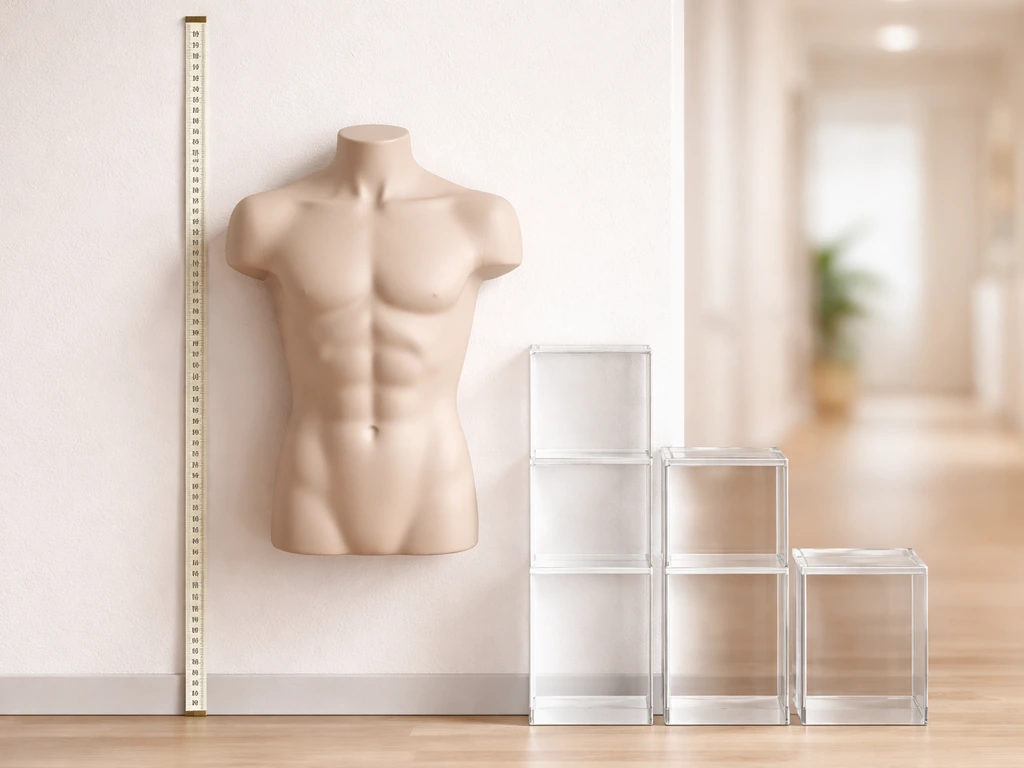
Myth vs reality: does growing taller mean you'll get thinner?

The myth goes something like this: if you grow a few inches, your weight spreads over a taller frame, so you naturally slim down. There is a grain of truth buried in there, but the full picture is more complicated. Research tracking kids and teens longitudinally shows that weight gain, fat mass gain, and lean mass gain all accelerate during puberty alongside height. A growth spurt is not a redistribution of existing weight over new inches. It is a period of rapid tissue building across the board.
Puberty-related linear growth and weight gain happen over the same stretch of time, and the weight includes changes in lean mass, fat mass, and bone mass. So the idea that taller automatically equals less body fat is simply not accurate. Whether weight gain happens as you grow depends on puberty timing, nutrition, activity, genetics, and body composition changes, not on height alone taller automatically equals less body fat. What actually determines whether someone looks leaner after a growth spurt is the relative timing and pace of those different changes, their nutrition and activity levels, their genetics, and when in puberty they are.
What actually changes during a growth spurt
During a real growth spurt, especially at peak height velocity (the fastest point of height gain, usually around ages 11 to 13 in girls and 13 to 15 in boys), several things happen in the body at once. Height goes up. Weight goes up. Lean mass increases substantially, especially muscle and bone. Fat mass also changes, though the direction and amount depend on the individual. BMI can dip temporarily if height is racing ahead of weight, but it typically catches up.
Longitudinal body composition studies using tools like DXA scans have tracked exactly this: fat-free mass and fat mass both change across pubertal stages, and they do not move in the same direction or at the same rate for everyone. Earlier pubertal timing, for example, is associated with differences in fat mass measures during the pubertal period in boys. The pace and timing of your growth window matters for your adult body composition, not just how tall you end up.
BMI is worth mentioning separately here. Because BMI is calculated from height and weight, a fast height gain can temporarily lower BMI even if weight is still going up. This is one reason clinicians use BMI-for-age percentile charts for children and teens rather than a single BMI number. A single snapshot can be misleading; what matters is the trend over time plotted on a sex- and age-specific chart.
Why some people look leaner when they grow taller
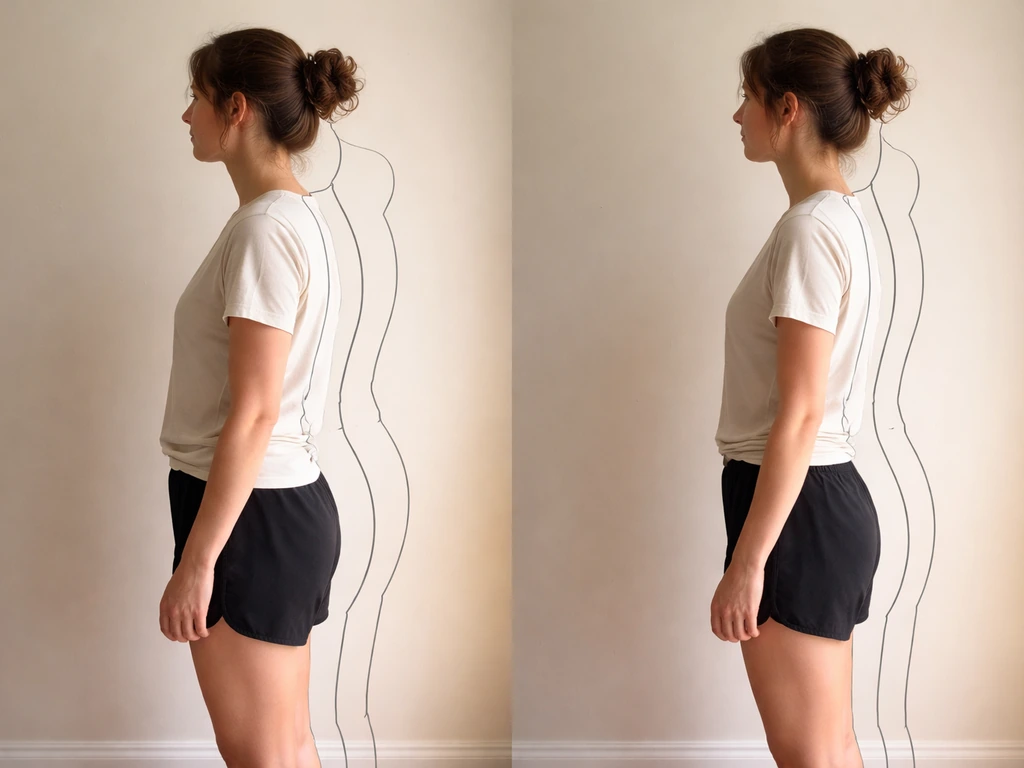
There is a real phenomenon here, it just does not mean what most people assume. Peak height velocity and peak weight velocity do not always coincide. There can be a short window where height shoots up faster than weight catches up, and during that time a person genuinely looks more stretched out and lean. That question is usually about the short-term look during a growth spurt, not about a lasting fat-loss effect. It is temporary, and it is not the same as a change in body fat percentage.
Genetics also play a large role. Some people are naturally ectomorphic, meaning they tend to carry less fat mass relative to lean mass regardless of height. When those individuals grow taller, the combination of their frame and lean build can make the effect look dramatic. But the height itself is not causing the leanness. The two things are happening in the same body at the same time, driven by the same hormonal surge, without one causing the other.
There is also a body distribution effect. Adding inches in the torso and legs can make existing fat deposits look more spread out visually, even if total fat mass has not changed. This is partly why there is a related question worth thinking about separately: whether getting skinnier actually helps someone grow taller, which involves a different mechanism entirely. Whether getting skinnier actually helps you grow taller is a common question, but it comes down to different mechanisms than the temporary “leaner” look during puberty whether getting skinnier actually helps someone grow taller.
What to expect at different life stages
Children (roughly ages 2 to 10)

Pre-puberty growth is steadier and slower than the adolescent surge. Kids gain height and weight gradually, and body fat percentages shift in predictable patterns. Boys and girls both experience a period of adiposity rebound (a natural uptick in body fat percentage around ages 5 to 7) before leaning out slightly in the years approaching puberty. Growing taller during this phase does not produce noticeable leanness. Weight gain tracks alongside height gain fairly consistently.
Teens during puberty
This is where the temporary leanness effect is most likely to appear. The hormonal environment during puberty (growth hormone, IGF-1, sex hormones) drives rapid simultaneous changes in height, muscle mass, bone density, and fat distribution. In boys, testosterone promotes muscle gain and tends to reduce relative fat mass as the spurt progresses. In girls, estrogen drives fat distribution toward hips and thighs, and total fat mass typically increases even as height jumps. So whether a teen looks leaner after a growth spurt is heavily sex-dependent. Boys are more likely to look leaner; girls often do not, and that is completely normal.
Adults
Adults cannot grow taller through biological bone elongation once growth plates have fused, which typically happens by the late teens to early twenties. Any adult who thinks they have grown taller is almost certainly experiencing a posture change, spinal decompression from exercise or stretching, or simply a more accurate measurement. Posture improvements are real and worthwhile, but they are not true height growth and will not affect body fat levels. For adults, the question of height and body composition is really about fitness, not development.
How to actually check if your weight is healthy as you grow
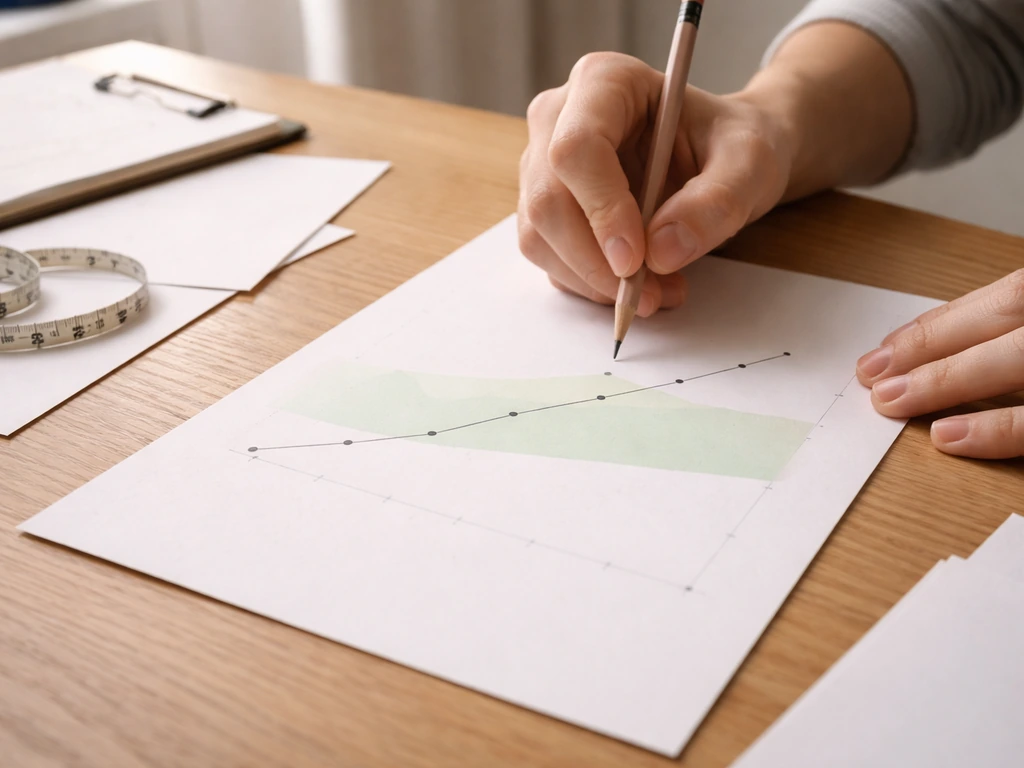
For children and teens, the right tool is the CDC BMI-for-age growth chart, plotted over multiple measurements across time. The CDC recommends using blank" rel="noopener noreferrer">BMI-for-age percentiles (not a single BMI value) as a screening tool because kids are still growing and the cutoffs change with age and sex. The categories the CDC uses for kids are underweight (below the 5th percentile), healthy weight (5th to less than 85th), overweight (85th to less than 95th), and obesity (95th percentile and above). Some people wonder, for example, whether you push the earth down when you grow taller, but height changes are driven by normal growth biology rather than any effect on the ground.
What you are looking for in a healthy growing child is a trajectory that stays roughly consistent with their established percentile channel. A child who has always been at the 30th percentile for BMI-for-age and stays near there as they grow is doing what they should be doing. Sudden jumps upward or drops downward (especially crossing two major percentile lines) are what warrant attention, not a single data point.
WHO growth monitoring guidance reinforces the same principle: sharp changes in growth percentiles, whether inclines, declines, or flatlines, can signal a growth disturbance. Puberty onset varies significantly between individuals, so a child who looks thin or looks heavier than peers of the same age may simply be on a different pubertal timeline, not experiencing a health problem.
| What to measure | Tool to use | What's normal | When to look closer |
|---|---|---|---|
| Height over time | CDC/WHO growth chart | Steady gain along established percentile | Crossing 2+ percentile lines downward or flatline |
| Weight over time | CDC/WHO growth chart | Gradual gain tracking height | Significant drop or plateau during active growth |
| BMI-for-age | Age- and sex-specific percentile chart | 5th to below 85th percentile | Below 5th or above 95th percentile |
| Body fat percentage | Clinician assessment (DXA, BIA, skinfolds) | Varies by age, sex, pubertal stage | Very high or very low relative to peers and stage |
What you can do right now to support healthy body composition during growth
The body composition outcome of a growth spurt is not fixed. Nutrition, sleep, and physical activity all influence whether the weight added during a spurt leans toward muscle and bone or toward fat. This is where actionable choices matter most.
Nutrition
During active growth, calorie needs increase meaningfully. Trying to restrict calories during a growth spurt to stay thin is counterproductive and can impair both height gain and lean mass development. The priority is protein quality and adequacy (roughly 0.8 to 1.2 grams per kilogram of body weight daily for growing adolescents, with some sports nutrition guidelines going higher for very active teens), along with calcium and vitamin D for bone density, iron for growth-related increases in blood volume, and zinc, which supports growth hormone activity. Eating too little is a genuine risk to growth; eating mostly ultra-processed foods with poor micronutrient density is a softer but real risk to body composition quality.
Sleep
Growth hormone is secreted primarily during deep sleep. Adolescents need 8 to 10 hours per night, and consistently getting less than this is associated with higher fat mass and lower lean mass accumulation over time, independent of diet. Protecting sleep is not just about feeling rested; it directly affects the hormonal environment that shapes body composition during growth.
Physical activity
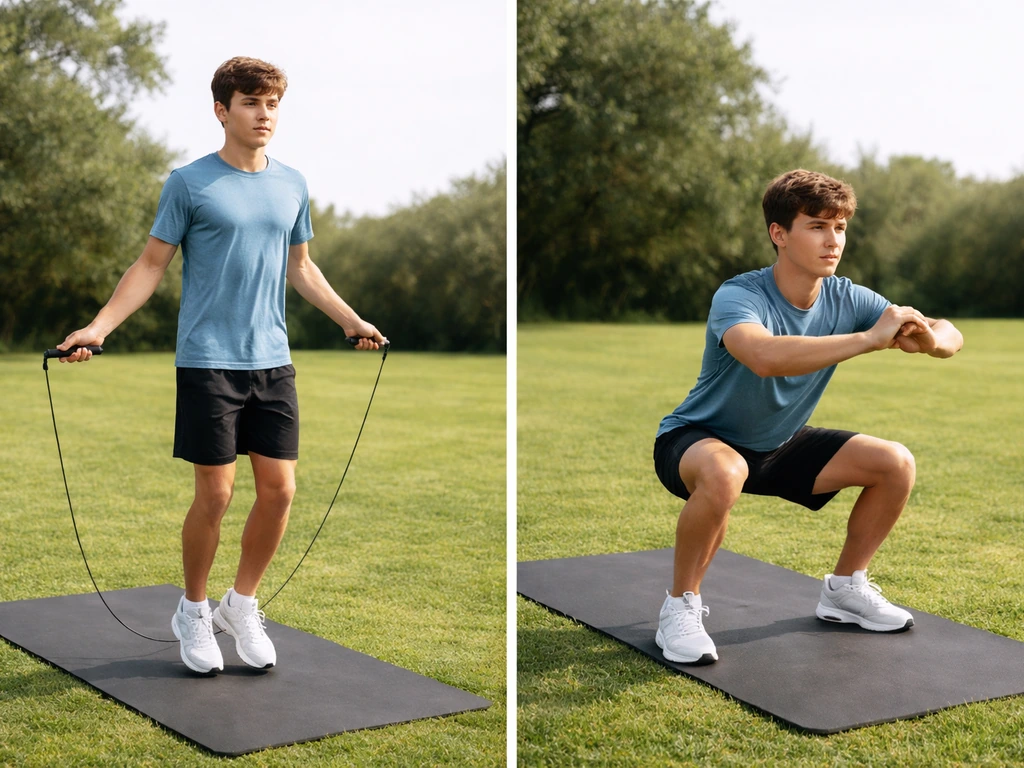
Randomized controlled trials in adolescents confirm that both aerobic training and resistance training can shift body composition in meaningful ways, reducing fat mass percentage and increasing fat-free mass. Strength training during adolescence in particular has been shown to improve body composition in school settings. The key is consistency and age-appropriate programming. Heavy competitive lifting is not necessary; regular bodyweight and moderate resistance exercise plus daily movement is enough to influence trajectory. The goal is not to force leanness during growth but to ensure the weight being gained is of high quality.
Signs that something might be off with growth or weight changes
Most variation in growth patterns is normal, but some signs are worth taking seriously and getting checked by a doctor or pediatric endocrinologist.
- A child or teen who stops growing in height for 6 or more months during an age when growth is expected
- Unexplained weight loss during a period of active growth (not the temporary visual leanness from height racing ahead of weight)
- BMI-for-age dropping below the 5th percentile, especially if it was higher before
- Crossing two or more major percentile lines on the height or weight chart in a downward direction
- Growth rate that is significantly slower than peers with no family history to explain it
- Signs of delayed puberty (no breast development by age 13 in girls, no testicular enlargement by age 14 in boys) combined with poor weight gain
- Fatigue, hair loss, cold intolerance, or other symptoms alongside poor growth, which can point to thyroid or other endocrine issues
The Endocrine Society notes that falling downward across height percentiles or having a poor growth rate can warrant medical evaluation to distinguish normal variation from a treatable cause. Bone age assessment (an X-ray of the wrist) is one tool clinicians use to figure out whether a child has growth potential remaining or whether growth plates are closer to fusing. Appearance alone, including looking thin or short compared to peers, is never enough information on its own. A proper evaluation includes history, physical exam, growth chart trends, and sometimes labs.
If you are a parent monitoring a child's growth, the most useful thing you can do is plot measurements on the appropriate CDC or WHO growth chart every 6 to 12 months and bring those charts to well-child visits. That trajectory data is far more informative than any single height or weight number, and it gives a clinician something concrete to assess rather than reassure you about based purely on appearance.
FAQ
If I look thinner right after a growth spurt, does that mean I lost fat?
It can, but only briefly for appearance. A growth spurt may make you look leaner if height rises faster than weight, usually over weeks to a few months, and it does not mean body fat is being burned. Real fat loss requires a sustained calorie deficit, which is usually not appropriate during growth spurts.
During puberty, will my BMI always increase with my height?
Often yes, but it depends on whether the gain is mainly lean mass versus fat mass. Many teens gain weight during puberty, and their BMI percentile can still stay stable even if actual weight changes. Clinically, the key is your trend on a sex- and age-specific BMI-for-age chart, not whether you cross a number.
Can you grow taller and still gain body fat during the same period?
No, being “taller” does not automatically cause leanness. If calorie intake and activity stay similar during the spurt, weight may rise alongside height, and fat mass may increase, decrease, or stay similar depending on genetics, puberty timing, and body composition changes.
Why do I seem thinner, but my scale weight did not drop?
Yes, and it is a common confusion. Clothes can make you look slimmer as your proportions change, and posture can improve during adolescence or after sports, which changes how weight is perceived. A true change in body composition is best tracked with repeated measurements over time, not by how you look in one outfit or mirror.
When during the growth spurt does the “leaner” look usually happen?
The “look leaner” window is most likely around peak height velocity when height accelerates fastest, but peak height and peak weight do not always happen at the same time. If you are near that phase, a temporary dip in BMI can occur even while weight is still rising.
What is the best way for teens to track whether growth is happening normally?
Try not to interpret adult techniques for teens. If you want to check trends, focus on BMI-for-age percentiles and measurements spaced out (for example every 6 to 12 months). Body fat measurement tools used in gyms can be misleading in growing adolescents due to hydration and shifting tissue composition.
Is it risky to diet during a growth spurt to stay slim?
Restricting calories to stay thin can backfire. During growth, low energy intake can reduce lean mass gains, impair recovery, and potentially affect height outcomes indirectly through insufficient nutrients. A safer approach is to ensure adequate protein, micronutrients, and total calories for growth.
If I start lifting or run more, will that make me lean while I am growing?
Not necessarily, and short-term sports performance changes can be misleading. If training increases and appetite does not rise enough, weight can stall, or performance can drop. Ideally, you pair training with enough food and protein to support lean mass and recovery.
How much does sleep affect whether I look leaner during puberty?
Sleep can influence body composition during puberty. Consistently getting less than recommended for your age is associated with less lean mass accumulation and higher fat mass over time, even if you are not overeating. If your schedule is tight, prioritizing a consistent bedtime is often more effective than trying to “catch up” occasionally.
If I want to get leaner, should I try fat loss or muscle gain during puberty?
Yes, and it matters whether you mean “short-term look” or “long-term body fat.” Losing fat comes from a sustained deficit, but adding muscle comes from progressive training plus adequate protein. If you are a teen, you should aim for “healthy body recomposition” rather than trying to force a specific weight during growth.
What signs suggest a child should be evaluated for growth problems?
See a clinician promptly if growth patterns change in concerning ways, such as sustained crossing downward across height percentiles or slowing growth velocity, not just feeling different from peers. A doctor may check growth charts over time and sometimes assess bone age to understand remaining growth potential.
Next Article
Does Your Back Hurt When You Grow Taller? What to Do
Learn why back pain can flare in growth spurts, how to tell normal causes vs problems, and what to do today.