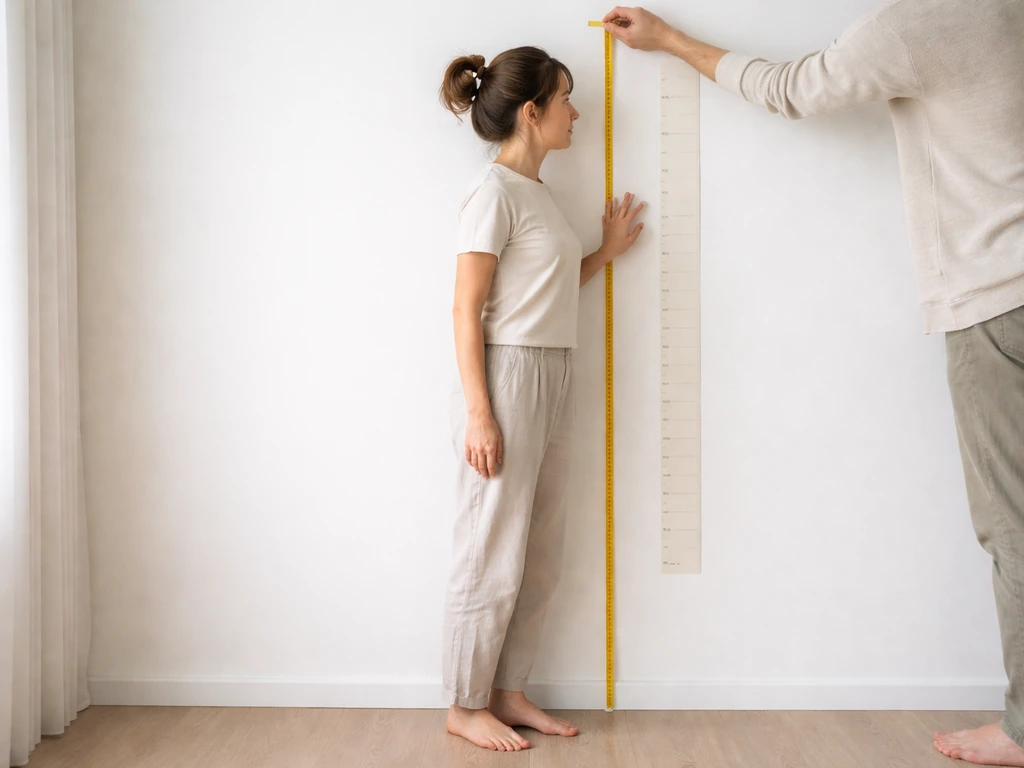
Being skinny does not make you grow taller. Height is driven almost entirely by genetics, growth plate activity, and hormones, not by how lean you are. If anything, being underweight or not eating enough can actually slow your growth rate and keep you from reaching the height your genes intended. The idea that thinness and faster “shooting up” are tightly linked is another myth, and it is worth separating build-from-problem when you grow taller do you get thinner.
Does Being Skinny Make You Grow Taller? The Science

Marcus Reeves
28 May 2026
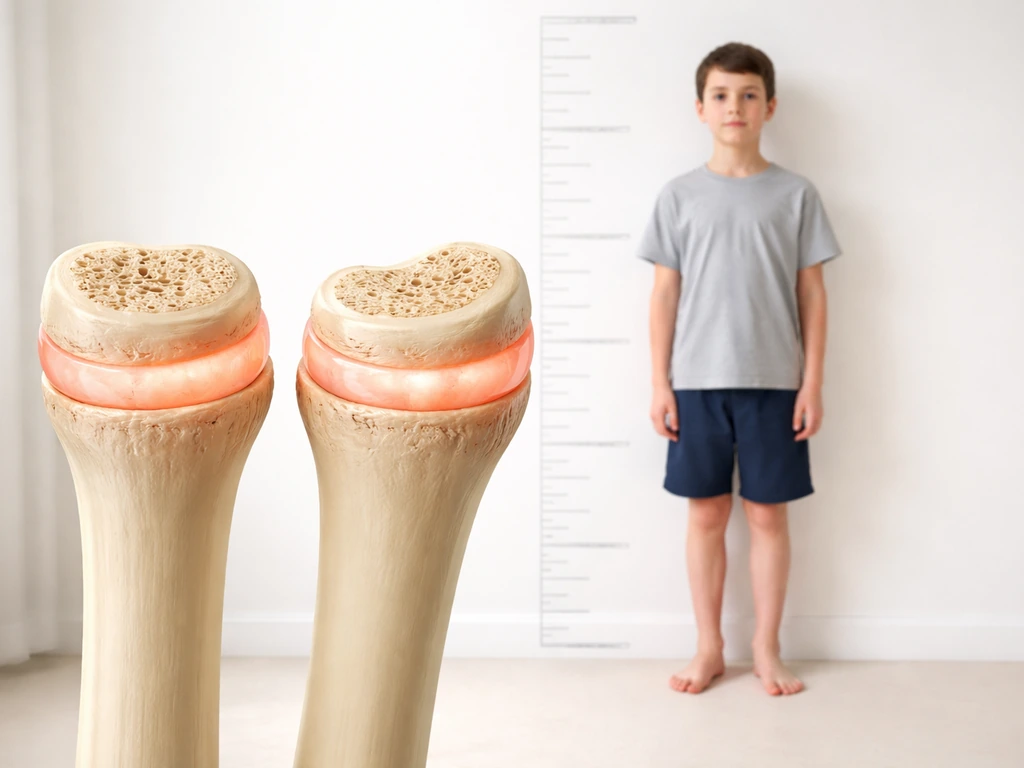
The idea that thinner kids shoot up faster is a myth, and the science is pretty clear on this. If you are concerned about whether you should be getting skinnier as you grow taller, it can help to look at overall nutrition and growth patterns, not just your height do you get skinnier as you grow taller.
How height growth actually works
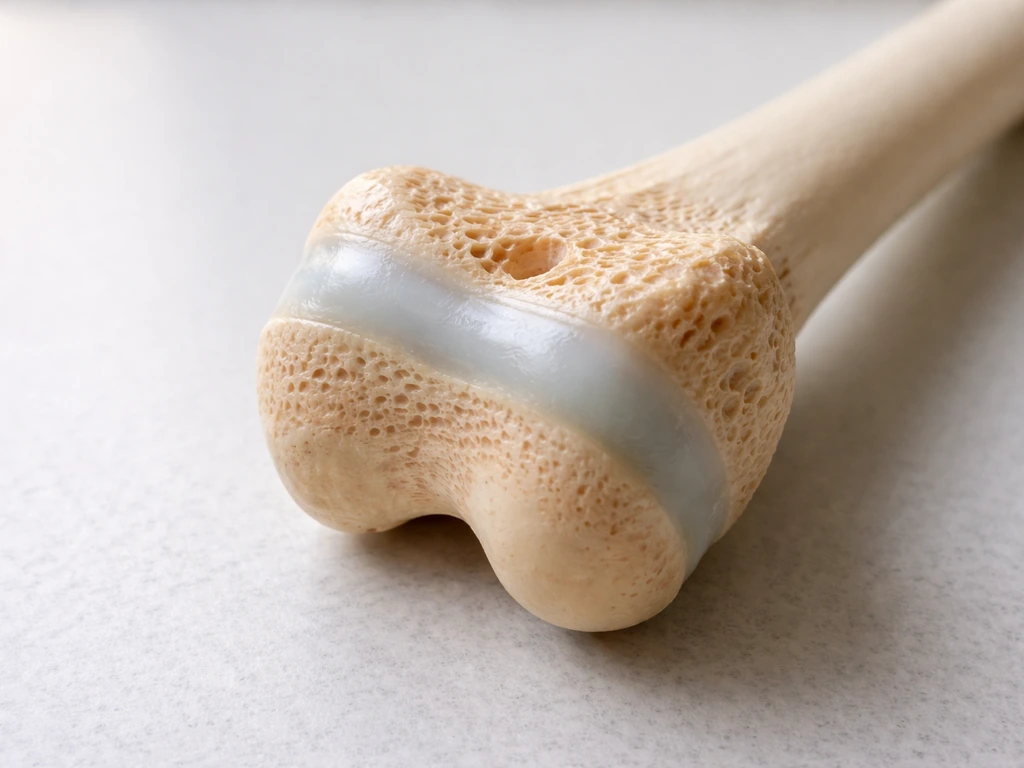
Your height is built at the growth plates, which are zones of soft cartilage tissue located near the ends of your long bones, especially in your legs and spine. During childhood and adolescence, cells in these plates divide and multiply, gradually pushing the bones longer. Once puberty ends, the plates harden and fuse, and no further height gain is possible through natural means.
The hormones running the show here are growth hormone (GH) and insulin-like growth factor 1 (IGF-1). GH is released in pulses from the pituitary gland, mostly during deep sleep, and it signals the liver to produce IGF-1. IGF-1 is what actually stimulates the growth plates to make new bone. Research has confirmed that IGF-1 levels respond to both nutritional status and puberty stage, meaning your body's fuel supply is directly tied to how well this growth axis functions.
Sex hormones take over toward the end of puberty. Estrogen (in both girls and boys, just at different levels) accelerates bone maturation and is what ultimately causes the growth plates to fuse. Genetics determines where your growth plate timing is set, and it accounts for roughly 60 to 80 percent of your final adult height. Everything else, including nutrition, sleep, and health, influences whether you actually reach that genetic ceiling.
What being underweight can actually do to your growth
If your body is not getting enough calories or nutrients, it treats growth as a low priority. Energy goes first toward keeping your heart beating, your brain running, and your immune system functioning. Linear height growth gets deprioritized. In many cases, people assume that if they grow taller they will also get thinner, but that is not guaranteed and depends on calorie intake and body composition changes during growth when you grow taller do you get thinner. This is why chronic undernutrition in childhood is one of the most well-documented causes of stunted growth worldwide, and it is also why research links BMI to both linear growth rate and pubertal timing.
The GH-IGF-1 axis is sensitive to energy availability. When you are not eating enough, IGF-1 levels drop even if GH is being secreted normally, because the liver needs adequate nutrition to produce IGF-1 in response to the signal. That break in the chain means the growth plates receive less stimulation than they should. Specific nutrients compound this: zinc is essential for DNA synthesis and cartilage formation, calcium and vitamin D are foundational for bone mineralization, and protein provides the raw material for new tissue. Deficiencies in any of these can slow the process.
There is also a hormonal side effect of prolonged low energy availability that is particularly relevant for adolescent girls. When the body senses a sustained calorie deficit, the hypothalamus can suppress reproductive hormones, a state known as functional hypothalamic amenorrhea (FHA). This disrupts estrogen levels and is associated with reduced bone mineral density, which can compromise the structural gains that are supposed to happen during the adolescent growth spurt. The Endocrine Society recommends baseline bone density scans (DXA) when amenorrhea has persisted for six or more months or when severe nutritional deficiency is suspected.
Young athletes face a specific version of this risk called Relative Energy Deficiency in Sport (RED-S). When training load outpaces calorie intake, even in lean, fit-looking kids, the resulting low energy availability can impair growth, increase injury risk, and affect long-term bone health. The body does not distinguish between intentional dieting and simply not eating enough to match activity demands.
When being thin is just your build, and when it is a problem
Some kids are naturally lean. Long, ectomorphic frames with low body fat are completely normal and are often genetic. Being on the lighter side does not automatically mean something is wrong. The question is whether thinness reflects a healthy, well-nourished body or whether it signals inadequate intake or an underlying issue.
The most practical screening tool is BMI-for-age. The CDC defines underweight in children and adolescents (ages 2 to 20) as a sex-specific BMI-for-age below the 5th percentile. A child can be slender and still fall in a healthy percentile range. The concern arises when they drop below that threshold, especially if it represents a change from their previous trajectory.
Watch for these red flags alongside low weight. If a child or teen is crossing height percentile lines downward on a growth chart rather than tracking along a consistent curve, that drop in growth velocity is a signal worth investigating. The AAP notes that an abnormal slowing in height growth or dropping percentiles can trigger a clinical growth evaluation. NICE guidance recommends measuring height no more often than every three months when faltering growth is suspected, to get a meaningful read on actual velocity.
- BMI-for-age below the 5th percentile on CDC growth charts
- Height percentile dropping across two or more major gridlines over time
- Fatigue, frequent illness, or poor wound healing (signs of nutritional deficiency)
- In girls: delayed or absent periods during puberty
- Poor appetite or disordered eating patterns
- Excessive exercise relative to calorie intake in young athletes
If any of these apply, a pediatrician or endocrinologist can run labs to check for thyroid issues, growth hormone deficiency, celiac disease, or other treatable causes. The Endocrine Society emphasizes that a clinical evaluation is designed to separate those treatable conditions from normal growth variants, and getting that distinction right matters.
What to actually do to support normal height growth
Eat enough of the right things

Adequate calorie intake is the foundation. Growing kids and teens need enough energy to fuel both daily activity and the metabolic cost of building new tissue. Beyond total calories, three nutrients deserve specific attention for height growth: calcium, vitamin D, and zinc. The NIH Office of Dietary Supplements notes that the Endocrine Society recommends routine vitamin D supplementation for children and teens aged 1, 18 under certain conditions, as described in its vitamin D fact sheet.
| Nutrient | Why it matters for growth | Target for ages 9-18 |
|---|---|---|
| Calcium | Core mineral in bone structure; supports growth plate mineralization | 1,300 mg/day (NIH/NIAMS) |
| Vitamin D | Required for calcium absorption; supports bone density and immune function | 600 IU/day (standard); higher in some cases per Endocrine Society guidance |
| Zinc | Essential for DNA synthesis, protein production, and cartilage formation; deficiency linked to growth impairment | 8-11 mg/day depending on age and sex (NIH ODS) |
| Protein | Provides amino acids for new tissue; supports IGF-1 production | Varies by body weight; general target is ~0.85 g/kg/day for teens |
Practically, this means eating regular meals rather than skipping them, including dairy or fortified alternatives for calcium and vitamin D, and getting enough protein from meat, eggs, legumes, or other sources you actually like. Consistency matters more than any single superfood.
Prioritize sleep
Growth hormone is released in pulses during deep slow-wave sleep. This is not a small detail. Most of your daily GH output happens while you are asleep, which means cutting sleep short directly reduces the hormonal signal driving your growth plates. School-age children need 9 to 12 hours and teenagers need 8 to 10 hours per night. Chronic sleep deprivation does not just make you tired; it blunts the GH-IGF-1 axis at a time when it matters most.
Move, but do not undereat for your activity level
Regular physical activity supports healthy bone density and overall development. Weight-bearing exercise like running, jumping, and strength training is particularly good for bone health during adolescence. The caveat, especially for young athletes, is that increased training must be matched with increased food intake. The RED-S research makes clear that being lean and active while underfueled is worse for growth than being sedentary and well-nourished. If you or your child is doing a lot of sport, make sure calories are going up proportionally.
What happens after puberty: the honest picture
Once your growth plates fuse, usually in the late teens for girls and the early-to-mid twenties for some boys, your skeletal height is set. No amount of nutrition, exercise, or supplements will add true bone length after that point. This is a hard biological limit, and it is worth being honest about rather than chasing products or protocols that promise otherwise.
What can change slightly in adulthood is how tall you appear. Posture and spinal disc compression play a real role. People with good core strength and upright posture can stand measurably taller than they do when slouched. Dehydration and prolonged sitting compress spinal discs and can temporarily reduce your measured height by up to half an inch or so.
People sometimes wonder if you can push the earth down or use gravity to grow taller, but your height changes are mostly driven by growth plates, posture, and overall nutrition do you push the earth down when you grow taller. If you have back pain, it is also worth checking posture and spinal alignment, because even small changes in mechanics can make discomfort more noticeable during growth years back pain related to growth and posture.
Getting enough sleep restores disc height overnight. These are real effects, but they operate in the range of fractions of an inch, not inches.
The practical takeaway for anyone who has already gone through puberty is this: focus on posture, core strength, and maintaining a healthy body composition. Being underweight as an adult does not make you taller either, and being very lean while nutritionally deficient can accelerate bone loss over time, which works in the wrong direction entirely. The goal at any age is a well-nourished body, and that remains true whether you are nine or thirty.
FAQ
If I’m already skinny, can I do anything to grow taller faster than my genetics?
Not in a reliable, “faster than genetics” way. Height gain is limited once growth plates fuse, and before that it depends on growth plate timing plus adequate energy intake. The best you can do is remove barriers like low calories, poor sleep, and nutrient gaps so your body can reach its genetic ceiling.
Does being underweight make me stop growing, or just slow growth?
It can do both. Chronic undernutrition can reduce growth velocity and may delay or disrupt puberty hormones, which then affects how long growth continues. The more sustained the deficit, the more likely it is to shift growth plate activity downward.
How do I tell whether being skinny is healthy or a sign I’m not eating enough?
Look for patterns, not just a low weight. If your BMI-for-age is very low or your height percentile is drifting downward over time, that suggests energy availability may be inadequate. A consistent growth curve plus normal energy, periods (for post-menarche girls), and development is more reassuring.
What’s a common mistake when people think they should get “skinnier” to grow taller?
Trying to diet or intentionally restrict food. Because the GH-IGF-1 pathway depends on adequate nutrition, dieting can reduce IGF-1 signaling even if you seem lean already. In practice, “eat enough” is usually the fix, not “be leaner.”
Can exercise make you taller if you’re skinny?
Exercise supports bone health and healthy development, but it doesn’t override growth plate biology. For athletes, the key is fueling, because heavy training without sufficient calories raises the risk of RED-S, which can impair growth and bone density even if the athlete looks thin.
How much sleep do I actually need for growth-related hormones?
For most school-age kids, about 9 to 12 hours per night, and for teens, about 8 to 10 hours. Occasional short nights rarely matter, but chronic restriction can blunt the GH pulses that are heavily tied to deep sleep, reducing growth plate stimulation.
If my height is decreasing on the chart, does that mean something is wrong with my bones?
Not automatically, but it is a sign to investigate growth velocity. A downward trend in height percentiles, especially across several measurements, can reflect treatable issues like thyroid problems, celiac disease, or growth hormone-related conditions, and it is not something to ignore.
Do posture changes mean I can “grow” in adulthood?
You can often look taller, but true bone length cannot increase after growth plate fusion. Posture, core strength, and spinal disc hydration can affect measured height by fractions of an inch, so it’s best thought of as appearance and mechanics rather than real height gain.
Are there any nutrients besides calcium and vitamin D that matter for height?
Yes, zinc is particularly important because it supports processes involved in DNA synthesis and cartilage formation. Protein matters too, because building new tissue requires amino acids. The biggest issue is usually overall energy and balanced intake, not one supplement.
At what point should a child or teen see a doctor about growth while being skinny?
If there is abnormal slowing of height growth, crossing downward percentiles, signs of delayed puberty, prolonged menstrual absence in post-menarche girls, or symptoms suggesting an underlying condition. A pediatrician can decide whether labs are appropriate and how frequently to measure height to calculate growth velocity.
Next Article
Does Losing Weight Help You Grow Taller? Evidence-Based Guide
Weight loss does not increase bone growth in adults; in kids, healthier weight may improve posture and growth conditions