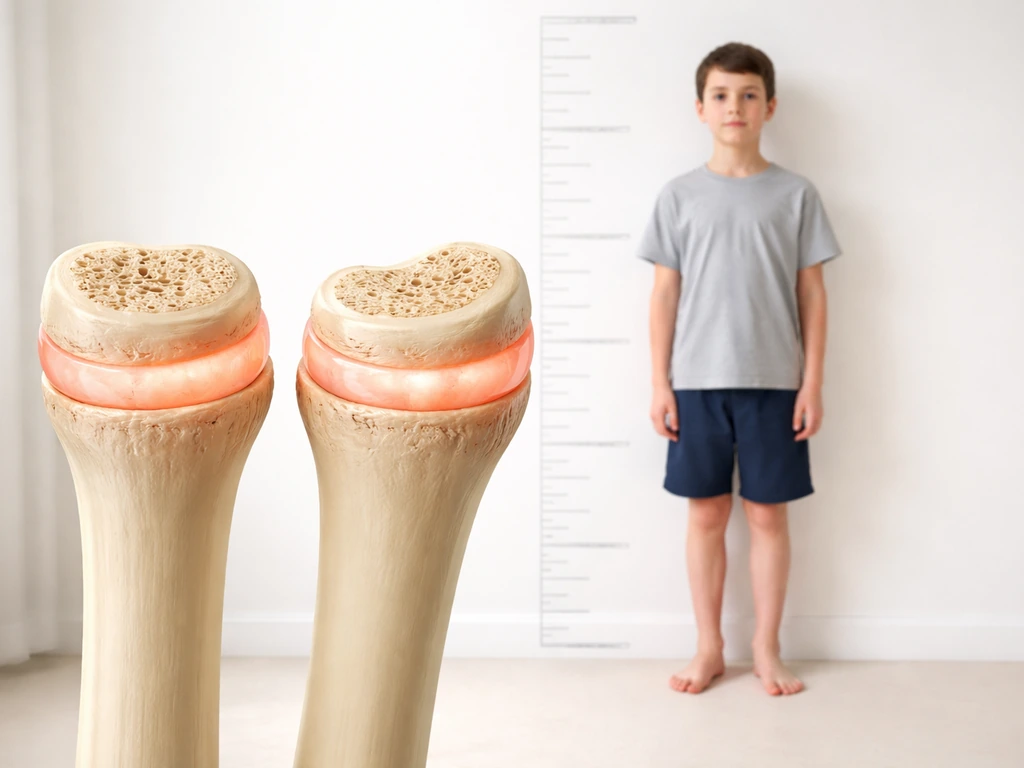
Yes, it's common to look or feel skinnier as you grow taller, especially during a growth spurt. But here's the key distinction: most of the time, you're not actually losing fat or muscle mass. Your body is just redistributing and stretching out. Your limbs get longer, your torso elongates, and the same amount of body tissue now covers more frame, so you appear leaner. That said, weight should still be increasing during healthy growth, even if it doesn't keep perfect pace with height in the short term. Whether this is normal or a red flag depends on the specifics, and that's what this article breaks down.
Do You Get Skinnier as You Grow Taller? What to Expect

Marcus Reeves
30 May 2026
Why you can look skinnier as you grow taller

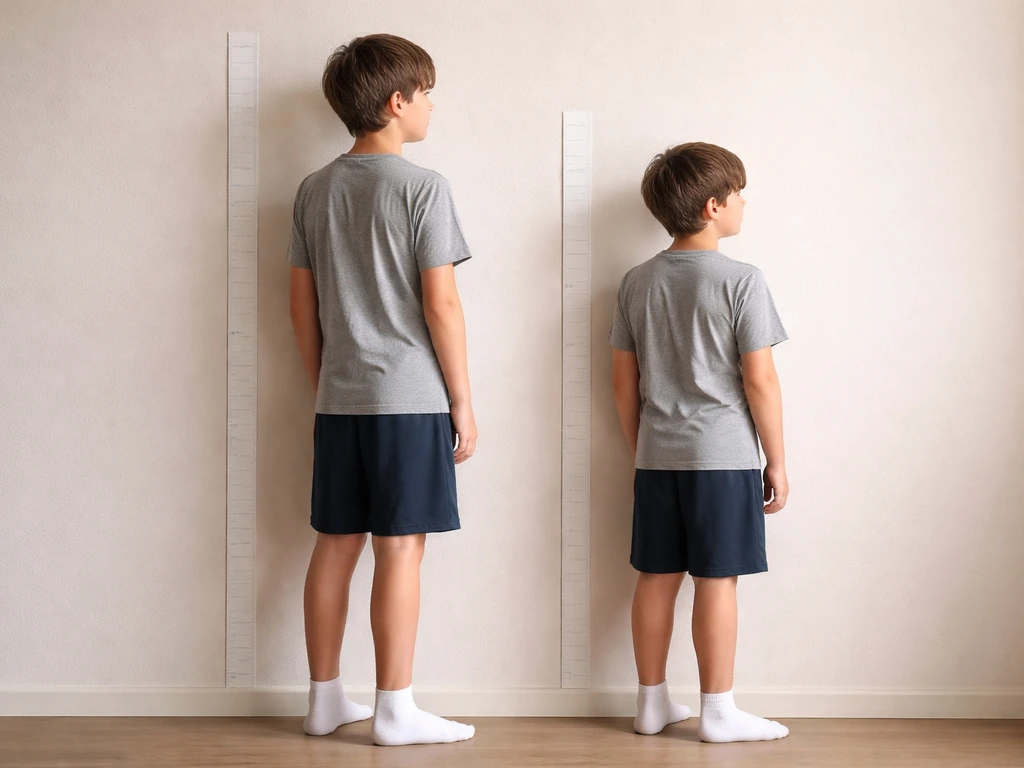
During a growth spurt, height can shoot up surprisingly fast, sometimes several inches within a year. Weight tends to follow, but not always at the same rate or timing. The result is that body proportions shift: longer arms, longer legs, a taller torso, and a narrower appearance overall, even if total body weight hasn't dropped at all. Think of it like stretching a piece of dough. The mass is still there, it's just covering more surface area.
This is largely a perception effect, but it has a real physiological basis. Fat mass and muscle mass don't disappear during a spurt. However, because height is increasing faster than fat deposition, the ratio of height to body mass shifts temporarily. Limb lengths increase disproportionately before muscle and fat have time to "fill in," which is why adolescents in the middle of growth spurts often look lanky or gangly. It usually resolves on its own once height velocity slows and the body catches up in weight and muscle.
There's also a related question worth addressing here: whether being skinny helps you grow taller, or whether losing weight makes you taller. The short answer to both is no, at least not in any meaningful physiological way. And no, you do not push the earth down when you grow taller.
If you are wondering whether weight changes when you grow taller, the short answer is that healthy growth usually comes with weight gain, even if it may lag behind height temporarily The short answer to both is no, at least not in any meaningful physiological way. . Height is primarily driven by genetics and growth hormone activity, not body weight. Even when weight changes during growth, it doesn't change how tall you can grow.
The relationship between height and body composition is more about appearance and proportion than any causal link.
Childhood vs. puberty: what actually changes in weight, muscle, and fat
The pattern of how height and weight interact shifts quite a bit depending on the life stage. In early childhood (roughly ages 2 to 8), growth is relatively steady, and weight typically tracks height at a consistent pace. Kids gradually lose some of the chubby baby fat they accumulated in infancy, and BMI naturally dips during the preschool and early school years, a normal phenomenon sometimes called the "adiposity rebound" when BMI starts climbing again around age 5 to 6.
Puberty is where things get more dramatic. In girls, puberty typically starts between ages 8 and 13, and the peak height velocity (the fastest period of growth) usually happens early in puberty, around Tanner stage 2 or 3. Fat mass increases significantly during this stage, especially around the hips, thighs, and breasts. In boys, puberty tends to start later (ages 9 to 14), and the peak height spurt comes later in the pubertal sequence. Boys also experience a substantial increase in lean muscle mass and bone density during this period, often resulting in a leaner look compared to girls, even at similar heights.
Both sexes can go through phases where they look disproportionately thin during rapid height gain, but this is usually temporary. Once height velocity slows (which happens after the peak spurt), weight and muscle mass tend to catch up. The teen who looked "all legs" at 14 often fills out considerably by 17 or 18.
How to judge it correctly: growth charts and what "healthy" actually looks like
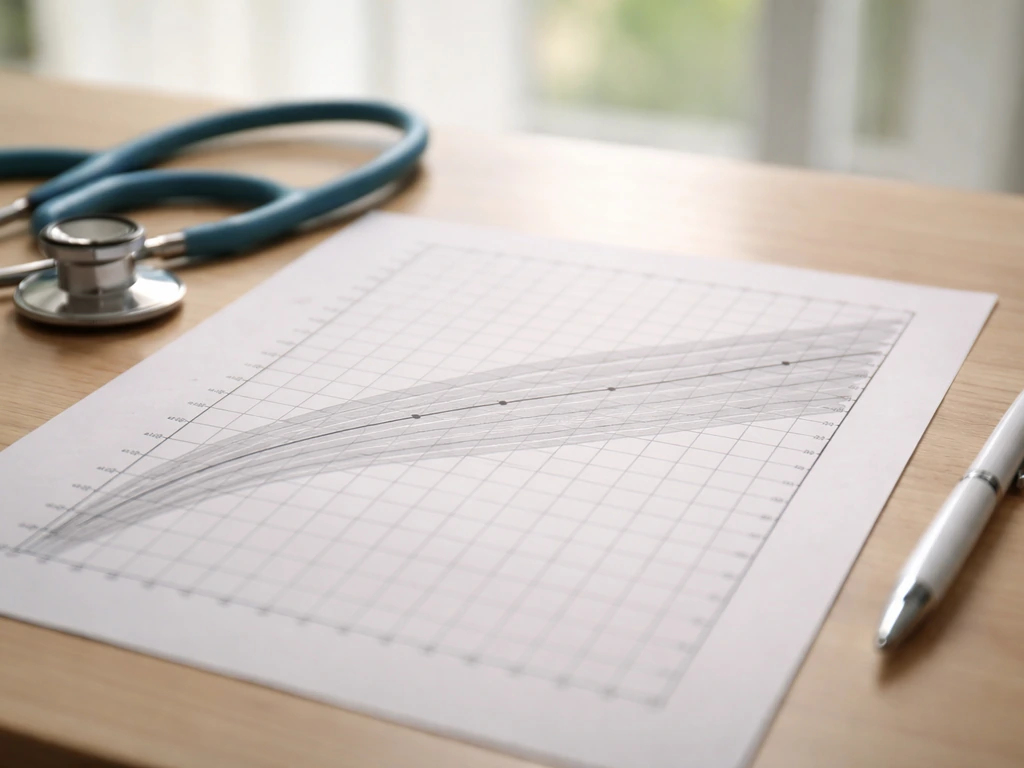
The single most useful tool for assessing whether a child or teen is growing healthily is a CDC or WHO growth chart, tracked over time. A single measurement tells you relatively little. A trend tells you a lot. You want to see both height and weight tracking consistently along their respective percentile curves, even if those curves are the 10th or the 80th percentile. What raises concern is a child dropping significantly across percentile lines over time.
For children and adolescents aged 2 to 20, the relevant metric is BMI-for-age percentile, which is sex- and age-specific. CDC’s growth chart training material notes that BMI categories in youth are based on BMI-for-age percentiles. Standard adult BMI (just weight divided by height squared) doesn't account for the fact that body composition changes dramatically with age and development, so it's not appropriate for kids. The CDC defines the categories this way for youth:
| BMI-for-Age Percentile | Category |
|---|---|
| Less than 5th percentile | Underweight |
| 5th to less than 85th percentile | Healthy weight |
| 85th to less than 95th percentile | Overweight |
| 95th percentile or higher | Obesity |
To calculate BMI-for-age percentile, you need four inputs: age, sex, height, and weight. The CDC's online BMI calculator for children and teens does this automatically. But again, a single number is less informative than a trend. Plotting your child's BMI-for-age percentile at every checkup, alongside height and weight percentiles, gives you a much clearer picture of whether apparent thinness is a proportion effect from growth or something that needs attention.
One important caveat: BMI-for-age has real limitations. A very muscular teen can land in the "overweight" category and be perfectly healthy. A teen who looks thin can have a BMI in the normal range but still be undernourished. BMI is a screening tool, not a diagnosis. If there's genuine concern, a pediatrician can add context by looking at weight velocity, height velocity, body composition, and lab work.
When "taller but skinny" is normal vs. when it's a red flag
Most of the time, looking thinner during a growth spurt is completely normal and self-correcting. If you are still growing, being skinny during a growth spurt does not usually change your actual height potential; it mainly affects how your proportions look. But there are situations where thinness during or after a height increase is worth investigating.
Signs it's probably fine
- The child or teen is actively in a growth spurt (height increasing noticeably over months)
- Weight is still increasing, just not as fast as height
- BMI-for-age percentile is above the 5th percentile and hasn't dropped dramatically
- Energy levels, mood, and physical performance are normal
- Appetite is good, diet is reasonably varied
- Family members (parents, siblings) have naturally lean builds
Red flags that need a doctor's attention

- Actual weight loss (not just slow gain) during a growth period
- BMI-for-age dropping below the 5th percentile
- Crossing two or more major percentile lines downward on either the height or weight chart
- Fatigue, weakness, poor concentration, or frequent illness
- Delayed puberty or absent pubertal signs by age 14 in boys or 13 in girls
- Gastrointestinal symptoms: chronic bloating, diarrhea, or poor appetite
- Signs of disordered eating: restriction, food anxiety, distorted body image
- Unexplained hair thinning, cold intolerance, or slow wound healing (can suggest thyroid issues or nutritional deficiency)
Conditions that can cause a child to gain height without adequate weight include celiac disease, inflammatory bowel disease, hyperthyroidism, type 1 diabetes (undiagnosed or poorly controlled), growth hormone excess (rare), and severe restrictive eating disorders. None of these are common, but all are worth ruling out if the red flags above are present.
Nutrition for healthy growth and body composition
If the concern is that a growing child or teen looks too thin during a growth phase, nutrition is the most practical lever you have. The goal isn't to force weight gain, it's to make sure the body has everything it needs to build the muscle, bone, and tissue that should accompany height increases.
Total calories first
Active, growing adolescents often need far more calories than people expect. Teen boys in a growth spurt can need anywhere from 2,500 to 3,200 calories per day or more depending on activity level. Teen girls generally need 2,000 to 2,400. If a teen consistently eats less than their energy needs, the body will prioritize keeping critical functions running over building new tissue, which means muscle and fat accumulation get shortchanged even as height increases. Eating enough total food is the foundation, everything else builds on top of it.
Protein for muscle and bone
Protein is essential for muscle synthesis, bone matrix formation, and the production of growth-related hormones and enzymes. During puberty, protein needs are higher than at any other life stage except infancy. Roughly 1.0 to 1.5 grams of protein per kilogram of body weight per day is a reasonable target for growing teens, with higher intakes appropriate for those doing regular resistance training. Good sources include meat, fish, eggs, dairy, legumes, and soy-based foods.
Key micronutrients for growth
- Calcium and Vitamin D: critical for bone mineral density during the rapid bone growth of puberty; dairy, fortified plant milks, fatty fish, and sunlight exposure all help
- Zinc: involved in growth hormone receptor activity and protein synthesis; found in meat, shellfish, legumes, and seeds
- Iron: especially important for girls after menstruation begins; deficiency causes fatigue and impairs physical development
- Magnesium: supports bone structure and muscle function; found in whole grains, nuts, leafy greens
- B vitamins (especially B12, folate): necessary for cell division and energy metabolism during rapid growth
A varied, whole-food diet that hits caloric needs will cover most of these. Supplements are rarely necessary if the diet is adequate, but a pediatric multivitamin can be a reasonable safety net for picky eaters or teens with restricted diets (vegetarian, vegan, or food-allergic).
Sleep and stress: the overlooked growth drivers
Growth hormone (GH) is secreted in pulses throughout the day, but the largest and most important pulse happens during deep (slow-wave) sleep, typically within the first few hours after falling asleep. If a growing child or teen is consistently sleep-deprived, GH output drops. This doesn't just affect height potential; it also affects muscle protein synthesis, fat metabolism, and appetite regulation. Short sleep is consistently associated with altered hunger hormones (higher ghrelin, lower leptin), which can paradoxically lead to worse diet quality and less efficient use of calories.
For children aged 6 to 12, the American Academy of Sleep Medicine recommends 9 to 12 hours of sleep per night. Teenagers aged 13 to 18 need 8 to 10 hours. Most teens get significantly less than this, which means improving sleep is one of the most underutilized practical strategies for supporting healthy growth and body composition during adolescence.
Chronic stress is also worth mentioning here. Elevated cortisol (the primary stress hormone) suppresses GH release, can increase abdominal fat storage, and interferes with sleep quality. Teens juggling heavy academic loads, social stress, or family instability are physiologically disadvantaged during growth, not just psychologically. Managing stress through regular downtime, physical activity, and adequate sleep isn't soft advice, it's directly relevant to how the body grows.
Exercise: what helps, what to avoid
Regular physical activity supports healthy growth and body composition during childhood and adolescence, but the type of exercise matters. The concern parents sometimes have about resistance training stunting growth is not well supported by current evidence. Properly supervised strength training does not damage growth plates in children or teens, and it actually promotes bone density, muscle development, and hormonal health.
What does matter is that exercise shouldn't create a caloric deficit large enough to interfere with growth. A teen who is doing two-a-day athletic training but not eating enough to compensate is at real risk of what sports medicine calls Relative Energy Deficiency in Sport (RED-S), formerly known as the "female athlete triad" though it affects all sexes. This can impair bone development, suppress hormonal function, and stall weight gain even during height increases. It's one of the scenarios where looking thinner during a growth phase is a genuine red flag rather than a normal proportion shift.
A practical exercise framework for growing kids and teens:
- 60 minutes or more of moderate to vigorous activity most days (in line with pediatric physical activity guidelines)
- Include a mix of aerobic activity, muscle-strengthening, and bone-loading exercises (running, jumping, resistance work)
- Avoid chronic overtraining without adequate caloric and nutritional recovery
- Pay attention to energy: if a teen is always tired, losing weight during intense training, or showing mood changes, pull back volume before cutting nutrition
Adults: does growing taller make you thinner? Realistic expectations after growth plates close
For adults, the situation is fundamentally different. Growth plates (the cartilaginous zones where bone elongation happens) close at the end of puberty, typically in the late teens for girls and early 20s for boys. After that point, skeletal height is fixed. You don't grow taller naturally as an adult, so the question of "getting skinnier as you grow taller" doesn't really apply in a physiological sense.
There are some minor apparent height changes in adults worth knowing about. Spinal disc compression from daily gravity means most people are 1 to 2 cm shorter by the end of the day than when they wake up. Posture improvements (stronger core, better alignment) can make someone appear taller and slimmer without any actual bone growth. And older adults gradually lose height due to vertebral compression and disc thinning, which can also shift apparent body proportions. None of this is the same as growing taller.
If you're an adult who is taller than average and feels naturally lean, that's more likely explained by genetics (tall families often share lean body types), a higher basal metabolic rate from greater muscle mass, or simply longer limbs distributing weight across a larger frame in a way that looks thinner. It's not that being tall makes you metabolically special; it's proportions again.
For adults, the practical focus should shift from growth to body composition maintenance: preserving muscle mass through resistance training, eating enough protein (0.7 to 1.0 grams per pound of body weight is a commonly cited target), staying active, and sleeping well. None of these will make you taller, but they're the levers that determine whether you carry a healthy, functional body on whatever frame you've got.
The bottom line on height and thinness
Looking skinnier as you grow taller is mostly a proportion effect, not a real loss of tissue, and it's extremely common during childhood and adolescent growth spurts. It becomes a genuine concern only when weight is actually dropping, when BMI-for-age falls below the 5th percentile, or when other symptoms suggest something is wrong with nutrition, digestion, hormones, or eating behavior. The practical response in most cases is to make sure caloric intake, protein, micronutrients, sleep, and stress are all in a reasonable range, and to track both height and weight trends over time rather than fixating on any single data point. If something looks off, a pediatrician with access to growth charts and labs will give you a far clearer picture than any single measurement at home.
FAQ
If I look skinnier during a growth spurt, should I worry that my height is “outpacing” my weight?
Usually no, as long as weight is not trending downward over successive checkups. A normal pattern is height rising faster for a short period while weight catches up once the peak spurt slows. Use percentiles over time rather than one-off snapshots, because timing differences between height and weight are common.
What specific “red flags” suggest thinness is more than a proportion effect?
Look for a drop in BMI-for-age percentile across multiple visits, weight falling even while height is maintained or still increasing, fatigue or weakness, frequent diarrhea or abdominal pain, heat intolerance or shakiness, excessive thirst and urination, or signs of restrictive eating (skipping meals, fear of weight gain). These warrant a clinician review rather than waiting for the spurt to pass.
Is losing a little weight during a growth spurt ever normal?
Minor fluctuations can happen, but consistent weight loss is the concern. If weight is trending down for several months, or BMI-for-age falls below the 5th percentile, it suggests intake is not matching growth needs or there may be an underlying issue.
How fast should weight gain happen during puberty, and what if it doesn’t match my height?
There is no single “must match” rate, because the timing differs by person and by sex. What matters is that weight and BMI do not steadily decline, and that height and weight track along their own percentile curves. If you see a clear drift downward, that is the moment to reassess nutrition and health.
Can you be “too skinny” even if BMI-for-age is normal?
Yes. BMI is a screening metric, not a diagnosis. A teen can have normal BMI yet still be undernourished if there is low muscle mass, poor dietary intake, or symptoms. A pediatrician can add context using weight velocity, dietary history, and sometimes labs or body composition assessment.
Do growth spurts affect hunger, appetite, or cravings in a predictable way?
Often, yes. During rapid changes, some teens become hungrier, but others notice appetite changes that lead to under-eating, especially with sports or busy schedules. If appetite is low, “catch-up” eating may require structured meals plus calorie-dense options (for example, adding olive oil to meals, full-fat dairy if tolerated, and snacks with protein and carbs).
Does sleep loss make someone look skinnier during growth?
It can indirectly. Short sleep is linked with appetite and hunger hormone changes, poorer diet quality, and reduced growth hormone pulse quality. If a teen is sleeping below recommended ranges and losing weight or BMI percentiles, improving sleep can be a high-impact first step alongside nutrition.
Can being very active make a teen look skinnier even if they are healthy?
It can, especially if activity increases without enough calories to compensate. The key question is whether intake covers energy needs. If training volume rises, appetite might not keep up, and this can lead to low weight gain, bone stress, or other features of Relative Energy Deficiency in Sport (RED-S).
What diet approach works best for supporting weight gain without “junk food” settling in?
Aim for enough calories using nutrient-dense foods, then ensure protein at each meal. Practical options include adding a protein source at breakfast, using whole grains and starchy carbs around training, and including fats that boost calories (nuts, nut butters, avocado, olive oil, cheese). The goal is consistent energy intake, not random boosts.
How can a parent or teen track progress at home between doctor visits?
Track trends: weigh consistently (for example, same time of day, similar clothing) and record height when possible at regular intervals. Most important is the trajectory over weeks to months. If you have symptoms or a clear downward trend, contact a pediatrician rather than waiting for the next routine appointment.
If an adult “gets skinnier” after increasing height, what usually explains it?
For adults, the most common explanation is proportion and posture, not real height growth. Improved core strength and alignment can make someone look taller and leaner, and day-to-day spinal disc compression can change perceived height. Genetics and where fat and muscle distribute also play a major role.
Next Article
Does Being Skinny Make You Grow Taller? The Science
No, being skinny does not make you taller; healthy weight and nutrition support growth, while underweight can slow it.