Yes, back pain can show up during or around growth spurts, but here's the honest version: it's usually not the growth itself causing the pain. You also might wonder about whether the body causes pressure on the earth when you grow taller, but for most people back pain during growth spurts is better explained by muscle and posture changes. Most back discomfort in kids and teens during this period traces back to muscle strain, posture changes, tight muscles that haven't kept pace with rapidly lengthening bones, weak core support, or plain old sedentary habits. Growth-related back pain is real and common, but it's rarely something serious, and for most people it clears up within days to a couple of weeks with basic care.
Does Your Back Hurt When You Grow Taller? What to Do

Marcus Reeves
26 Jun 2026

Why back pain can show up during growth spurts
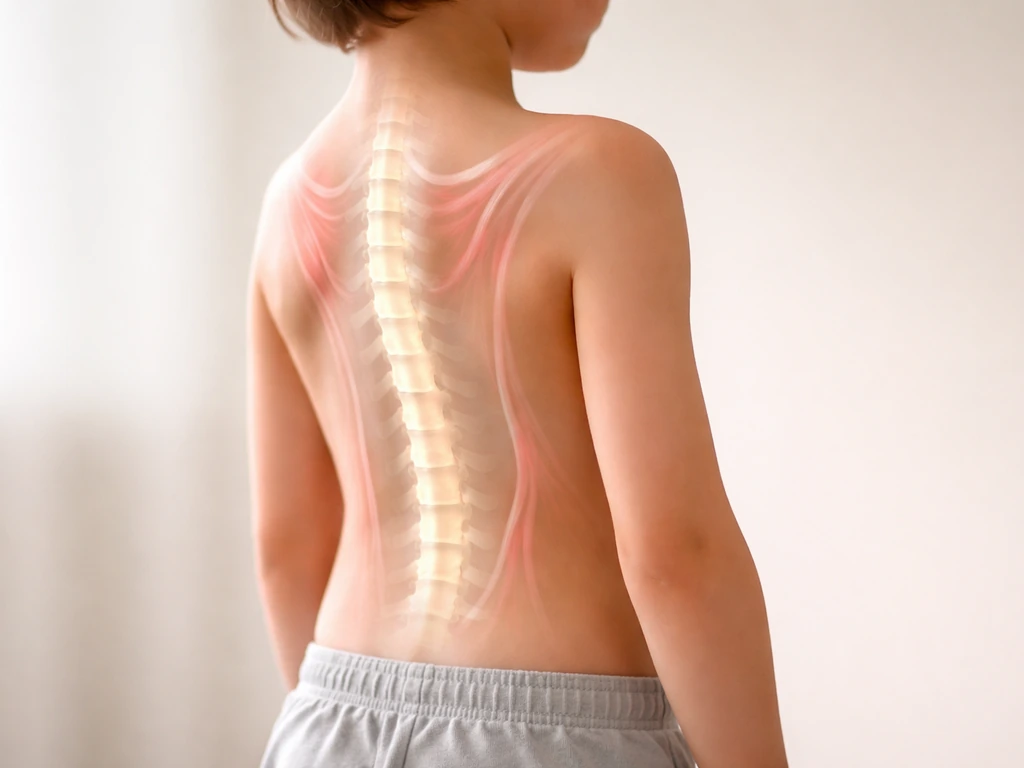
When you're in the middle of a growth spurt, your bones can lengthen faster than the muscles, tendons, and connective tissue around them adapt. One commonly offered explanation is that bones grow first and muscles have to stretch to catch up, creating temporary tightness and discomfort. This is probably why so many kids and teens feel aching in their legs or back during rapid growth phases. That said, it's worth being upfront: this is a plausible mechanism more than a fully proven one. The research on 'growing pains' is actually messier than most people realize.
The term 'growing pains' has been used in pediatric medicine for decades, but a scoping review published in Pediatrics found that clinical definitions vary widely, and the name itself is considered a misnomer by many experts. The American Academy of Pediatrics even notes that during peak adolescent growth spurts, the actual rate of height gain is too gradual to be directly painful. Classic growing pains are typically a childhood phenomenon (around ages 3 to 12), usually affecting the legs, often worse in the evening or at night, and not caused by any identifiable structural problem. So if your back hurts during a growth spurt, it's real, it's worth taking seriously, but the growth itself probably isn't tearing anything or causing direct structural damage.
What's more likely happening in the back specifically: rapid height changes shift your center of gravity and alter how your spine is loaded. If your core muscles, glutes, and hip flexors haven't caught up to your new proportions, the lower back takes on more stress than it should. Add in hours of sitting at a desk or on a couch, and you've got a reliable recipe for back strain. The AAP describes new backaches in teens as 'mostly from strained back muscles,' with sedentary habits and weak core strength as the primary contributors.
Growth-related vs. posture, muscle, and joint causes: how to tell
The most practical thing you can do is figure out what kind of pain you're actually dealing with. Growth-related discomfort tends to be mild, bilateral (both sides), comes and goes, is linked to activity or the end of an active day, and doesn't come with any other symptoms like fever, numbness, or weakness. When you grow taller, whether you get thinner depends on your growth spurt, activity, and eating enough to support your body when you grow taller do you get thinner. Most kids and teens with this kind of pain feel fine in the morning and notice the ache more after school or sports.
Other causes look and feel different. Postural back pain often shows up as a dull, persistent ache concentrated in the lower back or mid-back, typically made worse by prolonged sitting or standing in one position. Tight hip flexors (from too much sitting) and tight hamstrings pull on the pelvis and low back, creating strain. Weak core and glute muscles mean the spine bears load it shouldn't. Sports overuse injuries tend to be one-sided, localized, and clearly linked to a specific activity. Scoliosis, a sideways curvature of the spine, can cause back pain but often shows up as visible asymmetry in the shoulders or hips, and is screened with a simple forward-bend test by a doctor.
| Feature | Growth-related discomfort | Posture/muscle strain | Sports overuse | Structural/medical concern |
|---|---|---|---|---|
| Location | Often diffuse, bilateral | Lower back, often both sides | Usually one-sided, localized | Variable, sometimes mid-back or sacral |
| Timing | Afternoon/evening, during growth phase | Worse after prolonged sitting or standing | During or after specific activity | Night pain, unrelated to activity |
| Other symptoms | None | Stiffness, muscle tightness | Tenderness at a specific spot | Fever, weight loss, numbness, bowel/bladder changes |
| Improves with rest? | Usually yes | Often yes | Yes, with activity reduction | Not necessarily |
| Duration | Days to weeks, recurrent | Ongoing while habits persist | Resolves with rest and rehab | Persists or worsens over time |
Red flags: when back pain might be a medical problem
Most back pain in kids and teens is benign and resolves on its own within about a week. But there are specific warning signs that mean you should stop waiting and get someone evaluated by a doctor. These red flags are taken seriously by pediatric orthopedic specialists and the American Academy of Pediatrics alike.
- Fever, chills, or unexplained weight loss alongside back pain
- Pain that wakes the child or teen from sleep (night pain is one of the most important red flags for serious pathology)
- Pain that is constant and not related to activity or position
- Neurological signs: numbness, tingling, weakness in the legs, or difficulty walking
- Loss of bladder or bowel control (this is an emergency and needs immediate care)
- Back pain in a child under age 10
- Visible deformity or a sudden change in posture like one shoulder or hip sitting noticeably higher than the other
- Pain following a fall or trauma
- Decreased appetite or general feeling of being unwell that persists
If any of those apply, don't try to manage it at home. The 2024 ACR Appropriateness Criteria for pediatric back pain specifically guides clinicians to look for these red flags before deciding whether imaging is needed. When red flags are absent and the physical and neurological exam is normal, conservative management comes first. When they're present, the evaluation pathway changes significantly.
What you can do now: pain relief and daily habits
If the pain is mild, came on gradually, and has none of the red flags above, you can start managing it today without waiting for a doctor's appointment. The key is not to panic and not to do nothing.
For immediate relief, ice on the sore area (wrapped in a thin, wet cloth to protect skin) works well in the first day or two. After about 48 hours, switching to heat on the sore muscle can help ease lingering stiffness. Over-the-counter pain relievers like ibuprofen or acetaminophen are appropriate options for kids and teens when used at the correct dose for their weight and age. Ibuprofen has the added advantage of reducing inflammation, which can be helpful if there's any muscle strain involved.
Daily habits matter just as much as immediate treatment. Prolonged sitting compresses the lumbar spine and tightens hip flexors, which is one of the biggest contributors to teenage back pain. If you're wondering whether being skinny affects height, the answer is more about genetics, nutrition, and puberty than body shape does being skinny make you grow taller. If you're sitting for school or gaming, aim to get up and move for a few minutes every 30 to 45 minutes.
Backpack weight is another underestimated factor: heavy loads carried with a single strap or worn too low pull the spine out of alignment. Use both straps, position the bag close to the back, and keep the load under roughly 10 to 15 percent of body weight. Sleep position matters too, particularly avoiding sleeping on the stomach, which exaggerates lumbar arch.
Exercise and mobility that support growing bodies

This is probably the highest-leverage thing a growing person can do for back health. Physical therapy for youth musculoskeletal back pain consistently focuses on two areas: blank" rel="noopener noreferrer">restoring mobility and building strength in the core and hips. You don't need a formal PT program to start working on both.
For mobility, the most useful targets during a growth spurt are hip flexors, hamstrings, and the thoracic spine (mid-back). Tight hip flexors from sitting pull the pelvis forward and increase lumbar curve, loading the lower back. A simple standing hip flexor stretch held for 30 to 60 seconds per side, done daily, makes a real difference. Hamstring stretches (seated or standing) reduce posterior pelvic tilt and relieve tension through the low back. Cat-cow movements on hands and knees gently mobilize the whole spine and are easy to do first thing in the morning.
For strength, the priority muscles are the core (not just crunches, but deep stabilizers like the transverse abdominis), glutes, and mid-back. Dead bugs, glute bridges, and bird dogs are commonly recommended starting points because they build stability without loading the spine in a risky way. Walking is also genuinely useful, not just as low-intensity activity but because it trains coordination between the hips and trunk in a way that sedentary habits undo. Light activity like walking is specifically suggested in clinical guidance for children with back pain as a safe way to stay mobile without aggravating symptoms.
One thing to be careful about during active growth spurts: high-impact or high-load activities (heavy deadlifts, loaded squats with poor form, repetitive jumping on hard surfaces) carry more risk when bones and tendons are in a rapid change phase. This doesn't mean stop all sport, but it does mean paying attention to load, recovery time, and technique. If a specific sport or activity is clearly triggering the pain, reducing volume temporarily while keeping up mobility work is a sensible adjustment.
Nutrition, sleep, and overall growth factors that indirectly reduce strain
This site focuses on the science of how people grow, and there's a real connection between the basics of healthy development and how well your musculoskeletal system handles the stress of a growth spurt. None of these factors are magic, and they won't make you significantly taller on their own, but they do support the tissues doing the work. And you may be wondering, do you gain weight when you grow taller, but height changes usually do not directly cause weight gain.
Sleep is probably the most underrated recovery tool for a growing body. The NIH and CDC both recommend 8 to 10 hours per night for teens aged 13 to 18. Growth hormone is primarily released during deep sleep, and muscles repair micro-damage from daily activity overnight. Teens who are chronically short on sleep have slower recovery, more muscle soreness, and higher injury risk. If back pain is worse after periods of poor sleep, that's not a coincidence.
Calcium and vitamin D are the two nutrients most directly tied to bone strength during adolescence. The NIH recommends around 400 to 600 IU (10 to 15 micrograms) of vitamin D daily for children and adolescents, and adequate calcium intake is essential for building bone density during the growth years when the skeleton is most responsive.
The AAP's position is that children eating a normal, varied diet generally don't need extra supplements, but if diet is restricted or sun exposure is limited, a vitamin D shortfall is worth checking with a doctor. Getting these right doesn't directly prevent growth-related back pain, but it does mean bones and the connective tissue around them are better supported structurally.
You may also be wondering whether you grow taller when you lose weight, but weight loss affects height only indirectly.
Protein is worth mentioning too. Muscles, tendons, and ligaments are built from it, and during a growth spurt the demand for protein is elevated. A diet low in protein can slow the rate at which muscles catch up to growing bones, which is exactly the dynamic that contributes to the stiffness and aching some kids experience. If you’re wondering whether you get skinnier as you grow taller, the answer is that height increases can make your weight look different even when your body composition is still changing. Lean meats, dairy, eggs, legumes, and nuts all contribute. You don't need protein shakes, just consistent intake across meals.
When and who to see for an assessment
If back pain has lasted more than a week without improvement, or if any of the red flags listed earlier are present, it's time to get a professional opinion. The right starting point depends on the situation.
A pediatrician or family doctor is the right first call for most kids and teens. They can do a basic physical and neurological exam, screen for scoliosis using the Adam's forward bend test (which is the most commonly used clinical tool for this), check for any tenderness or asymmetry in the spine, and decide whether lab work or imaging is needed based on what they find. The ACR guidelines are clear that imaging in children without red flags is often not appropriate, so don't be surprised if no X-ray is ordered on the first visit if the exam is normal and the pain fits a musculoskeletal pattern.
A physical therapist is often the most practical next step after a basic medical clearance. A PT can assess posture, muscle length, strength imbalances, and movement patterns, then build a plan that addresses whatever is actually driving the pain. For adolescent back pain with no serious findings, this is frequently more useful than imaging because it addresses the underlying mechanics rather than just ruling things out.
A pediatric orthopedist or spine specialist is appropriate if a structural cause is suspected: things like Scheuermann's kyphosis (a mid-back rounding condition that shows up in adolescents), scoliosis, stress fractures in young athletes, or any situation where conservative management hasn't worked after several weeks. Your pediatrician can refer you directly if they see anything concerning on the initial exam.
To pull it all together: back pain during a growth spurt is common, usually not dangerous, and often tied to muscle imbalances and postural habits more than to growth itself. While weight changes can affect posture and muscle strain, losing weight is not a guaranteed way to grow taller more than to growth itself. Start with the basics today, watch for the red flags, and don't hesitate to get it checked if something doesn't feel right or the pain isn't improving. Growing bodies are resilient, but they do better with a little attention.
FAQ
How can I tell if my back pain is truly related to a growth spurt versus something else?
Growth-related pain usually feels mild, is more noticeable after active days or late day, and is often symmetric (both sides). Pain that is progressively worsening, clearly localized to one spot after an injury, or accompanied by tingling, numbness, or weakness points more toward a non-growth cause and should be assessed sooner.
Does “growing pains” mean it should hurt more at night, or is that only for legs?
Classic growing pains are more common in younger children and often occur in the evening or at night, but back pain during adolescence can still be benign even if it is not night-based. If your back pain wakes you from sleep regularly, lasts nightly, or is steadily intensifying, treat it as a warning sign and get evaluated.
What should I do if stretching and strengthening make the pain worse?
Mild temporary discomfort can be normal, but sharp pain, worsening after workouts, or pain that lingers the next day suggests you are doing too much. Scale back range of motion or intensity, keep movements pain-free, and consider a physical therapist evaluation to correct technique and identify the specific driver.
Is it safe to keep playing sports if my back hurts during a growth spurt?
Often yes, but avoid “through-the-pain” sessions. Reduce volume first (fewer reps, fewer practices, more rest days), maintain your mobility work, and stop activities that cause one-sided, sharp, or radiating pain. If pain keeps returning each week, you likely need a plan change rather than pushing through.
Should I get an X-ray or MRI if the pain keeps coming back?
Imaging is usually not the first step when pain matches a mechanical pattern and there are no red flags, because it often won’t change treatment. If the pain persists beyond about a week with no improvement, recurs frequently, or you develop any neurologic symptoms or systemic signs, that is the time to seek a clinical re-evaluation to decide whether imaging is appropriate.
What are the red flags that mean “don’t manage this at home”?
If there is fever, unexplained weight loss, severe night pain, pain that is rapidly worsening, new numbness or weakness, loss of bladder or bowel control, or a significant trauma preceding the pain, get urgent medical guidance. Also seek evaluation if back pain is clearly triggered by minimal activity or persists without any trend toward improvement.
Does backpack weight really matter, and how do I know my load is too heavy?
Yes, it can. As a practical rule, aim to keep the backpack load around 10 to 15 percent of your body weight, use both shoulder straps, and keep the bag high on your back (not hanging near the waist). If your shoulders or low back ache during the school day, adjust the fit and consider lighter packing or a rolling option if available.
How long should I wait before seeing a professional if home care doesn’t help?
If the pain has not improved within about a week, or it keeps recurring and disrupts school or sports, get checked. Even without red flags, persistent mechanical back pain often benefits from a tailored movement and strength plan rather than continued trial-and-error.
Can sleep position and pillow choice affect teenage back pain?
Yes. Sleeping on your stomach often increases lumbar arch and can aggravate lower-back strain. Try side-lying with a pillow between knees, or back-sleeping with a pillow under the knees, and keep surfaces supportive enough that your spine does not sag or over-arch.
Do I need supplements like vitamin D or calcium if I eat “pretty normally”?
Most teens who eat a varied diet and get some sun do not need extra supplements, but restricted diets, limited sun exposure, or a history of deficiency may warrant testing through a clinician. Avoid high-dose self supplementation, because excess vitamin D can be harmful.
Will losing weight always reduce back pain in teens who are growing?
Not necessarily. Weight changes can alter loading and posture, but back pain during growth spurts is commonly driven by muscle tightness, weak core or glute support, and prolonged sitting. Focus on core-hip strength, hip-flexor and hamstring mobility, and sitting breaks first, then address weight only as part of a broader health plan if needed.
Next Article
Do You Push the Earth Down When You Grow Taller?
Explains whether you push the Earth down as you grow, plus how growth plates, posture, sleep, nutrition affect real heig