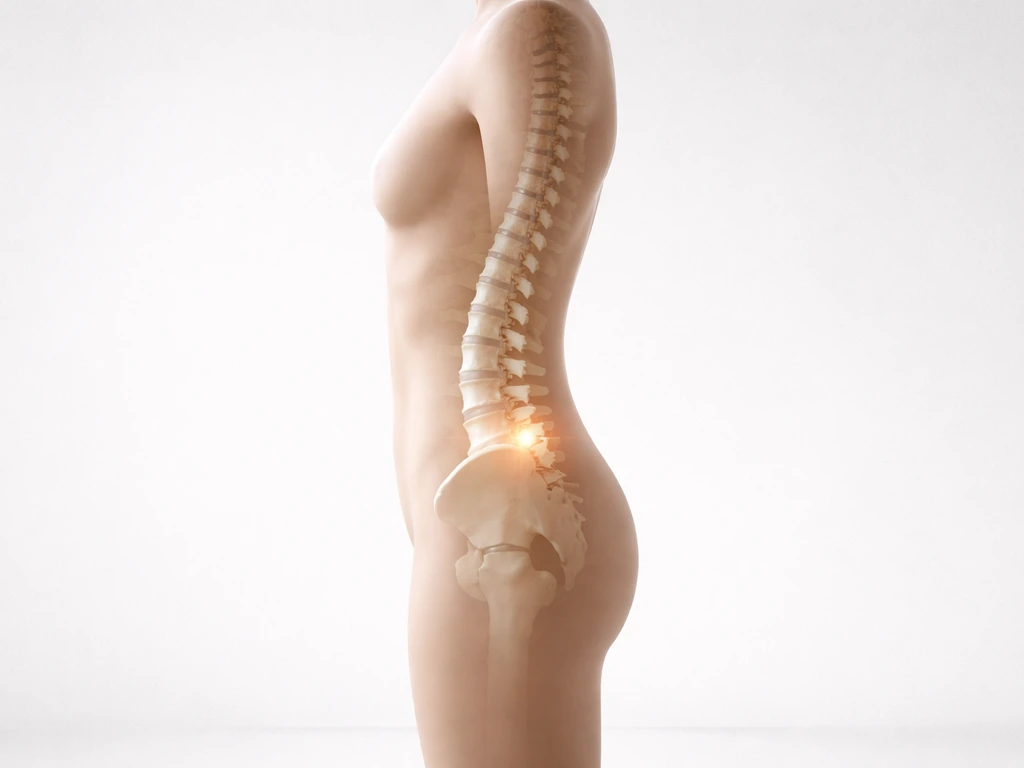
Yes, you do tend to gain weight when you grow taller, but the relationship only works in one direction. Growing taller adds bone, muscle, and tissue mass, so the scale goes up as a natural side effect. The reverse, however, is not true: gaining weight does not make you taller. Height is determined by what happens at your growth plates, not by how much you weigh. These are two separate biological processes that often happen at the same time during childhood and puberty, which is where the confusion starts.
Do You Gain Weight When You Grow Taller? Science Answers

Marcus Reeves
16 May 2026
Myth vs science: does weight gain make you taller

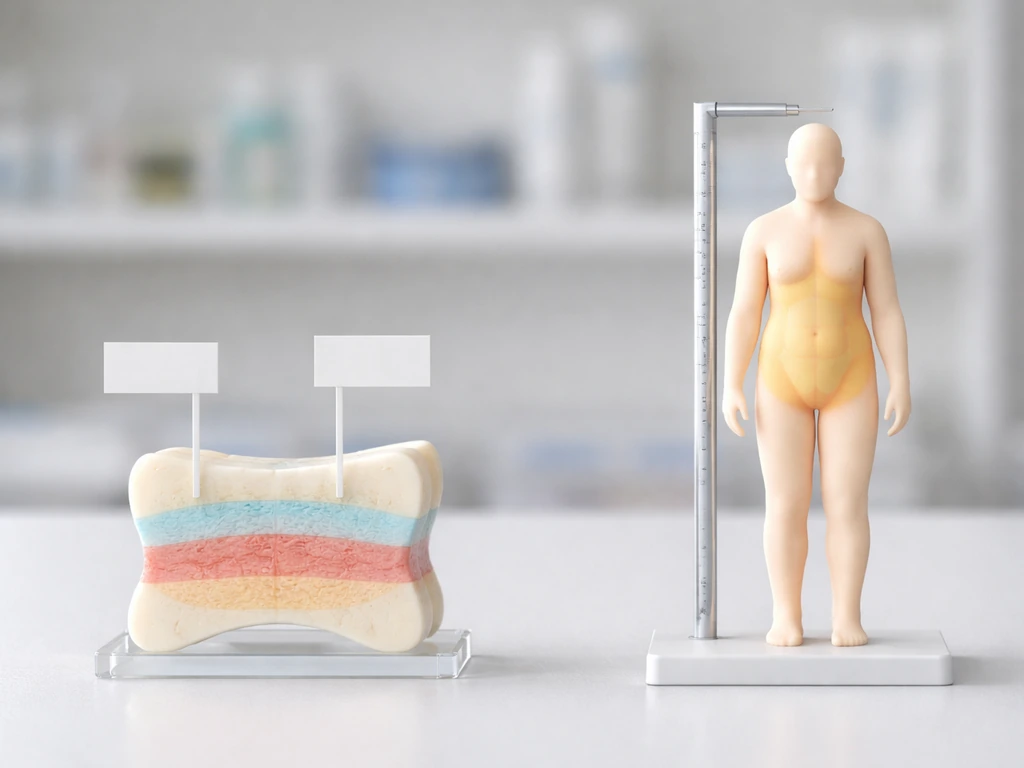
The myth usually goes something like this: a kid gains a few pounds, then shoots up an inch, so the weight gain must have triggered the height gain. It feels intuitive, but the biology does not support it. Height growth happens at the epiphyseal plates, also called growth plates, which are thin layers of cartilage located near the ends of long bones like the femur and tibia. When these plates receive the right hormonal signals, chondrocytes (cartilage cells) multiply and the bone elongates. That process has nothing to do with how much fat or muscle mass is sitting on top of those bones.
Weight gain, on the other hand, reflects changes in fat tissue, muscle, water, and organ mass. Adding more of those things does not send a signal to your growth plates to get longer. So while a growth spurt will almost always come with weight gain, weight gain itself is not the trigger or the cause of height increase. Confusing correlation with causation here is an easy mistake, and it leads people to think that eating more or weighing more will make them taller. It just does not work that way. This is why the question "when you grow taller do you get thinner" is really about growth plates and the overall growth environment, not about weight itself causing height changes.
There is one nuance worth adding: severe undernutrition can suppress growth, so improving nutrition in a malnourished child can help them grow taller by allowing their body to function normally again. But that is not the same as saying weight gain causes height gain. It means removing a nutritional obstacle lets growth proceed as it was always meant to. A well-nourished child who gains extra weight does not grow taller because of that extra weight.
How height and weight change across childhood and puberty
From birth through early childhood, both height and weight increase steadily, but not always in lockstep. Infants grow about 10 inches in the first year. Between ages 2 and puberty, children typically add 2 to 2.5 inches and 4 to 7 pounds per year on average, though there is wide individual variation. During this phase, height and weight track roughly in parallel, which is why pediatricians use growth charts to see if a child is growing proportionally, not just gaining weight.
Puberty is where things really accelerate. Sex hormones, particularly estrogen and testosterone, drive a pubertal growth spurt by signaling growth plates to ramp up bone elongation. Growth velocity during this spurt can reach 3 to 4 inches per year in boys and 2.5 to 3 inches per year in girls. Body weight climbs sharply too, as muscle mass, fat distribution, and bone density all increase. Here is the catch though: those same sex hormones that cause the growth spurt also eventually cause the growth plates to fuse, permanently ending linear height growth. In girls, plate fusion typically happens by age 14 to 16. In boys, it often continues until 17 to 19, sometimes a little later.
After the plates fuse, weight can continue to change throughout life, but height essentially cannot increase meaningfully. So the window where nutrition, sleep, and other lifestyle factors can actually influence how tall you get is limited, and it closes at different times for different people depending on their puberty timeline.
Healthy weight gain vs height gain: what matters for growth plates

Not all weight gain is equal when it comes to supporting growth. Lean mass (muscle and bone) gained through adequate nutrition and physical activity is fundamentally different from excess fat accumulation. What your growth plates actually need is not extra body weight but rather a consistent supply of the right building materials: protein for collagen and tissue synthesis, calcium and phosphorus for bone mineralization, vitamin D for calcium absorption, and sufficient total energy so the body does not divert resources away from growth to cover basic energy needs.
There is also some evidence that excessive fat gain, particularly early in childhood, can accelerate puberty onset, which sounds helpful but can actually shorten the overall growth window. If puberty starts earlier, the growth plates may fuse earlier too, potentially resulting in a shorter final height than if puberty had occurred on a more typical timeline. This is another reason why healthy weight gain, meaning proportional gains tracked against height-for-age charts, matters more than just the number on the scale.
Nutrition for growth potential: calories, protein, and key nutrients
If you are still in a growing phase (or supporting a child who is), nutrition is one of the most practical levers you actually have. The goal is not to maximize weight gain but to make sure the body has everything it needs to support the growth that genetics has programmed.
- Total calories: Chronic caloric restriction suppresses growth hormone secretion and limits the energy available for bone elongation. Growing children and teens need enough food to cover their basal metabolic rate, activity, and the added energy cost of growth itself.
- Protein: Bone and cartilage are built largely from collagen, which requires adequate dietary protein. Aim for roughly 0.8 to 1.2 grams per kilogram of body weight daily for active growing kids; some research suggests higher intakes around 1.2 to 1.6 grams per kilogram during rapid growth phases.
- Calcium: The primary mineral in bone. Children aged 9 to 18 need about 1,300 mg per day. Dairy, fortified plant milks, leafy greens, and canned fish with bones are reliable sources.
- Vitamin D: Without adequate vitamin D, calcium absorption drops significantly. The recommended intake for children and teens is 600 IU per day, but many pediatric endocrinologists consider 1,000 to 2,000 IU more practical, especially in northern latitudes or for kids who spend little time outdoors.
- Zinc: A deficiency in zinc is strongly linked to growth stunting. Meat, shellfish, legumes, nuts, and seeds are good sources.
- Iron: Iron-deficiency anemia impairs energy metabolism and can indirectly affect growth. It is especially relevant in adolescent girls after menstruation begins.
- Vitamin A and C: Both support cartilage and bone health; deficiencies impair collagen synthesis and bone development.
The bottom line on nutrition is simple: the goal is dietary sufficiency, not excess. You cannot eat your way to extra inches beyond your genetic ceiling, but you can absolutely eat your way to falling short of it if key nutrients are missing. If you are still growing, focusing on nutrition, sleep, and overall health supports the growth plates far better than trying to use weight gain to get taller extra inches.
Sleep, activity, and hormones: supporting growth beyond calories

Nutrition gets most of the attention, but sleep is arguably just as important for height potential. The majority of growth hormone is secreted during deep (slow-wave) sleep, particularly in the first few hours of the night. Children and teens who consistently get inadequate sleep have measurably lower growth hormone pulses. School-aged children need 9 to 11 hours per night; teenagers need 8 to 10 hours. Cutting sleep to study or scroll is not a neutral trade-off when it comes to growth.
Physical activity, particularly weight-bearing exercise and resistance training appropriate for the child's development stage, supports bone density and can stimulate growth hormone release. There is no evidence that activities like hanging or stretching add permanent height, but staying physically active and avoiding a sedentary lifestyle keeps the growth environment healthier overall. Extreme endurance training in young athletes, on the other hand, can suppress hormonal output and impair growth if it drives the body into a chronic energy deficit, so balance matters.
Chronic stress elevates cortisol, which suppresses growth hormone and can interfere with the hormonal signaling that drives growth plate activity. Managing stress through adequate sleep, supportive relationships, and avoiding unnecessary pressure on growing children is not just good for mental health; it is physiologically relevant to growth. Similarly, any condition that chronically affects digestion or nutrient absorption (like untreated celiac disease or inflammatory bowel disease) can silently limit growth even when caloric intake looks adequate.
Age matters: what to expect if you're still growing vs an adult
Your age and puberty stage completely change what is realistic here. Here is a practical breakdown:
| Life Stage | Growth Plate Status | Can Height Still Increase? | Best Focus |
|---|---|---|---|
| Child (under ~10 in girls, ~12 in boys) | Open and active | Yes, most growth still ahead | Consistent nutrition, sleep, activity, regular pediatric checkups |
| Early to mid puberty | Open, rapid elongation | Yes, this is the peak window | Maximize nutrition quality, prioritize sleep, avoid extreme dieting |
| Late puberty / post-pubertal teen | Approaching or at fusion | Possibly a little, depending on timing | Support remaining growth; avoid things that suppress hormones |
| Adult (plates fused) | Closed | No meaningful height increase | Maintain bone density, posture, and healthy body composition |
If you are an adult asking this question, the honest answer is that the growth plate biology has already run its course. Weight gain as an adult will not make you taller, and no supplement or regimen will reopen fused growth plates. Some people notice they appear slightly taller after losing excess weight (because posture improves and spinal compression decreases), but that is not true skeletal height gain. Even if losing weight changes your appearance, it does not restart growth plate activity or increase true height once the plates are done growing losing excess weight. Related to this, some people wonder whether losing weight might help them grow taller, or whether being a certain body composition affects height potential. Those questions connect to the same underlying biology: it is the growth plates and hormonal environment that matter, not the number on the scale.
How to track progress and know when to talk to a doctor

For children and teens, the most important tool is a growth chart, specifically a sex-specific height-for-age and weight-for-height chart. For growth concerns, clinicians use growth curves such as height-for-age and assess growth rate or velocity and pubertal stage rather than assuming that weight gain alone explains changes in height growth chart, specifically a sex-specific height-for-age and weight-for-height chart. Pediatricians use these at every well-child visit to assess whether a child is growing proportionally and maintaining their growth trajectory. A child who consistently tracks along the 40th percentile is not necessarily short; what matters more is that they stay on their curve. Dropping significantly across percentile lines, for example from the 60th to the 30th over 12 to 18 months, is more clinically significant than the actual percentile number and warrants investigation.
Growth velocity matters as much as the snapshot. A child who is not growing at the expected rate (roughly 2 inches per year between puberty onset and the growth spurt, or significantly less during the spurt itself) should be evaluated by a pediatric endocrinologist. A doctor will typically look at the child's mid-parental height (calculated from both parents' heights to estimate genetic potential), bone age via a wrist X-ray, pubertal stage, and labs to rule out hormone deficiencies, nutritional deficiencies, or underlying conditions.
Here are the specific signs that should prompt a conversation with a doctor sooner rather than later:
- A child who has not grown at least 2 inches in a year outside of puberty, or has noticeably slowed during the growth spurt
- Puberty starting before age 8 in girls or age 9 in boys (precocious puberty), which can shorten the growth window
- Puberty not starting by age 13 in girls or age 14 in boys (delayed puberty)
- Weight gain that is dramatically outpacing height gain, particularly with fatigue, slow growth, or other symptoms that could suggest a thyroid or hormonal issue
- A child who seems to be eating well but is not gaining weight or height proportionally
- Any child with a chronic illness, digestive issues, or long-term medication use that could affect nutrient absorption or hormonal function
If you are an adult and simply curious whether weight changes affect height, the answer is effectively no. If you are thinking along these lines, the science points back to growth plates and puberty timing rather than weight or myths about weight making you taller do you push the earth down when you grow taller. But if a teen in your household is gaining weight rapidly without growing taller, or not gaining weight despite eating adequately, those are worth flagging at the next pediatric appointment. If a teen in your household is gaining weight rapidly without growing taller, or not gaining weight despite eating adequately, it can also be worth checking for back discomfort, like does your back hurt when you grow taller, and bringing it up at the next pediatric appointment. The science is clear that optimizing the growth environment during the window when plates are still open is where you get real, lasting returns.
FAQ
Can someone gain weight but not get taller at all?
Yes, you can gain weight without gaining height, especially after growth plates have fused (typically by the mid-teens). Even before fusion, weight gain mostly changes body composition, so the scale can rise while height stays flat. If a child has rapid weight gain plus slowing height growth, it is worth discussing growth velocity on a pediatric growth chart rather than assuming it is “fine.”
If I lose weight, will I become taller or catch up?
Not in the way people usually mean. If you restrict calories and lose weight during childhood, you may also reduce growth if the deficit causes insufficient energy or key nutrients. The practical goal is dietary sufficiency for growth, then manage excess fat through balanced nutrition and activity, not crash dieting.
Why does my child’s weight change fast, but height seems not to change?
You can see the scale change quickly from water and digestion-related factors, but true height changes happen through growth plate activity. For example, constipation, high-salt meals, or illness can shift weight over days, without meaningfully affecting height. Tracking height and growth velocity over months is more useful than day-to-day weight.
Is it normal for weight and height to not increase together during puberty?
Height and weight can temporarily move in opposite directions during puberty. Some teens gain weight before they noticeably lengthen, and others have a spurt where height increases while weight lags for a bit. That pattern is still compatible with healthy growth as long as growth velocity and percentile trends stay reasonable.
What growth chart changes are more concerning than the actual height-for-age percentile?
A single percentile number is less informative than how a child moves across percentiles over time. A more concerning pattern is a drop across multiple major percentile lines on height-for-age or a clear slowdown in growth velocity, even if weight is stable or rising. Growth charts used at well visits help catch this early.
Does gaining weight in early childhood always make puberty start earlier?
Often, but not always. Early excess fat gain can be associated with earlier puberty onset in some children, which can shorten the period the growth plates stay active. The key nuance is proportional, healthy weight changes, meaning they track along a growth curve rather than accelerating dramatically while height growth stalls.
Can poor sleep or high stress affect growth even if a child eats enough?
Yes. If sleep is consistently low or stress is high, growth hormone pulses can drop, which may reduce growth velocity even when calories are adequate. In that case, the scale might not look like the “problem,” because the issue is the hormonal environment, not just nutrition.
How does malnutrition change height, and can correcting it help?
Yes, undernutrition can suppress height growth, so improving diet quality and total intake can allow catch-up growth. However, that is different from “gaining weight makes you taller.” The helpful shift is from not enough nutrition to enough for growth demands.
What should a teen do if they gain weight but feel stuck on height?
If a teen is no longer growing in height, a doctor usually checks whether growth plates are likely fused, since weight changes cannot reopen them. If height is still increasing, evaluation focuses on growth velocity, pubertal timing, and whether nutrients or hormones are limiting. Supplements usually cannot replace missing sleep, adequate protein, and overall energy.
When is it important to see a pediatric endocrinologist for growth concerns?
The more urgent red flags include not growing as expected for age, crossing percentiles downward on height-for-age, signs of delayed or early puberty, and symptoms that suggest an underlying problem. Examples include significant fatigue, gastrointestinal symptoms affecting absorption, or rapid weight changes that do not match height growth. In these cases, asking about an endocrine evaluation and targeted labs can be appropriate.
Next Article
Do You Grow Taller When You Lose Weight? Facts by Age
Do you grow taller when you lose weight? Age-based facts: growth plates vs posture, plus actionable tips and checklists.