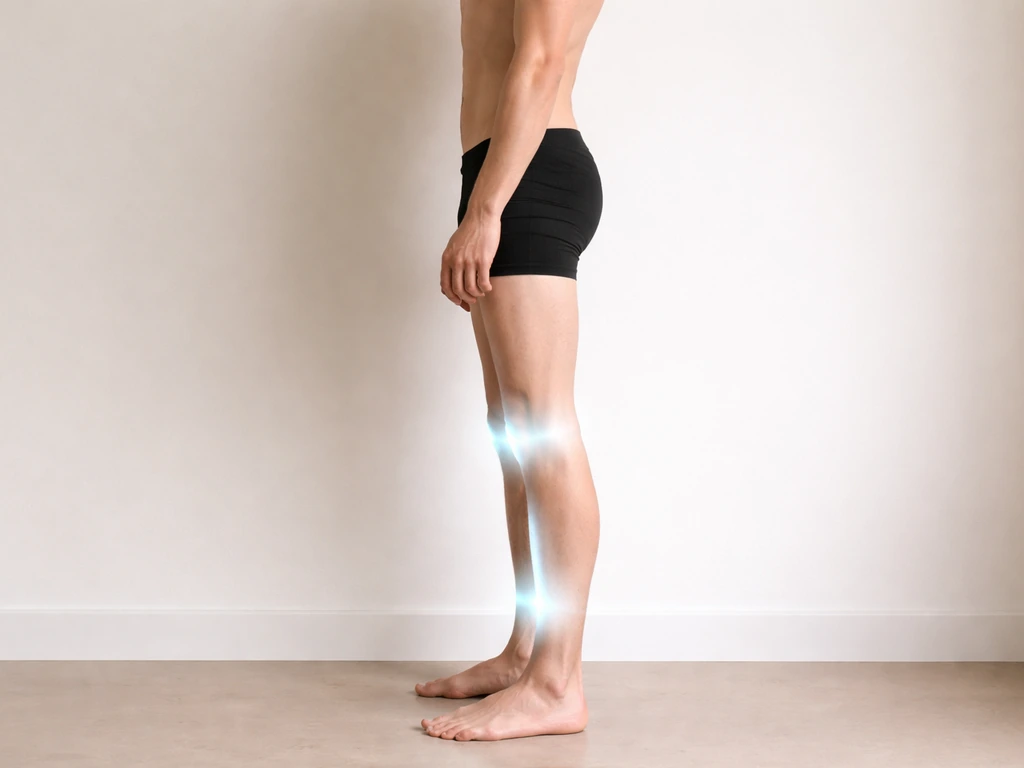
Losing weight does not make you grow taller in any true biological sense. Your skeleton does not add new bone length because you shed pounds. That said, weight loss can make you measurably taller in a real, physical way: by reducing the compressive load on your spinal discs, your spine can decompress and your measured standing height can increase by a small but noticeable amount. That is a genuine change, not an illusion, but it is not the same thing as growing. If you are a child or teenager still in active development, the more important question is whether your nutrition, sleep, and overall health are supporting the growth your body is already trying to do.
Do You Grow Taller When You Lose Weight? Facts by Age

Marcus Reeves
18 Apr 2026
How actual height growth works (and why weight loss can't restart it)
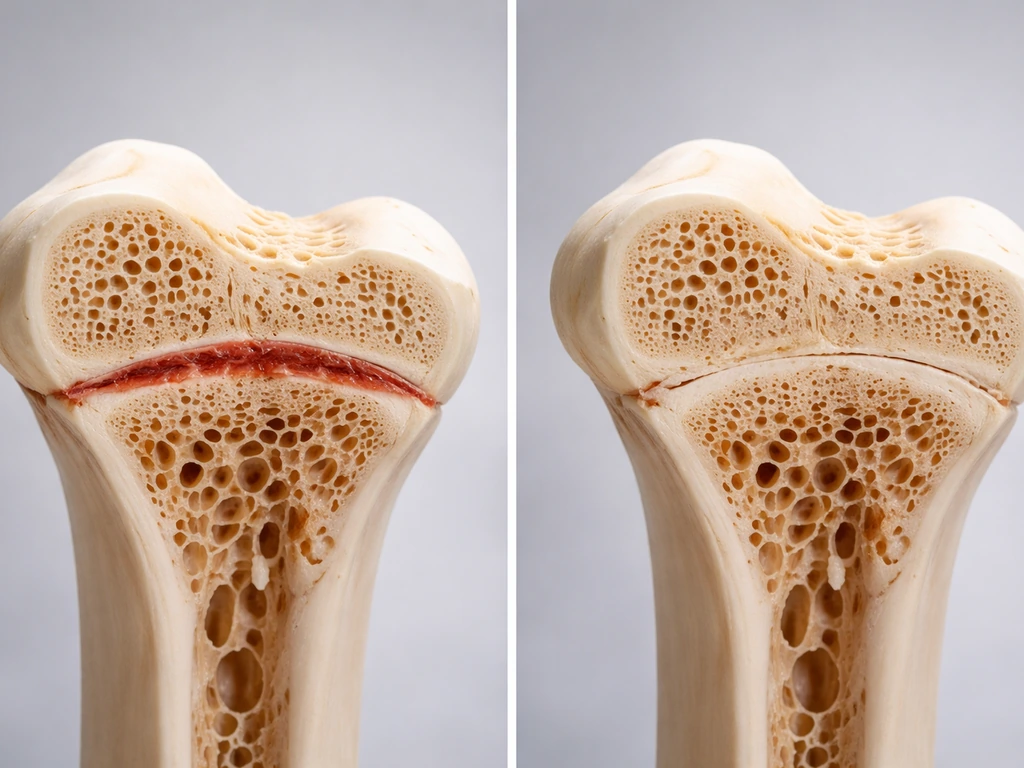
True height growth happens at the growth plates, also called epiphyseal plates. Do you get skinnier as you grow taller? Some people also wonder whether your height comes from pushing on the ground or the idea of compressing the earth, but it is still about how your body changes and loads your spine do you push the earth down when you grow taller.
In many people, appetite and body composition can shift during puberty, but it is not automatic. These are thin cartilage zones near the ends of your long bones (the femur, tibia, humerus, and others) that produce new bone tissue during childhood and adolescence. As long as these plates remain open and active, driven by growth hormone and IGF-1 signaling, your bones lengthen and you grow taller.
The process is sensitive to nutrition, sleep, and hormonal balance, which is why those factors matter so much during development.
blank" rel="noopener noreferrer">Growth plates close, a process called epiphyseal fusion, at the end of puberty. This typically happens somewhere between 14 and 18 for girls and 16 to 21 for boys, though bone age (assessed by an X-ray of the hand and wrist) is a more reliable indicator than calendar age alone. Once the plates close, no amount of weight change, exercise, stretching, or supplementation can reopen them or add new bone length. Linear growth is simply over. Pediatric endocrine guidelines are clear on this: evaluating a child's remaining growth potential depends on bone age and growth velocity, not on weight status.
In adults, any real change in measured stature comes from the spine rather than from bones getting longer. Your intervertebral discs are load-bearing, water-rich structures that compress under gravity throughout the day and rehydrate when you lie down. This is why most people are genuinely about 1 to 2 centimeters taller in the morning than in the evening, a finding confirmed by MRI studies showing disc hydration is higher after overnight unloading. Simulated microgravity research has found that removing axial load for about three days can increase spine height by roughly 1.5 cm on average, driven almost entirely by disc swelling and water content changes, not bone growth.
What weight loss actually does to your height
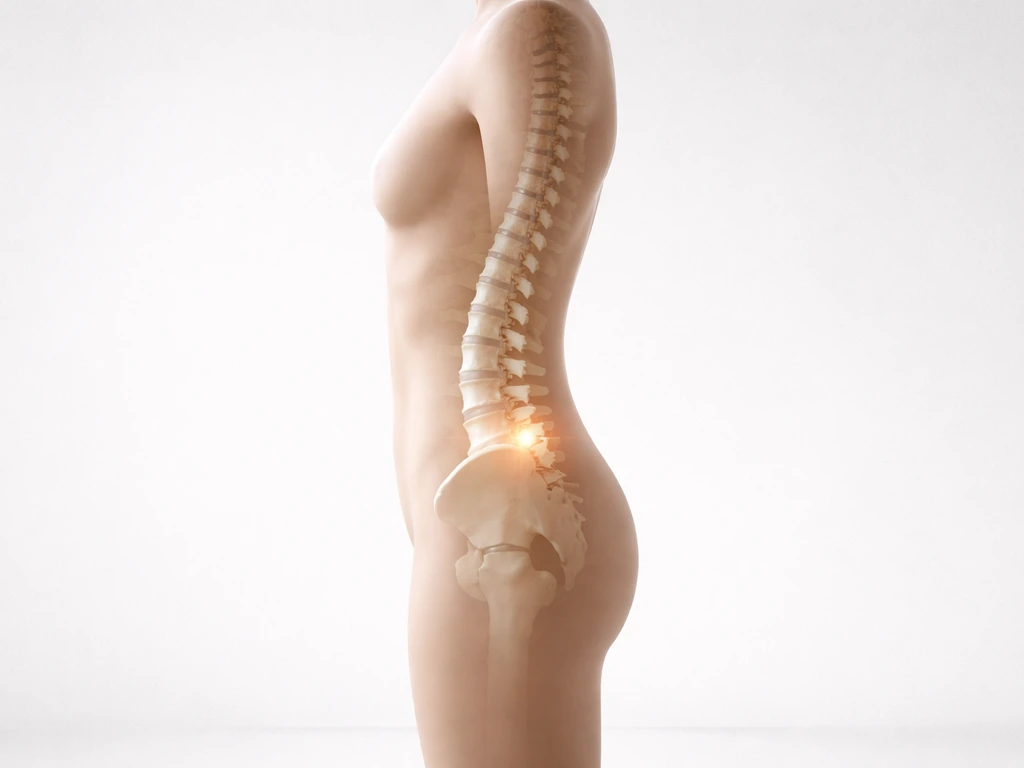
The most direct mechanism is spinal decompression. Your intervertebral discs sit under the load of everything above them. The more you weigh, the more compressed those discs become over the course of the day. Research on people who underwent bariatric surgery and lost substantial amounts of weight found a measurable radiographic increase in intervertebral disc height at the L4 to L5 level, along with real improvements in back pain. That disc space increase translates to a small but real gain in standing height. It is not new bone, but it is a genuine structural change.
Posture is the second mechanism. Carrying excess weight, particularly around the abdomen, can shift your center of gravity forward and increase lumbar lordosis or thoracic kyphosis over time. Hyperkyphosis in particular has been shown to cause measurable underestimation of true height, to the point where it can even skew BMI calculations in older adults. If losing weight helps you stand more upright, with better core engagement and less spinal curvature, your measured height can increase without any change to your skeleton's actual length.
What weight loss cannot do is add centimeters by stimulating bone growth in anyone whose growth plates have closed. It also cannot meaningfully accelerate growth velocity in children who are simply on a normal growth curve. Losing weight will not open closed growth plates, and it will not cause a teenager who is eating adequately to suddenly shoot up faster.
| Mechanism | Who it applies to | Typical change | Permanent? |
|---|---|---|---|
| Spinal disc decompression | Adults, especially those with obesity | Up to ~1–2 cm increase in measured height | Partially (load-dependent) |
| Posture improvement | Adults and older teens with posture-related compression | Variable, up to a few centimeters in appearance | Yes, if posture habits change |
| True bone growth (growth plates) | Children and teens with open plates | Several cm per year during growth spurts | Yes, permanent when it occurs |
| Diurnal disc rehydration | Everyone | ~1–2 cm taller in the morning | No, reverses daily |
Does growing taller cause weight loss?

This is the other direction many people wonder about, and the answer is more nuanced. During active growth spurts, especially in puberty, the body redirects significant energy toward building bone and muscle. The growth hormone and IGF-1 axis is highly active during this period, and hormones like ghrelin and leptin shift in ways that can change appetite and body composition.
Some kids do look leaner during a rapid growth phase, simply because linear growth temporarily outpaces fat accumulation, and there is a real physiological relationship between growth signals and energy metabolism. This is part of why the question of whether getting taller makes you thinner comes up so often. Does growing taller make you thinner? The answer depends on growth stage and energy balance, and it is not automatic getting taller makes you thinner.
But this is not a reliable or universal effect. Plenty of adolescents grow taller and gain weight simultaneously, which is completely normal. Growing taller does not automatically make you gain weight; many adolescents grow taller and gain weight at the same time grow taller and gain weight simultaneously. Getting taller does not guarantee weight loss, and treating growth as a weight loss strategy in children is medically backward. The relationship between height, growth hormones, and body composition is real but complex, and individual variation is enormous.
What actually maximizes height potential
For anyone still growing, the goal is to avoid anything that suppresses the growth process and to support what the body is already doing. The evidence is consistent: chronic undernutrition, severe caloric restriction, and micronutrient deficiencies are among the most reliably documented causes of reduced growth velocity. Crash dieting in a teenager is not going to make them taller; it can actively reduce how tall they end up.
Nutrition priorities for growing children and teens

- Adequate total calories: the body cannot build bone and soft tissue in a significant deficit
- Protein: essential for IGF-1 production and tissue synthesis during growth
- Calcium: the RDA for ages 9 to 18 is around 1,300 mg per day to support bone mineralization
- Vitamin D: the RDA is 600 IU per day for children and teens; it is required for calcium absorption and bone development
- Zinc: the RDA for adolescents aged 14 to 18 is 11 mg per day for males and 9 mg per day for females; suboptimal zinc is linked to impaired growth
- Iron and other micronutrients: general dietary variety matters, especially during rapid growth phases
Sleep
Growth hormone is secreted in pulses, primarily during deep sleep. The American Academy of Sleep Medicine recommends that teenagers aged 13 to 18 get 8 to 10 hours of sleep per 24-hour period consistently. AAP News reports that the American Academy of Sleep Medicine recommends 8 to 10 hours of sleep per 24-hour period for teens aged 13 to 18 The American Academy of Sleep Medicine recommends that teenagers aged 13 to 18 get 8 to 10 hours of sleep per 24-hour period. Chronic short sleep during adolescence is not just a performance issue; it can interfere with the hormonal environment that drives linear growth. This is one of the clearest, most actionable things a growing teenager can do.
Exercise
Safe, age-appropriate physical activity supports healthy development and does not damage growth plates when done correctly. Research involving exercise interventions in adolescents with obesity has found that activity can positively shift growth-related hormones including GH and IGF-1. There is no good evidence that normal weight-bearing exercise stunts growth in children or teens, and some evidence that it supports it. For adults, the value of exercise for height shifts entirely to posture and core strength: building the muscles that hold your spine upright and reducing habitual compression patterns can help you stand as tall as your actual skeleton allows.
Age-by-age guidance: what to do today

Children (roughly under 12)
At this age, the priority is steady, consistent growth. A healthy growth rate during middle childhood is roughly 5 cm (about 2 inches) per year, and the clinical threshold for concern is below 4 cm per year. If a child is well below this, that warrants evaluation, not a diet change. Weight loss is almost never appropriate as a strategy for a child who is still growing; the focus should be on overall nutritional quality and identifying any underlying medical issues (thyroid disorders, celiac disease, and growth hormone deficiency are common evaluable causes of growth failure).
Teenagers
This is the highest-stakes window. Growth plates are still open, puberty is driving a major hormonal surge, and nutritional choices have real long-term consequences for final adult height. The worst thing a teenager can do for their height is crash diet, severely restrict calories, or develop disordered eating patterns during this period. The GH/IGF-1 axis is highly active and sensitive to energy availability. If a teenager has excess weight and a clinician recommends addressing it, the goal should be gradual changes that preserve adequate protein and micronutrient intake, not aggressive caloric restriction. Sleep (8 to 10 hours), adequate nutrition, and regular activity are the genuine levers here.
Adults (growth plates closed)
For adults, true height growth is not on the table, but functional height can improve. If you carry significant excess weight, losing it can allow your spinal discs to decompress, potentially adding a measurable amount to your measured height. Improving posture through core strengthening and mobility work can help you stand fully upright rather than losing centimeters to habitual slouching or kyphosis. Neither of these changes is bone growth, but they are real and worth pursuing for health reasons beyond height. Hyperkyphosis in particular has been linked to balance issues and fall risk in older adults, so posture work has stakes that go beyond appearance.
When to see a doctor
For children and teenagers, a clinician visit is warranted if growth velocity is clearly below normal (the clinical red flag is less than 4 cm per year), if the child has dropped significantly across height percentiles on growth charts, if there are signs of delayed puberty, or if weight loss is happening without a clear healthy reason. These are not problems that nutrition advice from a website can solve; they require bone age imaging, growth velocity tracking, and often labs to rule out treatable endocrine or systemic causes.
For adults, unexplained weight loss alongside back pain or new postural changes that affect height measurement is worth bringing up with a physician, particularly to rule out vertebral compression fractures, disc pathology, or metabolic bone disease. If you are asking, “does your back hurt when you grow taller,” it can also be related to posture and spinal loading rather than actual bone-length growth back pain. If you are simply wondering whether losing weight will make you taller, the answer is: probably by a small amount via disc decompression and posture, but not through bone growth. So if you are aiming for height, the safer path is focusing on sleep, nutrition, and overall health rather than weight loss alone.
A quick self-check before you do anything
Before deciding on a course of action, it helps to be clear about what you are actually trying to change. Use this checklist to orient yourself:
- Am I still growing? (If you are under 18 and unsure whether your growth plates are open, this requires a bone age X-ray, not guesswork.)
- Is my concern about true height potential (bone length) or about how tall I look and measure? (These require completely different approaches.)
- Am I eating enough total calories and protein to support growth? (Restriction can actively harm height potential in growing individuals.)
- Am I sleeping 8 to 10 hours as a teenager, or 7 to 9 as an adult? (Growth hormone peaks during deep sleep.)
- Is my posture contributing to lost height? (A simple standing assessment or visit to a physical therapist can clarify this quickly.)
- Is there a concerning symptom: very slow growth in a child, unexplained weight changes, or back pain affecting height? (These warrant a medical evaluation, not lifestyle adjustments alone.)
The bottom line is straightforward: weight loss does not cause bone growth, and no weight-related change will make an adult's skeleton longer. But it can improve measured height through disc decompression and posture, both of which are legitimate and worth caring about. For growing kids and teens, the focus should be on protecting and supporting growth rather than on weight loss, which can actively interfere with the process if it involves caloric restriction during a critical developmental window.
FAQ
If I lose weight, when should I expect to see any height change, and is it permanent?
You may see height changes from the day-to-day “disc loading” effect and from posture. To tell what is real, measure at the same time of day (ideally in the morning), use the same wall method, and track for several weeks rather than over one or two weigh-ins.
Will stretching or inversion make me permanently taller after I lose weight?
No. Stretching, inversion tables, foam rolling, and “unloading” workouts can temporarily reduce compression, but they do not reopen closed growth plates or add bone length. In adults, any gains are usually functional (posture and disc hydration), so they can fade if you return to the same loading and slouch habits.
Does losing weight change my BMI because I get taller, and should I recalculate it differently?
BMI often changes in ways that can make it look like you “became healthier without losing weight.” Since improved posture can make your height measurement slightly different, recalculate BMI using consistent measurement conditions, and focus on waist, strength, and labs when available rather than a single height reading.
Can weight loss make my height look different if I have kyphosis or scoliosis?
Yes, and the main culprit is usually posture and disc loading, not bone growth. If you have a history of kyphosis, scoliosis, or chronic back stiffness, weight loss may improve alignment and how you stand, but it can also change how you measure height, so monitor trends carefully.
What if my pediatrician wants weight loss for my child, does that risk their height?
If you are a child or teen, rapid or restrictive dieting can lower growth velocity even if you lose weight. A better approach is to keep calories adequate for age, prioritize protein and micronutrients, and address medical contributors under a clinician’s guidance before using weight loss as the primary goal.
How much height gain from weight loss is realistic in adults?
For most adults, the most reliable “height change” is a small morning-evening difference plus a modest effect from disc decompression if body weight and loading drop. If a person reports very large height gains (several inches) or continued year-over-year increases after plates are closed, that warrants medical evaluation.
What if I lose weight but I am getting shorter instead of taller?
If you are seeing height decline despite stable weight, it is more consistent with posture changes, disc dehydration, or spinal conditions. Unexplained height loss paired with new back pain, numbness, or fracture risk should be discussed with a clinician, since vertebral compression fractures can occur even without obvious trauma.
Does reducing calories without gaining weight still harm height if a teenager still gets enough sleep?
Because sleep drives growth hormone pulses in adolescents, cutting sleep can undermine growth even when calories are adequate. For teenagers, the practical lever is consistent sleep duration, not just “eat better,” and crash dieting combined with poor sleep is a double hit for growth.
Will weight loss alone make me stand taller, or do I also need posture training?
Yes, but the mechanism is different. In adults, losing weight may help posture tolerance and core strength over time, which can reduce habitual slouching. If your core is weak and your posture stays collapsed, height gains from disc decompression may be small or temporary.
Do calcium, vitamin D, or “height supplements” help you grow taller after weight loss?
Not in a meaningful bone-growth way. If you are fully grown, supplements will not reopen growth plates. If you are a teenager and considering supplements, prioritize correcting deficiencies through diet first and only supplement under medical advice after labs, since some “height” supplements can be ineffective or unsafe.
Next Article
What Amino Acids Make You Grow Taller
Know which amino acids support growth via protein and IGF-1, why they can’t extend height after closure, and practical t