Tennis will not make you taller on its own. It can support the conditions your body needs to reach its genetic height potential, especially during childhood and the teen years, but the sport itself does not directly stimulate bone lengthening or override the biology that determines how tall you grow. If your growth plates are still open, tennis (like most physical activity) can contribute to overall health in ways that help you grow as well as your genes allow. If your growth plates have closed, no amount of court time will add centimeters to your frame.
Does Tennis Help You Grow Taller? What Science Says

Marcus Reeves
1 Jul 2026

How height actually works: growth plates, puberty, and the point of no return
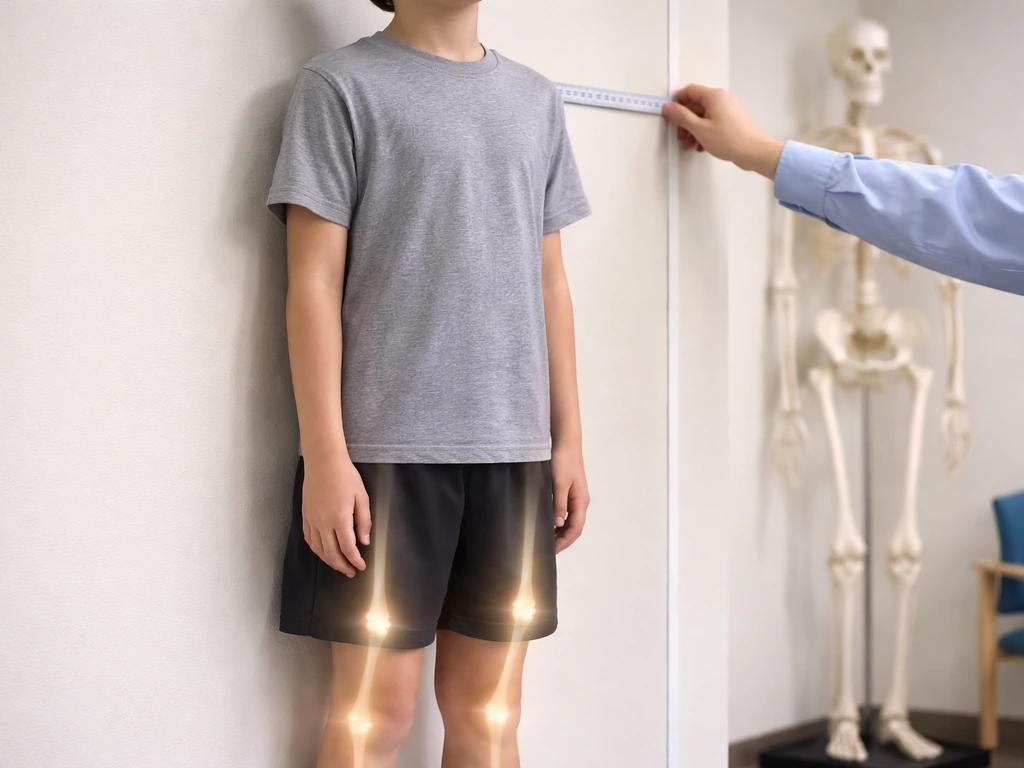
Your height is determined by long-bone growth, and that growth happens at a very specific location. The National Institute of Arthritis and Musculoskeletal and Skin Diseases (NIAMS) describes growth plates as areas of cartilage tissue near the ends of long bones in children and teens. These plates are where new bone tissue is produced, and their activity is what determines how long your bones ultimately grow. When growth plates are active, the body can add real centimeters to your stature. When they fuse (which typically happens toward the end of puberty, somewhere between the mid-teens and early twenties depending on sex and individual timing), that window closes permanently.
Puberty is the main driver of the rapid height gains most people remember from their youth. Growth hormone and sex hormones surge during this period, accelerating growth-plate activity and triggering the well-known growth spurts. Once those hormones bring the plates to fusion, no exercise, sport, or supplement can reopen them. Exercise cannot reopen fused growth plates, so it also does not meaningfully help you grow taller once puberty has progressed reopen them. Healthline and most mainstream clinical resources are consistent on this point: there is no scientifically proven method to increase height beyond your genetic capacity after epiphyseal plates have hardened and closed.
Genetics sets the ceiling, but it is worth knowing that the ceiling can still be missed. Poor nutrition, chronic illness, inadequate sleep, and stress during the growing years can all prevent a child from reaching the height their DNA would otherwise allow. That is where lifestyle factors, including physical activity, become relevant. A common question is whether a sauna helps you grow taller, but the evidence does not show it can increase long-bone length whether a sauna help you grow taller.
What tennis can and can't change about your height
The posture effect (real, but not the same as growing taller)

Tennis involves a lot of dynamic movement, core engagement, and overhead reaching. Over time, consistent play tends to strengthen the muscles that support upright posture, particularly in the back, shoulders, and core. When someone who has been slouching starts standing straighter, they can appear meaningfully taller, sometimes by an inch or more. This is a genuine physical change, and it is not trivial for quality of life and appearance. But it is not bone growth. The skeleton has not changed; the person is simply using the height they already have more fully. A Reddit thread on sports and height growth captured this distinction bluntly: improved posture from sport helps you look taller, it does not make you taller.
Bone density vs. bone length
Exercise during the growing years does have a meaningful effect on bone, but it is the wrong kind of effect if you are hoping for extra height. blank" rel="noopener noreferrer">A systematic review published in the scientific literature found that exercise during growth increases bone mineral content and areal bone mineral density. Stronger, denser bones are genuinely important for long-term health and injury prevention. They are not the same as longer bones. Similarly, research on epiphyseal growth plate physiology shows that physical loading can influence growth-plate activity, but the relationship is complex and does not translate into a straightforward "more tennis equals more height" equation. This literature review explains that epiphyseal growth plate activity controls longitudinal bone growth and that the effects of physical loading on the growth plate are physiologically complex, not a simple guarantee of extra height blank" rel="noopener noreferrer">epiphyseal growth plate physiology shows that physical loading can influence growth-plate activity.
The "stretching" myth

You may have heard that sports involving lots of reaching and jumping, including tennis, basketball, and volleyball, physically stretch the spine or limbs and add height. This is not how the body works. Bones do not elongate in response to being stretched during movement. The spine does compress slightly throughout the day under gravity and decompresses somewhat during rest, which is why you are technically a tiny bit taller in the morning than at night, but this is a temporary fluid change, not structural growth. Reaching for a serve or stretching to volley at the net does not pull your growth plates open.
What the evidence actually says about sports and height
No major health authority frames sport as a mechanism for increasing long-bone length. The CDC's physical activity guidelines for school-aged children and adolescents recommend regular varied activity for cardiovascular health, musculoskeletal health, mental wellbeing, and healthy weight management. The WHO's guidelines for children and teens take the same position. The American Academy of Pediatrics reports that physical activity benefits measurable health indices like bone mineral density. None of these bodies suggest that sports, including tennis, cause bones to grow longer.
What the evidence does support is that children who are physically active tend to be healthier overall, and a healthier child is better positioned to grow as tall as their genetics allow. Tennis, like basketball, soccer, or jumping rope, contributes to that general health picture. The sport itself is not special in this regard; the benefit comes from being consistently active, well-nourished, and well-rested during the years when growth plates are still open. To get the best odds of reaching your genetic height, focus on overall growth-supporting sports and habits rather than expecting any single game to increase bone length growth plates are still open.
Who might actually benefit, broken down by age
| Age Group | Growth Plate Status | What Tennis Can Realistically Do | Realistic Height Benefit |
|---|---|---|---|
| Children (under ~12) | Open, actively growing | Supports overall fitness, bone density, and healthy habits that help maximize genetic potential | Indirect: helps create conditions for reaching full genetic height |
| Teens (12-18, varies) | Open during early-mid puberty, closing by late teens | Same as children; window narrows as puberty progresses | Indirect: shrinks as plates approach fusion; posture improvement still possible |
| Adults (18+, plates closed) | Fused (generally) | Posture improvement, core strength, spinal decompression habits | No true height gain; may appear taller with improved posture |
For children who are still well before puberty, building consistent physical activity habits matters most. Tennis at this stage is excellent for coordination, fitness, and bone health, which all support healthy development. For teenagers who are mid-puberty, the window for any exercise-supported growth benefit is narrowing, but it has not closed yet. Late teens and adults should not expect the sport to change their skeletal height. For them, the genuine payoffs from tennis are fitness, posture, and long-term bone strength.
It is worth noting that some sibling questions on this topic, like whether basketball or soccer help you grow taller, come up with essentially the same answer. If you are wondering can basketball help you grow taller, the key factor is still whether growth plates are open and the child is healthy enough to grow normally. The type of sport matters less than the overall question of whether growth plates are still open and whether the child is healthy enough to grow well. Tennis is no more or less effective than other active sports in this regard.
Practical next steps: how to actually support healthy height growth

If you are a parent, a growing teen, or someone planning activity for a child, here is the honest actionable picture. Tennis can absolutely be part of a healthy routine that supports maximum height potential, but it needs to work alongside the factors that actually move the needle on growth. Pilates can also be a helpful addition for posture and core strength while you focus on overall health, but it cannot reopen fused growth plates or directly add inches to your height supports maximum height potential.
For children (under ~12)
- Prioritize sleep: children aged 6-12 need 9-12 hours per night. Growth hormone is primarily released during deep sleep, making this non-negotiable.
- Eat enough, and eat well: adequate total calories, protein (lean meats, eggs, legumes, dairy), calcium (dairy, leafy greens, fortified foods), and vitamin D are the nutritional pillars of bone growth.
- Stay active with sports like tennis: aim for at least 60 minutes of moderate-to-vigorous physical activity daily, as recommended by both the CDC and WHO.
- Avoid growth disruptors: keep children away from smoking exposure and alcohol, both of which can interfere with normal development.
- Track growth with a clinician: your pediatrician uses standardized growth charts to monitor height and weight over time. Consistent tracking catches problems early.
For teenagers
- Keep sleep a priority: teens need 8-10 hours. This is when the most significant growth hormone pulses occur.
- Do not diet aggressively during growth spurts: teens cutting calories significantly can deprive their body of the nutrients needed to build bone during the exact years when it matters most.
- Continue regular activity including tennis: the 60-minutes-per-day activity target applies through age 17 per CDC guidelines.
- Watch for delayed puberty or growth concerns: if a teen seems significantly behind peers in growth or puberty timing, a clinician can evaluate for underlying hormonal or nutritional issues. Early intervention matters.
- Work on posture actively: tennis plus targeted core and back exercises can help a teen stand to their full height, which is a real and visible benefit.
For adults
- Accept that bone length is fixed: this is not a defeat, it is just biology. Your energy is better spent on what you can change.
- Use tennis to improve posture: the sport's rotational demands and overhead work build the back and core muscles that support upright stance. Combine it with deliberate posture habits and you may gain a visible half-inch or more just from standing straighter.
- Consider spinal health: staying active, maintaining a healthy weight, and avoiding prolonged slouching all reduce spinal compression over time. Yoga or Pilates alongside tennis can complement this.
- If you have concerns about sudden adult height loss: losing height in adulthood can signal bone density issues or spinal compression problems. Talk to a doctor rather than trying to "grow" through exercise.
When to see a clinician
There are situations where exercise and nutrition are not the right first tools. If a child or teen is growing significantly slower than peers, showing delayed puberty, or tracking well below their expected genetic height range, a pediatric endocrinologist can assess for growth hormone deficiency, thyroid issues, or other underlying conditions. These are medical problems, not lifestyle ones, and tennis will not fix them. Getting an early evaluation is far more valuable than any sport or supplement.
FAQ
If I start tennis at 12 or 13, is there still a chance it helps me reach my maximum height?
Possibly, but only indirectly. The key is whether your growth plates are still open, which depends on puberty timing. Tennis can support better overall health (nutrition, sleep, training consistency) during growth, but it will not add extra bone length beyond your genetic ceiling.
Can tennis make you taller later if you play consistently in adulthood?
No for bone height. Once growth plates are fused, tennis can still improve posture and strength, so you may appear taller, but it cannot increase skeletal length.
How can I tell whether my growth plates might still be open?
The most reliable method is a clinician evaluation, often using growth charts plus, when needed, an X-ray assessment of skeletal age. Puberty stage and growth rate help estimate timing, but they cannot confirm with certainty.
Does bouncing, jumping, or serving specifically increase growth compared with other movements in tennis?
Not in the way people hope. Tennis loading helps bone health and density, injury resilience, and posture, but it does not provide a proven mechanism to lengthen long bones or reopen growth plates.
If I’m already past my growth spurt, should I stop playing tennis to avoid “wasting” time for height?
You can keep playing, but with realistic expectations. The height-related benefit is limited, yet tennis still supports fitness, core strength, and posture, which can improve appearance and reduce injury risk long-term.
What posture changes from tennis can make someone look taller, and will it disappear?
Improved thoracic posture, stronger core stability, and better shoulder/back endurance can reduce slouching, which can make you look about an inch taller in some people. If you stop training for a long time, posture benefits may fade, so consistent practice matters.
Can stretching after tennis pull your spine longer or decompress growth plates?
Stretching cannot pull growth plates open or create structural height gains. Any morning height difference you notice is mostly temporary fluid and spinal compression relief, not permanent change.
Are there any supplements or “height pills” that tennis pairs well with?
Be cautious. No supplement has strong evidence for increasing long-bone length after growth plates close. If you suspect a nutrition gap (like low vitamin D, calcium, or overall calories), address that with your clinician rather than buying height products.
What nutrition and sleep targets matter most for height potential while playing tennis?
Focus on adequate total calories for growth, enough protein, calcium, and vitamin D, and consistent sleep. For many teens, chronic under-eating or poor sleep can reduce growth velocity, so “training hard” is not enough without recovery and diet.
If a child is shorter than peers, when should parents seek medical help instead of relying on tennis?
Consider evaluation if growth is slower than expected, puberty appears delayed, or height tracks well below the child’s typical curve. A pediatric endocrinologist can assess treatable medical causes, and that matters far more than adjusting sports.
Is tennis better than basketball, soccer, or swimming for height, or does it not matter?
It’s not about being “the special sport.” Tennis can be as helpful as other active sports for overall health, muscle strengthening, and bone density. The decisive factors remain growth plate status, nutrition, sleep, stress, and overall health.
Next Article
Does Sauna Help You Grow Taller? Science and Safety
Find out if sauna can truly increase height or growth plates, and learn safer, evidence-based ways to support growth.