
No, sauna does not help you grow taller. It does not stimulate growth plates, trigger meaningful increases in growth hormone, or add any permanent height. If you are an adult, your height is essentially fixed. If you are still growing, the factors that actually matter are nutrition, sleep, and general health. Sitting in a hot room does none of that work.
Does Sauna Help You Grow Taller? Science and Safety

Marcus Reeves
26 Jun 2026

Quick bottom-line: does sauna increase height permanently?
The straightforward answer is no. There is no credible mechanism by which sauna use causes permanent height gain at any age. The idea tends to come from a loose chain of assumptions: sauna raises body temperature, heat stress briefly spikes growth hormone, and growth hormone makes you taller. Each link in that chain has a real problem, which we will get into below. The bottom line is that sauna is a recovery and wellness tool with genuine cardiovascular and relaxation benefits. Height gain is not one of those benefits, even in adolescents who are still actively growing.
How height actually grows: growth plates, hormones, and age
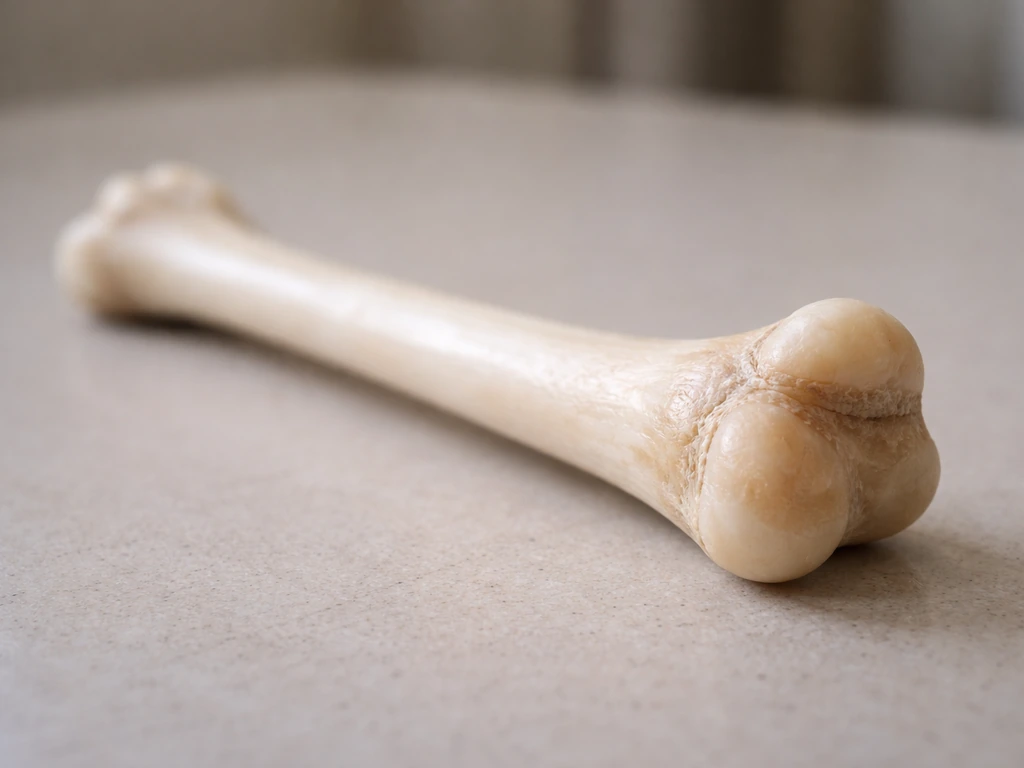
Your height comes from the long bones in your legs and spine. During childhood and adolescence, those bones grow from regions near their ends called growth plates, or epiphyseal plates. These are made of cartilage, and as long as they remain open, bone-forming cells called chondrocytes can keep laying down new tissue, gradually lengthening the bone. Growth hormone signals the liver to produce IGF-1, which in turn drives that cartilage activity.
Sex hormones like estrogen and testosterone do the same during puberty, but they also eventually cause the growth plates to harden into solid bone, a process called epiphyseal fusion. Once that happens, usually in the mid to late teens for girls and the late teens to early twenties for boys, linear bone growth stops. No external stimulus can reopen a fused growth plate. No external stimulus can reopen a fused growth plate does dancing help you grow taller.
So age matters enormously here. A 13-year-old with open growth plates has genuine height potential that can be supported or stunted depending on nutrition, sleep, and health. A 25-year-old has fused plates and a fixed skeletal frame. The only height changes possible for an adult are temporary ones involving soft tissue: spinal disc hydration, posture, and muscle tension. Those are real but they are measured in fractions of an inch and they reverse quickly.
What sauna actually does to your body
A dry sauna typically reaches around 185°F (85°C), and your body responds immediately by increasing heart rate, dilating blood vessels near the skin, and ramping up sweating to prevent overheating. This is a controlled heat stress response. Your core temperature rises modestly, and your cardiovascular system works harder to move blood to the surface for cooling. Regular sessions are associated with some genuine health benefits, including improved cardiovascular function and reduced muscle soreness after exercise, which is why athletes use them.
Sauna does cause a short-lived increase in growth hormone. Studies have reported transient spikes of growth hormone after heat stress, sometimes quite notable ones. This sounds promising until you understand what transient means in this context. The spike lasts a short time and returns to baseline. More importantly, growth hormone only drives bone lengthening when growth plates are open and the surrounding hormonal environment supports it. A brief pulse of growth hormone in an adult does not reopen fused plates or add anything to your skeleton. Even in a growing teenager, a brief sauna-induced spike would be a tiny fraction of the sustained growth hormone signaling that happens naturally during deep sleep every night.
Temporary height changes vs real ones
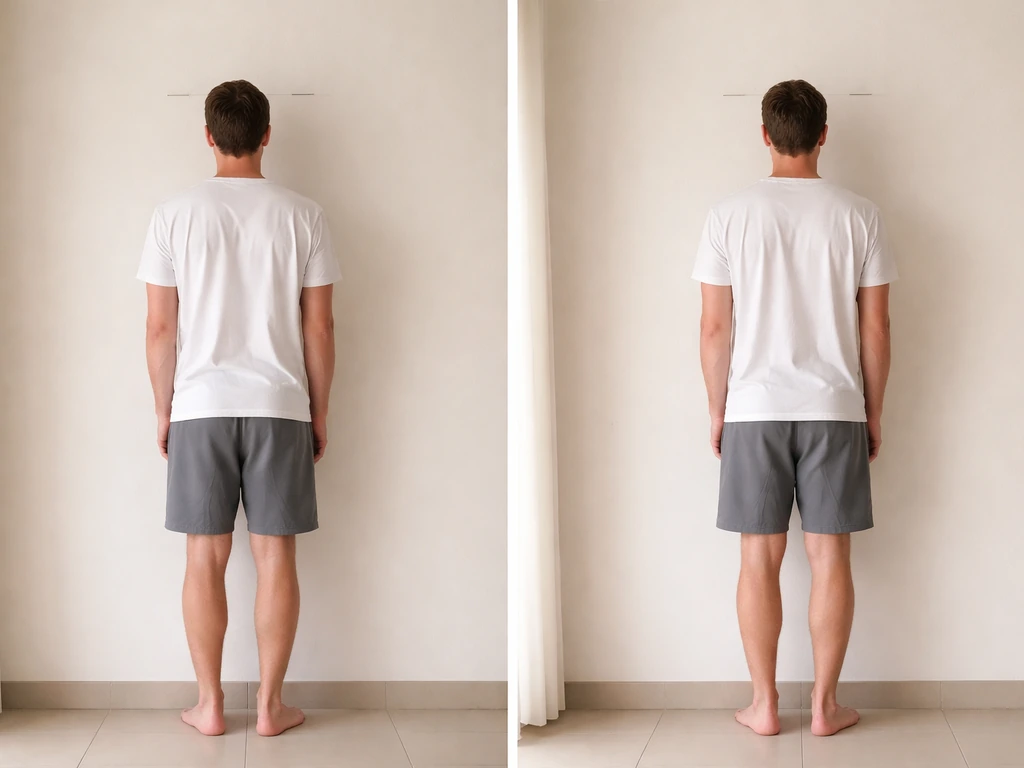
Most people are slightly taller in the morning than in the evening. That is because the intervertebral discs in your spine are mostly water. Lying down overnight allows them to rehydrate and expand, and by the time you have been upright for several hours, gravity and compression have squeezed some of that fluid out. You can lose somewhere around half an inch to a full inch over the course of a day just from this effect. Posture and muscle tension contribute additional variability.
Sauna can temporarily relax muscles and reduce joint stiffness, which might make you stand a bit taller right after a session because your posture improves slightly. You might also feel taller due to reduced back tightness. But sauna also causes sweating and fluid loss, which can work against spinal disc hydration. None of these effects are permanent, and none of them involve any actual bone growth. If you measure yourself before and after a sauna session, any difference you observe is posture and hydration, not a changed skeleton.
What the evidence actually shows
The research on sauna and growth hormone is real but limited in how far it can be stretched. Studies have confirmed transient GH elevations following sauna exposure, but no controlled study has shown that sauna use leads to measurable increases in standing height over time. The broader evidence on sauna health benefits, summarized by sources like Mayo Clinic Press and Harvard Health, focuses on cardiovascular outcomes, not skeletal growth. The absence of any height-related sauna research is itself informative: if there were even modest evidence of a height effect, someone would have studied it by now.
What we do know about growth hormone and height comes from clinical endocrinology. Children with growth hormone deficiency who receive therapeutic injections over years gain meaningful height compared to untreated peers. That is sustained, pharmacological GH replacement, not a brief heat-induced pulse. The dose, duration, and context are completely different from anything a sauna produces. Drawing a line from sauna-induced GH spikes to permanent height gain requires ignoring everything we know about how that process actually works.
Sauna safety: what teens and adults both need to know

Even if sauna cannot make you taller, it is not inherently harmful for healthy people who use it sensibly. But there are real safety considerations, and they matter more for some groups than others.
For teenagers
Adolescents are generally more sensitive to heat and dehydration than healthy adults. The NHS notes that children and young people are at higher risk of dehydration, and sauna accelerates fluid loss through sweating. The NHS also notes that children and young people are at higher risk of dehydration, and sweating during a sauna can increase fluid loss. Teenagers who use saunas should keep sessions short, stay well hydrated before and after, and never use them alone. There is no evidence-based reason for a growing teenager to use a sauna specifically for height. The time and energy spent on a sauna habit would produce more height-supporting benefit if redirected toward better sleep, more protein, and adequate vitamin D.
For adults
Healthy adults can use saunas safely with a few basic precautions. Harvard Health advises that people with uncontrolled high blood pressure or cardiovascular disease should consult a doctor before using a sauna, and this applies to infrared saunas as well. MedicalNewsToday highlights dehydration and heat stress as the main risks, both of which are avoidable by limiting session length to around 15 to 20 minutes, drinking water before and after, and avoiding alcohol beforehand. Pregnant individuals should avoid sauna use entirely without medical supervision.
General warning signs to take seriously
- Dizziness or lightheadedness during a session: leave immediately
- Nausea or headache, which can signal early heat illness
- Rapid or irregular heartbeat that does not settle quickly once you cool down
- Fainting or confusion, which require immediate medical attention
If you actually want to grow taller: what works by life stage
The honest answer about growing taller depends heavily on how old you are and whether your growth plates are still open. Here is what the evidence actually supports. Jump rope may improve fitness and coordination, but it does not change your growth plates or provide permanent height gain what the evidence actually supports.
Children and early adolescents (still growing)
This is the window where lifestyle genuinely influences how close you get to your genetic height ceiling. Genetics set the range, but reaching the top of that range depends on getting everything else right.
The key factors are getting enough calories and protein to support bone and muscle development, adequate calcium and vitamin D for bone mineralization, consistent sleep of at least 8 to 10 hours because growth hormone pulses peak during slow-wave sleep, and avoiding chronic stress, illness, or undernutrition that would suppress the growth axis. Physical activities that involve impact or resistance, like running, jumping rope, basketball, or soccer, support bone density and healthy skeletal development.
Basketball may support healthy bone density and overall growth potential, but it cannot reopen closed growth plates or guarantee permanent height gain. These are worth exploring if you are curious about activity and growth.
Late adolescents (growth slowing or plates fusing)
If you are 17 or 18 and wondering whether you have any growth left, the most useful thing you can do is get a bone age X-ray from a doctor, which shows whether your growth plates are still open. If they are, the same principles apply: sleep, nutrition, and staying healthy matter. Does gymnastics help you grow taller? The key is whether you are still growing, so sleep, nutrition, and overall health matter most. If they are fused, your linear growth is done. Redirecting energy toward posture, core strength, and body composition will affect how tall you look and feel, even if the number on a stadiometer does not change.
Adults (growth plates fused)
There is no supplement, exercise, heat treatment, or lifestyle habit that will add permanent inches to an adult skeleton. Soccer is a form of exercise, but it does not reopen closed growth plates or permanently increase adult height. What you can influence is functional height: posture improvements from stronger core and back muscles, reduced spinal compression from regular movement and healthy body weight, and the appearance of height from how you carry yourself. Activities like pilates, yoga, and swimming can meaningfully improve posture and reduce the cumulative compression that comes from prolonged sitting. Some people also gain a few millimeters by optimizing spinal health over time, but this is not the same as growing.
| Life stage | Growth potential | What actually helps |
|---|---|---|
| Child (under 12) | High, plates wide open | Nutrition, sleep, calcium, vitamin D, physical activity |
| Early adolescent (12-16) | Active, depends on puberty timing | Same as above, plus managing chronic stress and illness |
| Late adolescent (17-21) | Winding down, plates closing | Bone age assessment, continued nutrition and sleep focus |
| Adult (21+) | None for permanent height | Posture, core strength, spinal health, body composition |
Better uses of your time than sauna for height
If your actual goal is reaching your height potential or looking taller, here are the actions worth prioritizing today. For growing individuals, a consistent sleep schedule is probably the single highest-leverage change you can make, since the biggest natural growth hormone pulses happen in the first few hours of deep sleep. Skimping on sleep to stay up late is actively counterproductive.
For both teens and adults, posture work through activities like pilates or swimming tends to produce visible improvements faster than people expect. Can Pilates help you grow taller? It cannot reopen growth plates or create permanent bone length, but it can improve posture and spinal alignment. Many people who feel short are actually not standing at their full functional height due to muscle tightness and poor spinal alignment.
Sports and physical activities that involve jumping, running, and multi-directional movement are worth doing for bone health and general development in growing adolescents, though they support height potential rather than directly adding inches. Basketball, soccer, jumping rope, and dancing are all good examples of this kind of activity. Sauna, by comparison, offers real wellness benefits that are worth appreciating on their own terms, just not height-related ones.
FAQ
If sauna does not make bones longer, why do some people claim they gained height from it?
You might look slightly taller right after a session because heat can reduce muscle tightness and improve posture temporarily, but the effect is reversible (it is mostly hydration and spinal disc water content, not new bone). If you compare measurements, do it at the same time of day, without heavy sweating right beforehand, and expect changes of at most a small, temporary range.
Can sauna increase height in teenagers who still have open growth plates?
Yes, if you are an adolescent with open growth plates, sauna will not “override” fused versus open growth plates. The safest approach is to treat sauna as general wellness only, keep sessions short, and prioritize sleep, protein, and calories, because those factors influence growth potential far more than any heat exposure.
Is it ever worth using sauna specifically to try to maximize growth?
For a growing teenager, a practical way to decide is to focus on measurable targets that support growth, like getting consistent sleep and adequate nutrition, and to use sauna only if it does not interfere with those. If sauna causes you to shorten sleep or leads to dehydration or dizziness, it is counterproductive.
Does infrared sauna help you grow taller compared with a dry sauna?
Infrared sauna can still raise core temperature and cause sweating, so it does not change the core issue about growth plates and permanent height. Your risk profile can be similar (dehydration and heat stress), so the same safety precautions apply.
How can I tell if I still have height left, without guessing?
If you want to know whether you have growth potential, the most direct medical step is a bone age X-ray through a clinician. Sauna cannot provide that information, and it cannot “test” growth plates, because any growth hormone rise from heat is brief and does not indicate ongoing bone lengthening.
What are the main safety mistakes that could make sauna use risky for teens?
The bigger concern is safety. Sauna can worsen dehydration, and dehydration can contribute to headaches, faintness, or worse heat intolerance. If you use it, do not go in after alcohol, avoid very long sessions, and rehydrate after, especially for teens who are more vulnerable to fluid loss.
How do I measure my height fairly if I also use sauna?
Yes. A short-lived morning versus evening height difference is common because spinal discs rehydrate overnight. If you measure right before and after sauna, you also confound the results with sweating and fluid shifts, so a sauna “gain” is usually not comparable to true growth.
Who should avoid sauna because it could be unsafe?
If you have uncontrolled high blood pressure, known cardiovascular disease, pregnancy, or a medical condition that affects your ability to handle heat, you should avoid or consult a doctor first. Heat stress can be dangerous even when the goal is low effort, relaxation, or “health optimization.”
If sauna is not the answer, what can actually make me look taller?
If your goal is to look taller, the highest ROI steps are posture and spinal comfort, plus healthy weight. Core and back-strengthening (for alignment) and posture-focused routines can change how tall you appear, even though they do not increase bone length.
Why doesn’t the growth hormone spike from sauna translate into real height gain?
A common mistake is thinking that growth hormone spikes automatically translate to bone growth. The missing link is that bone lengthening requires open growth plates plus appropriate long-term hormonal and nutritional conditions, a brief heat-induced pulse cannot replace deep sleep, adequate protein, and overall health.
Next Article
Does Gymnastics Help You Grow Taller? Evidence-Based Guide
Evidence on whether gymnastics can increase height, posture effects, growth plates timing, safe training, nutrition, and