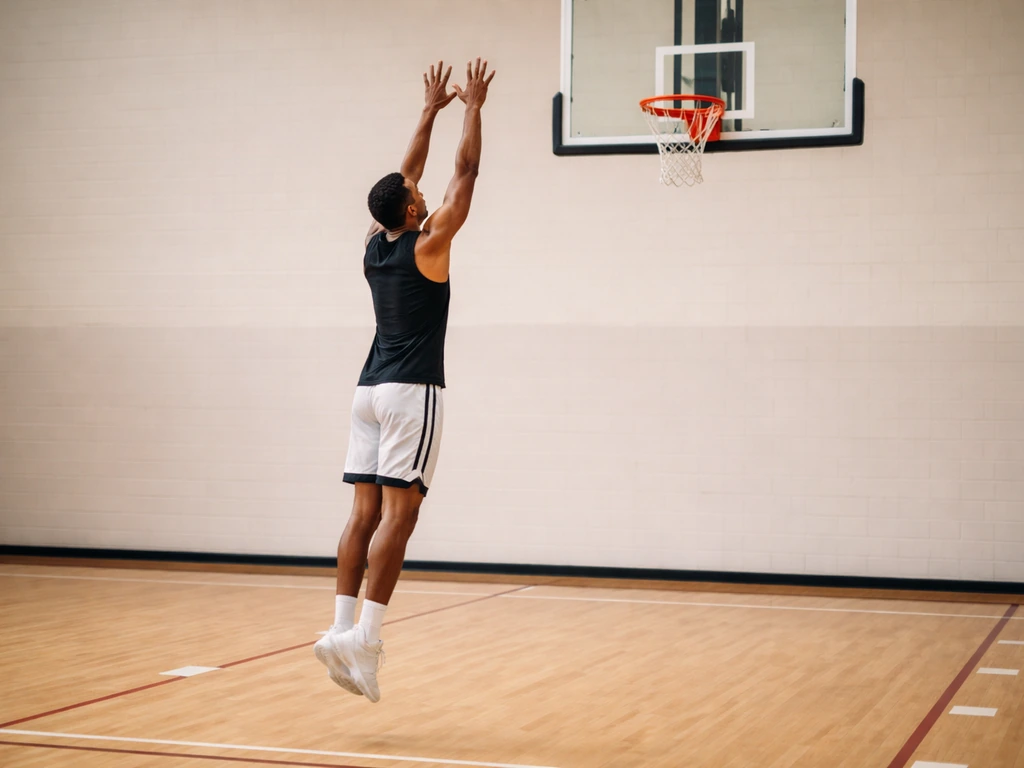
Sports like basketball, swimming, volleyball, and sprinting are the ones most commonly associated with supporting healthy growth during childhood and adolescence. None of them can push you past your genetic height ceiling, but the right sport, practiced at the right intensity, can help you reach every centimeter your genes allow by keeping your growth plates healthy, boosting the hormones that drive growth, and building the posture and spine alignment that lets your full height show.
What Sports Help You Grow Taller by Age and Science

Marcus Reeves
3 May 2026
How height growth actually works (kids, teens, and adults)
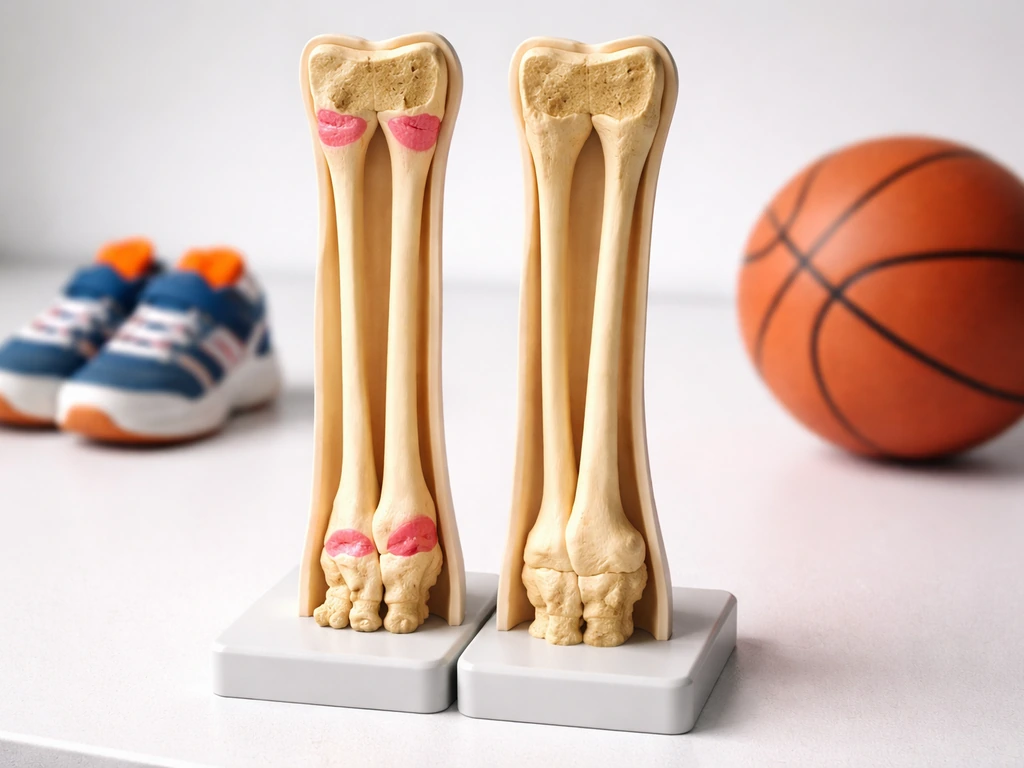
Height is built at the growth plates, which are thin strips of cartilage sitting near the ends of your long bones (femur, tibia, humerus, and so on). As long as those plates are open and active, new bone can be laid down and your limbs get longer. In childhood, that process is driven mainly by growth hormone and IGF-1. When puberty kicks in, sex steroids join the picture, firing up a faster growth spurt but also gradually signaling the plates to fuse. Once the plates close, which typically happens somewhere in the mid-to-late teens for most people (slightly earlier for girls, slightly later for boys), the story of linear height growth is essentially over.
That last point matters a lot. Adults do not have open growth plates. The cartilage has been replaced by solid bone. So any claim that a stretch routine, inversion table, or sport will meaningfully add permanent height to a fully grown adult is not backed by evidence. What adults can do is work on posture and spinal decompression, which can recover a small amount of height lost to compressed discs and muscle imbalances, but that is reclaiming existing height, not growing new bone. The window for true growth is childhood and adolescence, which is exactly where sports can make a real difference.
Can sports really make you grow taller?
Here is the honest science: sports cannot override your genetics, but they can help you fully express your genetic height potential. Pilates is sometimes suggested as a posture and core-focused option, so see whether can pilates help you grow taller before relying on it for height gains. A 24-week randomized controlled trial in children with idiopathic short stature found that a jumping exercise program produced measurable changes in linear growth alongside improvements in bone mineral density.
A broader systematic review confirms that exercise can produce beneficial changes in pediatric bone health, with some evidence pointing to a critical period during childhood and early adolescence when bone is especially responsive to weight-bearing activity. Another important mechanism is that vigorous exercise, especially during the day, supports deeper sleep at night, and deep sleep is when growth hormone pulses are strongest.
What sport cannot do is make a genetically average person into someone genetically programmed to be tall. Genetics drive the growth trajectory and set the eventual endpoint. The job of sports and lifestyle habits is to make sure nothing cuts that journey short: no nutrient deficiency, no chronic sleep debt, no overtraining injury that damages a growth plate, and no sedentary habits that suppress the hormonal environment growth depends on.
Sports that best support growth and healthy posture
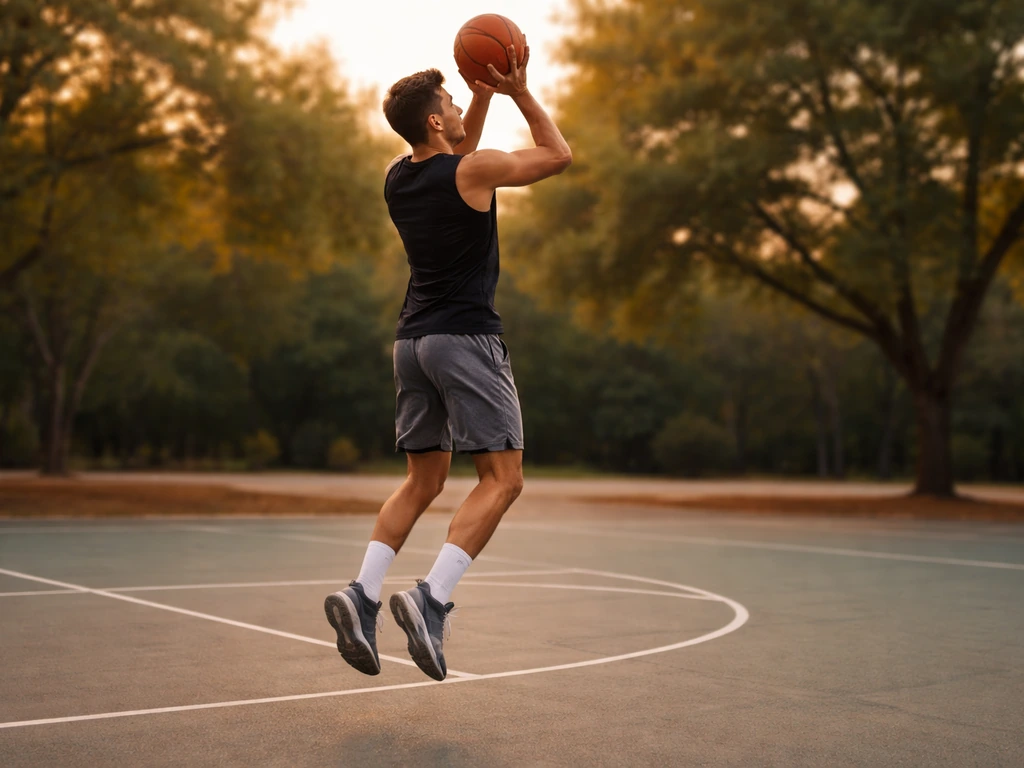
The best sports for growth share a few things in common: they involve dynamic, whole-body movement; they include some form of vertical loading or jumping that stimulates bone remodeling; they encourage an upright, extended posture rather than a hunched or compressed spine; and they are sustainable enough to practice consistently without grinding down the growth plates through pure repetitive stress.
Basketball
Basketball is probably the sport most people associate with height, partly because tall players dominate the professional game. But the relationship likely runs both ways: tall kids are drawn to basketball, and basketball's jumping, sprinting, and reaching mechanics create a growth-friendly environment. The sport involves repeated vertical jumps that load the long bones in a way that has been shown to stimulate bone formation. The overhead reaching and jumping also encourage an elongated posture. The catch is that high-volume jumping is also one of the repetitive stresses that can affect growth plates if training loads are not managed carefully.
Swimming
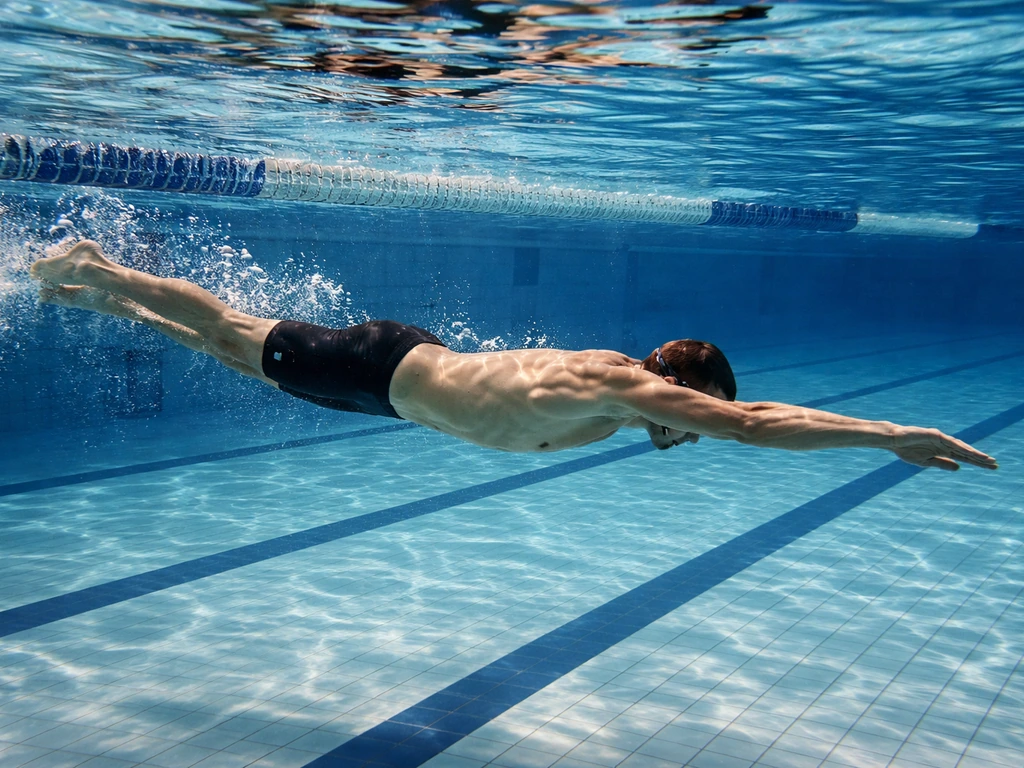
Swimming is often called the best full-body sport for developing a long, lean physique. The horizontal body position and full extension of every stroke stretch the spine and work the muscles that support upright posture. Because swimming is low-impact, it does not put the same compressive load on growth plates that running or jumping sports do, making it a great complement to higher-impact activities. The repeated shoulder, hip, and thoracic extension in freestyle and backstroke strokes particularly reinforce the postural muscles that let you stand at your tallest.
Volleyball
Volleyball combines the bone-stimulating benefits of jumping with overhead arm movements that open up the chest and thoracic spine. The sport rewards height and reach, so players are naturally coached into extended, upright movement patterns. Like basketball, it involves enough repetitive jumping to require attention to recovery and load management, but played at a sensible volume it checks most of the boxes for a growth-supportive sport.
Sprinting and track
Short-distance running and sprinting produce powerful ground-reaction forces that run up through the legs and spine. This kind of high-intensity, brief mechanical loading is a known driver of bone density and bone remodeling in growing athletes. Sprinting also stimulates a strong release of growth hormone in the hours after training. The key difference from long-distance running is that sprinting involves varied loads and recovery intervals, which is gentler on growth plates than the monotonous, high-mileage grind of distance running.
Other worth mentioning
Jump rope, soccer, tennis, and dancing all involve dynamic movement patterns with regular jumping or rapid direction changes that stimulate bone health and keep the body in active, upright positions. Gymnastics builds extraordinary body control and flexibility, which supports posture, though it carries higher growth plate injury risk than most other youth sports, particularly at the wrist from repeated weight-bearing on the hands. Gymnastics may support posture and mobility, but it should be practiced with smart coaching and recovery to protect growing growth plates does gymnastics help you grow taller. Pilates is excellent for building the core and postural muscles that help you stand at your full height, even if it does not directly stimulate bone growth the way impact sports do.
Does football help you grow taller?

Football (both American football and soccer/association football) can be part of a growth-supportive active lifestyle, but there are real caveats worth knowing before signing a kid up.
On the positive side, soccer involves a lot of running, sprinting, and jumping, all of which stimulate the lower-limb growth plates in ways that can support healthy bone development. American football involves similar full-body conditioning, explosive sprinting, and jumping mechanics that keep young athletes physically active and can support the hormonal environment needed for growth.
The concern with football, particularly American tackle football and high-intensity youth soccer, is the injury risk to still-developing growth plates. A prospective cohort study in youth American football players aged 9 to 13 found that severe injuries included fractures involving the physis, which is the growth plate itself. If a growth plate is fractured or significantly damaged during childhood, it can affect how that bone continues to develop. This is not a reason to panic, but it is a reason to choose appropriate age and level of play, use proper protective gear, and not rush children into high-contact versions of the sport before their bodies are ready.
Soccer heading is a separate concern. U.S. Youth Soccer policy prohibits heading for players aged 10 and under entirely, and England Football has implemented similar restrictions at the U12 level. These rules exist because of concerns about head impact, not growth plate damage, but they reflect a broader principle: contact and collision sports carry physical risks for growing children that should be taken seriously.
Overall, recreational football and soccer played at appropriate intensity and with proper coaching are fine for growing kids. High-contact, high-intensity versions played too early or with excessive volume tilt the risk-benefit balance in the wrong direction.
How to choose the right sport for your age, goals, and body
| Life stage | Growth plate status | Best sport choices | Key priority |
|---|---|---|---|
| Under 10 (childhood) | Open and highly active | Swimming, gymnastics, dance, recreational soccer, jump rope | Fun, variety, no early specialization |
| 10-14 (early puberty) | Open, growth spurt beginning | Basketball, volleyball, swimming, sprinting, soccer | Bone-loading activity with adequate recovery |
| 14-18 (mid-to-late puberty) | Open but closing | Basketball, volleyball, sprinting, swimming, tennis | Maximize growth stimulus, manage overuse risk |
| 18+ (adult) | Closed (mostly) | Swimming, pilates, yoga, any sport you enjoy | Posture, spinal health, overall fitness |
If you are a child or teenager and you want to choose a sport with growth in mind, pick something you genuinely enjoy and will stick with, that involves dynamic jumping or running at least some of the time, and that does not demand single-sport year-round specialization at a young age. [The American Academy of Pediatrics specifically recommends variety and discourages early specialization](https://publications. aap.
org/pediatrics/article/138/3/e20162148/52612/Sports-Specialization-and-Intensive-Training-in) because repetitive, single-pattern loading is one of the biggest risk factors for overuse injuries to growth plates. The American Academy of Pediatrics explains that up to about half of youth sports injuries are overuse injuries and advises avoiding excessive training increases, such as growing weekly training load by no more than roughly 10% to 20% [risk factors for overuse injuries to growth plates](https://www. healthychildren. org/English/health-issues/injuries-emergencies/sports-injuries/Pages/Preventing-Overuse-Injuries.
aspx). Multiple sports across different seasons is both more protective and more effective than grinding one sport 50 weeks a year.
If you are an adult, the honest answer is that no sport will make you taller in any meaningful, permanent sense. Sauna sessions have not been shown to increase bone growth or permanently raise adult height, so any benefits are indirect at best sauna help you grow taller. What sports can do for adults is help you stand taller by strengthening the postural muscles that support your spine, reducing the disc compression and muscle-imbalance-driven height loss that accumulates from sedentary lifestyles. Swimming, pilates, and yoga are particularly useful for that goal.
A simple plan for training without overtraining
The AAP has been clear that up to 50% of pediatric sports medicine injuries are overuse injuries, and that there are no hard scientific rules for the exact point where healthy exercise becomes harmful. That means erring on the side of moderation is always the right move for young athletes, especially during growth spurts when bones are growing faster than surrounding connective tissue can always keep up with.
Here is a sensible framework that aligns with current sports medicine guidance:
- Train 3 to 5 days per week, not every day. Growth and bone remodeling happen during rest, not during exercise.
- Keep sessions for kids under 12 to 60 minutes or less. Longer sessions with high repetitive loading push overuse risk without proportional benefit.
- Rotate between different types of movement each week. Mix jumping sports, swimming, and lower-impact activities rather than repeating the same stress pattern daily.
- Take at least one full rest day (ideally two) per week. This is non-negotiable for growing athletes.
- Build intensity gradually. A common sports medicine guideline is not increasing total training load by more than 10% per week.
- Warm up properly before every session with light aerobic movement and dynamic stretches. Cool down with static stretching after.
- If a growth region (knee, heel, wrist) is sore for more than a few days, stop the aggravating activity and see a doctor. Sever disease, Osgood-Schlatter, and growth plate stress reactions are all common and all treatable when caught early.
Sleep, nutrition, and the other things you cannot skip

Sports are just one piece of the growth puzzle, and honestly not the biggest one. If you want to maximize height potential, choose a sport like tennis that supports healthy growth plates rather than expecting it to override genetics Sports are just one piece of the growth puzzle. Genetics set the ceiling. Nutrition and sleep are what determine whether you get close to that ceiling or fall short of it.
Sleep
The CDC and National Sleep Foundation recommend 8 to 10 hours of sleep per night for teenagers. This is not a soft suggestion. Growth hormone is secreted in pulses during deep sleep, particularly in the first few hours after falling asleep. Chronically short-changing sleep means chronically short-changing the hormonal signal that tells your growth plates to keep building bone. A teenager who trains hard but sleeps six hours a night is undermining their own growth potential more than any sport choice could correct.
Nutrition
Adequate calories matter first. A growing child or adolescent who is not eating enough total food will see their growth hormone system work against itself, as the body prioritizes energy for survival over growth. Beyond total calories, the key nutrients are protein (for bone matrix and muscle repair), calcium and vitamin D (for bone mineralization), zinc (which plays a role in growth hormone function), and iron. Most young athletes eating a varied, whole-food diet will cover these bases without needing supplements. The red flags are restrictive diets, undereating relative to training load, and very low dairy or very low protein intake in children.
Stress and overall health
Chronic psychological stress elevates cortisol, which actively suppresses the growth hormone axis. Kids under enormous pressure, whether from overscheduled competitive sport calendars, academic stress, or home environments, can experience measurable impacts on their growth trajectory. This is another reason why the AAP's recommendation to keep youth sport fun, varied, and low-pressure is not just about mental health. It is genuinely connected to physical growth.
To put it simply: play a sport that involves jumping and running, get to bed on time, eat enough good food, and do not overdo it. If you are wondering specifically whether dancing helps you grow taller, focus on factors like age-appropriate activity, sleep, and overall nutrition first. For many kids and teens, soccer can help them grow closer to their genetic height potential as long as training is appropriate and injuries are avoided. That combination does more for reaching your natural height potential than any one sport, supplement, or program ever could on its own.
FAQ
How many times per week should a child train to support healthy growth without overuse injuries?
A practical target is multiple short sessions rather than one long grind, with at least 1 to 2 rest or lighter days each week. Watch for pain that changes the way they run, persistent soreness in the same spot, or a drop in performance, these are signals to reduce load and get checked.
Is it better for growth to do basketball or jumping if a kid loves it, even if they already play other sports?
If they already do other impact activities, adding more high-volume jumping can push total load too high. Consider keeping jumping-focused training as a small portion of the week, and rotate with low-impact posture and mobility work (for example swimming) to balance stress on growing tissues.
Can stretching increase height while growth plates are still open?
Stretching can improve posture and flexibility, which may make someone look taller, but it does not create new bone length. If a stretching program is painful, causes sharp joint pain, or is being used to force range aggressively, it is more likely to increase injury risk than help growth.
What about using a weighted vest or adding resistance to jump training to get taller faster?
Extra load can increase risk to growth plates and developing tendons if the technique and progression are not supervised. For most kids, focus on mastering bodyweight movements, progressive skill work, and proper recovery, rather than maximizing weight or height of jumps.
Do long distance runs help with height, or is sprinting always better?
Long distance is not automatically harmful, but it is usually less effective for bone remodeling than varied, higher-intensity activity. If distance training becomes high mileage with little recovery, overuse injuries and fatigue become the bigger problem, so short, varied runs and sprints tend to be a safer growth-supportive choice.
At what point should a growing athlete worry that their training is affecting growth?
Seek evaluation if there is recurring pain near a bone end or joint line, stress fractures, repeated limping, or a sudden slowdown in growth pattern compared with prior years. Also pay attention to “all-or-nothing” fatigue and sleep disruption, those often indicate the training load is outpacing recovery.
If a child is tall already, does that mean sports cannot help them reach their height potential?
Even if someone is already tall, they can still fall short of their genetic ceiling if sleep, nutrition, or injury risk is poor. Sports help mainly by supporting bone health and recovery conditions, not by guaranteeing maximum height for every tall child.
Does soccer heading affect height, and should parents avoid it completely?
Heading is mainly a brain/head impact concern, not a growth plate issue. If a child is under the age limits set by local youth soccer rules, follow those policies strictly and emphasize skill development without heading until they are eligible.
Can adults “grow taller” temporarily from exercise even if permanent growth is impossible?
Yes, adults can often gain a small amount of apparent height through improved posture, reduced disc compression, and less muscle imbalance, especially after consistent core and back training. The key is managing expectations, the change is not new bone growth.
Which posture-focused activities help adults stand taller the most?
Activities that build core stability and spinal support while reinforcing alignment tend to help, especially pilates, yoga, and swimming. The biggest payoff usually comes from consistent strength and mobility work, paired with addressing sitting time and ergonomics during the day.
Is sauna helpful for increasing height or growth in children?
There is no solid evidence that sauna sessions increase growth plate activity or permanently raise height. If used, it should be for comfort or relaxation, and it should not replace sleep, nutrition, and appropriate training that actually support growth.
What are the biggest nutrition mistakes that limit height even when a child plays the “right” sport?
Common issues include chronic undereating relative to training, restrictive dieting, too little protein, and low calcium or vitamin D intake. If dairy intake is very low or meals become inconsistent, ask a pediatric clinician about nutrient adequacy rather than relying on the sport alone.
Next Article
Can Basketball Help You Grow Taller? Realistic Facts and Steps
Learn if basketball can truly make you taller, what it can improve, and age-based steps to maximize height potential.