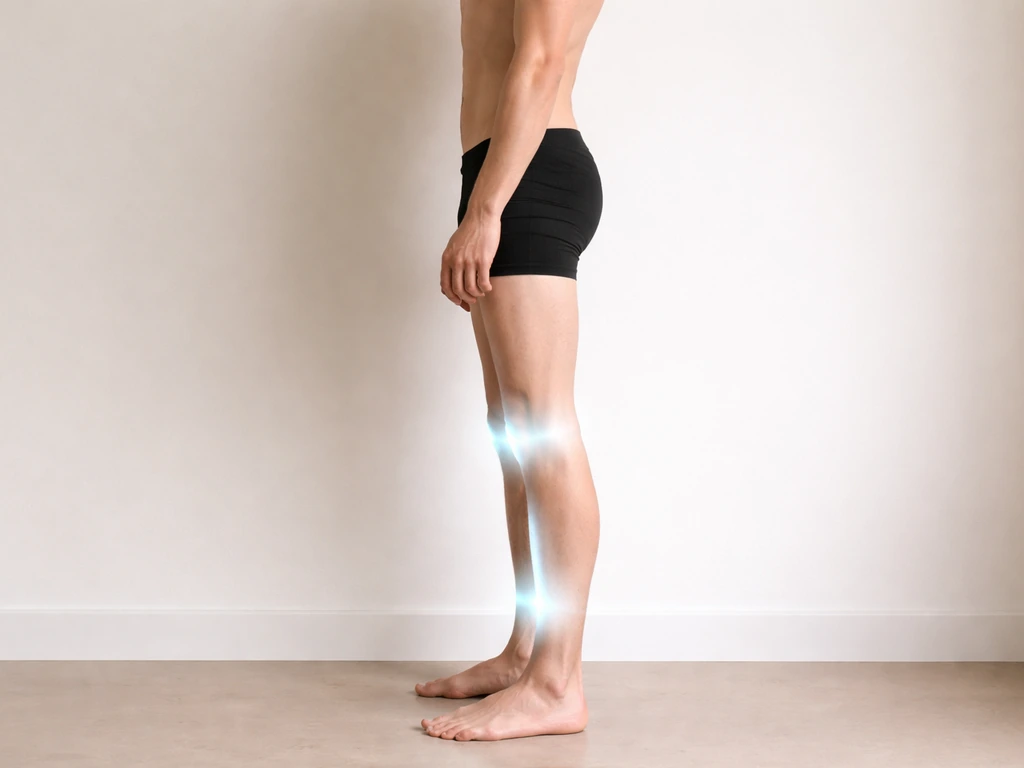
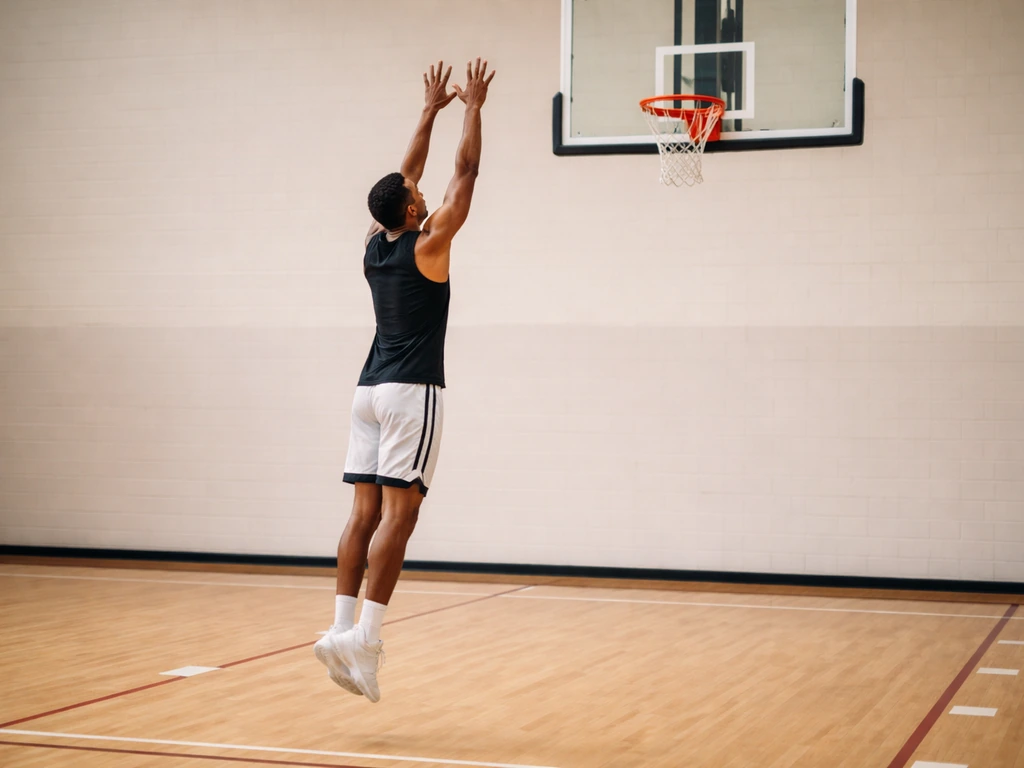
Basketball does not make you taller in the literal sense of lengthening your bones. No sport does that. Your maximum height is largely set by genetics and driven by growth plates closing during and after puberty, a process that exercise cannot override. What basketball can do is support healthy bone development during the years when growth is actually happening, improve your posture and spinal alignment so you stand closer to your true height, and keep your body in the kind of physical condition where you are not leaving any potential on the table. That is a meaningful but much more modest claim than the popular idea that playing basketball turns you into a taller person.
Can Basketball Help You Grow Taller? Realistic Facts and Steps

Marcus Reeves
28 Apr 2026
How height actually increases (and stops)
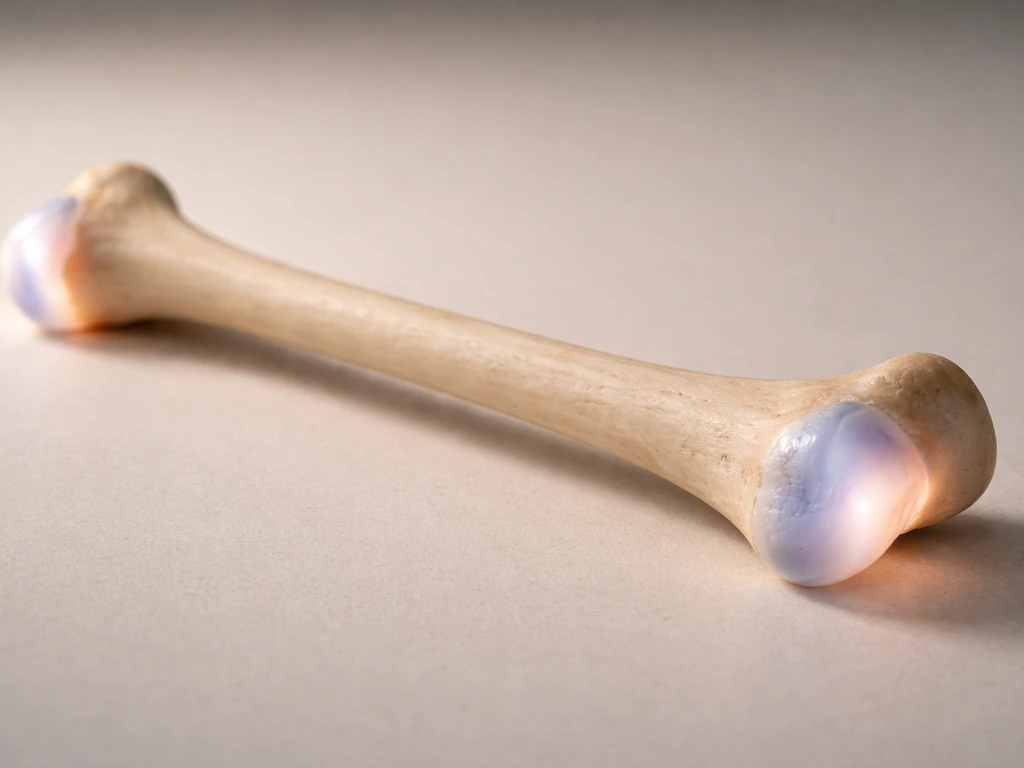
Height comes from the growth plates, areas of cartilage tissue called physes located near the ends of your long bones. The biology driving linear growth is the rate of chondrogenesis at those plates, meaning how fast cartilage cells multiply and then calcify into new bone. During childhood, this process is relatively steady. Then puberty accelerates it dramatically, producing what researchers call the peak height velocity (PHV), the fastest rate of height gain you will ever experience. In girls, PHV typically occurs around ages 11 to 12; in boys it tends to happen a couple of years later, usually around 13 to 14, though there is real individual variation tied to Tanner pubertal staging.
Once puberty winds down, sex hormones trigger the growth plates to fuse (close). After fusion, the bone is no longer capable of lengthening. This is why the window for influencing height is front-loaded into childhood and early adolescence. By the time most people are in their late teens, the plates are closed or very close to it. A bone age X-ray of the hand and wrist is the clinical tool used to check how much growth capacity remains, which is why pediatric endocrinologists use it when evaluating concerns about short stature.
What basketball can and cannot do for growth
The honest answer is that basketball does not lengthen bones, but that does not mean it is irrelevant to growth. The sport is a high-impact, weight-bearing activity, and that kind of mechanical loading is genuinely good for developing bone. A systematic review and meta-analysis found that basketball practice improves bone mineral density (BMD) in children and adolescents more than other sports or free exercise. A 2026 meta-analysis reinforced that high-impact weight-bearing exercises including basketball enhance whole-body BMD in adolescents more than non-weight-bearing activities like swimming. Separate research found enhanced bone mass in prepubescent basketball players compared with non-athletes, and a longitudinal study showed that adolescents who played basketball and volleyball during their teen years had higher BMD in older age.
Better bone density is not the same as taller bones, but it matters. Dense, well-mineralized bones are structurally healthier and more resistant to compression, which keeps your skeleton holding its shape over a lifetime. Where basketball falls short is on the bone-lengthening side: there is no credible randomized evidence that playing basketball causes growth plates to produce more cartilage than they would have anyway. The observational data showing that basketball players tend to be tall reflects selection bias, meaning taller people are drawn to and selected for the sport, not that the sport created their height.
There is one more relevant mechanism worth noting. Exercise during the prepubertal years, when bone-loading effects are most pronounced according to a systematic review on exercise and pediatric bone, appears to contribute to bone mineral content accrual. That same review found fewer measurable effects in pubertal groups. So if a child is going to benefit most from the bone-health effects of basketball, the prepubertal years are the prime window.
How basketball can make you look (and measure) taller
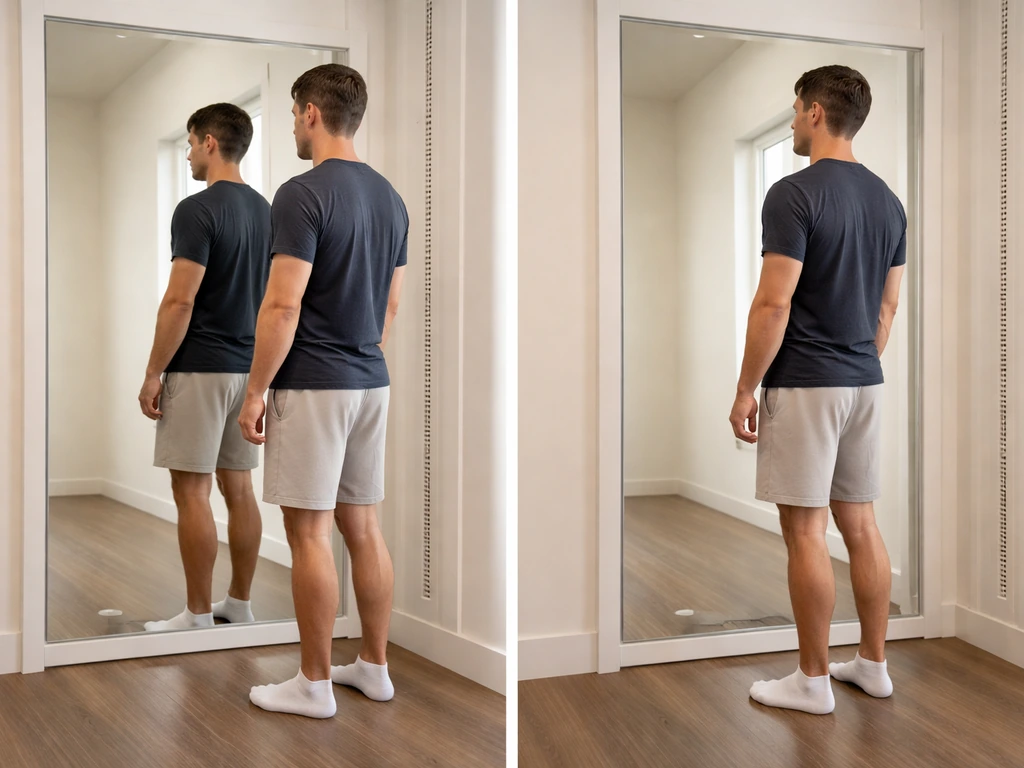
This is where things get practically interesting. There is a real difference between your maximum possible standing height and the height you actually hit when you step on a scale. Poor posture, specifically forward head posture, rounded shoulders, and increased thoracic kyphosis (the exaggerated curve in the upper back), can visibly reduce apparent height by several centimeters. Research linking these postural patterns to spinal alignment issues is well established, and studies on spinal disc height show that positioning changes can alter measured standing height.
Basketball, played and trained properly, works in your favor here. The sport develops core strength, hip mobility, and upper-back musculature. A two-year study tracking adolescent basketball players versus non-training individuals found differences in sagittal spinal curvature patterns, suggesting that basketball participation does produce meaningful posture and spine adaptations. If you currently have a forward head or slouched posture and you start playing basketball regularly, you can reasonably expect to stand closer to your actual skeletal height. That is not a small thing. Some people are walking around an inch or more shorter than they need to be just because of how they hold themselves.
It is worth being direct about what this is and is not, though. Posture improvements are about recovering height you already have, not adding height you never had. Anyone claiming that stretching or sport gave them an extra inch or two of true bone growth is almost certainly describing posture correction, not bone lengthening. The internet is full of that confusion.
What to actually do at your age to maximize height potential
The approach that makes sense depends almost entirely on where you are developmentally. The recommendations genuinely differ between a 10-year-old, a 16-year-old, and a 25-year-old.
Kids and younger teens (roughly ages 8 to 15, still growing)
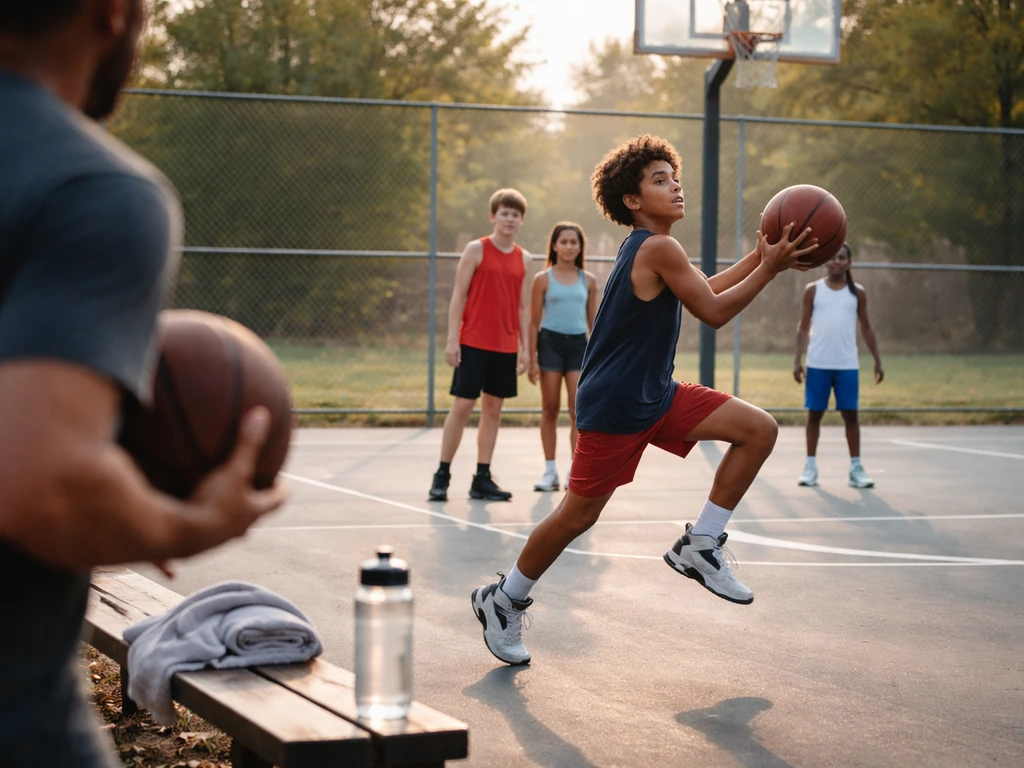
This is the window where the most leverage exists. The goal is to create the conditions for your genetics to express themselves fully. Basketball is a solid activity choice because it checks the key boxes: weight-bearing impact for bone health, cardiovascular fitness, and coordination. Basketball can also be considered alongside other height-supporting habits like good nutrition and enough sleep what sports help you grow taller.
If you are wondering specifically whether dancing helps you grow taller, the evidence points to posture and bone-health benefits rather than true bone-lengthening does dancing help you grow taller. But basketball alone is not enough.
The dominant factors in how tall you grow are nutrition (particularly adequate protein, calcium, vitamin D, and total calories), sleep (the American Academy of Sleep Medicine recommends 9 to 12 hours for school-age children and 8 to 10 hours for teenagers), and the absence of chronic illness or endocrine disruption. If those fundamentals are in place and a child is growing along a consistent percentile curve on the CDC growth charts, basketball is a great complement.
If growth velocity is lagging despite good nutrition and sleep, that is a pediatric evaluation question, not a sports question.
Older teens (roughly ages 16 to 19, late puberty or recently finished)
By this stage, growth plates may already be fused or close to it. Height gain from this point forward is biologically limited. What basketball can realistically do here is improve posture, core strength, and spinal mobility, all of which translate into standing at your full height rather than a compressed version of it. Prioritizing technique, strength training appropriate for your developmental stage, and sleep quality makes more sense than chasing the idea that more jumping will add inches. If you are not sure whether your growth plates are still open, a bone age X-ray from a physician can answer that directly.
Adults (20 and older, plates fully fused)
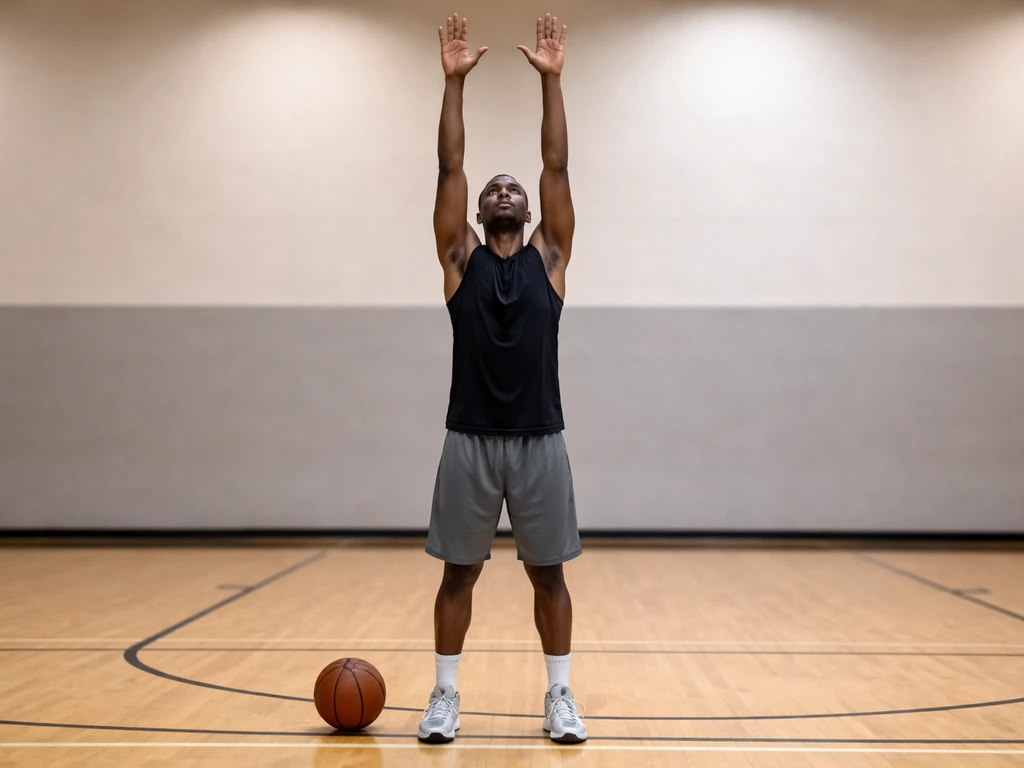
True height increase is off the table once the plates are closed. Basketball still has real value for posture, bone maintenance, and physical fitness, but the framing needs to shift. Focus on postural work, spinal mobility, and core strength if your goal is to look and feel as tall as possible. Activities like basketball, alongside deliberate posture training, can help you consistently stand and carry yourself at your actual height rather than something less.
Practical basketball training for healthy growth
For younger players especially, the biggest risk to healthy development is not playing too little basketball, it is overtraining. The American Academy of Pediatrics has been explicit: excessive training volumes and early sport specialization increase overuse injury risk and burnout. Growth plates in developing athletes are vulnerable to repetitive stress injuries, and basketball specifically involves a lot of jumping, cutting, and landing, movements that put significant load on the knees, ankles, and heels.
A review explains that peri-epiphyseal and apophysitis-type overuse injuries are common in immature athletes and that the growth plate or apophysis is vulnerable during adolescent growth [peri-epiphyseal/apophysitis-type overuse injuries are common in immature athletes and growth regions are vulnerable during adolescent growth](https://pmc. ncbi. nlm. nih.
gov/articles/PMC3445246/). Conditions like Osgood-Schlatter (at the knee) and Sever's disease (at the heel) are growth-plate related overuse injuries that show up frequently in young basketball players.
Practical guidance from sports medicine organizations points to a few consistent principles: take at least one to two days off per week from sport-specific training, avoid playing basketball year-round without meaningful breaks, learn proper jumping and landing technique to reduce impact forces, and treat persistent pain at a joint or growth area as a signal to see a pediatric sports medicine physician rather than pushing through it. The NATA recommends monitoring total organized sport volume per season as a risk factor, not just individual session intensity.
| Age group | Growth plate status | Basketball's realistic benefit | Top priority alongside sport |
|---|---|---|---|
| Kids (8-12) | Open, high growth velocity | Bone mineral density accrual, fitness foundation | Nutrition, sleep, no overtraining |
| Early teens (13-15) | Open, near or at peak height velocity | Bone loading, posture development | Adequate caloric intake, 9-10 hrs sleep |
| Late teens (16-19) | Closing or recently fused | Posture and spinal alignment | Strength training, postural awareness |
| Adults (20+) | Fully fused | Posture, bone maintenance, fitness | Core strength, spinal mobility work |
How to track growth and when to see a doctor
For parents tracking a child's height, the CDC growth charts are the standard reference tool. What matters most is not just where a child falls on the percentile curve at any one measurement, but whether they are tracking consistently along their curve over time. A child who was consistently at the 40th percentile and then drops to the 15th over a year or two has shown a change in growth velocity that warrants attention, even if the absolute height does not look alarming. Pediatric endocrine guidance emphasizes evaluating both height position and growth rate together.
If a child's growth velocity appears slow, they are significantly shorter than expected given family height, or puberty onset seems unusually early or delayed, a pediatrician can refer to a pediatric endocrinologist. Common evaluation steps include checking bone age via a hand and wrist X-ray (to estimate remaining growth potential and compare skeletal maturity to chronological age), thyroid function testing, and sometimes growth hormone evaluation. These are not exotic tests. They are standard, accessible clinical tools that can either provide reassurance or identify a treatable problem early, when intervention is most effective.
If you are an adult asking whether basketball can still help you grow, the honest answer is no for bone length but yes for posture and apparent height. If you are asking whether a sauna helps you grow taller, it cannot lengthen bones or reopen closed growth plates, though it may affect comfort and temporary measurements does sauna help you grow taller.
If you are considering pilates for height goals, it can be relevant for posture and spinal alignment, but it does not change true bone growth can pilates help you grow taller. If you are specifically wondering does tennis help you grow taller, the key idea is the same: exercise can support posture and bone health, but true bone length increases are limited by genetics and growth plates.
The time to influence true bone growth has passed, but the time to stand at your actual full height is right now, and basketball, combined with deliberate posture work, can genuinely help with that.
The bottom line
Basketball is a good sport with real benefits for bone health, posture, and fitness. It is not a height-increasing tool in the way the popular claim suggests. Tennis is similar: it supports healthy activity and may help posture, but it cannot reopen growth plates or guarantee taller height height-increasing tool. The tall-basketball-player correlation runs backward: tall people play basketball, basketball does not produce tall people.
What it can do is help developing children build stronger bones during the years that matter most, help anyone at any age improve the posture and spinal alignment that determines how close they get to their true skeletal height, and support the kind of overall health that allows genetics to do their job. Gymnastics can support bone health and coordination, but it is not a reliable way to increase your actual bone length.
Other sports like soccer, jump rope training, and high-impact activities share similar bone-loading benefits, so basketball is one good option among several, not a uniquely magical one. Jump rope training can also support bone health with weight-bearing, high-impact activity, which may improve how tall you look rather than true bone length. Other sports like soccer can also support bone health in similar ways, even though they do not directly increase bone length.
If your child is growing consistently and eating and sleeping well, keep playing. If growth looks off, that is a question for a physician with a growth chart and a bone age X-ray, not a question that more basketball can answer.
FAQ
Can basketball make kids grow faster or earlier during puberty?
It cannot directly change the biology of when growth plates fuse or when puberty milestones occur. What basketball can do is support healthy bone mineral accrual and overall conditioning during the years you are already growing, which can help you reach your genetically expected height rather than accelerate it.
How much basketball is enough to get bone-health and posture benefits?
A useful target is consistent participation a few days per week with proper technique, plus at least one rest day to limit overuse. If training feels like it is “always on” (most days, little downtime), bone-health benefits can be outweighed by pain risk, especially for growing kids.
Does jumping higher in basketball translate to being taller?
Not in the true height sense. Jumping ability can improve because of strength, coordination, and technique, but it does not lengthen bones. Any extra “height” you notice is usually posture, spinal extension control, or less compression from fatigue.
If I play basketball at 18 or 20, can I still gain any real height?
Usually not true bone length. At that age, growth plates are often fused or close to it, so basketball will mostly affect how tall you look through posture, core strength, and spinal mobility rather than adding centimeters of bone.
Can stretching or extra hanging from a bar after basketball make you taller for real?
It can temporarily change how you measure (for example, standing taller right after mobility work), but it will not reopen fused growth plates or create new bone length. If someone consistently “gains inches,” it is far more likely they are correcting posture than growing new skeletal length.
What’s the difference between “standing taller” and “bone growth,” and how can I tell?
Standing taller shows up as improved posture cues, reduced slouch, and better spinal alignment, and it can fluctuate day to day. True bone growth changes your measured height over months. If your height changes quickly, measurement or posture is the usual cause.
Does basketball affect growth plates, or is it dangerous for them?
The main risk is overuse injury, not “damaging growth plates” from normal play. High-impact basketball movements can irritate growth-related areas, so persistent pain near the knee or heel, stiffness, or limping should be evaluated rather than pushed through.
How can parents track whether basketball is helping or whether something else is going on?
Track growth velocity over time, not just one height. If height drops across percentile lines or growth slows despite good nutrition and sleep, that is a reason to discuss a pediatric evaluation, not to increase training volume.
What measurement mistakes make basketball players seem shorter or taller?
Common issues include measuring at different times of day (height is slightly reduced in the evening), inconsistent foot position, not standing fully upright, and using casual posture to “stretch tall” during measurement. For accuracy, measure under similar conditions and focus on longer-term trends.
Are there specific basketball skills or training that help posture more than others?
Skills that build trunk control and alignment tend to help appearance more, such as core stability work, controlled landing mechanics, and upper-back strengthening that supports shoulder positioning. Excessive scrimmaging without strength or technique coaching can improve fitness without improving how you carry yourself.
Should adults who want to look taller do basketball, or would something else be better?
For adults, basketball is still valuable for posture support (core strength, hip mobility, upper-back conditioning) and bone maintenance, but Pilates, targeted mobility, and scapular and core training can directly reinforce posture. The best approach is basketball for fitness plus specific posture work for carryover.
Next Article
What Amino Acids Make You Grow Taller
Know which amino acids support growth via protein and IGF-1, why they can’t extend height after closure, and practical t