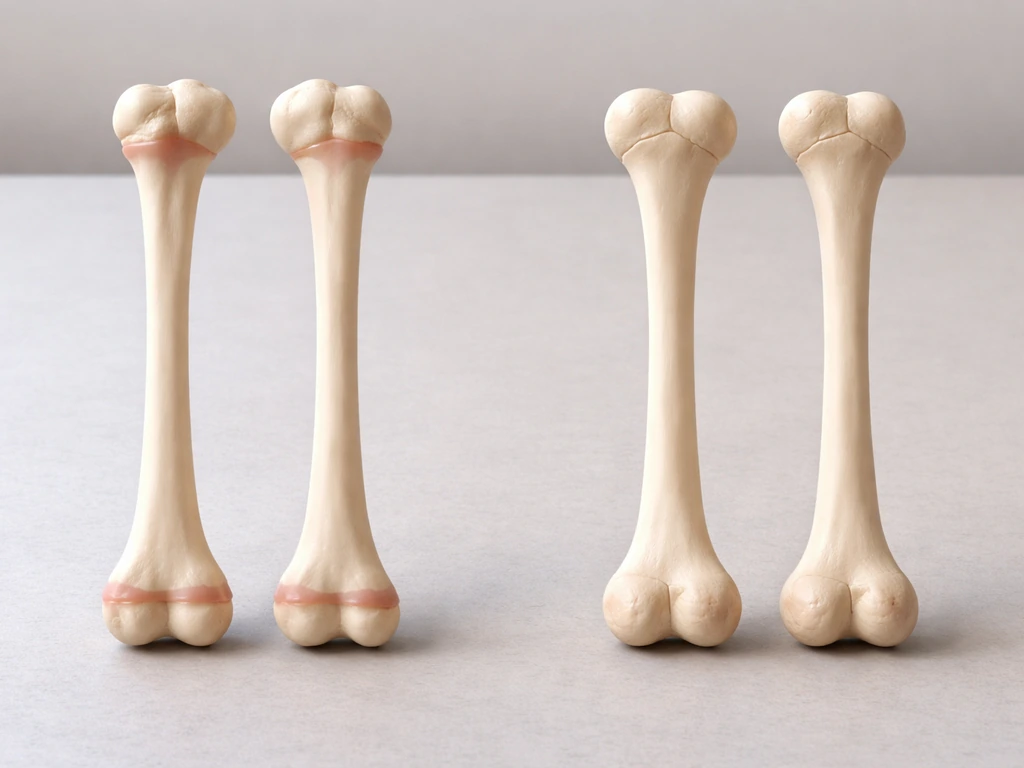
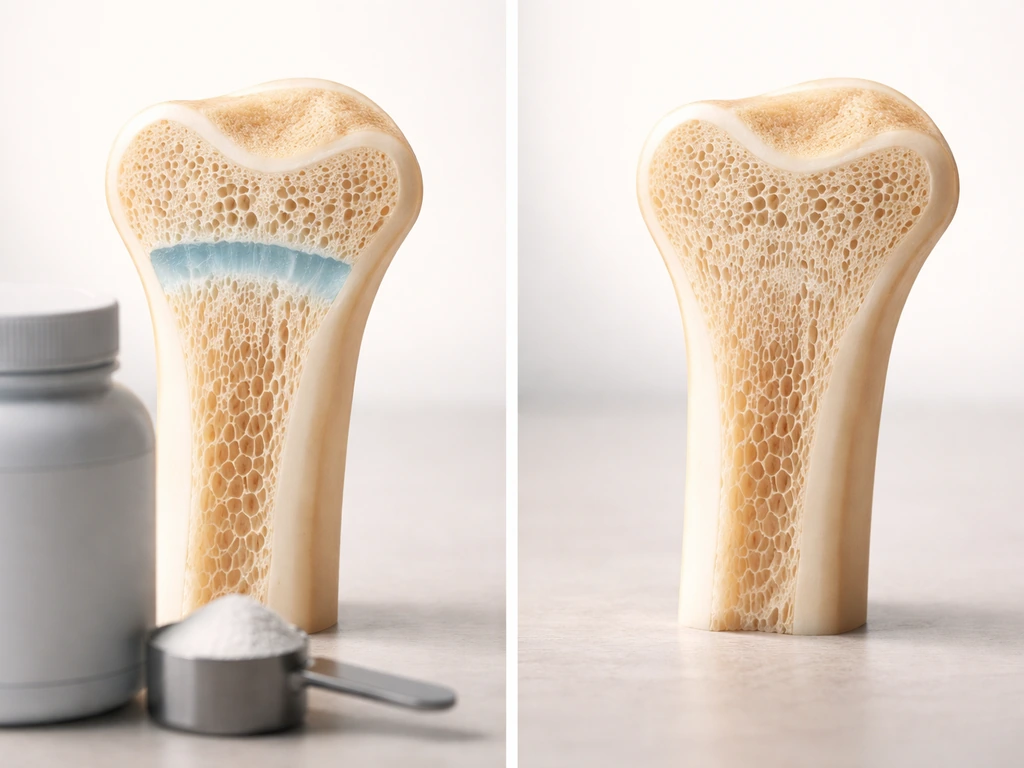
Creatine does not make you grow taller. It has no known mechanism that stimulates bone elongation, triggers growth plate activity, or raises the hormones responsible for linear growth. The research is clear on what creatine actually does: it boosts phosphocreatine stores in muscle, which helps you produce energy faster during short, high-intensity efforts. That's genuinely useful for athletic performance, but it has nothing to do with how tall you get.
Does Creatine Help You Grow Taller? Evidence and What to Do

Marcus Reeves
25 Apr 2026
How you actually get taller: growth plates and the biology behind it
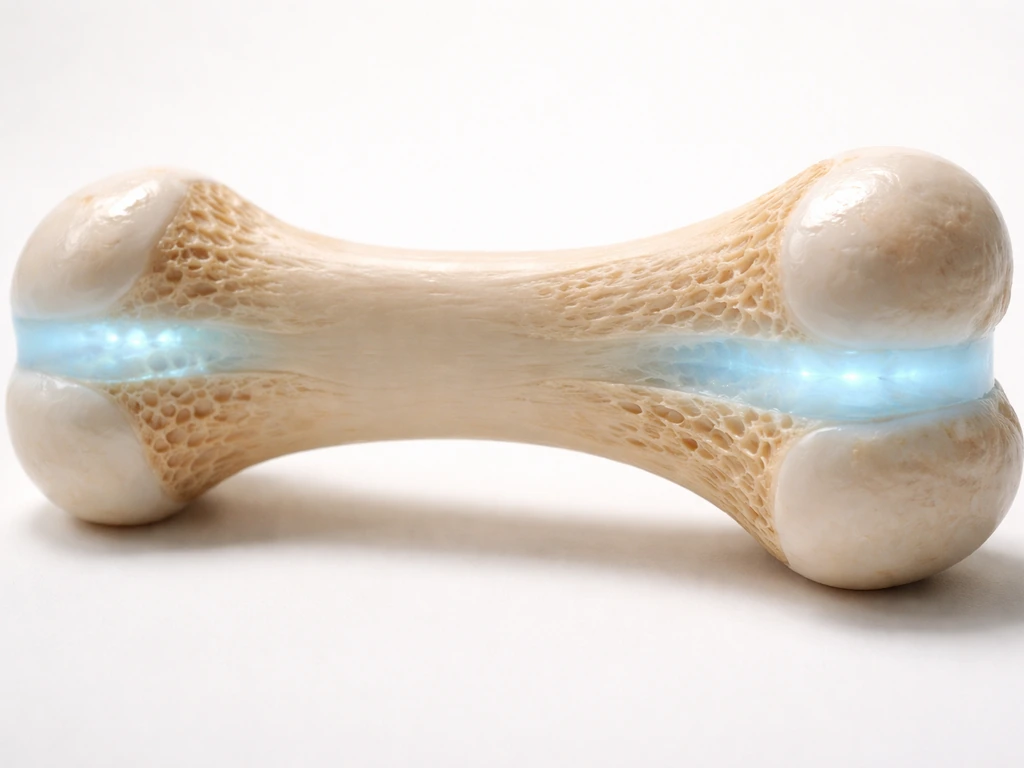
Height is determined by bone length, and bone length increases at specific sites called epiphyseal growth plates, also known as physes. These are cartilage-rich zones located near the ends of long bones, like the femur and tibia. During childhood and adolescence, specialized cartilage cells in these plates divide and multiply, a process called chondrogenesis, and the new tissue gradually ossifies into bone, pushing the bone ends farther apart and making you taller.
The main hormonal drivers of this process are growth hormone (GH) and insulin-like growth factor 1 (IGF-1). GH, released by the pituitary gland, signals the liver and the growth plates themselves to produce IGF-1, which is what actually stimulates the cartilage cells to divide. Sex hormones like estrogen and testosterone also play a role, particularly during puberty, as does thyroid hormone. Disruptions to any of these signals, whether from nutritional deficiency, chronic illness, or hormonal imbalance, can slow or reduce final adult height.
Here's the critical detail: once your growth plates close (fuse into solid bone), linear growth stops permanently. In girls, this typically happens in the mid-to-late teens; in boys, it usually occurs a few years later, often by the late teens to early twenties. No supplement, exercise protocol, or lifestyle change can reopen fused growth plates. Claims suggesting otherwise, which you'll find in various online forums, are not supported by any clinical evidence.
What creatine actually does in your body
Creatine is a naturally occurring compound synthesized mainly in the liver and kidneys from the amino acids arginine, glycine, and methionine. Some people also wonder whether l-arginine can help with height, but the evidence for growing taller is not strong does l-arginine help you grow taller. You also get it from dietary sources like red meat and fish. About 95% of the body's creatine is stored in skeletal muscle as phosphocreatine, which acts as a rapid reserve for regenerating ATP, the cell's main energy currency, during intense activity lasting roughly 10 seconds to 2 minutes.
Supplementing with creatine, typically 3 to 5 grams per day after an initial loading phase, can increase intramuscular phosphocreatine stores by around 25%. That translates into real, measurable performance improvements: more reps at a given weight, faster sprint times, better power output. Over time, that enhanced training capacity can lead to greater muscle mass gains. What it doesn't do is touch the endocrine signaling cascade responsible for bone growth, and it doesn't act on growth plates directly.
The IGF-1 and testosterone question
A reasonable follow-up question is whether creatine might indirectly help by raising IGF-1 or testosterone, since those hormones do influence growth plates in developing individuals. The evidence here is pretty flat. A randomized controlled trial in middle-to-older-aged males found no significant changes in IGF-1 or testosterone levels with creatine supplementation compared to control. That's not a perfect population for studying adolescent growth, but it reflects a consistent pattern across the research: creatine doesn't appear to meaningfully shift the hormonal environment in ways that would drive linear bone growth.
What the research actually shows

Let's be direct about the state of the evidence. There are no well-designed randomized controlled trials that have tested creatine's effect on height or linear growth as a primary outcome in any population. The pediatric research that does exist is focused on performance, safety biomarkers, and muscle adaptations, not bone elongation or growth velocity.
A 2017 narrative review covering creatine use in children and adolescents specifically noted the absence of RCT evidence evaluating clinical growth outcomes like height in healthy young people. A cross-sectional study looking at dietary creatine intake in individuals aged 2 to 19 found no statistically significant association between creatine consumption and height-for-age in adjusted models (p = 0.460). That's not proof of nothing, but it's about as close to a null result as observational data can give you. The research base is consistently better at documenting what creatine does for strength and power than for any growth-related endpoint.
On the safety side, creatine has a reasonably well-established profile in adults, with regulatory bodies like the EU's EFSA determining that 3 grams per day is unlikely to cause adverse health effects in healthy adults. In adolescents, the picture is less clear, and the American Academy of Pediatrics has explicitly stated that creatine use by adolescents is not recommended due to limited data. That's not a red flag so much as an honest acknowledgment that the evidence base for long-term safety in teens just isn't there yet.
What actually moves the needle on height
If you're asking about creatine because you want to maximize your height potential, the honest answer is that your energy is better spent on things with real mechanistic and clinical support. Height is largely genetic, but several modifiable factors genuinely influence whether someone reaches the upper end of their genetic range.
- Sleep: Growth hormone is released primarily during deep, slow-wave sleep. Consistently getting 8 to 10 hours per night during childhood and adolescence is one of the most evidence-supported ways to support normal GH secretion and, by extension, growth plate activity.
- Overall nutrition and protein: Caloric adequacy and sufficient dietary protein are foundational. Nutritional deficiency suppresses IGF-1 signaling in the growth plate and can reduce final adult height. Amino acid availability matters here, and if you're interested in how specific amino acids and proteins relate to growth, that's worth exploring separately.
- Micronutrients: Zinc, calcium, and vitamin D all play documented roles in bone health and growth. Deficiencies in any of these can impair linear growth. Addressing a real deficiency with targeted nutrition or supplementation has more growth-supporting evidence behind it than creatine does.
- Physical activity: Load-bearing exercise and appropriate physical activity support bone density and may positively influence growth plate physiology during development. The key word is appropriate: excessive loading in young athletes can be counterproductive.
- Posture and spinal decompression habits: This won't make your bones longer, but good posture and avoiding chronic spinal compression (from prolonged sitting or heavy axial loads) can help you express your actual height more consistently day to day.
It's also worth noting that if a child or teenager is growing significantly slower than expected, the right next step isn't a supplement. It's an evaluation by a pediatric endocrinologist to check growth velocity, bone age, and hormonal status. Real growth problems have medical explanations and, in some cases, medical solutions.
Age-specific guidance and realistic expectations

Children and teenagers (growth plates still open)
If you're a teen or the parent of a growing child, creatine is not something to add to the stack in hopes of height gains. There's no evidence it works for that purpose, and both the AAP and the broader pediatric sports medicine community advise against routine creatine use in adolescents due to the limited long-term safety data. The more productive focus is on making sure sleep is genuinely prioritized, dietary protein and micronutrients are adequate, and that the young person isn't dealing with an unrecognized nutritional deficiency or hormonal issue slowing their growth. Protein and other key amino acids support growth and development when your intake is sufficient. If you're wondering whether dietary protein can help with height, it helps mainly by supporting overall growth and development when your intake is adequate does protein help you grow taller.
This is also the stage where you have actual biological leverage. Growth plates are open, IGF-1 is active, and the body is genuinely capable of linear growth. Optimizing the inputs that feed that system (sleep, nutrition, physical activity, avoiding chronic stress and illness) is where the real opportunity lies.
Adults (growth plates closed)
For adults, linear height growth is biologically over. Growth plates have fused, and there is no supplement, compound, or intervention that changes that. Claims about reopening growth plates in adults are not supported by clinical evidence, full stop. Creatine won't help here any more than anything else will.
What adults can realistically address is perceived or functional height: posture improvements through core strengthening and spinal mobility work can recover millimeters to centimeters of compressed height over time, particularly in people with significant anterior pelvic tilt or thoracic kyphosis. That's not growth, it's expressing the height you already have. Creatine can indirectly support this by improving training performance, but it's the training itself doing the work, not the creatine.
How creatine compares to other growth-related supplements
Creatine often gets lumped in with other supplements marketed around growth and performance. It's worth being clear about how the evidence stacks up across these categories when it comes specifically to height.
| Supplement / Factor | Mechanism relevant to height | Evidence for height increase | Practical verdict |
|---|---|---|---|
| Creatine | Energy metabolism, indirect training support | No significant association found in observational data; no RCTs on height | Not useful for height; useful for performance |
| Protein / amino acids | Supports IGF-1 signaling; substrate for tissue growth | Deficiency clearly impairs growth; adequacy supports normal growth | Foundational, especially during development |
| Zinc | Supports IGF-1 pathway; bone mineralization | Trials show mixed results; deficiency correction matters most | Address deficiency; supplementation in replete individuals shows limited benefit |
| Sleep (not a supplement) | Drives GH secretion during slow-wave sleep | Strong mechanistic and observational support | Highest-priority lever during growth years |
| Vitamin D + Calcium | Bone mineralization and growth plate health | Deficiency correction supports normal bone development | Important baseline; supplementation warranted if deficient |
The pattern here is consistent with what you see in broader nutritional research on linear growth: height gains come from correcting real limiting factors, not from layering on supplements that operate through unrelated mechanisms. If protein intake is low, improving it matters. If sleep is cut short, fixing that matters. Creatine simply doesn't address any of the actual rate-limiting factors in height development.
What to do next
If maximizing height potential is your actual goal, here's where to focus your effort based on the evidence:
- Audit your sleep first. Consistent, adequate sleep is the single most underrated lever for supporting GH secretion during growth years. Aim for 8 to 10 hours for children and teens, and make it non-negotiable.
- Make sure protein and overall caloric intake are sufficient. Undereating suppresses IGF-1 signaling. You don't need excessive protein, but you do need enough, particularly during the growth spurts of adolescence.
- Check for micronutrient deficiencies. Zinc, vitamin D, and calcium all have documented roles in bone development. A basic blood panel can tell you if you're deficient in the ones that are testable.
- Get appropriate physical activity. Weight-bearing exercise and sports support bone density and healthy growth plate development. Avoid excessive compressive loads on the spine during growth years.
- If growth seems slow or off-track, see a doctor. Growth velocity is more informative than a single height measurement. A pediatric endocrinologist can evaluate bone age, hormonal status, and whether anything is genuinely limiting growth.
- Skip the creatine if height is the goal. Use it for performance if you're an adult or older teen looking to improve strength and power output, but go in knowing it won't add a centimeter to your frame.
The bottom line is that creatine is a well-researched and effective performance supplement that does what it's supposed to do: support high-intensity energy output. Height growth is just not in its job description, and no amount of wishful interpretation of the research changes that. Height growth is just not in its job description, and no amount of wishful interpretation of the research changes that, so you should also consider whether peptides can actually help you grow taller can peptides help you grow taller. If you're curious about supplements and growth more broadly, the more relevant threads to pull on involve protein quality, specific amino acids, and the hormonal environment during development rather than energy metabolism supplements like creatine.
FAQ
If creatine does not increase height, why do people online claim it can?
Creatine is mainly meant to improve short, intense exercise output by increasing intramuscular phosphocreatine, so it does not directly affect the growth plates that control bone elongation. In practice, if height is your goal, the bigger measurable drivers are sleep duration, total calories, adequate protein and micronutrients, and getting evaluated if growth is slower than expected.
Could creatine make me look taller, even if it cannot increase bone length?
Creatine can improve training performance and muscle gain, which may improve how someone stands or moves. That can make height look different (better posture or less “slouching”), but it is not actual growth of bone length. If your goal is linear growth, posture changes are not a substitute for checking growth velocity and bone age when needed.
Is creatine ever appropriate for teens, and what should parents consider first?
In adolescents, routine creatine use is not generally recommended because long-term safety data in teens is limited. If a teenager still wants to use it for sports, it should be discussed with a pediatrician (and ideally the prescribing clinician who tracks growth), especially if they have kidney problems, are on medications that affect kidney function, or have existing health conditions.
Can creatine indirectly increase height by changing hormones like IGF-1 or testosterone?
There are no strong clinical trials showing creatine changes growth hormone, IGF-1, testosterone, or height outcomes in the age range where linear growth occurs. One trial in older males found no meaningful hormone changes, and observational data in children and teens has not shown a height relationship. So, using it specifically to “boost hormones for growth” is not well-supported.
What should I do instead of creatine if I want to reach my maximum height?
If your goal is to maximize height potential, prioritize growth-critical basics before supplements: consistent sleep, enough calories, adequate protein, vitamin D and calcium if you are low, and a structured activity plan that does not replace healthy nutrition. If growth seems off, a pediatric endocrinologist can assess growth rate, bone age, and possible nutritional or hormonal causes.
How do I know if my child’s growth is slow enough to get checked?
For people who are still growing, the most “decision-ready” indicator is growth velocity, not height alone. If a child or teen is crossing percentiles downward, is much shorter than expected based on family history, or has delayed puberty, ask for a clinician evaluation rather than trialing supplements.
What are the common mistakes people make when trying to “stack” supplements for height?
Yes, if your supplement use includes other products marketed for height, be cautious because many contain ingredients without solid evidence for growth outcomes, or they may include stimulants that can harm sleep or nutrition. Keep creatine decisions separate from “height stacks,” and verify what you are taking and why with a healthcare professional.
If someone tries creatine and stops, does it affect growth or cause any height-related rebound?
Creatine can be studied for performance and muscle energy systems, so stopping it typically does not reverse height changes, because there is no proven height effect to reverse. If someone experiences side effects like GI upset, changing the dose, taking it with food, and staying within commonly studied dosing ranges often helps, but in teens the safest path is to avoid routine use until the evidence base is clearer.
Next Article
Does Protein Help You Grow Taller? Evidence and What to Do
Does protein help you grow taller? Evidence says it supports growth in kids, but won’t lengthen bones after growth plate