
Protein does not directly make you taller, but it plays a real supporting role in growth when you're still in a phase where your body can add height. The honest answer is this: if you're a child or teenager with open growth plates and you're not getting enough protein, fixing that deficiency can help you reach your genetic height potential.
Does Protein Help You Grow Taller? Evidence and What to Do

Marcus Reeves
20 Apr 2026
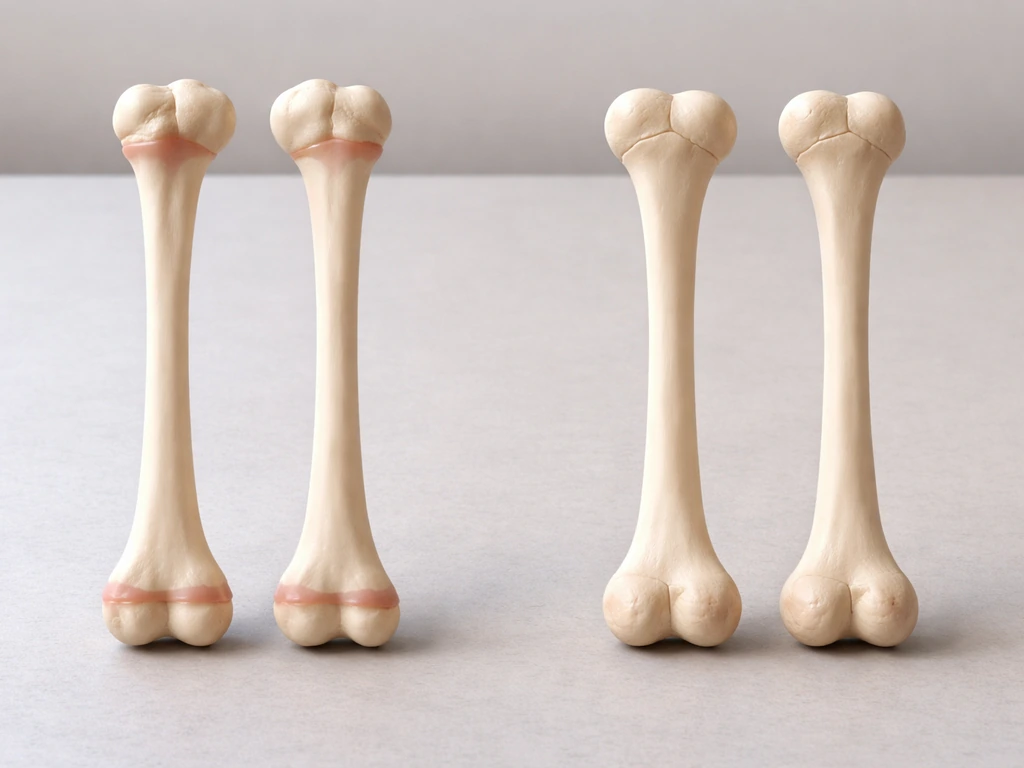
A key part of that process is getting enough amino acids, the protein building blocks your body uses to build new tissue what amino acids make you grow taller. If you're already getting adequate protein, adding more through shakes or powders won't push you past that potential. And if you're an adult with closed growth plates, no amount of protein will add centimeters to your height.
That's the core of it, but the details matter a lot depending on your age and situation.
What protein actually does for your body's growth
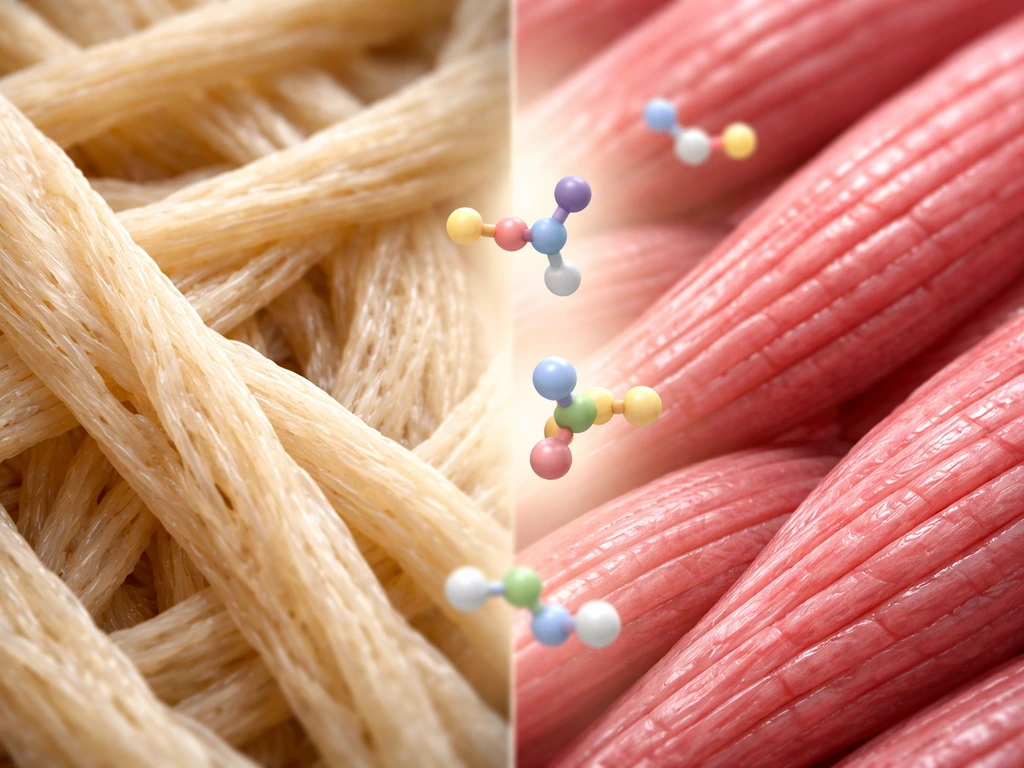
Protein is a structural building block, not a growth trigger. Your bones, cartilage, connective tissue, and muscle are all made in large part from proteins. Collagen, for instance, is the most abundant protein in the body and forms the scaffold of your bones. Without adequate protein intake, your body simply doesn't have the raw materials it needs to build and repair tissue effectively.
Beyond structure, protein influences hormones that do have a direct connection to height. Dietary protein, particularly animal protein, is one of the stronger nutritional drivers of insulin-like growth factor 1 (IGF-1). IGF-1 is a hormone produced mainly by the liver that mediates many of growth hormone's effects, including bone elongation at the growth plates. Cohort research tracking children from infancy to age 8 has found that higher protein intake at 12 months is associated with higher IGF-1 levels, which in turn is associated with greater lean mass and growth-related outcomes. So the protein-to-growth link is real, but it works indirectly: protein supports the hormonal environment that enables growth rather than switching on some height gene by itself.
Protein also supports muscle development alongside bone growth. During childhood and adolescence, the body is simultaneously building skeletal length and the muscle mass to support it. Adequate protein intake helps maintain lean tissue accrual during this phase. That said, building more muscle does not make you taller. Bone length, not muscle size, determines height.
What the research says about protein powder, shakes, and whey
There's a lot of marketing around protein shakes and height, especially products aimed at kids. The evidence base is thinner than the advertising suggests. A clinical pilot study for a branded 'growth protein shake' did report statistically significant height increases in children and adolescents over roughly 6 months compared to a control group. That sounds compelling, but it's sponsor-linked research, not an independent large-scale nutrition RCT. Sponsor-linked studies tend to be smaller, shorter, and designed in ways that favor positive outcomes. It's worth knowing about, but it's not the kind of evidence that changes clinical recommendations.
More rigorous RCT data tells a more cautious story. A randomized controlled trial in boys with constitutional growth delay gave participants a nutritional supplement (PediaSure) calibrated to reach roughly 110% of adjusted energy needs, including meaningful protein. The result: no significant improvement in height standard deviation scores, weight, lean mass, or growth velocity compared to the observation-only group. Even in a population that was actively growing slowly and might theoretically benefit most from nutritional support, extra protein and calories didn't move the needle on height. That's a meaningful finding.
A six-month randomized controlled pilot in children and adolescents evaluating an oral nutrition supplement did report effects on height velocity, which adds a small piece of evidence that supplementation might matter in certain circumstances. But 'pilot' studies are preliminary by design, and the effects measured were on height velocity standard deviation scores rather than final height outcomes. Translating short-term velocity changes into meaningful adult height gains requires much longer follow-up.
Cross-sectional research has also shown something counterintuitive: in some populations, higher protein intake is actually negatively associated with linear growth after adjusting for confounders. This likely reflects reverse causation or the complexity of diet patterns rather than protein being harmful, but it does underscore that the relationship between protein and height is not a simple dose-response curve. More protein is not automatically better for height.
Whey protein specifically is a high-quality complete protein with a strong amino acid profile and good bioavailability. It's not special from a height perspective compared to protein from whole foods. If a growing child or teenager is genuinely protein-deficient, whey can help close that gap efficiently. But if they're already meeting protein needs through food, a whey shake on top of that won't stimulate additional height. The same logic applies to other protein powders.
Height at different life stages: what's actually in charge

Your height at any given age is the product of your genetics, your hormonal environment, and whether your nutritional and health needs were met during growth. Understanding which stage you're at matters enormously for what protein can or can't do for you.
Children and adolescents (growth plates still open)
During childhood and especially puberty, the growth plates (epiphyseal plates) at the ends of long bones are active zones of cartilage that gradually harden into bone as you age. Height gain happens here. Growth hormone signals the pituitary, IGF-1 mediates the effect at the growth plate, and your bones get longer. Nutrition, including protein, affects how efficiently this process runs. Protein deficiency in early childhood is a documented cause of stunting, and children recovering from malnutrition do catch up in height when nutritional needs are met. So in genuinely undernourished kids, protein matters a lot. In well-nourished kids who already meet their needs, the marginal benefit of extra protein on height is not well-supported.
It's also worth knowing that when growth lags because of a hormonal issue rather than a nutritional one, fixing nutrition won't solve it. A randomized controlled study in children with juvenile idiopathic arthritis showed that growth hormone therapy significantly increased final adult height. In a randomized controlled study of patients with juvenile idiopathic arthritis, long-term growth hormone therapy increased growth and final height in growth-retarded children increased final adult height. The mechanism was hormonal, not nutritional. This is a useful contrast: targeted therapy for the actual limiting factor changes height trajectories. Protein supplementation in a child who is already eating adequately is not targeting a limiting factor.
Adults (growth plates closed)
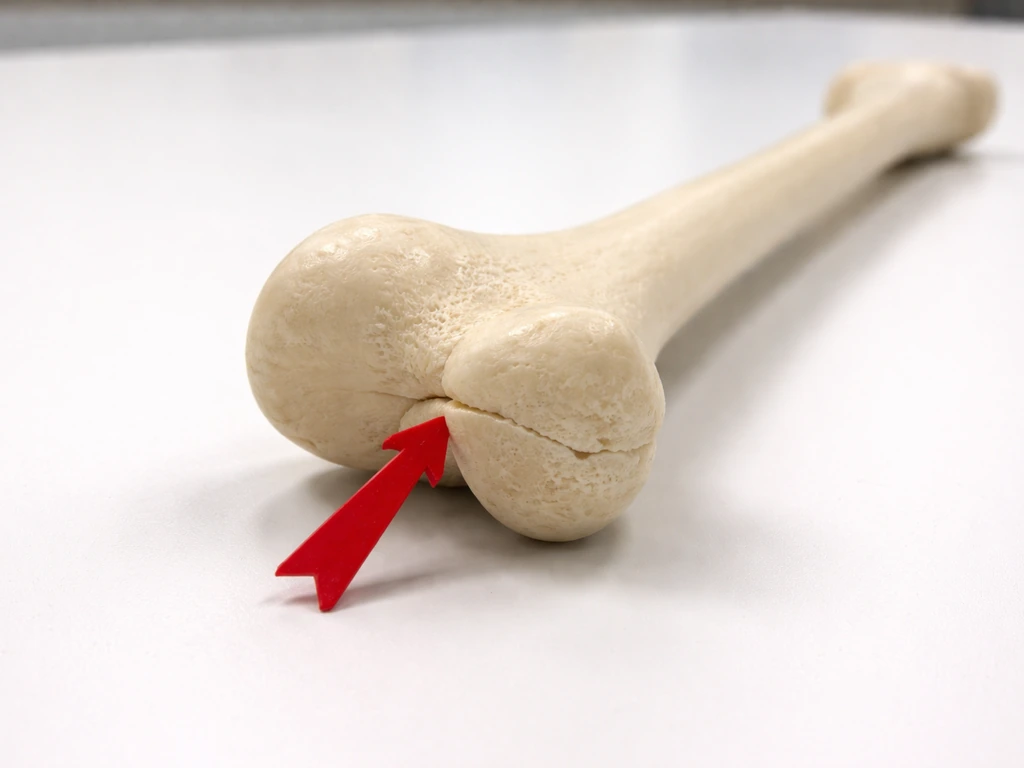
In most people, growth plates fuse between the late teens and early twenties, earlier in girls than boys. Once fusion happens, bone elongation stops. No nutritional intervention, including high-protein diets or protein shakes, can reopen growth plates or add length to fused bones. An adult eating extra protein will use it to maintain and build muscle, support tissue repair, and fuel metabolic processes, but not to grow taller. If height increase is the goal, protein is not the tool for it past this stage.
How to actually use protein to support growth
The priority is meeting needs, not exceeding them. Here's what that looks like in practice:
- Children aged 1 to 3 need roughly 13 grams of protein per day; ages 4 to 8 need about 19 grams; ages 9 to 13 need about 34 grams.
- Adolescents aged 14 to 18 need around 46 to 52 grams per day depending on sex, with active teenagers sometimes needing more.
- Adults generally need 0.8 grams per kilogram of body weight as a minimum, with athletes and active individuals often targeting 1.2 to 2.0 grams per kilogram.
- Whole food sources like eggs, dairy, meat, fish, legumes, and tofu provide protein alongside micronutrients (zinc, calcium, vitamin D) that also matter for bone growth.
- Protein shakes or powders are a practical option when food intake is genuinely insufficient, appetite is low, or dietary restrictions limit whole food protein sources.
- If you're considering protein supplementation for a child, check with a pediatrician first. High-protein intakes in young children have not been shown to improve height and may have unintended metabolic effects.
Food should always be the first strategy. A teenager eating regular meals with adequate meat, dairy, or plant proteins is almost certainly meeting their protein needs without any supplement. The cases where a protein shake genuinely fills a gap are specific: a very picky eater with documented low intake, someone recovering from illness, or an athlete with high training demands and difficulty eating enough. For most kids eating a typical varied diet in a food-secure environment, protein supplementation is unlikely to change their height trajectory.
When protein won't help, and what to focus on instead
Protein is not the rate-limiting factor for height in most well-nourished people. If you or your child is eating a balanced diet with adequate calories and protein, the height outcome is going to be shaped far more by genetics and the hormonal environment than by whether you hit 60 or 80 grams of protein per day. Adding more protein on top of an already-sufficient intake is not a meaningful height strategy.
There are also safety considerations worth knowing. Very high protein intakes from powders and supplements, particularly in younger children, are not without risk. Excess protein puts additional stress on the kidneys over time, especially in children whose kidneys are not fully mature. Some commercial protein powders marketed at children or teenagers also contain undisclosed additives, heavy metals, or calorie-dense ingredients that can displace more nutritious foods. Reading labels carefully and defaulting to whole foods is the safer, more effective strategy.
If supporting height growth is genuinely your goal, the evidence points to a broader set of factors that matter more than protein intake alone. Sleep is at the top of that list: roughly 60 to 70 percent of daily growth hormone is released during slow-wave sleep, so consistently getting adequate sleep (9 to 11 hours for school-age children, 8 to 10 for teens) is one of the strongest modifiable inputs for growth hormone secretion. Physical activity and particularly weight-bearing exercise also support healthy bone development. Micronutrient adequacy matters too, especially calcium, vitamin D, and zinc, all of which are direct inputs to bone mineralization and growth plate function.
It's also worth acknowledging that some nutrition-adjacent supplements get discussed in the same breath as height. Questions about whether creatine, specific amino acids like L-arginine, or peptides can help you grow taller come up frequently. Creatine may be marketed for height, but the evidence does not show it can make adults grow taller or reopen fused growth plates. The mechanisms are different from dietary protein but the core principle is similar: these compounds can influence IGF-1 or growth hormone signaling to varying degrees, but they are not substitutes for foundational nutrition, adequate sleep, and an overall healthy lifestyle during growth. None of them override genetics or reopen closed growth plates.
The realistic expectation framework looks like this: if you're a child or teenager in a food-insecure or protein-restricted diet, improving protein intake as part of overall nutritional adequacy can help you reach your genetic height potential. If you're well-nourished and growing normally, optimizing other inputs like sleep, physical activity, and micronutrient status will likely matter more than protein intake.
If you're an adult, protein supports your muscle mass, metabolic health, and bone density maintenance, but it will not increase your height. If you're wondering does l-arginine help you grow taller, it falls into the same category as other supplements discussed for height, where evidence is limited and it does not override genetics or growth plate status. If you're wondering does creatine help you grow taller, it’s generally treated like other supplements for height, where evidence is limited and it does not override genetics or growth plate status. The goal should be adequacy, not excess, and whole foods over supplements whenever possible.
| Factor | Effect on Height | Who It Applies To | Evidence Strength |
|---|---|---|---|
| Correcting protein deficiency | Can help reach genetic height potential | Undernourished children and adolescents | Moderate (deficiency correction studies) |
| Extra protein beyond needs | No significant additional height benefit | Well-nourished children and adolescents | Moderate (RCT evidence) |
| Protein shakes / whey powder | No advantage over whole food protein for height | All ages | Weak to moderate (mostly industry-sponsored pilots) |
| Adequate sleep (9-11 hrs for children) | Supports peak growth hormone release | Children and adolescents | Strong |
| Growth hormone therapy | Increases final height in clinically deficient patients | Children with diagnosed GH deficiency or related conditions | Strong (RCT data) |
| Calcium and vitamin D adequacy | Supports bone mineralization and growth plate function | Children and adolescents | Moderate to strong |
| Weight-bearing physical activity | Promotes healthy bone development | Children and adolescents | Moderate |
FAQ
If I increase protein while I’m still growing, will I definitely get taller faster?
Not necessarily. Protein helps when you are deficient or your total intake (especially calories and overall nutrition) is inadequate. If you are already meeting needs, extra protein usually does not change growth speed or final height, because height is limited by genetics, growth-plate biology, and hormonal factors.
How can I tell whether my child’s protein intake is actually too low?
Look at patterns, not just a single day. Red flags include poor weight gain, fatigue, very limited food variety, chronic low appetite, or a history of undernutrition or frequent illness. The most practical next step is discussing with a pediatrician who can review growth charts and diet, since protein needs depend on age, body size, and total calories.
Should I give a protein shake in addition to a normal diet for height?
Usually not. If meals already include adequate protein, adding shakes mainly increases total calories and protein, which is unlikely to increase height once needs are met. Shakes are most appropriate when they help close a real gap, such as during recovery from illness, with significant food selectivity, or when a clinician indicates low intake.
What’s the main risk with “high-protein” products marketed to kids?
Beyond the theoretical kidney stress concern with very high intakes from powders, the bigger practical issue is displacement and excess. High-protein supplements can crowd out micronutrient-rich foods, add unnecessary calories, and sometimes include undisclosed ingredients, so label review and clinician guidance matter.
Does whey protein help more than plant protein for growing taller?
If total protein and calories are adequate, neither whey nor plant protein is uniquely effective for increasing height. Whey can be convenient because it is easy to digest and complete in amino acids, but it does not provide a height-specific advantage over other protein sources.
Can protein help if growth delay is caused by a hormonal problem instead of diet?
Protein supplementation is not the right tool if the limiting factor is hormonal. If growth is slow due to an endocrine issue, targeted medical therapy can change growth trajectory, whereas adjusting protein is unlikely to correct the underlying cause.
Are there situations where more protein could be linked to slower height growth?
Yes, research in some populations finds a negative association after adjusting for other factors. This often reflects reverse causation or overall diet patterns rather than protein being inherently harmful, but it supports the practical rule: more is not automatically better for height.
If growth plates are still open, what else besides protein should I focus on?
The highest-impact basics are adequate total calories, sufficient sleep, and key micronutrients for bone mineralization like calcium and vitamin D (and zinc). Weight-bearing activity supports bone development, but it should be balanced with rest and healthy weight.
My teenager is eating enough protein but sleeps poorly, could that block height gains?
Yes. Growth hormone release is strongly tied to sleep timing and quality. If sleep is consistently short or fragmented, it can reduce growth hormone signaling during the period when growth plates are active, even if protein intake is adequate.
Does increasing protein help adults grow taller or “reverse” height loss?
No. Once growth plates fuse, protein cannot reopen them or add new bone length. For adults, protein’s role is different, supporting muscle, tissue repair, and maintaining bone and overall metabolic health rather than increasing stature.
Could protein supplementation improve height if a child has already recovered from malnutrition?
It can help if recovery is incomplete and intake is still not meeting needs. Catch-up growth is more likely when overall nutrition is corrected, so the key is closing total nutrient gaps, not chasing protein targets alone.
What should I do if my goal is height optimization but my child is a picky eater?
Aim for adequacy with food first, using practical strategies like adding protein to preferred foods (eg, yogurt smoothies, adding eggs to meals, or mixing legumes into dishes). If intake is truly low, a clinician can help decide whether a supplement is appropriate and how to avoid excess calories or poor micronutrient coverage.
Next Article
Do Vegetarians Grow Taller? Evidence, Nutrition, and What to Do
Evidence on whether vegetarians grow taller, key nutrients for growth, confounders, and practical steps to support heigh