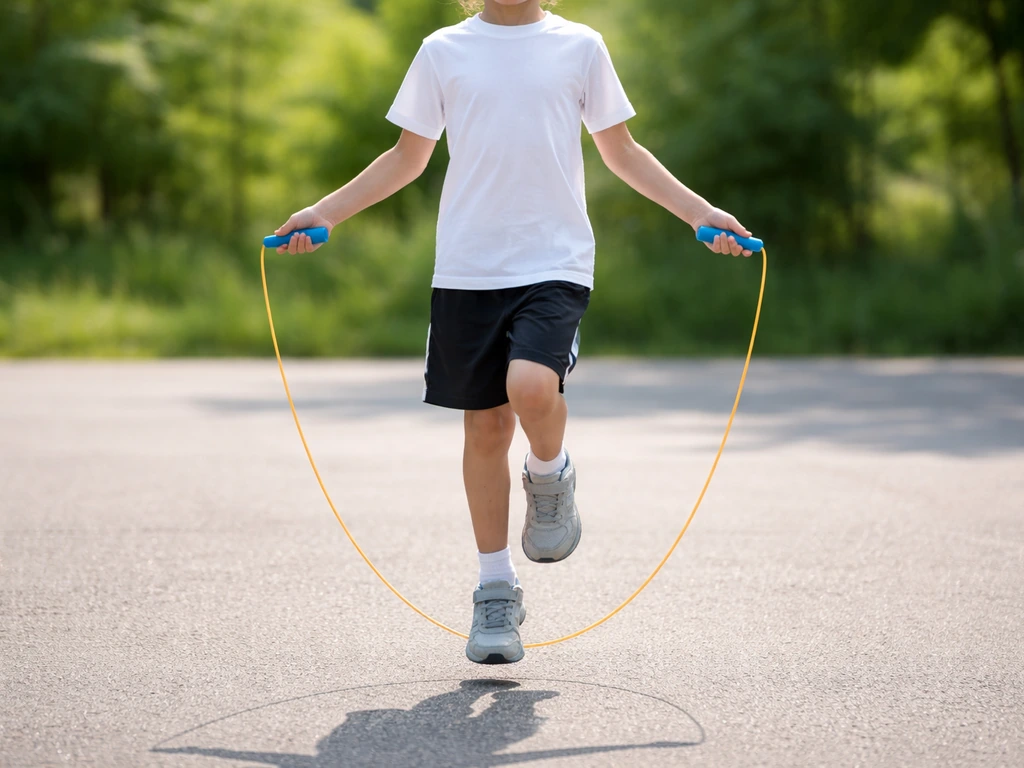
Dancing does not directly make your bones longer, so it won't add measurable height in the way puberty does. What it can do is improve your posture, spinal alignment, and core strength in ways that let you stand at your full height instead of losing centimeters to slouching. If you want to know what sports help you grow taller, focus on activities that support overall growth and healthy posture rather than expecting bone-length changes.
Does Dancing Help You Grow Taller? What Science Says

Marcus Reeves
23 Jun 2026
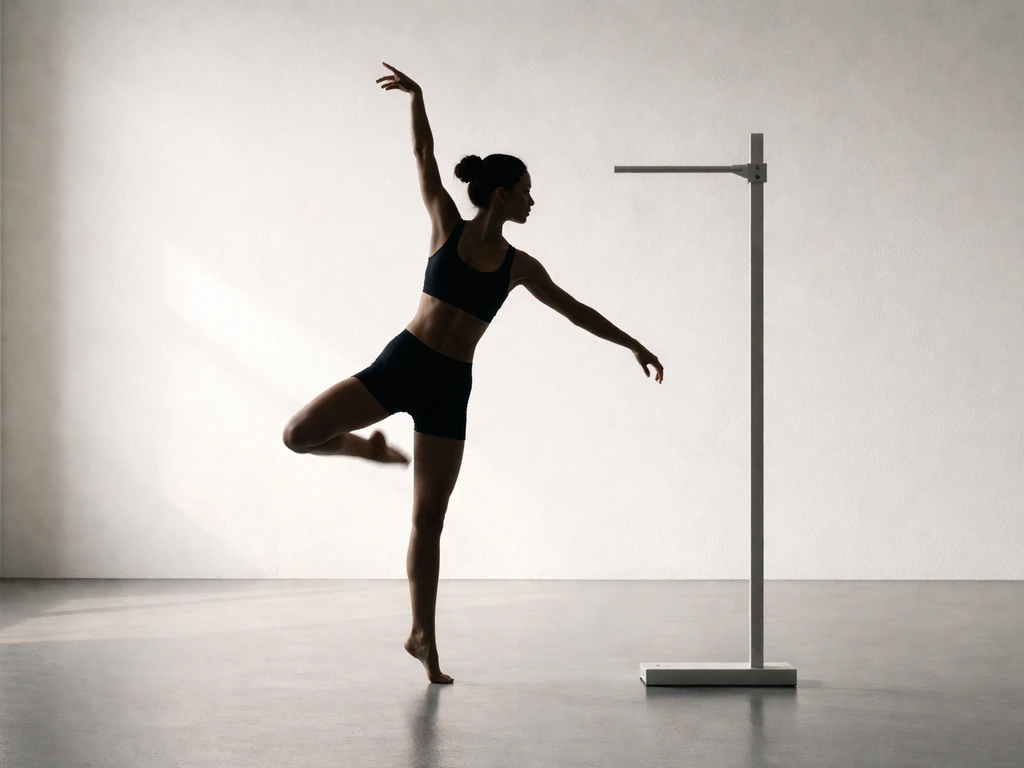
For children and teenagers whose growth plates are still open, the general physical activity that comes with dance supports the hormonal and nutritional environment growth needs. But the mechanism is indirect, and for anyone past puberty, no amount of dancing, stretching, or jumping will lengthen a bone that has already stopped growing.
How height growth actually works
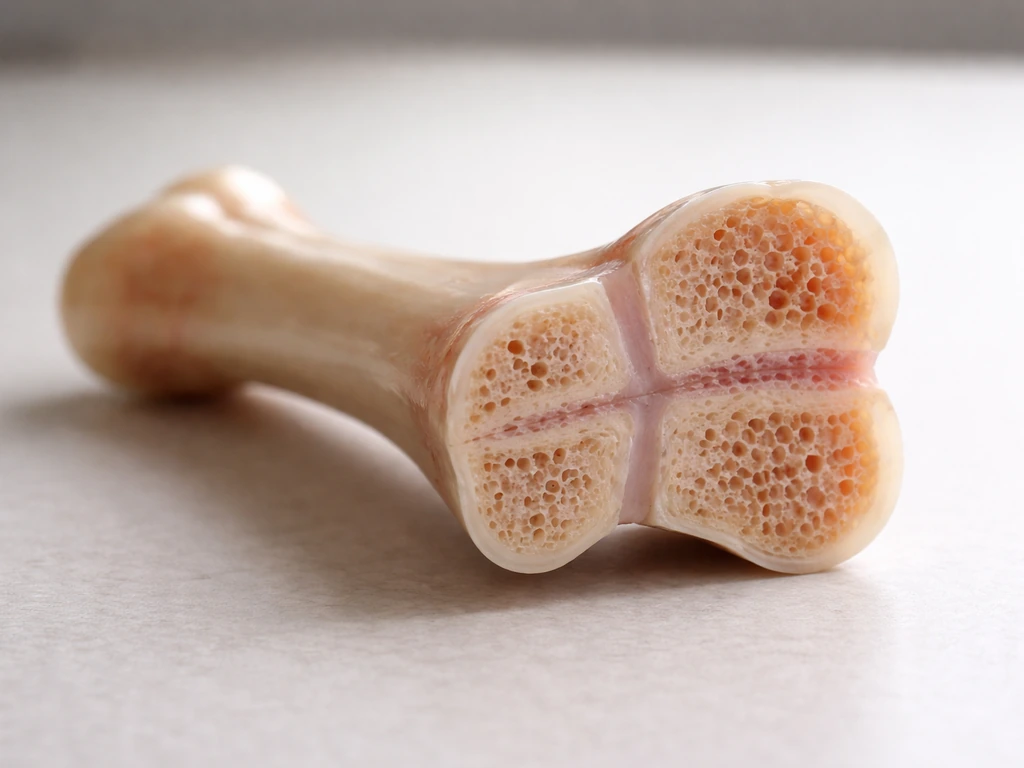
Your height is determined almost entirely by how long your bones grow, and that process happens at specific sites called growth plates, or epiphyseal plates. These are thin layers of cartilage near the ends of long bones. During childhood and especially during puberty, cells called chondrocytes in the growth plate divide and multiply, pushing the bone longer. The growth hormone and IGF-1 axis drives most of this activity: GH secretion rises through puberty, peaks around mid-puberty, and then begins to decline as the growth plates start to harden and close.
Once epiphyseal fusion happens, longitudinal bone growth stops. That is not a gradual decline; it is a biological shutdown.
The timing varies by person and by bone, but it generally occurs in the late teens for girls and early twenties for boys. After that point, nothing you do physically will elongate the bones themselves. After that point, nothing you do physically will elongate the bones themselves, so if you are wondering does soccer help you grow taller, the answer depends on whether growth plates are still open what you do physically.
A bone age X-ray of the left hand and wrist is how doctors assess skeletal maturity and figure out how much growing time remains, which is a much more reliable signal than calendar age alone.
Posture adds another layer. Your measured stature changes throughout a single day because of spinal compression from gravity and the fluid dynamics in your intervertebral discs. Studies using stadiometers have confirmed that spinal height measurably decreases when you move from lying down to standing, and that posture manipulations produce immediate changes in measured height without any bone growth involved. So when someone says they "got taller" from an activity, it is worth asking whether they measured bone growth or simply improved how they carry themselves. Pilates can help in a similar way by improving posture and strengthening your core and back, which may make you look taller without changing bone length.
What dancing actually does to your body
Dance is a surprisingly complete physical training stimulus. It combines cardiovascular work, lower-body strength, balance, coordination, and spatial body awareness in a way that most solo gym workouts don't. Randomized controlled trials in older adults have shown that structured dance programs measurably improve balance, gait control, and lower-body muscle power, sometimes comparably to walking programs. These are real neuromuscular adaptations, not cosmetic.
The postural dimension is where dance is most relevant to height perception. Ballet and contemporary dance styles in particular emphasize vertical alignment, pulled-up posture, lengthened spine, and lifted chest. Trained dancers develop strong core and back extensor muscles that make upright posture the default rather than the exception. Poor posture, especially thoracic rounding, can visibly reduce apparent height, and adolescent postural kyphosis is a recognized clinical pattern. Dance training that corrects this alignment essentially allows a person to stand at the height their skeleton already has.
Dance also trains dynamic postural stability, the kind of balance and landing control you use when jumping and absorbing impact. Biomechanics research on dancers has measured how landing mechanics differ with training, which matters for both injury prevention and long-term joint health. It is not the same as growing taller, but it reflects the depth of neuromuscular change that dance produces.
Does dance actually increase height? What the evidence says

There is no good evidence that dancing causes bones to grow longer in any population. What research does support is that physical activity during childhood and adolescence promotes the overall hormonal and health environment in which growth-plate activity thrives. General exercise supports GH secretion, healthy body composition, and bone density. In that indirect sense, being physically active, including through dance, is better for growth than being sedentary. But that is a far cry from "dancing makes you taller."
There is actually a cautionary finding worth mentioning: research on intensive ballet training noted some dancers showed decreased growth velocity in the prepuberty stage compared with non-dancing controls. Work on artistic gymnasts, the closest analogue in terms of intensive early training, shows that very heavy training loads can coincide with altered growth-rate patterns or maturation timing in some cohorts.
Gymnastics is often discussed in this context because it is an intense, training-heavy sport, and it can affect growth mainly through indirect factors like overall health and training load. The mechanism is not fully settled, but it likely involves energy availability and hormonal disruption from extreme training volumes, not dance itself as a moderate recreational activity. If your child dances casually or even seriously but not at an elite training level, this is not something to worry about.
The measurable height-related benefit of dance is essentially postural. Someone who dances regularly and develops strong spinal extensors, better core control, and habitual upright alignment may appear, and actually measure, slightly taller than they did when slouching regularly. That is a real and worthwhile change. It just is not skeletal growth. Jump rope may improve fitness and posture, but it does not create true skeletal growth once your growth plates have closed does jump rope help grow taller.
Who is most likely to notice any change
Children and teenagers with open growth plates
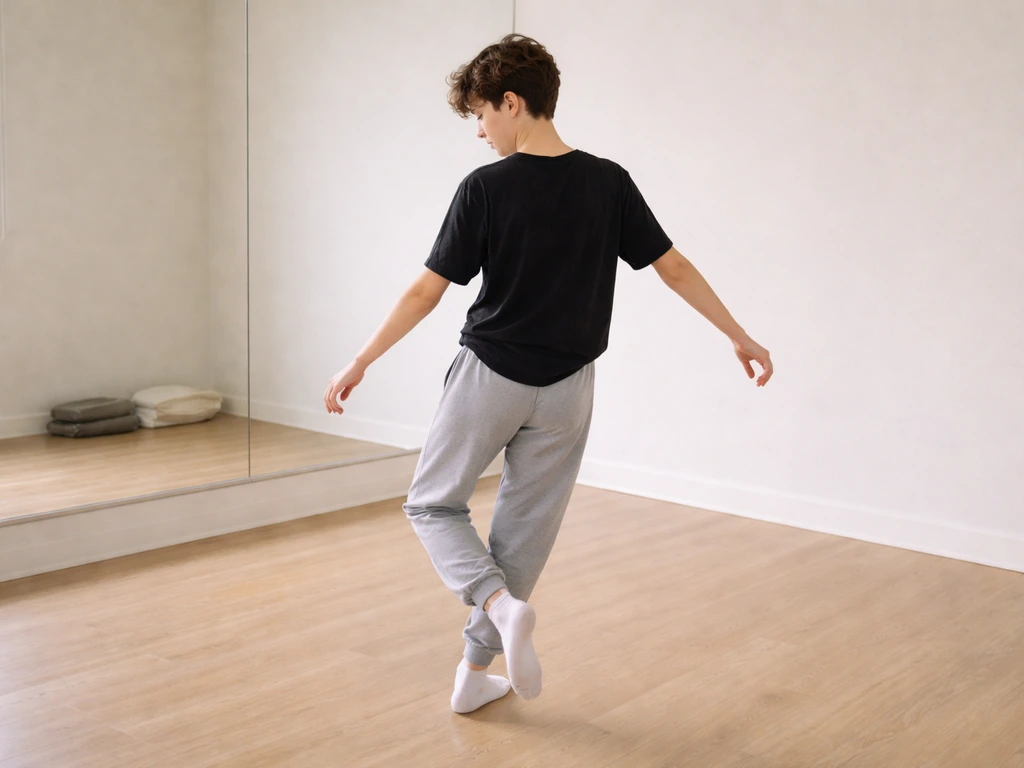
This is the group where the indirect argument is strongest. If a child or adolescent is still growing, meaning their growth plates are open and puberty is ongoing, then supporting their overall health through physical activity like dance is genuinely useful. Good sleep, adequate nutrition, and being active all support the GH-IGF axis that drives growth. Dance contributes to that healthy lifestyle. Additionally, building good postural habits young means they are more likely to stand at their full adult height rather than losing centimeters to kyphosis or habitual slouching later.
Teenagers who are "late bloomers" because of delayed puberty timing have more growing time ahead of them than peers of the same calendar age, and supporting their health during that window matters. The growth spurt itself is puberty-driven regardless of what sport or activity someone does; female gymnasts, for example, still go through a clearly defined adolescent height velocity peak even with intensive training, it just interacts with the overall training environment.
Adults with fused growth plates
Once growth plates have fused, no exercise will add bone length. Full stop. But adults can absolutely benefit from dance in the posture dimension. A person who has spent years hunched over a desk and takes up dance may genuinely measure a centimeter or more taller after a few months, not because bone grew, but because their spine is no longer compressed by poor alignment and weak back muscles. That is a legitimate and practically useful outcome even if it is not "growth."
Common myths worth clearing up
Several persistent myths float around the idea of getting taller through exercise, and dance-related searches often bump into them.
- Stretching elongates bones: It does not. Stretching improves muscle flexibility and range of motion, and it can reduce tension that contributes to poor posture, but cartilage and bone do not lengthen from being pulled. There is no credible evidence that stretching increases stature beyond temporary posture changes.
- Spinal decompression makes you permanently taller: Traction and inversion can acutely increase measured spinal height because of disc fluid dynamics, but these changes reverse within hours and have nothing to do with bone growth. Studies using aquatic traction and head-down tilt show short-term height increases that disappear once normal loading resumes.
- Hanging or inversion tables add height: Same mechanism as above. Temporary disc decompression, not bone elongation. Not a lasting change.
- Dance specifically stimulates height because of all the jumping: Physical loading from jumping does provide mechanical signals to bone, which improves bone density and strength. That is valuable. But bone strength is not the same as bone length, and jump training does not force growth plates to produce more length.
- Genetics can be overcome with the right routine: About 60 to 80 percent of final adult height is explained by genetics. The remaining environmental contribution comes mostly from nutrition, sleep, and overall health during childhood and puberty, not from any specific exercise.
How to dance for posture and strength without getting hurt
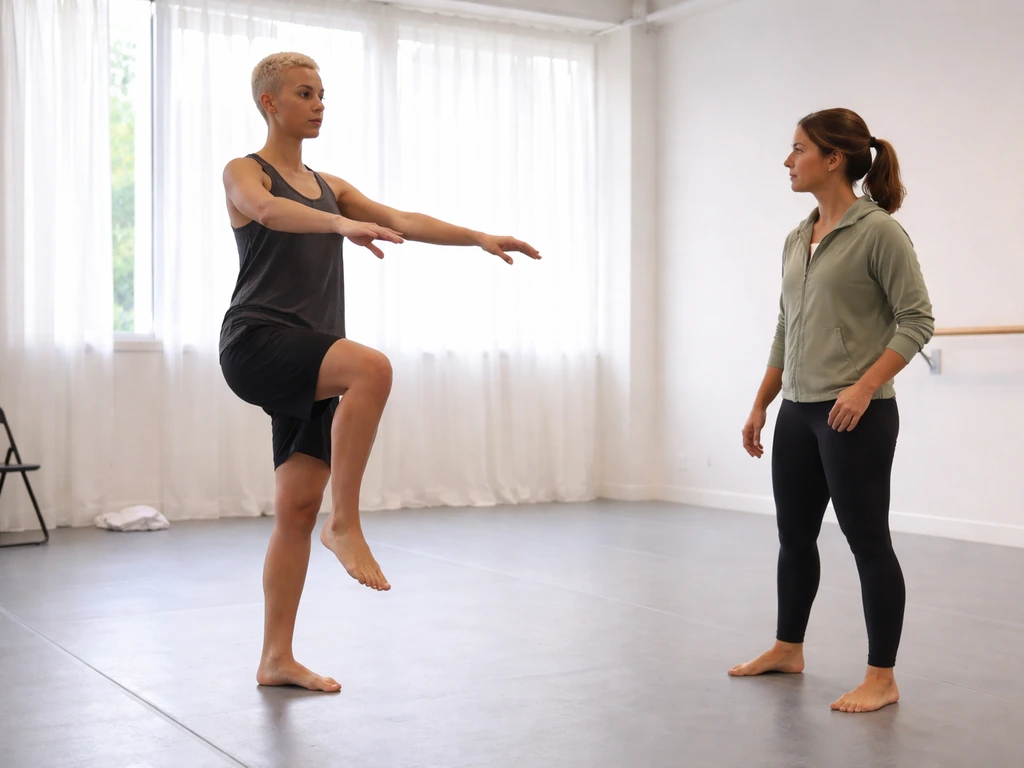
If your goal is to use dance to improve posture, alignment, and the physical qualities that let you stand at your full height, the approach is straightforward but requires some attention to injury prevention. Johns Hopkins performing arts physical therapists note that most dance overuse injuries involve the ankles, feet, legs, and lower back, which are exactly the areas relevant to posture and alignment. Getting injured defeats the purpose.
- Always warm up before dancing. A proper warm-up raises tissue temperature, improves range of motion, and primes the neuromuscular system. This means light cardio movement first, then controlled dynamic movements through your relevant ranges, not just static stretching cold.
- Pay attention to landing mechanics. When jumping, land with soft knees, ankle alignment over the toes, and control through the hip. Misaligned landings are a leading source of both acute injuries and chronic overuse problems.
- Work on core strength specifically. Dance is most useful for posture when it comes with deliberate attention to engaging the deep stabilizers of the spine. Styles like ballet and contemporary have built-in cues for this; other styles may require supplemental core work.
- Cool down and stretch after sessions. Post-dance flexibility work helps manage muscle tension that can contribute to the forward rounding many people are trying to correct.
- Wear appropriate footwear for your style. Proper shoes reduce impact stress and support ankle alignment, which connects directly to how the rest of the kinetic chain, including the spine, handles load.
- Progress gradually. Overuse injuries happen when training volume increases faster than tissue adaptation. Whether you are a beginner or returning after a break, build up mileage slowly.
For children and teenagers, working with a qualified dance instructor who understands age-appropriate training loads is important. The concern about intense training affecting growth is specifically tied to elite-level training volumes, not recreational or even competitive dance at a reasonable level. The key is that the training feels energizing rather than depleting, and that the young dancer is eating and sleeping enough to support both growth and activity.
Figure out where you actually are in your growth timeline
Before worrying about what activity might help you grow, it is worth understanding whether growth is still biologically on the table for you. If you are wondering whether a sauna can help you grow taller, the same growth-plate idea still applies sauna help you grow taller. Here is a practical sequence:
- Track height accurately over time. Use a proper stadiometer or a reliable wall measurement with a flat book and a pencil. Take measurements at the same time of day, ideally morning, and compare across months, not days. Day-to-day variation from spinal compression is normal and doesn't reflect real growth.
- Plot on a growth chart. The CDC provides sex-specific growth charts that let you see your height percentile and velocity compared to population norms. A pediatrician or family doctor can help interpret patterns.
- Consider where you are in puberty. Height velocity is fastest during the pubertal growth spurt. After the peak, growth slows significantly and plates are approaching closure. Girls tend to reach near-final height within two to three years of their first period; boys continue growing somewhat longer.
- Ask about bone age if you are genuinely uncertain. A wrist X-ray assessed by a radiologist can determine skeletal maturity and give a clearer picture of remaining growth potential than calendar age alone. This is especially useful if puberty timing seems early or late.
- Optimize the things that genuinely support growth. Adequate sleep (GH is secreted primarily during deep sleep), sufficient protein and micronutrient intake (particularly calcium, vitamin D, and zinc), and a healthy body weight all influence how fully genetic height potential is expressed.
- Understand your genetic range. Mid-parental height calculations give a rough expected adult height range. Take your parents' heights, add them together, add 13 cm for boys or subtract 13 cm for girls, then divide by two. The typical child falls within about 8.5 cm of that target in either direction.
Other activities in the same physical activity family, like basketball, jump rope, and soccer, come with similar indirect growth-support arguments and the same limits. Basketball can support overall health and posture as part of an active lifestyle, but it also cannot lengthen bones once growth plates have closed. The honest conclusion across all of them is that physical activity matters for overall health during growth, but no specific sport or movement practice overrides the biology of growth plate timing and genetics. Dance is a genuinely excellent choice for posture, body awareness, and lifelong musculoskeletal health. Just go in with accurate expectations about what it can and cannot do for your height.
FAQ
If dancing makes you look taller, how can I tell whether it is real height or just posture?
If you want to track whether dance is changing real height, measure consistently (same time of day, same footwear, after using the bathroom, and before a long day of walking). Morning measurements tend to be higher because spinal compression is less, so compare month to month rather than day to day.
How do I know whether dance could help me at all for growing taller?
Age alone is not enough. The only reliable way to know remaining growth potential is bone age, typically an X-ray of the hand and wrist that estimates growth-plate maturity. Calendar age can be misleading, especially for late or early puberty.
Does dancing help you grow taller if you are already done with puberty?
For adults and anyone past epiphyseal fusion, dancing cannot lengthen bones. The most you should expect is improved spinal alignment and reduced slouching, which can sometimes create a noticeable measurement change if you were previously compressing your spine.
How long does it take for dancing to affect height or height appearance?
Expect the fastest height-perception changes from posture, not from strength gains. Many people notice differences in how they carry themselves within weeks, while measurable changes tied to muscle control and alignment can take a few months of regular practice.
Why can my height measurement change after dancing even if my bones are not growing?
Yes, but only in the posture sense. Because discs compress and posture affects spinal height, stadiometer results can shift immediately after posture changes even without any bone growth.
Is there any situation where dancing could slow growth in kids?
The article cautions that very high-volume, elite-style training (especially in prepuberty) can be associated with altered growth-rate patterns. If a child is in heavy training with fatigue, weight loss, or stalled growth, a clinician should evaluate energy availability and growth.
How can I reduce the risk of injury if I am dancing to improve my height and posture?
The most practical prevention step is to avoid sudden volume jumps. Start with technique-focused classes, cross-train, prioritize ankle and lower-back mobility, and ensure rest days so overuse injuries do not force you to stop and regress your posture work.
What type of dancing is most likely to make you stand taller?
If the goal is upright posture, look for classes that explicitly train vertical alignment and core control (often ballet-based or contemporary styles with strong technique components). Random hopping and high-impact sessions without posture work may improve fitness but do less for the height-perception mechanism.
Can dancing still help posture if I have back issues or scoliosis?
If you have scoliosis, chronic back pain, or a history of significant spinal problems, you should get guidance from a sports physical therapist or clinician before focusing on intensive training. Improper technique can worsen discomfort and may reinforce compensations that reduce “upright” posture.
If I already stretch a lot, will dancing still help my height appearance?
After growth plates close, stretching alone will not create bone-length changes. If you want results, prioritize core strength and spinal extensor endurance, then use dance practice to make good alignment the default during movement and daily standing.
Next Article
Does Jump Rope Help You Grow Taller? Science and Tips
Does jump rope make you taller? Learn the science, what it can improve (posture, fitness), and safe tips.