
Jump rope will not make you taller. No exercise can directly increase your final adult height once the science of how bones grow is understood. What jump rope can do is support the conditions that allow a growing child or teen to reach their genetic height potential: it loads the bones, improves posture, builds fitness, and keeps the body active during the years when growth is actually happening. For adults whose growth plates have already fused, the realistic ceiling is better posture and spinal decompression, not added inches.
Does Jump Rope Help You Grow Taller? Science and Tips

Marcus Reeves
16 Jun 2026
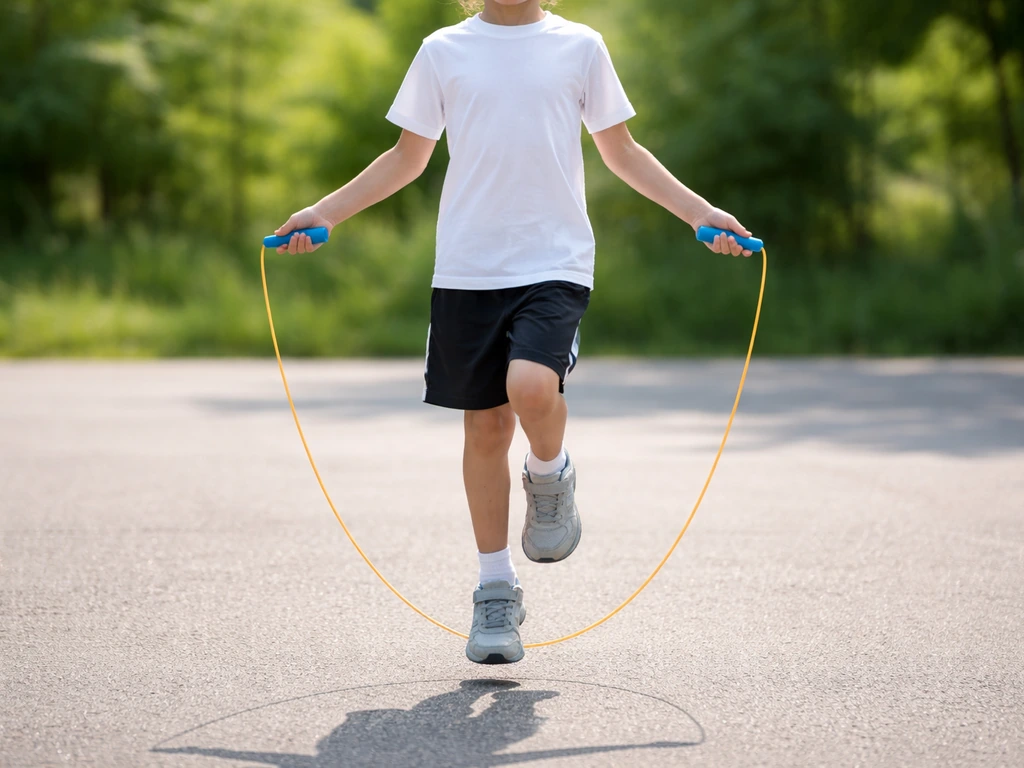
How height actually works (and why timing matters)
Height is determined by the length of your long bones, specifically the bones in your legs and spine. Those bones grow from a region of cartilage called the growth plate, or physis, located near each end of the bone. As long as the growth plate is active, cartilage cells multiply and the bone gets longer. Puberty drives a surge in growth hormone and sex hormones that simultaneously accelerates this process and, eventually, ends it. The hormonal changes of puberty cause the cartilage to ossify, meaning it hardens into solid bone. Once that happens, the bone simply cannot get longer. No exercise, supplement, or stretching routine changes that biological fact.
Timing differs between sexes. Girls typically experience growth plate fusion earlier than boys, roughly two years earlier on average. In practical terms, most girls finish growing by their mid-teens, while boys often continue into their late teens. The Children's Hospital of Philadelphia is clear on this: once growth plates fuse at the end of puberty, height outcome cannot be further improved. If a child or teen is still actively growing, that window is where any exercise-related influence on height potential exists.
Growth plates are also the most vulnerable part of a developing skeleton. Because they are still cartilage rather than solid bone, they are the last section to harden and are more susceptible to injury than the surrounding bone. A fracture through a growth plate can interrupt normal bone growth, which is a meaningful concern when thinking about high-impact activities in young people.
What jump rope can actually help with
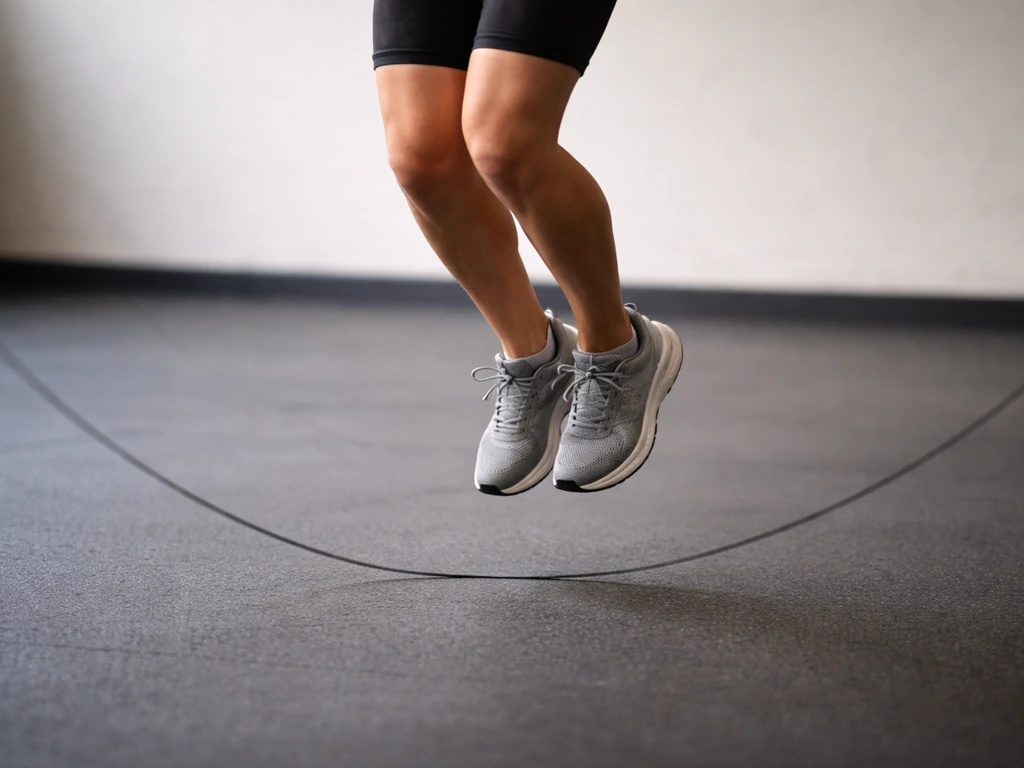
Bone loading and mineral density
Jump rope is a weight-bearing, impact activity, and that matters for bone health. Research consistently shows that impact loading during childhood and adolescence increases bone mineral content and density, particularly at the femoral neck and lumbar spine. The skeleton responds to mechanical stress by building denser, stronger bone. This is not the same as growing taller, but it is genuinely useful: denser bones during the growth years create a stronger skeletal foundation for life. Studies comparing high-impact jumping to resistance training in adolescents show both approaches improve bone mineral outcomes, and sedentary behavior shows the opposite effect, being associated with lower bone density at key sites.
Posture improvements
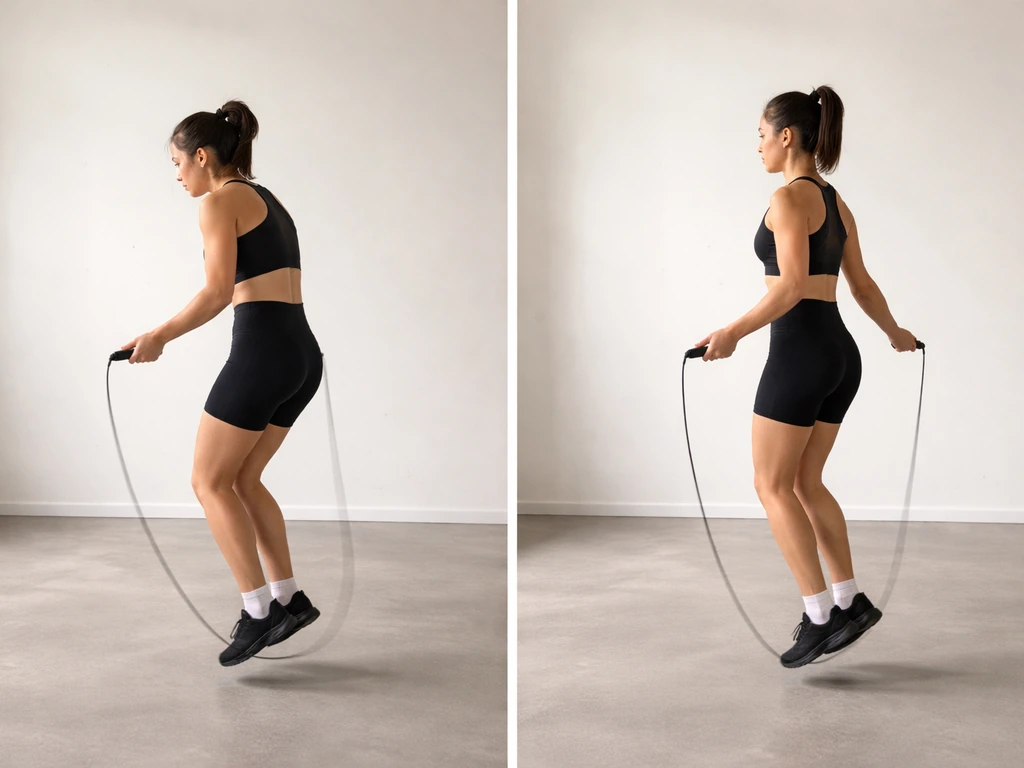
Poor posture, particularly thoracic kyphosis (a rounded upper back), can make a person appear shorter than they actually are. Jump rope requires an upright trunk, engaged core, and neutral spine alignment to perform well. Consistent structured exercise, including impact and coordination-based activities, has been shown in systematic reviews to reduce thoracic kyphosis in adolescents. Standing taller because your posture improved is not the same as growing taller, but it is a real, visible change that can recover some of the height that poor posture masks.
Overall physical fitness
Jump rope builds cardiovascular fitness, coordination, lower-limb strength, and body composition, all of which contribute to a healthier growing body. Plyometric training, which jump rope qualifies as, has demonstrated improvements across multiple physical fitness markers in children and teens, with responses varying by maturity level. The indirect value is that a fit, active body is better positioned to grow optimally, particularly when combined with adequate nutrition and sleep.
What jump rope cannot do (the myth, addressed directly)
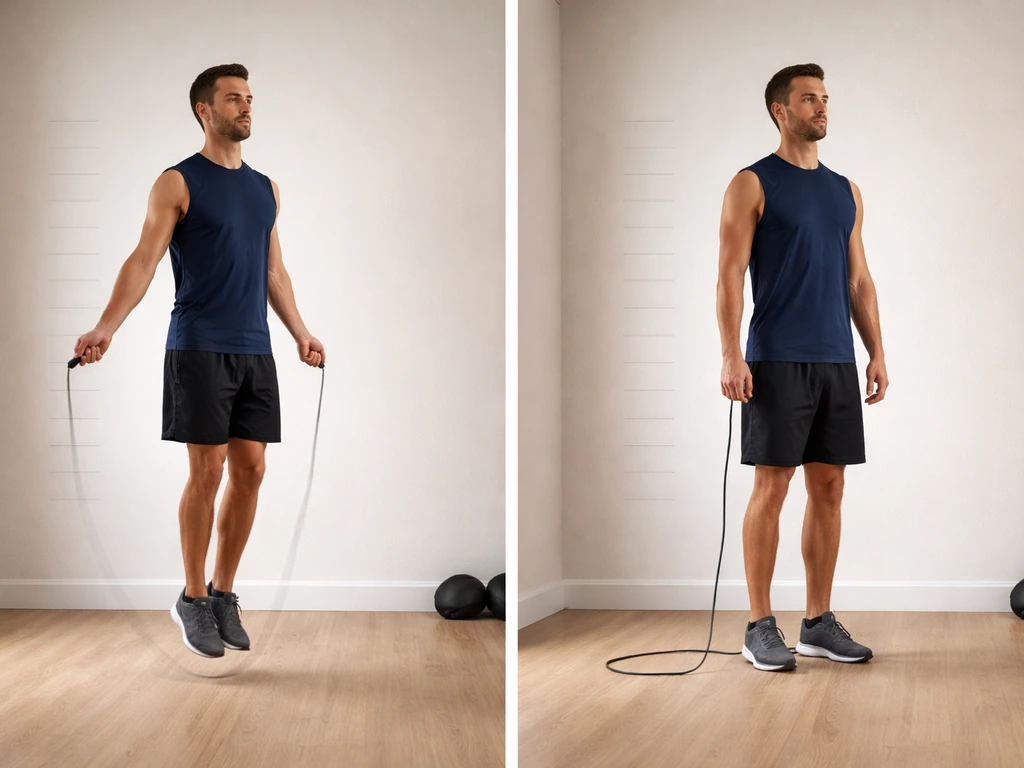
The popular idea that jumping rope 'stretches' you taller or stimulates growth hormone enough to meaningfully increase final height is not supported by evidence. Does sauna have similar claims, and what does the evidence actually say about its impact on height? Jumping does not lengthen bones. It does not keep growth plates open longer. It does not override genetics. Plyometric and jump training research consistently reports performance and fitness improvements, not increases in final adult height. The mechanism simply does not exist once you understand that bone length is determined by growth plate activity, which is regulated by genetics and hormones, not by how often you skip rope.
It is also worth noting that the same impact forces that can benefit bone density can cause injury if volume, technique, or progression are poorly managed. Growth plate injuries from sports and athletic activity are a recognized pediatric concern. This is not a reason to avoid jump rope, but it is a reason to do it correctly.
How kids and teens should use jump rope (practical routine)
For children and teenagers who are still growing, jump rope is a genuinely good activity, just not for the reason most people searching this topic hope. Here is how to incorporate it sensibly and safely.
Frequency and volume
National Strength and Conditioning Association guidance for youth plyometric training recommends two to three sessions per week, with low to moderate volume, especially for beginners. Starting with three to six sets of short bouts (30 to 60 seconds for jump rope) with adequate rest between sets is appropriate. Sessions do not need to be long. Research on adolescent bone health programs suggests even relatively brief, structured impact sessions repeated over weeks and months produce measurable bone benefits.
Technique
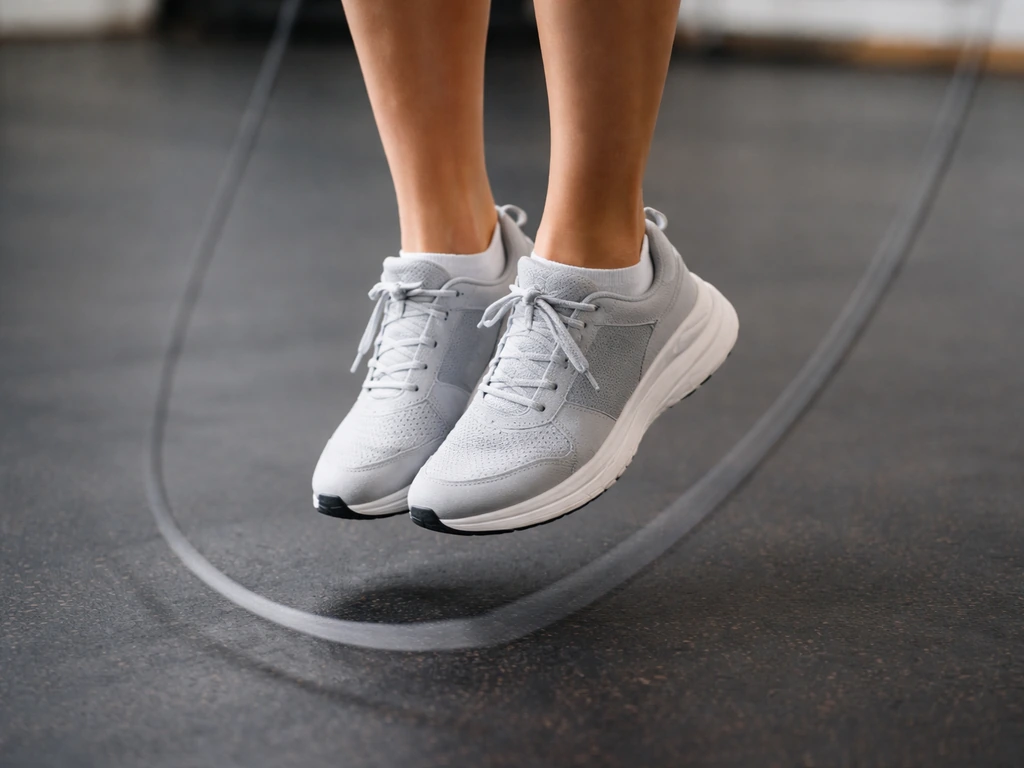
- Land softly on the balls of the feet, not flat-footed or on the heels
- Keep knees slightly bent on landing to absorb impact through the muscles rather than the joints
- Maintain an upright torso with shoulders relaxed and core lightly engaged
- Use small, controlled jumps rather than high bounces to reduce peak impact forces
- Choose the correct rope length: when standing on the center of the rope, handles should reach roughly armpit height
Biomechanical research comparing jump rope techniques shows that the alternating-foot style (similar to running in place) places different loads on the lower limb than the standard two-foot bounce. Both are usable, but beginners should start with the two-foot bounce and prioritize landing mechanics before adding complexity.
Progression and injury prevention
Start with shorter sessions and build gradually. Pain in the joints, shins, or feet is a signal to reduce volume or rest. Growth plate areas around the ankle, knee, and hip deserve particular attention in adolescents who are in rapid growth phases, since these areas are more vulnerable during peak height velocity. If a young person has a history of bone or joint issues, check with a pediatrician or sports medicine doctor before starting any impact program.
If you are an adult asking this question
If your growth plates have fused, which for most people means after your late teens, jump rope will not add any height. That is a biological ceiling, not a limitation of the activity. What it can do for adults is improve posture through better core stability, thoracic mobility, and proprioceptive awareness, all of which can help you stand and move closer to your actual full height. There is a meaningful difference between slouching at 5'10" and standing upright at 5'10". Jump rope will not change the number, but it can influence how you carry yourself. For bone health in adulthood, regular impact and weight-bearing exercise continues to matter for maintaining density, which is a worthwhile reason to keep skipping rope regardless of height goals.
What actually influences how tall a child grows
Exercise is a supporting factor, not the dominant one. Sports that support growth the most are the ones that help kids reach their genetic height potential, mainly by improving overall health during the growth years Exercise is a supporting factor. The evidence-based levers that have the clearest impact on a child reaching their full height potential are nutrition, sleep, and avoiding conditions that suppress growth. Compared to these, jump rope is a modest contributor.
| Factor | What the evidence shows | Practical action |
|---|---|---|
| Nutrition (protein, calcium, vitamin D) | Systematic reviews link adequate protein, calcium, and vitamin D intake to better linear growth and bone mineral outcomes in children | Prioritize dairy, lean protein, leafy greens, and fortified foods; avoid chronic caloric deficits |
| Sleep | Growth hormone is secreted primarily during deep sleep; chronic sleep deprivation disrupts hormonal rhythms during critical growth windows | Aim for 9-11 hours per night for school-age children, 8-10 hours for teens |
| Genetics | Accounts for roughly 60-80% of final height variation; genetic potential sets the ceiling | Not modifiable, but other factors determine how close to that ceiling a child gets |
| Chronic illness or endocrine conditions | Unmanaged conditions (hypothyroidism, growth hormone deficiency, celiac disease) can significantly suppress growth velocity | Monitor growth charts; seek evaluation if growth rate falls below expected norms |
| Physical activity (including jump rope) | Weight-bearing exercise supports bone density and overall fitness; does not directly increase final height | 2-3 sessions per week, mixed activity types, age-appropriate volume |
| Stress and cortisol | Chronic stress elevates cortisol, which can suppress growth hormone release during development | Address psychosocial stressors; consistent sleep and routine help regulate cortisol |
When to talk to a doctor about growth
Exercise is not the tool for addressing genuine growth concerns. If a child is not growing at least about 2 inches (roughly 5 cm) per year during the years when growth is expected, or if their height percentile is dropping on standard growth charts, that warrants a conversation with a pediatrician and potentially a pediatric endocrinologist. The Endocrine Society and Pediatric Endocrine Society both frame growth velocity as the key clinical signal: a slow growth rate can indicate underlying endocrine problems, nutritional deficiencies, or other medical causes that no amount of jump rope will address. The Pediatric Endocrine Society notes that children may have short stature for many reasons, including some medical and many idiopathic, and that assessing growth velocity on growth charts is key for deciding whether evaluation is needed. Early evaluation matters because some interventions, such as growth hormone treatment in eligible cases, are only effective while growth plates are still open.
The same principle applies to children who seem short relative to peers. Short stature has many causes, many of which are entirely normal (familial short stature, constitutional delay), but some are medical. The appropriate response is a growth chart review and clinical evaluation, not a new exercise program.
Jump rope in the bigger picture of height-related activities
Jump rope sits alongside other impact and movement-based activities that get asked about in the context of height growth. Basketball, soccer, and gymnastics share the same basic dynamic: they support healthy development, good bone loading, and posture, but none of them make you taller by themselves. The questions around whether sports like basketball or gymnastics influence height follow the same biological logic as jump rope. What sets jump rope apart is its accessibility, its low cost, and the fact that it delivers a useful cardiovascular and bone-loading stimulus in a short session without needing a court, a team, or any special equipment.
If you are a parent wondering whether to encourage your child to skip rope, the answer is yes, for all the right reasons: it is good for their bones, their fitness, their coordination, and their cardiovascular health. Just do not expect it to add inches. If you are asking, does dancing help you grow taller, the answer is similar: it may support general health and posture, but it does not lengthen bones once growth plates close add inches. This includes the idea that tennis can help you grow taller, which is also not supported as a direct cause of increased adult height Just do not expect it to add inches. Help them eat well, sleep enough, and stay active, then let their genetics do the rest.
FAQ
How much jump rope should a teen do if the goal is bone health, not height inches?
Aim for 2 to 3 short sessions per week with low to moderate total volume, and build gradually over weeks. Keep bouts brief (for example, 30 to 60 seconds) and prioritize clean landings over speed, since shin and ankle discomfort usually means the volume is too high.
Is it safe to start jump rope if a child has had a fracture or bone injury before?
Often it can be safe, but clearance matters because growth-plate injuries are taken seriously. A sports medicine or pediatric clinician should sign off, and you should start with very low impact volume and stop if pain returns, swelling appears, or the child changes their landing mechanics.
Can jump rope delay growth plate closure or keep kids taller longer?
No. Once growth plate ossification begins, exercise cannot keep those plates open longer. At best, jump rope can help kids reach their genetic potential by improving posture, overall fitness, and consistent activity during growth years.
What signs mean jump rope is causing too much stress during a growth spurt?
Pain that is sharp, persistent, or localized to the same spot (especially around the ankle, knee, or hip) is a stop signal. If pain in the shins, feet, or joints increases across sessions, reduce volume, add rest days, and consider swapping to lower-impact options temporarily.
Does technique change the risk of injury or the benefits?
Yes. Landing mechanics are the biggest driver of comfort. Using a softer, quiet landing with neutral foot and knee alignment reduces unnecessary stress, and beginners should generally start with the basic two-foot bounce before trying alternating-foot styles.
If jump rope improves posture, can that make someone look taller immediately?
Sometimes, yes. Better core engagement and reduced rounding of the upper back can make your standing height appear greater. This is a measurement-from-posture effect, not an increase in bone length, so it will not change your true skeletal height.
Will adding jump rope help an adult improve their height measurement at the doctor or with shoes off?
It can improve how tall you look and how you stand, especially if you have slouching or limited thoracic mobility. However, for adults it will not lengthen bones, so the change is typically posture-based, and it may be smaller than people expect.
Should children who are not growing fast be told to jump rope instead of seeing a doctor?
No. If growth velocity is low or a height percentile is dropping, that warrants a growth chart review and medical evaluation. Jump rope cannot treat underlying endocrine or nutritional issues, and early treatment options may depend on growth plate status.
Does jump rope work better than other sports for height-related outcomes?
Not for increasing adult height directly. For the right reasons, it is comparable to other weight-bearing activities that build bone density and fitness. The practical advantage is that it can be structured and done frequently without expensive facilities.
How do I choose between jump rope and lower-impact activities during heavier training periods?
If someone is already doing a lot of impact (running, basketball, gymnastics), use jump rope as a smaller add-on rather than the main conditioning source. When soreness accumulates, rotate in low-impact cardio and maintain frequency without increasing overall stress too quickly.
Next Article
Can Pilates Help You Grow Taller? Realistic Height Gains
Learn if Pilates can make you look or measure taller through posture, spinal alignment, and safe routines, with realisti