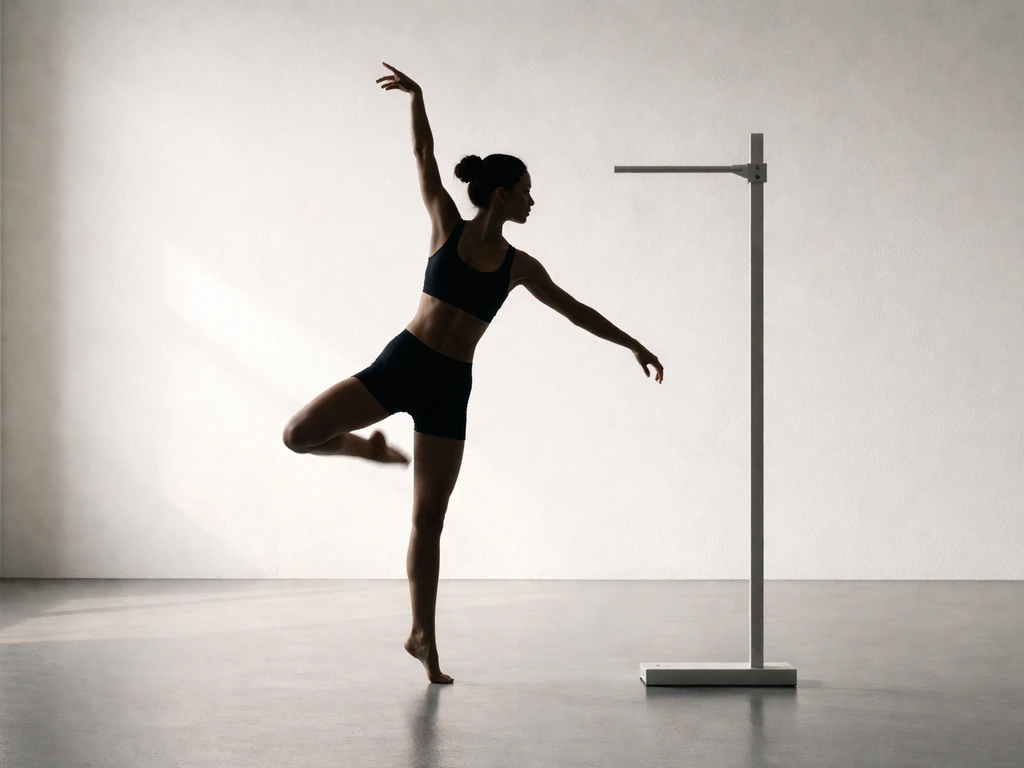
Gymnastics won't make your bones grow longer on its own, but that's not the whole story. Soccer can also support healthy growth by encouraging regular activity, but whether it helps someone grow taller depends on age, growth plate status, nutrition, sleep, and overall training maximize height potential. For kids and teens who still have open growth plates, gymnastics supports the conditions that allow maximum height potential to be reached: it stimulates growth hormone release, builds the postural muscles that let you stand fully upright, and pairs well with the sleep and nutrition habits that matter most during development. For adults whose growth plates have already fused, gymnastics won't add bone length, but it can genuinely add visible height by correcting the spinal compression and postural slouch that quietly steal centimeters over time.
Does Gymnastics Help You Grow Taller? Evidence-Based Guide

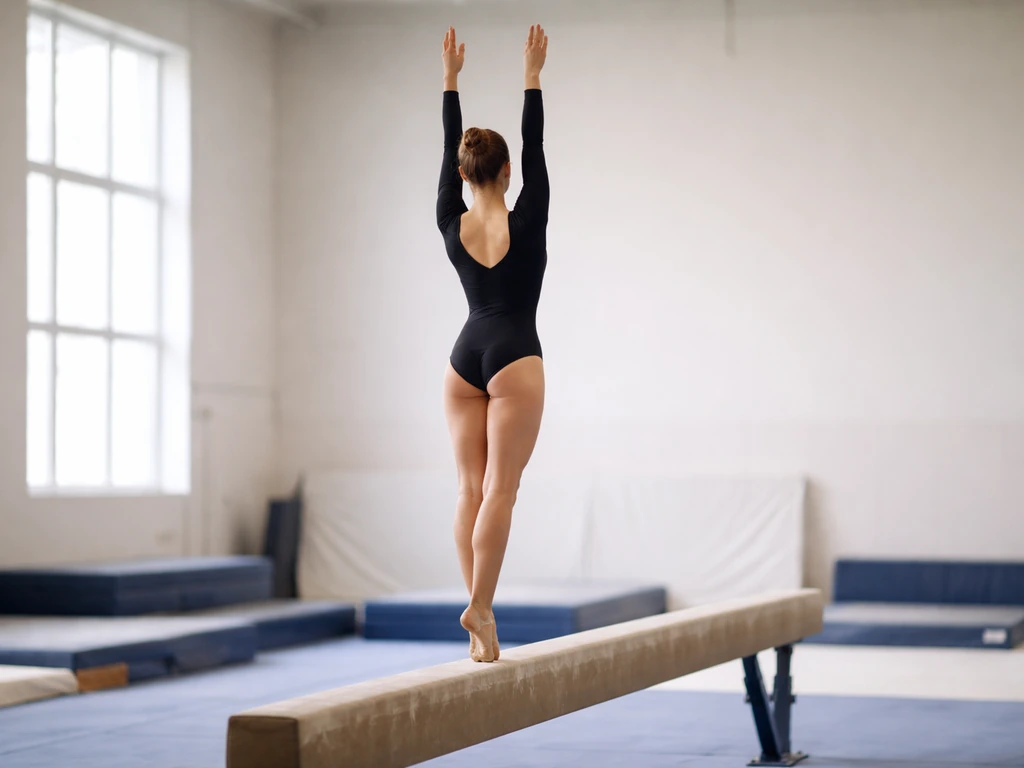
How height really grows (and when it stops)
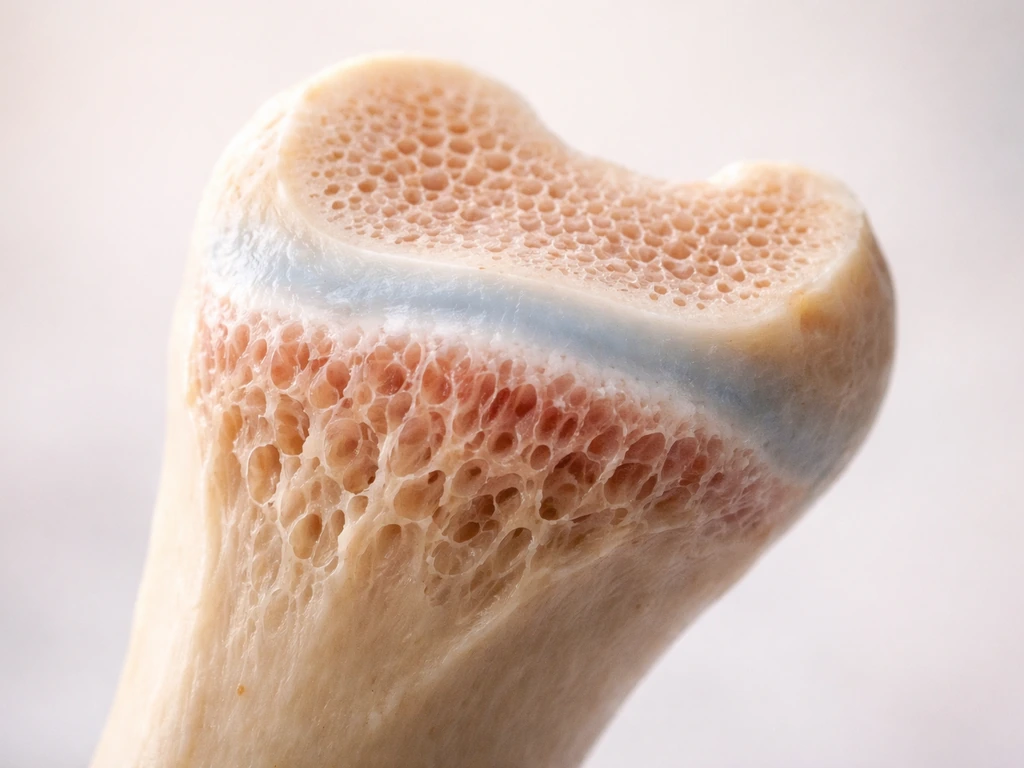
Your height is determined almost entirely by what happens at your growth plates, the thin cartilaginous zones sitting near the ends of your long bones (femur, tibia, humerus, and others). These plates are called epiphyseal plates, and they're where new bone tissue is manufactured during childhood and adolescence. The whole process is driven by a hormonal chain: the pituitary gland releases growth hormone (GH), which then triggers the liver and local tissues to produce insulin-like growth factor 1 (IGF-1), and IGF-1 is what actually signals the growth plate cells to divide and produce new bone. When that system is running well, you grow taller. When it slows down and eventually stops, your height is locked in.
The timing of when that stopping point arrives is heavily influenced by puberty. As puberty progresses, rising sex hormones (estrogen in girls, testosterone in boys) gradually cause the growth plates to thin out and lose their cellular activity, a process called epiphyseal senescence. Eventually, the cartilage is replaced entirely by bone in a process called fusion or closure, and from that point forward, no activity, supplement, or stretch can make those bones any longer. Research on epiphyseal fusion timing shows that girls typically reach complete fusion somewhere between 14 and 16 years old, while boys tend to fuse somewhere between 15 and 18, though there's meaningful individual variation and different bones in the body close at different times. Physiologic epiphysiodesis, a functional reduction in growth-plate activity preceding fusion, can occur roughly between ages 12, 14 in girls and 15, 18 in boys Physiologic epiphysiodesis can occur roughly between ages 12–14 in girls and 15–18 in boys.
Genetics sit above all of this. Twin studies have put the heritability of adult height and puberty timing at roughly 0.91 to 0.97, meaning the vast majority of how tall you'll be and when your plates will close is written in your DNA before you're born. That's not fatalism, it just means exercise and lifestyle work within a genetic range rather than overriding it.
What gymnastics can and can't change: true height vs posture
This is where a lot of the confusion comes from, so it's worth being precise. True height means the actual length of your bones. Apparent height, or how tall you look and measure on a standard scale, includes your bone length plus how well your spine and posture are stacked. Gymnastics can meaningfully influence the second without changing the first.
Gymnastics training builds exceptional core strength, spinal extensor strength, hip flexor flexibility, and shoulder mobility. All of these directly affect how upright you stand. Most people carry some degree of anterior pelvic tilt, rounded shoulders, or thoracic kyphosis (the forward rounding of the upper back), and each of those adds up to measurable height loss on a stadiometer. Correcting them doesn't change your bone length, but it can absolutely change your measured height. It's not a trick: you're just finally expressing the height that was always there.
What gymnastics cannot do is force bone elongation in anyone whose growth plates are already closed. Sauna use is sometimes discussed as a potential lifestyle add-on, but it does not reopen closed growth plates or reliably increase true height the way growth plate biology does. No amount of hanging, stretching, or impact work changes the biology of fused bone. Claims that gymnastics 'stretches the spine' into permanent length gains are not supported by evidence. The spine does decompress slightly after lying down or after traction, which is why most people measure slightly taller in the morning than at night, but this is temporary fluid redistribution, not structural growth.
Exercise and growth: what the evidence actually says
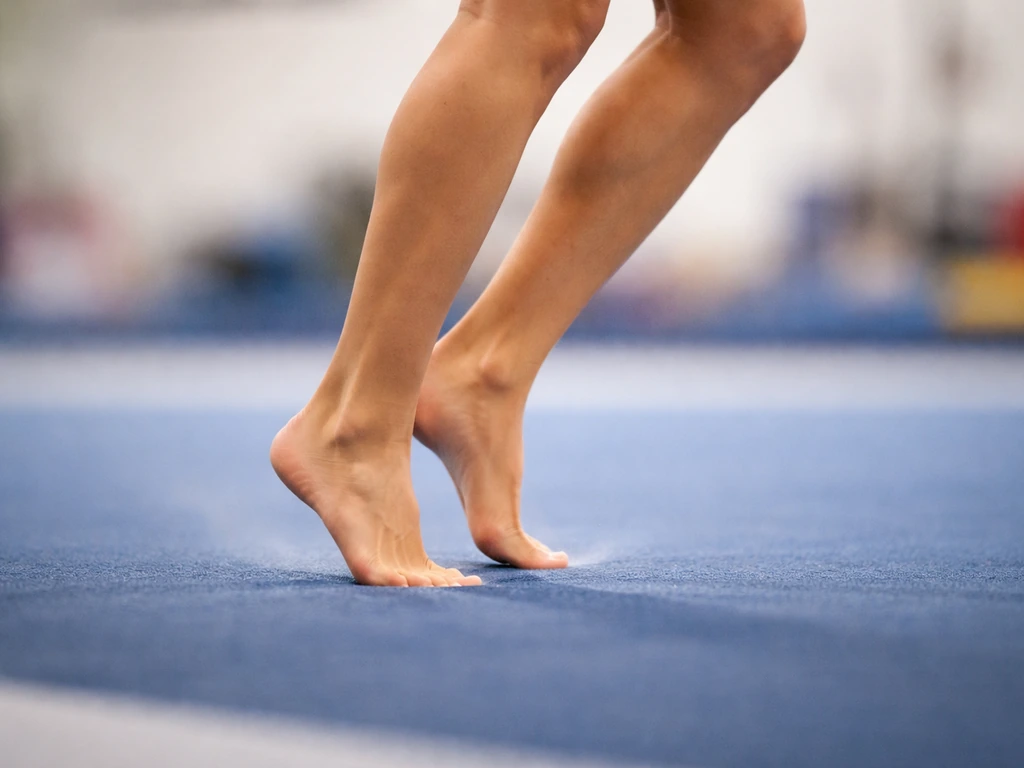
The relationship between exercise and height is more nuanced than either 'exercise makes you taller' or 'exercise has no effect.' Here's what the evidence supports. Physical activity, especially exercise with impact loading and high intensity, does stimulate growth hormone secretion. GH peaks during sleep and in response to vigorous exercise, and since GH is one of the main drivers of growth plate activity, staying active during childhood and adolescence is genuinely beneficial for reaching genetic height potential. If you're wondering what sports help you grow taller, gymnastics is one of the best-supported options for kids and teens because it supports growth-plate activity through exercise, sleep, and nutrition. Gymnastics, with its combination of jumping, tumbling, and load-bearing skills, qualifies as that kind of stimulus.
There is also a bone loading principle: mechanical stress on bones (from weight-bearing exercise) promotes bone density and healthy remodeling. This doesn't elongate bones, but it does support the structural health of the skeleton that's developing. Activities involving vertical impact, like jumping in gymnastics routines, are particularly effective bone stimulants compared to purely static or low-load activities. If you are wondering whether jump rope can help grow taller, it is useful mainly as a way to provide bone-loading exercise, not as a method that lengthens fused bones jumping in gymnastics routines.
One caveat worth naming: some research has historically raised questions about whether very high-volume, high-intensity gymnastics training at young ages could delay puberty or temporarily suppress growth due to caloric deficit and physical stress. This concern is most relevant to elite competitive gymnastics with extremely heavy training loads and inadequate nutrition, not recreational or school-level gymnastics. At moderate training volumes with good nutritional support, gymnastics is not a height risk.
For comparison, other activities in this category like basketball, jump rope training, and soccer also use vertical impact and show similar growth-supportive effects through the same GH-stimulation and bone-loading mechanisms. The specific sport matters less than consistent activity, adequate intensity, and good recovery. Basketball can fit into the same height-supportive category for kids and teens because it includes impact and can support growth hormone secretion during development other activities in this category like basketball.
Age-based answers: kids and teens vs adults
The most important variable in this whole conversation is where you (or your child) are in the growth plate timeline, because the answer genuinely changes depending on that.
Prepubertal children (roughly under 10 in girls, under 11 in boys)
Growth plates are wide open and very active. This is an excellent time to build the habits (regular physical activity, good sleep, solid nutrition) that support maximum growth through puberty. Gymnastics at this stage is great for developing body awareness, flexibility, and strength. The GH response to exercise at this age is real and beneficial. No special height-focused protocol is needed; consistent activity and good health habits are the strategy.
Adolescents during the pubertal growth spurt
This is the window that matters most. Peak height velocity (the fastest rate of growth during adolescence) is the period where the most height is added in the shortest time. Population data show that peak height velocity differs by sex and that the timing of the adolescent growth spurt strongly influences adult height by affecting how much growth occurs around peak height velocity Peak height velocity differs by sex and characterizes the timing of the adolescent growth spurt. Girls typically hit peak height velocity around age 11 to 12, boys around age 13 to 14, though there's wide normal variation. During and just before this window, the GH-IGF-1 axis is already running at high output, and supporting it with exercise, sleep, and nutrition is the most impactful thing you can do. Gymnastics during this stage is beneficial when training loads are appropriate and caloric intake matches energy expenditure. The risk of insufficient eating during a heavy training period is real and should be taken seriously.
Late teens and young adults (after plate fusion)
Once growth plates have fused, bone length is fixed. For most girls this is done by 16 to 18, for most boys by 18 to 21. Gymnastics after this point can still add apparent height through posture improvements, increase bone density, build functional strength, and keep the spine decompressed and flexible. Gymnastics after this point can still add apparent height through posture improvements, increase bone density, build functional strength, and keep the spine decompressed and flexible, so if you're wondering does dancing help you grow taller, this is the kind of real-world difference you can expect after plate fusion. These are all genuinely worthwhile outcomes; they're just different from the bone-lengthening question.
Adults
For adults, the posture and spinal health benefits of gymnastics-style training (core work, flexibility, back extension strength) are the primary height-related benefit. Adults also gradually lose disc height in the spine with age and often develop worsening posture, both of which reduce measured height over decades. Regular flexibility and strength work slows that process meaningfully.
Nutrition, sleep, and recovery support for height potential
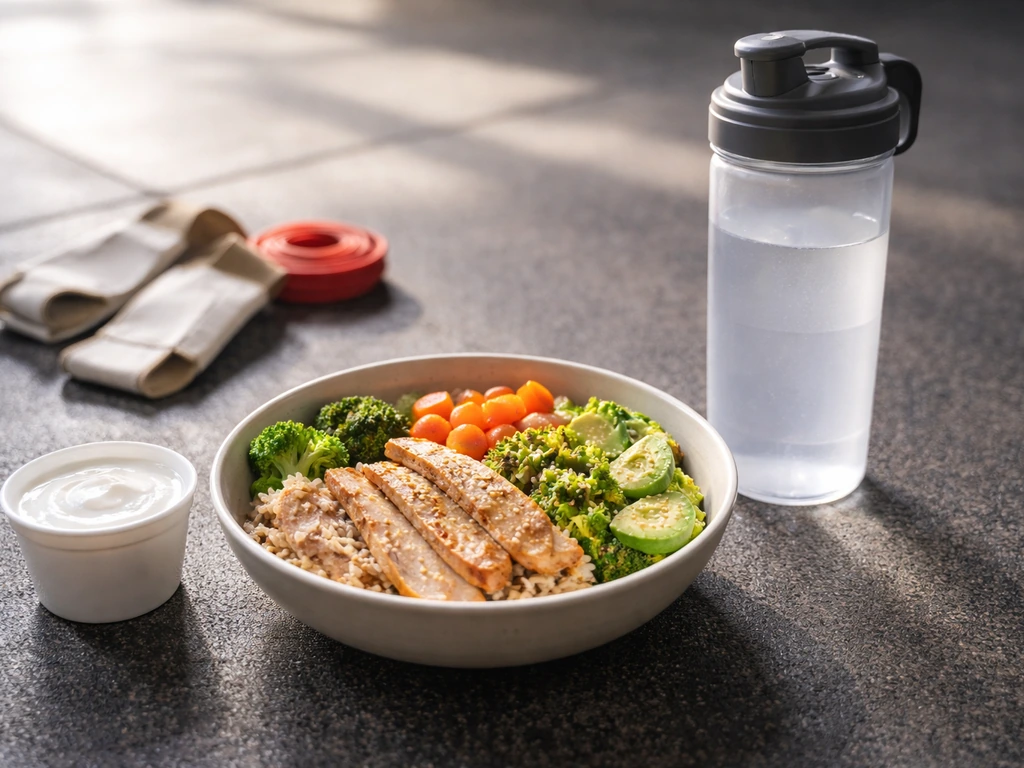
Exercise is only one piece of the environment that either supports or limits growth. The other two big ones are nutrition and sleep, and for growing kids and teens in gymnastics, these are non-negotiable.
Nutrition
Caloric adequacy is the foundation. Growth requires significant energy, and adding gymnastics training on top of normal development increases that requirement further. Chronically undereating suppresses GH signaling and can delay or blunt the growth spurt. Beyond calories, specific nutrients matter. Protein provides the amino acids needed for IGF-1 production and bone matrix formation; most children and teens need roughly 1.0 to 1.5 grams per kilogram of body weight per day, more if training volume is high. Calcium supports bone mineralization (1,000 to 1,300 mg daily for ages 9 to 18 is the standard recommendation). Vitamin D is required for calcium absorption and has its own direct role in growth plate function; deficiency is genuinely common and worth checking. Iron matters especially for adolescent girls, as iron deficiency anaemia impairs energy, recovery, and overall development.
Sleep
Growth hormone secretion peaks during the first few hours of deep sleep. This is not a metaphor; it's a measurable physiological pattern. Children ages 6 to 12 need 9 to 12 hours of sleep per night, and teens need 8 to 10 hours. Consistently short sleep doesn't just leave you tired; it directly reduces the daily GH output that drives growth plate activity. For a gymnast in training, sleep is also the primary window for muscle repair and skill consolidation, making it triply important.
Recovery
Rest days matter. Overtraining without adequate recovery can elevate cortisol chronically, which works in opposition to GH and can suppress growth signals. Building at least one to two full rest days per week into any gymnastics training schedule is good practice for both performance and long-term development.
Practical gymnastics guidance for safe training
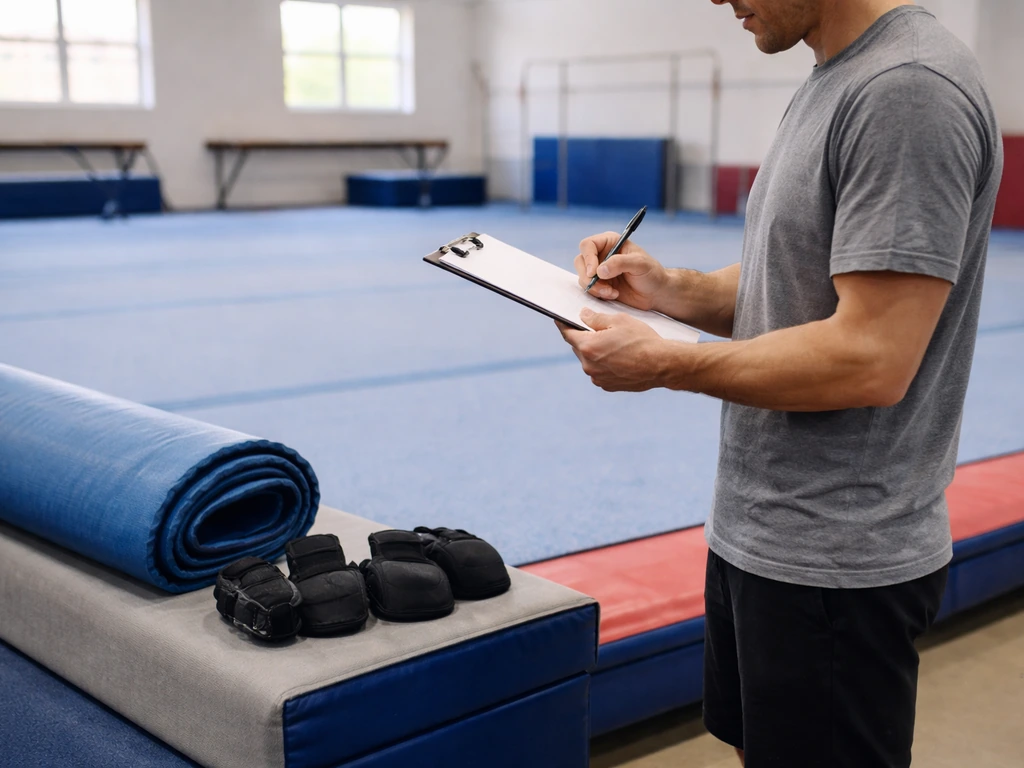
If you're a parent of a young gymnast, or a teen training yourself, here's what actually matters for maximizing safe height potential while minimizing injury risk.
- Match training volume to developmental stage. Younger children (under 10) should prioritize fundamentals and fun over high-volume repetition. Heavy skill repetition under fatigue increases injury risk and offers diminishing returns at this age.
- Protect the growth plates during high-risk movements. Impact landings, excessive back-bending (hyperextension), and wrist-loading skills place stress on open growth plates. Coaching attention to technique, landing mechanics, and surface quality reduces this risk significantly.
- Eat enough. This is the most commonly underestimated factor in youth gymnastics. If a child is training 10+ hours per week, caloric needs are substantially higher than a non-training peer. Work with a sports dietitian if there's any concern about adequacy.
- Prioritize sleep over extra training sessions. A well-rested gymnast who sleeps 9 to 10 hours will develop better and grow taller than a chronically tired one who trains an extra session each week.
- Do not restrict weight for aesthetics during growth years. This is a serious red flag in gymnastics culture and directly harms both health and height potential. Any coach encouraging food restriction in a growing child should be challenged.
- Include flexibility and posture work that has carry-over to upright stance, not just extreme positions. Bridges, chest openers, thoracic extensions, and hip flexor stretches all support the postural alignment that translates to appearing and measuring taller.
- Cross-train appropriately. Jumping activities (similar to what you'd see in jump rope training or court sports) add bone-loading variety without excessive repetitive stress on any single structure.
Myths worth putting to rest
A few specific claims circulate online that deserve a direct response. First: gymnastics does not 'stunt' growth in recreational athletes. The concern about stunted growth is specific to elite-level athletes in severe caloric deficit, not kids doing 3 to 6 hours of gymnastics per week. Second: stretching does not lengthen bones. Flexibility work affects muscle length and joint range of motion, not bone structure. Third: hanging from bars does not decompress the spine enough to add permanent height. Spinal decompression from hanging is real but temporary (measured in millimeters and reversing within minutes of standing). Fourth: gymnastics does not 'compress' growing bones to make you shorter, assuming training loads and nutrition are appropriate. Finally, activities like pilates and yoga offer similar posture and flexibility benefits to gymnastics for the appearance-of-height question, without the impact component, making them useful complements for adults.
How to track progress and when to see a doctor
Tracking height accurately matters more than people realize. Always measure at the same time of day (morning is most consistent, as you're tallest after a night of spinal decompression during sleep). Stand against a flat wall with heels, buttocks, shoulders, and the back of the head all touching the surface. Use a flat object (a hardcover book works well) to mark the wall horizontally, then measure from the floor. Repeat this monthly rather than weekly; short-term fluctuations are normal and weekly measurements create unnecessary anxiety.
For children and teens, plot measurements on a standard growth chart (available from your pediatrician or health authority websites). What you're looking for is a consistent upward trajectory that tracks roughly along the same growth percentile curve over time. A child who drops significantly across percentile lines over 6 to 12 months, or who stops growing entirely before the expected age of plate closure, deserves a pediatric evaluation. This can sometimes indicate a nutritional gap, hormonal issue, or other treatable condition.
See a doctor if: a child has shown no height increase over any 12-month period before age 14 (girls) or 16 (boys), if there are signs of very early puberty (before age 8 in girls, before age 9 in boys) which can cause premature plate closure and reduced final height, if an adolescent athlete is showing signs of the female athlete triad (low energy availability, menstrual disruption, low bone density), or if there's any pain in growth plate regions (around the knee, ankle, wrist, or hip) that doesn't resolve with standard rest.
Your next steps based on where you are right now
| Your situation | What gymnastics can do | Priority action |
|---|---|---|
| Child, still growing (open plates) | Support GH release, build bone density, develop posture | Eat enough, sleep 9-10 hrs, enjoy training at appropriate volume |
| Teen in active growth spurt | Maximize GH stimulus, posture habits now pay off long-term | Track nutrition carefully, avoid caloric deficit, protect growth plate areas from overuse |
| Teen, growth slowing (late puberty) | Posture gains still matter, bone density window closing | Focus on strength, posture, ensure calcium/Vitamin D are adequate |
| Adult (plates fused) | Correct posture to recover apparent height, maintain spinal health | Core and back extension work, regular flexibility training, measure accurately in the morning |
| Any age, concerned about growth | N/A as primary tool | See a pediatrician or GP; measure consistently; review sleep and nutrition first |
The bottom line is that gymnastics is a genuinely good choice for any growing child or teen who wants to support their height potential, as long as it's paired with enough food, enough sleep, and sensible training loads. It won't override genetics or force bones to grow beyond their programmed limit, but it creates the physiological environment where that potential gets fully expressed rather than partially squandered. For adults, the posture and spinal health benefits are real and worth pursuing even if the bone-length question is already settled. If you're wondering whether tennis can help you grow taller, the key factors are the same: growth plates, puberty timing, and overall health habits like nutrition and sleep posture and spinal health benefits.
FAQ
If I do gymnastics, will I be permanently taller after stretching or hanging?
Yes, but it has to come from better body alignment, not bone lengthening. If you measure after waking up, then later in the day, you may see a height change due to normal spinal disc hydration and fluid shifts. Gymnastics can improve long-term posture control, so the “stadiometer gap” may shrink over time, but it will not reopen fused growth plates.
How much gymnastics is enough to support height, and how do I avoid overtraining?
For height potential, the sweet spot is consistent training that does not cause chronic under-fueling. A practical sign you are in a safe zone is that your child maintains growth velocity on the growth chart, has energy for school and training, and shows normal recovery. If weight keeps dropping or fatigue and injuries rise, training load or nutrition likely needs adjustment.
Does the type of gymnastics training (beginner class, competitive, rhythmic) change the height effect?
Different gymnastics backgrounds affect posture, but the height-related outcome depends on what your training improves. Athletes who spend more time on spinal extensor strength, core stability, and hip mobility often show more measurable “apparent height” from standing straighter. If training is mostly tumbling with little focus on strength and alignment, posture gains may be smaller.
My teen gymnast’s periods are irregular, can gymnastics still help her grow taller?
Yes, menstrual disruption and energy deficiency can matter even if the child is not a competitive elite gymnast. In that situation, gymnastics can still strengthen the body, but growth potential may be blunted because the GH-IGF-1 signaling axis is sensitive to energy availability. If a teen’s periods become irregular or stop, the priority is medical evaluation and nutrition plan changes, not more training or “height exercises.”
What’s the most accurate way to track whether gymnastics is helping my height?
To maximize reliable results, measure at the same time each month, morning is best, and use the same wall setup. Also track posture variability separately: if shoulders round more on one day, that can reduce measured height independent of growth. If you notice a decline over multiple months or a drop across percentiles, switch from self-tracking to pediatric assessment.
Why does my height measurement change from morning to night, and does gymnastics affect that?
Morning height is usually higher, so don’t compare “night measurements” to “morning measurements.” A more helpful approach is to take consistent monthly morning measures and look for trend, not day-to-day fluctuations. If you see weekly changes, it often reflects fluid and posture, not true skeletal growth.
What if my child starts puberty early, does gymnastics still help?
If puberty starts very early, growth plates may close sooner, reducing final height even with good exercise habits. Gymnastics can still be beneficial for strength and bone health, but it cannot prevent early maturation. If a child shows puberty signs before typical ages, ask a pediatrician about growth timing evaluation rather than assuming “more activity” will fix it.
Can adults use gymnastics to gain real height after growth plates are closed?
Regular vertical-impact activity helps support healthy bone remodeling, but the goal for adults should be posture and skeletal health, not adding centimeters. After growth plate fusion, any height change you notice is most likely from improved alignment, stronger back extensor endurance, and less chronic slouch, not from elongating bones.
What food or weight changes are red flags for a growing gymnast’s height potential?
You should be cautious with extreme dieting or “cutting” even if the training is moderate. Chronic caloric deficit can reduce GH output and compromise growth-related physiology, particularly during peak height velocity. If appetite is low, training volume is high, or weight is dropping, focus on restoring energy balance before making training more intense.
If gymnastics is hard to schedule, can yoga or pilates substitute for the height-support benefits?
Pilates and yoga can improve posture, flexibility, and muscular balance, which may increase apparent height, but they lack the same vertical-impact loading that helps stimulate bone remodeling during growth. For kids and teens, they are best as complements to gymnastics that still include impact and sport-specific movement.
Does Dancing Help You Grow Taller? What Science Says
See if dancing truly increases height or just improves posture, mobility, and balance based on growth-plate science.