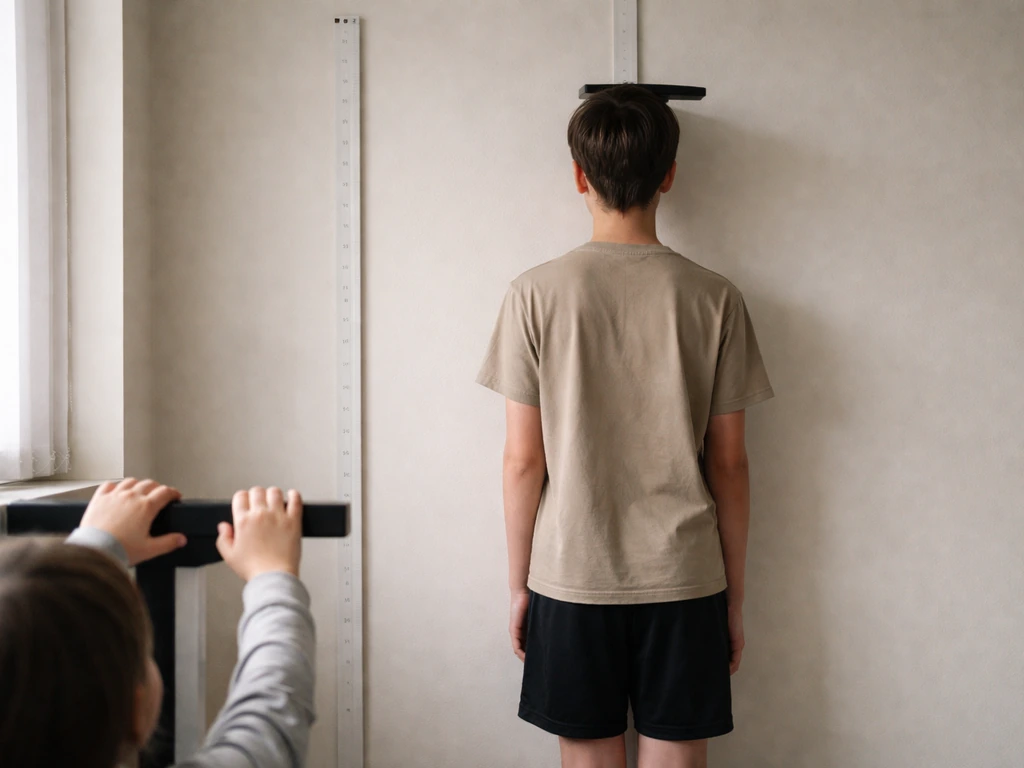
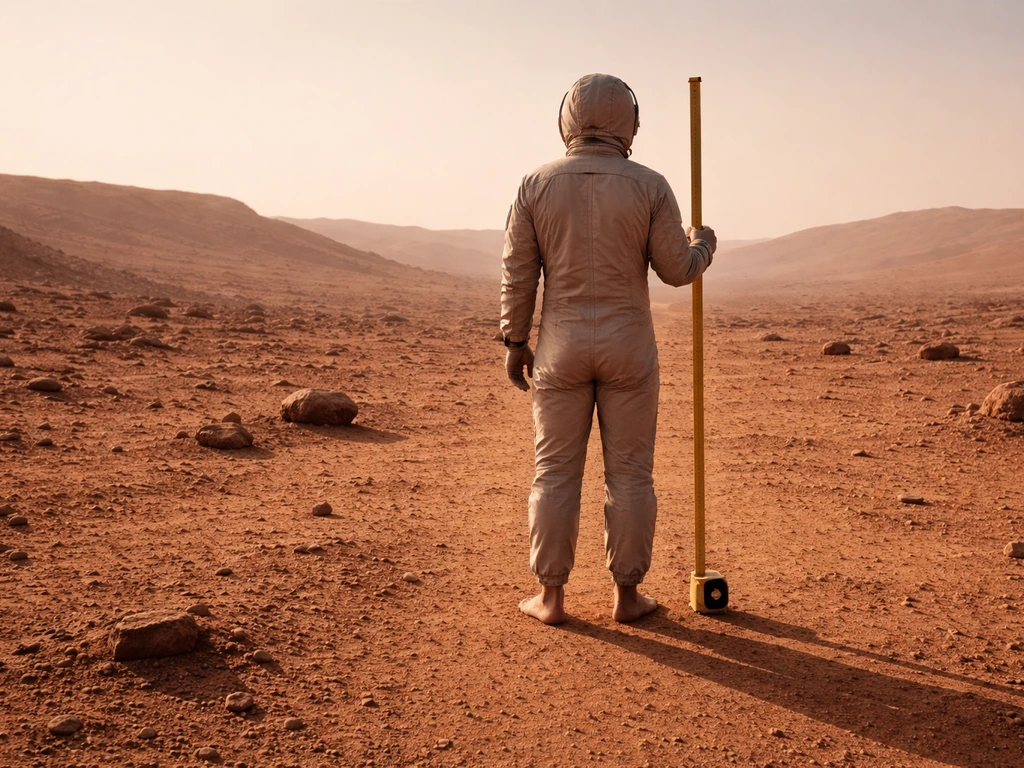
Humans living on Mars would not automatically grow taller in any meaningful biological sense. Children and teenagers who are still growing might experience slightly altered growth trajectories due to Mars's reduced gravity (about 0.38g), but the evidence suggests those changes would be more likely to impair healthy growth than boost it. Adults, whose growth plates have already fused, would not gain true height on Mars at all. They might see a small temporary increase in stature from spinal decompression, similar to what astronauts experience in microgravity, but that is a postural and mechanical change, not real growth. The full picture is more complicated and more interesting than the popular idea that "low gravity makes you taller."
Would Humans Grow Taller on Mars? Science and Real Expectations

Marcus Reeves
12 Jun 2026
What actually controls how tall you grow
Before mapping any of this onto Mars, it helps to understand what drives human height in the first place. Genetics accounts for roughly 80% of the variation in height between people, according to large-scale genetic studies. That leaves around 20% for environmental factors like nutrition, sleep, illness, and mechanical loading. So even in the most optimized environment imaginable, the ceiling of what environment can do is limited. Younger siblings can grow taller than older ones mainly because of differences in early-life nutrition, health, and growth timing.
The biological engine of growth is the epiphyseal (growth) plate, a layer of cartilage near the ends of long bones that produces new bone tissue and drives the lengthening of limbs and the spine. This process is tightly regulated by the growth hormone and IGF-1 axis. The pituitary gland releases growth hormone (GH), which then signals the liver and growth plates themselves to produce IGF-1, and IGF-1 is what directly stimulates the growth plate cells to divide and lay down new bone. Children with GH deficiency or IGF-1 pathway disruptions show dramatically reduced linear growth, which is direct evidence that this hormonal axis is causally essential, not just correlational.
Other hormones matter too. Thyroid hormone is critical for normal growth plate function, and delayed treatment of acquired hypothyroidism in children can cause permanent height loss. Estrogen, counterintuitively, accelerates growth plate senescence during puberty, which is part of why the growth spurt ends. Once the growth plates fuse completely, usually in the late teens or early twenties, no further increase in bone length is possible regardless of environment. That is the hard biological stop.
Mars vs. Earth: what the environment actually changes
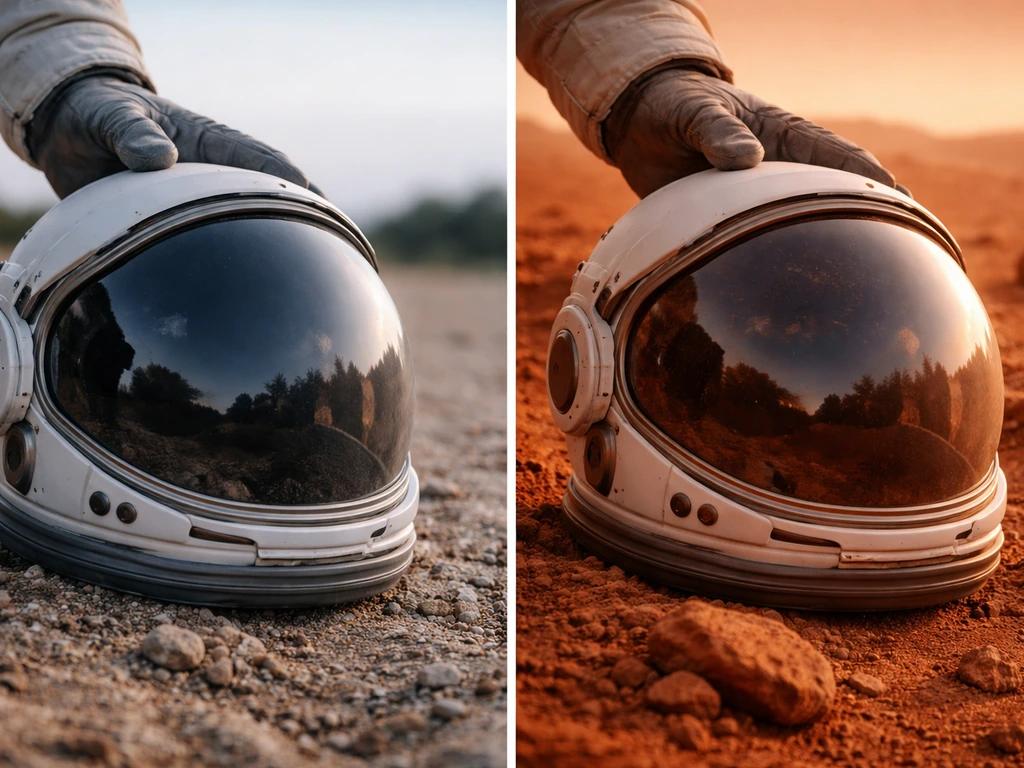
Mars is not just "low gravity." It is a package of stressors that would affect the human body simultaneously. Understanding each one is important before drawing conclusions about height.
| Factor | Earth | Mars |
|---|---|---|
| Gravity | 1g (9.8 m/s²) | ~0.38g (3.7 m/s²) |
| Radiation exposure | Protected by magnetosphere | High GCR and solar particle events; no magnetosphere |
| Atmospheric pressure | 101 kPa | ~0.6 kPa (requires pressurized habitat) |
| Day length (circadian) | 24 hours | ~24.6 hours (minimal difference) |
| Food/nutrition supply | Abundant and varied | Constrained, likely processed/grown in habitat |
| Psychological stress | Variable | Isolation, confinement, existential risk |
Gravity is the obvious factor people focus on. At 0.38g, the mechanical load on bones and muscles is substantially lower than on Earth. This reduced loading is a double-edged situation for growth. On one hand, less compression on the spine means intervertebral discs can expand slightly, which temporarily increases stature. On the other hand, mechanical loading is actually necessary for healthy bone formation. Research on simulated partial gravity using devices like Random Positioning Machines shows dose-dependent impairment in osteoblast (bone-forming cell) function as gravity decreases. Martian gravity (~0.38g) does not fully protect against bone loss the way full Earth gravity does, even though it is better than complete microgravity.
Radiation is a serious and often underappreciated factor. Mars lacks a global magnetic field, exposing inhabitants to galactic cosmic rays and solar particle events at levels far higher than on Earth. Research has linked space radiation to increased bone loss and osteoporosis risk, partly through oxidative stress pathways that damage bone-forming cells. This is not a minor footnote. Radiation-induced oxidative stress can also dysregulate immune and inflammatory signaling, including IL-6 pathways that intersect with IGF-1 and musculoskeletal homeostasis, potentially interfering with the same hormonal machinery that drives growth.
Nutrition on Mars would be constrained by what can be grown in a habitat or shipped from Earth, with long resupply gaps. Adequate calcium and vitamin D are both independently required for bone health, and deficiencies in either directly impair bone mineralization. Caloric and protein sufficiency matter too, since IGF-1 production is sensitive to nutritional status. A child in a calorie-restricted or protein-restricted environment will grow less, and this is one of the clearest environmental levers on height that we know of.
Psychological stress, circadian disruption, and the general physiological burden of living in a hostile environment round out the picture. Chronic stress elevates cortisol, which suppresses GH secretion and can inhibit growth plate activity. Even the slightly longer Martian day (about 24.6 hours) is close enough to Earth's that circadian disruption would be manageable, but other stressors from isolation and confinement are real concerns for endocrine health.
Could kids and teenagers grow taller on Mars?
This is the only scenario where the question of "growing taller" is biologically meaningful. Growth plates are still open, bones are still lengthening, and the environment has the potential to genuinely influence final adult height. But the net effect of Mars conditions on a growing child is almost certainly not positive compared to growing up on Earth.
The popular intuition is that less gravity means bones can grow longer without being compressed. There is something to this in the sense that reduced axial loading might allow the spine to sit in a more elongated resting state, and animal research in microgravity has shown that intermittent mechanical loading influences bone growth and mineralization outcomes. But the full picture for a child on Mars is far more concerning. Bone formation requires mechanical stimulus.
Without adequate loading, the bone-forming signals that normally drive robust skeletal development are weakened. Research in osteoblast cultures under simulated Martian gravity shows impaired bone-forming function. Growing children on Mars could end up with structurally weaker, less mineralized bones even if they appear to reach a normal or slightly elevated stature.
Add radiation exposure disrupting endocrine and immune function, potential nutritional gaps in calcium and vitamin D, caloric constraints, and chronic stress suppressing GH secretion, and the realistic scenario is that a child growing up on Mars without extraordinary medical and nutritional intervention would likely be at risk of impaired growth, not enhanced growth. The WHO defines stunting as height-for-age more than 2 standard deviations below the median, and the conditions on Mars tick many of the boxes that cause stunting on Earth: nutritional stress, chronic illness burden, and disrupted endocrine signaling.
There is a theoretical argument that reduced gravitational compression on growth plates could allow slightly more longitudinal bone growth in the limbs over time, but we have no direct human evidence for this at 0.38g, and the research on partial gravity is heterogeneous enough that drawing firm conclusions is not justified. It is an open question in space medicine, not a settled one.
Would adults get taller on Mars? Posture vs. real height
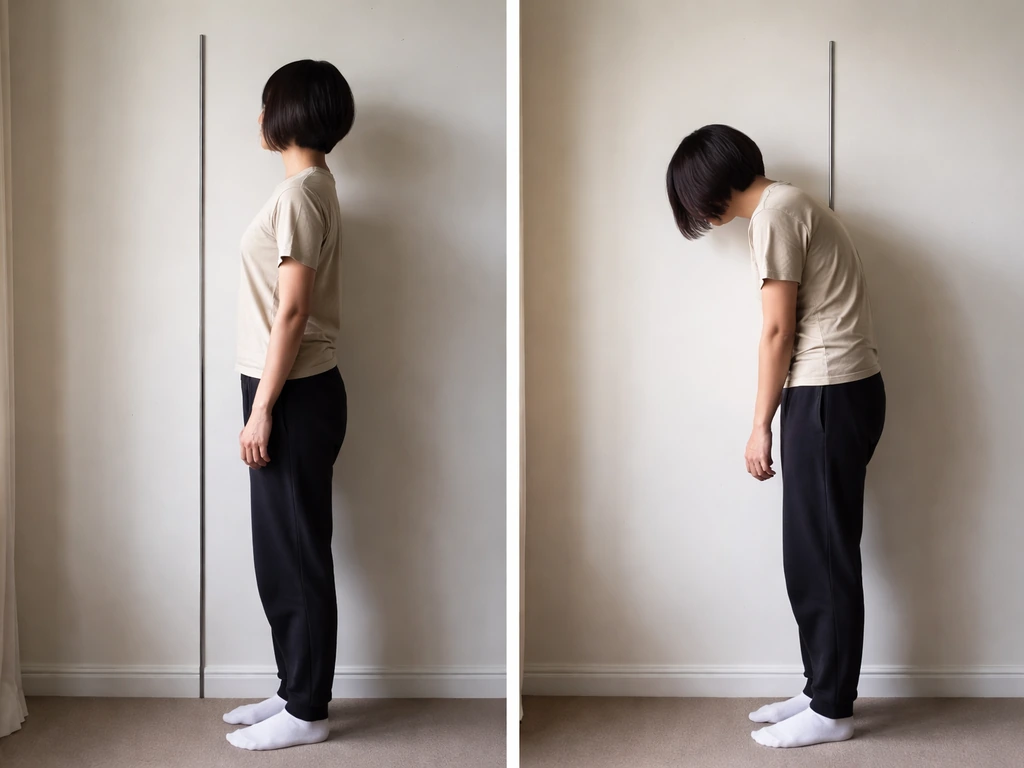
Adults whose growth plates have fused cannot grow taller in any true biological sense, on Mars or anywhere else. In general, can men grow taller depends mainly on whether their growth plates are still open and on key factors like nutrition, sleep, and hormonal health. This is why the answer to can adults grow taller on Mars is fundamentally limited by whether growth plates are still open. What can change is stature, which is a slightly different thing.
In microgravity (0g), NASA's Human Integration Design Handbook documents that stature increases by approximately 3% due to spinal elongation from gravitational unloading. Most of this comes from intervertebral discs rehydrating and expanding when they are no longer compressed by body weight, and it plateaus within the first few days. On Mars at 0.38g, the effect would be smaller than in full microgravity but potentially still measurable. Studies on ISS astronauts after six-month missions confirm lumbar intervertebral disc height increases and paraspinal muscle changes consistent with reduced loading. So an adult on Mars might stand a centimeter or so taller than they would on Earth, particularly early in their stay.
This is not growth. The discs do not add new tissue. When a person returns to Earth-level gravity, the compression returns and stature reverts. It is the same reason you are slightly taller in the morning after a night of lying down than you are at the end of a day of standing. The mechanism is fluid and mechanical, not cellular. Anyone asking whether adults could "grow taller" on Mars is essentially asking about this temporary postural effect, and the answer is: maybe a modest amount, temporarily, but it is not height in the sense that actually matters.
This is worth comparing to what happens to astronauts in zero gravity, since the Mars question is closely related. Astronauts experience a similar temporary stature increase in microgravity due to spinal elongation, which helps explain why the related question of do astronauts grow taller in space comes up so often. Astronauts in orbit reliably experience spinal elongation and return to Earth close to their original height after readaptation. Mars, with its partial gravity, would produce a smaller version of the same effect.
The real constraints: what would actually limit (or protect) growth on Mars
Bone health and mechanical loading

Reduced gravity on Mars means bones are not being loaded the way they are on Earth during everyday activity. Bone responds to stress by remodeling and becoming stronger and denser. NASA’s bone and mineral evaluation and analysis materials describe clinical and research monitoring of skeletal health, including DXA scanning and reporting, as part of bone-loss surveillance [becoming stronger and denser](https://www. nasa.
gov/directorates/esdmd/hhp/bone-and-mineral-evaluation-and-analysis/). Without adequate mechanical loading, bone turnover shifts toward resorption. Research on bed rest as a ground-based analog confirms that artificial gravity (mechanical loading) can alter bone turnover markers, showing that this problem is modifiable but requires active intervention. On ISS with the Advanced Resistive Exercise Device (ARED) and a structured exercise countermeasure program, most astronauts returned with less than 10% femoral neck bone mineral density deficit after six-month missions.
That is a meaningful result, but it also means countermeasures reduce rather than eliminate bone loss.
Nutrition: calcium, vitamin D, protein, and calories
Adequate calcium intake and vitamin D status are both essential for bone mineralization, and they are not interchangeable. Deficiency in one cannot be fully compensated by sufficiency in the other. On Mars, vitamin D synthesis from sunlight would be essentially zero given that colonists would live inside pressurized habitats, making supplementation non-negotiable. Protein and total caloric adequacy matter for IGF-1 production, and a malnourished child will not grow to their genetic height potential regardless of the gravity level.
Radiation and oxidative stress
Space radiation is an ongoing stressor that directly damages bone-forming cells and generates reactive oxygen species that impair skeletal and vascular health. For a growing child, radiation-induced damage to growth plate cells is a genuine concern, not a theoretical one. Radiation shielding in habitats would be critical, but it cannot be complete given current technology, and extravehicular activity would add cumulative dose. This is one of the hardest problems to mitigate.
Hormonal and immune disruption
The spaceflight environment as a whole (microgravity, radiation, stress, disrupted sleep) dysregulates immune function and increases basal inflammatory signaling. Elevated IL-6, for example, intersects with IGF-1 pathways and can impair musculoskeletal homeostasis. Chronic cortisol elevation from psychological stress suppresses GH secretion. For a growing child or teenager, consistent disruption of the GH/IGF-1 axis from any of these sources would reduce growth velocity and potentially lower final adult height.
What would have to be optimized for healthy growth on Mars

If you were designing a Mars habitat specifically to give growing children the best possible chance of reaching their genetic height potential, here is what the science says you would need to prioritize:
- Mechanical loading protocols: daily resistance exercise and loading regimens designed to simulate as much skeletal stress as possible, compensating for the reduced gravity. The ISS ARED approach is the best current model, adapted for children and adolescents.
- Nutritional sufficiency: guaranteed adequate calcium (at least 1,000-1,300 mg/day for growing children), vitamin D supplementation (since solar synthesis is not available), adequate protein, and sufficient total calories to support growth-rate-appropriate IGF-1 production.
- Radiation shielding and dosimetry: maximum feasible shielding in living and sleeping areas, monitoring cumulative radiation dose, and limiting surface exposure time, especially for children.
- Endocrine and growth monitoring: regular measurement of growth velocity, bone age (via X-ray), IGF-1 levels, thyroid function, and bone mineral density using DXA scanning. Early detection of any endocrine disruption allows intervention before permanent height loss occurs.
- Stress management and sleep stability: structured sleep schedules, psychological support, and circadian light management to protect GH secretion, which peaks during deep sleep and is sensitive to cortisol suppression.
- Inflammatory and immune surveillance: monitoring markers of chronic inflammation and immune dysregulation, since elevated IL-6 and oxidative stress interfere with the hormonal pathways that drive growth.
Even with all of this optimized, a child growing up on Mars would not have a height advantage over an identical twin growing up on Earth with equivalent nutrition and health. That means the real question is whether Mars conditions would allow children and teenagers to reach their genetic height potential. The most realistic best-case outcome is that they reach approximately their genetically determined height without significant impairment. That is the actual goal, and it would require substantial medical and nutritional infrastructure to achieve.
The bottom line on Mars and height
The idea that living on Mars would make humans taller is one of those intuitive but incorrect conclusions that feels right until you examine the mechanisms. Lower gravity does not straightforwardly mean more height. For adults, it means a small, temporary, reversible increase in stature from spinal decompression, not real growth. For children and teenagers, the net effect of Mars conditions would be a serious threat to healthy growth rather than an enhancement of it, unless every major risk factor was actively managed. Genetics sets the ceiling, the GH/IGF-1 axis is the engine, and nutrition and mechanical loading are the two biggest environmental levers. Mars undermines both of the latter in multiple ways at once.
If you are curious about how environment shapes height more broadly, the same principles that apply here apply to questions like whether adults can gain height at all, or how the body's growth potential changes across different life stages. For a broader, real-world comparison about why adult sex differences in height show up, see why do men grow taller than women.
K-pop idol height is also governed by the same biological levers, like genetics, nutrition, sleep, and hormonal signaling how do kpop idols grow taller. The mechanisms are the same: open growth plates respond to hormones, nutrition, and loading; closed growth plates do not respond to any of it. Mars just presents those mechanisms in an unusually extreme context that makes the underlying science easier to see clearly.
FAQ
If gravity on Mars is lower, why don’t adults permanently grow taller?
Not in any lasting sense. Reduced gravity can make an adult look slightly taller during the stay because spinal discs rehydrate and the body unloads, but once gravity and day-to-day loading return to normal, posture and disc height largely revert. That means “taller on Mars” is better thought of as a temporary stature change, not a new, permanent height.
Would a child or teen on Mars grow taller than they would on Earth?
For a growing child, Mars could still slightly change the growth pattern, but the direction is more likely to be harmful than helpful. The main reason is that bone lengthening and healthy growth require both sufficient nutrition and consistent mechanical loading, while Mars reduces loading and adds stresses (radiation, illness burden, and endocrine disruption) that can suppress growth velocity.
What would have to be true for a Mars child to reach their genetic height potential?
To “beat” Mars conditions, you would need extensive medical monitoring and interventions that are not naturally available in a settlement. That includes maintaining adequate calcium and vitamin D (with supplementation), meeting protein and calorie needs for IGF-1, providing radiation shielding and minimizing cumulative dose, and using a structured resistance and loading program designed to protect bone and support normal growth plate signaling.
Could people look taller on Mars while having worse bone health?
Yes, but it would show up as weaker bones rather than guaranteed increased height. Lower gravity decreases the mechanical stimulus that drives bone remodeling toward healthy formation, shifting turnover toward resorption. Even if stature rises a bit from spinal decompression, the underlying bone quality could still be compromised.
How would Mars conditions affect the GH-IGF-1 hormones that control height?
Growth hormone or IGF-1 pathway problems can severely limit height, and Mars stresses could worsen parts of this system through inflammation and cortisol elevation. Practically, the settlement would need endocrine screening (for thyroid status, growth patterns, and possible GH/IGF-1 suppression) because untreated issues can lead to permanent deficits even if gravity is partially reduced.
Could lower gravity delay puberty or keep growth plates open longer?
Probably not, because estrogen, puberty timing, and growth plate senescence are still biological processes that will continue regardless of where the person lives. The bigger Mars challenge is whether children can maintain normal growth velocity and avoid stunting drivers like nutrient shortages, chronic stress, and inflammatory disruption, rather than slowing puberty to create extra growth time.
If vitamin D comes mainly from supplements, how strict would calcium and vitamin D intake need to be?
It matters a lot more to keep both adequate than to trade one for the other. Calcium supports mineralization, and vitamin D is required to absorb and utilize calcium. If either is low, bone mineralization and growth outcomes can suffer, and one deficiency cannot reliably compensate for the other.
Would height on Mars vary during the day the way it does on Earth?
Yes, and it can be a common misconception. The “morning taller” effect happens when discs rehydrate after unloading, and it reverses with normal daily loading. Mars unloading would mimic the disc-unloading mechanism, so you might see modest stature differences across the day or early in the mission without new bone growth.
Why is radiation such a big concern for growth, not just for cancer risk?
Radiation is an ongoing variable that is harder to eliminate than any single diet factor. Because it can damage bone-forming cells and generate oxidative stress, it can intersect with pathways that support skeletal maintenance and growth plate function, particularly in children who are actively developing. Even with habitat shielding, doses during long stays and spacewalks can accumulate.
If astronauts use resistance exercise, why wouldn’t that fully protect Mars children from height or bone problems?
Supplementation and exercise can reduce some problems, but “exercise alone” would not fully solve the Mars environment. Bone protection requires consistent mechanical loading, adequate nutrition for building tissue, and minimizing endocrine disruption from stress and inflammation. A countermeasure program can improve outcomes, but it is usually partial, not a full restore of Earth-like conditions.
Next Article
Will Humans Continue to Grow Taller? Evidence and Guidance
Whether average height still rises, biological limits, and evidence based steps for kids, teens, and adults to maximize