
K-pop idols don't have a secret formula for getting taller. What they do have is excellent nutrition, consistent sleep, supervised athletic training during adolescence, smart styling, and the genetic luck to be selected into an industry that skews toward taller candidates in the first place. Some of what you see on screen is real height gained during normal puberty, supported by resources most teens don't have. A lot of it is camera angles, platform shoes, high-waisted outfits, and posture work.
How Do K-pop Idols Grow Taller The Science and Reality

Marcus Reeves
22 Jun 2026

Understanding which is which matters enormously if you're trying to figure out what you can actually do for yourself. Do short people grow taller? The same biology applies: your growth depends mostly on genetics, puberty timing, and whether you optimize sleep, nutrition, and health during the growth window.
Why the 'K-pop idols got taller' story can be misleading
Fan communities closely track idol heights, and the numbers sometimes shift between debut and a few years in. People interpret this as proof that idol training programs or special diets caused growth. The reality is messier. First, many idols debut in their mid-teens, when they're still actively going through their adolescent growth spurt anyway. They would have grown those inches regardless. Second, reported heights in K-pop are notoriously unreliable, often self-reported or company-managed for image reasons. Third, photography and staging do an enormous amount of heavy lifting.
The factors that make someone look taller in a photo or on stage without changing their actual height include lens choice, camera distance, shooting angle (low angles elongate the body), clothing proportions, hairstyle, and heel or platform height. Style guidance aimed at K-pop visuals specifically recommends high-waisted bottoms, crop-top pairings, and pointed or nude-toned shoes to maximize the appearance of leg length. These techniques are real and they work well, but they're appearance management, not biology. When you see a before-and-after comparison of an idol looking significantly taller, check what changed in the photo first.
The real biology: growth plates, puberty timing, and genetics
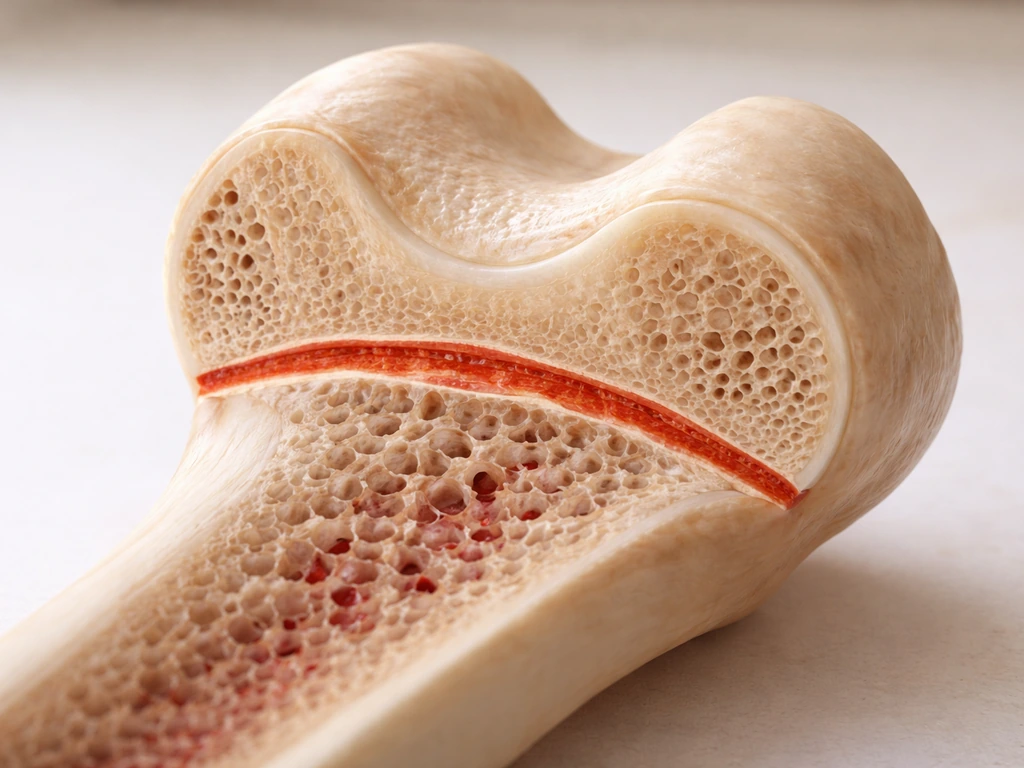
Your height is primarily determined by your growth plates, which are also called epiphyseal plates. These are thin layers of cartilage near the ends of your long bones (femur, tibia, humerus, and others) where new bone tissue is laid down during childhood and adolescence. As long as the growth plates are open and active, linear height growth is possible.
Once they fuse, which happens progressively through late adolescence and is largely complete by the late teens in most people, you stop growing taller. No supplement, stretch, or training program changes this fundamental biology. Younger siblings can still grow taller if their growth plates are still open and they get adequate sleep, calories, and medical support when needed do younger siblings grow taller.
Growth plate activity is controlled by a hormonal system centered on growth hormone (GH) and insulin-like growth factor 1 (IGF-1), alongside sex hormones like estrogen and testosterone that accelerate growth during puberty and ultimately trigger epiphyseal fusion. The timing of puberty is largely genetic. If your parents hit their growth spurts late, you probably will too, and vice versa.
Peak height velocity, the fastest rate of height gain during the adolescent spurt, roughly doubles growth speed for a year or more during this window. That window is the most important one for influencing how tall you end up. That same biology also helps explain why men often end up taller than women, even when nutrition and lifestyle are similar why men grow taller than women.
Genetics account for roughly 60 to 80 percent of your final height. A standard clinical estimate for predicting adult height is the mid-parental height calculation: add both parents' heights together, add 13 cm (5 inches) if you're male or subtract 13 cm if you're female, then divide by two. That gives you a rough target range with about 8 to 10 cm of variance in either direction. Idols aren't escaping their genetic range any more than anyone else is. What they're doing is not leaving height on the table that their genetics allowed for.
What idols can realistically do: nutrition, sleep, and medical support
The most credible advantage idol training systems provide is access to structured, high-quality resources during the years that matter most. If you're an adolescent with open growth plates, you can absolutely influence whether you reach the top or bottom of your genetic height range. The levers that science actually supports are nutrition, sleep, and, where appropriate, medical monitoring.
Nutrition during growth years

Protein, calories, and micronutrients all matter for normal growth, but the goal is adequacy, not excess. Getting enough total energy to support growth is the first priority. Severe caloric restriction, which is a real risk in image-driven industries like K-pop, can suppress growth hormone output and delay or stunt linear growth. Calcium and vitamin D support bone mineralization, though randomized trial data on their effect on height specifically is less convincing than their effect on bone density.
What's clear is that deficiency is harmful. Aiming for recommended daily intakes through food first (dairy, fortified foods, fatty fish, leafy greens) is the right approach. On protein: adequate intake is necessary, but some research suggests very high protein diets in children are not clearly beneficial for linear growth and may even carry risks in certain contexts. Hit your needs, don't chase extremes.
Sleep is not optional
Growth hormone is secreted in pulses, and the largest pulse happens during slow-wave (deep) sleep, typically within the first few hours of the night. This is not a minor detail. If you're a teen chronically getting six hours of broken sleep, you are likely blunting GH output during the exact window when it matters most. National data shows adolescent sleep duration declines significantly with age, from around 8.
5 hours at age 13 to about 7. 3 hours at age 18 on average, and neither end of that range is optimal for most teens during their growth spurt. Targeting 8 to 10 hours of sleep per night during active growth years is one of the highest-leverage things you can do. Idol training schedules that run until late into the night are actually working against this biology, regardless of what else trainees do right.
Medical monitoring and when it actually helps
If an idol has access to regular pediatric or endocrine check-ups during adolescence, that's a genuine advantage, not because doctors can magically add height, but because they can catch conditions that suppress growth early. A bone age X-ray (left hand and wrist by convention) tells a clinician how much growth time likely remains by comparing skeletal maturity to chronological age. If there's a treatable cause of growth suppression, like growth hormone deficiency, hypothyroidism, or nutritional deficiency, catching and treating it during the growth window can make a real difference. For most healthy adolescents growing at a normal rate for their family background, medical intervention isn't indicated and wouldn't change much.
Exercise and training that supports healthy growth (without scams)
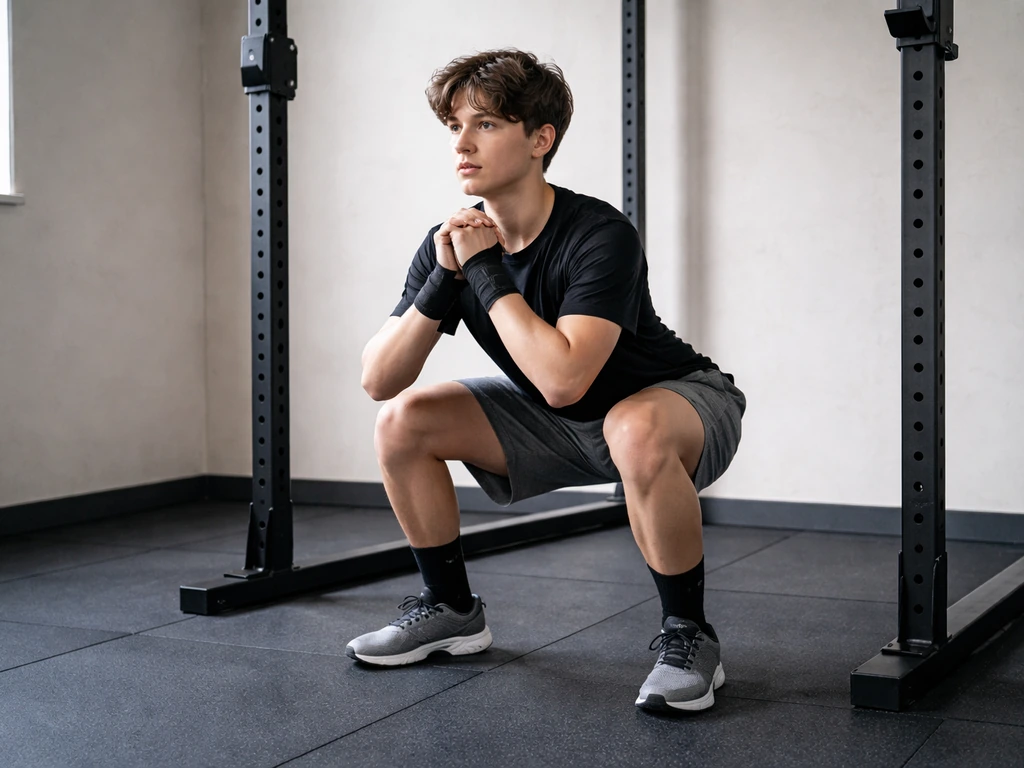
The old myth that weight training stunts growth in teenagers is not supported by evidence. Position statements from sports medicine and pediatric exercise science groups consistently conclude that properly supervised resistance training during adolescence is safe and does not increase injury risk in a way that justifies avoiding it until growth plates close. The important word is supervised: growth plates are structurally weaker than surrounding bone during adolescence, meaning excessive loads or poor form can cause growth plate injuries, not from the training itself but from misuse.
What exercise can do during growth years is support bone density, muscle development, body composition, and posture, all of which contribute to the appearance of height and to long-term health. Plyometric exercise (jumping, bounding) has evidence supporting positive effects on bone health in children and adolescents. Dance training, which is central to idol programs, combines plyometric elements, mobility work, and strength demands in a way that's genuinely good for a developing body when done with appropriate recovery time.
The bottom line on exercise for growth: do it consistently, do it with good form, get coaching if possible, and prioritize recovery. Don't chase "height-specific" workout programs that claim stretching or hanging will lengthen your bones. Astronauts have also been studied for height changes in space, and the science points more to temporary spinal compression than to permanent bone growth stretching or hanging will lengthen your bones. They won't. The temporary height gains measured after spinal traction or hyperextension in research settings are measured in millimeters and reverse within minutes to hours. That's posture and spinal decompression, not bone growth.
How idols look taller: posture, strength, mobility, and styling
This is where a lot of the "idol got taller" effect actually comes from, and it's genuinely useful information even if it's not about biology. Posture is the biggest factor. Chronic forward head posture, rounded shoulders, and thoracic kyphosis (the hunched-over look from too much screen time) can reduce measured standing height by a meaningful amount. Studies using stadiometry show that brief spinal hyperextension can temporarily increase measured height.
Studies like those comparing methods for corrected body height in idiopathic scoliosis highlight that measurement variability and height-change calculations rely on standardized radiographic and clinical protocols Calculation of corrected body height in idiopathic scoliosis.
While that exact number doesn't hold in daily life, the principle does: people who stand and move with good alignment reliably appear taller and carry themselves differently.
Dance and idol training builds exactly the kind of strength and mobility that improves posture: hip flexor length, thoracic mobility, core stability, and posterior chain strength. These don't grow your bones, but they allow you to express your full standing height instead of losing it to slumping. Someone with two centimeters of compressed posture who corrects it will measure taller and look taller in every setting.
On the styling side, the techniques are well-documented in K-pop fan and fashion communities. High-waisted clothing raises the visual waistline and makes legs look longer. Monochromatic outfits (single color head to toe) create an unbroken vertical line. Platform or thick-soled shoes add literal height. Pointed-toe shoes visually extend the foot line. These are legitimate tools and there's nothing wrong with using them. Idols and their stylists use all of them deliberately.
Myths about height boosters and unsafe practices to avoid
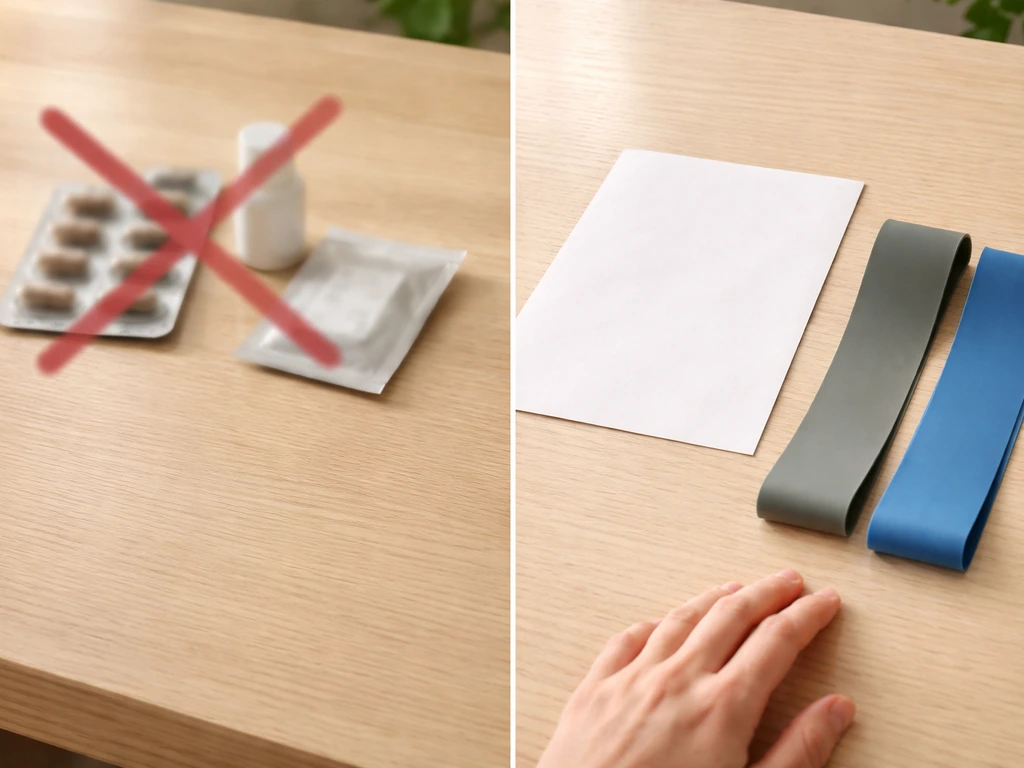
The market for height-increase products is enormous and almost entirely fraudulent. If you've searched for how K-pop idols get taller, you've probably encountered pills, powders, insoles, and programs claiming to trigger growth hormone, reopen closed growth plates, or add several inches to adult height. None of this is real. The FDA has explicitly warned consumers to avoid supplements marketed with drug-like claims about growth, and has issued specific warnings about products like Agebox iKids Growth Day Formula, which was found to contain ibutamoren, a hidden growth hormone secretagogue, with potential for serious side effects. Unapproved compounds marketed as "natural" growth boosters can contain hidden pharmaceutical or research-chemical ingredients. The risk is not just wasting money; it's real physiological harm.
| Claim | What science actually says |
|---|---|
| Stretching or hanging makes you permanently taller | Temporary decompression effects reverse within minutes to hours; no bone growth occurs |
| Calcium and vitamin D supplements add height | Support bone density; deficiency harms growth, but excess supplementation does not add height |
| Height-growth pills stimulate growth plates | No evidence; many contain undisclosed drugs; FDA has issued specific product warnings |
| Resistance training stunts growth | Not supported by evidence when training is properly supervised; growth plate injury risk is from poor form, not the activity itself |
| Jumping or plyometrics make you taller | Supports bone density and health; does not extend bone length |
| Sleeping more adds inches | Adequate sleep protects GH output during growth years; it optimizes your genetic potential, not exceeds it |
Extreme practices sometimes associated with idol training culture, like severe caloric restriction for body image reasons or overtraining without recovery, actively work against height potential. Malnutrition and chronic energy deficit suppress the hormonal environment needed for growth. If you or someone you know is restricting food intake significantly during adolescence, that's a situation where medical attention matters.
Your action plan by age: teens vs adults, and when to see a doctor
If you're a teenager still growing
This is the window that matters. Your priorities, in order of impact: sleep 8 to 10 hours per night consistently, eat enough total calories to support your activity level and growth (don't restrict), get adequate protein (around 0. 8 to 1.
2 grams per kilogram of body weight daily from whole food sources), make sure your vitamin D and calcium intakes are adequate, and stay physically active with a mix of resistance training, plyometric activity, and whatever sports or movement you enjoy. Work on posture actively. If you're concerned your growth seems slow compared to peers or your family background, see a pediatrician who can plot your growth velocity on a chart and order a bone age X-ray if warranted.
If you are wondering whether you will humans continue to grow taller, the best next step is to compare your growth pattern with your peers and family history and ask a clinician for guidance.
If you're an adult or near the end of puberty
Once growth plates have fused, true bone length growth is not happening through any lifestyle intervention. This is also true for topics like whether adults can grow taller through exercise or other means, and the biology is consistent: the answer is no, not in terms of actual bone length. What you can change as an adult is posture, which is meaningful. Thoracic mobility work, hip flexor stretching, posterior chain strengthening, and core stability exercises can recover centimeters of standing height that poor posture has been costing you. Styling choices remain fully available. These are real, legitimate strategies, they just need to be framed correctly.
When to actually see a doctor
Seek a pediatric or endocrine evaluation if: a child or teen is tracking below the 3rd percentile for height on growth charts, growth velocity has slowed significantly over a six to twelve month period, there's a large gap between a child's height and what family genetics would predict, puberty is delayed or hasn't started at expected ages, or there are other symptoms alongside slow growth (fatigue, weight changes, or headaches). A bone age X-ray is a simple, low-radiation starting point that tells a doctor how much growth time is likely left and whether the pace of skeletal maturation is normal. If a treatable condition like growth hormone deficiency is found early, during active growth years, intervention can make a clinically meaningful difference. Waiting until growth plates have closed removes most of those options.
The honest summary: K-pop idols look as tall as they do because of genetics, the timing of adolescent puberty, excellent support systems during growth years, and very deliberate image management. Some people wonder, too, whether would humans grow taller on Mars, but the same core biology and limits on growth still apply. The parts that are replicable are the lifestyle ones: protect your sleep, eat well, train consistently and safely, fix your posture, and don't waste money on products that promise to override your biology. The parts that aren't replicable are the genetics. Understanding that distinction is what lets you actually focus your effort where it can make a difference.
FAQ
If I’m already taller than some idols, can I still grow more during puberty?
Yes. Height gain depends on whether your growth plates are still open, which is influenced by puberty timing. Two teens can look different at the same age because one started puberty earlier. If you want a clearer answer, track your growth velocity over 6 to 12 months and ask a pediatrician whether a bone age scan is warranted.
Do growth spurts have a “deadline,” and when should I worry they’re late?
There is a window where linear growth is fastest, often during peak height velocity, but “late” means different things by family history. A practical approach is to compare your timing to your parents’ puberty history and typical age ranges, then see a clinician if puberty seems delayed or if growth slows for 6 to 12 months.
Will stretching or hanging from a bar make me grow taller permanently?
Not by lengthening your long bones. These activities can temporarily decompress your spine and can improve posture, which may make you measure taller for a short period. If you want lasting changes, prioritize posture-focused strength (core, posterior chain) and daily alignment habits rather than relying on traction.
Can I use posture exercises to “add” centimeters if my growth plates are already closed?
You can sometimes recover measured height that’s been lost to slumping. Expect changes mainly in standing posture, not bone length. Consistent work on thoracic mobility, hip flexor tightness, and back and glute strength tends to show the best results over weeks to months.
Are platform shoes the same as real height gain?
They are only appearance management. Platform shoes can add a visible amount of height and can improve leg-line proportions, but they do not affect growth plate biology. If you use them, focus on comfort and stability, and avoid compensatory gait changes that can strain hips or knees.
Do idols really grow taller after debut, or are reports misleading?
Both can be true. Some idols debut while still in their adolescent growth spurt, so additional centimeters can happen naturally. Reported heights also tend to be inconsistent because they may be self-reported, staged, or measured under different conditions, so small “shifts” are often not true bone growth.
Is it safe for teens to lift weights if they are still growing?
Resistance training is generally safe when properly supervised and progressed. The key caveat is avoiding poor form and excessive loads, since growth plates can be injured if training is careless. Choose a coach who understands youth training and uses technique-based progressions.
If I eat enough protein, will that guarantee taller height?
Protein helps support growth and tissue building, but it does not override genetics or closed growth plates. The bigger limiter is often total energy (calories) and consistent sleep, because chronic under-eating can suppress the hormonal environment for linear growth.
How much sleep is “enough” during the growth years?
For many teens in active growth phases, 8 to 10 hours per night is a reasonable target. If you regularly get less, focus on consistent bedtime and reducing interruptions, because growth hormone secretion peaks during deep sleep. A weekend sleep-in can help recovery but does not fully replace nightly consistency.
Are vitamin D and calcium necessary for height growth?
They matter for bone health, but deficiency is the main problem to fix. Aim for recommended intakes, preferably from food first. If you have risk factors for low vitamin D (limited sun, darker skin, certain diets), ask a clinician whether a blood test is appropriate.
What’s the most reliable way to tell if my growth is on track?
Use growth charts and growth velocity, not single height measurements. Your pediatrician can plot your pattern, compare it with family expectations, and consider a bone age X-ray if growth seems unusually slow or puberty timing is off.
If someone my age is much shorter than expected for our family, what conditions should be checked?
Doctors may evaluate for growth hormone deficiency, hypothyroidism, and nutritional or chronic illness causes of growth suppression. The advantage of earlier assessment is that treatable causes can be addressed while growth plates are still active.
Why do “natural growth” supplements worry clinicians even if they claim to be harmless?
Because product claims are often not backed by solid evidence for increasing adult height, and some “natural” products have been found to contain hidden pharmacologic ingredients. The safer stance is to avoid supplements marketed like they can reopen closed growth plates or dramatically boost growth hormone, and discuss anything you consider with a clinician.
What should I do first if I suspect I’m restricting food for body image reasons?
Treat it as a health priority, not a willpower issue. Chronic caloric restriction can blunt growth and worsen overall development. If restriction is significant or accompanied by symptoms like fatigue, dizziness, or missed periods, seek medical support promptly.
Next Article
Would Humans Grow Taller on Mars? Science and Real Expectations
Science-backed look at whether Mars gravity could increase human height, covering growth plates, hormones, bone loading,