
Yes, short people can grow taller, but only under the right biological conditions, and those conditions are mostly age-dependent. If your growth plates are still open (which is tied to puberty stage, not just your birthday), there is real room to grow. If they have closed, your skeleton has reached its structural endpoint and no supplement, stretch routine, or pill will change that. The honest answer is that whether more height is possible for you comes down to one question: where are you in puberty, and have your bones fused yet?
Do Short People Grow Taller? What Science Says and What to Do

Marcus Reeves
14 May 2026

Shorter stature vs being "stuck": how height potential works

Being short and being "stuck" at your height are two completely different things. Clinically, short stature means your height falls below the 3rd percentile on a standardized growth chart, roughly more than two standard deviations below the average for your age and sex. That applies to about 2.5% of children. But being in that range doesn't automatically mean something is wrong or that growth is over. It might mean you have a genetic predisposition to a shorter frame, a constitutional growth delay (where puberty and growth run on a slower-than-average clock), a nutritional gap, or occasionally a treatable medical condition.
Height potential is set mostly by genetics, your parents' heights are the strongest single predictor of yours. But genetics sets a range, not a fixed number, and environmental factors like what you eat, how you sleep, and whether any underlying condition is treated can push you toward the top or bottom of that range. The key biological mechanism is your growth plates: cartilaginous zones at the ends of your long bones where new bone tissue is added during childhood and adolescence. That is also why the question can men grow taller mostly comes down to whether a person still has open growth plates. Once those plates harden and fuse, longitudinal bone growth stops, full stop.
Childhood and teen growth: who can still grow and when
If you are a child or teenager, there is a meaningful chance you still have growth ahead of you, and the window can be longer than people expect. During the adolescent growth spurt, peak height velocity averages around 10.5 cm per year in boys and about 9.0 cm per year in girls. That is a significant amount of height in a short period. Outside of the spurt, children typically grow around 5 to 6 cm per year throughout middle childhood. The question is not just whether you are still young, but where you are in pubertal development.
Doctors use Tanner staging rather than chronological age to assess where someone is in puberty, because puberty timing varies widely between individuals. A 14-year-old at Tanner Stage 2 may have several years of significant growth left, while a 14-year-old at Tanner Stage 4 or 5 may have very little remaining. On average, girls tend to finish growing around age 13 to 15 and boys around age 15 to 17, but these are averages with real spread around them.
Men often grow taller than women because they usually have a later closing of growth plates, allowing a longer window of bone lengthening why men grow taller than women. The only way to know your remaining growth potential with confidence is a bone age X-ray (usually of the left hand and wrist), which shows how far your growth plates have actually fused relative to your skeletal age, not your calendar age.
Genetics and growth plates: why some people can't change much
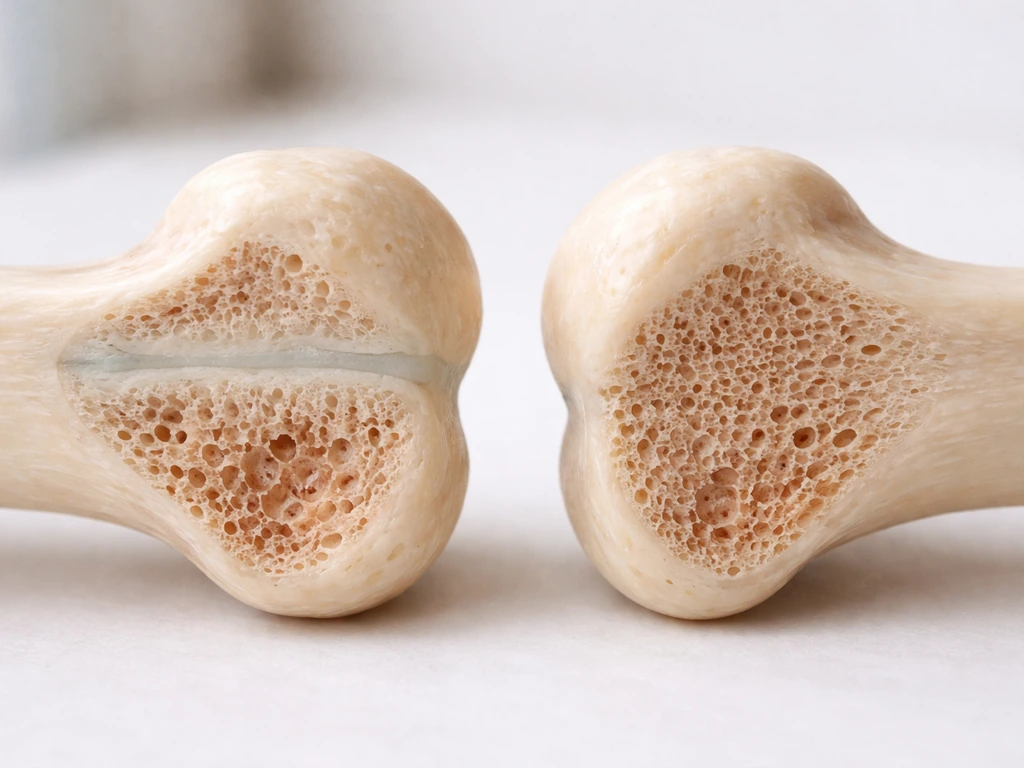
Genetics accounts for roughly 60 to 80 percent of the variation in adult height. Familial short stature, being short simply because your parents are short, is the most common explanation for a child tracking below the 3rd percentile, and it is not a medical problem. These children typically grow at a normal rate, just along a lower trajectory from the start. Constitutional delay of growth and puberty is another normal variant where everything is biologically fine but the clock runs slower. These kids often look shorter than peers in early adolescence but then catch up once their delayed puberty gets going.
Once growth plates close, the bones fuse and no amount of nutrition changes, exercise, or supplementation can reopen them. This is straightforward physiology. Conditions that can blunt growth during the open-plate window include growth hormone deficiency or resistance, celiac disease, inflammatory bowel disease, severe heart disease, diabetes, and other chronic illnesses. The underlying point is that if a medical cause is present and treatable, addressing it can protect or restore normal growth trajectory, but catching it early matters a lot.
Evidence-based levers to maximize growth
There is no magic formula here, but there are well-supported inputs that help you reach the upper end of your genetic range during the growth window. The evidence points to three main areas: nutrition, sleep, and physical activity. None of these will push you above your genetic ceiling, but each of them can prevent you from falling short of it.
Nutrition: the foundation of growth

Chronic undernutrition is one of the most preventable causes of short stature globally. Stunting, persistently reduced linear growth, is the direct clinical result of prolonged suboptimal caloric and protein intake. Getting enough total calories and adequate protein is the baseline. Beyond that, specific micronutrients matter: zinc deficiency is directly linked to impaired linear growth, and randomized controlled trials have shown zinc supplementation significantly improves height in deficient children. Iron, calcium, and vitamin D are also important. The practical takeaway is that a varied, calorie-sufficient diet with adequate protein and micronutrients during childhood and adolescence is genuinely protective of growth potential. Exotic supplements on top of an already-adequate diet are a different story, there is little evidence they add anything.
Sleep: growth hormone is released at night
Growth hormone secretion peaks during deep sleep, which is why sleep is not optional for growing kids. The American Academy of Sleep Medicine recommends 9 to 12 hours per night for children aged 6 to 12, and 8 to 10 hours for adolescents aged 13 to 18. Consistently cutting sleep short disrupts the hormonal environment that supports bone growth. This does not mean sleeping an extra hour will make someone magically taller, but chronic short sleep during the growth years is a real and modifiable risk factor worth addressing.
Exercise and posture
Physical activity supports overall health and hormonal balance during growth, and there is some evidence that weight-bearing activity encourages bone density and development. Resistance training, done safely and age-appropriately, is not harmful to growth plates despite old myths to the contrary. Good posture and core strengthening can also help you stand at your full height rather than losing centimeters to slouching, this is not about growing taller, but about expressing the height you already have. What does not work: stretching programs or "decompression" routines marketed as height-increasing. They are not backed by evidence.
Medical check: when to see an endocrinologist and what to ask

If a child or teenager is below the 3rd percentile on growth charts, or if their growth velocity has slowed noticeably (dropping percentile lines over time), that warrants evaluation. A pediatrician is the right first stop, and they will typically refer to a pediatric endocrinologist if there is concern. The goal of evaluation is straightforward: figure out whether the short stature reflects a normal variant (familial pattern, constitutional delay) or a treatable underlying cause.
Here is what the workup often looks like. Initial blood tests typically include a complete blood count, metabolic panel, thyroid function, and screening for conditions like celiac disease. If growth hormone deficiency is suspected, doctors measure IGF-1 and IGFBP-3 as initial screening markers. If those are low, formal growth hormone stimulation testing may follow, this involves IV administration of a stimulating agent and measuring the growth hormone response over several hours.
A bone age X-ray is almost always part of the evaluation, as it tells you how much growth potential remains. Puberty assessment using Tanner staging is done alongside this. The Endocrine Society is clear that the main clinical benchmark for considering treatment in idiopathic short stature is a predicted adult height at or below 5 feet 3 inches in a boy or 4 feet 10 inches in a girl.
- Height below the 3rd percentile for age and sex on a growth chart
- Growth velocity slowing down or dropping across percentile lines over 6 to 12 months
- Significantly shorter than expected given parents' heights
- Signs of delayed puberty (no pubertal signs by age 13 in girls or 14 in boys)
- Symptoms suggesting an underlying condition (fatigue, GI problems, poor appetite)
Adult height: what's possible (and what isn't) after growth plates close
Once your growth plates have fused, your skeleton is done adding length. Astronauts do not typically grow taller in space in the same way that kids can grow before their growth plates fuse, because adult height is mainly limited by fused bone structure do astronauts grow taller in space. No supplement, inversion table, or stretching protocol changes that. This is not pessimism, it is physiology.
However, there are a couple of genuinely meaningful things adults can do. First, posture. Many people are measuring less than their actual skeletal height because of habitual slouching, weak core and back muscles, and tight hip flexors. Strength training, particularly exercises targeting the posterior chain and core, combined with deliberate posture habits, can often recover 1 to 2 cm of standing height in people who have significant postural compression.
It does not add height, it restores what you already have.
Second, spinal disc health. The intervertebral discs compress during the day and rehydrate overnight. This is why most people measure slightly taller in the morning. Maintaining disc health through hydration, avoiding prolonged compression loads, and core strength keeps this daily variation from worsening over time, but again, this is maintenance, not growth. For adults curious about whether there is any biological path to taller stature, the sibling question of whether adults can grow taller after plate closure covers that territory directly.
Limb-lengthening surgery exists as a medical procedure and can add height, but it is invasive, expensive, and carries real risks. It is designed for people with significant leg length discrepancies or certain skeletal dysplasias, not cosmetic height concerns. It is not a realistic option for most people reading this.
Realistic expectations, timelines, and avoiding height-growth scams
If you are a child or early teen who has not yet reached peak puberty, you have real growth ahead and supporting that growth with good nutrition, adequate sleep, and healthy activity is genuinely worth doing. If you are a late teen wondering whether you have stopped growing, a bone age X-ray is the most reliable answer, not guessing based on your age. If growth plates are still partially open, modest additional growth is possible. If they are fused, the biological answer is no, and that is not a failure.
On the scam side: the Federal Trade Commission has taken direct enforcement action against height supplement companies, including TruHeight, whose claims of height enhancement in children and teens were found to be unsubstantiated. The FTC has also acted against companies selling so-called growth hormone pills and sprays with anti-aging and height-boosting claims. The Mayo Clinic is explicit that there is no scientific evidence synthetic growth hormone works as an anti-aging or height-enhancing treatment outside of genuine diagnosed deficiencies. If a product promises to add inches to your height after adolescence, that claim has no credible science behind it and has attracted regulatory action.
Here is a practical self-assessment you can do right now. If you are under 18, look at your growth chart trend, not just your current height. Are you consistently tracking along one percentile line, or are you falling off your trajectory? The former is usually a normal variant; the latter is a reason to see a doctor.
Think about your puberty stage, early puberty means more growth ahead; late puberty means you are approaching the end. Younger siblings may still grow if their growth plates are still open and they are earlier in puberty than their older sibling. If you are a parent concerned about a child, bring a printed growth chart (even from home measurements) to the pediatrician. That longitudinal data is more useful than a single measurement.
And if you are an adult who is short and wants practical steps, focus on posture, bone health, and fitness, real improvements are available there, even if skeletal height is fixed.
| Situation | Can more height happen? | What to do |
|---|---|---|
| Child or early teen, pre-peak puberty | Yes — significant growth likely ahead | Optimize nutrition, sleep 9-12 hrs, stay active; see doctor if tracking below 3rd percentile |
| Teen, mid-to-late puberty (Tanner 3-4) | Possibly — some growth remaining | Get a bone age X-ray to assess remaining growth plate activity |
| Late teen or young adult, puberty complete | Minimal to none biologically | Focus on posture, core strength, and disc health to maximize expressed height |
| Adult with fused growth plates | No skeletal growth possible | Posture optimization, avoid scams, consult doctor only if new symptoms arise |
| Child with declining growth velocity | Depends on cause | See a pediatric endocrinologist — treatable causes exist and early intervention matters |
The bottom line is that short stature during childhood and adolescence is often workable, especially when a treatable cause exists or when the growth window is still open. The biology is not cruel; it just has a timeline. Knowing where you are in that timeline is the most useful thing you can learn from this, and a bone age assessment plus a conversation with a pediatric endocrinologist will give you real answers that no article can substitute for. But if you are wondering would humans grow taller on Mars, the same principle applies: you cannot change whether growth plates have fused, and life in space would affect nutrition and development in complex ways a bone age assessment.
FAQ
If I am short, how can I tell whether I still have “real” growth left?
Check growth rate over time and confirm puberty timing. A single height number is misleading, but falling across percentiles over successive measurements is a stronger red flag. For the most reliable answer, ask your clinician for a bone age X-ray, because it shows how much growth-plate fusion has already happened relative to skeletal age.
Does being “stuck” mean growth plates are definitely closed?
Not necessarily. Some people appear stuck because puberty is delayed, nutrition is inconsistent, or a chronic condition is suppressing growth during a window where plates are still open. Bone age imaging can separate “not much time left” from “growth slowed for a fixable reason.”
What if my height percentile is low but my growth velocity looks normal?
That often fits normal variants like familial short stature or constitutional delay. In that situation, doctors typically look for steady growth rate and absence of concerning symptoms, then monitor over time rather than rushing to treatment.
Can posture really make me look taller if my growth plates are closed?
Yes, sometimes. Postural compression can reduce standing height measurements, especially with slouching and weak core and back muscles. Strength training and daily posture habits may help you regain a small amount of height you already have, but it will not lengthen bones.
Do stretching routines or inversion tables work if I am a teen who is still growing?
They should not be relied on to increase bone length. Stretching may temporarily improve flexibility or comfort, but it does not reopen fused growth plates or create new longitudinal growth. If a program claims “permanent inches,” treat it as marketing until proven clinically.
At what point should a parent or teen ask for a medical evaluation?
Seek evaluation if a child is below the 3rd percentile or if their growth velocity slows noticeably, such as dropping across percentile lines on a growth chart. Bring serial measurements if possible, because the trend matters more than any single visit measurement.
Is growth hormone worth asking about, even if I do not seem “very sick”?
Only if testing suggests deficiency or another specific diagnosis. Routine height-boosting claims from non-deficient use are not supported. Clinicians usually screen with IGF-1 and IGFBP-3, then consider stimulation testing and bone age before deciding on any treatment.
How accurate is Tanner stage compared with my calendar age?
It is usually more informative for growth potential because puberty onset and progression vary widely between individuals. Two people the same age can have different remaining growth because their pubertal stage differs, which is why Tanner staging plus bone age is commonly used together.
What should I do if my family is genetically short, but I want to maximize my potential?
Focus on the controllables that prevent falling below your genetic ceiling: consistent adequate calories and protein, adequate sleep, and safe age-appropriate exercise. Also ask your clinician whether any nutrition-related or chronic conditions could be limiting growth, especially if you are not tracking as expected.
Can supplements make up for poor diet or inadequate sleep?
They can help only when there is a specific deficiency or medical need. For example, zinc deficiency has clearer evidence for affecting linear growth, but “extra” supplements on top of an already sufficient diet typically do not create additional height. Fixing diet quality and sleep timing is usually the higher-yield move.
If my bones are fused, is there any legitimate way to increase height?
Biologically, you cannot increase bone length after growth-plate closure. Legit options for adults are limited to regaining measured height lost to posture and daily disc compression, or rare limb-lengthening surgery for specific medical indications. Anything promising large cosmetic gains without these mechanisms is likely misleading.
Why do doctors sometimes use an X-ray of the left hand and wrist, and do I need it?
That site is a standard method to estimate skeletal maturity and assess growth-plate status relative to skeletal age. It is particularly helpful when you are near the end of growth or when puberty timing seems delayed or unclear, because it reduces guesswork based on calendar age.
Next Article
Why Do Men Grow Taller Than Women? Science Explained
Science of sex differences in height: genetics, hormones, puberty timing, plus nutrition, sleep, health, and growth plat