
Men are typically about 13 cm (roughly 5 inches) taller than women on average, and the core reason comes down to two things: a longer growth window and a more intense growth spurt during puberty, both driven by sex hormones. It is not simply that men have "more" growth, it is that the hormonal environment of male puberty delays the shutdown of the growth plates while simultaneously pushing peak height velocity higher, giving the male skeleton more total time and more intensity to build length. Understanding exactly how that works, and what it means for your own height or your child's, is what this article is about. Some people wonder if Mars conditions could extend the growth window enough to change adult height, but height still depends primarily on growth plate timing and closure would humans grow taller on mars.
Why Do Men Grow Taller Than Women? Science Explained


The biology behind why males end up taller
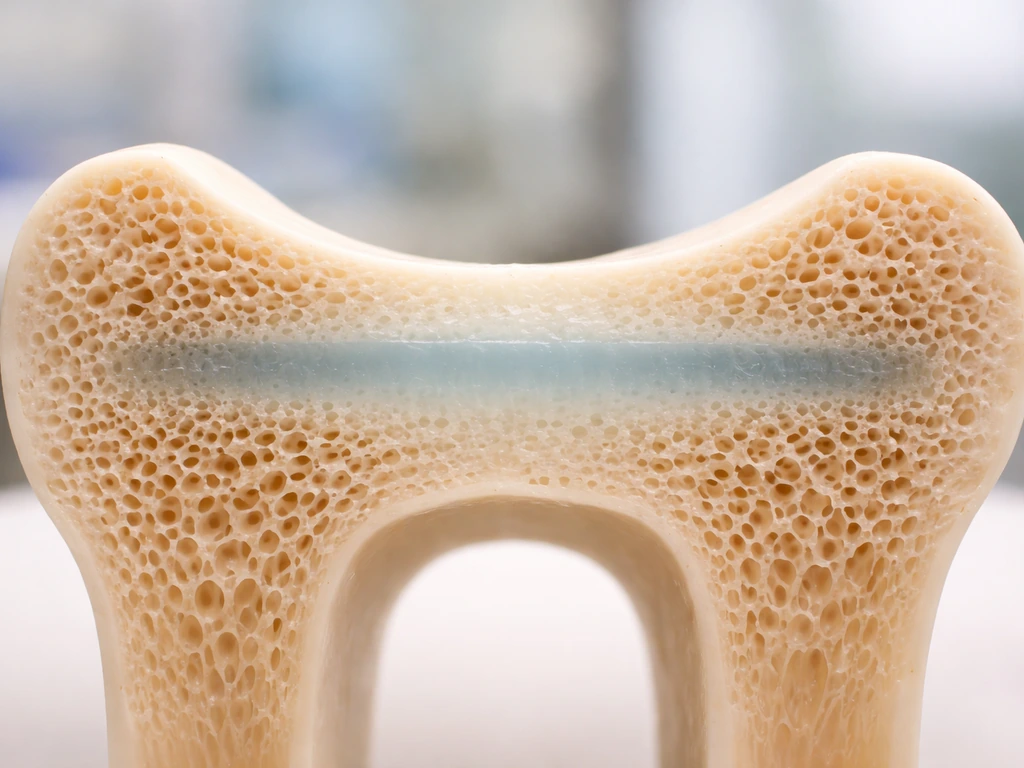
Height is built at the growth plates, also called epiphyseal plates, thin zones of cartilage sitting near the ends of the long bones (think femur, tibia, humerus). Specialized cartilage cells called chondrocytes multiply and expand inside these plates, and the new tissue they create is gradually converted into bone through a process called endochondral ossification. Every centimeter of height you gain during childhood and adolescence comes from this mechanism. When the growth plates eventually harden and close, a process called epiphyseal fusion, longitudinal bone growth stops permanently. That is the biological finish line.
The key difference between males and females is not the mechanism itself but how long the growth plates stay open and how hard they are pushed. Both sexes use the same GH/IGF-1 axis and the same growth plate machinery. The hormonal environment of puberty is what determines the timeline and intensity, and that is where the sex difference lives.
Genetics and hormones: what actually drives male growth
Height is heavily heritable, around 80% of the variation in adult height among people in similar environments comes down to genetics. During adolescence specifically, twin studies put the heritability figure at around 0.83 in boys and 0.76 in girls. That means genetics sets the ceiling, but the hormones are what execute the blueprint.
The primary growth signaling axis is growth hormone (GH) and its downstream messenger, IGF-1. GH is released by the pituitary gland and travels to the liver and to the growth plates themselves, where it stimulates local IGF-1 production. Experimental models reviewed by Bianchini and colleagues show that the GH/IGF-1 axis can stimulate local IGF-1 production in growth plates and restore IGF-1, positive cells, supporting its role in epiphyseal growth GH can stimulate local IGF-1 production in growth plates. IGF-1 then drives chondrocyte proliferation, the actual multiplication of cartilage cells that adds length to bone. Without adequate GH and IGF-1, children experience growth failure. With normal or elevated levels, growth plates stay active and productive.
Sex steroids, testosterone in males and estrogen in females, interact with this axis in a nuanced way. Here is the part most people get wrong: estrogen is actually the dominant hormone for closing the growth plates in both sexes, not testosterone. Males convert some testosterone to estrogen via a process called aromatization, and it is that estrogen signal that eventually fuses the growth plates. Because testosterone levels rise more gradually in male puberty and the conversion to estrogen is partial, the male growth plate closure is delayed compared to females. That delay is a big part of why men end up taller, the plates simply stay open longer. The genetics-based contribution of the SHOX gene (located on the X chromosome) and X-chromosome related factors are also discussed in recent research as part of why the sex difference in height is encoded into the genome from the start.
Puberty timing and why the male growth spurt is different

Girls typically begin puberty around age 10.5 and boys around age 11.5, but those averages hide the more important difference: the growth spurt arrives at different stages of puberty for each sex, and it hits with different intensity.
| Factor | Girls | Boys |
|---|---|---|
| Average puberty onset | ~10.5 years | ~11.5 years |
| Peak height velocity (PHV) age | ~11–12 years | ~13–15 years |
| Peak growth rate at PHV | ~9.0 cm/year | ~10.5 cm/year |
| Peak gain in best year | Up to ~9 cm | Over 10 cm |
| Growth plate closure timing | Earlier (driven by estrogen) | Later (delayed estrogen exposure) |
For girls, the growth spurt comes early in puberty, peak height velocity typically hits around 11 to 12 years, well before menarche. Growth velocity actually peaks roughly one year before the first period, then slows rapidly. For most girls, height growth is largely complete within about a year after menarche, because rising estrogen levels accelerate growth plate fusion. That means the female growth window, from spurt to closure, is relatively short.
For boys, the picture is different. The growth spurt arrives later in puberty, around 12 to 16 years, with peak velocity typically between 13 and 14, and boys can gain more than 10 cm in their single best year. Crucially, because male puberty progresses more slowly and the estrogen signal is lower, the growth plates stay open for longer after the spurt begins. K-pop idols can look taller as they mature, because puberty timing and how long growth plates remain open vary from person to person K-pop idols grow taller. Younger siblings do not usually “catch up” in the same way, because height is largely determined by genetics and by how their own puberty timing and growth plate closure unfold grow longer after the spurt begins. Boys often continue growing meaningfully into their late teens, sometimes past age 17 or 18. That extended window, combined with a higher peak velocity, is the primary reason for the roughly 13 cm average height advantage men carry into adulthood.
Nutrition, sleep, and other things that actually move the needle
Genetics determines the potential, but nutrition and sleep determine whether that potential is reached. These are not minor details, chronic nutritional deficiency during childhood can meaningfully reduce final height, and the science is clear on several specific factors.
Nutrition: the basics matter more than the supplements
Total caloric adequacy is the foundation. Children and adolescents who do not eat enough simply do not grow enough, that is the core message of relative energy deficiency research. Beyond total energy, specific micronutrients have documented links to linear growth. Zinc deficiency is one of the better-supported examples: randomized controlled trial data shows zinc supplementation enhances linear growth in school-aged children who are deficient. Iron deficiency and anemia are also associated with impaired growth. Vitamin D plays a role in bone health and there is evidence linking adequate status to linear growth, especially in children with baseline deficiency. The practical takeaway is not to stack supplements, it is to make sure a child or teenager is genuinely well-nourished, eating enough protein, adequate calories, and getting a varied diet that covers micronutrients.
Chronic health conditions that interfere with nutrient absorption or overall metabolism can also suppress growth significantly. Inflammatory bowel disease, celiac disease, chronic kidney disease, and liver disease are all recognized causes of growth impairment, and in severe cases like end-stage kidney disease, up to 40% of affected children end up with a final height below the third percentile. The takeaway for parents: if a child is not growing as expected, underlying health conditions are worth investigating, not just diet.
Sleep: GH is mostly released at night

Growth hormone is released in pulses, and the largest pulse happens during the first few hours of deep sleep (slow-wave sleep). This is the biological reason sleep is consistently listed as important for growth. The CDC recommends 8 to 10 hours per night for teenagers aged 13 to 18. That said, it is worth being honest about what the research shows: one well-designed study found that even a 40% reduction in slow-wave sleep in pubertal children did not measurably reduce GH pulse amplitude or frequency. So the relationship is not as fragile as some sources suggest. Chronic, severe sleep deprivation is a different matter, the concern is consistent and long-term sleep restriction, not an occasional bad night. The American Academy of Pediatrics notes that ending screens at least an hour before bed supports better sleep quality, which is a practical and low-cost intervention.
Exercise, body composition, and what they can and cannot do
Exercise supports bone health during growth, systematic review evidence confirms that physical activity during childhood and adolescence has measurable effects on bone parameters. Whether it directly increases final stature is a separate question, and the answer is more nuanced: the effect of exercise on height itself is not consistently or strongly demonstrated in research. Exercise is important for overall health, for building peak bone mass, and for maintaining the hormonal environment that supports healthy growth, but it is not a lever you can pull to add centimeters.
The more clinically relevant exercise concern is actually on the opposite end. Adolescent athletes who train heavily without eating enough, a state called relative energy deficiency in sport (RED-S), risk suppressed reproductive hormones, delayed growth, and compromised bone mass. This is documented in both male and female athletes, including endurance sports and gymnastics. The message here is not to avoid exercise but to make sure high training loads are matched by adequate caloric intake. Low energy availability is a real growth risk for serious young athletes.
What can actually change after puberty ends

Once the growth plates close, longitudinal bone growth is biologically finished. If you are wondering whether astronauts might grow taller in space, the key factor is whether their growth plates can still produce longitudinal bone growth astronauts grow taller in space. No supplement, exercise program, or lifestyle change will make your bones longer after epiphyseal fusion. This is not a limitation of current knowledge, it is basic physiology. The question of whether adults can grow taller is a topic explored more fully elsewhere on this site, but the short version is: true height gain after skeletal maturity does not happen through bone lengthening. If you're wondering whether men can grow taller after puberty, this article explains what changes are still possible and why true bone lengthening is no longer on the table whether adults can grow taller. Whether that also applies to whether humans will continue to grow taller depends on how long the growth plates stay open during puberty question of whether adults can grow taller. This directly addresses the question can adults grow taller, by explaining what limits height after skeletal maturity.
What can change in adulthood is functional height, the height you actually measure on a given day. Spinal compression from poor posture, weak core muscles, or intervertebral disc dehydration (which worsens through the day and with age) can cost you a meaningful amount of measured height compared to your true skeletal height. Improving posture and core strength can recover some of that difference, and it is a legitimate reason adults sometimes measure slightly taller after working on these factors. But that is recovering existing height, not adding new height.
For growing children and teenagers, the question of whether growth is still possible is much more interesting, and there are reliable tools to assess it.
How to estimate height potential and what to do next
The most useful tool for estimating someone's adult height potential is the mid-parental height formula. The American Academy of Pediatrics uses this calculation: add both biological parents' heights, adjust by adding 13 cm (about 5 inches) for boys or subtracting 13 cm for girls, then divide by two. That gives the mid-parental height, and about 95% of children will land within roughly 10 cm of that target. It is an estimate with real error bars, but it is the most evidence-based starting point available without clinical testing.
Beyond the formula, growth velocity is the most important signal for whether a child is growing normally. Clinicians use CDC sex-specific growth charts to track height percentiles over time, not just where a child falls at one measurement, but whether they are tracking consistently along their percentile curve or crossing percentile lines downward. A child crossing downward percentile lines warrants investigation, regardless of absolute height. A child who has always tracked at the 10th percentile and continues to do so is almost certainly normal.
When growth concerns do come up, pediatric endocrinologists use bone age assessment, a plain X-ray of the left hand and wrist, compared against reference atlases, to estimate how much growth plate activity remains. If bone age is significantly younger than chronological age, there is more growth runway left. If bone age matches or exceeds chronological age, the growth window is narrower. This is how clinicians distinguish constitutional growth delay (a normal variant where puberty and growth simply come later) from conditions that genuinely need treatment.
Practical next steps by situation
- Parent of a child or teen concerned about height: Track height every 6 months and plot on sex-specific CDC growth charts. If percentile is dropping across two or more major lines, or growth velocity seems slow for age, ask a pediatrician to evaluate — including checking for common causes like nutritional gaps or underlying illness. Ask about bone age if appropriate.
- Teenager still in puberty: Focus on the controllables — adequate calories and protein, 8 to 10 hours of sleep, consistent physical activity without under-fueling. These are what allow genetic potential to be expressed. Avoid heavy caloric restriction or extreme training loads without matched nutrition.
- Adult wanting to understand their height: Your bones are done growing. The realistic focus is posture, spinal health, and core strength, which can recover functional height. True height expectations after growth plate closure should be set by your actual skeleton, not by supplements or stretching programs.
- Anyone wondering if they are still growing: Look for pubertal stage cues and use the mid-parental height formula as a baseline. If you are male and still in mid-to-late puberty (under 17 or 18), there is a realistic chance you have not hit your ceiling yet. If you are female and menarche occurred more than 1 to 2 years ago, most of your growth is likely complete.
- Concerned about a short child: Distinguish familial short stature (parents are also short — likely genetic) from concerning patterns like abrupt percentile drop, growth failure, or signs of nutritional deficiency or chronic illness. The former is usually a normal variant; the latter needs a clinical workup.
The bottom line is that the sex difference in height is not mysterious, it is the predictable output of a hormonal system that gives males a later, longer, and more intense growth window. Genetics sets the range, hormones execute the timing, and nutrition plus sleep determine whether potential is reached. For parents and growing teenagers, those modifiable factors are worth getting right. For adults, understanding the biology means setting realistic expectations and focusing energy on the factors, posture, health, body composition, that actually respond. If you are wondering whether do short people grow taller, the key answer is that the main height gains depend on how long growth plates stay open during puberty.
FAQ
Why do men end up taller even though some women are taller than some men?
Men can be taller on average even if an individual man ends up shorter than an individual woman, because averages hide overlap. The sex-linked difference comes from puberty timing and how long growth plates stay open, but genetics and health determine where each person lands within that overlap.
If my child is shorter than classmates, how do I know whether it is a real growth problem?
A single “height measurement” is less informative than the growth pattern over time. Clinicians look for consistent tracking on growth charts and pay special attention to falling across percentiles or slowing growth velocity, rather than just being short or tall at one visit.
Do younger siblings usually “catch up” in height if they hit puberty later?
Puberty timing is one of the main reasons siblings do not necessarily “catch up.” If the younger sibling starts puberty later, their growth may continue for longer and reduce the gap, but genetics and each child’s own growth plate closure determine the final outcome, not a guarantee of catch-up.
How can I tell if a teenager’s diet is affecting height, even if they seem otherwise healthy?
It is possible to be underfed for a long time without obvious symptoms, especially if the issue is low total calories rather than one obvious micronutrient. The practical approach is to look at overall energy intake, meal patterns, and weight trend, because chronic under-nutrition is a common driver of reduced linear growth.
If my teen sometimes sleeps less, will it really stunt growth?
Sleep recommendations mainly matter because deep sleep supports normal growth hormone pulsatility, but the relationship is not ultra-fragile. The bigger risk is consistent, long-term restriction, not an occasional night, so focusing on nightly reliability and reducing late-night light and distractions is usually more productive than worrying about a single bad night.
What matters more for growth, total hours slept or sleep quality?
Two children can have the same average sleep duration but very different sleep quality if one goes to bed later, has irregular schedules, or uses screens close to bedtime. For growth, the goal is consistent sleep timing with enough uninterrupted time, since that affects how much slow-wave sleep they actually get.
If an adult starts measuring taller after posture changes, does that mean bones got longer?
You cannot lengthen bones after epiphyseal fusion, but you can change measured height through posture and spine loading. If an adult suddenly measures taller, it is usually recovery from spinal compression rather than new skeletal growth.
My teen athlete eats a lot, could RED-S still happen and affect growth?
Relative energy deficiency in sport is a common edge case where athletes train hard and “eat healthy” but still fall short of total energy needs. The key is low energy availability, so an athlete who is not gaining weight appropriately, has delayed menstruation, or has fatigue and performance declines may need both nutrition support and coaching load adjustments.
If my child’s height is far from the mid-parental estimate, what should we do next?
Mid-parental height is an estimate, not a diagnosis. If a child is significantly off the target, the next step is to review growth velocity and percentile tracking, then consider clinician evaluation (often starting with growth chart review, and sometimes bone age) rather than assuming the prediction is wrong or fixed.
How do doctors distinguish normal late growth from conditions that need treatment?
Short stature is sometimes due to constitutional growth delay, meaning puberty and growth start later but proceed normally. A bone age that is behind chronological age can suggest extra growth runway, which changes expectations and the timing of when to worry.
Do Younger Siblings Grow Taller? Science and What Helps
Do younger siblings grow taller? Science on genetics, puberty timing, environment, and how to support healthy height.