
Yes, men can grow taller, but whether that's still possible for you depends almost entirely on your age and where you are in puberty. Before your growth plates close, real bone-length increases are achievable through the right nutrition, sleep, and overall health. After those plates fuse, true height gain stops, and what remains are meaningful but more modest improvements from posture, spinal mechanics, and, in rare cases, medical treatment of an underlying condition that was holding growth back.
Can Men Grow Taller? Realistic Chances by Age and Stage

Marcus Reeves
8 Jul 2026
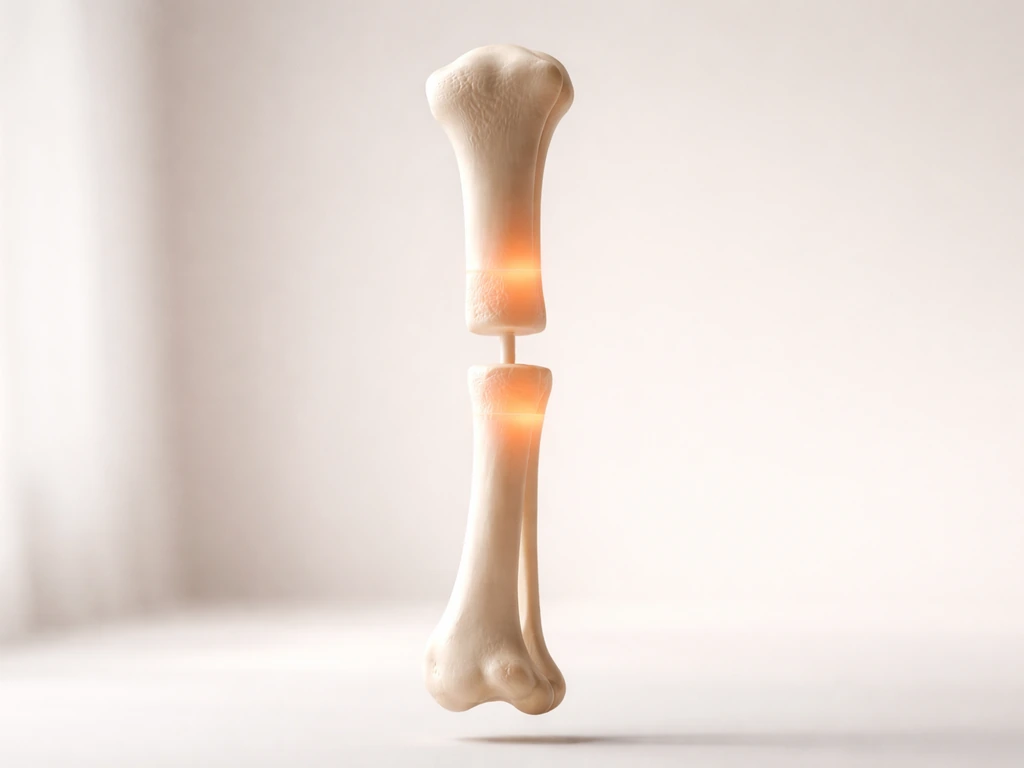
How height growth actually works

Height comes almost entirely from the lengthening of your long bones, primarily the femur, tibia, and the vertebral column. That lengthening happens at the growth plates, also called the physis, which are bands of cartilage near the ends of each long bone. Specialized cells called chondrocytes divide and multiply inside those plates, gradually pushing the ends of the bone apart. New cartilage gets replaced by hardened bone tissue behind the growth front, and the bone gets longer. When those chondrocytes stop proliferating and the plate fully mineralizes into solid bone, the process ends permanently.
The main hormonal drivers are growth hormone (GH) and its downstream messenger, insulin-like growth factor 1 (IGF-1). GH is released in pulses, especially during deep sleep, and it signals the liver to produce IGF-1, which directly stimulates chondrocyte activity. During puberty, rising sex steroids (testosterone in males, estrogens in both sexes) amplify GH output and trigger a major acceleration in growth velocity. That's the pubertal growth spurt. The same estrogen that drives the spurt eventually signals the growth plates to mature and fuse, which ends it. Thyroid hormone also plays a critical background role: without adequate thyroid function, normal endochondral ossification can't proceed properly, and linear growth stalls even if everything else is in order.
What actually sets your maximum height
Genetics is the dominant driver. K-pop idols can often maximize their height potential during adolescence, but how do kpop idols grow taller depends on genetics, puberty timing, and overall health. Twin and family studies put the heritability of adult height at roughly 80%, meaning the large majority of the variation in height between people traces back to inherited genetic variants. Genome-wide studies have identified hundreds of loci involved. A rough practical estimate: your likely adult height falls within about 8.5 cm of your mid-parental height (the average of your parents' heights, adjusted for sex). That range covers a lot of individual variation, though, and some kids end up outside it due to health events or environment.
The remaining 20% or so comes from environment and health, mostly concentrated in early childhood and adolescence. Chronic illness, poor nutrition, repeated infections, and severe stress during growth years can reduce the height you'd otherwise reach genetically. Conversely, excellent nutrition and general health during childhood help you hit your genetic ceiling rather than fall short of it. Shared early environment matters until roughly age 19, after which environmental influences taper off.
Growth potential in childhood vs after puberty
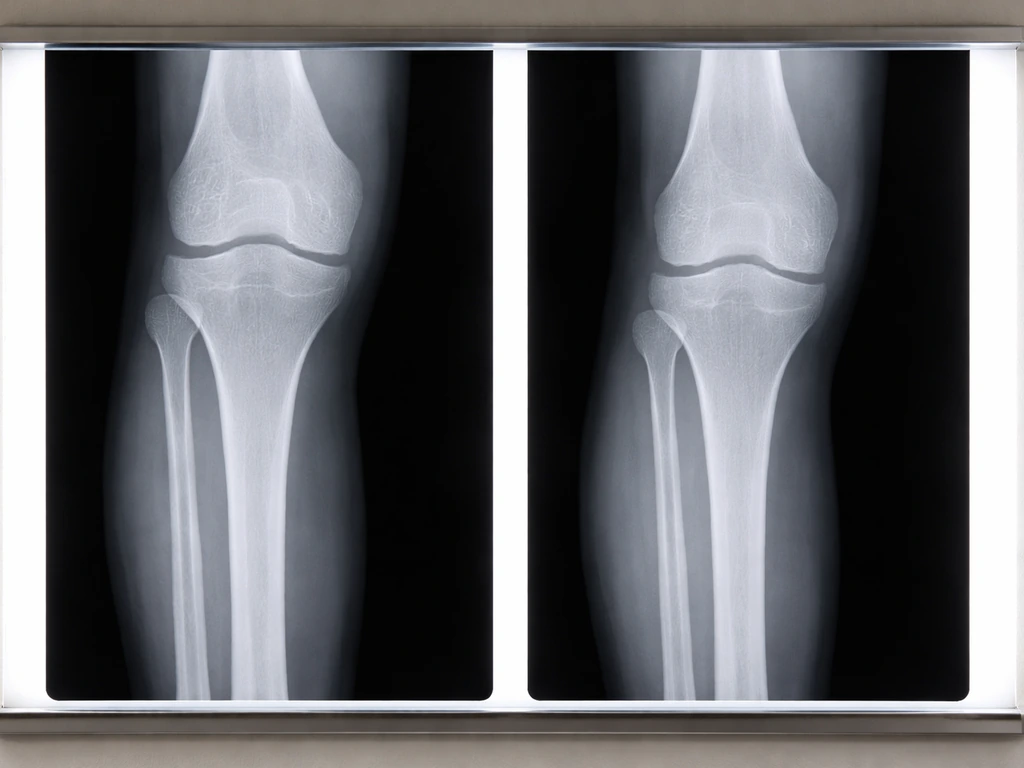
Growth plate closure is what separates the 'can still grow' phase from the 'plates are done' phase, and timing is individual, not just a fixed age. Before puberty, boys grow around 5 cm per year on average. The pubertal growth spurt, which in boys typically peaks around age 13, pushes that velocity much higher for a few years.
Most boys complete the bulk of their linear growth somewhere between ages 16 and 19, but the exact endpoint is determined by skeletal maturity, not chronological age. An MRI-based study of adolescents showed that growth plate fusion occurs about two years later in males than in females, which is part of why men tend to end up taller.
Even reaching Tanner stage 5 (full sexual maturity) doesn't guarantee your plates are closed; some individuals at that stage still have growth plates that haven't fully fused, though this is uncommon.
Once the plates fuse, longitudinal bone growth stops completely. No supplement, exercise, or technique changes that physiology. The only way to determine whether your growth plates are still open is a bone age X-ray, which shows how your skeletal maturity compares to your chronological age and how much room remains for growth.
What 'growing taller' can mean for adult men
After growth plate closure, true bone lengthening isn't happening. But measured standing height can still change for a few legitimate reasons. The intervertebral discs in your spine compress throughout the day under gravitational load and partially rehydrate overnight. This means most people are measurably taller in the morning than in the evening.
Astronauts have been studied to see whether microgravity affects height, but most height changes there are temporary and related to posture and spinal loading rather than true bone growth. Postural changes also matter: chronic forward head posture, rounded shoulders, or thoracic kyphosis can reduce your effective standing height. Corrective exercise programs targeting thoracic kyphosis have been shown in randomized trials to improve spinal alignment in teenagers, and similar principles apply in adults, though the gains are more modest.
An RCT by researchers investigating a corrective functional exercise program found improvements in postural thoracic kyphosis in teenagers, supporting posture-based approaches to spinal alignment changes.
Surgical limb lengthening (distraction osteogenesis) can increase height in adults, but it involves breaking the bone, inserting hardware, and allowing slow bone regeneration across the gap. Complications include pin-tract infections, joint contracture, nerve injury, and refracture. This is a legitimate medical procedure for certain conditions, not a cosmetic shortcut, and it carries real risks.
There's also the rare scenario where a treatable medical condition (like hypothyroidism or delayed puberty) was limiting growth during adolescence and is caught late enough that intervention still helps. Beyond those specific cases, adult 'height gain' products and protocols that promise bone elongation don't hold up to scrutiny. For more on whether adult height can still change, see discussions of how surgeons and clinicians approach height gain after growth plates fuse height gain products and protocols.
What you can actually control during your growing years
Nutrition

Total caloric intake matters first. Chronic undernutrition suppresses growth hormone signaling and slows growth velocity regardless of how good the rest of the diet is. Adequate protein supports the structural building blocks for bone and cartilage. Key micronutrients include calcium and vitamin D (both essential for bone mineralization), zinc (deficiency specifically impairs linear growth in children), and iodine (needed for thyroid hormone production). A Cochrane review found that vitamin D supplementation modestly improved height-for-age z-scores in some pediatric populations with inadequate vitamin D status. The practical takeaway: supplementing nutrients that aren't deficient doesn't produce meaningful additional height gains in healthy kids, but fixing a real deficiency can make a real difference.
Sleep
Growth hormone is secreted in pulses, and the largest pulse happens during slow-wave (deep) sleep, typically within the first few hours after falling asleep. Chronically short or fragmented sleep reduces total GH output. For growing boys and teenagers, the recommended sleep duration is 8 to 10 hours per night. This isn't about one late night; it's about consistent patterns over months and years during the growth window.
Exercise
Regular physical activity supports healthy bone development and stimulates GH release. Load-bearing exercise like running, jumping, and strength training creates mechanical stress that promotes bone density. There's no evidence that any specific exercise type increases final adult height beyond what genetics allows, but staying active during the growth years helps you reach your genetic potential rather than fall short of it. One important caveat: extreme endurance training or very low body weight (as sometimes seen in young distance runners or gymnasts) can suppress GH axis activity and delay puberty, which can actually reduce final height. Exercise supports growth best when paired with adequate energy intake.
Body weight and energy balance
Obesity in childhood can accelerate bone age advancement, meaning the growth plates mature and close sooner than they otherwise would. The net effect is that obese children may be taller than average in early childhood but don't necessarily end up taller as adults. Conversely, significant underweight or caloric restriction during the growth window delays puberty and slows growth. The sweet spot for maximizing height is maintaining a healthy weight and eating enough to support the growth velocity appropriate for your stage.
Stress
Chronic psychological stress elevates cortisol, which antagonizes growth hormone signaling and can suppress the GH/IGF-1 axis over time. Severe early-life adversity is associated with impaired linear growth, partly through this mechanism. Acute stress doesn't derail growth, but prolonged, unmanaged stress during childhood and adolescence is a real factor worth acknowledging, even if it's one of the harder ones to address directly.
When something medical might be involved

Most short or average-height men are just expressing their genetics. But certain medical conditions genuinely suppress growth and are worth identifying because some are treatable, especially when caught during the growth window.
- Hypothyroidism: insufficient thyroid hormone directly impairs growth plate function and linear growth; treatment can restore normal growth velocity in children
- Growth hormone deficiency: rare but leads to severely slowed growth velocity; GH therapy is effective when started before plate closure
- Constitutional delay of growth and puberty: boys who are late bloomers may appear short for their age but catch up once puberty starts; bone age X-ray typically shows a younger-than-chronological skeletal age
- Celiac disease and inflammatory bowel disease: chronic gut inflammation and malabsorption reduce nutrient availability for growth
- Chronic kidney disease and anemia: systemic illness impairs the GH/IGF-1 axis and overall metabolic support for bone lengthening
- Nutritional deficiencies (especially zinc, vitamin D, overall caloric deficiency): addressable with dietary changes or supplementation in deficient individuals
The clinical signal that something may be wrong isn't just height but growth velocity. A growth rate below about 4 cm per year in a school-age child warrants evaluation. Endocrine Society patient education on growth and short stature notes that an evaluation is especially warranted when a child’s growth rate falls below about 4 cm per year growth rate below about 4 cm per year. Dropping across two or more major percentile lines on a growth chart (not just being short, but actively slowing down) is a clinical red flag. Delayed puberty with no signs of development by age 14 in boys is another reason to consult a pediatrician or pediatric endocrinologist.
An initial clinical workup typically includes accurate height measurement and growth velocity calculation from at least two data points separated by several months, mid-parental height calculation, a bone age X-ray of the left hand and wrist, and labs including TSH and free T4 (thyroid), IGF-1 and IGFBP-3 (GH axis markers), a complete blood count, basic metabolic panel, and celiac serology. This isn't a DIY checklist; it's a picture of what a doctor is looking for and why.
Myths worth putting to rest
| Claim | Reality |
|---|---|
| Height-boosting supplements can grow your bones after puberty | No supplement causes longitudinal bone growth once growth plates are fused; micronutrient supplements help only if you have an actual deficiency |
| Stretching or hanging makes you permanently taller | Spinal decompression temporarily changes measured height but doesn't lengthen bones; gains reverse within hours |
| You can grow until age 25 if you optimize everything | Growth stops at plate fusion, which happens well before 25 in most men; the myth often conflates measurement variation with real growth |
| Short dads mean you'll definitely be short | Genetics contributes about 80% of height variance but your exact outcome also depends on your mother's height, health history, and some unpredictability in polygenic traits |
| More GH injections mean more height for healthy people | GH therapy in people without GH deficiency does not reliably produce significant height gains and carries health risks |
How to figure out where you stand and what to do next
The most useful thing you can do is figure out your current growth stage, because the right action completely depends on it. If you are wondering would humans grow taller on Mars, the key issue is how gravity and long-term living conditions affect growth, bone remodeling, and the timing of growth-plate closure. There are really three categories: still growing (adolescent with open plates), possibly still growing (late teen with uncertain plate status), and growth complete (adult with fused plates).
- Check your pubertal status and age: if you're under 18 and haven't reached full sexual maturity, you're likely still growing and should focus on the lifestyle factors covered above (adequate calories, protein, sleep, consistent physical activity, and managing chronic stress)
- If you're 16 to 20 and unsure, a bone age X-ray is the only way to know for certain whether your growth plates are still open; ask your doctor about it if you're concerned about growth, not just curious
- Plot your height on a CDC growth chart and look at trend over time, not just current percentile; if you've been consistently following a percentile line, you're probably on your genetic track; if you've dropped significantly, that warrants medical attention
- Calculate your mid-parental height: for males, add your parents' heights in inches, add 5 inches, then divide by 2; your likely range is that number plus or minus about 3 to 4 inches (roughly 8.5 cm)
- If you're already an adult with fused plates, redirect effort toward posture: a physical therapist or corrective exercise program addressing thoracic kyphosis or anterior pelvic tilt can improve your standing height by a small but real and permanent amount through better alignment
- See a doctor if you're a teen growing less than 4 cm per year, if you haven't started puberty by 14, or if you're significantly shorter than your mid-parental height prediction and haven't had a medical evaluation
The honest reality is that most men asking this question have already completed the majority of their linear growth. That doesn't mean nothing can be done, but it does mean managing expectations clearly. If you are wondering about younger siblings, their growth will depend mostly on their own age, puberty stage, and whether their growth plates are still open.
If your plates are fused, the conversation shifts from 'how do I grow taller' to 'how do I present my actual height as well as possible and rule out any correctable issues. ' For men who are still in the growth window, the evidence-based moves are genuinely useful and not complicated: eat enough good food, sleep consistently, stay active, and keep an eye on any medical signals.
And if something does seem medically off, a bone age X-ray and a basic lab panel can answer most of the major questions quickly.
If you're also curious about related questions, the specific reasons why men tend to grow taller than women trace back to the hormonal timing differences covered above, and the question of whether adults can add any meaningful height through non-surgical means is worth exploring in more depth as its own topic. If you want the full answer, it comes down to what growth plates can and cannot do after puberty whether adults can grow taller. Both connect directly to the biology described here.
FAQ
Can vitamins or supplements help men grow taller even after puberty?
No supplement can reopen growth plates after they have fused. If your goal is to know whether you are still “in the plates are open” phase, the most direct check is a bone age X-ray, ideally interpreted alongside pubertal stage and growth velocity (your height change over time).
If I reached Tanner stage 5, does that mean I definitely cannot grow taller anymore?
You can be fully sexually mature (often Tanner stage 5) and still have some remaining growth plate activity, but it is uncommon. The practical takeaway is that Tanner stage alone cannot tell you how much height potential remains, bone age timing and growth velocity give the clearer answer.
What is more important than height itself, growth rate or height percentile?
If your height percentile is stable but your growth rate is adequate, that is usually reassuring. A key warning sign is slowing growth speed, for example consistently under about 4 cm per year in a school-age child, or a drop across multiple major percentile lines over time.
Why do I look taller in the morning, and does that mean I am gaining height?
Yes, but mainly as compensation, not true bone growth. Morning height is often greater because spinal discs partially rehydrate overnight, and that effect can mask or exaggerate changes depending on what time of day you measure.
How can I tell whether my height really changed versus measurement error?
Try to correct measurement technique first. Use the same time of day, stand without shoes, keep heels against the wall, head in a neutral position (not looking up or down), and use the same stadiometer if possible. Inconsistent posture or footwear can create “false gains” that look like growth.
Could thyroid problems be the reason someone is shorter, and is it treatable?
A chronic underactive thyroid can impair linear growth in children and teens, and it can be missed if only height is considered. Since thyroid hormones are a background requirement for normal growth plate ossification, testing TSH and free T4 is one of the reasons clinicians include thyroid labs in the workup.
Can too much exercise reduce a boy’s final height?
Some exercise can support healthy bone development, but extreme training or low energy availability can backfire by suppressing the growth hormone axis or delaying puberty. If you are a very lean teen doing high-volume endurance work, the “stay active” advice should include adequate calories and enough recovery.
Does being overweight in childhood always make you shorter as an adult?
Yes, childhood obesity can advance bone age and lead to earlier growth plate closure, which may mean less adult height than the person’s genetics would predict. Weight changes can also complicate interpretation of growth charts, so clinicians often look at growth velocity, not only BMI.
How much does stress actually affect height, and what should I do if I suspect it?
Stress can matter, but it is not something you fix overnight. The practical approach is to look for sustained issues (sleep disruption, anxiety, prolonged adversity), because cortisol and related pathways can interfere with the GH/IGF-1 signaling rhythm over time.
If puberty starts late in a boy, when should we get medical advice?
If a child has delayed puberty, clinicians do not just watch height, they also evaluate development and consider endocrine causes that could be treatable. Waiting without assessment can reduce the window where intervention might help if growth plates are still open.
How reliable is a bone age X-ray for predicting how much height a person can still gain?
Bone age X-ray is commonly used because it estimates skeletal maturity, but it is not perfect and it is most useful in combination with growth velocity, family pattern (mid-parental height), and basic labs. Expect the doctor to interpret the whole picture rather than treating the X-ray number as the only determinant.
What are realistic options for height change in adults if growth plates are fused?
If your growth plates are closed, the realistic goal shifts to optimizing measured height, mainly posture and spinal alignment, and addressing any correctable conditions that affect stance. Surgical lengthening can increase height in adults, but it is high risk and usually reserved for specific medical indications after careful evaluation.
Next Article
How Do K-pop Idols Grow Taller The Science and Reality
Learn how K-pop idols may maximize height potential and how to look taller safely with myths vs science and real steps.