
Humans have gotten dramatically taller over the past 150 years, but that trend is slowing down and has already stopped in several wealthy countries. The data from large multi-country studies shows that average adult height in high-income nations has plateaued since roughly 1980. Whether humans continue to grow taller as a species now depends almost entirely on whether the world's lower-income populations gain access to better nutrition, sanitation, and early-life healthcare. For any individual today, though, population trends are mostly irrelevant. What matters is how well you support the biological processes that govern your own growth window and whether you're getting the most out of the genetic potential you were born with.
Will Humans Continue to Grow Taller? Evidence and Guidance

Marcus Reeves
24 May 2026

Are humans still getting taller: what the data shows now

The headline finding from the NCD Risk Factor Collaboration's landmark analysis of adult height trends across roughly 100 years is striking: people in wealthy, high-income countries have essentially stopped getting taller. A study using national conscription data found that secular change in adult stature has come to a halt in northern Europe and Italy, with men in Scandinavia and the Netherlands plateauing around 179 to 181 cm, and Italian men plateauing near 174 cm. A 2017 Frontiers in Physiology review confirmed this across large multi-country datasets, pointing to a clear plateau since around 1980 in high-income regions.
In the United States, CDC data from the National Health and Nutrition Examination Survey tracks this well. During 1999 to 2002, mean adult height was about 5 feet 9 inches for men and 5 feet 4 inches for women aged 20 to 74, a figure that had changed relatively little compared to earlier survey cycles. The gains from the mid-20th century have mostly been locked in, and the curve has flattened.
Globally, the picture is more uneven. Populations in parts of sub-Saharan Africa, South Asia, and some lower-income countries continue to show growth potential that hasn't been reached yet, largely because the conditions that allowed wealthier nations to maximize height aren't fully in place. So the honest answer to whether humans will keep getting taller is: some populations probably will, as living conditions improve, while others have likely hit or are approaching their biological ceiling under current conditions. Whether can men grow taller depends on whether their growth plates are still open and on early-life nutrition, health, and sleep.
Why population height changes: nutrition, disease, and early-life health
The secular increase in height across generations wasn't driven by changes in human DNA. Genes didn't change. What changed was how fully those genes could express themselves, and that came down to three core factors: food, infection, and early-life environment.
Nutrition as the biggest lever
Adequate calories are the baseline, but the micronutrients matter just as much. Protein is critical for bone and tissue growth. Vitamin D and calcium directly support bone mineralization. Iron deficiency stunts development by limiting oxygen delivery and impairing cognitive and physical function. Children who grow up with chronic deficiencies in any of these nutrients, especially during the first 1,000 days from conception to age two, face real limits on how tall they'll grow regardless of their genetic potential. The blank" rel="noopener noreferrer">WHO's Global Database on Child Growth and Malnutrition, which tracks height-for-age z-scores across populations, exists precisely because stunting from undernutrition remains a major global problem. If you're looking at how kpop idols grow taller, the key is that height gain still depends on nutrition, early health, and when growth plates close height-for-age z-scores.
Infection and disease burden

Repeated infections during childhood redirect energy and nutrients away from growth and toward immune responses. Kids who experience frequent gastrointestinal illness, respiratory infections, or parasitic infections in early life often show measurably shorter stature as adults. Improved sanitation, clean water, and vaccination programs in the 20th century removed a massive drag on growth in populations that benefited from them. This is one of the most underappreciated reasons why people in developed countries got taller so quickly.
Prenatal and early-life environment
Growth starts before birth. Maternal nutrition during pregnancy, access to prenatal care, and avoiding exposures like smoking or alcohol all influence fetal growth and set a trajectory. Babies born small for gestational age who don't experience catch-up growth in early childhood often remain shorter as adults. Improvements in maternal health and prenatal care have contributed meaningfully to the height gains seen across the 20th century.
Biology of maximum height: growth plates, puberty timing, and limits
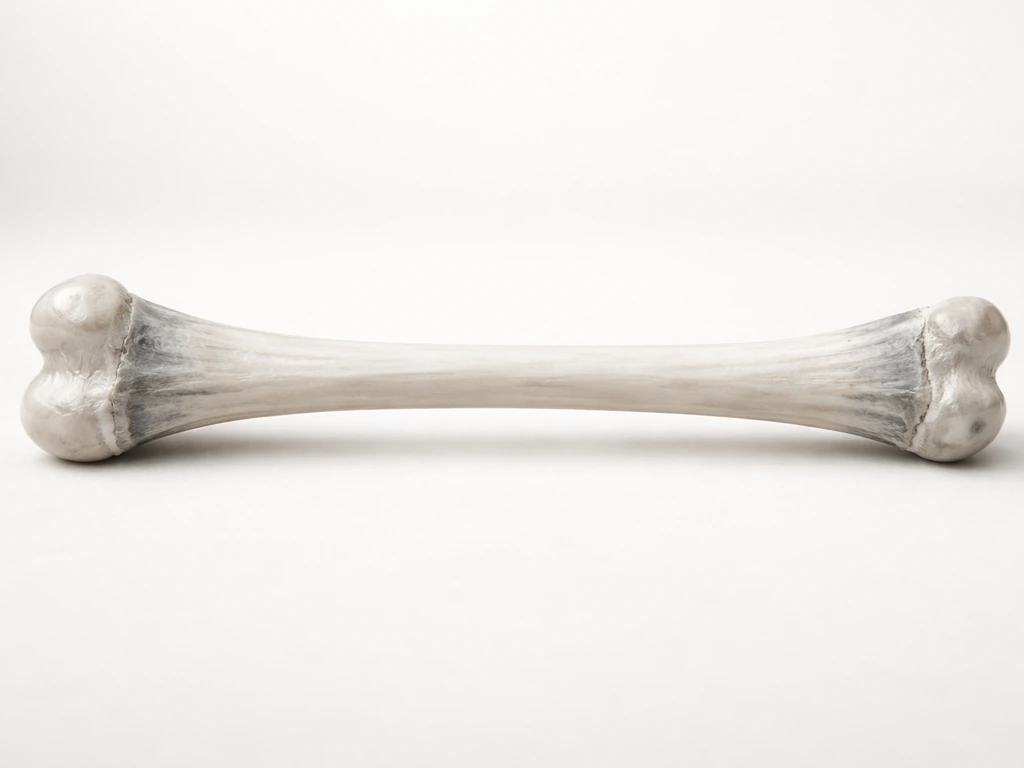
Your height potential is built into your skeleton, specifically into cartilaginous regions called epiphyseal plates, or growth plates, located near the ends of your long bones. These plates are active zones of new bone formation during childhood and adolescence. When growth hormone and sex hormones signal the body through puberty, these plates gradually harden and fuse, closing the window for height increase. Once the growth plates are fully fused, bone length cannot increase. Period. No supplement, exercise protocol, or lifestyle intervention changes that biology.
Puberty timing matters a lot here. Early puberty tends to mean an earlier growth spurt but also earlier plate fusion, sometimes resulting in a shorter final height. Later puberty typically means a longer growing window. Girls generally experience puberty earlier than boys, which is a key part of why men tend to end up taller on average. Growth plates typically fuse in girls by their late teens, often 16 to 18, and in boys slightly later, often 18 to 21, though there's meaningful individual variation.
The WHO's growth reference data for ages 5 to 19 provides standardized height-for-age charts that capture normal variation across this entire developmental window. Tracking a child's position on these charts over time is far more informative than any single measurement.
What you can do to maximize growth in childhood and teen years
If you're a parent, or a teenager who still has growing years ahead, the levers you actually control are real and worth paying attention to. None of this is magic, but the combination makes a genuine difference in whether a child reaches the taller end of their genetic range.
- Protein at every meal: children and teens need adequate protein to build bone matrix and muscle. Lean meats, eggs, dairy, legumes, and fish all count. Chronic low protein intake is one of the most direct ways to limit growth.
- Calcium and vitamin D together: calcium builds bone density and length, but it only absorbs well with sufficient vitamin D. Many children, especially those in northern climates or who spend little time outdoors, are deficient. A pediatrician can check levels and recommend supplementation if needed.
- Iron-rich foods: iron deficiency is common in growing kids and directly limits development. Red meat, fortified cereals, lentils, and pairing plant-based iron sources with vitamin C all help.
- Sleep, consistently: human growth hormone secretion peaks during deep sleep, particularly in the first few hours of the night. Short or disrupted sleep in childhood directly reduces growth hormone output. School-age children need 9 to 12 hours; teens need 8 to 10.
- Regular physical activity: weight-bearing exercise like running, jumping, and sports stimulates bone remodeling and is associated with better bone density, though it doesn't extend growth plate activity. It keeps the skeletal system healthy during the growth years.
- Avoid smoking exposure: secondhand smoke in childhood is associated with reduced final adult height. This is a modifiable environmental factor parents can control.
- Manage chronic illness: untreated asthma, celiac disease, inflammatory bowel disease, or other chronic conditions that impair nutrient absorption or chronically activate the immune system can measurably impact growth. Getting these well-managed matters.
What doesn't work: hanging exercises, stretching routines marketed as height-boosters, herbal supplements claiming to stimulate growth plates, and so-called height pills. If the growth plates are still open, proper nutrition and sleep are doing the real work. If they're closed, none of these do anything to bone length. If your growth plates are already closed after puberty, you generally will not grow taller no matter what supplements claim. Save the money.
What adults can do (and can't): posture, bone health, and functional height
Once your growth plates have fused, your skeleton's length is fixed. Adults cannot grow taller in any meaningful skeletal sense through lifestyle changes. That's not pessimism, it's just physiology. What adults can do is avoid losing height and optimize how they carry themselves and function.
Protecting the height you have
Adults lose height gradually over time due to spinal compression, disc dehydration, and bone density loss. Women are especially vulnerable to accelerated bone loss after menopause, which can lead to vertebral compression fractures and measurable height reduction. Adequate calcium (about 1,000 to 1,200 mg daily for adults), vitamin D, regular weight-bearing exercise, and not smoking all help preserve bone density and slow age-related height loss.
Posture and apparent height
Chronic poor posture, particularly forward head posture and thoracic kyphosis from prolonged sitting, can make a person appear noticeably shorter than their skeletal measurement. Strengthening the posterior chain (back extensors, glutes, and core) and being deliberate about spinal alignment can recover some of that apparent height. This isn't growing taller, but it is realizing the height you already have. For adults interested in this, working with a physical therapist or doing targeted strength training is more evidence-based than any posture gadget.
The only clinical interventions that can change adult height involve surgical procedures, which are outside the scope of lifestyle guidance and come with serious risks and recovery requirements. These are typically reserved for people with significant medical indications, not cosmetic goals.
Genetics and growth potential: how to estimate limits and when to check
Genetics accounts for roughly 60 to 80 percent of the variation in adult height between individuals. The most practical way to estimate a child's height potential is the mid-parental height formula, which gives a rough genetic target based on the parents' heights.
| Sex | Mid-Parental Height Formula | Expected Range |
|---|---|---|
| Boys | (Father's height + Mother's height + 13 cm) / 2 | Target height ± 10 cm (roughly ± 4 inches) |
| Girls | (Father's height + Mother's height - 13 cm) / 2 | Target height ± 10 cm (roughly ± 4 inches) |
This formula is a rough estimate, not a guarantee. It gives you a genetic target range, not a fixed destiny. Whether a child reaches the top or bottom of that range depends heavily on the nutritional, health, and sleep factors described above.
When to talk to a doctor
Most children follow a consistent growth channel on standardized growth charts, staying within a similar percentile range over time. The situations that warrant a conversation with a pediatrician or pediatric endocrinologist include: a child who drops two or more major percentile channels on a height-for-age chart over time, a child who is growing slower than about 5 cm per year during the pre-pubertal years, a teenager who shows no signs of puberty by age 14 (girls) or 16 (boys), or a child significantly shorter than the mid-parental height formula would predict. In these cases, evaluation for growth hormone deficiency, thyroid issues, celiac disease, or other underlying conditions is appropriate, and early intervention can make a real difference.
It's also worth knowing that bone age X-rays, which assess how mature the growth plates are compared to chronological age, can give a clearer picture of remaining growth potential. A child with delayed bone age may have more growing time than their current height would suggest. This is a tool a clinician can use, not something to pursue independently.
On a broader scale, questions about how genetics and environment interact with height come up across a lot of related topics, from whether adults can realistically grow taller after puberty, to how height differences between populations or even siblings emerge, and even to more unusual scenarios like how gravity affects height in space. Do younger siblings grow taller? In many families, sibling height differences reflect shared genetics but also early-life nutrition, illness, and timing of puberty height differences between populations or even siblings. Astronauts have experienced small, temporary height changes in microgravity, but that does not mean their growth plates can open again how gravity affects height in space. The underlying biology is the same: genetics sets the ceiling, and environment determines how close you get to it. Focus your energy on the factors you can actually control, especially during the years when those factors genuinely matter.
FAQ
If someone is already done with puberty, is there any safe way to regain height naturally?
You cannot increase long-bone length after growth plates fuse. For adults, the realistic options are preventing further height loss (bone health habits like calcium, vitamin D, weight-bearing exercise, and not smoking) and improving posture-related appearance (core and posterior-chain strengthening). If height loss is rapid or accompanied by pain, ask a clinician to evaluate for vertebral compression fractures or other bone issues.
How can I tell whether a child still has growth left without guessing from age alone?
Age gives a rough clue, but the most informative signals are puberty stage and growth velocity on a height-for-age chart over time. Clinicians can also assess bone age with an X-ray to estimate remaining growth potential. If a child’s height percentile drops across multiple checks, or growth slows to well below typical pre-pubertal rates, it’s worth asking a pediatrician or pediatric endocrinologist.
Do height supplements work if they claim to “stimulate growth plates”?
In general, no. Supplements cannot reopen or extend fused growth plates. In a still-growing child, some supplements might correct a specific deficiency, but that only helps if there is an underlying nutrient problem, not because the supplement directly forces bone growth. The safest path is nutrition first and targeted supplementation only if advised after an evaluation.
Can exercise or sports make a child taller than their genetics would allow?
Exercise can support healthy growth indirectly by improving fitness, sleep quality, and overall health, and it helps build bone density. However, it does not override closed biological growth windows. For height maximization, consistent nutrition and infection prevention matter more than any specific exercise protocol.
What role does sleep play in reaching height potential?
Sleep supports normal hormone rhythms and recovery, which affects growth processes during childhood and adolescence. If a child has chronic poor sleep or obstructive sleep symptoms (snoring, pauses in breathing, daytime sleepiness), address that with a clinician because it can impair development and overall growth outcomes.
How important is protein compared with total calories for height?
Calories are the baseline for growth, but protein is a key building block for tissues, including bone. That said, focusing only on protein without covering micronutrients (like iron, zinc, vitamin D, and calcium) and without preventing illness is unlikely to fully support growth potential. The “whole diet” approach matters.
If a child is shorter than expected, when should we worry about a medical cause?
Consider evaluation if a child drops two or more major height percentile channels on growth charts, grows slower than about 5 cm per year in pre-pubertal years, shows no puberty signs by age 14 (girls) or 16 (boys), or is far below what the mid-parental height estimate suggests. These patterns warrant discussion about endocrine or chronic disease causes, not just nutritional adjustment.
Does delayed puberty automatically mean a child will end up taller?
Often, later puberty can mean a longer growth period, which may increase final height potential. But it is not guaranteed, because overall growth velocity, nutrition status, and medical factors also influence outcomes. A clinician can interpret timing alongside growth chart trends and, when needed, bone age.
Are adult height losses reversible if posture improves?
Some of the “lost height” can be regained in appearance if posture improves, because spinal alignment and thoracic kyphosis can change how tall you look. But posture changes do not rebuild lost vertebral height from bone density loss. If you notice progressive shortening, especially with pain, get assessed rather than relying only on posture exercises.
Why do siblings sometimes end up very different heights even with similar genetics?
Genetics sets a large ceiling, but siblings share environment unevenly across childhood, including early-life nutrition quality, illness exposure, and timing of puberty. Even small differences in infections or nutritional adequacy during key early windows can shift how close each sibling gets to their genetic potential.
Next Article
Do Short People Grow Taller? What Science Says and What to Do
Learn whether short height can increase naturally, how growth windows work, and steps to maximize or get checked safely.