
Yes, a person who is overweight can still grow taller, but whether that's actually possible depends almost entirely on age, puberty stage, and whether their growth plates are still open. Body fat itself doesn't directly prevent height growth, but being overweight can influence the hormones and timing involved in development in ways that either speed things up or, in some cases, cut the growth window short. If you're a child or teenager who hasn't finished puberty, there's a real chance you're still growing. If you're an adult with fused growth plates, no amount of lifestyle change will add bone length, though posture and spinal health can still affect how tall you appear.
Can a Fat Person Grow Taller? What Science Says

Marcus Reeves
24 Jun 2026

How height growth actually works
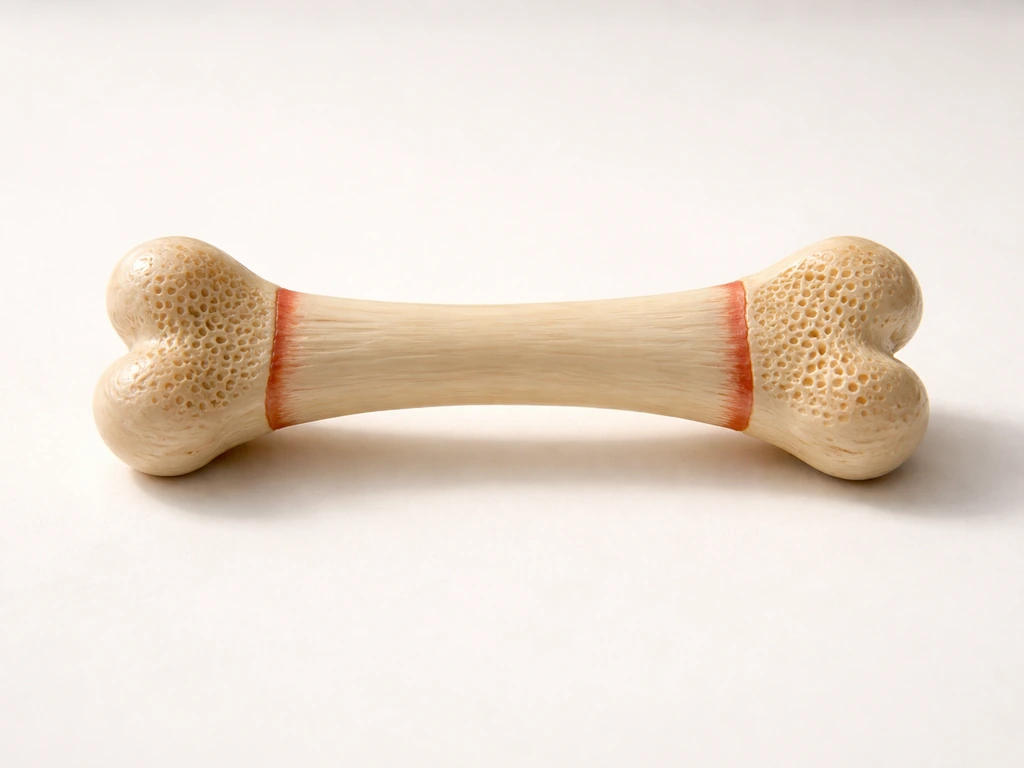
Height comes from bones getting longer, and that happens at specific zones near the ends of your long bones called growth plates (epiphyseal plates). These plates are made of cartilage, and throughout childhood and adolescence, new cartilage cells are produced and then replaced by bone tissue, pushing the bone longer in the process. The engine driving all of this is the growth hormone (GH) and insulin-like growth factor 1 (IGF-1) system. Your pituitary gland releases GH, which signals the liver to produce IGF-1, which then acts directly on the growth plates to stimulate cell division and bone elongation.
Puberty is when this system goes into overdrive. Estrogen (in both girls and boys, just at different levels) activates the GH-IGF-1 axis, causing the dramatic growth spurts most people remember from adolescence. [Puberty accounts for roughly 20% of final adult height, so it's a significant window. ](https://onlinelibrary.
wiley. com/doi/abs/10. 1111/j. 1365-2265.
2007. 02960. x) Peak height velocity, the fastest rate of growth, typically hits around Tanner stages 2 to 3 in girls and stages 3 to 4 in boys. This is also when estrogen begins the countdown to growth plate fusion.
As estrogen levels rise over time, the cartilage cells in the growth plates undergo programmed cell death (apoptosis), the plates harden into solid bone, and longitudinal growth stops. Once those plates are closed, that's the end of bone length gain, full stop. The timing and total magnitude of your growth spurt are largely written in your genetics, which account for roughly 60 to 80% of final height variation.
How being overweight affects growth in kids and teens
This is where it gets nuanced. Being overweight doesn't automatically stunt growth, some overweight children actually grow faster in the short term. But it does shift the hormonal environment in ways that matter for final height.
Early puberty and the shortened growth window

Higher body fat, particularly in girls, is associated with earlier onset of puberty. If you’re asking whether you need fat to grow taller, the key takeaway is that enough healthy nutrition and body fat can support normal puberty and growth, but excess fat can shorten the growth window Higher body fat. Fat tissue converts androgens into estrogen through a process called aromatization. More body fat means more estrogen earlier, which can trigger puberty sooner.
An earlier puberty means an earlier peak height velocity, which sounds good at first. And in the short term, these kids may be taller than their peers. The problem is that an earlier puberty also means earlier growth plate fusion. If puberty starts and ends sooner, the overall time window for growing is shorter, and final adult height can end up lower than genetic potential would have otherwise allowed.
This isn't a guaranteed outcome for every overweight child, individual variation is real, but it's a documented trend.
Hormonal interference: insulin and IGF-1
Excess weight, especially when it leads to insulin resistance, changes how the body handles IGF-1 signaling. Chronically elevated insulin can raise IGF-1 levels in ways that push growth plates harder early on, again contributing to the faster-but-shorter pattern. At the same time, chronic low-grade inflammation, common in obesity, can blunt the effectiveness of GH signaling over time. So even if the raw hormonal output looks normal, the system isn't working as efficiently as it should.
Nutrition quality matters more than calories alone

An overweight child is not automatically well-nourished. Diets high in processed foods and added sugars can be calorie-dense while being low in the micronutrients that bone growth actually requires, calcium, vitamin D, zinc, iron, and magnesium among them. Deficiencies in any of these can impair bone mineralization and growth even when total caloric intake is high. Vitamin D deficiency in particular is common in overweight children and directly affects calcium absorption and GH receptor sensitivity. So the concern for overweight kids isn't excess calories per se, it's whether those calories are coming with the nutritional payload that growth needs.
Why adults usually can't grow taller, and what's actually going on
Once your growth plates fuse, which typically happens between ages 16 and 18 in girls and 18 to 21 in boys, bone length is fixed. No supplement, exercise, diet, or intervention changes that biological reality. If you're wondering about protein specifically, the key is getting enough daily protein to support normal growth and muscle development, rather than expecting it to override your genetics or growth-plate timing. This applies regardless of body weight. An overweight adult cannot grow taller by losing weight, though losing weight may reveal a taller-appearing posture, which we'll get to. Adult bone remodeling continues throughout life, but it's a process of maintaining and replacing existing bone tissue, not adding length.
The exception worth knowing about: spinal compression. Your spine contains 23 intervertebral discs, and they're somewhat compressible. Over the course of a day, you can lose up to about 1 cm of height just from gravity and activity compressing those discs, and recover it overnight during sleep. Chronic poor posture, tight hip flexors, weak core muscles, and excess abdominal weight can all exaggerate spinal curvature and contribute to looking shorter than you actually are. Addressing those factors through exercise and mobility work can help you stand closer to your actual skeletal height. That's not the same as growing taller, but it's real and measurable.
How to estimate how much growth you might have left
If you're trying to figure out whether you still have room to grow, a few factors give you a practical picture:
- Age and puberty stage: If you're under 16 (female) or under 18 (male) and haven't completed puberty, growth plates are likely still open. The later in puberty you are, the less growth remains.
- Growth history: Track your height over the past 6 to 12 months. A growth velocity of more than 1 to 2 cm per year is a sign the plates are still active. Stalled growth for over a year suggests you're near the end.
- Parental height: Your mid-parental height (the average of your parents' heights, adjusted by about 6.5 cm in the direction of your sex) gives a rough genetic target for final height.
- Bone age x-ray: A left-hand x-ray assessed by a radiologist can determine bone age — how mature your skeleton is — relative to your chronological age. This is the most objective way to assess remaining growth potential.
- Growth chart percentiles: Plotting your height and weight on a standard growth chart over time shows whether you're tracking within a normal range and whether your growth velocity is appropriate.
If you're an adult and already past the typical age of plate fusion, this estimation exercise is mostly moot for actual height gain, but it can still be useful context if you're evaluating a child or teenager in your family.
Lifestyle actions that actually support healthy growth and posture
Whether you're a growing teen or an adult trying to maximize how tall you look and feel, these actions are supported by evidence and worth doing consistently:
Sleep
Growth hormone is secreted in pulses during deep sleep, with the largest pulse occurring in the first few hours after falling asleep. Getting 8 to 10 hours of quality sleep per night is one of the most important things a growing child or teen can do. For adults, sleep still matters for GH pulse amplitude, body composition, and overall hormonal health, even if it won't lengthen bones.
Nutrition: the key micronutrients
Protein provides the amino acids needed to build new tissue, including bone matrix. But micronutrients are where overweight individuals (and especially overweight kids) often fall short. Calcium (around 1000 to 1300 mg per day during adolescence), vitamin D (at least 600 to 1000 IU daily, more if deficient), zinc, and iron all play direct roles in bone formation, growth hormone receptor function, and overall development. A diet built around whole foods, lean proteins, dairy or fortified alternatives, vegetables, and fruit, provides these in much better concentrations than ultra-processed options.
Exercise
Weight-bearing exercise (walking, running, jumping, resistance training) stimulates bone density and GH release. For growing kids and teens, regular physical activity supports healthy growth without risk of damage to growth plates when loads are age-appropriate. High-impact compressive loads on immature plates, like very heavy weightlifting, are generally not recommended for young adolescents, but recreational sports and bodyweight exercise are not a concern. For overweight individuals of any age, exercise also helps manage insulin resistance and inflammation, which indirectly supports a better hormonal environment. For adults, core strengthening and hip flexor mobility work can meaningfully improve posture and functional height.
Weight management strategies by life stage
For overweight children and teens, aggressive calorie restriction is not appropriate, it can deprive the body of nutrients needed for growth. The goal should be slowing weight gain while allowing height to continue increasing, guided by a pediatrician. For adults, reducing excess abdominal fat specifically can improve posture, reduce spinal load, and decrease the chronic inflammation that interferes with metabolic hormones. Sustainable approaches, consistent physical activity, improved diet quality, adequate sleep, are more effective long-term than extreme restriction.
When to see a doctor
Some situations genuinely warrant professional evaluation, not just Google searches:
- A child or teen whose height has not increased measurably in 6 to 12 months but hasn't yet reached expected adult height — this is called low growth velocity and can signal a hormonal or nutritional issue
- A child who is growing much faster or slower than their growth chart percentile would predict
- Signs of very early puberty (before age 8 in girls, before age 9 in boys), sometimes called precocious puberty, which has a well-established link to excess body fat and can shorten the growth window significantly
- A parent or child concerned that weight may be affecting development and wanting an objective assessment
- Any adult who has noticed a measurable, unexplained loss of height over time — this can indicate bone loss or vertebral compression fractures, not growth plate reopening
A pediatrician can order a bone age x-ray and plot growth velocity on standardized charts. If there's a suspected hormonal issue, low GH, thyroid dysfunction, early plate fusion, a referral to a pediatric endocrinologist is appropriate. The Cleveland Clinic explains that peak height velocity occurs around mid-puberty and that Tanner stage 2 to 3 is often used clinically when screening is planned around that peak early plate fusion. Labs that might be ordered include IGF-1, thyroid function tests, and vitamin D levels. These assessments aren't necessary for every overweight child, but they're the right move when growth trajectory looks abnormal.
Myths vs. science: what weight does and doesn't determine
| Claim | What the science actually says |
|---|---|
| Being fat permanently stunts your height | Not automatically. Overweight kids can and do reach normal height ranges. The risk is a shorter growth window from early puberty, not direct bone suppression. |
| Losing weight as a teen will make you grow taller | Weight loss during growth years may improve hormonal environment slightly, but it doesn't reopen closed plates or guarantee added height. |
| Adults can grow taller with stretching or supplements | No. Once growth plates are fused, bone length is fixed. Stretching can improve posture and functional height but doesn't change skeletal structure. |
| Overweight adults are shorter because of their weight | Weight doesn't shorten adult bones. Poor posture, spinal compression, and disc degeneration — which obesity can worsen — can reduce apparent height, but these are separate from growth. |
| More body fat means more growth hormones and more height | More fat tissue can raise IGF-1 and estrogen temporarily, but this tends to accelerate puberty and plate fusion rather than extend growth — the opposite of what most people assume. |
| A high-calorie diet alone maximizes height potential | Calories matter, but micronutrient quality — especially calcium, vitamin D, zinc, and protein — is what bone growth actually runs on. Excess empty calories can interfere with this. |
The bottom line here is that body fat is not the primary variable governing height. Genetics set the ceiling, hormones and nutrition determine how close you get to it, and the growth plate timeline determines how long you have to get there. Being overweight introduces some real risks to that process, mainly through early puberty and micronutrient gaps, but it doesn't automatically cap your height below your potential. And once you're an adult, the conversation shifts entirely: growth is off the table, but posture, health, and how you carry your height are still very much within your control.
FAQ
How can I tell if my growth plates might still be open if I am overweight?
The only reliable way is medical evaluation, typically a bone age x-ray (hand or wrist) plus growth-velocity tracking over time. Overweight does not remove the need for that check, because the timing of puberty and plate fusion varies by person even when body weight is higher than average.
If puberty started early because of higher body fat, will I still reach my genetic height potential?
You may still reach much of your potential, but an earlier puberty often shortens the total growth window. The practical decision point is whether your growth rate is still progressing and how far it drops after puberty begins, which is something a pediatrician can estimate using standardized growth charts.
Can losing weight help a child or teenager grow taller?
Weight loss by itself cannot reopen closed growth plates. For kids and teens, the goal is usually to slow weight gain and improve nutrient density rather than aggressive dieting, because severe restriction can reduce micronutrients and undermine healthy growth.
Do protein powders or supplements help an overweight person grow taller?
They help only if your overall diet is missing key nutrients, and they will not override growth-plate timing. Extra protein is not a substitute for calcium, vitamin D, zinc, iron, and adequate calories needed for growth, especially in children.
Is it possible for an overweight teen to appear taller even if bone growth is not happening?
Yes. Height can increase in the short term from improved posture, reduced spinal compression, and better movement patterns. That change can be measurable on certain days but it is not the same as adding bone length.
Can exercise make up for a shorter growth window due to earlier puberty?
Exercise supports the overall hormonal and metabolic environment and helps ensure nutrition is used effectively, but it cannot create additional bone length once growth plates fuse. For overweight teens, age-appropriate sports and resistance training can be beneficial, while extremely heavy loading on immature plates is best avoided.
What if my overweight child is tall early but stops growing quickly, should I be worried?
A fast early growth spurt followed by a steep slowdown can reflect early maturation, but it is still worth professional review. Ask the pediatrician about growth velocity and consider a bone age assessment if the pattern is unusual or if height percentile drops significantly.
Are vitamin D and calcium supplements enough to improve height outcomes in overweight kids?
They can correct specific deficiencies, which matters for bone mineralization and growth-related signaling. However, supplements work best when guided by symptoms and lab results, because too little or too much of certain nutrients can be problematic, and other nutrients like zinc and iron also affect development.
Can obesity-related insulin resistance make growth worse, or is it just about puberty timing?
Both can matter. Insulin resistance can alter IGF-1 signaling, sometimes creating a faster-but-shorter pattern, and chronic inflammation can blunt GH signaling efficiency. This combination means two kids with the same BMI can have different growth trajectories.
At what point should adults stop expecting height changes from lifestyle changes?
Once growth plates are fused, adults cannot increase bone length. The useful focus becomes functional height, posture, and spinal comfort, with realistic expectations such as reduced disc compression-related height loss rather than new growth.
Is “being fat means you will never be tall” ever true?
No. Excess body fat does not automatically cap height below genetic potential, but it does raise the odds of earlier puberty and nutrient gaps. The best next step is to evaluate growth pattern and puberty timing rather than relying on body weight alone.
If I suspect a hormonal problem, what tests should I ask about?
Common starting points include vitamin D status and thyroid function, plus labs related to growth regulation such as IGF-1 when a clinician suspects endocrine causes. A pediatric endocrinologist typically decides which tests are appropriate based on growth velocity, puberty stage, and exam findings.
Next Article
Do You Need to Eat a Lot to Grow Taller? Evidence-Based Guide
Do you need to eat a lot to grow taller? Get evidence on calories, protein, micronutrients, and age limits.