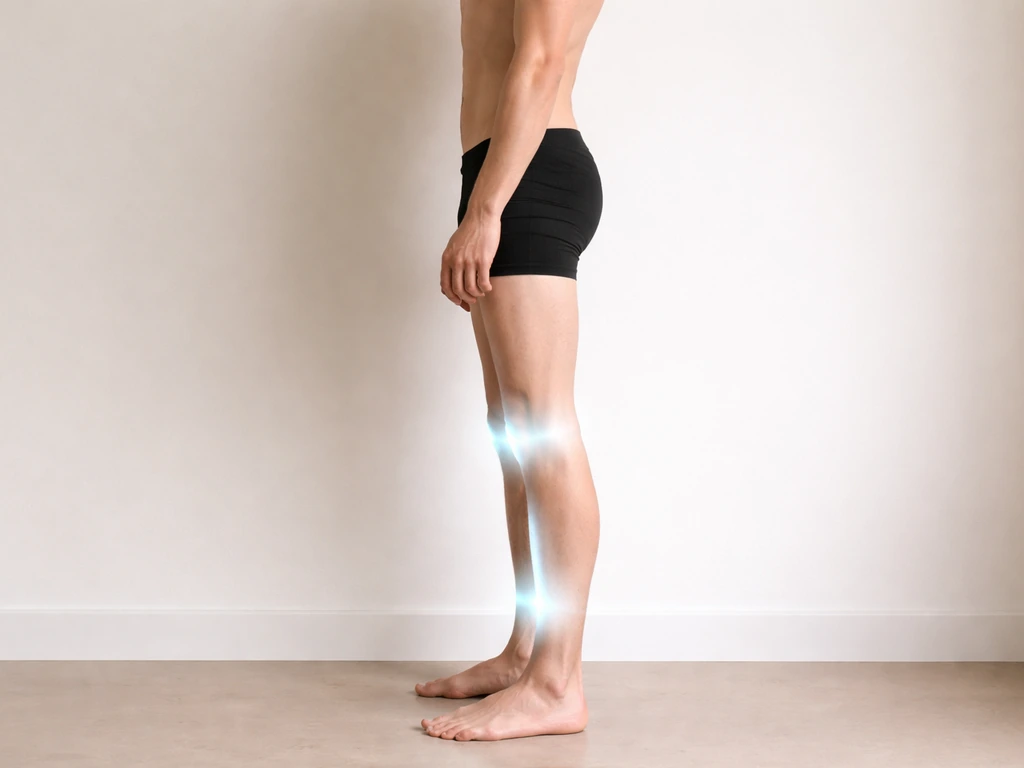
Growing taller while eating in a calorie deficit is genuinely possible for children and teenagers who still have open growth plates, but a significant or prolonged deficit raises real risks of blunting their height potential. For many people, the question can be framed as, can a fat person grow taller without harming growth potential? For adults whose growth plates have already fused, no amount of calories, or lack of them, will make bones longer. The question is really two different questions depending on your age, and the answers point in very different directions.
Can You Grow Taller in a Calorie Deficit? What to Know

Marcus Reeves
7 May 2026
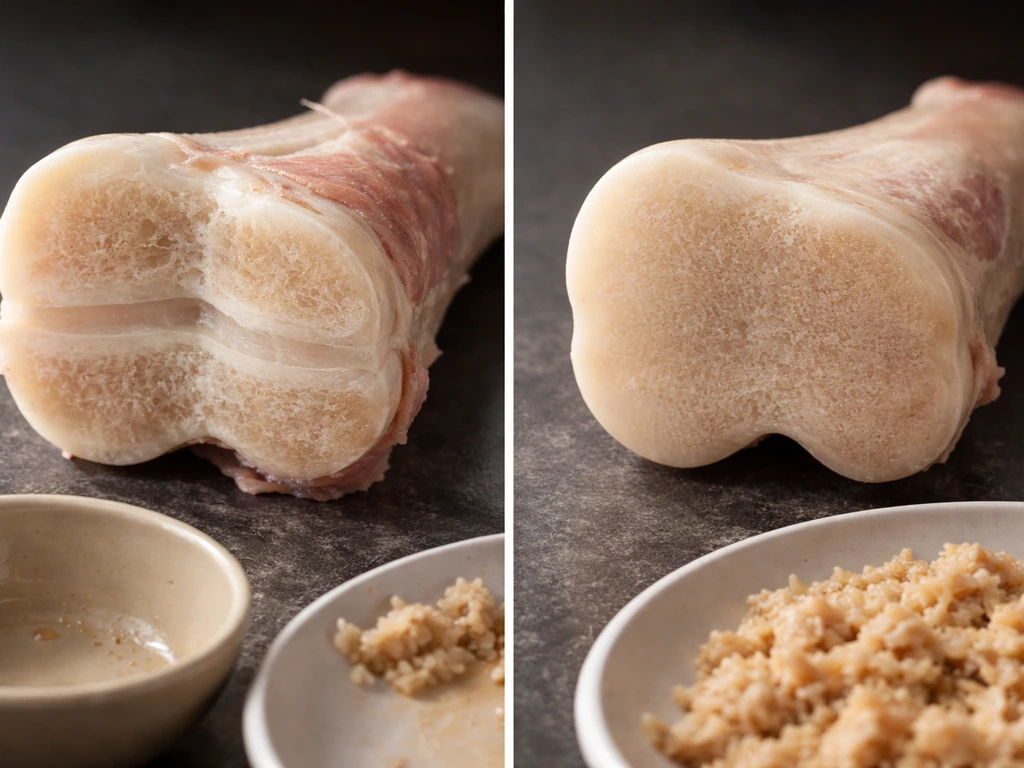
How your body actually grows taller
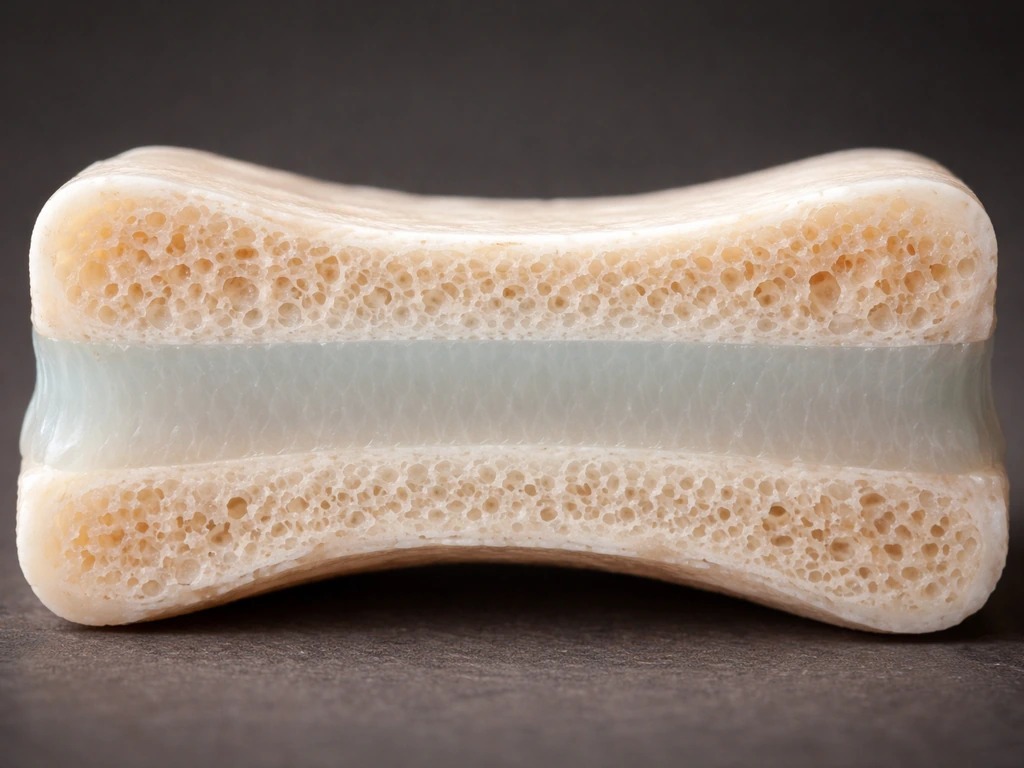
Height gain is almost entirely about long-bone lengthening, and that happens at a very specific location: the epiphyseal plate, commonly called the growth plate. These are thin cartilage zones near the ends of bones like the femur and tibia. Through a process called endochondral ossification, chondrocyte cells in the growth plate multiply and are gradually replaced by mineralized bone, pushing the bone ends further apart and making you taller over time.
This process is tightly regulated by hormones, particularly growth hormone (GH), insulin-like growth factor 1 (IGF-1), blank" rel="noopener noreferrer">thyroid hormones, and sex steroids. Endocrine regulation of the growth plate involves signals such as growth hormone (GH), insulin-like growth factor-1 (IGF-1), glucocorticoids, thyroid hormone, estrogen, androgen, vitamin D, and leptin blank" rel="noopener noreferrer">growth hormone (GH), insulin-like growth factor 1 (IGF-1), thyroid hormones, and sex steroids. Puberty accelerates it, producing the well-known growth spurt. Girls typically start puberty between ages 7 and 11, and boys between about 9.5 and 13.5, with the growth spurt peaking at different points during that window for each person.
Here is the catch: the same sex hormones that drive the pubertal growth spurt eventually shut it down. As puberty progresses toward completion, rising estrogen and testosterone levels signal the growth plate chondrocytes to mature, senesce, and stop proliferating. The plate narrows and eventually fuses, turning from soft cartilage into solid bone. Once that happens, linear bone growth is over. For most males, growth plate closure is typically complete by around age 18, though the exact timing varies by site in the body and by how early or late puberty started.
What a calorie deficit actually does inside your body
When you eat less than your body needs, it has to make choices about where to direct limited energy. The priority list is survival first, growth second. A calorie deficit triggers hormonal shifts that reflect this: cortisol (a stress hormone) tends to rise, while anabolic signals like IGF-1, thyroid hormone output, and leptin tend to drop. These are exactly the signals that the growth plate depends on to keep doing its job.
Protein availability matters enormously here too. Bone matrix is built partly from collagen, and cartilage tissue requires amino acids to synthesize new chondrocytes. If calories are restricted severely enough to compromise protein intake, the raw materials for bone building become scarce on top of the hormonal disruption. The deficit hits growth from two directions at once.
Mild deficits in otherwise well-nourished people cause much smaller hormonal shifts, and short-term mild deficits are unlikely to meaningfully derail growth in a healthy teenager. The concern scales with severity and duration. Chronic, aggressive restriction, especially during periods of rapid growth, is where real damage to height potential can occur.
Can you grow taller in a deficit? It depends on your age
Children and teenagers with open growth plates

If you are still growing, a calorie deficit does not automatically stop your height gain, but it can slow it and, in severe or sustained cases, permanently reduce how tall you end up. If you are wondering whether you need to eat a lot to grow taller, the key is that growth depends on having enough energy and nutrients, especially during your growth window a calorie deficit can slow height gain.
Research on childhood malnutrition is unambiguous: severe, chronic undernutrition during childhood is one of the strongest predictors of stunted adult height. That is the extreme end. On the milder end, a modest calorie deficit for a short period in an otherwise well-nourished teenager is far less likely to cause lasting harm, particularly if protein and key micronutrients like calcium, vitamin D, and zinc remain adequate.
The most vulnerable windows are the periods of fastest growth: infancy, early childhood, and the pubertal growth spurt. Restricting calories during these phases carries more risk than during slower-growth periods. A 14-year-old in the peak of their growth spurt losing weight aggressively is in a different situation from a 17-year-old whose growth has mostly tapered off.
Adults with closed growth plates
Once the growth plates have fused, the biology of linear bone lengthening simply stops. This is also why the question do you need fat to grow taller comes up, since fat intake affects hormones and overall nutrition quality. No calorie surplus, no protein shake, and certainly no calorie deficit will make your bones grow longer.
If you are an adult asking whether a deficit will affect your height, the honest answer is: your height in terms of bone length is fixed. What can change is posture and body composition. Strengthening the muscles that support your spine, addressing any habitual slouching, and reducing excess abdominal weight can all make you stand taller and appear slightly taller, but these are postural improvements, not bone growth.
The real risks of dieting too hard during growth

The people most at risk from aggressive calorie restriction affecting height are children and adolescents, particularly those who are already in or approaching their growth spurt. Here is what heavy restriction can do during active growth:
- Lower IGF-1 levels, reducing the hormonal signal that drives cartilage proliferation at the growth plate
- Raise cortisol, which directly suppresses bone formation and can accelerate growth plate senescence
- Reduce leptin, a hormone that plays a role in bone metabolism and normal pubertal progression
- Compromise intake of calcium, vitamin D, and phosphorus, the minerals that mineralize growing bone
- Reduce protein availability, limiting the amino acids needed to synthesize collagen and cartilage tissue
- In extreme cases, delay puberty itself, which can paradoxically extend the window of growth but in a malnourished state that limits actual height gains
Young athletes in sports with weight classes or aesthetic judging (gymnastics, wrestling, dance) are particularly vulnerable because they often combine high training loads with intentional food restriction. This combination can suppress growth even further. Parents and coaches watching a young athlete who seems to have stopped growing or whose growth has visibly slowed should treat that as a signal to reassess their nutrition plan.
What to actually do if you want to manage weight without sacrificing height potential
If you are a growing child or teenager, the goal is almost never aggressive weight loss. The better approach is to slow weight gain while allowing height to catch up over time, effectively improving body composition without cutting calories to a level that stresses the growth system. If you are asking, “do you need calories to grow taller,” the key is that growth depends on adequate nutrition, especially during the years when growth plates are still open. A conservative deficit of around 200 to 300 calories per day at most, with careful attention to protein and micronutrient sufficiency, is far safer than the kinds of deficits adults use for rapid fat loss.
Nutrition priorities for growing bodies
Protein is the most important macronutrient for growth support. If you are specifically trying to hit the right intake for growth and body composition, it also helps to know how much protein you need to support development, including in the context of how much protein you need to grow taller. Adequate daily protein intake supplies the amino acids needed for bone matrix, cartilage, and muscle development.
Calorie restriction should never come at the expense of protein, which means cutting calories mostly from refined carbohydrates and added fats rather than from protein-rich foods. On top of protein, calcium and vitamin D are non-negotiable for bone mineralization. Calcium and vitamin D also matter for bone mineralization, so getting enough each day supports healthy growth. Zinc supports growth hormone signaling and is often underappreciated in this context.
Sleep is not optional
The majority of growth hormone secretion happens during deep sleep, especially in the first half of the night. Chronic sleep deprivation is one of the fastest ways to suppress GH output during the years it matters most. Teenagers need 8 to 10 hours per night. If someone is restricting calories and also sleeping poorly, they are compounding two of the most significant suppressors of growth simultaneously.
Exercise that actually helps

Weight-bearing exercise and resistance training stimulate bone remodeling, improve posture, and support overall health during growth. They do not reopen growth plates or cause bones to lengthen past their genetic program, but they help the body make the most of its growth window. Exercises that decompress the spine and strengthen postural muscles (think swimming, hanging exercises, rows, and deadlifts at appropriate loads) can contribute to standing taller and maintaining disc health. For adults, this is where the real height-adjacent gains are.
| Goal | Still Growing (Child/Teen) | Growth Plates Closed (Adult) |
|---|---|---|
| Calorie deficit effect on height | Can reduce height potential if severe or prolonged | No effect on bone length |
| Safe deficit size | 200-300 cal/day max, supervised | Standard 300-500 cal/day for fat loss is fine |
| Protein priority | Critical, do not cut protein | Important for muscle retention, not height |
| Sleep importance | Highest priority for GH secretion | Matters for recovery, not bone growth |
| Exercise focus | Weight-bearing, avoid extreme restriction + training load | Posture, core, spinal decompression |
| Realistic height benefit | Reaching genetic potential | Postural improvement only |
The reality check: genetics, timing, and what you can actually control
Genetics sets the ceiling. Your height potential is largely determined by the combination of genes you inherited, and no nutritional strategy, deficit or surplus, changes that ceiling. What nutrition does is determine how close you get to it. A child who eats well, sleeps enough, and avoids chronic illness or severe restriction is much more likely to reach their genetic height potential than one who does not. That is real and meaningful, but it is a different thing from adding inches beyond what your DNA allows.
Puberty timing matters too. People who go through puberty earlier tend to have a shorter total growth window, while late bloomers can continue growing into their late teens and sometimes early twenties in men. This is why comparing yourself to peers at age 15 or 16 is often misleading. Where you are in pubertal development, not just your chronological age, determines how much growth you likely have left.
If you are a parent wondering whether your child's weight management plan is safe for their growth, the most useful step is to get a bone age X-ray (typically of the wrist) to see how much growth plate activity remains. That removes the guesswork. If you are a teenager trying to lose weight, please do it with professional guidance, not by simply eating as little as possible. The risks of under-eating during your growth window are real, and the window does not reopen once it closes.
For adults, the honest takeaway is simpler: eat in whatever deficit supports your health goals, because your height is not on the table anymore. Focus your energy on posture, core strength, and body composition, and you will look and feel taller even if your bones are not changing. That is a realistic, achievable outcome, and it does not require any wishful thinking about growth plates.
FAQ
If I’m a teenager in a calorie deficit, how can I tell whether it’s slowing my height?
Track growth indirectly: changes in growth velocity (not just weight), pubertal timing, and how your clothes fit over 3 to 6 months. If height seems to stall while restriction continues, reassess with a clinician, because growth plate suppression can happen before weight loss becomes dramatic.
Is a “small” deficit enough to reduce my final adult height, or only severe deficits matter?
The risk is largely about severity and duration. A brief, modest deficit is less likely to cause lasting harm in well-nourished teens, but repeated cycles of under-eating, especially during the growth spurt, increase risk even if each individual deficit feels “small.”
Can I grow taller in a deficit if I eat enough protein and micronutrients?
Protein and key nutrients (like calcium, vitamin D, and zinc) reduce risk, but they do not fully cancel the impact of low energy availability. Hormone signaling tied to energy balance still shifts in a sustained deficit, so keep restrictions conservative and avoid prolonged under-eating.
Should I cut carbs, fats, or both to maintain a deficit while protecting growth?
Aim to keep protein at a growth-supporting level and reduce calories mostly by adjusting refined carbs and added fats, not by undercutting protein. A deficit created by consistently lowering protein intake is more likely to interfere with building bone matrix and supporting cartilage growth.
Does intense exercise while dieting affect height more than dieting alone?
In active teens, training can support bone remodeling and posture, but combining high training loads with aggressive restriction is a red flag, especially in sports with weight categories or appearance-based scoring. That combo can suppress growth further and may also increase injury risk.
What about sleep, does it matter if I’m already eating in a deficit?
Yes. Since deep sleep in the first half of the night drives much of GH release, sleep loss can compound the hormonal downsides of dieting. If you restrict calories and also get less than about 8 to 10 hours per night as a teen, the growth-impact risk is higher.
Is it possible to “catch up” in height after I’ve spent time in a deficit?
You may partially recover if growth plates are still open and you correct nutrition, but you cannot guarantee a full catch-up. The earlier and more prolonged the restriction during key growth windows, the less reversible the impact tends to be.
How does a bone age X-ray change what I should do with dieting?
Bone age helps estimate remaining growth potential and growth plate activity. If a clinician finds limited remaining growth, the priority shifts to avoiding further health compromise and focusing on body composition and posture rather than aggressive restriction.
Can fasting or intermittent dieting affect height even if I hit calories later?
It can. Even if weekly calories look adequate, long stretches of low energy and disrupted routine can still affect hormone patterns and nutrient timing. If you are growing, prioritize consistent daily intake with adequate protein, rather than large swings.
If I’m an adult, will a deficit at least change my posture enough to look taller?
It can, indirectly. Losing abdominal fat can improve how you stand, and strengthening core and spinal-supporting muscles can reduce slouching. However, adults cannot lengthen long bones after growth plates fuse, so any “taller” changes come from posture and body composition.
When should a parent or teen stop dieting and get medical help for growth concerns?
Stop and seek guidance if there is clear slowing of height gain, delayed or halted pubertal progression, missed periods in girls, frequent fatigue or illness, or symptoms of under-fueling. These can indicate that the deficit is too aggressive for growth and health.
Next Article
What Amino Acids Make You Grow Taller
Know which amino acids support growth via protein and IGF-1, why they can’t extend height after closure, and practical t