
Calcium supports bone mineralization and is genuinely important during childhood and adolescence, but the honest answer is that getting more calcium than you need will not make you taller. If your intake is already adequate, adding extra calcium on top of that has no proven height benefit. Where calcium actually matters is in covering your age-specific daily target so your growing skeleton has the raw material it needs while your growth plates are still open. For kids and teens aged 9 to 18, that target is 1,300 mg per day, according to the NIH and NIAMS. Below that age, needs are lower, and above 18, the window for meaningful height gain is essentially closed for most people.
How Much Calcium Per Day to Grow Taller: Targets by Age

Marcus Reeves
18 May 2026

Does calcium actually help you grow taller?

Calcium is essential for building bone tissue, so it is easy to assume that more calcium means more height. The biology is more complicated than that. Your bones do need calcium, but height growth is driven by the activity of your growth plates, the strips of cartilage near the ends of your long bones where new bone tissue is produced. Calcium provides structural material for those bones once they are built, but it does not directly speed up or increase chondrogenesis, the cell-division process that actually makes you taller.
The clinical evidence backs this up. The NIH Office of Dietary Supplements has noted that the available trial evidence does not support a beneficial effect of calcium supplements on height outcomes. An AHRQ evidence review covering calcium supplementation of roughly 300 to 1,200 mg per day in infants and children found no significant effect on height gain attributable to calcium. A 2019 meta-analysis of randomized controlled trials on milk and milk products in children aged 6 to 18 similarly concluded that the evidence is inconsistent and does not show a clear, uniform height increase from calcium-heavy interventions. The IOM also noted that bone mass gains from calcium or milk supplementation during childhood may not even be retained after the supplementation ends.
That said, severe calcium deficiency is a real problem. When a child is truly deficient, skeletal development suffers and conditions like nutritional rickets can develop, which can impair normal growth. So the goal is not to pile on extra calcium but to consistently meet your recommended intake throughout the growth years. There is a meaningful difference between correcting a deficiency and supplementing beyond what you need.
How much calcium you actually need by age
Calcium requirements are set based on how much the growing skeleton needs to accumulate bone mineral during each life stage, not on a guaranteed promise of height gain. Here are the official recommended dietary allowances (RDAs) from the NIH, which represent the intake sufficient to meet the needs of nearly all healthy individuals in each group.
| Age Group | RDA (mg/day) | Upper Limit/UL (mg/day) |
|---|---|---|
| 0–6 months | 200 (Adequate Intake) | 1,000 |
| 7–12 months | 260 (Adequate Intake) | 1,500 |
| 1–3 years | 700 | 2,500 |
| 4–8 years | 1,000 | 2,500 |
| 9–18 years | 1,300 | 3,000 |
| 19–50 years | 1,000 | 2,500 |
| 51–70 years (men) | 1,000 | 2,000 |
| 51–70 years (women) | 1,200 | 2,000 |
| 71+ years | 1,200 | 2,000 |
The 9 to 18 age bracket has the highest calcium requirement of any life stage except older adulthood, and that is intentional. Adolescence is when bone accumulation is fastest and when meeting your target matters most. The Estimated Average Requirement (EAR) for this group sits at 1,100 mg per day, with the RDA set at 1,300 mg to cover individual variation. The upper limit of 3,000 mg per day from all sources combined is the threshold above which risks start to outweigh benefits.
Food first: hitting 1,300 mg per day without overthinking it

Most healthy kids and teens can reach 1,300 mg per day through food without any supplements at all. Dairy is the most efficient source because the calcium in it is highly bioavailable, with roughly 30% absorbed. A cup of milk delivers around 300 mg, so three cups across the day gets you most of the way there. But if dairy is not in the picture, there are solid alternatives.
- Plain yogurt (1 cup): approximately 300–400 mg
- Milk, cow or fortified plant-based (1 cup): approximately 300 mg
- Calcium-set tofu (1/2 cup): approximately 434 mg
- Canned sardines with bones (3 oz): approximately 325 mg
- Canned salmon with bones (3 oz): approximately 180–200 mg
- Fortified orange juice (1 cup): approximately 300 mg
- Cooked bok choy (1 cup): approximately 160 mg
- Cooked broccoli (1 cup): approximately 60 mg
- White beans (1/2 cup): approximately 130 mg
A practical note on plant sources: some vegetables like spinach are high in oxalates, which bind calcium and reduce how much your body can absorb. Bok choy and broccoli are better options if you are counting on greens for calcium. Fortified tofu using calcium sulfate is an excellent non-dairy source with absorption comparable to milk.
When supplements make sense
If a growing child or teen consistently falls short through diet alone, a supplement can fill the gap. The NIH recommends meeting nutritional needs through food and fortified foods first, with supplements as a backup rather than a default. If you do use a calcium supplement, taking it in doses of 500 mg or less at a time improves absorption. Spreading doses out across the day is more effective than taking one large dose. Calcium carbonate is absorbed best when taken with food. Calcium citrate can be taken with or without food and may be preferable for people with lower stomach acid. Also worth noting: if a teen is taking thyroid medication like levothyroxine, calcium should be taken several hours apart to avoid reducing drug absorption.
Staying well below the upper limit matters too. Chronic intake above 3,000 mg per day for teens has been linked to increased kidney stone risk and can interfere with the absorption of other minerals like magnesium and zinc. There is no benefit to pushing calcium beyond the RDA if you are already meeting it.
The timing problem: when calcium can and cannot affect height
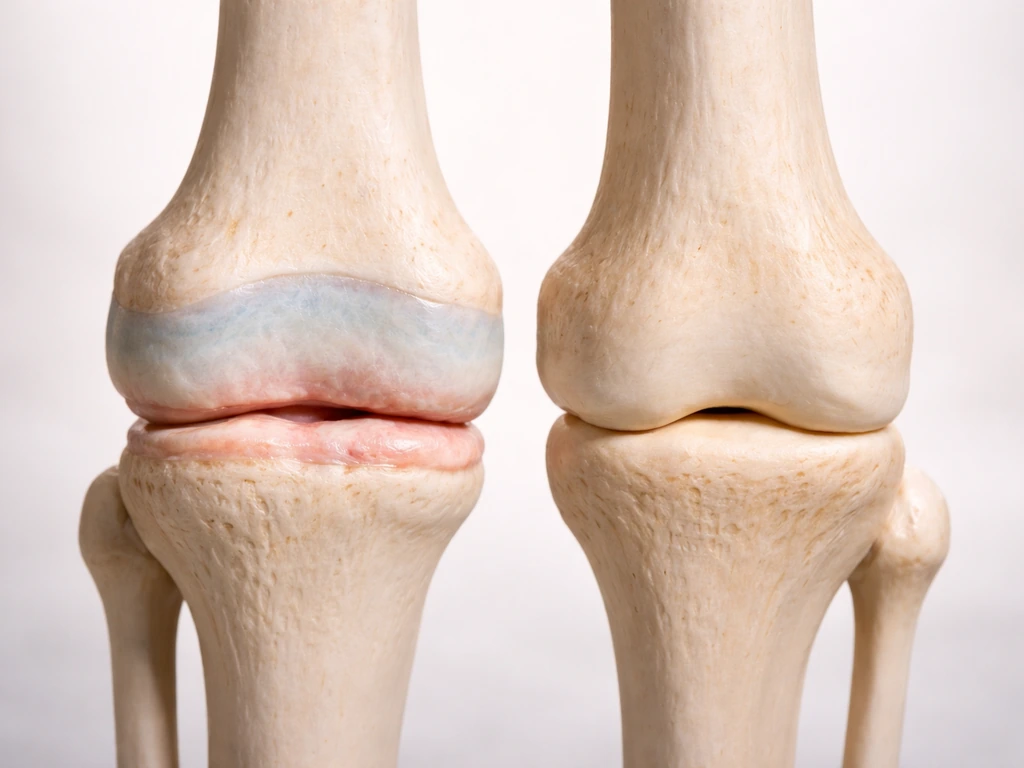
Here is the biological reality that often gets ignored in discussions about calcium and height. Linear bone growth only happens at the growth plates, the cartilaginous zones near the ends of long bones where chondrocytes multiply and differentiate. Once puberty ends, those plates fuse, the cartilage is replaced by bone tissue, and longitudinal growth stops permanently. This is not a gradual slowdown, it is an abrupt biological off-switch.
In most people, growth plate fusion happens between the mid-to-late teens and early twenties, depending on sex and individual variation. Girls typically fuse earlier than boys. Once fusion is complete, no amount of calcium, supplementation, or nutrition can add height. Extra calcium taken by an adult will support bone density, which matters for long-term bone health, but it will not make anyone taller. Extra calcium taken by an adult will not make anyone taller, even though it can support long-term bone health.
This means calcium's window of influence on height (really, on creating the conditions for normal skeletal growth) is during childhood and adolescence. Meeting the 1,300 mg target consistently from age 9 through 18 gives the growing skeleton what it needs. Beyond that, the mechanism simply is not there.
Vitamin D and magnesium: calcium does not work alone
Even if you are hitting your calcium target every day, poor vitamin D status can undermine how much of it your body actually absorbs. Vitamin D, specifically its active form calcitriol, drives active calcium transport across the intestinal wall by inducing calcium-binding proteins and opening transport channels like TRPV6. When vitamin D is low, calcium absorption drops significantly. This is why nutritional rickets often involves both calcium and vitamin D deficiency together, not one in isolation.
Magnesium also plays a supporting role. It is involved in activating vitamin D, which means chronically low magnesium can indirectly reduce calcium absorption even when dietary vitamin D looks adequate. The NIH RDA for vitamin D during the growth years is 600 IU (15 mcg) per day, with an upper limit of 4,000 IU per day. Spending time outdoors and eating fatty fish, fortified dairy, and eggs helps maintain vitamin D status alongside calcium intake.
What actually drives height more than calcium
Calcium is one input in a larger system. If you are trying to understand what actually determines how tall someone grows, calcium is not at the top of the list. Genetics accounts for the large majority of height variation between people. Beyond that, the factors that have the most meaningful real-world impact during the growth years are worth understanding.
- Genetics: estimated to account for 60 to 80 percent of height variation between individuals. Your genetic height ceiling is set before you are born.
- Overall calorie and protein intake: the growth plate needs energy and amino acids to build new tissue. Chronic undernutrition or significant calorie deficits during childhood suppress growth hormone signaling and slow linear growth. Protein specifically supports the structural components of bone and cartilage.
- Sleep: human growth hormone (HGH) is released predominantly during deep sleep. Consistently short or poor-quality sleep during childhood and adolescence can reduce the hormonal environment needed for growth plate activity.
- Physical activity and load-bearing exercise: mechanical stress on bones stimulates bone modeling and remodeling. Weight-bearing activity during the growth years helps develop stronger, denser bones, though it does not directly increase height beyond genetic potential.
- Vitamin D status: as covered above, directly affects calcium absorption and has independent roles in bone metabolism.
- Absence of chronic disease or undernutrition: conditions that chronically suppress growth hormone, IGF-1, or nutrient availability (including inflammatory bowel disease, celiac disease, or prolonged caloric restriction) are among the most significant non-genetic limiters of height.
The relationship between overall nutrition and height is explored in more detail in related topics on this site, including whether calories and protein intake directly influence how tall you grow. If you are wondering about height potential more directly, protein intake is another key part of overall nutrition, and the amount you need depends on your age and growth stage calcium matters in the context of overall good nutrition. If you are wondering, do you need calories to grow taller, the key is overall energy and protein intake supporting normal growth calories and protein intake. The short version here is that calcium matters in the context of overall good nutrition, but it is not a lever you can pull independently to add height.
If you or your child is not growing as expected
Unexplained slowed growth or short stature in a child or adolescent warrants a clinical evaluation, not just a dietary adjustment. The Endocrine Society recommends medical assessment when growth is a concern, because there are treatable causes that blood tests and clinical evaluation can identify. Nutritional deficiency is just one possibility.
A standard workup for a child with growth concerns or suspected rickets typically includes serum calcium, phosphate, PTH (parathyroid hormone), 25-hydroxyvitamin D, alkaline phosphatase, and sometimes creatinine and bicarbonate. These labs can identify whether low calcium or vitamin D, bone mineral disorders, kidney issues, or other metabolic problems are contributing. Early rickets, for example, can present with low ionized calcium alongside vitamin D and PTH abnormalities and is a correctable condition when caught early.
Practical steps to take today
- Estimate your current calcium intake using the food sources listed above, or use an online food diary for a few days. Compare it to your age-specific RDA.
- If dietary intake consistently falls below the RDA, identify two or three calcium-rich foods you can realistically add to daily meals before turning to supplements.
- Check vitamin D status if you have not recently. A simple 25(OH)D blood test can reveal whether absorption is being undermined. Talk to a doctor or pediatrician about this if you are concerned about a child's growth.
- If supplementing, stay under the upper limit for your age group (3,000 mg per day total for ages 9 to 18), use calcium citrate or carbonate in split doses, and take it separately from any thyroid medication.
- If a child is not tracking along a normal growth curve, or if you suspect a deficiency, see a clinician for a blood panel rather than assuming calcium supplements will fix it. Some causes of growth delay require specific medical treatment that nutrition alone cannot address.
The bottom line is practical: meet the recommended calcium intake for your age, support absorption with adequate vitamin D, eat enough overall, sleep well, stay active, and give genetics some credit for the rest. Calcium is necessary but not a growth accelerator. If you are wondering whether a calorie deficit affects height, the bigger issue is whether you still meet overall nutrition and energy needs while your growth plates are open calcium is not a growth accelerator. Covering the basics consistently during the growth years is the most evidence-backed thing you can do.
FAQ
If my calcium intake is below 1,300 mg, will increasing it automatically make me taller?
Not automatically. It can help only if you were truly under the recommended intake or developing early deficiency. If your intake was already close to target, extra calcium usually will not add height, but correcting a shortfall can support normal bone mineralization while growth plates are still open.
What’s the best way to calculate my calcium intake from food?
Add calcium from each item using labels or nutrition tables, then total it for the day. If you rely on milk or fortified products, confirm the serving size and check whether calcium is added during fortification. For mixed meals, it is often more accurate to estimate by the main calcium sources rather than trying to sum tiny amounts from every vegetable.
Are calcium supplements safe for teens if I stay under 3,000 mg per day?
They can be, but “under the upper limit” is not the same as “risk free.” Long-term high intakes can increase kidney stone risk in some people and may crowd out minerals like magnesium and zinc. If you have a kidney stone history, kidney disease, or recurrent flank pain, ask a clinician before supplementing.
Can I split my calcium supplement into multiple doses during the day?
Yes, and it is often more effective than taking one large dose. Aim for single doses around 500 mg or less, spaced out across meals. This approach helps absorption and reduces the chance of gastrointestinal upset compared with large boluses.
Does it matter whether I take calcium carbonate versus calcium citrate?
It can. Calcium carbonate generally absorbs best with food, while calcium citrate works with or without food and may be a better fit if you have low stomach acid or take acid-reducing medications. If you are unsure, match the product type to your meal pattern.
How far apart should I take calcium from thyroid medication like levothyroxine?
Take calcium several hours apart from levothyroxine to avoid reducing the medication’s absorption. A common practical rule is to separate by at least 4 hours, but your prescriber’s schedule should guide the exact timing for your dose.
If I’m getting plenty of calcium but still have slow growth, what should I check first?
Check whether vitamin D status is adequate, because low vitamin D can significantly reduce calcium absorption. Also consider overall calories and protein, sleep, chronic illness, and hormonal causes. For unexplained growth slowing, a clinician evaluation is the right next step rather than increasing calcium again.
Can spinach and other leafy greens count toward calcium goals?
Some leafy greens contain calcium, but certain high-oxalate greens can lower absorption by binding calcium. If you are using greens to reach your target, prioritize options with lower oxalates and combine with more bioavailable sources like fortified foods or dairy if you can.
Do I need calcium supplements if I don’t eat dairy?
Not necessarily, but you may need to be more deliberate about using fortified alternatives. Fortified tofu, fortified plant milks, and calcium-set products can cover targets without dairy. If diet alone consistently falls short, a supplement can be considered as a gap-filler.
What lab tests are most relevant if rickets or a calcium-vs-vitamin D problem is suspected?
Clinicians often evaluate serum calcium, phosphate, parathyroid hormone (PTH), 25-hydroxyvitamin D, and alkaline phosphatase, sometimes adding kidney-related tests. The combination of results helps distinguish vitamin D deficiency, calcium deficiency, and metabolic bone disorders, which require different treatments.
If I stop growing, should I still keep taking calcium?
If you are an adult, calcium is still important for maintaining bone density and long-term skeletal health, but it will not increase height because growth plates are fused. Use your age-appropriate recommended intake for bone health, and focus on other height-limiting factors only during the growth years.
Next Article
Can You Grow Taller in a Calorie Deficit? What to Know
Can you grow taller in a calorie deficit? Explain growth plates, age, puberty, risks for teens, and adult limits.