
Stretching does not make you grow taller during puberty. It cannot lengthen your bones, reopen growth plates, or trigger a bigger growth spurt. What it can do is improve your flexibility, reduce muscular tightness, and help you stand straighter, which can make you look a little taller and feel better in your body. If you are asking, “Do you grow taller every day,” the answer is usually no, because real height changes depend on growth plates staying active during puberty do you grow taller everyday. Those are genuinely useful outcomes, but they are not the same as growing.
Does Stretching Help You Grow During Puberty?

Marcus Reeves
6 Jul 2026
How height growth actually works in puberty
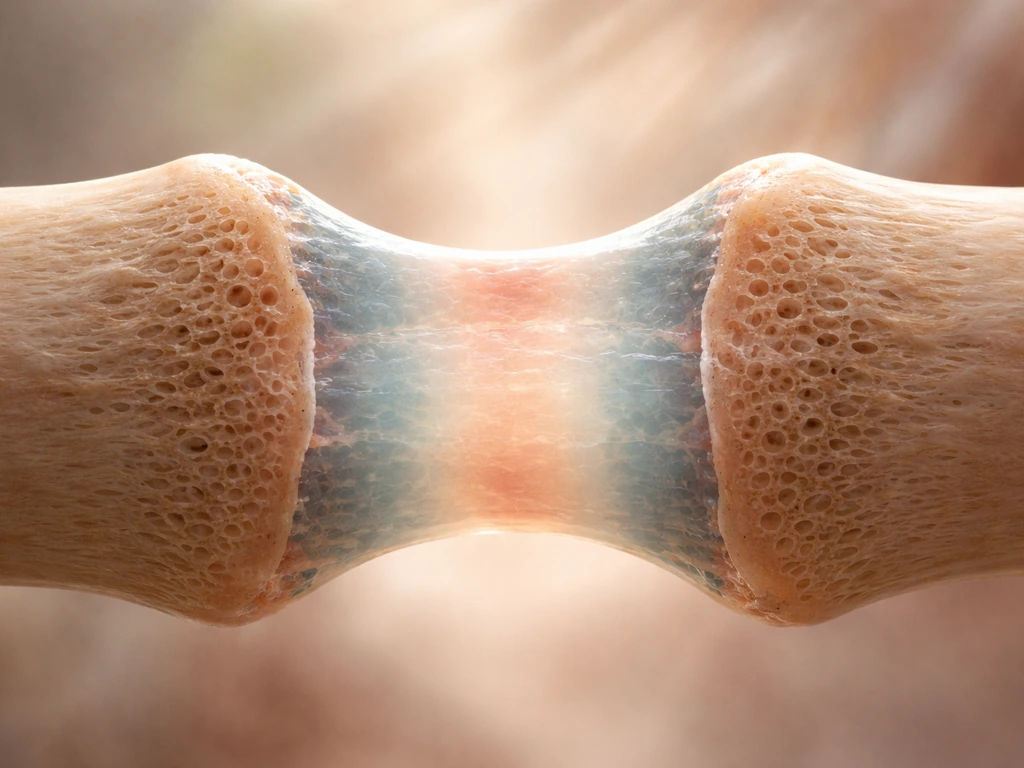
Your height comes from your bones getting longer, and that only happens in one specific place: the growth plate, also called the physis. Growth plates are soft cartilage zones near the ends of your long bones (like your femur and tibia). During childhood and puberty, cells in those plates multiply and push the bone longer. When puberty ends, sex hormones, especially estrogen in both boys and girls, cause those plates to harden and fuse. Once they fuse, longitudinal bone growth stops permanently. That is not a pessimistic fact; it is just how bone physiology works.
The actual engine of a puberty growth spurt is hormonal. Growth hormone (GH) pulses increase substantially during puberty, and serum IGF-1 concentrations rise alongside them. Those signals drive the growth plate to produce new cartilage cells faster. Sex steroids amplify the effect through estrogen receptors in the growth plate itself. The result is the rapid height velocity most people experience, typically peaking around ages 11 to 13 in girls and 13 to 15 in boys, though timing varies considerably from person to person. Genetics sets the ceiling for how much total growth happens, and that hormonal cascade is what actually gets you there.
None of that process involves stretching a muscle or a tendon. The growth plate does not respond to passive elongation of surrounding soft tissue. You could stretch every day for a year during puberty and you would not change the rate at which your growth plates produce new bone, nor would you delay or accelerate their eventual closure.
What stretching can actually change (and what it cannot)
This is where it is worth being precise, because stretching is not useless. It just does something different from what most people hope.
What stretching genuinely does
- Increases range of motion in joints over time, especially with consistent static or dynamic stretching
- Reduces muscle tightness that can pull on posture, particularly in the hamstrings, hip flexors, and thoracic spine
- Can immediately shift spinal curvatures and pelvic tilt, which changes how upright you look and feel
- May help reduce postural kyphosis (a rounded upper back) when combined with strengthening exercises
- Supports comfort and injury prevention during the rapid skeletal growth of puberty, when muscles can temporarily lag behind bone length
What stretching cannot do
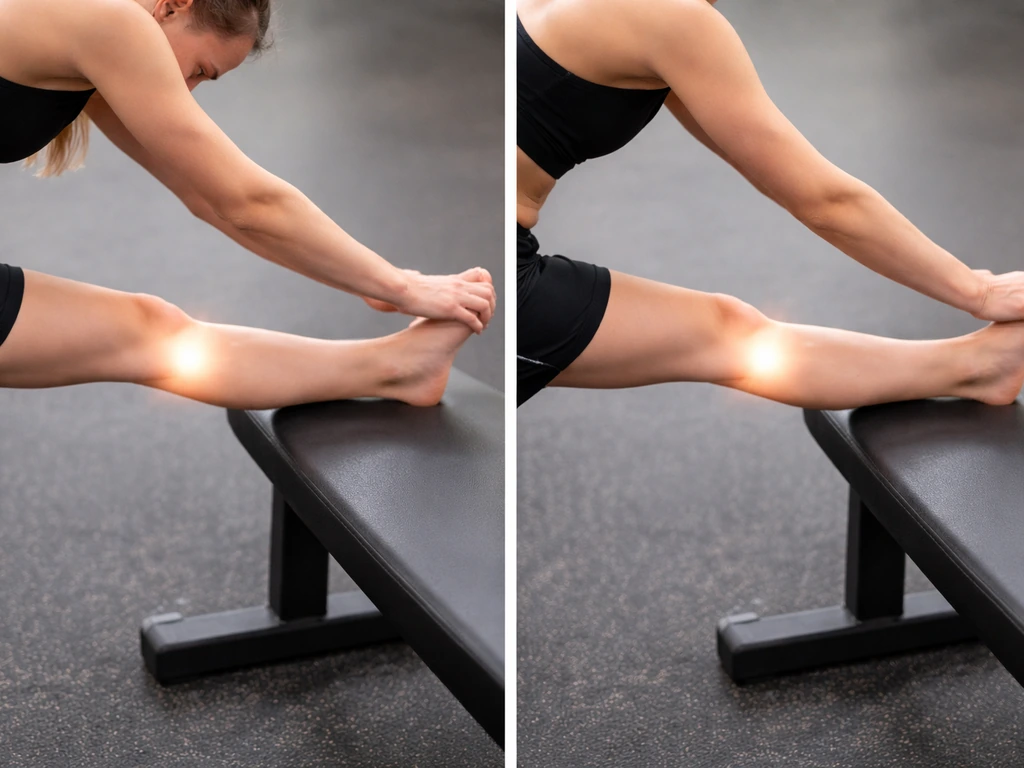
- Lengthen bones or stimulate growth plate activity
- Reopen fused growth plates after puberty ends
- Increase peak height beyond what your genetics and hormonal environment allow
- Permanently increase height in any measurable clinical sense
The posture angle is worth taking seriously, though. Tight hamstrings, for example, have been shown to alter sagittal spinal curvature and pelvic position in a way that makes you look shorter and more slumped. Stretching those muscles can genuinely restore a more upright stance, and if you have been habitually slouched, that correction might feel like you "grew." You did not, but you look taller and your back feels better, which is a real benefit. Similarly, research on adolescents with thoracic kyphosis (rounded upper back) shows that exercise programs combining stretching and strengthening can measurably reduce spinal curve and improve function. That improvement in posture is about how your skeleton is positioned, not about the bones themselves getting longer.
Hanging from a bar falls into the same category. It temporarily decompresses the spine, which can briefly increase your measured height by a few millimeters because the intervertebral discs rehydrate and decompress. That effect disappears within minutes of standing normally. It does not affect bone length or growth plate function.
What the research actually says
A 2022 systematic review with meta-analysis looked at stretching training in children and adolescents and found consistent improvements in range of motion, but the review was focused on flexibility outcomes, not height. No well-designed study has shown that a stretching program increases stature in growing adolescents. That is not because the research is thin on one side; it is because there is no plausible mechanism by which passive soft-tissue stretching would stimulate osteogenesis at the growth plate.
Exercise in general does matter for bone health during puberty, but the relevant exercises are load-bearing and impact activities, not stretching. Jumping and resistance exercise have been shown to improve bone mineral density and bone mass in children and adolescents. If your goal is height, jumping everyday is better understood as a bone-health activity than a way to force your growth plates to grow faster Jumping and resistance exercise. School-based physical training programs have demonstrated positive effects on bone mineralisation in 8 to 10 year olds. A meta-analysis of exercise and bone metabolism in adolescents supports the idea that exercise benefits bone health, but the effective modalities are weight-bearing movement, not flexibility work. So exercise matters, stretching specifically does not drive height.
It is also worth noting that appropriate strength training in youth has no adverse effect on linear growth or growth plates when done with proper technique and supervision, according to the American Academy of Pediatrics. The old fear that lifting weights stunts your growth is not supported by the evidence.
A practical stretching and exercise routine during puberty
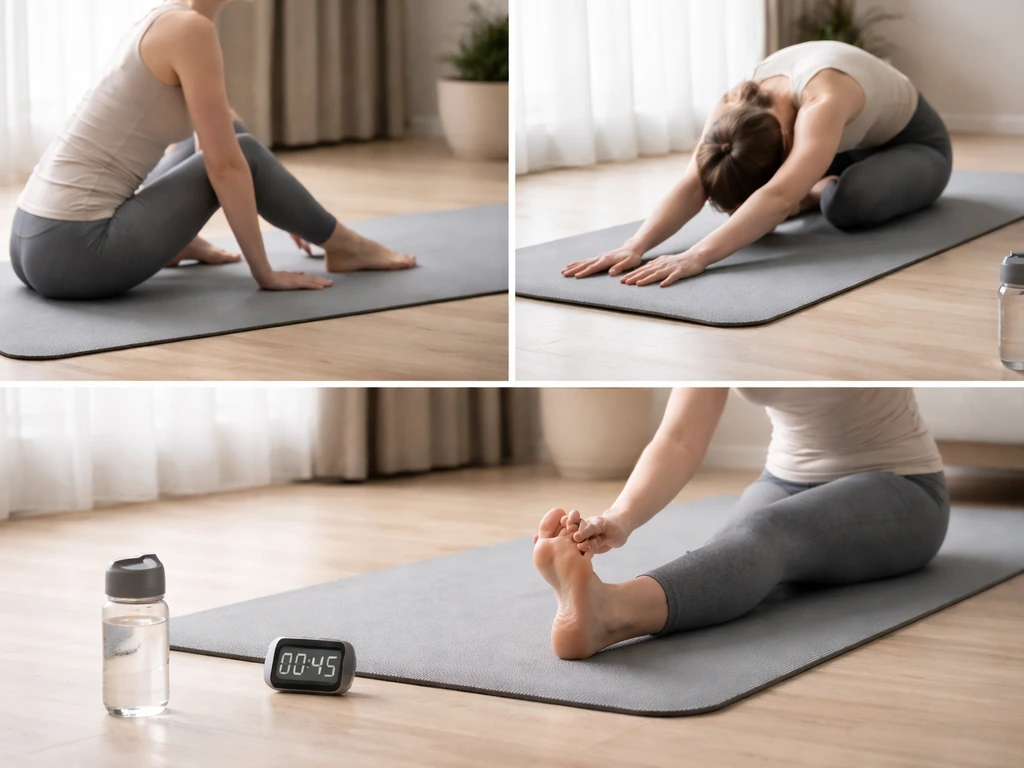
Even though stretching will not make you taller, a good flexibility and posture routine during puberty is genuinely worthwhile. So if you are wondering whether stretching before bed helps you grow, the answer is that it will not change your bone growth or growth plates help you grow. During a growth spurt, bones lengthen faster than muscles adapt, which can create temporary tightness and discomfort, especially in the hips, hamstrings, and lower back. Stretching helps manage that. It also supports the posture habits that let you stand at your full height rather than slumping under it.
The WHO recommends that children and adolescents aged 5 to 17 get at least 60 minutes of moderate-to-vigorous physical activity daily, with more providing additional benefits. Stretching should be part of a broader routine, not a substitute for it.
A simple daily routine to try
- Standing hamstring stretch or seated forward fold: hold 30 seconds each side, twice. This addresses the most common postural puller.
- Hip flexor lunge stretch (low lunge): 30 seconds each side. Tight hip flexors from sitting tilt the pelvis forward and flatten your posture.
- Cat-cow spinal mobility: 10 slow repetitions. Keeps the thoracic and lumbar spine mobile without compression.
- Doorway chest opener: 20 to 30 seconds. Counteracts the forward shoulder rounding that makes you look shorter.
- Child's pose: 30 to 60 seconds. Gentle spinal decompression and hip relaxation.
- Wall stand check: stand with heels, hips, upper back, and head against a wall for 30 seconds. This reinforces the posture cue your nervous system needs to default to upright stance.
Beyond stretching, prioritize weight-bearing activity: walking, running, jumping, and resistance training all support bone health during puberty. If you do resistance training, use age-appropriate loads with proper form and ideally some adult supervision at first.
Safety, realistic expectations, and red flags
Stretching is low-risk for most adolescents, but there are a few things to keep in mind. Never stretch to the point of sharp pain. A mild pull is normal; a stabbing or pinching sensation is not, and you should stop immediately if that happens. Adolescent bodies are still developing, and the rapid bone growth of puberty can temporarily make joints feel less stable.
If you or your child has joint hypermobility (joints that are unusually flexible or that frequently pop out of place), aggressive stretching can actually make things worse. The American College of Rheumatology notes that children with hypermobility syndrome may experience joint and muscle pain, and clinical guidelines for pediatric hypermobility emphasize stability-focused management over additional flexibility work. If there is any history of hypermobile joints, talk to a physical therapist before adding a stretching program.
If a teenager has visible spinal curvature (such as scoliosis or significant kyphosis), stretching alone is not a treatment. Those conditions need proper evaluation and, often, a supervised exercise program tailored to their specific curve pattern. A general internet stretching routine is not appropriate for managing structural spinal issues.
On expectations: stretching will not add centimeters to your height, full stop. If you see or feel a height change after starting a stretching routine, you are most likely standing more upright, which is a real change in functional height but not in bone length. That distinction matters, because chasing height through stretching can set up frustration and distract from the factors that actually influence how tall you grow.
What actually moves the needle on height: next steps
If you want to support the best possible height outcome during puberty, the highest-impact levers are nutrition, sleep, and overall physical activity. None of them are glamorous, but the evidence behind them is solid.
| Factor | Why it matters | Practical target |
|---|---|---|
| Adequate calories | Chronic under-eating suppresses GH/IGF-1 signaling and slows growth | Eat enough to support growth and activity, avoid restrictive dieting during puberty |
| Protein | Provides amino acids for bone matrix and IGF-1 production | Roughly 0.8 to 1.2g per kg of body weight daily from whole foods |
| Calcium | Primary mineral in bone; needs increase sharply during puberty | 1,300 mg/day for adolescents aged 9 to 18 (dairy, fortified foods, leafy greens) |
| Vitamin D | Required for calcium absorption and growth plate function | 600 IU/day minimum; deficiency is common and worth testing for |
| Sleep | GH is secreted in large pulses during deep sleep | 8 to 10 hours per night for adolescents, consistently |
| Weight-bearing exercise | Stimulates bone mineralisation and healthy skeletal development | At least 60 minutes of moderate-to-vigorous activity daily, including impact activity |
| Avoid chronic stress and illness | Both can suppress the GH/IGF-1 axis and delay growth | Address mental health and manage chronic conditions with medical support |
When to see a doctor
Most variation in height and pubertal timing is normal. But there are situations where a clinician can genuinely help, and it is worth knowing what those look like. See a pediatrician or pediatric endocrinologist if: puberty has not started by age 13 in girls or 14 in boys; growth seems to have stalled for more than 6 to 12 months; a child is significantly shorter than peers and falling further behind over time; or there are other signs of hormonal issues such as fatigue, delayed bone development, or weight changes without dietary explanation.
A clinician will typically assess growth velocity over time, compare it to standard charts, and may order a bone age X-ray (which shows how much growth potential remains based on how open the growth plates still are). The Endocrine Society and AAFP both recommend this kind of systematic evaluation for children with genuine growth concerns, because the goal is to separate normal variation from treatable conditions. The Endocrine Society advises that growth evaluation in children with growth concerns aims to determine whether growth is due to a treatable medical condition versus normal variation separate normal variation from treatable conditions. Some causes of short stature, such as growth hormone deficiency or delayed puberty, do respond to medical treatment, which is a very different situation from trying to stretch your way to a taller height.
Also see a doctor or physical therapist if you have persistent back or joint pain during or after stretching, any visible spinal asymmetry, or pain that limits daily activity. Those symptoms deserve proper evaluation, not more aggressive stretching.
The bottom line is straightforward: use stretching to feel better, move better, and stand taller in the posture sense. If you stretch every day, you may improve posture and flexibility, but it will not make you grow taller by lengthening your bones during puberty. Treat sleep, food, and consistent physical activity as the real work. And if something about your growth pattern genuinely concerns you, that is exactly what pediatric endocrinology exists to evaluate.
FAQ
If stretching will not lengthen bones, why do some people look taller right after workouts or for a few days afterward?
Most of the “taller” effect comes from temporary posture and muscle tone changes, not new bone growth. When you stretch tight areas like hip flexors and hamstrings, you may reduce slumping and improve pelvic tilt, so your overall body alignment looks longer, the effect can fade as your posture habits return.
Can stretching make me taller by “keeping growth plates open longer”?
No. Growth plate closure is driven by sex hormones and normal maturation, not by how often you stretch. Stretching cannot delay fusion once puberty hormones progress, so it will not increase your remaining growth potential.
Does stretching after a growth spurt help, or should I wait until the tightness passes?
It can help manage discomfort, especially in the hips, hamstrings, and lower back, but use gentle, pain-free ranges. If you feel sharp pinching, stabbing pain, numbness, or worsening instability, stop and switch to a lighter routine or get assessed.
Is it better to stretch before or after sports if my goal is to stand straighter and reduce tightness?
If you want both safety and benefit, do brief dynamic mobility before activity (to warm up) and reserve longer stretching for after training or at a separate time when muscles are warm. This reduces the chance of overstretching when tissues are less adaptable.
How long does stretching need to be done for posture improvements to show up?
Posture changes are typically more noticeable after consistent habits rather than a single session. For many teens, you may start noticing differences in comfort and alignment in 2 to 6 weeks if you also address daily positioning and strengthening, not only range-of-motion work.
What types of stretching are safest during puberty?
Generally, controlled stretching that stays just short of pain is safest, such as static stretches held at a mild tension level or gentle mobility drills. Avoid aggressive bounces, high-force overstretching, or pushing into symptoms, because joints and connective tissues are still adapting quickly during puberty.
If I’m hypermobile, can stretching still be part of my routine?
Often it should be more cautious and stability-focused. In hypermobility, too much flexibility training can increase joint symptoms or feeling of instability, so prioritize strengthening, balance, and controlled movement patterns, ideally guided by a physical therapist.
Does hanging from a bar or doing traction exercises “count” as height gain?
It can temporarily change measured height by decompressing the spine, usually for minutes. It does not create permanent bone-length changes, so don’t treat it as a method to increase true stature.
Could my growth stop because I’m not stretching enough?
No. Not stretching does not meaningfully affect growth plate biology. The bigger drivers for healthy growth outcomes are overall physical activity (especially weight-bearing), adequate sleep, and sufficient nutrition.
What exercise should I prioritize if my main goal is maximizing bone health during puberty?
Emphasize weight-bearing and impact activities (like running, jumping, sports) and age-appropriate resistance training. Stretching can be a helpful add-on for flexibility and comfort, but it should not replace load-bearing movement.
Should I stretch if I have scoliosis or visible spinal curvature?
Only with the right guidance. Stretching alone is not a treatment for structural curves, and some routines can be unhelpful. A clinician or physical therapist should tailor an exercise plan to the specific curve and symptoms.
When is it worth seeing a doctor about my height or growth instead of focusing on stretching?
If puberty timing is outside typical ranges, growth seems to stall for 6 to 12 months, or you have concerning symptoms like unusual fatigue, rapid or unexplained weight changes, or delayed bone development. A pediatric endocrinologist may evaluate growth velocity and, when appropriate, assess bone age to determine whether treatment is needed.
Next Article
Does Hanging Help You Grow? Evidence, Safety, and Next Steps
Does hanging increase real height growth? Evidence says no for adults; teens may improve posture safely.