
You do not grow taller every single day, and most of the small height changes you notice from one day to the next are not real bone growth at all. They are mechanical: your spine compresses under gravity during the day and decompresses overnight while you sleep. True height gain, the kind that comes from bones getting longer, only happens when your growth plates are still open, which is typically during childhood and adolescence. Once those plates fuse, usually by your late teens or early twenties, no daily habit will add permanent bone length.
Do You Grow Taller Every Day? Real Growth Explained

Marcus Reeves
19 Jun 2026

How your height actually changes over a single day
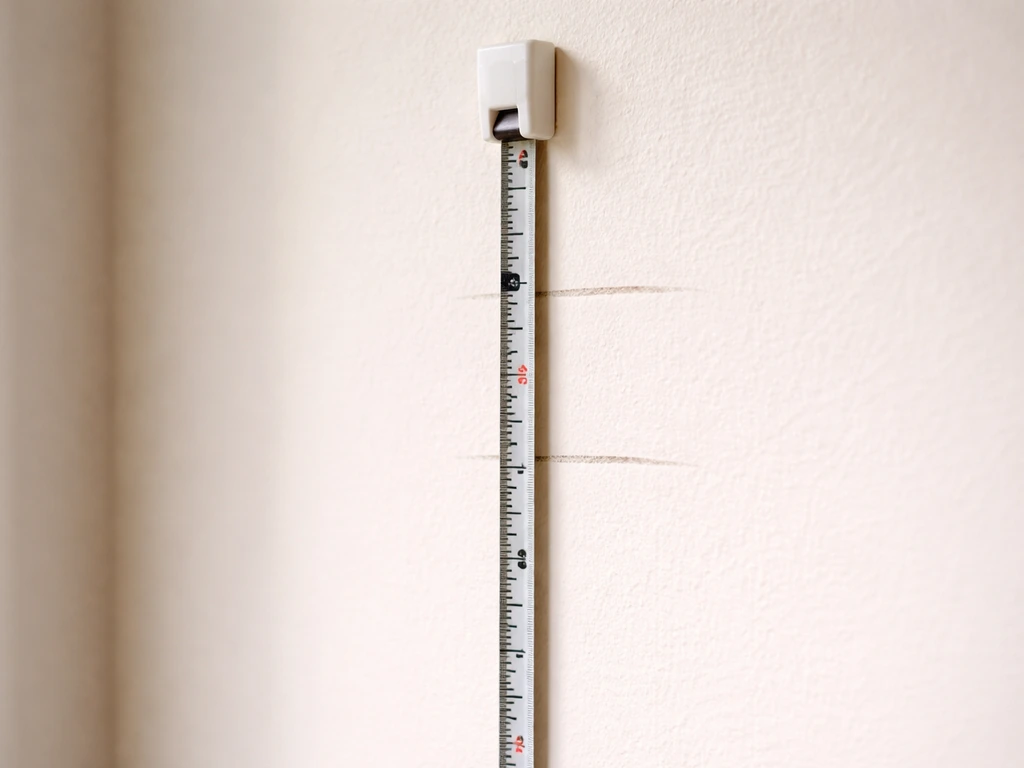
If you measured yourself first thing in the morning and then again at night, you would almost certainly be shorter the second time. Research on diurnal variation in stature consistently shows that height loss is fastest in the first few hours after waking, as the intervertebral discs in your spine lose fluid under the load of gravity. One study found that most of this compression happens within roughly the first six hours of being upright, after which no further significant loss occurs. The typical morning-to-evening drop is around 1 to 2 centimeters for most adults, though individual variation is wide.
This is why measuring your height at different times of day produces different numbers. It is not growth or shrinkage in any permanent sense. It is purely biomechanical, driven by fluid dynamics in your spinal discs. One study even tested whether stretching could reduce this daytime height loss, finding a measurement effect of only about 0.28 cm, which is close to zero in practical terms. So the honest answer to 'did I grow today?' is: probably not, and the number on the measuring tape is largely telling you what time of day it is.
What actually drives real height gain: growth plates, puberty, and age
Real, permanent height increase comes from one source: the elongation of long bones at the epiphyseal growth plates. These are cartilage zones near the ends of bones like the femur and tibia that produce new bone tissue in response to growth hormone, IGF-1, and sex hormones during puberty. When those plates are active, bone length increases over months and years, not days.
Puberty is when growth accelerates most dramatically. The peak height velocity, meaning the fastest rate of growth, typically happens around ages 11 to 13 in girls and 13 to 15 in boys. At the absolute peak of the growth spurt, some adolescents gain roughly 8 to 10 centimeters in a single year. But even that impressive rate works out to less than a millimeter per day on average, and growth is not uniform across days or even weeks. It comes in spurts, not a smooth daily increment.
Once puberty winds down, the growth plates fuse in a predictable sequence under the influence of rising sex hormone levels. After fusion, those plates are replaced by solid bone, and bone length is locked in. This typically completes by the late teens in girls and by the early twenties in boys, though there is meaningful individual variation. If your growth plates have closed, no stretch, supplement, or exercise will reopen them. If you stretch every day, it can help posture and reduce stiffness, but it will not reopen closed growth plates or reliably make you grow taller stretching everyday will you grow taller.
Why sleep matters so much for growth

Growth hormone (GH) is not released steadily throughout the day. The largest pulse of GH secretion in children and adolescents is tightly linked to the onset of sleep, particularly slow-wave (deep) sleep. Research shows slow-wave sleep is highest in early life and declines sharply during puberty, but during those critical growth years the sleep-associated GH pulse is a major driver of the hormonal environment that supports bone elongation.
This is the physiological reason why 'get enough sleep' is not just generic health advice for growing kids. It is directly relevant to the hormonal machinery behind height gain. The American Academy of Sleep Medicine recommends 8 to 10 hours per night for teenagers and 9 to 12 hours for school-age children. Chronic sleep deprivation blunts GH output. Whether that translates to meaningfully shorter adult stature is hard to quantify in individuals, but the biology is clear: shortchanging sleep shortchanges a key growth signal.
Sleep also explains the morning height phenomenon from a different angle. After a full night horizontal, your spinal discs rehydrate and expand. That is why you are tallest right after waking. It is not growth hormone rebuilding your spine overnight, it is simple fluid mechanics restoring disc height that gravity removed during the previous day.
Nutrition: what to eat to support your height potential
Nutrition does not override genetics, but severe deficiencies absolutely can limit how close you get to your genetic ceiling. The key nutrients for growing children and teenagers are protein, calcium, vitamin D, and enough total calories to support the energy demands of growth.
- Protein: The building block of bone matrix and muscle tissue. Protein allowances for children and adolescents increase with age and are higher during the pubertal growth spurt. Lean meats, eggs, dairy, legumes, and fish are reliable sources.
- Calcium: Directly incorporated into bone mineral. Studies of children on low-calcium diets show that increasing calcium intake is associated with improved bone accrual. Dairy products, fortified plant milks, leafy greens, and tofu are good sources. Recommended intakes peak at around 1,300 mg per day during adolescence.
- Vitamin D: Needed for calcium absorption and bone mineralization. Vitamin D deficiency is consistently linked with stunting and impaired linear growth in children. Many kids are deficient, especially those with limited sun exposure. Fatty fish, fortified foods, and supplementation where needed address this.
- Total calories: You cannot grow efficiently in a calorie deficit. Chronic undereating suppresses IGF-1, the growth factor that mediates much of GH's effect on bones. Adequate energy intake is as important as any specific micronutrient.
For adults, none of these nutrients will restart bone elongation, but they remain important for maintaining bone density and spinal health, which affects posture and therefore how tall you appear and measure.
Exercise and posture: what changes and what doesn't
Physical activity does not reliably increase bone length or make children taller than their genetic potential. Research is clear on this point: regular exercise has no established effect on linear growth rate or ultimate height. You cannot jump, hang, or stretch your way to a taller skeleton. Related topics like whether jumping every day or hanging from a bar can make you taller often circulate online, but the science does not support these as mechanisms for true bone-length gains.
One common myth worth addressing directly is that resistance training damages growth plates in children and stunts growth. Well-designed research, including reviews cited by the American Academy of Pediatrics, shows that properly supervised resistance training does not harm growth plates or linear growth in youth. If you are specifically wondering does stretching help you grow during puberty, the more reliable view is that puberty-driven growth plates matter far more than stretching for actual bone length. It is safe when done with age-appropriate loads and good form.
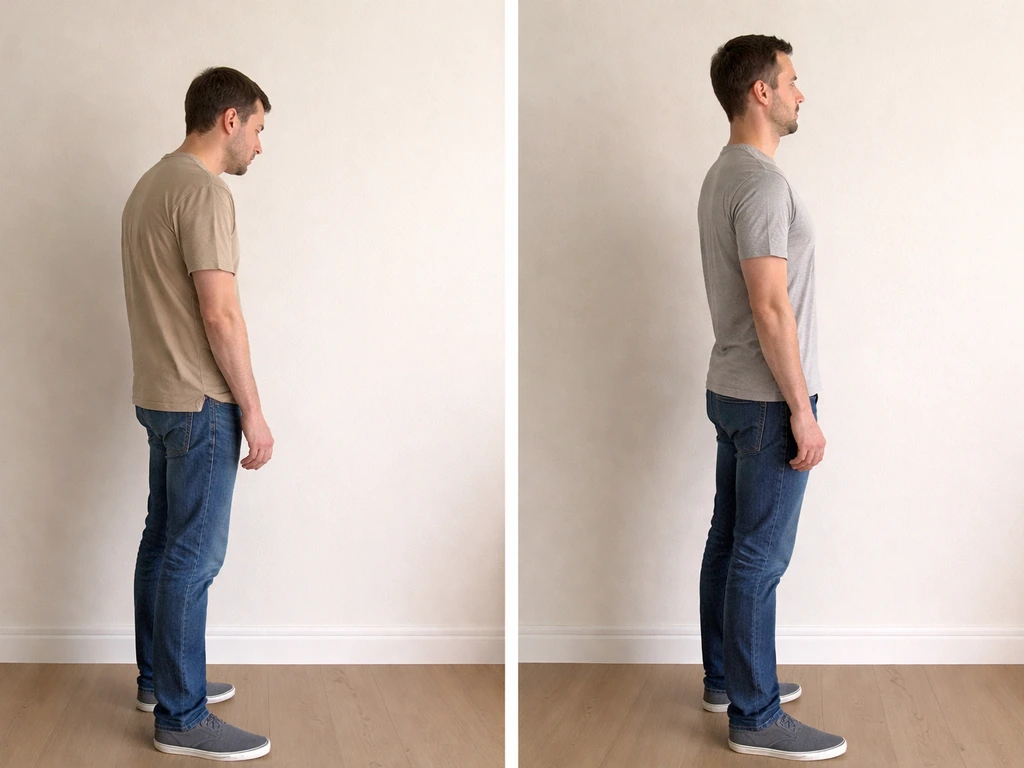
What exercise genuinely does is support posture, core strength, and spinal alignment, all of which affect how tall you measure. Many exercises marketed for height, like hanging upside down, may change how you measure temporarily but do not create permanent bone growth Exercise and posture. Someone with significant forward head posture or a rounded upper back (kyphosis) may measure noticeably shorter than their true skeletal height. Strengthening the posterior chain, doing postural work, and staying active can recover that lost measurement without adding a single millimeter of bone. For some people, this functional 'reclaimed' height from improved posture is quite real and worth pursuing.
How much of your height is just genetics?
A lot. Twin studies estimate the heritability of adult height at roughly 80%, meaning about four-fifths of the variation in height between people is explained by genetic differences rather than environment. Large genome-wide studies have identified hundreds of genetic variants that influence height, though even taken together they account for only about one-fifth of total heritability, which tells you how complex the genetics are.
A practical estimate clinicians use is mid-parental height: average the heights of both biological parents (adjusting for sex), and roughly 95% of children will end up within about 4 inches (10 cm) of that number. That is a wide range, reflecting real variation, but it gives you a reasonable expectation of where your ceiling is. Nutrition, sleep, and health during childhood move you toward the top of that range. Deficiency or illness pushes you toward the bottom. Nothing reliably pushes you above it.
Can adults grow taller? The honest answer
Once growth plates are fused, true bone-length growth is not possible through lifestyle changes. Full stop. What can change in adults is measurement, not skeletal length. The main factors are:
- Spinal disc hydration: You are taller in the morning after a night of rest and shorter by evening. This is reversible, daily, and entirely normal.
- Posture: Improving thoracic extension and reducing forward head posture can recover measurable height, sometimes 1 to 3 centimeters in people with significant postural issues.
- Medical conditions: Certain conditions can cause height loss in adults. Vertebral compression fractures from osteoporosis cause real loss of vertebral body height, and procedures like kyphoplasty can partially restore it. This is a medical intervention, not growth.
- Growth hormone deficiency: Adults with diagnosed GH deficiency can be treated with GH therapy, including newer weekly formulations that the FDA has approved for this purpose. But this treats a deficiency and supports body composition, not height gain.
The rare exceptions where an adult might gain true height involve unusual medical situations, like a pituitary tumor causing excess GH (acromegaly) or certain spinal surgeries. A systematic review reported that kyphoplasty or vertebral augmentation can restore some vertebral body height and improve kyphosis or sagittal alignment in osteoporotic vertebral compression fractures. These are not relevant to a healthy person wondering if they are still growing.
How to tell if you're still growing, and what to do next
If you are a teenager or young adult unsure whether you have finished growing, the most reliable indicators are where you are in puberty and whether your height has changed over the past six to twelve months. A doctor can confirm growth plate status with a bone age X-ray of the hand and wrist, which compares your skeletal maturity to your chronological age. This is the actual clinical tool used when there is a question about growth potential.
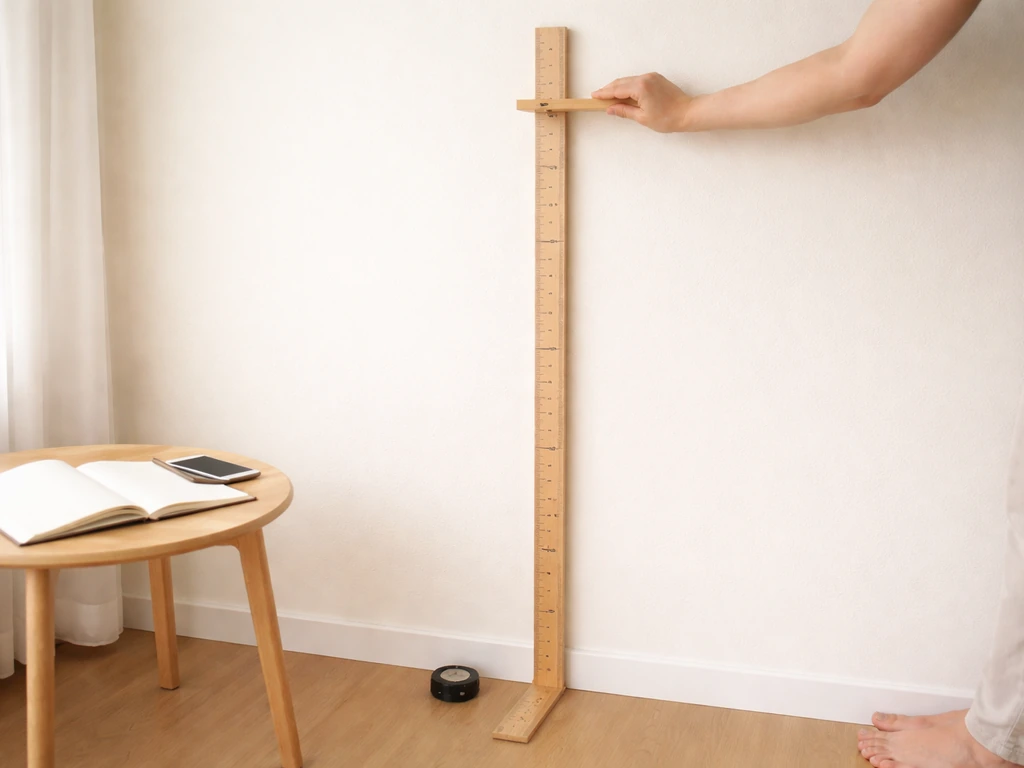
Track your height correctly: measure at the same time of day (morning is most consistent), without shoes, against a flat wall with your heels together. Use a headboard or flat book, mark the wall, and measure with a tape measure. Do this monthly, not daily. Daily measurements will show you diurnal variation and measurement error, not growth.
If you are under 16 and have shown no signs of pubertal development, or if you are growing significantly more slowly than peers and both parents are of average height or taller, a conversation with a pediatrician or pediatric endocrinologist is warranted. Delayed growth can sometimes have treatable causes including GH deficiency, thyroid issues, or celiac disease affecting nutrient absorption. Early evaluation matters because once growth plates close, the window for intervention closes with them.
For most people reading this as a teenager: optimize what you can control. Sleep 8 to 10 hours, eat enough protein and calcium, get some vitamin D, stay active, and do not stress the daily number on a tape measure. The daily fluctuations are noise. The real signal is whether your height is changing over months, not hours. If you are wondering about hanging, focus on safe posture and shoulder health, because it does not create real bone-length growth after your growth plates are active does hanging help you grow.
FAQ
If I’m taller after a nap or after stretching, did I grow taller in that time?
Usually no. A nap, hydration, or brief changes in posture can slightly increase disc height and make you measure taller temporarily. To check for true change, compare measurements taken at the same time of day, over months, and use the same method each time (no shoes, flat wall, mark the spot).
How much height change month to month is normal during puberty?
Small ups and downs are common because growth happens in spurts and because stature varies with daily compression. Clinically, the more meaningful signal is your average trend over 6 to 12 months. If you are consistently gaining slower than peers, that is the time to ask about evaluation, not after a single measurement.
Do growth plates always close by late teens or early twenties?
Most people do, but there is meaningful individual variation. Some people finish earlier, others later, and sex and genetics influence timing. The only reliable way to know for a specific person is assessment by a clinician, which can include a bone age X-ray.
Can X-rays or “bone age” tests be used for adults to confirm growth plate closure?
Yes, bone age is sometimes used in adults when there is a real question about remaining growth potential, but in most typical adults it will show that growth plates have fused. Also, X-ray involves radiation, so clinicians generally reserve it for cases with a clear medical or developmental concern.
What if I’m losing height over time, is that permanent shortening?
Part of adult height loss is often non-bone, due to disc dehydration, posture changes, or spinal issues. It can be significant with conditions that affect the spine. If you are dropping more than expected or have back pain, it is worth discussing with a clinician, because the cause may be treatable.
Does good posture make me “count” as taller, or is it just my measurements?
Posture can change your measured height by improving alignment, which can make the skeleton’s apparent length look greater even if bone length is unchanged. The practical takeaway is that posture work can help you measure closer to your true skeletal height, but it will not reopen fused growth plates.
Do shoes, hairstyles, or measuring technique affect the results enough to be confusing?
Yes. Minor differences in foot pressure, tape tension, head position, and even bending your knees can shift results by more than the amount people hope to detect day to day. That is why the article recommends monthly tracking, at the same time of day, with shoes removed and the head aligned consistently.
Is it possible for adults to gain true height through medical treatment?
In rare medical situations, yes, for example when excess growth hormone drives abnormal growth (acromegaly) or in specific spinal circumstances involving surgery or deformity correction. These are not lifestyle outcomes, and they only apply when a clinician confirms an underlying condition.
If my height has stalled, should I assume growth plates are closed?
Not necessarily. A stall could reflect normal pubertal timing, measurement variability, or temporary factors like illness. The useful approach is to check growth over 6 to 12 months relative to peers, and if you are under 16, or growing significantly slower than expected, consult a pediatrician or pediatric endocrinologist.
Does sleep quantity matter more than sleep timing for growth?
Quantity matters a lot, because deep sleep and overall recovery are linked to the growth hormone environment in youth. Timing can also matter indirectly, because inconsistent schedules can reduce total sleep or shift sleep quality. If sleep is short or fragmented, that is more likely to blunt growth-related signals than small changes in bedtime.
Should I measure my height daily to catch growth quickly?
No. Daily numbers are dominated by diurnal compression and measurement error. Measuring daily usually creates false alarm or false hope. Monthly tracking at the same time of day is a better decision aid for detecting a true multi-month trend.
Can supplements like calcium, vitamin D, or protein make me taller faster during puberty?
They can help if you are deficient or not meeting basic needs, which could otherwise limit how close you get to your genetic potential. But supplements do not override already-closed growth plates, and they will not reliably create bone-length increases beyond your ceiling. If you suspect deficiency, ask a clinician whether testing is appropriate.
Next Article
Does Hanging Upside Down Help You Grow Taller? Evidence, Safety, and Tips
Inversion hangs and yoga inversions do not increase permanent height after growth plates close; learn safety and realist