
Jumping every day will not make you permanently taller. Stretching before bed can be a relaxing way to support flexibility and recovery, but it does not replace the growth-related inputs like open growth plates, enough calories and protein, and adequate sleep does stretching before bed help you grow. No amount of jump rope, plyometrics, or vertical jumps can lengthen your bones once your growth plates have closed, and even before they close, jumping does not directly stimulate bone elongation. What jumping can do is improve leg power, support bone density, and help your posture, all of which are genuinely useful but are a completely different thing from gaining centimeters of height.
Will I Grow Taller If I Jump Everyday? Science Answer

Marcus Reeves
29 Jun 2026

What jumping actually does to your height (and what it doesn't)
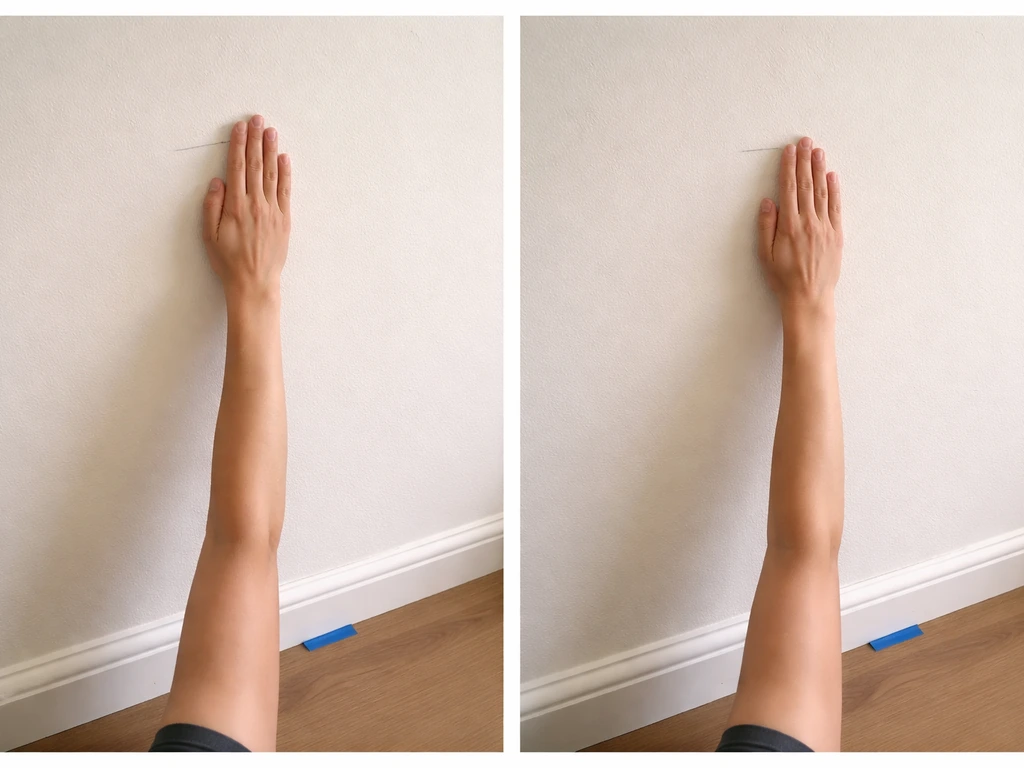
There are two very different things people mean when they talk about "getting taller": true long-bone growth and temporary measurement changes. Jumping mainly affects the second category, and only briefly.
Your long bones (femur, tibia, humerus, and so on) grow longer only at specialized cartilage zones called growth plates, or epiphyseal plates. These sit near the ends of the bones in children and teens. When the growth plates are open and active, bone-forming cells called chondrocytes multiply and eventually calcify, adding real length to the bone. Jumping does not stimulate this process in any meaningful way. Impact exercise can improve bone mineral density, meaning the bone gets stronger and denser, but denser bone is not longer bone.
The temporary measurement effect is real but easy to misinterpret. Research on plyometric drop-jumps and pendulum exercises has documented small, short-lived changes in measured stature immediately after impact activity, followed by a return toward baseline during a standing recovery period. In some cases, measured stature actually decreases slightly right after intense jumping because spinal disc compression from repeated impact temporarily compresses the spine. So if you measure yourself before and after a jump session, you might see a small change in either direction, but it will be gone within minutes to an hour. That is not height gain.
Teens vs. adults: growth plates, puberty, and when real height changes are possible
The single most important factor here is whether your growth plates are still open. If they are, you still have genuine height potential, and your lifestyle choices matter. If they are closed, no exercise, supplement, or lifestyle habit can add bone length.
For most people, growth plates close in a fairly predictable window tied to puberty. Girls typically stop growing in long-bone length around ages 13 to 15; boys around 15 to 17. These are averages with real individual variation, which is why some people finish growing earlier or later. The process is driven by rising sex hormones during puberty, which eventually signal the growth plates to calcify and fuse. Once that fusion is complete, growth velocity drops to zero. Research on pubertal growth and epiphyseal fusion confirms this is an organized developmental process, not something that can be reliably reversed or bypassed by exercise.
If you are a teenager and your growth plates are still open, this is your actual window of opportunity, and it has nothing to do with jumping specifically. The relevant variables are getting enough calories and protein to fuel growth, hitting your calcium and vitamin D targets, sleeping adequately so growth hormone pulses work as intended, and avoiding things that suppress growth (like chronic illness, severe caloric restriction, or overtraining). Adults with fused growth plates have no bone-lengthening potential from any exercise approach. Cleveland Clinic confirms that once growth plates fuse, human growth hormone cannot make you taller, regardless of how it is raised.
What jumping realistically does for your body
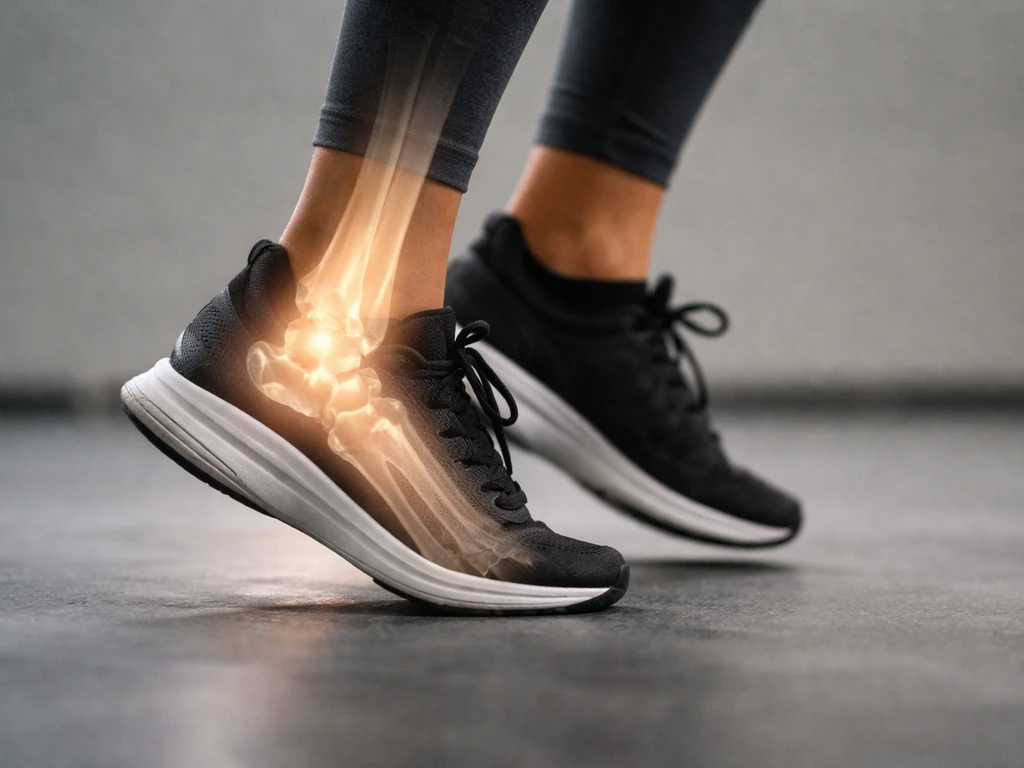
Just because jumping will not make you taller does not mean it is a waste of time. Hanging upside down may also create a temporary postural change, but it does not reopen closed growth plates. It has real, well-documented benefits worth understanding.
- Bone density: High-impact jumping is one of the most effective mechanical stimuli for building bone mineral density. A 12-month randomized clinical trial in men with low bone mass found that a high-intensity jump-training program significantly increased bone mineral density, and the gains held at follow-up. A separate study in premenopausal women found femoral bone mineral density increases after 5 months of vertical jump training. This matters for long-term skeletal health, especially during the teen years when peak bone mass is being set.
- Leg power and athleticism: A well-supported meta-analysis in the British Journal of Sports Medicine confirmed that plyometric training improves vertical jump height and leg power output. An umbrella review of plyometric training research backs this up for a range of neuromuscular performance metrics. You will jump higher, accelerate faster, and develop stronger legs.
- Posture support: Strong posterior chain muscles (glutes, hamstrings, calves) developed through jumping and plyometrics help you stand taller with better alignment. This does not add bone length, but people who carry poor posture due to weak muscles genuinely appear and measure shorter than their actual skeletal height.
- Cardiovascular fitness and overall health: Regular moderate-to-high-impact activity supports sleep quality, energy, and mood, all of which matter during growth years even if they are not direct height drivers.
The bone density benefit is especially worth highlighting for teens. The National Osteoporosis Foundation's systematic review found that children and adolescents who were physically active at ages 8 to 15 had roughly 8 to 10 percent more hip bone mineral content as young adults than less active peers. Peak bone mass is largely set by your mid-20s, and high-impact activities during puberty are one of the best ways to build a strong skeletal foundation for life.
Nutrition and sleep: the levers that actually support growth
If you are still in a growth phase (plates open, puberty active), these are the variables with real influence on whether you hit your genetic height potential. If you wonder whether stretching every day will make you taller, the growth plate status (and whether you are still growing) matters far more than stretching stretch everyday. Think of genetics as setting a ceiling and these factors as determining how close you get to it.
Calcium and vitamin D
Calcium is the primary mineral in bone. During the rapid growth years of ages 9 to 18, the recommended intake is 1,300 mg per day. Vitamin D is what allows your gut to absorb that calcium effectively, and the recommended intake is 600 IU per day for ages 1 to 70. These are not optional extras during adolescence; they are the raw material and the transport mechanism for building bone. Dairy, fortified plant milks, leafy greens, and canned fish with bones are practical calcium sources. Sun exposure and fortified foods cover vitamin D for most people, though supplementation may be needed if you live at high latitude or spend little time outdoors.
Overall calorie and protein intake
Chronic undereating during growth years is one of the clearest ways to fall short of your genetic height potential. Your body prioritizes survival over growth when calories are scarce. Protein specifically provides the amino acids that build new tissue, including the collagen matrix of bone. Teens going through a growth spurt have higher calorie and protein needs than the standard adult recommendations.
Sleep and growth hormone

Growth hormone is released in pulses, and the largest of those pulses happens during deep sleep. Cleveland Clinic identifies sleep as a key stimulator of growth hormone release. The American Academy of Sleep Medicine's consensus recommendations call for 9 to 12 hours of sleep per night for children aged 6 to 12, and 8 to 10 hours for teenagers aged 13 to 18. Consistently shortchanging sleep during the growth years means fewer and smaller growth hormone pulses, which is a real but avoidable cost.
A practical daily routine: what to actually do
If you want to maximize what your body can do, here is a grounded, realistic routine that covers the things that actually matter, whether you are a growing teen or an adult trying to stand at your full height.
- Hit your nutrition targets first. Before worrying about any exercise protocol, make sure you are eating enough total calories, getting 1,300 mg of calcium daily (if you are 9 to 18) or around 1,000 mg (adults 19 to 50), and meeting your vitamin D requirement of 600 IU. These are non-negotiable if you want your skeleton to be as healthy as possible.
- Protect your sleep. Set a consistent bedtime and aim for the recommended hours for your age group. This is not a soft recommendation; it is the single biggest lifestyle lever for growth hormone release in teens.
- Do jumping or impact exercise for bone density and athleticism, not for height. Jump rope is a great option: start with 2 to 3 sessions per week, 10 to 15 minutes each, and build from there. Plyometric progressions (box jumps, squat jumps, broad jumps) 2 to 3 times per week are effective for leg power and bone loading. Harvard Health describes jump rope as an accessible entry point into plyometrics with straightforward progressions.
- Work on posture actively. Tight hip flexors from sitting, forward head posture from screens, and rounded shoulders can all make you look and measure shorter than your actual skeletal height. A 10-minute daily routine of hip flexor stretches, thoracic spine mobility work, and shoulder retractions can recover measurable standing height that poor posture was masking. This pairs naturally with whether stretching habits support your overall height presentation.
- Manage stress and avoid overtraining. Chronic high-volume training without adequate recovery can suppress the hormonal environment that supports growth in teens. More is not better; appropriate load with adequate rest is the goal.
- Stay consistent with healthy habits over months, not days. There is no acute jump session that changes your height trajectory. The benefits (bone density, posture, fitness) accumulate over months and years.
Safety, injury prevention, and when to scale back
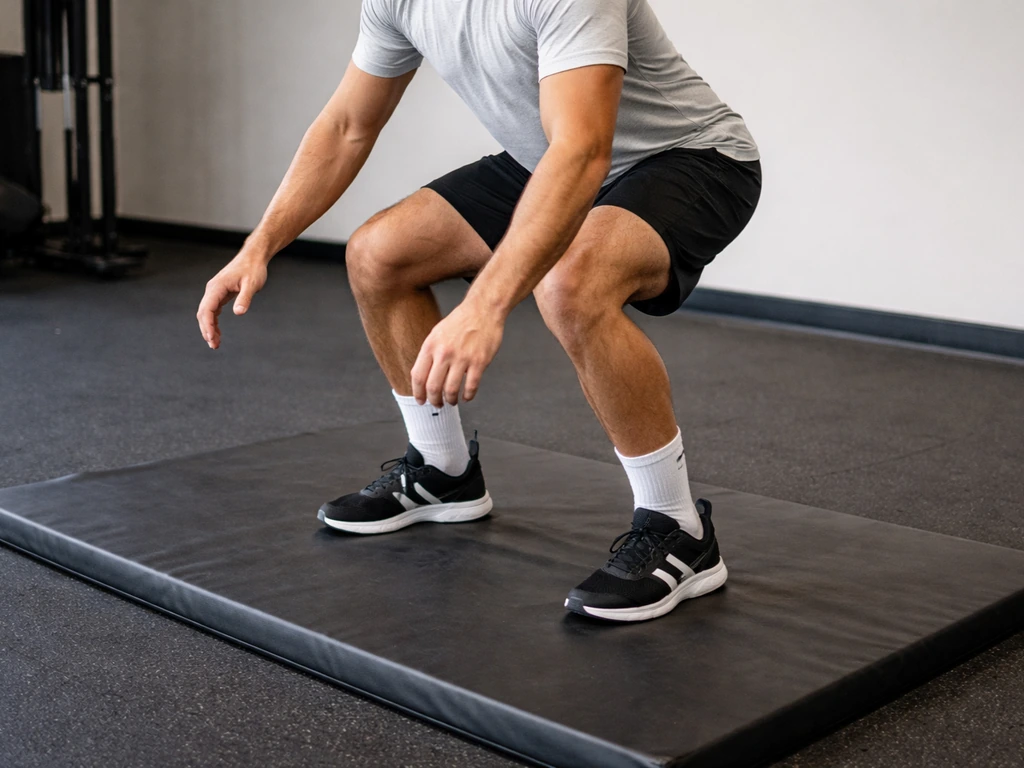
Daily high-impact jumping is not without risk, especially at high volumes or with poor technique. Growth plates in teens are a particular concern because they are the structurally weakest point in a growing bone, and repetitive stress can injure them. NIAMS notes that overuse from long training hours is a documented risk factor for growth plate injuries in youth.
Stress fractures are the other main concern with repetitive jumping. Research on landing mechanics has found that poor ankle flexion at landing, asymmetrical landings, and improper stance width are associated with higher rates of lower extremity stress fractures. Landing technique matters more than most people think.
Here is how to keep jumping safe:
- Warm up properly before every session: 5 minutes of light cardio and dynamic mobility (leg swings, ankle circles, bodyweight squats) before any jump work.
- Wear supportive footwear with adequate cushioning. Do not jump barefoot on hard surfaces at high volume.
- Land softly. Focus on absorbing impact through the ankles, knees, and hips rather than landing stiff-legged. Your joints should bend on contact.
- Start with lower volume and progress gradually. If you are new to daily jumping, begin with 3 sessions per week and add frequency only after your tendons and bones have had time to adapt (this takes weeks, not days).
- Do not jump through pain. A clinical review on plyometric contraindications lists joint pathology, ligament or cartilage injury, bone bruises, and muscle-tendon injuries as reasons to stop or avoid plyometrics until healed.
- Avoid extreme daily volume. Seven days a week of high-intensity jump training with no rest is excessive and increases injury risk significantly. Alternating intensity or taking 1 to 2 rest days per week is more sustainable.
- If you are under 18, have a coach or knowledgeable adult review your technique. Mayo Clinic emphasizes that youth training should be appropriately scaled and that medical clearance is worth getting if there is any growth concern.
When to talk to a doctor about growth
Most people asking this question are teens who are curious about whether they can do something to get taller. A common version of that question is, “Do you grow taller on your birthday?”. But sometimes the question masks a real underlying concern. Here is a practical self-check and a guide to when professional evaluation is worth seeking.
Quick self-check: are you still growing?

Think about your age and puberty stage. If you are a girl under 14 or a boy under 16, there is a reasonable chance your growth plates are still at least partially open, especially if you have not yet finished puberty (based on Tanner staging, which a doctor can assess). Family history matters too: if your parents were late developers, you may be as well. The most direct way to know is a bone age X-ray of the left hand and wrist, which can show whether growth plates are still open. Cleveland Clinic confirms this is the standard clinical tool used to assess growth plate status and gauge remaining growth potential.
Red flags that warrant a clinical visit
- You have not grown at all for more than a year and you are under age 15 (girls) or under age 17 (boys).
- Your height is consistently below the 3rd percentile on CDC growth charts for your age.
- You have signs of delayed puberty (no puberty signs by age 13 in girls, age 14 in boys).
- You have other symptoms alongside growth concerns: fatigue, weight changes, frequent illness, or hormonal symptoms.
- A parent or guardian is concerned about your growth trajectory over time.
- You experienced a significant injury to a limb during childhood or adolescence that may have affected a growth plate.
A pediatrician or pediatric endocrinologist can assess growth velocity using CDC growth charts, check bone age via wrist X-ray, evaluate Tanner stage, and, if indicated, run lab work to check for endocrine issues like hypothyroidism or growth hormone deficiency. These conditions are rare, but when they exist, they are treatable, and early intervention makes a real difference. Waiting and hoping that jumping more will fix the problem is not a strategy worth pursuing when a simple clinical assessment can give you actual answers.
The bottom line is straightforward: jumping every day will build stronger legs and denser bones, and it is worth doing for those reasons. A 1998 Journal of Bone and Mineral Research study reported that a [vertical jumping exercise regime](https://onlinelibrary. wiley. com/doi/full/10.
1359/jbmr. 1998. 13. 12.
1805) significantly increased femoral bone mineral density in premenopausal women after 5 months. If you mean “do you grow taller every day,” the reality is that real bone-length growth is only possible when growth plates are still open and active. But it will not override your biology, force your growth plates to stay open, or add centimeters after they close. If you are a teen with open plates, focus on sleep, nutrition, and staying healthy.
If you are an adult, focus on posture and bone health. Either way, a daily jumping habit is a solid piece of a healthy routine, just not the height-increasing shortcut the question implies.
FAQ
How many inches can I gain from jumping every day if I’m still growing?
You generally should not expect any predictable “inches gained” from jumping itself. If your growth plates are open, you may still grow over time due to puberty and genetics, but jumping mostly improves strength and bone density, not bone length. Any visible height change is usually temporary (spinal compression or postural shifts), not true growth.
If I measure my height right after jumping, will it show permanent progress?
No. Impact can temporarily compress the spine and shift posture, so your after-workout measurement can be slightly higher or lower, but it typically returns to baseline within minutes to about an hour. For consistency, measure at the same time of day (often morning), and avoid checking immediately after high-impact exercise.
Is jumping safe for teens who might still have open growth plates?
It can be, but daily, high-volume jumping increases the risk of growth plate irritation and stress fractures, especially with poor landing mechanics or no rest days. If you have shin pain, worsening heel or foot pain, or pain that changes your gait, stop and get evaluated. A coach or physical therapist can check landing form and progress your volume.
What’s a safer alternative if I want benefits without stressing my growth plates as much?
If jumping is bothering your legs or you are doing it frequently, consider lower-impact strength work (like squats to a safe depth, lunges with good alignment, and resistance training) plus sport-specific conditioning. You can also include short bouts of jumping a few times per week instead of every day, focusing on clean landings and adequate recovery.
Does jumping help posture, and can posture make me look taller?
Yes. Jumping and overall leg training can improve muscular support for standing posture, which may make you appear taller even without changing bone length. However, posture improvements are variable, and if you have consistent slouching, adding targeted mobility and back extensor strengthening usually helps more than jumping alone.
If I’m an adult, can jumping increase my height at all?
Adults with fused growth plates cannot lengthen long bones, so jumping cannot make you taller in the true sense. What you can potentially improve is bone mineral density and functional performance, and you might see temporary height shifts right after exercise. Long-term, the realistic goal is posture and skeletal health, not centimeters of height.
Does stretching every day make me grow taller faster?
Stretching can support flexibility and recovery, but it does not reopen fused growth plates or directly stimulate bone elongation. If your goal is height-related outcomes, prioritize sleep, adequate calories and protein, calcium and vitamin D, and safe training volume before relying on flexibility work as a “growth” tool.
How do I know whether I still can grow (growth plates open)?
A clinician can assess growth potential using puberty stage (for example, Tanner staging) and a bone age X-ray of the left hand and wrist. If you are worried because of slow growth, delayed puberty, or symptoms of an endocrine issue, a pediatrician or pediatric endocrinologist can also check growth velocity and consider targeted lab work.
What nutrition targets matter most if I’m hoping to reach my height potential?
For adolescents, hitting calcium and vitamin D targets supports bone mineralization, and avoiding chronic undereating helps you actually use that nutrition for growth. Protein is also important because bone is built from tissue-forming amino acids. If you are restricting food, skipping meals, or training hard while eating too little, you can undercut height potential.
Can I jump every day if I feel fine and my landing looks good?
Feeling fine is not the only safety marker. You can still develop overuse injuries without immediate pain. If you notice fatigue, stiffness that doesn’t improve with rest, or any localized pain, reduce frequency and ensure proper footwear, landing alignment, and rest days to lower injury risk.
Next Article
Do You Grow Taller Every Day? Real Growth Explained
Do you grow taller every day? See real height changes, growth plates, puberty limits, and what sleep, nutrition, posture