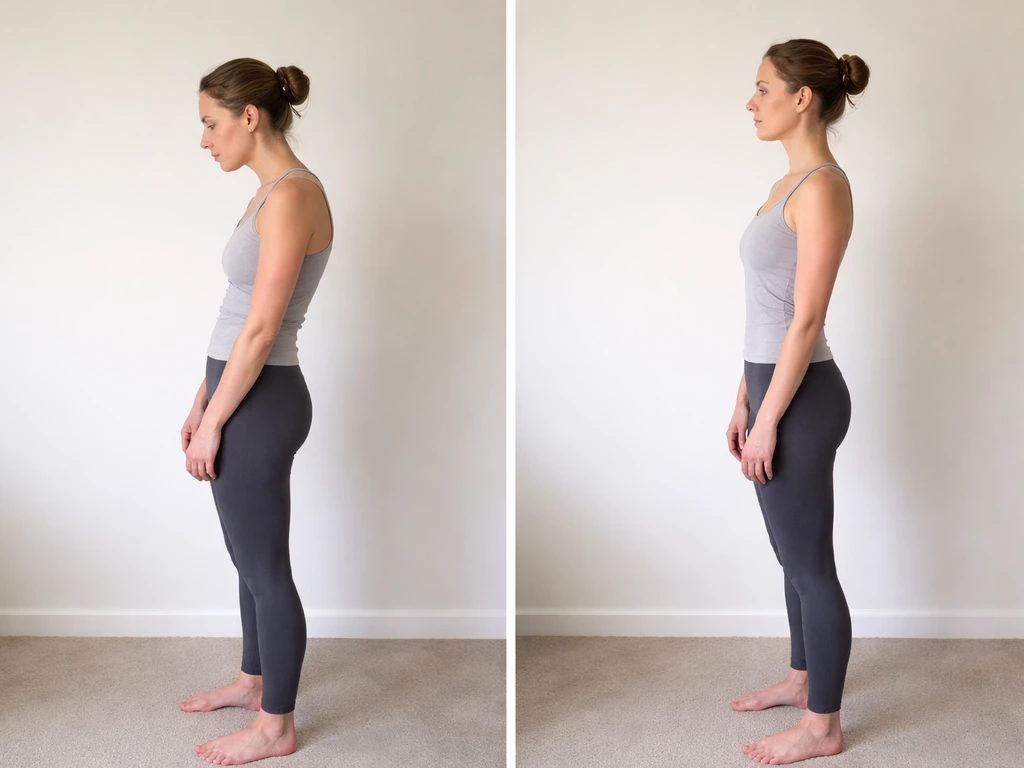
Hanging upside down will not make you permanently taller. It can temporarily decompress your spine and shift fluid in your intervertebral discs, which may add a few millimeters to your measured height for an hour or so, but that effect disappears once you're upright and moving again. True height increase requires actual bone growth, and that only happens at the growth plates near the ends of your long bones during childhood and adolescence. Once those plates fuse, no inversion, traction, or stretching routine changes your skeletal height in any lasting way.
Does Hanging Upside Down Help You Grow Taller? Evidence, Safety, and Tips

Marcus Reeves
14 Jun 2026

What "growing taller" actually means in your body
There are two very different things people mean when they say someone is "getting taller," and mixing them up is the root of most confusion around inversion and stretching claims.
True skeletal growth happens in the growth plates, also called epiphyseal plates or physes. These are cartilage-rich zones near the ends of your long bones, including the femur and tibia in your legs. When the right hormonal signals are present during childhood and puberty, cells in these plates multiply, deposit new bone matrix, and your bones get longer. That is the only mechanism that actually increases your standing height on a permanent basis. Once puberty winds down and sex steroids trigger the growth plates to fuse, bone growth stops. The plates become solid bone, and there is simply no tissue left to stimulate.
Temporary height changes are a completely separate category. Your spine is made up of vertebrae separated by intervertebral discs that act like hydraulic cushions. Throughout the day, gravity compresses those discs, squeezing out fluid, and you get measurably shorter. Research has documented that adults can be up to about 18 to 20 millimeters taller first thing in the morning than they are by evening, purely because the discs rehydrate overnight when you're lying flat. This is why comparison studies of height measurements must account for time of day. Anything that decompresses the spine, whether that's lying down, spinal traction, or hanging upside down, temporarily reverses some of that compression. The height gain is real on a ruler, but it is not skeletal growth.
What actually happens when you hang upside down

When you invert, gravity reverses its usual direction relative to your spine. Instead of compressing the discs, it creates a distractive force that pulls them apart slightly. Cadaveric and in vitro studies confirm that distraction conditions, simulating traction, can meaningfully reduce intradiscal pressure in the lumbar and cervical spine compared to normal standing or sitting postures. Your discs can reabsorb more fluid, the spaces between vertebrae widen marginally, and the overall height of your spinal column increases by a small amount.
That sounds promising on the surface, but here's the thing: this is essentially the same mechanism behind the morning height gain you already get from sleeping. Your body does this every night for free. Hanging upside down accelerates the decompression a little, but it doesn't create more decompression than your body achieves during a full night of lying flat. Once you stand up, walk around, and carry the weight of your torso for a few hours, the discs compress again and you return to your afternoon baseline. If you stretch every day, you might feel temporarily taller due to spinal decompression, but it won't cause permanent height growth. Nothing structural has changed.
Beyond the spine, inversion also shifts blood toward your head, increases intraocular pressure (the pressure inside your eyes), and raises blood pressure in the upper body. These effects are temporary for most healthy people, but they become relevant when we talk about safety.
Does inversion increase long-term height? What the evidence says
The honest answer is: there is no credible evidence that inversion therapy or hanging upside down produces permanent height increases in humans. No randomized controlled trial has demonstrated lasting stature change from inversion. The mechanism simply isn't there: you can't stretch bone by pulling on it from outside the body, and the discs return to their loaded state as soon as you resume normal activity.
Some research on yoga, which includes inversions, has explored whether it changes kyphosis (the rounding of the upper back). One RCT found that yoga can reduce hyperkyphosis in older adults, and correcting a pronounced curve can translate into a few centimeters of standing height. But that is a postural correction, not true skeletal growth. You're straightening an existing curve, not adding bone. Similarly, the diurnal height variation research makes clear that any "height gain" measured after an inversion session is a measurement artifact related to disc hydration, not a sign that anything permanent happened.
The mainstream medical consensus reflects this: techniques marketed as height-increasing for adults, including inversions and traction-based approaches, are not supported by evidence for true growth. Growth depends on growth plate biology and hormonal signaling, not mechanical loading in reverse.
Age changes everything: teens vs. adults
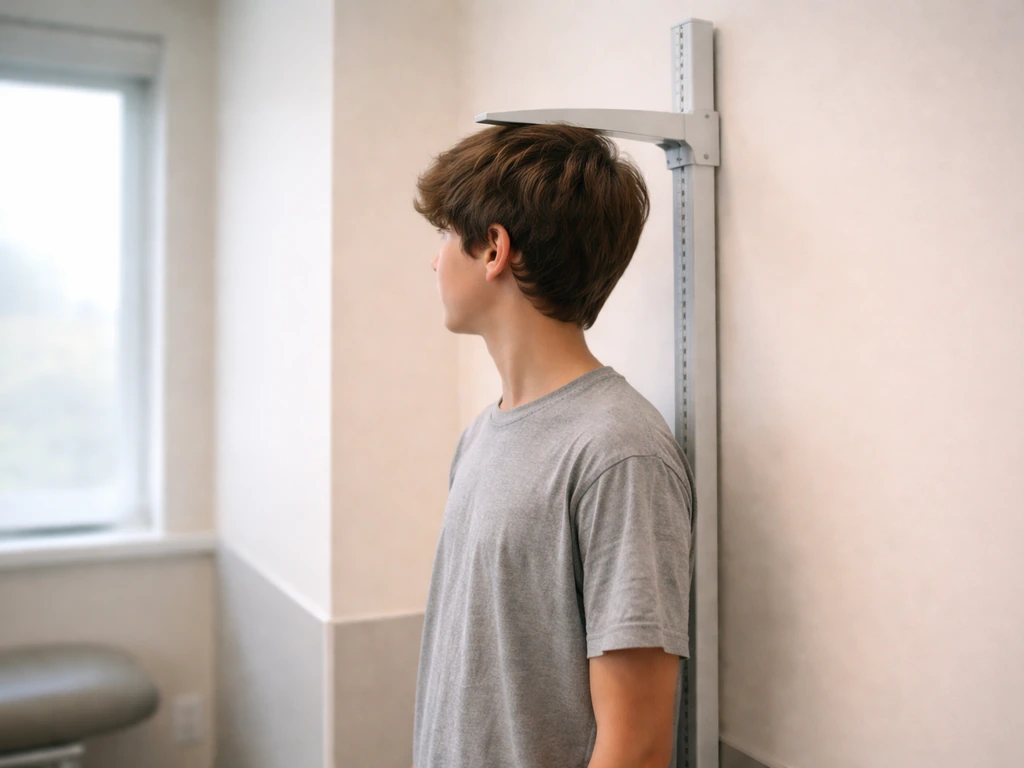
Your current life stage matters enormously here, so let's separate the two scenarios.
If you're a teenager still going through puberty
This is the window where real height growth is happening. Peak growth velocity during puberty typically runs around 7 to 12 centimeters per year for boys and 6 to 10 centimeters per year for girls. Boys usually hit their peak growth spurt between ages 13 and 14, and the whole process can add more than 10 centimeters in a single year at peak velocity. Growth plates are still open and active during this time, driven by growth hormone, IGF-1, and sex steroids. This is when nutrition, sleep, and overall health genuinely influence how close you get to your genetic ceiling.
Hanging upside down during this phase still won't add permanent height beyond what your genetics and hormonal biology will produce. But the good news is that you don't need it. Your growth plates are doing the work. The smarter move is to protect and support that process, not to chase marginal spinal decompression tricks.
If you're an adult with fused growth plates
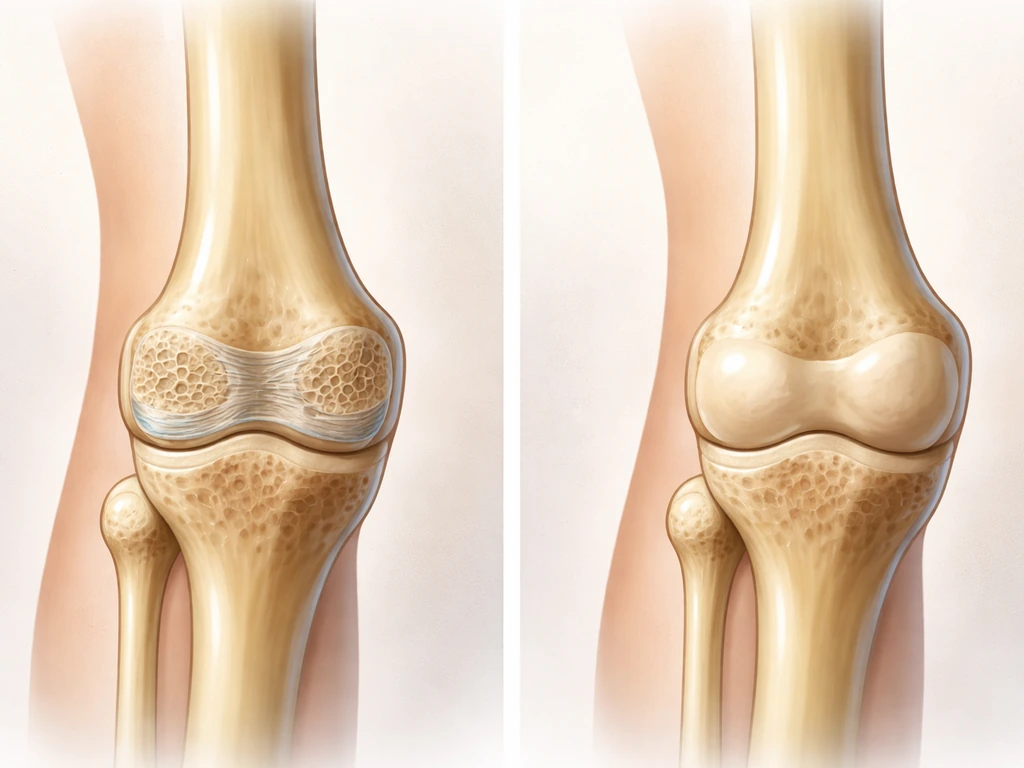
Growth plates typically fuse in the late teens to early twenties, with girls generally finishing before boys. Once fused, no external force, supplement, or movement practice can stimulate the long bones to grow again. The physiology simply no longer exists. For adults, any realistic height improvement comes down to posture optimization, not bone growth. Correcting a forward head posture, reducing thoracic kyphosis, or strengthening the posterior chain can genuinely recover a centimeter or two of functional standing height, but that is recovering height you were losing to poor posture, not adding new height.
How to try inversion safely (and when not to)
If you want to try inversion for spinal decompression, back discomfort, or general curiosity, that is reasonable for many healthy people, but there are important safety considerations and a list of conditions that make it a bad idea.
Who should avoid inversion entirely
- Glaucoma or any condition involving elevated intraocular pressure: inverting measurably raises eye pressure and can worsen the condition
- Uncontrolled high blood pressure or heart conditions: the cardiovascular shifts from full inversion are significant
- Osteoporosis: increased distraction force on a fragile spine can cause fractures
- Hernias, including hiatal hernia
- Pregnancy
- Neck or back injuries, recent spinal surgery, or known disc herniation that has not been evaluated
- A history of stroke or retinal detachment
- Any inner ear disorder that affects balance
The risk here is real, not theoretical. Published case reports describe cervical spinal cord injuries sustained during falls from inversion tables, including central cord syndrome. There is also a documented case of vertebral artery dissection and myelopathy following inversion-style yoga in a person with pre-existing cervical spine degeneration. If you fall while strapped to an inversion table, the consequences can be serious.
If you're healthy and want to try it
- Start at a partial angle, around 20 to 30 degrees, rather than full inversion. Most of the decompressive benefit happens well below 90 degrees.
- Limit sessions to 1 to 5 minutes at first and see how your body responds before extending duration.
- Use a quality inversion table with secure ankle supports and a locking mechanism, and always have someone nearby the first few times.
- Come back up slowly. The blood pressure shift on returning to upright can cause lightheadedness.
- Stop immediately if you experience headache, blurred vision, tingling, numbness, or sharp pain.
- Get cleared by a doctor first if you have any pre-existing cardiovascular, eye, or spinal conditions.
What actually helps with height potential
Since inversion isn't a growth tool, here's what genuinely matters, depending on your situation.
For teens who are still growing
Sleep is arguably the most underrated growth factor. Human growth hormone is released in large pulses during deep sleep, particularly in the first few hours of the night. Chronically cutting sleep short during the years when growth plates are active is one of the few lifestyle factors with a plausible mechanism for reducing growth potential. Aim for 8 to 10 hours during adolescence.
Nutrition matters just as much. Adequate protein, calcium, vitamin D, and zinc are all necessary for bone matrix production and hormonal signaling. Malnutrition during puberty is one of the most well-documented causes of stunted growth worldwide. You don't need exotic supplements, but you do need consistent, nutrient-dense eating.
Exercise, particularly weight-bearing activity and resistance training at appropriate loads, supports bone density and general musculoskeletal development. There's no good evidence that regular exercise directly increases height above what genetics predicts, but it supports the hormonal environment that allows you to reach your potential. Regular hanging from a bar (as in dead hangs rather than inversion) is fine for grip and shoulder health but doesn't add centimeters to your bones either.
For adults focused on functional height
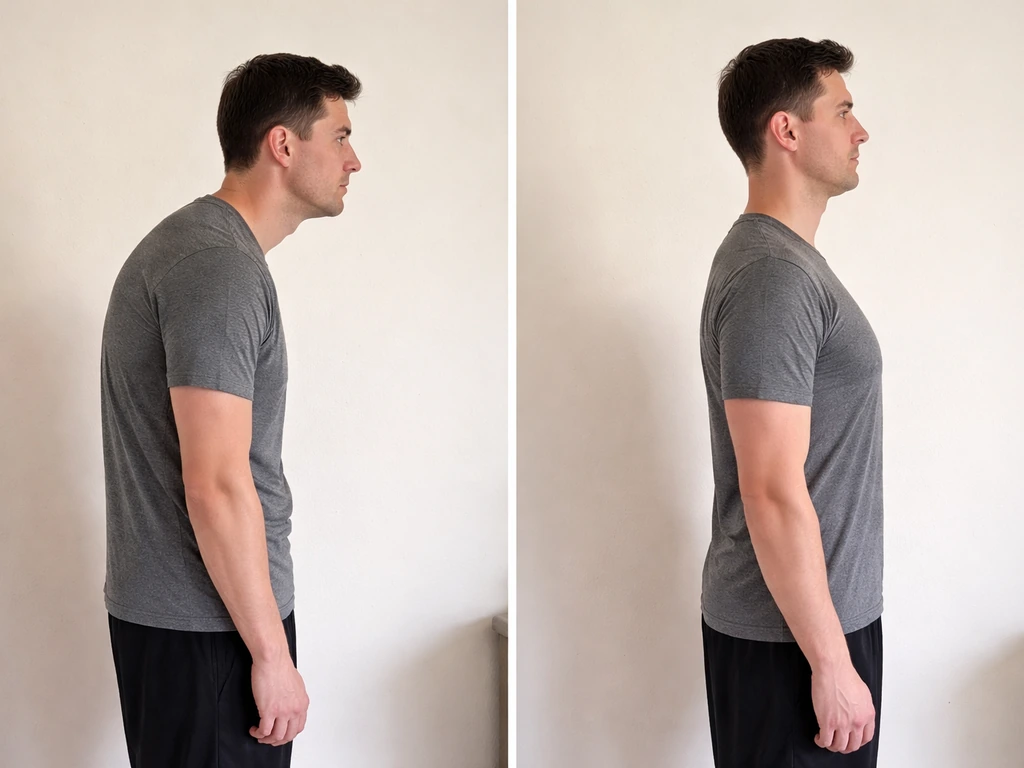
Posture is where adults have real room to work. Forward head posture, rounded shoulders, and thoracic kyphosis can compress several centimeters of standing height. Targeted work with a physical therapist or a structured program that strengthens the posterior chain (upper back, glutes, core) and stretches the hip flexors and chest can make a visible difference in how tall you look and how tall you measure. This isn't growth, but it is recoverable height that many people are leaving on the table.
| Approach | Who it helps | Mechanism | Expected effect |
|---|---|---|---|
| Inversion/upside-down hanging | Anyone (healthy adults) | Temporary spinal decompression | A few mm of temporary height, fully reversible |
| Sleep optimization | Teens actively growing | Maximizes GH release during growth plate activity | Supports reaching genetic height potential |
| Nutrition (protein, calcium, D, zinc) | Teens actively growing | Provides substrate for bone matrix and hormonal signaling | Prevents growth below genetic potential |
| Posture correction and strengthening | Adults, older teens | Reduces spinal curves and forward head posture | 1 to 3 cm of recoverable standing height |
| Weight-bearing exercise | Teens and adults | Supports bone density and hormonal environment | General health; does not add bone length |
| Dead-hang bar hanging | Teens and adults | Mild spinal unloading, grip and shoulder conditioning | Temporary disc decompression similar to inversion |
When to see a doctor about your height
Most people searching this question are curious, not dealing with a medical problem. But there are situations where a doctor's evaluation genuinely matters and shouldn't be put off.
For teenagers, if growth appears to have stalled, if you are significantly shorter than peers at the same stage of puberty, or if puberty itself seems delayed (no signs of puberty by age 14 in boys or age 13 in girls), that warrants a visit to a pediatric endocrinologist. The Endocrine Society notes that deceleration of height growth can be a signal of underlying issues including growth hormone deficiency, thyroid problems, celiac disease, or other conditions that are treatable when caught early. Bone age X-rays and blood panels can clarify whether there's a problem and whether the growth plates are still open.
For adults, if you notice you are getting shorter over time (not just the normal diurnal variation but measurable loss year over year), that can indicate vertebral compression fractures from osteoporosis, progressive kyphosis, or other spinal conditions. A DEXA scan and spinal imaging are the right tools here, not an inversion table.
If you have significant back pain, posture concerns, or want help recovering standing height through corrective exercise, a physical therapist who specializes in spinal rehabilitation is the most direct path to a useful, personalized plan. They can identify whether your posture is limiting your measured height and give you specific drills, not generic advice.
The bottom line: hanging upside down is an interesting spine-decompression technique with legitimate temporary effects, but it sits in the same category as stretching before bed or doing yoga, activities that can feel good and have real benefits for back health and posture, without producing permanent skeletal growth. If you're wondering, "do you grow taller on your birthday," the answer is still no in most cases because permanent height changes require bone growth at open growth plates. If you're a teenager, invest in sleep and nutrition. If you're an adult, invest in posture. If something seems off with your growth trajectory, get evaluated. Those are the moves that actually matter.
FAQ
If I hang upside down and I’m taller right after, does that mean it’s working permanently?
If you measure after an inversion session, your height will often look higher because your discs are less compressed and may have rehydrated in the short term. The practical way to test is to measure at the same time of day on multiple days, for example first thing in the morning after waking and again late afternoon, and compare to your own baseline rather than a single session.
Is there any reason to invert instead of just lying down or sleeping?
You do not need to invert specifically to “get the same effect,” because lying flat overnight already produces substantial decompression and disc rehydration. If your goal is temporary relief, safer options tend to be gentle prone or supine positioning, walking, and mobility work that does not involve head-down blood flow changes or fall risk.
Who should avoid hanging upside down due to safety concerns?
In healthy people, inversion tends to raise pressure in the head and increase intraocular and blood pressure, which can be risky if you have glaucoma, uncontrolled hypertension, recent stroke or heart disease, or certain vascular problems. If you have any of these conditions, ask a clinician before trying it, and avoid pushing into extreme angles or prolonged holds.
What are common mistakes that make inversion more dangerous or ineffective?
If you have neck problems, vertigo, or known cervical spine degeneration, inversion can increase the chance of pain flare-ups and neurologic irritation, especially if your neck collapses or your chin tucks during the setup. A common mistake is “cranking” the angle to feel a stretch in the neck. Keep the head and neck in a neutral, supported position, and stop if you feel tingling, numbness, or sharp pain.
How long does the temporary height increase typically last, and why does it fade?
Walking and normal upright movement usually bring spinal loading back quickly, which is why the height change typically fades within hours. If you want the temporary effect for comfort, it is usually best to combine brief decompression with light activity rather than staying inverted for long periods.
What should an adult focus on if they want to look and measure taller?
For adults, the most reliable “height gain” is recovering functional height lost to posture, such as reducing forward head posture and thoracic kyphosis, and improving hip flexor and chest tightness. If you try inversion but your posture stays the same, you may keep seeing only short-lived changes on a ruler.
What should I do if I think my growth has stalled as a teenager?
If you are under 18 and your growth seems slow, the most useful data is a trend in height over time along with pubertal staging, not a single measurement. A pediatric endocrinology evaluation can include growth velocity and bone age, which helps determine whether growth plates are still open and whether there is a treatable hormonal or nutritional issue.
How can I tell if my shrinking is normal variation or something that needs medical care?
If you notice measurable shortening over time, particularly with increased upper back rounding or new back pain, do not assume it is just day-to-day variation. Ask about evaluation for vertebral compression or progressive kyphosis, and imaging like a DEXA scan or spinal imaging if indicated, because an inversion table will not reverse structural bone loss.
Can I use dead hangs or traction instead of inversion to grow taller?
If you want decompression benefits but you cannot do inversion safely, dead hangs or gentle traction-style movements may be a compromise for shoulder and grip work. However, they still do not create permanent skeletal height change, and they can irritate wrists, elbows, or shoulders if technique is poor.
How should my goals and routine change if I’m a teen versus an adult?
Your expectations should be different depending on age: during puberty, optimizing sleep, adequate calories, protein, vitamin D, calcium, and resistance training can help you reach your genetic ceiling, but inversion still will not add new bone length. For adults, focus on posture and strength training for recoverable height, not on mechanisms that would stimulate growth plates.
Next Article
If You Stretch Every Day Will You Grow Taller? Science
Daily stretching won’t add true height after growth plates close. It can improve posture, easing stiffness and making yo