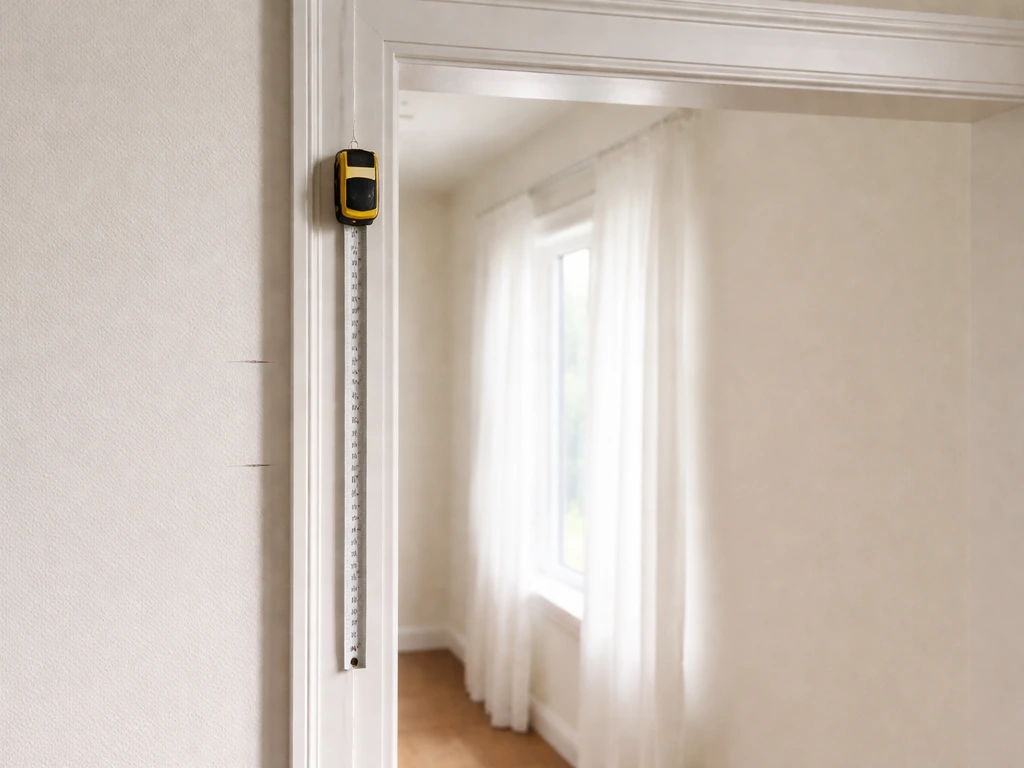
Stretching every day will not make you grow taller in the true sense, meaning it will not add length to your bones. If you are asking, “do you grow taller everyday,” the real answer is that bone length increases only when growth plates are still open, while stretching mainly helps you look taller through posture.
If You Stretch Every Day Will You Grow Taller? Science

Marcus Reeves
23 May 2026
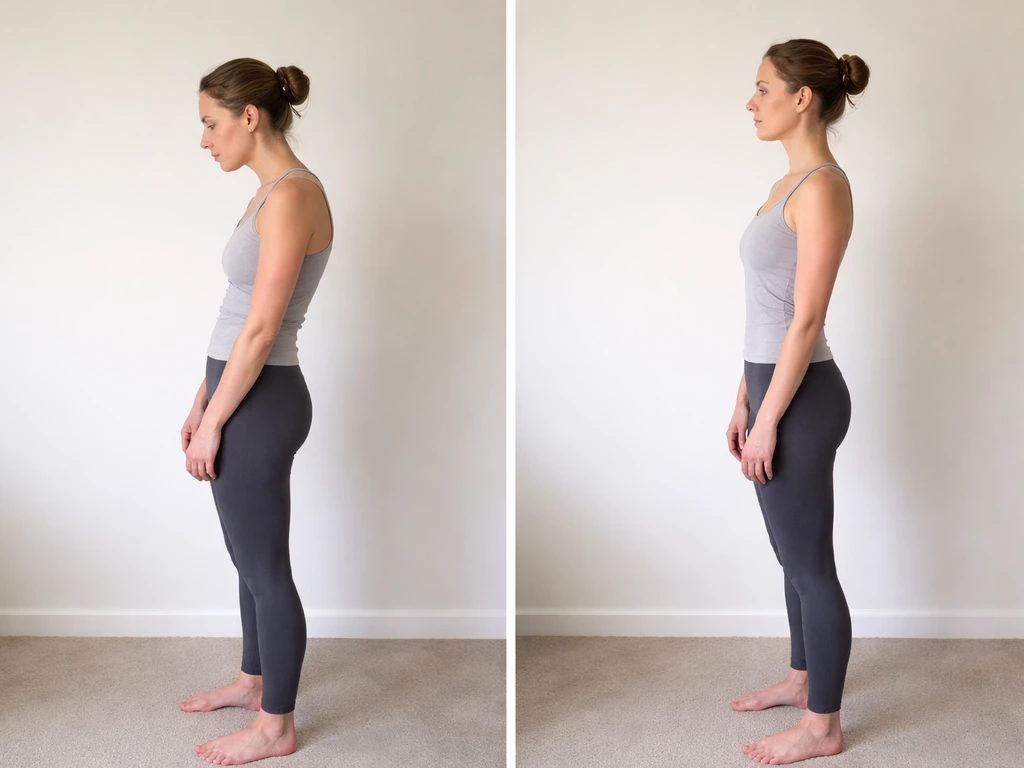
What it can do is help you stand closer to your actual full height by improving your posture, reducing spinal compression, and releasing chronic muscle tightness that causes you to slouch. For most people, that difference is real and visible, sometimes 0. 5 to 1 inch, but it is not new height. Whether you can still gain actual height depends almost entirely on your age, where you are in puberty, and whether your growth plates are still open.
How height actually grows
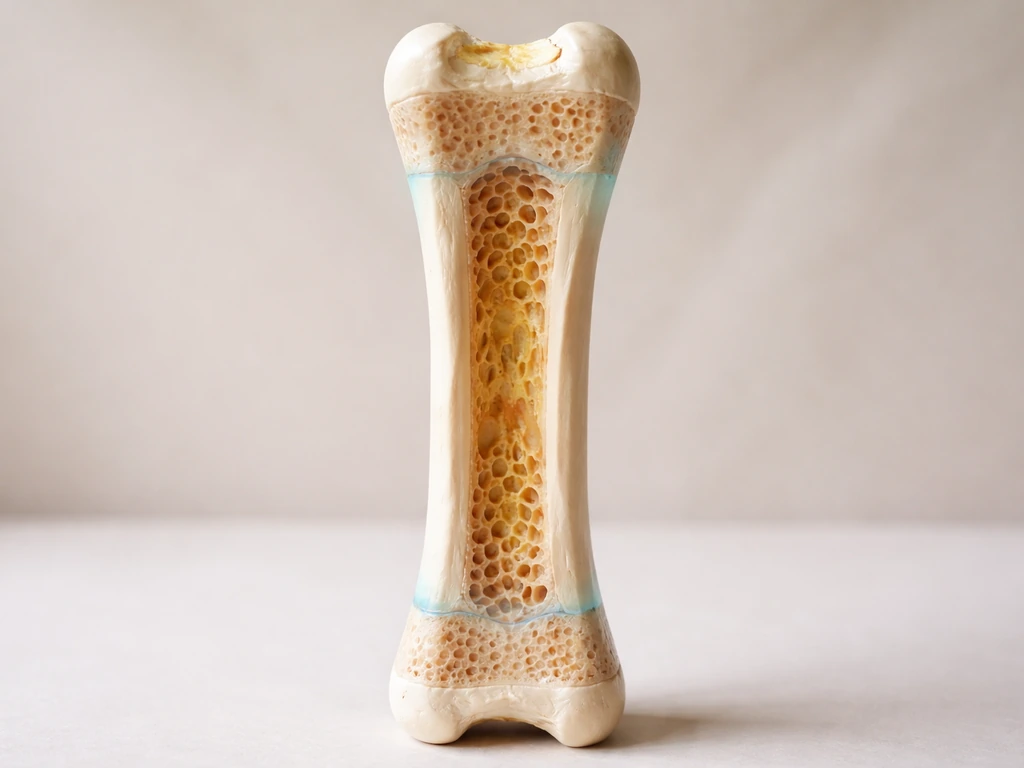
Your height is determined by the length of your long bones, and those bones grow from specialized areas near their ends called growth plates, or epiphyseal plates. According to the National Institute of Arthritis and Musculoskeletal and Skin Diseases (NIAMS), these are the living tissue zones that determine the future length and shape of mature bone in children and teenagers. When hormones signal the body that growth is done, those plates harden and fuse, and bone length is permanently set.
The timing of that fusion varies a lot by sex and individual biology. A cross-sectional MRI study of adolescents and young adults found that girls reach complete growth plate fusion roughly 2 years earlier than boys, with fusion milestones for boys generally occurring somewhere between ages 15 and 20 depending on the specific bone site. This is why two 17-year-olds can be in very different places, one still actively growing, the other done. Genetics and puberty timing together explain most of this variation, not anything you are eating or doing physically.
The practical takeaway: if your growth plates are still open (most commonly in mid-to-late puberty), there is real height potential on the table, and what you do with nutrition, sleep, and physical activity genuinely matters. If they have already fused, no amount of stretching, jumping, or hanging will lengthen your bones.
What stretching actually changes
Even when bone growth is no longer possible, stretching still has real value for how you carry yourself. Several things work in your favor here. First, your spine is not a rigid rod. The intervertebral discs that sit between your vertebrae compress throughout the day under gravity and load, which is part of why most people are measurably shorter in the evening than in the morning. Regular stretching, especially spinal decompression and hip flexor work, can reduce the chronic compression and forward pull that keeps many people in a perpetual slouch.
Second, tight hip flexors and hamstrings tilt the pelvis forward and pull the spine into a curved posture that physically shortens how tall you appear. A 2023 systematic review with meta-analysis found that the evidence for stretching alone producing lasting posture improvements is limited, and that strengthening antagonist muscles alongside stretching tends to produce more reliable results for spinal alignment. A separate meta-analysis specifically on hyperkyphosis (excessive upper-back rounding) found statistically significant improvements when stretching was used as part of a broader correction approach rather than as a standalone fix. The message from the research is consistent: stretching is a useful tool, but pairing it with strengthening gets better results.
Third, range of motion in the hips and hamstrings does respond to consistent stretching. A randomized controlled trial showed meaningful improvements in hip flexion range of motion after just 4 weeks of daily stretching in people with bilateral hamstring tightness. A separate study found that stretching dose (total accumulated time) matters, with 6 weeks of consistent stretching improving knee extension range of motion tied to hamstring flexibility. None of this adds bone length, but it does mean your body can physically reach its actual height more of the time.
A daily stretching routine for better posture and height

The goal of this routine is to decompress the spine, open the hips, and reduce the rounding through the upper back that makes most people look shorter than they are. You do not need equipment, and the whole thing takes about 10 to 15 minutes. Do it daily, ideally after light activity when your muscles are warm, not cold first thing in the morning.
The routine
- Cat-cow stretch: 10 slow repetitions, moving through full spinal flexion and extension. This gently mobilizes each segment of the spine and reduces morning stiffness.
- Child's pose with arm reach: hold for 30 to 60 seconds. Stretches the thoracic spine and lats, two areas that pull heavily on posture.
- Kneeling hip flexor stretch (each side): hold for 30 seconds, repeat twice per side. Tight hip flexors are one of the main drivers of anterior pelvic tilt and reduced standing height.
- Standing hamstring stretch or seated toe reach: hold for 30 seconds, repeat twice. This directly reduces the posterior pull on the pelvis that flattens and compresses the lumbar spine.
- Doorway chest stretch: hold for 30 seconds, twice. Opens the pectorals and anterior shoulder, counteracting the forward shoulder rounding that is near-universal in people who sit a lot.
- Wall angel or thoracic extension over a foam roller: 10 to 15 slow reps. Directly targets upper back extension and is particularly useful for correcting kyphosis.
- Overhead side bend (each side): hold for 20 to 30 seconds. Lengthens the lateral spine and works on side-to-side asymmetries.
Follow the Mayo Clinic's well-established guidance on safe stretching: hold each stretch to the point of tension but never pain, do not bounce, and back off immediately if a stretch produces sharp or stabbing sensations. The American Heart Association adds the same warning: joint pain or sharp pain means you have gone too far and should stop. For most people, holds of 30 seconds are effective; for particularly tight areas, up to 60 seconds per hold is reasonable. Expect to feel meaningful improvement in postural flexibility within 3 to 6 weeks of consistent daily practice.
How to measure whether you're improving posture or actually getting taller
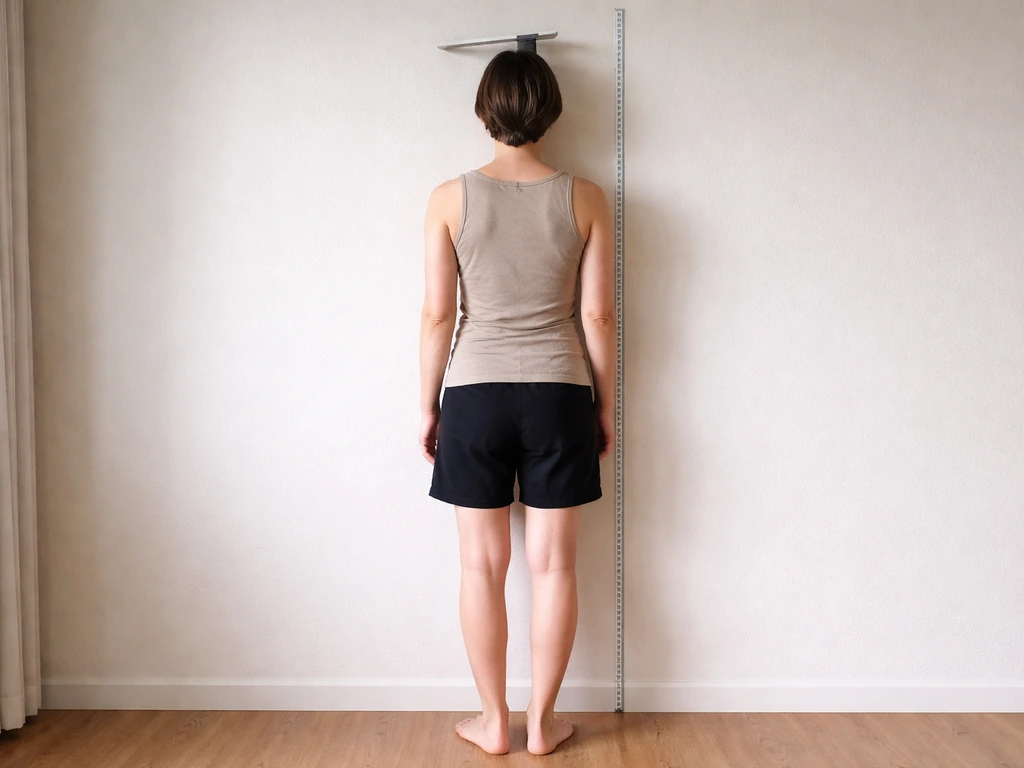
This distinction matters a lot, and it is easy to confuse the two if you are not measuring carefully. Here is how to tell what is actually happening.
| What you're measuring | How to measure it | What it tells you |
|---|---|---|
| Standing height | Measured at the same time of day (morning is most consistent), against a wall, barefoot, looking straight ahead | Actual bone height; if this increases in a teenager it may reflect real growth; in adults it mostly reflects improved posture |
| Morning vs evening height | Measure immediately after waking and again in the evening; a difference of 0.5–1 inch is normal compression | Shows how much your spine compresses daily; better posture/stretching can reduce this gap over time |
| Postural rounding (kyphosis) | Take a photo from the side in a relaxed standing position; compare monthly | Visible reduction in upper-back rounding is a clear sign stretching is working on posture, not bone growth |
| Thoracic kyphosis angle | A physiotherapist can assess this with a Flexicurve or inclinometer; both have validated reliability for measuring spinal curvature | Objective measure of spinal curvature change over weeks/months of intervention |
| Hip flexor/hamstring flexibility | Sit-and-reach test or simple knee-extension test; track weekly | Shows whether your stretching is producing real range-of-motion gains that translate to better posture |
For teenagers who are still growing, a genuine increase in standing height measured consistently over several months is meaningful and reflects actual bone growth. For adults post-growth plate fusion, any height increase seen over weeks of stretching is almost certainly a posture improvement, which is still worth having but should be understood accurately. If you want an objective measure of spinal curvature, the gold standard is a standing lateral spine X-ray with Cobb angle measurement, according to StatPearls, but for most people a consistent side-on photo comparison and a sit-and-reach test will tell you what you need to know.
What to pair with stretching to get the most out of your growth potential
If your growth plates are still open, stretching alone is a small piece of a much bigger picture. Does stretching before bed help you grow? It can help posture and spinal comfort, but it does not add bone length if your growth plates are closed. The factors that most directly support actual height growth are nutrition, sleep, and exercise, and neglecting them while focusing only on stretching is leaving real potential on the table.
Nutrition
Adequate overall caloric intake is the foundation. Growth requires energy, and chronically undereating during puberty is one of the more reliable ways to fall short of your genetic height potential. Beyond total calories, calcium and vitamin D are specifically critical for bone mineralization during growth.
The NIH Office of Dietary Supplements puts calcium RDA for children and adolescents at approximately 1,000 to 1,300 mg per day depending on age group, with the higher end applying to teenagers aged 9 to 18, when bone is being built fastest. The American Academy of Pediatrics emphasizes that nutrition and physical activity work together synergistically for bone acquisition during childhood and adolescence. Getting sufficient protein and overall micronutrient density through whole foods is also important, not just isolated supplements.
Sleep
Growth hormone is released in pulses, with the largest pulse occurring during deep sleep, particularly in the early part of the night. This is not a myth: the timing and quality of sleep matter to hormonal support for growth during puberty. The Sleep Foundation notes that some studies associate more sleep during childhood and adolescence with taller adult stature, though the evidence is not strong enough to say sleep alone drives height. What is clear is that consistently poor or short sleep disrupts the hormonal environment that supports growth during the years when it counts. Teenagers generally need 8 to 10 hours and should prioritize it seriously during active puberty.
Exercise
Weight-bearing exercise supports bone density and healthy musculoskeletal development, and activities like swimming, basketball, and general resistance training are associated with good skeletal health during growth. The concern you sometimes hear about heavy weightlifting stunting growth in teenagers is mostly a myth when training is done with appropriate technique and load, but extremely heavy compressive loading on an immature spine is not smart either. Moderate, varied physical activity that includes both impact and mobility work is the sensible approach. Stretching fits here as the mobility component, not as the primary driver of height.
It is also worth knowing that some related strategies people try alongside stretching, like jumping or hanging, have their own evidence profiles. If you are wondering will i grow taller if you jump every day, the key factor is still whether your growth plates are open jumping. Does hanging upside down help you grow taller? It is important to know that it does not lengthen bone jumping or hanging. Hanging, for example, can temporarily decompress the spine and may improve posture in a similar way to the stretches above, but the mechanism is the same: it is not lengthening bone.
When to stop self-experimenting and see a doctor
Stretching and lifestyle optimization are reasonable things to try on your own, but they have limits, and there are situations where a medical conversation is the right move, not a longer stretching routine.
- You or your child has fallen off the expected growth curve or shows less than expected growth velocity for age (a pediatrician or pediatric endocrinologist tracks this using standardized growth charts).
- Height is below the 3rd percentile for age, or there is a large gap between current height and expected mid-parental height based on family genetics.
- Puberty has not started by age 13 in girls or 14 in boys, which may indicate a delay worth investigating.
- You have visible and persistent postural abnormalities like significant scoliosis (lateral spinal curve) or pronounced kyphosis that are not improving and may be causing pain or restricted breathing.
- You experience persistent back or joint pain during or after stretching, which should not be dismissed as normal soreness.
- A teenager has already stopped growing earlier than expected based on family history, which may warrant a bone age X-ray to assess where growth plate fusion actually stands.
The Endocrine Society and Pediatric Endocrine Society both note that most short stature is normal variation, not a medical problem. Many people ask, "Do you grow taller on your birthday? " but real height change still depends on your growth plates and puberty stage rather than the calendar date. But when growth is genuinely slower than expected, there are treatable endocrine causes that are worth identifying early, because timing matters for treatment.
Referral guidelines used by major pediatric health systems typically flag children below the 3rd height percentile or showing abnormal growth velocity for endocrinology evaluation, including bone age X-ray assessment.
Children’s Healthcare of Atlanta’s endocrinology referral guidelines similarly use height percentile cutoffs and growth velocity to identify children who may need endocrinology evaluation for short stature or growth delay below the 3rd height percentile or abnormal growth velocity for endocrinology evaluation.
If any of the above applies, a conversation with a pediatric endocrinologist is worth having sooner rather than later, not because stretching caused a problem, but because stretching cannot fix one.
For adults who are done growing and dealing mainly with posture concerns: if stretching and strengthening over 8 to 12 weeks have not improved visible postural rounding or chronic back tightness, a physiotherapist can assess curvature objectively and build a targeted program. Some postural issues, particularly structural scoliosis or severe kyphosis, need clinical management, not just a home stretching routine.
FAQ
How long should I stretch each day if my goal is to look taller and stand straighter?
Aim for a total of about 10 to 15 minutes daily, with each stretch held for roughly 30 seconds (up to 60 seconds for very tight spots). The key is consistency plus pairing with basic strengthening, like glute and upper back work, because stretching alone often improves range of motion without fully correcting the posture pattern.
Will stretching in the morning make me taller than stretching at night?
Morning stretching can help you move easier, but height changes through the day mainly come from spinal compression and disc loading. Evening routines can feel different because you are less compressed after movement, so take objective photos at the same time of day (for example, after you wake up and after you have been upright for a few hours) to interpret changes correctly.
If I keep getting taller on the scale over a few weeks, does that mean my bones are growing?
Not usually in adults, and in many teens it is more likely posture, reduced slouch, and improved hip and hamstring length that makes you stand taller. Bone length change is slow, so measure standing height the same way over months and confirm with consistent method rather than day-to-day fluctuations.
What is the most reliable way to measure height change from stretching?
Use a repeatable method: stand without shoes, heels against the wall, head in a neutral position, and measure at the same time each day (or average multiple measurements). For posture-focused assessment, compare side-on photos with fixed camera distance and a consistent lighting setup, or consider clinician-based assessment if you suspect a structural issue.
Can stretching hurt my back or make my posture worse?
Yes. If you push into sharp pain or overstretch aggressively, you can aggravate irritated joints or trigger protective muscle guarding that worsens how you hold yourself. Follow a tension-only rule, stop for stabbing pain, and if symptoms persist or radiate, switch to a lower intensity and consider a physiotherapist’s guidance.
Is it okay to stretch the growth plate area directly, like knees or ankles, to grow taller?
No specific stretching targets growth plates in a way that reliably increases bone length. Growth plate activity depends on age and puberty timing, and in most cases stretching those regions mainly improves mobility. Focus on safe posture and hip and hamstring flexibility rather than trying to “stimulate” growth with specific joint stretches.
Does jumping, hanging, or pull-ups combined with stretching actually increase height?
They may improve posture temporarily and can support conditioning, but they do not lengthen bones. Any visible “taller” effect is usually reduced spinal compression and better alignment. If you are still growing, lifestyle factors like sleep, nutrition, and overall activity matter most, while stretching helps you carry your height more effectively.
I’m a teen and feel like I’m getting taller slowly. How do I know if it’s just posture versus real growth?
Real growth usually shows up as a sustained height increase over multiple months, not just after stretching sessions. If your measurements improve even when you control for time of day and you are not just standing straighter for photos, it may reflect actual growth. If progress seems unusually slow, ask a pediatrician about growth velocity and possible bone age evaluation.
What if my posture improves, but my hip or back tightness comes right back the next day?
That often means you are improving flexibility but not addressing the strength and movement control that keeps you in the corrected position under daily loading. A practical fix is to keep daily stretching short but add 2 to 3 days per week of strengthening for the glutes, core, and upper back, since antagonist strength helps maintain spinal alignment.
When should I stop self-treating and see a specialist?
See a pediatric endocrinologist if growth is below expected for age, if growth velocity is abnormal, or if your child is far below typical percentiles. See a physiotherapist or clinician for adults if stretching and strengthening for about 8 to 12 weeks do not reduce visible rounding, if you have significant pain, or if you suspect structural scoliosis or severe kyphosis.
Next Article
Do You Grow Taller on Your Birthday? Science and Guidance
Do you grow taller on your birthday? Learn how normal daily height shifts and growth spurts work by age and what helps.