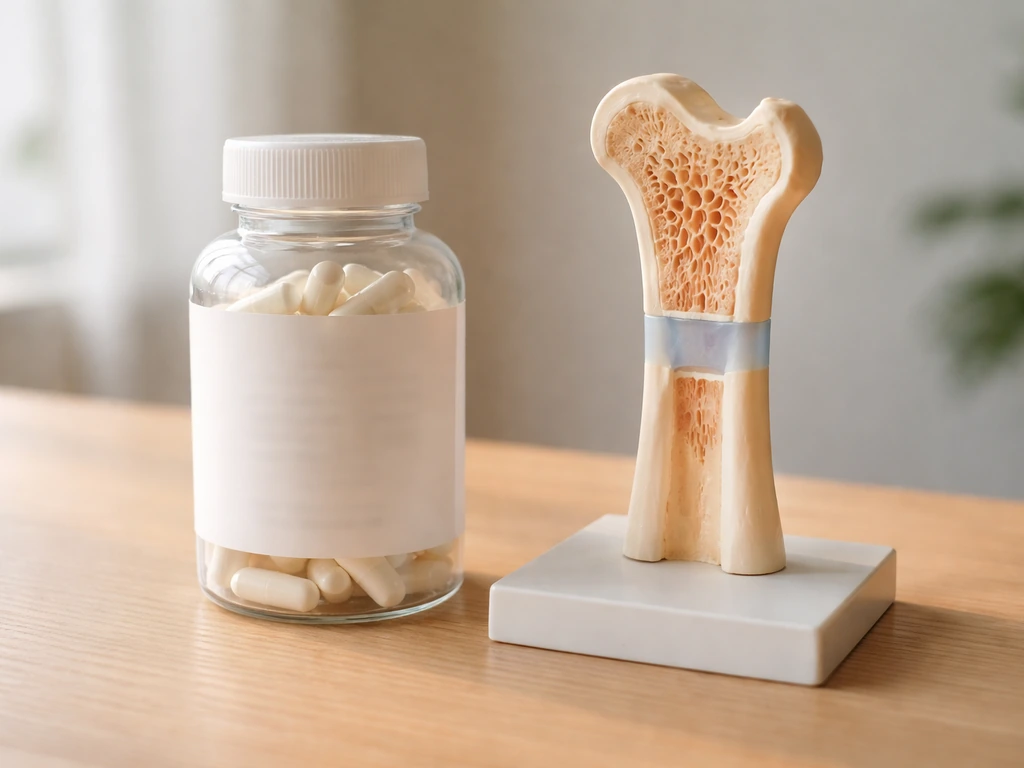
Stretching before bed will not make you grow taller by itself. An older systematic review also found that many acute stretching outcomes show little or no benefit for performance measures [stretching’s effects on performance](https://pubmed. ncbi. nlm.
Does Stretching Before Bed Help You Grow Taller?

Marcus Reeves
15 May 2026

nih. gov/15377965/). There is no good evidence that any stretching routine stimulates growth plate activity or lengthens your bones. What it can do is improve your posture, ease muscle tightness, help you wind down before sleep, and reduce the spinal compression that accumulates during the day, which means you might measure slightly taller in the morning.
But that is a temporary, posture-related change, not real bone growth. If you are still in puberty, the things that actually move the needle on height are quality sleep, adequate nutrition, and general physical activity, not a specific pre-bed stretch sequence.
How height actually increases
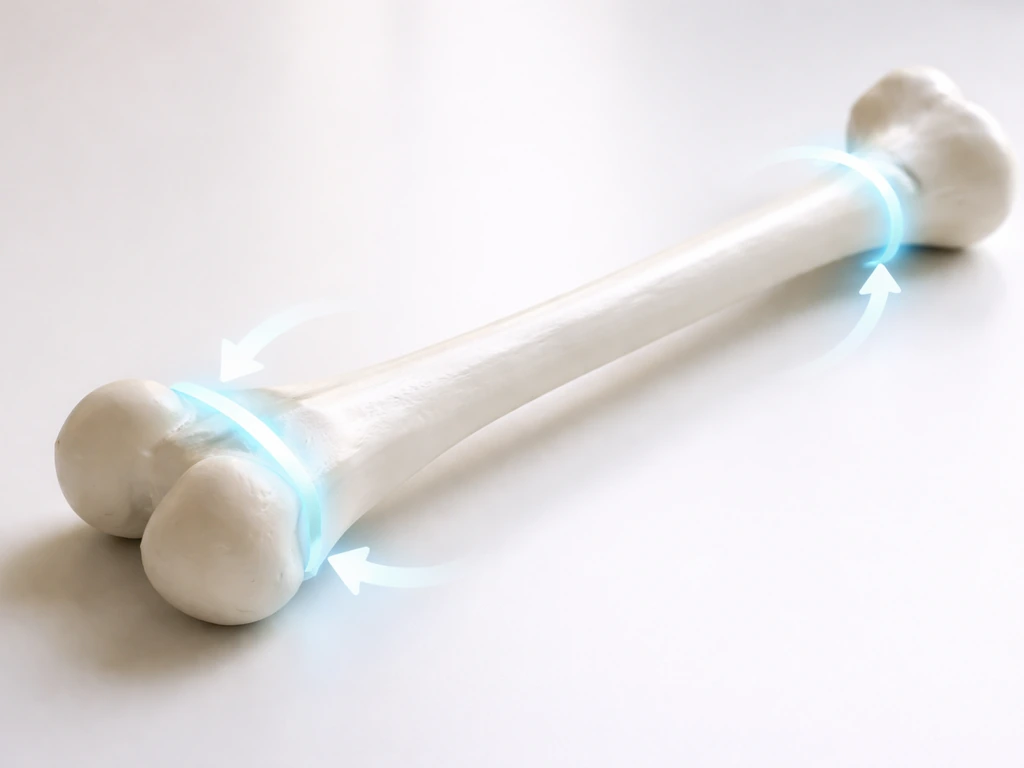
Bone length is determined almost entirely by what happens at your growth plates, the strips of cartilage near the ends of your long bones. During childhood and adolescence, hormones like growth hormone and IGF-1 signal those cartilaginous zones to produce new cells, which then harden into bone and push the bone ends further apart. That is longitudinal bone growth, and it only happens while those plates are still active.
At the end of puberty, usually somewhere between the mid-to-late teens for girls and the late teens to early twenties for boys, the growth plates fuse and turn into solid bone. Once that happens, there is no mechanism left to lengthen your skeleton regardless of what you do. No amount of stretching, hanging, jumping, or any other physical activity can reopen fused growth plates or restart that process. The NIH and the Sleep Foundation are both explicit on this point: sleep does not reopen closed growth plates, and height changes after fusion are not expected to occur.
Genetics set the ceiling for your height potential, accounting for roughly 60 to 80 percent of final stature. Everything else, nutrition, sleep, overall health, is about whether you get close to that genetic ceiling or fall short of it. Stretching before bed does not factor into that equation in any meaningful skeletal way.
What stretching before sleep actually does
That said, a bedtime stretching routine is not pointless. It just does different things than growing your bones. Here is what the evidence actually supports:
- Improves range of motion: Systematic reviews confirm that regular stretching does increase joint flexibility and range of motion over time, which is a real and useful adaptation.
- Reduces muscle tension: Stretching lengthens tight muscles and releases tension built up from sitting, standing, or exercising during the day.
- Decompresses the spine: Throughout the day, gravity compresses the intervertebral discs in your spine. Lying down and gently stretching allows those discs to rehydrate and expand slightly, which is why most people are 0.5 to 1 cm taller in the morning than at night.
- Improves posture awareness: Consistent stretching of chest, hip flexor, and hamstring muscles helps counteract the forward-slouching posture that many people develop from prolonged sitting. Better posture means you stand closer to your actual full height.
- Supports relaxation: Slow, gentle stretching activates the parasympathetic nervous system, lowering heart rate and cortisol, which can help you transition into sleep more easily.
The spinal decompression and posture improvements are probably where the myth comes from. If you have been hunching for years and you start stretching consistently, you might notice you look taller and measure a centimeter or two taller in certain conditions. That is real, but it is recovering your existing height potential, not adding to it.
Does better sleep from stretching translate to height gains?

This is where the argument for bedtime stretching gets a little more interesting, especially for teenagers who are still growing. The vast majority of growth hormone is released during deep, slow-wave sleep. Anything that helps you fall asleep faster, stay asleep longer, or reach deeper sleep stages more consistently has the potential to support your body's growth hormone output.
If a 10-minute stretching and breathing routine genuinely helps you wind down and sleep better, that is a legitimate, indirect pathway to supporting growth during puberty. The key word is indirect. The stretching is not doing the growing; the sleep is. And even then, you need functioning growth plates for that growth hormone to do anything in terms of height.
The honest caveat here is that we do not have robust clinical trials showing that bedtime stretching meaningfully increases sleep duration or deep sleep quality in healthy adolescents. The relaxation benefit is plausible and consistent with what we know about the parasympathetic nervous system, but it is not a proven, quantified growth mechanism. If your sleep is already good, adding stretching probably does not change much. If you struggle to fall asleep due to physical restlessness or tension, a calming stretch routine might genuinely help.
What actually matters for reaching your height potential
If you are a teenager and want to do everything in your power to reach your genetic height ceiling, here is where to focus your energy:
- Sleep: Aim for 8 to 10 hours per night for teenagers, 8 to 9 for younger children. Growth hormone pulses peak during the first few hours of deep sleep, so consistent, adequate sleep is the single most actionable lifestyle factor for height.
- Protein and calories: Your body needs enough raw material to build bone and tissue. Chronic undereating, especially protein deficiency, is one of the documented nutritional causes of stunted growth.
- Calcium and vitamin D: These two are specifically required for bone mineralization. Calcium targets for adolescents are around 1,300 mg per day, and vitamin D helps your body actually absorb and use it.
- General physical activity: Weight-bearing exercise and general movement support bone density and overall development. This does not mean one specific exercise type outperforms another for height, but staying active is consistently associated with healthy growth.
- Avoid growth disruptors: Smoking, alcohol, anabolic steroid misuse, and severe chronic stress can all negatively affect growth hormone output or growth plate development during adolescence.
- Medical checks if concerned: If you or your child seems to be growing significantly more slowly than expected, a pediatrician or endocrinologist can assess growth hormone levels and growth plate status. Some hormonal conditions are treatable when caught early.
Teens vs. adults: what is actually on the table
The honest answer differs quite a bit depending on where you are in life.
| Factor | Still in puberty (teens) | Growth plates closed (adults) |
|---|---|---|
| Real height increase via bone growth | Possible, through adequate sleep, nutrition, and health | Not possible through any lifestyle method |
| Posture-based height recovery | Yes, better posture helps you stand at full height | Yes, this is the main height-related benefit available |
| Spinal disc decompression overnight | Yes, a few millimeters daily (temporary) | Yes, same effect but no permanent gain |
| Stretching effect on growth plates | None, stretching does not stimulate growth plate activity | Irrelevant, plates are already fused |
| Sleep quality benefit from stretching | Potentially useful if sleep is currently poor | Useful for general health, not height |
| Best height-related priority | Sleep, nutrition, general activity, medical monitoring | Posture, core strength, and spinal health |
For adults, the realistic goal shifts from growing to optimizing. You can improve how tall you appear and how you feel through posture correction, spinal decompression habits, and core strength. Topics like whether hanging or other exercises affect height are similarly limited by the same biological reality: if your growth plates are fused, the skeletal framework is set. If you are wondering, does hanging upside down help you grow taller, the evidence points to improved posture or decompression rather than new bone growth hanging or other exercises.
For teenagers, especially those earlier in puberty, there is genuinely more on the table. The priority is not finding a magic stretch but rather protecting the conditions that let normal growth hormone release do its job: consistent sleep, solid nutrition, and staying physically active overall. Whether you stretch every day or not will matter far less than whether you are sleeping 9 hours versus 6. If you are wondering, “will I grow taller if I jump everyday,” the key is still consistent, quality sleep rather than any single activity sleeping 9 hours versus 6.
A practical bedtime stretching routine (and what to avoid)

Even though stretching will not directly grow your bones, a short pre-sleep routine has real benefits for posture, comfort, and relaxation. Here is a simple, safe sequence you can do in about 10 minutes on a mat or your bedroom floor:
- Child's pose (1 to 2 minutes): Sit back on your heels and reach your arms forward on the floor. This gently decompresses the lumbar spine and stretches the hips and lower back.
- Supine spinal twist (1 minute each side): Lying on your back, bring one knee across your body while keeping your shoulders flat. This targets thoracic rotation and releases tension in the paraspinal muscles.
- Hip flexor stretch or low lunge (45 to 60 seconds each side): Tight hip flexors pull your pelvis forward and create a noticeable forward tilt that makes you look shorter. A consistent hip flexor stretch helps counteract that.
- Hamstring stretch, supine (45 to 60 seconds each side): Lying on your back, extend one leg toward the ceiling and gently pull it toward you with a strap or your hands. Tight hamstrings contribute to posterior pelvic tilt and spinal rounding.
- Chest opener or doorway stretch (30 to 60 seconds): Standing in a doorway with arms at 90 degrees, gently lean forward to open the chest. This directly counters the rounded-shoulder posture that compresses your apparent height.
- Diaphragmatic breathing to finish (2 to 3 minutes): Lie flat on your back with one hand on your chest and one on your belly, breathing slowly and deeply. This activates the parasympathetic nervous system and signals to your body that it is time to sleep.
Things to keep in mind
- Do not stretch to the point of pain. A gentle pulling sensation is the target. Sharp or joint pain means stop.
- Avoid aggressive ballistic (bouncing) stretches before bed. These can irritate muscles and joints rather than relax them.
- If you have a known joint issue, check with a doctor or physio before adding new stretches.
- Growth plate areas in teens (typically near the knees, hips, and shoulders) are more vulnerable to injury than the same areas in adults. Avoid overly forceful or weighted stretching around those joints.
- Consistency matters more than intensity. Ten calm minutes every night will do more than an aggressive 45-minute session once a week.
- Do not use this routine as a substitute for the real growth drivers, specifically sleep and nutrition, which have far more documented impact on height outcomes during puberty.
The bottom line
Stretching before bed is a good habit with real benefits for posture, flexibility, spinal comfort, and sleep quality. But it does not grow your bones, and no evidence suggests it stimulates growth plate activity. For teenagers still in puberty, the path to reaching full height runs through consistent, adequate sleep, solid nutrition (especially protein, calcium, and vitamin D), staying active, and avoiding things that disrupt hormonal development.
For adults with fused growth plates, the game is posture and spinal health, not height increase. A bedtime stretch routine fits neatly into a healthy lifestyle, just do not expect it to add centimeters to your frame. Do you grow taller on your birthday? Any height change at that point is far more likely to be posture, hydration, and normal day-to-day variation than new bone growth add centimeters.
FAQ
If I stretch every night, can I still get taller if my growth plates are fused?
No. Once growth plates have fused, stretching cannot lengthen bones. Nightly stretching may still help you stand taller by improving posture and reducing spinal stiffness, so the scale might shift slightly due to better alignment, not true height gain.
Does stretching before bed increase growth hormone and directly make you taller?
It is more indirect than that. Stretching is not proven to raise growth hormone in a way that increases bone length, but it could support deeper, more restful sleep. Since growth hormone release is tied to deep sleep, sleep improvements are the realistic lever, not the stretch itself.
How soon would I notice “taller” results from bedtime stretching?
If changes happen, they usually show up quickly, often within days to a couple of weeks, because posture and comfort adapt faster than anything bone-related. A meaningful day-to-day measurement change is more likely from better alignment and less morning slumping than from skeletal changes.
Can stretching replace sleep, nutrition, or exercise for height gains during puberty?
No. Stretching cannot substitute for the main drivers of growth potential, which are adequate sleep, sufficient calories and key nutrients, and regular overall physical activity. If sleep is short or nutrition is poor, stretching alone will not compensate.
What if I already sleep well, is bedtime stretching still worth doing?
If you already get good sleep, stretching is less likely to change anything measurable for growth or height. It can still be useful for muscle tightness, easing back or hip discomfort, and helping you relax, which may improve sleep quality marginally rather than increasing deep sleep dramatically.
Is it safe to stretch before bed if I have back pain or a tight neck?
Be cautious. Gentle mobility and relaxation stretches are usually fine, but avoid aggressive positions or any movement that increases pain, causes numbness, or radiates symptoms. If pain is persistent or neurological symptoms appear, get medical advice before continuing.
Should I stretch hard or push into pain to get better results?
No. For bedtime routines, aim for light to moderate intensity (a comfortable stretch), slow breathing, and smooth movement. Pain is a sign to back off, especially before sleep when your body should be calming down rather than being stressed.
Does hanging upside down or using inversion tables help me grow taller?
Likely not for bone growth. Similar to stretching, inversion may improve temporary posture or reduce perceived spinal compression, so you might measure slightly taller at times. It will not reopen fused growth plates after puberty.
Can stretching at night affect my sleep negatively?
It can, if you do the wrong type of stretching. Very intense stretching, long routines, or anything that stimulates you can make it harder to fall asleep. If that happens, shorten the session, keep it gentle, and include slow breathing to help downshift your nervous system.
What’s the best way to structure a 10-minute pre-sleep routine for comfort?
Keep it simple: 2 to 3 minutes total for gentle spine mobility, 3 to 4 minutes for hip and hamstring lengthening (without forcing), and 2 to 3 minutes for a full-body relaxer while breathing slowly. Stop if you feel sharp pain, tingling, or you cannot relax during the stretch.
Do I need to stretch daily to see benefits?
Not necessarily for general comfort. Many people notice benefits with 3 to 5 days per week, as long as the stretches match their tight areas and are done gently. Daily stretching may be helpful if you have consistent tightness or sit for long periods, but it is not required for height-related outcomes.
Could bedtime stretching delay puberty or growth?
There is no evidence that normal, gentle stretching delays puberty. The bigger risk is indirect, like skipping sleep or using intense routines that worsen recovery. If you are prioritizing height potential, protect sleep first and keep stretching low stress.
Next Article
Does L-Arginine Help You Grow Taller? Evidence and Safety
Evidence on whether L-arginine can increase height, its biology, limits by growth plates, and safe, better alternatives.