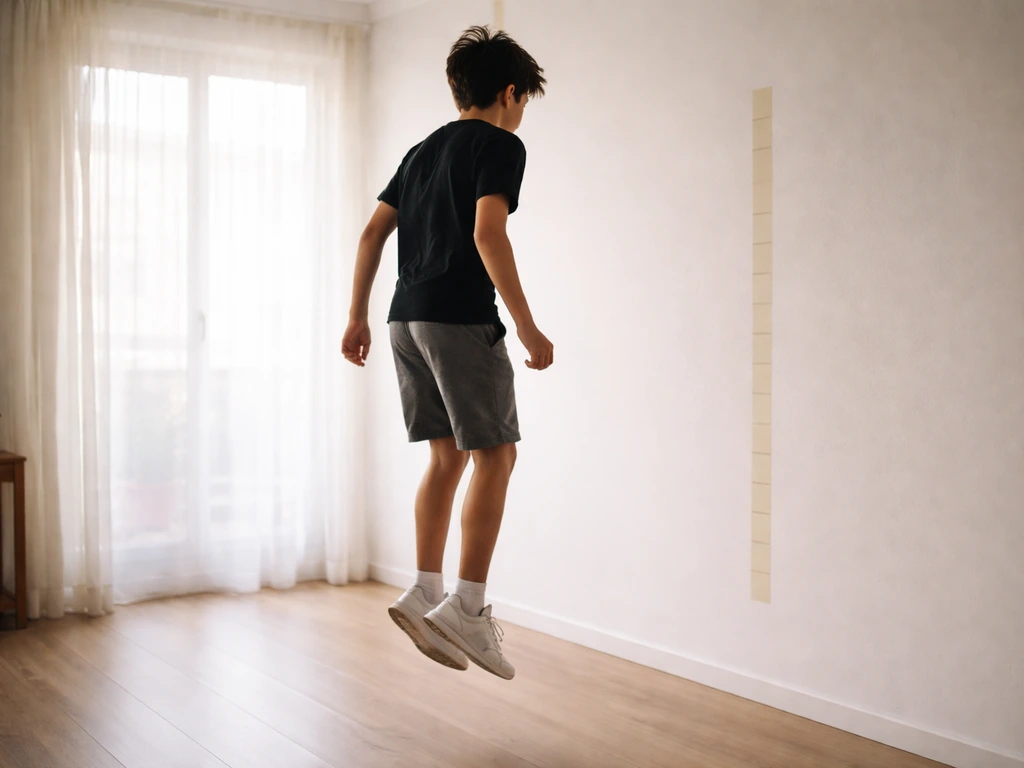
Hanging from a bar does not permanently increase your height. Some people also wonder, “do you grow taller on your birthday,” but height changes on that day are mainly normal growth and day-to-day variation rather than bar hangs. It can temporarily decompress your spine and improve your posture, which may make you stand a millimeter or two taller for a short time after a session, but that effect reverses quickly.
Does Hanging Help You Grow? Evidence, Safety, and Next Steps

Marcus Reeves
30 Jun 2026
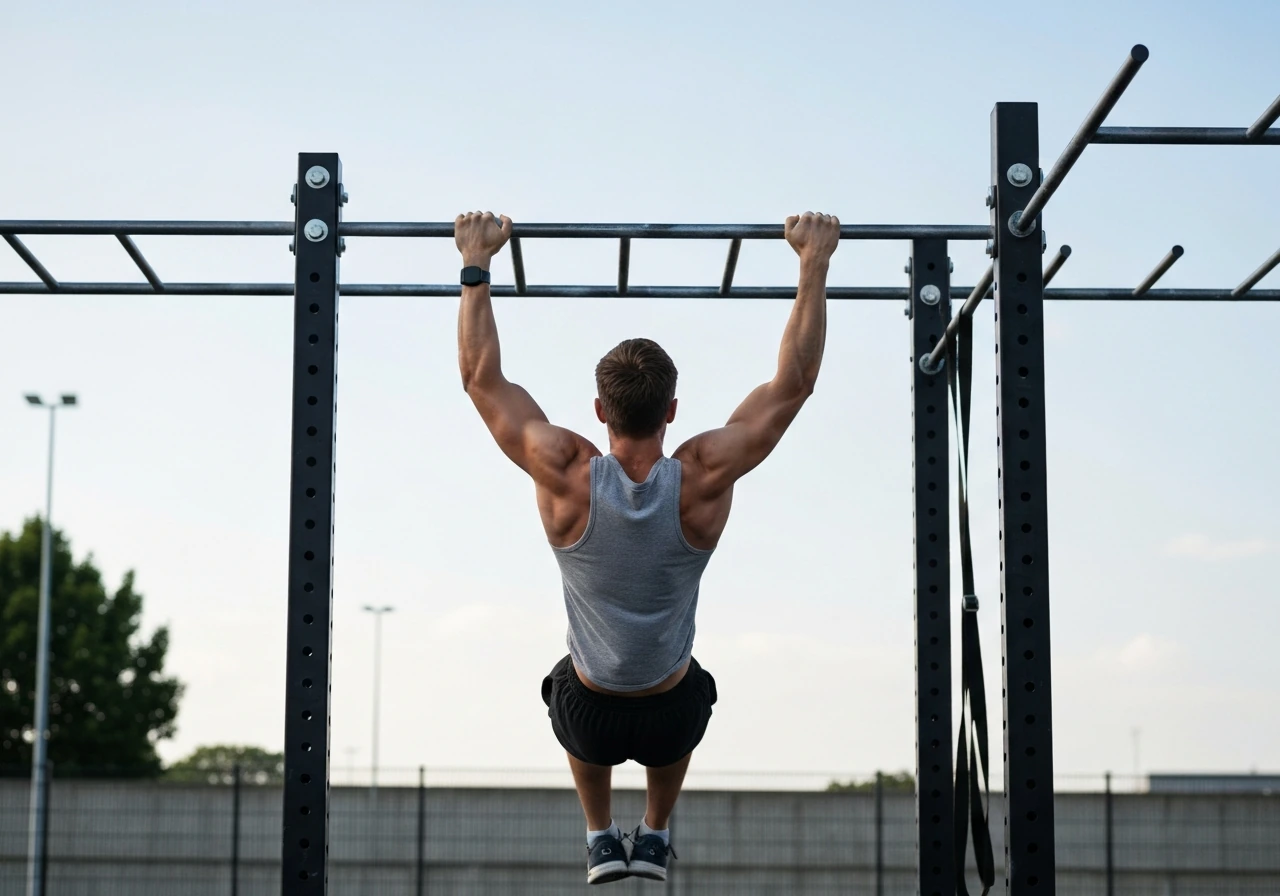
For children and teenagers whose growth plates are still open, the real drivers of height are genetics, nutrition, sleep, and hormones, not bar hangs. For adults whose growth plates have closed, hanging cannot add bone length. The honest answer is: hanging is not a height-growth tool, but it is a decent mobility and decompression habit if you do it safely.
What people mean by hanging, and why the height claim exists
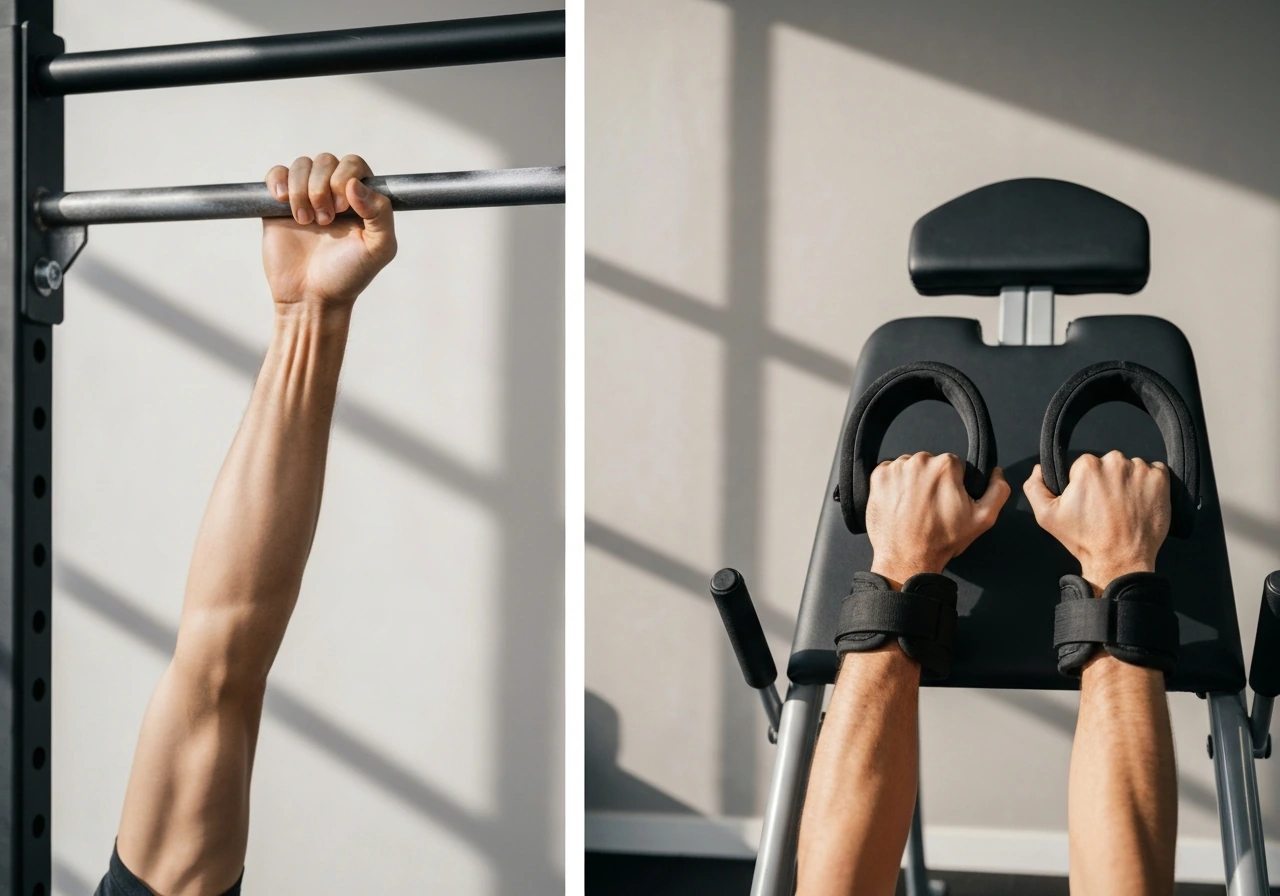
When people ask whether hanging helps them grow, they usually mean dead hangs: gripping a pull-up bar and letting the body hang freely under gravity. Some also mean inversion tables, traction-style stretching, or hanging upside down. The idea that any of these could add inches comes from a plausible-sounding mechanism: gravity compresses your spine all day, so hanging in the opposite direction must decompress it and create extra length. That part is actually true in a narrow, temporary sense. The mistake is assuming that decompression equals permanent height gain.
The spinal compression angle is real. Your intervertebral discs lose fluid gradually throughout the day as they absorb the load of standing and sitting. Research on diurnal height variation shows that most people are up to 18 mm taller first thing in the morning than by evening, with most of that loss happening in the first four hours of the day. Any activity that unloads the spine, including lying down, floating in water, or hanging, partially reverses that compression. That is the mechanism behind the height-growth claim. It is just not the permanent mechanism people hope for.
What the evidence actually shows on height changes
For kids and teenagers

During childhood and adolescence, height grows because growth plates (the cartilaginous zones near the ends of long bones and in vertebral bodies) are actively producing new bone tissue. Mechanical forces do influence growth plate behavior. Animal and mechanobiology research shows that distraction forces on a growth plate can increase growth rate markers, while compression can reduce them.
Clinical evidence from pediatric scoliosis treatment confirms that continuous spinal distraction over weeks to months can produce measurable vertebral height changes in children, with one prospective trial reporting roughly 12 percent more vertebral height compared to age-matched predictions. But those are continuous, medically supervised distraction devices worn for four to twelve weeks, not ten-minute bar hangs.
Hanging from a bar for a few minutes a day does not come close to producing the sustained mechanical stimulus that affects growth plate activity in any meaningful way.
That said, teenagers who are still growing should focus on the factors that genuinely support growth plate function: adequate sleep (9 to 12 hours per night for children 6 to 12 years old), sufficient protein (roughly 0.5 g per pound of body weight daily for adolescents), and the bone-building nutrients calcium (1,300 mg/day for ages 9 to 18) and vitamin D (600 IU/day). These are the controllable inputs that actually feed the biological machinery of growth. Hanging is not on that list.
For adults
Once growth plates fuse, typically in the late teens for most people, no amount of mechanical force applied at home will generate new bone length. What traction studies do show in adults is a small, short-lived spinal height increase from disc rehydration and reduced muscle tension. Lumbar traction research has measured a mean height increase of about 8. 94 mm after 25 minutes of traction, compared to roughly 3.
33 mm after the same time spent lying in a relaxed position without traction. Aquatic vertical traction studies have shown similar effects, around 5 mm of immediate spinal height change. These numbers sound meaningful, but they are comparable to (and partly overlap with) the normal 18 mm diurnal height swing that happens to everyone every day just from waking up. The effect is largely gone within an hour of standing.
Research on autotraction found that even recumbency alone produced comparable height changes, reinforcing that most of the effect is normal disc behavior under unloading, not true structural growth.
Posture, spinal decompression, and what you actually feel after hanging
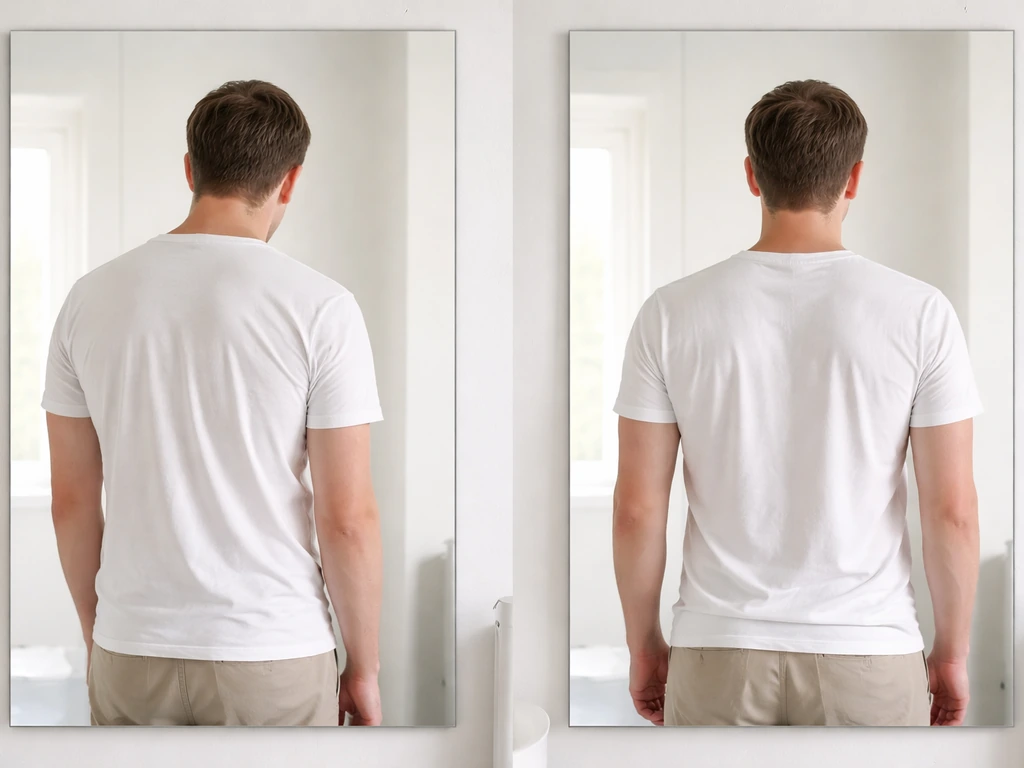
Here is where hanging does have some genuine, practical value, just not as a height-growth strategy. So if you are wondering, “do you grow taller everyday,” the best answer is that most day to day height change is temporary and driven by spinal loading and disc hydration. Regular dead hangs can improve shoulder mobility, reduce the chronic forward-rounded posture that comes from sitting at a desk all day, and give the spine a brief period of unloaded rest.
People who carry a lot of tension in their upper back often feel noticeably looser and slightly taller immediately after a dead hang session, and that feeling is real. Reduced muscular compression and better posture alignment can make you stand closer to your actual skeletal height rather than a slouched version of it. Over time, if hanging is part of a broader effort to fix posture, you might consistently stand taller than you did before.
But that is recovering height you were already losing to poor posture, not adding new height.
The distinction matters: spinal decompression from hanging is a space-creation mechanism, not a bone-growth mechanism. Cadaver and bone model research confirms that distraction can increase spinal canal dimensions mechanically, but in adults there is no biologically active growth tissue to take advantage of that space and build new vertebral height. You are temporarily widening the disc gaps, not adding to your skeleton.
Risks and downsides worth knowing before you start
Dead hangs are not inherently dangerous, but they are not risk-free either. A full passive dead hang places the shoulder in extreme overhead flexion and can shift the ball of the shoulder joint away from the socket. The standard advice from biomechanics researchers is to maintain some active muscle tone through the shoulders rather than hanging completely limp, specifically to keep the humeral head seated properly in the glenoid. Ignoring that cue is how dead hangs cause or aggravate shoulder impingement.
Elbow and wrist complaints are also common. Real-world reports from people training dead hangs and support holds describe medial elbow discomfort (inner elbow pain) that forces them to reduce frequency or modify their grip. This kind of overuse irritation is especially likely if you ramp up hang duration too quickly or hang daily without adequate recovery time. For people with existing lower back pain, unsupported dead hangs can also aggravate symptoms if the lumbar region is not positioned well.
- Shoulder impingement or joint instability from fully passive hanging without active shoulder engagement
- Inner elbow (medial epicondyle) strain from overuse or too much hang time too soon
- Wrist discomfort or grip fatigue, especially with a straight bar and no wrist support
- Aggravated low back or neck pain if the hang position is poorly controlled
- Unrealistic expectations that lead to frustration when permanent height gains never materialize
The contrast with medical traction is also worth keeping in mind. Clinical halo-gravity traction for pediatric spinal conditions involves carefully calibrated weights, continuous monitoring, and four to twelve weeks of supervised use. A casual dead hang from a doorframe bar is nothing like that, and treating them as equivalent is how people end up either injured or disappointed.
What to actually do if you want to maximize your height potential
If you are a teenager still in your growth window, the most impactful things you can do have nothing to do with hanging. Prioritize sleep first: 9 to 12 hours per night for kids, 8 to 10 hours for teens. Growth hormone secretion peaks during deep sleep, so cutting sleep short is one of the most direct ways to leave height potential on the table.
Nutrition is the second lever: hit your calcium (1,300 mg/day) and vitamin D (600 IU/day) targets through food and supplementation if needed, and make sure protein intake is adequate for your body weight. Physical activity supports bone density and overall development, but no single exercise, including hanging, jumping, or stretching, has been shown to meaningfully accelerate the growth plate process beyond what good nutrition and sleep already support.
Stretching can be part of a safe routine for flexibility and posture, but it is not proven to increase long-term height during puberty.
For adults, the realistic goal shifts from growing taller to standing at your full height consistently. A good posture routine that includes dead hangs (done with proper shoulder activation), thoracic spine mobility work, and hip flexor stretching can absolutely help you recover the height you lose to chronic slouch and compression. If you are wondering, “if you stretch everyday will you grow taller,” the evidence points to recovery of lost height from slouch and compression, not permanent bone-length growth. Pairing hangs with core strengthening helps maintain the spinal alignment you create. Think of it as maintenance work rather than a growth protocol.
- Sleep 8 to 12 hours per night depending on age, consistently, not just occasionally
- Meet daily calcium (1,300 mg for teens) and vitamin D (600 IU) targets through diet and supplementation
- Eat enough protein: roughly 0.5 g per pound of body weight per day for adolescents
- Stay active with a mix of weight-bearing exercise, flexibility work, and strength training
- Practice good posture habits throughout the day, not just during dedicated exercise
- If you include dead hangs, keep shoulders actively engaged, start with 10 to 20 seconds, and build gradually to avoid overuse
- Get adequate sunlight or supplement vitamin D, especially in low-sun climates or winter months
Related habits like daily stretching, particularly before bed, and consistent physical activity are worth building alongside any hanging routine. Whether jumping, stretching, or other movement patterns actually stimulate additional growth is a genuinely interesting question that the research addresses in more detail in sibling articles on this site.
When to see a doctor about growth concerns
If you are a parent watching your child's growth, or a teenager who feels like their growth has stalled, the right move is a clinical evaluation rather than doubling down on bar hangs or any other home remedy. The key signal to watch is growth velocity, meaning how fast a child is gaining height over time, not just a single measurement. A child who is consistently below the 0.4th centile for height or more than two standard deviations below the mean for their age and sex warrants investigation. Slow growth velocity for age and sex is a more sensitive red flag than absolute height alone.
A pediatrician or pediatric endocrinologist can assess bone age using a left hand and wrist X-ray, which shows whether the growth plates match the child's chronological age and how much growth potential remains. This matters because constitutional growth delay (a common, benign pattern where puberty and growth happen on a delayed timeline) looks very different from a growth disorder, and they require different responses. Referral to endocrinology is appropriate when height velocity is slow for age, when a child is well below expected height for their family background, or when other symptoms suggest a hormonal issue. Baseline investigations including thyroid function and bone biochemistry are typically part of that workup.
The bottom line: hanging is not a growth intervention worth relying on at any age. If you are wondering whether jumping everyday can increase your height, the evidence is similar: it does not create lasting bone-length growth will i grow taller if i jump everyday. It is a reasonable mobility habit with modest spinal decompression benefits, and done safely it will not hurt you. But if height is a genuine concern, whether for a growing child or an adult who suspects a structural issue, the path forward is clinical evaluation, not more time on the bar.
FAQ
How long after a dead hang will I look taller? (Will it last through the day?)
It can help you stand taller temporarily, but it will not add permanent height. Expect any “taller” feeling to fade within about an hour of returning to upright posture, because the effect is mainly disc rehydration and muscle tension reduction, not new bone length.
If hanging does not increase bone length, why do some people seem taller right after? Is it real growth?
Yes, but only in the “you’re less slouched” sense. If you already have a lot of forward-rounded posture, hanging might improve alignment and make you look closer to your true skeletal height. If your posture is already neutral, the change is usually much smaller.
If I hang longer or more often, will it start working like traction and help my growth plates?
There’s no evidence that longer sessions create meaningful growth, because the key issue is lack of sustained growth-plate distraction. For safety and usefulness, focus on short, controlled sets and good shoulder mechanics instead of pushing duration.
What is the safest way to do dead hangs so they do not irritate my shoulders?
Switch from “completely limp” hanging to active dead hangs. Keep your shoulders doing the work to hold the humeral head properly (avoid passive full overhead flexion). If you can’t keep control, reduce time or use an easier grip.
My inner elbow hurts when I hang, what should I change?
Inner elbow pain is often from gripping too hard or ramping volume too fast. Try reducing hang time per session, using a more comfortable grip width, and leaving at least 1 to 2 recovery days between sessions if symptoms show up.
Can dead hangs make existing lower back pain worse?
If you have known lower back pain or sensitivity, unsupported dead hangs can aggravate symptoms when your lumbar position is not well controlled. Consider shortening sessions, bracing your core, or swapping to mobility options that unload less aggressively.
Does hanging upside down on an inversion table help more than a regular dead hang?
Yes. Inversion can increase decompression sensation for some people, but it does not create permanent height gain, and it may increase neck or shoulder stress depending on how you set the angle and your ability to control the position. If you try inversion, prioritize neck-friendly positioning and stop if symptoms increase.
My teen says hanging did not help. When should we worry about their height instead?
For kids and teens, the decision should be based on growth velocity and family pattern, not on home stretching or hanging. If a child’s height gain is slow for age and sex (for example, consistently very low centiles or more than about two standard deviations below expected), get a pediatric evaluation rather than trying more bar hangs.
How can I tell if height changes are real or just day-to-day variation?
Yes, and it’s a common source of disappointment. Normal daily height variation means you might measure yourself after a night’s rest, exercise, or different posture, and think the hang “worked.” To track honestly, measure under consistent conditions and remember the changes are usually temporary.
What should I pair with dead hangs if my goal is to stand taller every day?
If your goal is standing taller day to day, combine hanging with posture and core work. Hinges on what you do after the hang, because maintaining alignment requires strengthening and mobility around the thoracic spine and hips, not just temporary unloading.
Next Article
Will I Grow Taller If I Jump Everyday? Science Answer
Learn if daily jumping increases height, why bone growth won’t change after plates close, and safer alternatives.