
Colostrum is unlikely to make you grow taller. It is also unlikely to help with questions like does goat milk help you grow taller. If your growth plates are already closed, no supplement, including colostrum, can add meaningful height. If you are still growing, colostrum has not been shown in human studies to directly increase height or raise the IGF-1 levels that drive linear growth. The one realistic exception is a very narrow scenario: a malnourished young child with poor gut health, where improving nutrient absorption could indirectly support growth. Even then, the effect belongs to better nutrition overall, not colostrum specifically.
Can Colostrum Help You Grow Taller? Evidence and Next Steps

Marcus Reeves
18 Jun 2026

What colostrum actually is and what it might do
Colostrum is the thick, nutrient-dense fluid mammals produce in the first few days after giving birth, before transitioning to regular milk. It is packed with immunoglobulins (especially IgA and IgG), lactoferrin, lysozyme, cytokines, and growth factors including insulin-like growth factor-1 (IGF-1), epidermal growth factor (EGF), and TGF-beta. Bovine colostrum (from cows) is the kind sold as supplements in powders, capsules, chewable tablets, and soft chews. Its IGF-1 concentration is notably high, around 500 mg per liter compared to roughly 18 mg per liter in human colostrum and just 10 mg per liter in mature cow's milk.
The growth-related pitch for colostrum goes like this: it contains IGF-1 and other growth factors, IGF-1 drives bone and tissue growth, therefore taking colostrum should help you grow. It is a plausible-sounding chain of logic, but it breaks down quickly when you look at what actually happens to those growth factors after you swallow them. The digestive system does not treat oral IGF-1 the same way as IGF-1 produced inside your body. Proteases in the stomach and small intestine degrade much of it before it can reach the bloodstream in biologically meaningful amounts.
There is some interest in colostrum for gut health and immune support, and the evidence there is more promising than it is for height. But those mechanisms, while potentially useful for overall health, are a long way from translating into you being measurably taller.
How height is actually determined (and when the window closes)
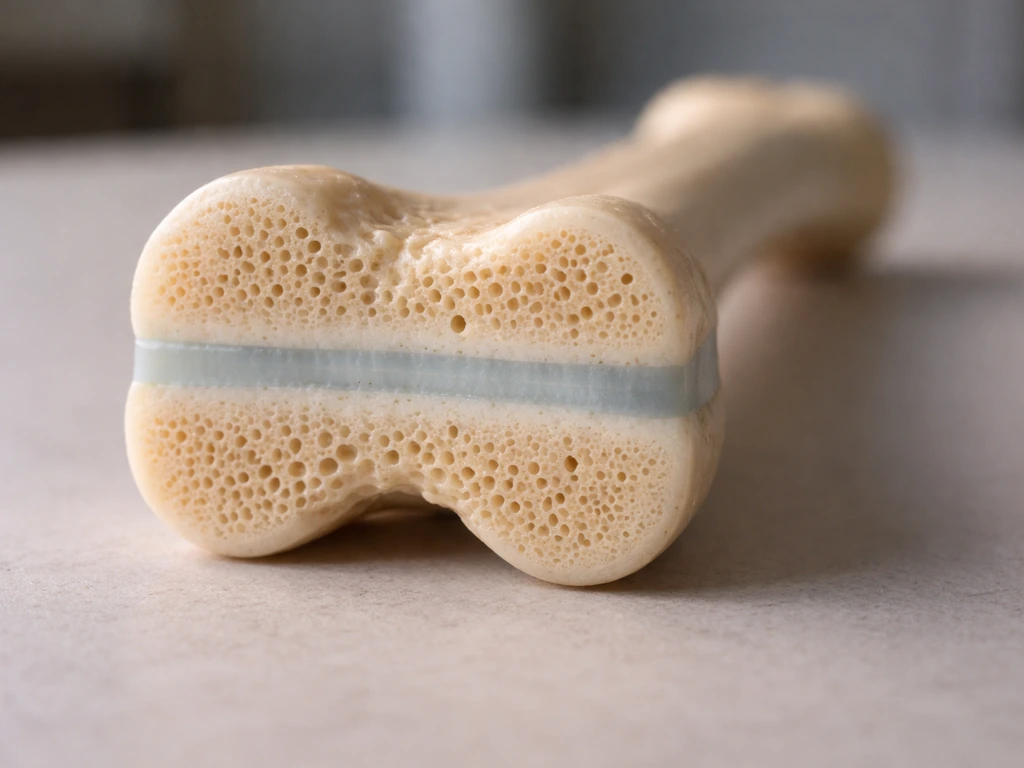
Linear height growth happens at the epiphyseal growth plates, cartilaginous zones near the ends of your long bones. Under the influence of growth hormone and IGF-1 (produced by your own liver, not consumed in a supplement), the chondrocytes in those plates proliferate, the cartilage mineralizes, and your bones get longer. This process starts in infancy and runs through puberty. During the pubertal growth spurt, pulsatile growth hormone secretion increases by roughly 1.5 to 3 times and serum IGF-1 rises by more than threefold. That is when 15 to 25 percent of your total adult height is added.
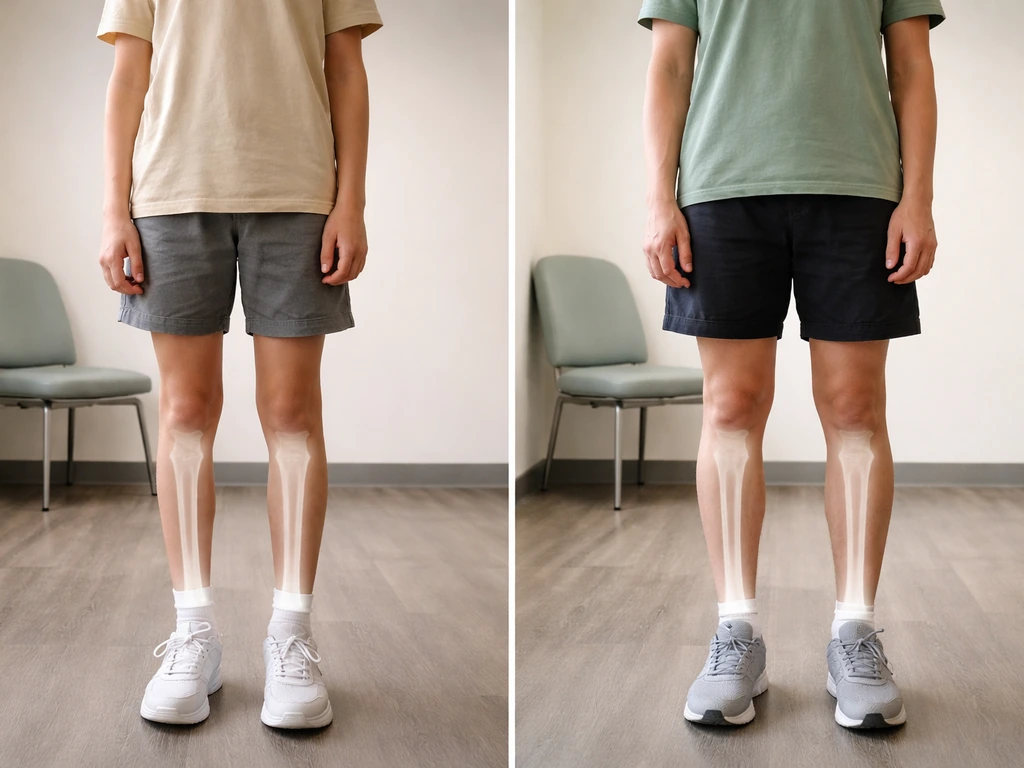
The window closes when estrogen, rising in late puberty in both males and females, stimulates direct closure of those growth plates. Once fused, the plates are gone. There is no supplement, hormone, or intervention that can re-open them. On average, females stop growing around 13 to 15 years old and males around 15 to 17, though individual timing varies. After that, the only thing that changes your measured height is posture, footwear, or correcting a spinal issue like scoliosis.
This is the fundamental biology that any supplement claiming to increase height has to overcome. Most cannot, and colostrum is no exception. The GH/IGF-1 axis is tightly regulated internally. Even if you could absorb meaningful amounts of IGF-1 from a supplement, your body's feedback systems would simply adjust. And as the evidence below shows, even high-dose bovine colostrum does not change circulating IGF-1 levels in humans.
What the research actually shows
IGF-1 and adult growth markers: the direct evidence is negative

The most direct test of the colostrum-to-taller hypothesis is whether supplementation raises circulating IGF-1. Studies in healthy adults have found that it does not. One trial using 60 grams per day of bovine colostrum for four weeks found no change in blood IGF-1 or IGFBP-3 levels, measured both fasting and after ingestion. A separate review of short- and long-term supplementation studies reached the same conclusion. This is a meaningful negative finding because the entire growth argument depends on IGF-1 being the mechanism. If colostrum does not raise IGF-1 in the blood, the chain of logic falls apart.
Children and linear growth: limited and context-specific
Studies in children are more nuanced. A randomized controlled trial in rural Malawian children at risk of stunting (enrolled at 9 to 12 months) tested bovine colostrum combined with whole egg powder against an isoenergetic corn-soy flour control. The study specifically targeted environmental enteric dysfunction (EED), a gut-permeability problem common in poor sanitation environments that impairs nutrient absorption and is linked to linear growth faltering. A separate RCT in children aged 12 to 18 months tested bovine colostrum as part of a nutrition supplementation arm measuring linear growth outcomes. These trials are interesting because they identify the most plausible mechanism for colostrum's possible role in growth: improving gut barrier function in malnourished children so they can absorb more of what they eat.
The gut-health angle has some support. Human trials in athletes and critically ill patients have shown that bovine colostrum supplementation reduces markers of intestinal permeability (lower urinary lactulose/mannitol ratio, lower stool and plasma zonulin). Whether that translates to meaningful linear growth gains in well-nourished children is a different question. Studies in Uganda and elsewhere show that improving overall protein and calorie intake in undernourished children can support catch-up linear growth. Colostrum may contribute to that picture in specific contexts, but it is the nutrition itself doing the heavy lifting, not a unique colostrum effect.
Animal data vs human data
A lot of the mechanistic excitement around colostrum comes from animal studies and in-vitro work showing that IGF-1 and other growth factors can influence tissue growth and repair. That evidence is real, but it does not translate cleanly to humans taking oral supplements. Animals in these studies often receive colostrum in conditions very different from a human taking a capsule, and the physiological differences in gut processing matter enormously. Treat animal data as hypothesis-generating, not as proof.
Who might see any real benefit vs who almost certainly won't
| Who you are | Likelihood of growth benefit | Why |
|---|---|---|
| Adult with closed growth plates | Essentially none | No growth plates means no mechanism for linear growth regardless of IGF-1 |
| Teenager in active growth (open plates) | Very low to none | Colostrum does not raise IGF-1 in blood; your GH axis is already running the show |
| Young child (under 5), well-nourished | Very low | No meaningful deficiency to correct; gut barrier is not the limiting factor |
| Young child (under 3), malnourished with EED/gut dysfunction | Possibly small indirect benefit | Improving gut permeability may improve nutrient absorption, which supports growth — but overall diet matters more |
| Child with diagnosed growth hormone deficiency | None from colostrum | Requires medical GH therapy, not supplements |
The honest summary is that if you are already getting enough protein, calories, vitamin D, calcium, and zinc, and your gut is functioning normally, colostrum is not going to move the needle on your height. If you are a growing child in a resource-limited setting with documented gut-permeability problems, there is a plausible (though still unproven) indirect pathway. But that scenario describes a medical nutrition context, not a healthy teenager in a well-resourced country browsing supplement sites.
Safety, dosing, and how to choose a product if you still want to try it
Bovine colostrum is generally considered safe for most people. The FDA has accepted the safety of hyperimmune bovine milk products based on the absence of adverse effects in clinical studies, though it has not specifically approved colostrum supplements for any health claim. That distinction matters: no approval means marketing claims about height or growth that go beyond structure/function language can draw regulatory scrutiny, and the FDA has sent warning letters to companies making disease-treatment claims for colostrum products.
The clearest contraindication is a cow's milk allergy. Bovine colostrum is a cow-milk-derived product, and people with persistent cow's milk allergy should avoid it. There is a documented case of anaphylaxis in a teenager with cow's milk allergy after skin exposure to a colostrum-containing cream, which underlines how seriously that allergy should be taken. If you have any dairy allergy or intolerance, skip colostrum entirely.
If you decide to try bovine colostrum for its other potential benefits (gut health, immune support), here is what to look for in a product:
- Look for products standardized to a minimum IgG content (at least 20 to 30 percent), which is a common quality marker
- Choose brands that use third-party testing (NSF Certified for Sport, Informed Sport, or USP verification), particularly if you are an athlete subject to anti-doping rules
- Avoid products making explicit height or growth claims; those claims are not substantiated and may signal poor regulatory compliance
- Check that the manufacturer provides batch testing for microbial contamination — colostrum can become contaminated during collection and storage if quality controls are poor
- Doses used in clinical research typically range from 20 to 60 grams per day of bovine colostrum powder; lower doses sold in capsule form may deliver far less active material
What to actually do to maximize your height potential right now
If you are still growing, your leverage points are the fundamentals, and they are genuinely powerful. No supplement matches what consistent nutrition, sleep, and activity can do for height during the growth window.
Nutrition
Adequate total calories and protein are the foundation. Protein provides the amino acids for bone matrix formation. Calcium and vitamin D are essential for bone mineralization. Zinc is involved in growth hormone signaling and tissue growth. You do not need exotic supplements to hit these targets. Dairy, eggs, lean meats, legumes, leafy greens, and adequate sun exposure or vitamin D supplementation cover most bases. If you are restricting calories significantly, whether from dieting or a medical condition, that alone can suppress growth during adolescence.
Sleep
Growth hormone secretion peaks during the early hours of slow-wave sleep in children and adolescents. This is not a minor detail. The bulk of GH-driven growth signaling happens while you sleep, not while you are awake. Teenagers need 8 to 10 hours per night. Consistently cutting that short does not just make you tired; it reduces the time your body spends in the hormonal state that drives linear growth. If you are optimizing for height during the growth window, sleep may be the single most underrated intervention.
Physical activity

Weight-bearing exercise and sports that involve running and jumping support healthy bone development and are associated with normal growth in children and adolescents. There is no specific exercise that makes you taller, but staying active supports the hormonal and metabolic environment for growth. Some people wonder if moringa powder can make you grow taller, but there is no supplement that can override the body’s growth-plate biology can moringa powder make you grow taller. Avoid the misconception that heavy weightlifting stunts growth in teenagers, the evidence for that is very weak when exercise is done with proper form and appropriate load. What actually matters is not sitting sedentary through the growth years.
Posture and spinal health
Poor posture, tight hip flexors from prolonged sitting, and minor spinal compression can shave noticeable height from your measured standing height. This is the one area where adults can see a real, measurable difference in how tall they appear. Core strengthening, hip flexor stretching, and simply practicing upright posture can recover height that slouching takes away. It is not growth plate-driven, but it is real.
When to get a medical evaluation
If you are a child or teenager whose height seems to be tracking below the expected curve, or whose growth velocity has slowed noticeably, see a doctor before spending anything on supplements. The Endocrine Society notes that some endocrine problems can slow a child's height growth rate and that medical evaluation helps distinguish treatable medical causes from normal variants like familial short stature and constitutional delay. A clinician will plot your height on CDC growth charts to see where you fall relative to peers and your own prior trajectory, assess pubertal staging, and look for treatable causes. The Endocrine Society is clear on this: for many growth concerns there is no specific diet or supplement that helps once the cause is assessed, but there are medical conditions, including growth hormone deficiency, thyroid problems, and delayed puberty due to underlying disease, that are treatable and where early intervention matters. Constitutional growth delay and familial short stature (running short in the family) are common, often benign, but distinguishing them from pathology requires proper evaluation, not supplement trials.
Myths vs science: the 'taller supplement' claims that don't hold up
The supplement industry has a long history of products marketed for height increase. Colostrum is one. Others you might have seen discussed include sea moss, goat milk, moringa powder, and chia seeds. The common thread is that they all contain nutrients or bioactive compounds that play some role in normal body function, which makes for convincing marketing copy. The science, however, consistently shows the same thing: no supplement has been demonstrated to increase height beyond what proper nutrition and a healthy lifestyle achieve during the active growth window, and nothing can override genetic potential or substitute for open growth plates.
- Myth: The IGF-1 in colostrum gets absorbed and signals your bones to grow. Science: Oral IGF-1 is largely degraded by digestion; studies using 60 g/day of bovine colostrum in humans found no increase in blood IGF-1.
- Myth: Taking colostrum as a teenager will extend your growth phase. Science: The timing of growth plate closure is driven by estrogen signaling in late puberty, not by supplement intake. No supplement is known to delay fusion.
- Myth: If colostrum contains growth factors and growth factors build bone, colostrum must build bone height. Science: Biological plausibility at the ingredient level does not equal a demonstrated clinical effect. The human trial evidence does not support this chain of reasoning.
- Myth: Adults can grow taller with the right supplement. Science: Once growth plates fuse, linear bone growth is physiologically impossible. Period.
- Myth: Supplements that help malnourished children grow will also help well-nourished people grow more. Science: Nutritional interventions correct deficiencies; they do not amplify height beyond genetic potential in people who are already adequately nourished.
The bottom line is straightforward: colostrum is an interesting supplement with genuinely promising research in gut health and immune support, and it is generally safe for people without cow's milk allergy. But it has not been shown to increase height in humans, it does not raise IGF-1 levels in the blood, and it cannot do anything for an adult whose growth plates have closed. Can chia seeds make you grow taller? The evidence for height changes from chia is not strong, and your growth window depends much more on genetics and puberty increase height. If you are a parent of a young malnourished child with gut-health concerns, colostrum may be one piece of a broader nutrition strategy worth discussing with a pediatrician. For everyone else chasing extra height, the time and money is better spent on protein, sleep, and a medical check-up if you have real concerns about your growth trajectory.
FAQ
If I take colostrum while I am still growing, will it boost IGF-1 and make me taller faster?
In healthy people, oral bovine colostrum has not been shown to increase circulating IGF-1 levels, so the direct “IGF-1 boost equals more height” pathway does not appear to work. Even if you try it, treat it as a gut or immune supplement, not an approach to accelerate linear growth.
Does colostrum work differently for kids versus adults?
Yes. Adults cannot reopen fused growth plates, and studies in healthy adults do not show IGF-1 changes with supplementation. In young children, colostrum might play a limited, indirect role only in contexts like malnutrition and gut barrier problems, where the main driver of catch-up growth is improved overall nutrition.
What if I have mild dairy intolerance, can I use colostrum anyway?
If you tolerate small amounts of dairy, you still might react to concentrated bovine proteins in colostrum. The safest approach is to avoid it if you have a diagnosed cow’s milk allergy, and if you have only intolerance, start with medical guidance, because even non-allergic symptoms can worsen with supplements.
Is there any safe way to trial colostrum without wasting money on the wrong goal?
Use it only if you have a clear gut or immune reason, not for height. If you do trial it, track measurable outcomes (for example, symptoms, bowel changes) for a few weeks, and stop if you get rashes, GI upset, wheezing, or any allergy signs. Do not expect height changes, especially during short time windows.
How long would it take to see a height effect if one existed?
Height changes during growth are driven by ongoing growth plate activity, which is measured over months, not days or weeks. Given that colostrum has not shown the key biological marker response (IGF-1 rise in blood), a meaningful height shift would be unlikely even over longer supplementation periods, so prolonged use “hoping” is usually not a rational strategy.
Can colostrum help if my growth is slow but my diet seems okay?
Slow growth can come from treatable medical causes, such as thyroid issues, delayed puberty, growth hormone deficiency, or chronic illness, not from a missing supplement. If growth velocity has slowed or you are below expected curves, the best next step is evaluation by a clinician rather than switching supplements.
What measurements should I or my child track to decide whether to see a doctor?
Track height over time with consistent measurement conditions (same time of day, same posture, no shoes) and pay attention to growth velocity. If you notice a sustained drop in the rate of growth or delays in pubertal development, bring the pattern to a doctor, not just a single height number.
Could colostrum be risky if it contains IGF-1 or other growth factors?
For most people, it is generally considered safe, but the main concern is not that it will “overgrow.” Instead, the risk is adverse reactions, especially in those with cow’s milk allergy. Also be cautious with products that make disease-treatment claims, since marketing does not equal proven safety for specific outcomes.
Next Article
What Amino Acids Make You Grow Taller
Know which amino acids support growth via protein and IGF-1, why they can’t extend height after closure, and practical t