Goat milk won't make you taller on its own, but if you're a child or teen who isn't getting enough protein, calcium, or calories, adding goat milk to a balanced diet can help you reach the height your genetics intended. That's the honest version of this answer. It's not a magic growth food, but it's also not useless. The distinction matters a lot depending on your age and where your diet currently stands.
Does Goat Milk Help You Grow Taller? Evidence, Limits, Next Steps

Marcus Reeves
20 Jun 2026

How height actually works: growth plates, hormones, and what food can do
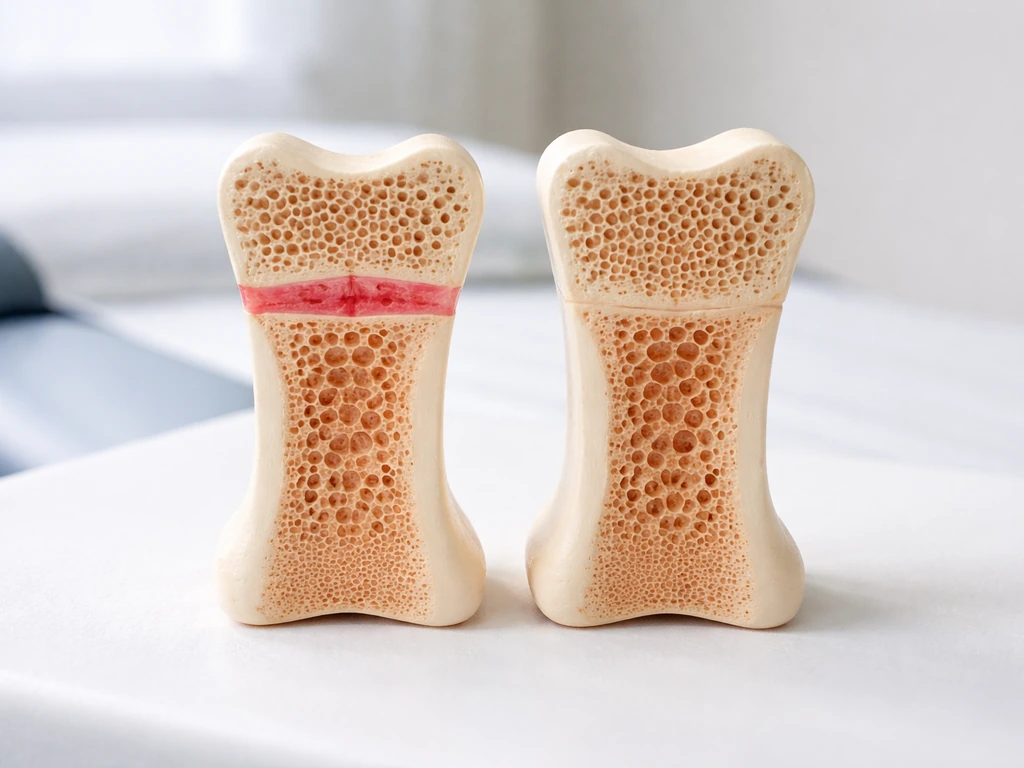
Height is built at growth plates, which are areas of soft cartilage near the ends of your long bones. During childhood and adolescence, those plates lay down new bone in response to hormonal signals, primarily growth hormone and IGF-1 (insulin-like growth factor 1). Puberty adds a second, larger burst driven by sex hormones. At some point, usually in the late teens, those plates harden and close permanently. After that, no amount of food, stretching, or supplements can add bone length.
Nutrition's role in this process is real but supporting, not commanding. A common question is whether can chia seeds make you grow taller, but the real driver is still getting enough key nutrients for bone growth. Think of it like building a house: genetics and hormones are the architect and the blueprint, and nutrition is the supply of raw materials. If materials are consistently short, the structure comes out smaller than it should be.
If the supply is adequate, genetics can express itself fully. So the practical question is never 'will goat milk make me taller than my DNA allows? ' It's 'am I currently undercutting my growth potential by missing key nutrients? ' Calcium, protein, vitamin D, and overall calorie intake are the nutrients most directly tied to this process.
Research from cohort studies supports this framework. One prospective cohort study in girls found that dairy intake was positively associated with height growth over one year, peak height velocity, and eventual adult height. A systematic review of controlled trials also found evidence consistent with dairy consumption supporting bone mineralization and linear growth in children, though the authors noted heterogeneity in study designs. Importantly, observational data also suggests that dairy interacts with IGF-related genetic pathways, meaning the effect isn't purely about calcium sitting in your bones but also involves hormonal signaling. That said, none of these findings are about goat milk specifically.
What's actually in goat milk, and does it match what growing bones need?
Per 100g, fortified goat milk delivers about 69 calories, 3.6g of protein, 134mg of calcium, and 1.3mcg of vitamin D. Scale that up to a standard 244ml (roughly 8 oz) cup and you're looking at roughly 168 calories, 8.8g of protein, 327mg of calcium, and 3.2mcg of vitamin D. Those are solid numbers for a single food, and they line up well against what growing kids and teenagers actually need.
Children aged 9 to 18 need 1,300mg of calcium per day according to NIH recommendations. That's the highest calcium requirement across the entire lifespan, which makes sense because this is when peak bone mass is being built. A single cup of goat milk gets you about 25% of the way there. Vitamin D requirements during this period sit at 600 IU (15mcg) per day. Protein needs vary but are roughly 34 to 52g per day depending on age and body weight. Goat milk contributes meaningfully to all three, especially protein and calcium.
How does goat milk compare to cow's milk? Compositionally, they're close. Research comparing retail goat and cow milk found differences in certain fatty acid profiles and minor mineral variations, but concluded that switching from one to the other doesn't dramatically change overall nutrient intakes. For height-relevant purposes, both milks are nutritionally similar. The practical edge goat milk sometimes has is digestibility. Its fat globules are smaller and its protein structure forms a softer curd, which some people with mild digestive sensitivity handle better.
| Nutrient | Goat Milk (per 8 oz cup, fortified) | Daily Target (Ages 9-18) | % of Daily Target |
|---|---|---|---|
| Calcium | ~327 mg | 1,300 mg | ~25% |
| Protein | ~8.8 g | 34-52 g | ~17-26% |
| Vitamin D | ~3.2 mcg | 15 mcg | ~21% |
| Calories | ~168 kcal | Varies by age/sex | Meaningful contribution |
What the research actually says about goat milk and height

Here's where you have to be straight with yourself: there are no high-quality trials showing that goat milk specifically increases height in children or teenagers beyond what a comparable dairy or nutrient source would do. Because of that, you may wonder whether can colostrum help you grow taller, but the same idea applies: it would only help if it improves key nutrition during growth goat milk specifically increases height. The clinical trials that do exist on goat milk are focused on infant formulas, comparing goat-milk-based formula to cow-milk formula in newborns for safety and early growth outcomes. A randomized double-blind trial and a subsequent systematic review and meta-analysis both found goat-milk-based infant formulas to be safe and to support normal growth in infants, but these are infant studies, not studies of height in school-age kids or adolescents.
The broader dairy-and-height research (which is more substantial) applies to dairy as a category. That evidence suggests dairy intake can support linear growth during childhood, partly through calcium and protein, and partly through IGF-1 stimulation. The CDC notes that growth charts interpret growth patterns by tracking percentiles over time and emphasizing growth velocity rather than relying on single height measurements [growth patterns over time and growth velocity](https://www. cdc.
gov/growthcharts/index. htm). Whether you get those nutrients from goat milk, cow's milk, or a combination of non-dairy foods is largely irrelevant to growth biology. The mechanism doesn't care about the species the milk came from.
Sea moss does contain minerals, but there is no good evidence that it can increase growth plate activity or help you grow taller.
Who might actually benefit from switching to or adding goat milk
If you're already hitting your calcium, protein, and vitamin D targets through other foods, adding goat milk won't push you above your genetic height ceiling. But there are specific situations where goat milk could make a real difference by filling a gap that was limiting growth.
- Kids and teens with mild cow's milk sensitivity or GI discomfort who are currently avoiding dairy and falling short on calcium and protein. Goat milk's different protein structure and smaller fat globules are sometimes better tolerated, making it easier to stay consistent.
- Children in a caloric deficit who need a nutrient-dense, easy-to-drink source of calories. Goat milk provides roughly 168 calories per cup with meaningful protein, which adds up without feeling like a large meal.
- Adolescents in the 9-18 age range who are not meeting the 1,300mg daily calcium target. This is when bone density peaks, and shortfalls during this window can have lasting effects beyond just height.
- Families where cow's milk is refused for taste reasons and goat milk's slightly tangier profile is more accepted by the child.
One important clarification on allergies: goat milk is not a safe swap for children with a confirmed cow's milk allergy. Research shows that more than 90% of children who are allergic to cow's milk proteins will react to goat milk proteins as well, because the caseins and whey proteins are structurally similar across ruminant milks. GI sensitivity is different from allergy. If there's any history of allergic reaction, keep goat milk off the table unless a clinician has specifically cleared it.
Adults: the honest answer about height after growth plates close

If your growth plates have already fused, nothing in your diet will add height. Not goat milk, not colostrum, not sea moss or moringa or any other food that occasionally gets framed as a height booster. Bone length is fixed once the plates close, which typically happens by the late teens for most people, though the exact timing varies. Nutrition in adulthood can preserve bone density and prevent height loss from osteoporosis later in life, which is genuinely worth caring about, but that's a different goal from growing taller.
Where adults sometimes see a 'height gain' is through posture. Poor posture, tight hip flexors, and compressed spinal discs can all make you appear shorter than your skeletal structure allows. Strengthening your core, improving thoracic mobility, and addressing spinal compression through movement can recover some of that functional height. That's not goat milk's domain though. It's exercise and body mechanics.
How to actually use goat milk today if you're trying to support growth
Start by figuring out whether a nutritional gap actually exists. If a child or teen is eating a varied diet that includes regular protein sources, some form of dairy or fortified non-dairy, and reasonable calories, the growth plates are probably getting what they need. If dairy is being avoided, intake is inconsistent, or appetite is generally poor, that's where goat milk can step in.
- Aim for 2 to 3 servings of calcium-rich foods per day for children 9-18. One cup of goat milk counts as one serving and delivers about 25% of the daily 1,300mg calcium target.
- Choose fortified goat milk to get vitamin D included. Not all goat milk is fortified, so check the label. The goal is 600 IU (15mcg) of vitamin D daily, and most people don't get enough from sun exposure alone.
- Don't use flavored goat milk products as the primary source. The added sugar in sweetened varieties works against a nutrient-dense diet. Plain or lightly sweetened is the better call.
- Pair goat milk with other protein and calcium sources rather than relying on it exclusively. Eggs, legumes, leafy greens, and fortified foods all contribute and diversify nutrient intake.
- Prioritize sleep and physical activity alongside diet. Growth hormone is primarily secreted during deep sleep, and weight-bearing exercise stimulates bone-building. Nutrition alone won't optimize growth if sleep is consistently short or physical activity is absent.
- If a child is tracking below expected height percentiles on growth charts, or if growth velocity appears to have slowed significantly, that warrants a pediatrician visit. Clinicians use growth charts, bone age x-rays, and labs like IGF-1 to identify whether something other than nutrition is limiting growth. Diet is only one piece of the picture.
A note on supplements and realistic limits
Vitamin D has a tolerable upper intake limit (2,500 to 4,000 IU per day depending on age) and excessive intake can raise calcium levels and cause harm. If a child is already drinking multiple servings of fortified milk and also taking a vitamin D supplement, it's worth adding up the total daily intake. Fortified goat milk contributes, so don't layer supplements on top without knowing the baseline.
Also worth noting: goat milk does contain lactose, just slightly less than cow's milk. People with diagnosed lactose intolerance may tolerate it in moderate amounts, but it's not lactose-free. Goat milk yogurt and cheese have lower lactose levels still and deliver similar calcium and protein benefits if fluid milk causes digestive trouble.
The bottom line on goat milk and height
Goat milk is a genuinely useful source of the nutrients that support normal height development in children and teens: protein, calcium, vitamin D when fortified, and calories. In that sense, yes, it can help you grow to the height you're genetically capable of, but only if you were previously falling short on those nutrients. It doesn't unlock any special growth mechanism on its own.
If your diet is already nutritionally sound, adding goat milk won't push you above your genetic ceiling. If your diet has real gaps, fixing those gaps through goat milk or any other quality food source can matter quite a bit during the years when growth plates are still open. After they close, the conversation shifts entirely to bone density and posture, not height.
FAQ
If goat milk does not magically increase height, when would it actually help?
Probably only if it corrects a real nutrient shortfall. If a child or teen already eats enough calcium, protein, vitamin D (often from fortified foods or safe sun exposure), and total calories, adding goat milk usually will not produce extra height beyond genetics.
Does goat milk help more if vitamin D is low, or is calcium the main issue?
Goat milk can be part of the plan, but it is not enough on its own if vitamin D or total calories are low. Without adequate vitamin D, calcium absorption drops, so pairing goat milk with fortified foods or a clinician-guided vitamin D plan matters.
How much goat milk should a teen drink to support growth without going overboard?
For a child, the goal is typically to reach (not exceed) daily needs. One practical approach is to track intake for a few days and add up calcium and vitamin D from everything, including fortified plant milks, yogurt, cheese, and supplements, then adjust portion size accordingly.
If someone has lactose intolerance, can they still use goat milk for growth nutrients?
It depends on what kind of lactose intolerance they have. Goat milk still contains lactose, just a bit less than cow milk, so start with a smaller serving and watch symptoms (bloating, cramps, loose stools). If symptoms persist, consider lactose-reduced dairy (if available) or yogurt and cheese, which usually have less lactose.
Is goat milk a safe replacement for cow milk if a child is allergic?
No. If a child has a confirmed cow’s milk allergy, goat milk is not a safe substitute because the milk proteins are similar enough that many children react to both.
What’s the difference between dairy allergy and lactose intolerance, and does that change whether goat milk is worth trying?
Mild stomach upset is not the same as an allergy, but you still should be cautious. If there is any history of hives, swelling, wheezing, or vomiting after dairy, stop and get medical advice rather than trying goat milk at home.
Can goat milk make adults taller, or is the effect only during childhood and the teen years?
If growth plates have fused, nutrition cannot increase long-bone length. A common misconception is that more dairy will add height in adulthood, but the realistic benefits are mainly bone density support and possibly improved posture comfort.
If I already grew, can goat milk still help me look taller through posture or spine changes?
If the goal is “appear taller,” posture and spinal mechanics are usually the levers. Exercises that strengthen the core, improve thoracic mobility, and reduce spinal compression can restore functional height, while goat milk will not change skeletal length.
Is goat milk easier to digest than cow milk, and could that matter for height indirectly?
Digestibility can be a deciding factor, but it does not replace meeting the nutrient targets. If goat milk helps someone consistently meet calories and protein because it sits better, that indirect effect can support normal growth during open growth-plate years.
What should I watch for if my child drinks fortified goat milk and also takes vitamin D?
Yes, because excessive vitamin D and high total calcium from layered supplements can be harmful. If a child drinks fortified goat milk and also takes a vitamin D supplement, add up the vitamin D from both sources and use an upper limit target guided by a clinician.
Next Article
Can Moringa Powder Make You Grow Taller? Evidence and Safety
Evidence on whether moringa powder can increase height, plus safety, realistic growth expectations, and what works inste