Sea moss will not make you taller on its own, and no study has ever shown that taking it adds measurable height. Can chia seeds make you grow taller? In the same way, any effect would only be possible through fixing specific nutrient shortfalls, not by directly lengthening growth plates. What sea moss can do is supply iodine and trace minerals that support thyroid function, and a healthy thyroid is genuinely involved in normal growth in children and teens.
Does Sea Moss Help You Grow Taller? Evidence and Safety

Marcus Reeves
6 Jul 2026
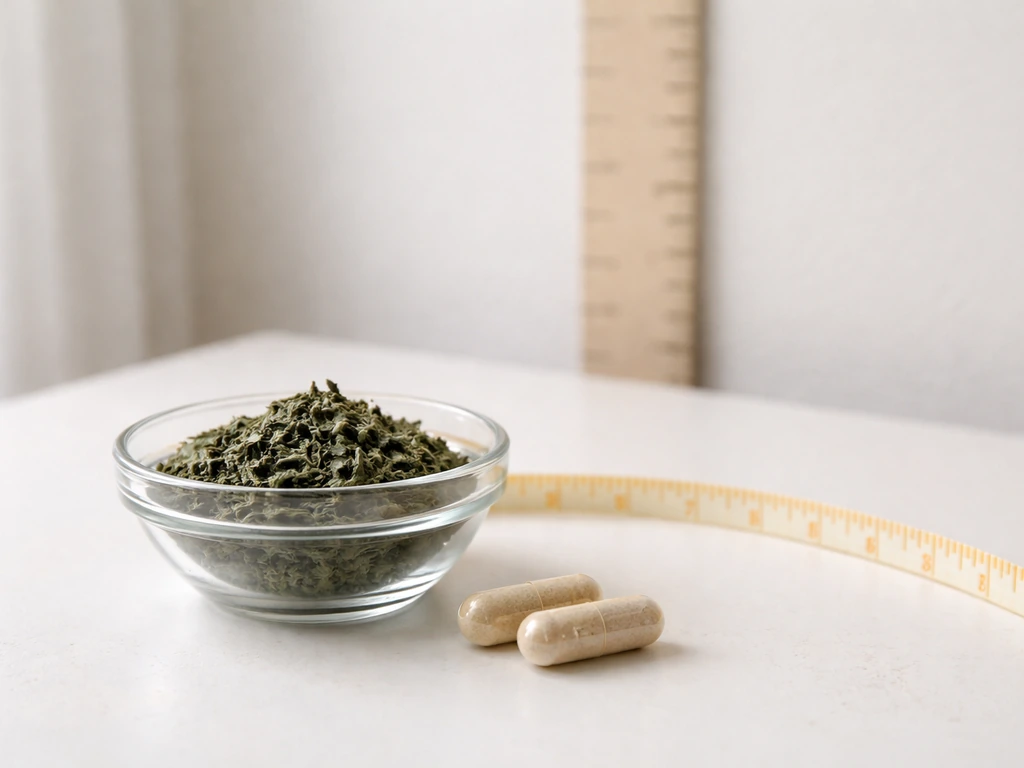
So the honest answer is: sea moss is not a height supplement, but if you are a growing child or teenager with a specific nutrient deficiency that is holding back your thyroid or overall health, correcting that deficiency through diet (sea moss included) could help you reach the height you were always genetically capable of. That is a very different thing from "sea moss makes you taller. "
How your body actually grows taller
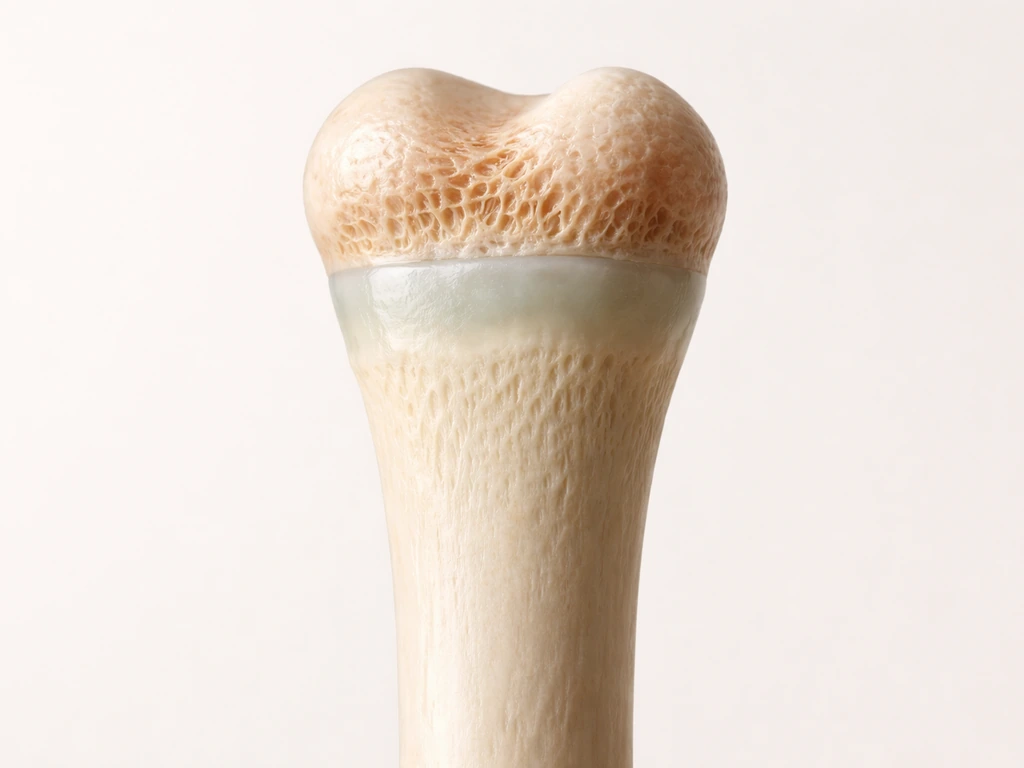
Height comes from bone length, and bones lengthen at specific zones near their ends called growth plates, or epiphyseal plates. These are cartilage-rich areas where new bone tissue is continuously added during childhood and adolescence. Once puberty completes and sex hormones signal those plates to harden and close, usually in the mid-to-late teens for girls and the late teens to early twenties for boys, that mechanism shuts down permanently. After plate closure, no supplement, exercise routine, or food can add bone length.
The main hormonal drivers of this process are growth hormone (GH), which is released by the pituitary gland and triggers the liver to produce IGF-1, and thyroid hormone, which is essential for normal growth plate activity. The Endocrine Society explicitly notes that both growth hormone and thyroid hormone contribute to height gain in children, and that hypothyroidism (low thyroid function) can slow the rate of linear growth when the plates are still open. Puberty timing also matters enormously: earlier puberty means a shorter window for prepubertal growth, while very late puberty extends it. Genetics set the ceiling, but hormones, nutrition, sleep, and overall health determine how close you get to it.
What sea moss actually contains
Sea moss (most commonly Irish moss, Chondrus crispus, or related species sold alongside kelp and other brown/red algae) is genuinely nutrient-dense for a food. The nutrients most relevant to growth discussions are iodine, magnesium, calcium, zinc, iron, and small amounts of B vitamins. Iodine is by far the most pharmacologically active of these in typical serving amounts, because sea moss can deliver a concentrated dose that meaningfully shifts your iodine status.
Research confirms this directly. A study of iodine-insufficient women found that low-level seaweed supplementation improved iodine status, demonstrating that seaweed iodine is bioavailable and absorbed. One study in iodine-insufficient women reported that blank" rel="noopener noreferrer">low-level seaweed supplementation improved iodine status, supporting that seaweed iodine is bioavailable. A separate double-blind prospective trial in 36 euthyroid (normal thyroid) subjects taking low- or high-dose kelp for four weeks showed blank" rel="noopener noreferrer">dose-dependent increases in 24-hour urinary iodine excretion, confirming these supplements meaningfully change iodine physiology in the body. So sea moss is not an inert product. It genuinely affects your biochemistry, which is both the reason it could theoretically support growth (via thyroid function) and the reason it carries real safety risks.
The other minerals in sea moss (magnesium, zinc, calcium) do support general bone health and metabolic function, but the amounts delivered per serving are modest and not reliably standardized across products. Carrageenan, a compound found in some sea moss preparations, has raised questions about gut inflammation in some research, though the evidence is mixed and mostly concerns processed forms rather than whole food preparations.
What the evidence actually says about seaweed and height

There are no clinical trials showing that sea moss supplementation increases height in children, teenagers, or adults. None. The research that exists connects iodine, a nutrient sea moss provides, to growth outcomes in children, but that connection runs through thyroid health, not through any direct height-boosting mechanism. A systematic review examining iodine supplementation in school-age children did study height and height-for-age z scores as endpoints, meaning researchers took the thyroid-growth link seriously enough to measure it. The takeaway is that correcting iodine deficiency can support normal growth trajectories in deficient children, not that iodine or seaweed is a growth accelerator in already-sufficient kids.
A randomized, double-blind study in healthy Japanese adults testing daily kelp intake for four weeks tracked body composition, lipid levels, and thyroid hormones but found no dramatic physiological changes in adults with adequate iodine intake. This is the expected result: adding more of a nutrient you already have enough of generally does nothing extra. It also underscores that any theoretical benefit from sea moss on growth is specifically tied to correcting a deficiency, not to some independent anabolic or growth-stimulating property of the seaweed itself.
Claims you see online, that sea moss "activates" growth hormones, "unlocks" your genetic height potential, or triggers new bone growth in adults, have no published scientific basis. These are marketing narratives, not biology.
Kids, teens, and adults: very different situations
| Age Group | Growth Plates Status | Can Sea Moss Theoretically Help? | What Actually Matters |
|---|---|---|---|
| Young children (under 10) | Wide open, actively growing | Only if correcting iodine or nutrient deficiency affecting thyroid/health | Consistent nutrition, adequate calories, protein, iodine, sleep, no chronic illness |
| Adolescents (puberty) | Open, closing progressively | Only if deficiency is present and identified | Same as above, plus appropriate physical activity and regular pediatric monitoring |
| Late teens (plates closing) | Partially or fully closed | Extremely limited; window is closing fast | Focus on maximizing remaining potential with overall nutrition and sleep |
| Adults (plates closed) | Fully fused | No mechanism exists for height increase | Posture, core strength, and overall health; no supplement changes bone length |
If you are a parent researching this for a young child who is tracking short for their age, that is a completely different and more legitimate conversation than a 25-year-old hoping sea moss adds an inch. For children with confirmed iodine deficiency or thyroid dysfunction affecting growth, getting iodine status right matters and seaweed-based foods can be part of that. But this should be done under medical supervision, not by adding trendy supplements from a wellness brand.
For adults, the biology is simply not on your side. Moringa powder has not been shown to increase height either, so it is not a reliable way to grow taller can moringa powder make you grow taller. No food or supplement can reopen fused growth plates.
Real safety risks you need to know before taking sea moss
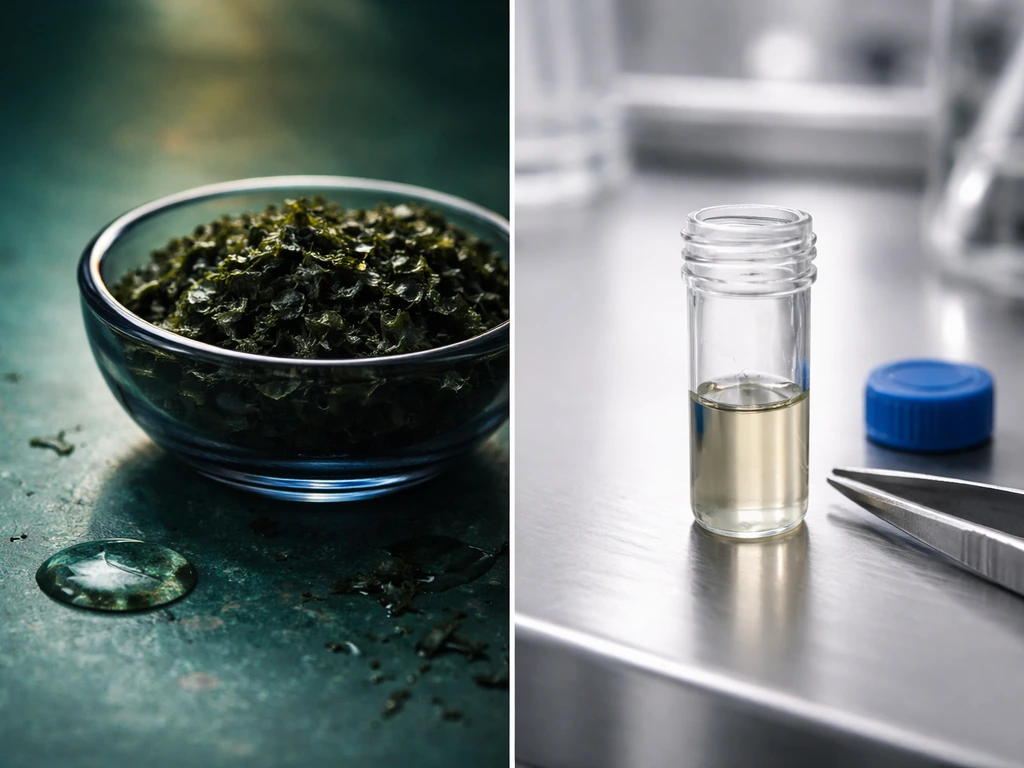
The biggest concern with sea moss and seaweed supplements is iodine overdose. Iodine is a narrow-window nutrient: too little causes hypothyroidism and impairs growth, but too much can also disrupt thyroid function, triggering hypothyroidism or hyperthyroidism depending on your baseline thyroid status. The iodine content of sea moss and kelp products varies dramatically and is often not accurately reflected on labels, making it genuinely hard to know how much you are getting. This is not a minor caveat. Thyroid disruption in a growing child is exactly the thing you are trying to avoid if you care about height potential.
Heavy metal contamination is a second serious concern. Seaweeds bioaccumulate arsenic, lead, cadmium, and mercury from the water they grow in. The concentration depends heavily on where the seaweed was harvested and how the product was processed. Consumer testing of sea moss and kelp supplements has repeatedly found levels of heavy metals that exceed safe daily intake thresholds, especially in products from poorly regulated sources. This is particularly relevant for children, who are more vulnerable to heavy metal toxicity than adults.
- Excess iodine from sea moss can suppress or overstimulate thyroid function in both children and adults
- Heavy metal contamination (arsenic, lead, cadmium) is documented in seaweed products and varies by source
- GI discomfort is possible, though short-term trials have not found severe adverse events in healthy adults
- Carrageenan in some preparations may cause gut inflammation in sensitive individuals
- Sea moss can interact with thyroid medications, anticoagulants, and blood pressure drugs
- Supplement quality is inconsistent: iodine content on labels is often inaccurate
- Children and pregnant women face higher risk from both iodine excess and heavy metal exposure
If you want to use sea moss as a food ingredient (added to smoothies in small amounts, for example), the risk profile is lower than taking concentrated capsule supplements. But if you are considering giving regular sea moss supplements to a child in hopes of boosting growth, that deserves a conversation with a pediatrician first, not a social media recommendation.
What you can actually do to maximize height potential today
If you or a child in your life is still growing, here is what the evidence supports. If you are wondering, “can colostrum help you grow taller,” the key point is that supplements rarely increase height unless they correct a specific deficiency and you are still in the window before growth plates close. None of this is glamorous, but all of it is real.
Get tested before supplementing anything
Before adding sea moss or any supplement, ask a doctor to check for the deficiencies that genuinely do impair growth: vitamin D, zinc, iron, and iodine status (via TSH and thyroid panel). Growth concerns in children also warrant a bone age X-ray and IGF-1 testing to assess where the growth plates are and whether GH secretion is normal. Treating a deficiency you have confirmed is very different from taking supplements hoping something sticks.
Nail the nutrition basics
Adequate calories and protein are non-negotiable for growing children and teenagers. Chronic undereating, even without a diagnosed disorder, is one of the most common and correctable reasons children fall short of their genetic height potential. Protein supports IGF-1 production; calcium and vitamin D support bone mineralization; zinc is essential for cell division and growth hormone signaling. These needs are best met through whole food sources: dairy or fortified alternatives, lean meats, legumes, eggs, fruits, and vegetables. A varied diet covers most of this without any supplement. Iodine specifically is well supplied by iodized salt, dairy, and seafood.
Protect sleep aggressively
Growth hormone is secreted in pulses, with the largest pulse occurring in the first hours of deep sleep. Children who consistently sleep less than the recommended hours for their age have measurably lower overnight GH output. For school-age children, that means 9 to 11 hours; for teenagers, 8 to 10 hours. Screens before bed, irregular schedules, and sleep disorders all suppress this. Fixing sleep is free, has no side effects, and has a more direct relationship to GH secretion than any supplement on the market.
Exercise: the right kind matters

Regular physical activity, particularly weight-bearing exercise and activities involving jumping and running, supports bone density and stimulates GH release. Swimming, basketball, and jump rope are commonly cited. Excessive heavy resistance training in young children before puberty is a different matter and is not recommended as a growth strategy. Stretching and good posture will not add bone length, but they can help a person appear and feel taller by reducing compressive habits that shave a centimeter or two off functional height.
See a doctor if growth is a real concern
If a child is falling off their growth curve, crossing percentile lines downward on a standard growth chart, or showing signs of delayed puberty, a pediatrician or pediatric endocrinologist is the right resource, not a supplement aisle. Diagnosable and treatable conditions like growth hormone deficiency, hypothyroidism, celiac disease, or inflammatory bowel disease can all impair height growth and are missed when families opt for supplements instead of workups. Early diagnosis genuinely changes outcomes in kids who still have open growth plates.
The bottom line on sea moss and height
Sea moss is a nutritious food that delivers real iodine and trace minerals. Its connection to height is indirect and conditional: if your thyroid is being suppressed by iodine deficiency and your growth plates are still open, improving iodine status (from any source, not just sea moss) could support normal growth. That is a narrow, specific scenario, not a general endorsement. For most people asking this question, sea moss will not change their height at all.
Other natural supplements like moringa, colostrum, chia seeds, and goat milk come up in similar conversations for similar reasons, and the honest answer is the same across all of them: they support general nutrition, but none bypass the fundamental biology of growth plates and hormones. Use sea moss as a food if you enjoy it. Do not use it as a height strategy.
Spend that energy on sleep, food quality, and a doctor's visit if you have a real concern.
FAQ
Does sea moss help you grow taller after puberty?
If you are an adult or your child’s puberty has finished, sea moss cannot add bone length because the growth plates have closed. In that case, the only realistic “benefit” would come from correcting an existing thyroid or iodine problem, which is something bloodwork can confirm rather than something you can rely on for height.
How can I tell if sea moss is safe for my thyroid before trying it?
People often look at “milligrams per serving” on labels, but seaweed products can vary widely in iodine content. If you want to use sea moss, the safer approach is to get thyroid labs first (at minimum TSH, and often free T4 and thyroid antibodies) so you do not accidentally overshoot iodine.
My child is short for their age, should we start sea moss to catch up?
A “short for age” child is not a reason to start iodine on speculation. The right next step is to talk with a pediatrician about growth pattern review, then consider evaluation for thyroid issues and other causes (for example iron deficiency, vitamin D deficiency, celiac disease) before using any seaweed supplement.
Is sea moss safer when taken as a food ingredient versus a supplement?
Sea moss capsules are the highest-risk form because they deliver concentrated iodine and they are harder to dose precisely. Using sea moss as a small food ingredient is generally lower risk, but it still can add meaningful iodine, so the frequency and total dietary iodine (especially iodized salt and dairy) should be considered.
What are common mistakes with sea moss dosing and product selection?
If a product’s label does not clearly state iodine content, treat it as hard to dose. Also, avoid “detox” or multi-ingredient regimens that stack iodine from several sources (kelp, sea moss, iodine drops, and fortified products), since the combined intake is what can disrupt thyroid function.
How concerned should I be about heavy metals in sea moss?
Heavy metal contamination risk depends on harvest location, processing, and testing. If you are considering sea moss for children, prioritize products that have third-party contaminant testing and avoid giving any product from sellers without reliable quality controls.
Can people with hypothyroidism or hyperthyroidism use sea moss?
If someone already has thyroid disease, especially Hashimoto’s, hyperthyroidism, or prior iodine sensitivity, adding seaweed can worsen symptoms or lab results. In those cases, discuss with a clinician first and monitor thyroid labs after any change in iodine intake.
If sea moss helps via iodine, how fast would height change?
Correcting a deficiency can support normal growth velocity, but it does not override genetics or reopen closed growth plates. Even in deficiency states, response varies, so it is better to track objective measures like growth velocity over months than to expect an immediate height increase.
What tests should be done to check whether iodine deficiency is affecting growth?
If you are trying to evaluate whether iodine status is the issue, clinicians typically start with thyroid testing (TSH, free T4) and may add thyroid antibodies. Many providers do not rely on guessing from diet alone because iodine needs differ and too much can also harm the thyroid.
When is sea moss not worth trying for growth?
Sea moss is not a substitute for the “growth fundamentals” listed in your article, like adequate calories, protein, vitamin D, zinc, and sleep. If those are already covered and thyroid labs are normal, adding sea moss is unlikely to change growth and may add risk.
Next Article
Can Chia Seeds Make You Grow Taller? Evidence and Tips
Science-based take on chia and height: growth only in youth, chia supports nutrition, bone health tips, safety cautions.