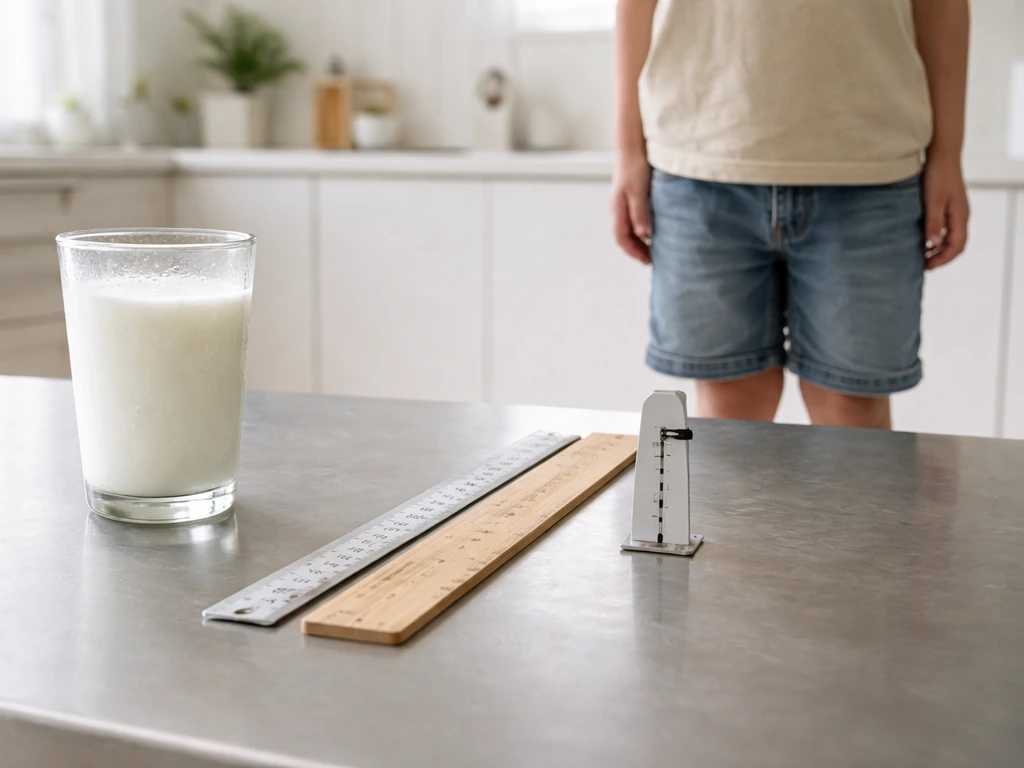
Chia seeds cannot make you grow taller. If you are also wondering whether moringa powder can make you grow taller, the same basics apply: height depends on genetics and filling any real nutrient gaps during the growth window can moringa powder make you grow taller. No single food can.
Can Chia Seeds Make You Grow Taller? Evidence and Tips

Marcus Reeves
26 Jun 2026
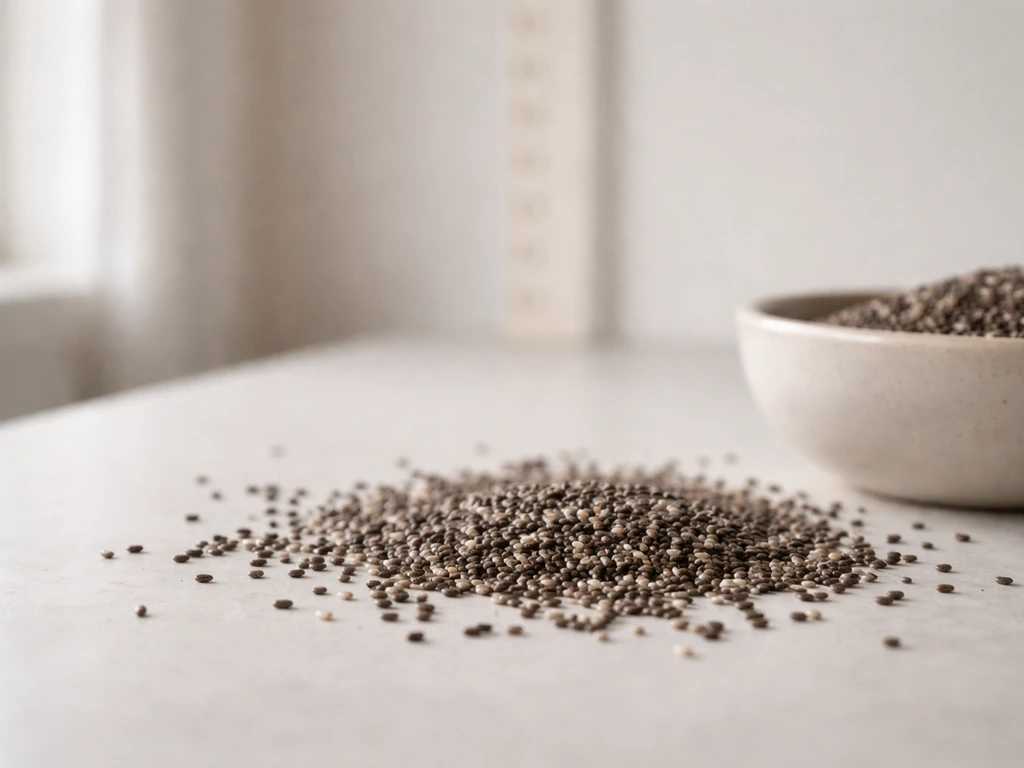
But that framing misses something genuinely useful: if your diet is short on calcium, magnesium, phosphorus, or zinc during the years your bones are still developing, that deficiency can hold back normal growth. Chia seeds happen to be a solid source of all four. So while chia won't add an inch on its own, closing a nutritional gap during childhood or adolescence can help your body reach the height it was always capable of reaching.
Can chia seeds actually increase height? The direct answer

No credible research shows that eating chia seeds produces measurable height gains. There are no clinical trials using height as an endpoint for chia supplementation, and nutritionists and endocrinologists are clear that no food works that way. Height is primarily determined by genetics, followed by how well your overall nutrition, sleep, and physical activity support the biological process of growth during the years your body is designed to grow. Chia seeds are a nutritious food, not a height supplement. The honest answer is that chia could only have any indirect relevance to height if someone is eating a diet that's genuinely deficient in nutrients critical for bone development, and chia helps fill that gap.
How height growth actually works
Height comes from your growth plates, which are soft cartilaginous zones near the ends of your long bones. During childhood and especially adolescence, these plates are active and respond to growth hormone, IGF-1, sex hormones, and adequate nutrition to lengthen your bones. Once puberty completes and the sex hormones signal the plates to fuse, the plates harden into bone and that's it. No food, exercise, or supplement can reopen them.
The growth window matters enormously here. Children grow steadily through childhood, but the real acceleration happens during the pubertal growth spurt, which typically peaks around ages 11 to 13 in girls and 13 to 15 in boys. By the late teens, most people have reached or are very close to their final adult height. If you're an adult with fused growth plates, nutrition affects bone density and bone health, but it cannot make you taller.
Goat milk may supply calcium and calories, but it does not have evidence that it can make you grow taller once your growth plates are closed does goat milk help you grow taller. If you're a child or teenager still in that window, nutrition absolutely matters, because deficiencies during the growth phase can mean you fall short of your genetic potential.
What chia seeds actually contain that matters for bones
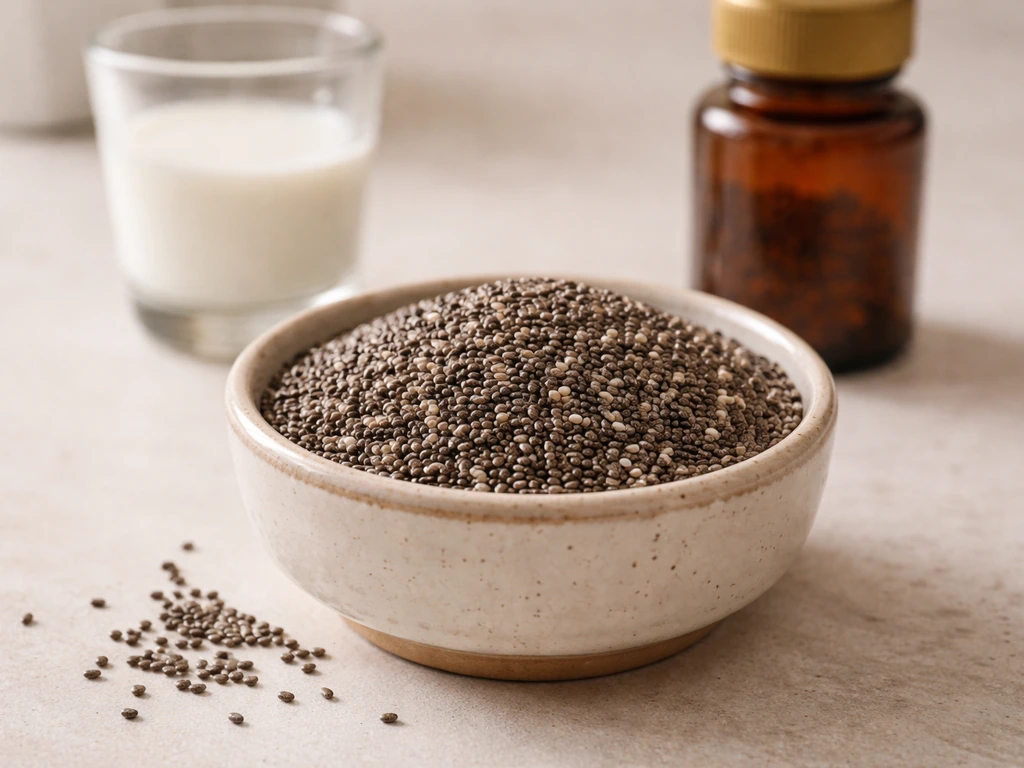
Chia seeds have a genuinely impressive micronutrient profile for such a small food. One ounce (about 28 grams, roughly two tablespoons) provides around 9.8 grams of fiber, 95 mg of magnesium, 244 mg of phosphorus, and 1.3 mg of zinc. They're also a plant-based source of calcium and omega-3 ALA (alpha-linolenic acid). Here's why those matter for bone development specifically.
- Calcium: the primary mineral in bone structure. The RDA for ages 9 to 18 is 1,300 mg per day. Chia contributes to that total but won't cover it alone.
- Magnesium: involved in bone mineralization and regulating calcium metabolism. An ounce of chia provides about 24% of the daily target for adolescents.
- Phosphorus: works alongside calcium in hydroxyapatite, the mineral compound that gives bones their strength. Chia is a notable plant source.
- Zinc: supports bone-forming cells (osteoblasts) and is involved in growth hormone activity. Adequate zinc intake is associated with normal linear growth in children.
- Omega-3 ALA: may support bone density through anti-inflammatory pathways, though the conversion from ALA to the more bioactive EPA and DHA is limited in humans.
None of these nutrients in chia will supercharge growth beyond your genetic ceiling. But if a child's diet is chronically low in magnesium, zinc, or calcium, that shortage can genuinely limit bone development. Research from Cochrane reviews confirms that blank" rel="noopener noreferrer">calcium supplementation in children can increase bone mineral density, though the effect may not be permanent and doesn't translate directly to height gains. The point is that adequacy matters during the growth window, not excess.
When nutrition can affect height (and when it can't)
Nutrition can influence height through two mechanisms, and it's worth being clear about both.
The first is deficiency prevention. Children and adolescents who are chronically undernourished or specifically deficient in calcium, vitamin D, zinc, or protein can end up shorter than their genetics would otherwise allow. In populations where diets are inadequate, improving overall nutrition does lead to measurable increases in average height over generations. In an individual child eating a broadly poor diet, fixing nutritional gaps during the growth window can help them reach their full potential. This is real and well-documented. Can sea moss help you grow taller, too, and how does it compare to better-evidenced nutrition and lifestyle factors?
The second is what doesn't work: over-supplementing beyond what the body needs. If a child is already meeting their calcium and micronutrient needs, adding more through chia or any other food won't push height higher. The body doesn't store extra bone length. It can store calcium in existing bone mass, which is valuable for long-term bone health, but that's different from growing taller.
For adults, neither mechanism applies to height. Growth plates are fused. Nutrition at this stage protects bone density (and reduces fracture risk as you age), but no amount of chia, or any other supplement-like food for that matter, including sea moss, goat milk, moringa, or colostrum, can reverse that biological reality. This means that sea moss, like chia, may support general nutrition or bone health, but it cannot reopen growth plates or make you grow taller after they have fused.
How to actually eat chia seeds for bone health
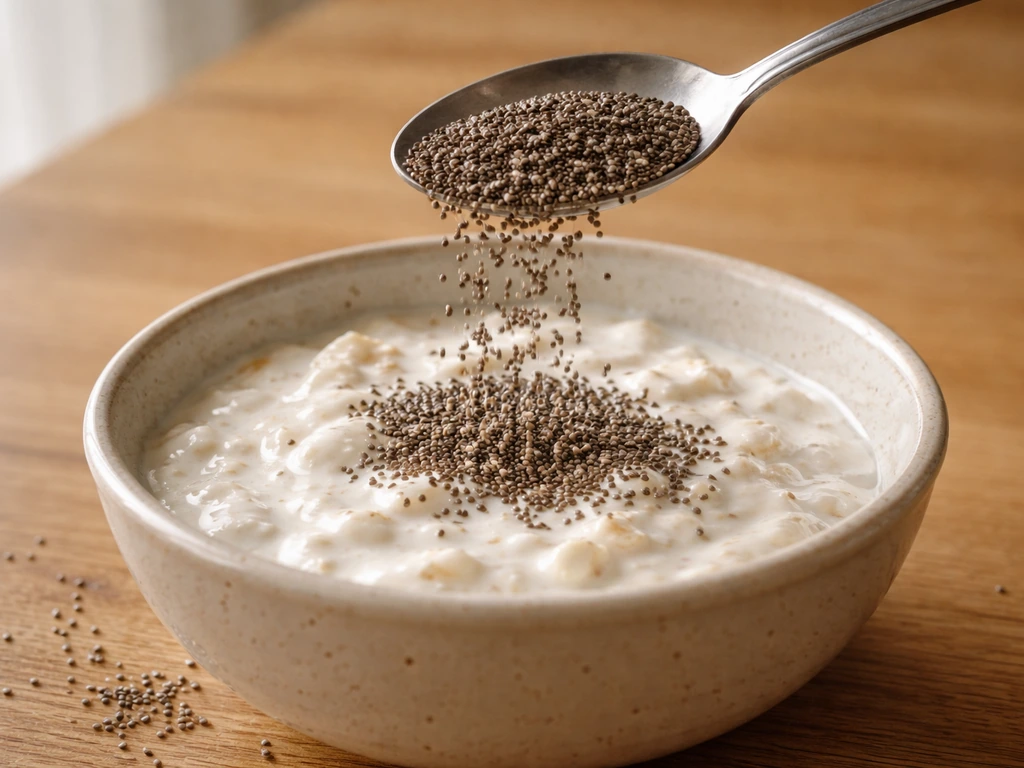
If you're in a growth window or supporting a child who is, here's how to add chia seeds sensibly without overdoing it.
Portion size and daily use
One to two tablespoons (about 15 to 28 grams) per day is a reasonable amount for most people. That gives you meaningful minerals and fiber without overwhelming your digestive system. Chia is dense in fiber (nearly 10 grams per ounce), and jumping from a low-fiber diet to large amounts of chia quickly can cause bloating, gas, or loose stools. Ramp up gradually over a week or two.
Always hydrate, always soak
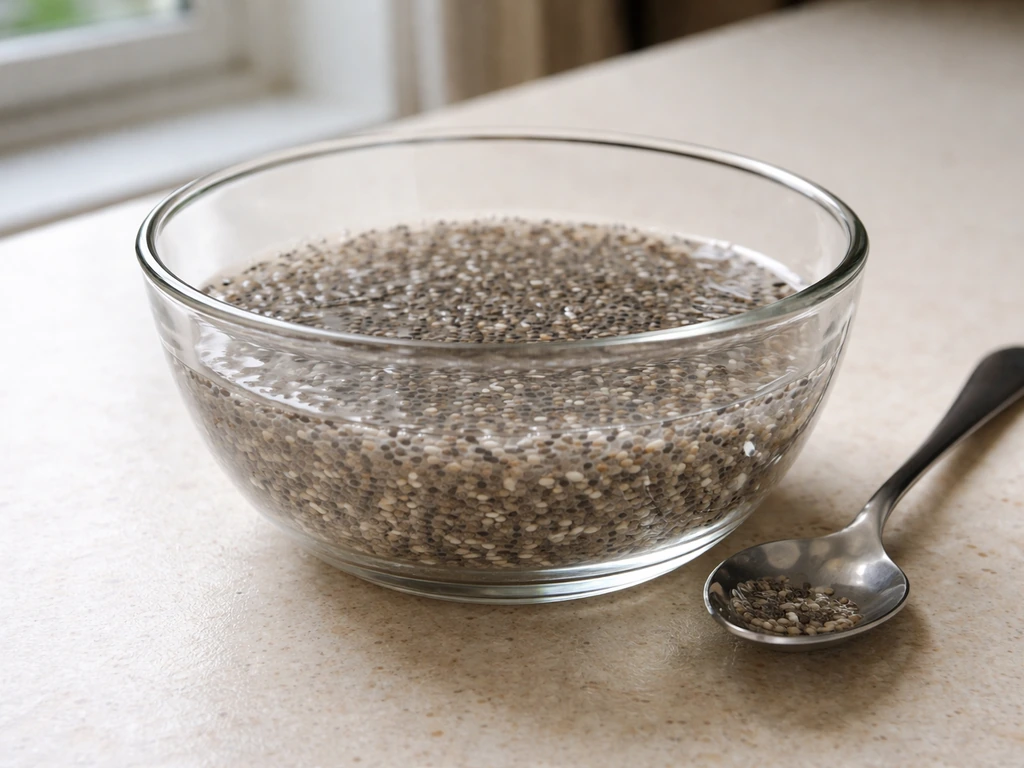
Dry chia seeds absorb up to 12 times their weight in water. Swallowing them dry, especially in a hurry, poses a real choking and esophageal obstruction risk. There's a documented case of dry chia seeds expanding in someone's esophagus. The simple fix: soak chia in water, milk, or a smoothie for at least 5 to 10 minutes before eating. This also improves digestibility. When eating chia in any form, drink extra water throughout the day.
Easy ways to include chia
- Stir into yogurt or overnight oats and let sit overnight
- Blend into smoothies (the seeds won't affect texture much when blended)
- Mix into a glass of water with lemon for chia water (stir well to prevent clumping)
- Add to baked goods like muffins or bread where moisture is present
- Use as a topping on soups or salads (chew well and drink water)
Who should be cautious
- People with swallowing difficulties or esophageal conditions: avoid dry chia entirely, always pre-soak
- Anyone with irritable bowel syndrome or inflammatory bowel disease: the high fiber content can aggravate symptoms, so start very small
- People taking blood thinners or antiplatelet medications (like warfarin or aspirin therapy): chia's omega-3 ALA content may have mild effects on platelet activity; check with your doctor before making chia a daily staple
- Individuals with known seed allergies: chia allergies exist, though they're not common
- Young children under 4 years old: whole seeds can be a choking hazard; grind first or use in cooked applications
What actually moves the needle on height
If you're trying to reach your full height potential (or help a child do so), here are the levers that matter most, backed by real physiology.
| Factor | Why it matters | What to do |
|---|---|---|
| Sleep | Growth hormone is released primarily during deep slow-wave sleep. Chronic sleep deprivation, especially during puberty, disrupts the somatotropic axis over time. | Aim for 8 to 10 hours per night for children and teens. Consistent schedule matters more than any single night. |
| Total diet quality | Growth requires adequate protein, total calories, calcium (1,300 mg/day for ages 9-18), vitamin D, zinc, and magnesium. No single food covers all of this. | Prioritize whole foods: dairy or fortified alternatives, lean protein, leafy greens, legumes, eggs. Chia is a useful addition, not a replacement. |
| Physical activity | Weight-bearing exercise stimulates bone density and is linked to healthy bone development in children. Controlled trials show calcium plus activity improves bone outcomes better than either alone. | Encourage daily movement: sports, walking, resistance exercise. Avoid extreme endurance training in young children, which can suppress growth hormones. |
| Posture and body alignment | Poor posture (rounded shoulders, forward head) can make you appear shorter than you are by several centimeters. This is reversible. | Core strengthening, stretching, and conscious posture habits can restore perceived height without any biological change to bone length. |
| Vitamin D adequacy | Vitamin D is essential for calcium absorption. Deficiency is common, especially in northern latitudes and in people who limit sun exposure. | Get sunlight when possible, eat fatty fish and fortified foods, and have vitamin D levels checked if you're concerned. |
Genetics is still the biggest single factor in height. Most children end up close to what their mid-parental height predicts (a rough formula: add both parents' heights in inches, add 5 for boys or subtract 5 for girls, then divide by 2). Nutrition and lifestyle determine whether you reach that ceiling, not whether you exceed it.
When to talk to a doctor about growth
Adjusting your diet is a reasonable first step, but some growth concerns genuinely need medical evaluation. Here are the situations where it's worth getting professional guidance rather than just trying to optimize nutrition at home.
- A child's height is consistently tracking below the 3rd percentile on CDC growth charts, or has dropped across two or more percentile bands over time
- Growth velocity appears to have slowed significantly (less than about 2 inches per year during the years it should be faster)
- Puberty seems significantly delayed: no breast development by age 13 in girls, or no testicular growth by age 14 in boys
- There is a large and unexplained gap between the child's height and what both parents' heights would predict
- The child has a chronic illness, is on medications that affect growth (such as long-term corticosteroids), or has a history of very poor nutrition
- An adult has noticed a measurable decrease in height, which can indicate bone loss or vertebral compression and warrants a bone density scan and medical review
A pediatric endocrinologist can order bone age X-rays, IGF-1 levels, and growth hormone testing if warranted. The Endocrine Society notes that evaluation for short stature includes detailed family history, including parents' heights and the timing of their own puberty, because delayed puberty often runs in families and is usually benign. A registered dietitian can assess whether nutritional gaps are actually present and give targeted guidance far more precise than any general food recommendation.
The bottom line: chia seeds are a genuinely nutritious food worth including in a diet focused on bone health, and if someone's diet is actually deficient in the minerals chia provides, adding it could help them inch closer to their growth potential. But treating chia as a height remedy misses the bigger picture. If you're wondering whether can colostrum help you grow taller, the key idea is similar: it can only matter if it corrects a real nutrient gap during the growth window height remedy. Sleep, total dietary quality, activity, and staying on top of vitamin D and calcium across the full growth window will do far more than any single superfood ever could.
FAQ
If chia seeds help bone development, how long would it take to notice any growth-related benefits in a child or teen?
Even when nutrition is the limiting factor, height change is slow, you typically look in months, not days. A more realistic first marker is improved labs or reduced deficiency risk over 8 to 12 weeks, then gradual growth over the following growth season. If there is no growth acceleration after addressing overall nutrition, that points to something beyond diet (like delayed puberty, thyroid issues, or growth hormone related concerns).
Does chia work differently if a child is vegetarian or vegan?
It can be helpful, because chia adds minerals like magnesium, phosphorus, and zinc, but it does not replace the main risk areas in many plant-based diets, especially vitamin D and adequate calcium, and sometimes total protein and iodine. A dietitian can check if your child is getting enough calcium and vitamin D from fortified foods and safe sun exposure or supplements, plus total protein to support growth.
How much chia is too much, and what side effects should I watch for?
Too much too fast is the main issue, fiber can cause bloating, gas, and loose stools. Stay around 1 to 2 tablespoons daily for most people, increase gradually, and avoid large portions if hydration is inconsistent. If constipation worsens, cramping occurs, or diarrhea persists, cut back and reassess total fiber intake and fluid intake.
Is it safer to eat chia dry, or should it always be soaked?
Soaking is strongly safer for most people. Dry chia can expand and in rare cases cause esophageal obstruction, especially if swallowed without enough water or during hurried eating. If you do not soak it, you need a sufficient drink immediately with it, and avoid dry chia for children or anyone with swallowing difficulties.
Can chia replace vitamin D or calcium supplements for height-related concerns?
No. Chia provides some calcium, but it typically is not enough on its own to correct a calcium or vitamin D deficit, and vitamin D is crucial for calcium absorption. If a child has low vitamin D on bloodwork or limited sun exposure, targeted vitamin D and possibly additional calcium from appropriate sources are often more effective than increasing chia.
What if my child is already eating well, will adding chia increase their height anyway?
Usually not. When nutrition targets are already met, extra micronutrients do not translate into extra bone length. In that situation, focus on the bigger growth drivers, consistent sleep, overall calorie sufficiency, adequate protein, and maintaining healthy activity, then consider medical evaluation if growth velocity is low.
How do I know whether my child’s short stature is a nutrition issue versus a medical issue?
Nutrition issues often come with broader patterns, such as poor overall weight gain, limited variety in foods, and sometimes lab evidence of deficiencies. Medical causes are more likely when growth rate has dropped off, puberty timing is unusual, or the child crosses percentile lines on a growth chart. A pediatric endocrinologist can use growth velocity data, bone age, and targeted labs to sort this out.
Are there any special considerations for chia if a child has reflux, swallowing problems, or GI conditions?
Yes. Fiber-dense foods can worsen reflux symptoms or cause discomfort in some GI conditions. For anyone with swallowing difficulties, stick to soaked chia and consider alternatives with lower fiber density, and consult a clinician before making major diet changes. Also introduce slowly and ensure consistent hydration.
Does chia affect growth plates, or can it “reopen” them in older teens or adults?
No. Once puberty is complete and growth plates fuse, you cannot reopen them with food. After fusion, chia may still support bone health by contributing minerals, but it will not increase height. If someone is worried about adult height changes or back posture, the issue is usually posture, spinal health, or body composition rather than growth plates.
What’s the most practical way to add chia if the goal is bone nutrition during the growth window?
Aim for 1 to 2 tablespoons daily, soaked in water, yogurt, or blended into smoothies, and increase gradually over one to two weeks. Pair it with a generally bone-supportive diet, adequate total calories, enough protein, and consistent vitamin D and calcium sources, because chia works only as part of the overall nutritional pattern.
Next Article
Does Goat Milk Help You Grow Taller? Evidence, Limits, Next Steps
Goat milk will not make you grow taller if growth plates are closed; it may help only with calcium protein gaps.