
Sea moss will not make you taller. There is no clinical evidence that sea moss, or any other seaweed-based supplement, directly increases height in otherwise healthy people. The one realistic exception is narrow: if a person has a meaningful iodine deficiency that is actively suppressing thyroid function and slowing growth, correcting that deficiency could allow normal growth to resume. But that is a deficiency story, not a sea moss story, and it applies to a small subset of people. For most readers, the practical takeaway is this: sea moss is a mineral-containing seaweed with real nutritional value, but it is not a growth supplement, and treating it as one is a mistake.
Can Sea Moss Help You Grow Taller? What Science Says

Marcus Reeves
18 Jun 2026
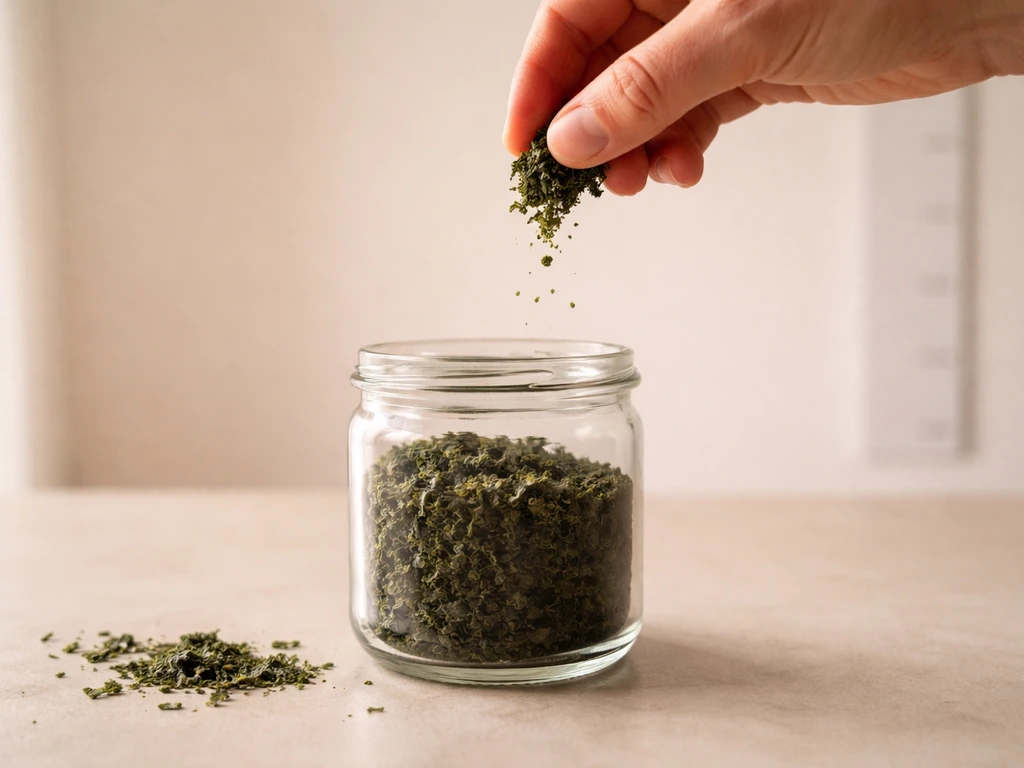
What sea moss actually is and what's in it

Sea moss (most commonly Chondrus crispus, also called Irish moss) is a red algae harvested from Atlantic coastlines. It has been used in food and traditional medicine for a long time, but it became a social media supplement staple mainly in the last several years, promoted heavily for its mineral content. The claims range from immune support to joint health to, yes, height growth. can colostrum help you grow taller height growth.
The main nutritional draw is iodine, along with a mix of trace minerals like magnesium, calcium, potassium, and iron. Iodine content varies considerably by species and sourcing. Iodine is essential because the thyroid gland needs it to produce hormones (T3 and T4) that regulate metabolism, development, and growth. This is the core of why people link sea moss to height: iodine is involved in growth hormone pathways through thyroid function, and thyroid hormones influence how children develop.
What most people miss is that sea moss products vary enormously. A supplement label reviewed from DailyMed shows a sea moss capsule containing 350 mg of sea moss powder combined with added vitamin D3 at 2,000 IU. The iodine content was not even listed on that particular label, which tells you something important: you are often buying a loosely standardized product where the actual iodine dose is unclear. Iodine content in dried seaweed can swing widely depending on growing conditions, species, and processing. Irish market safety data has found iodine levels in Chondrus crispus samples ranging considerably, and this variability makes dosing unpredictable.
The myth vs. the science on sea moss and height
The logic people use goes something like this: sea moss has iodine, iodine supports thyroid function, thyroid hormones affect growth, therefore sea moss helps you grow taller. Each individual step has some truth in it, but the chain falls apart at the last link. Supporting thyroid function in a person whose thyroid already works fine does not push growth higher. You cannot supercharge a system that is already running normally by adding more of a nutrient it does not need.
Systematic reviews have looked specifically at iodine supplementation and postnatal height outcomes in children, and the direct evidence that iodine supplements increase height in otherwise-healthy kids simply is not there. Scoping reviews confirm that iodine's role in growth and development is biologically real, but that the link between supplementing it and gaining extra height in people who are not deficient is unproven. The WHO documents iodine-deficiency disorders as genuine threats to growth and development, but the intervention target there is deficiency correction, not enhancement.
So where does the sea moss and height myth come from? Partly from the very real and important story of what happens when severe iodine deficiency is corrected, which can lead to dramatic improvements in growth and development in affected children. People hear that iodine is necessary for growth and assume more iodine means more growth. In fact, sea moss contains iodine, and more iodine does not automatically translate into taller height unless you are deficient more iodine means more growth. It does not work that way. Like most nutrients, iodine has a threshold, not a dose-response curve for height.
Who could actually see a difference: deficiencies, puberty, and open growth plates

There is one real scenario where addressing iodine status might matter for growth, and it is specific. If a child or adolescent has documented iodine deficiency severe enough to impair thyroid function (hypothyroidism), their growth rate can slow. One case report describes an adolescent who presented with growth and pubertal delay alongside a urine iodine level of just 18 mcg/L, which is severely deficient. In that context, correcting the deficiency could allow growth to resume at a more normal rate. The Endocrine Society confirms that hypothyroidism is a recognized cause of growth failure, and thyroid hormone replacement can improve growth when thyroid deficiency is the underlying cause.
The critical timing factor here is growth plates (the epiphyseal plates at the ends of long bones). These remain open during childhood and adolescence and close sometime in the late teens, usually around 16 to 18 for girls and 17 to 21 for boys, though timing varies. Any intervention that plausibly supports growth can only work while plates are still open. Once they fuse, the conversation about supplements and height is essentially over for bone length. If you are an adult with closed growth plates, no supplement, sea moss or otherwise, will add centimeters to your skeleton.
Similarly, if a growing child has other nutrient deficiencies (think calcium, vitamin D, zinc, or protein) that are holding back their growth potential, correcting those deficiencies can help them reach closer to their genetic ceiling. But this is about removing a brake, not pressing an accelerator. Sea moss is not uniquely positioned to do this, and it is not a substitute for a comprehensive nutritional approach.
Real safety risks you need to know before trying sea moss
This is the section most people skip, and they probably should not. Sea moss and kelp products carry meaningful risks that are often underplayed in the wellness content promoting them.
Iodine overdose and thyroid effects
The American Thyroid Association warns that iodine and kelp supplements can contain iodine in amounts thousands of times higher than daily tolerable upper intake levels. The tolerable upper limit for iodine in adults is 1,100 mcg per day. Some seaweed supplements far exceed this in a single serving. The same adolescent case mentioned above went from a urine iodine of 18 mcg/L to over 1,500 mcg/L after overconsumption of seaweed snacks, and their thyroid function worsened.
Case reports also document transient hyperthyroidism and thyroid dysfunction in adults with no prior thyroid disease after consuming kelp-containing products. Even a randomized study of kelp supplementation in healthy Japanese adults (at about 1. 03 mg iodine per day) noted variable thyroid effects. The risk is real and not theoretical.
Heavy metal contamination
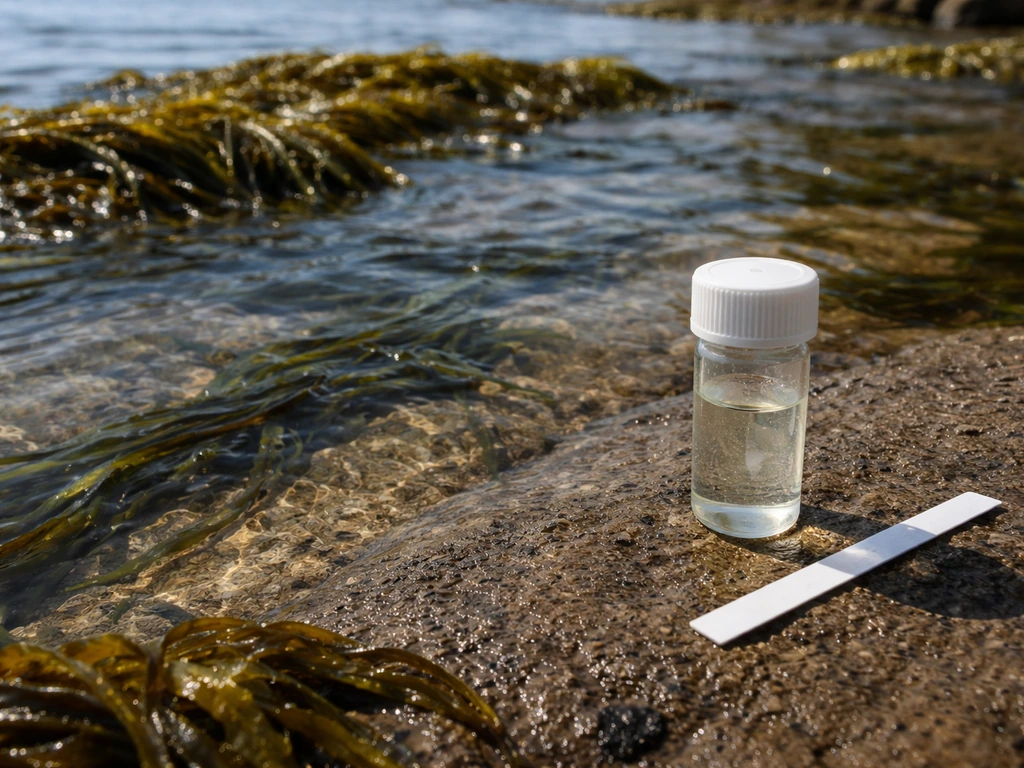
Seaweed is a bioaccumulator, meaning it absorbs whatever is in the water it grows in, including lead, mercury, cadmium, and arsenic. Some sea moss product specs include heavy metal limits with ICP-MS testing, which sounds reassuring. But independent third-party verification is inconsistent across the market. The NYC Department of Health specifically warns that supplements and remedies containing high levels of lead, mercury, or arsenic can cause health problems and recommends seeking medical advice if you suspect exposure. The FDA maintains alerts for dietary supplements with safety issues, and marine-derived products do show up there. If you do buy sea moss, third-party tested products with a certificate of analysis for heavy metals are the minimum standard.
Other concerns
Sea moss can cause GI discomfort, especially at higher doses. It may also interact with thyroid medications, blood thinners, and other drugs. Children and pregnant individuals are at higher risk from both excess iodine and heavy metal exposure. NCCIH is direct that supplements may not be safe for everyone and that safety depends on dose, health conditions, and drug interactions.
What actually supports height: the evidence-based version

If your goal is to support height growth in yourself or a child, the evidence points strongly toward fundamentals rather than supplements. Here is where the real levers are.
Protein and total calorie intake
Adequate protein is one of the most consistent nutritional requirements for skeletal growth. During puberty especially, the body is building bone matrix and muscle rapidly, and protein intake needs to keep up. Chronic undereating, whether from food restriction, poverty, or illness, reliably suppresses growth. There is no magic protein source here. Enough total protein from whole foods distributed across the day is what matters.
Calcium and vitamin D
A randomized trial found that calcium carbonate supplementation increased stature and bone mineral mass in 16 to 18 year old boys over 13 months compared to placebo. This is one of the stronger direct supplement-to-height studies available and it is for calcium, not sea moss. Vitamin D is needed for calcium absorption, though one large randomized trial in school-aged children found that vitamin D supplementation alone did not meaningfully change height outcomes. The lesson: calcium and vitamin D likely work together, and correcting deficiency is the priority, not megadosing.
Sleep quality
Growth hormone is secreted primarily during deep slow-wave sleep, so consistent, quality sleep is physiologically relevant to growth. The data on whether more sleep directly translates to measurable height gains in well-nourished adolescents is mixed, but sleep is essential for overall hormonal regulation and should not be underestimated, especially in children and teens who routinely sleep less than recommended.
Physical activity
Weight-bearing activity and resistance training in adolescents support bone density and may stimulate growth hormone release. The effect is not dramatic for height, but staying active is consistently associated with healthier growth trajectories. Posture-focused training will not add bone length but can improve how tall a person appears, which is worth mentioning separately from actual skeletal growth.
| Factor | Evidence for Height Impact | Practical Target |
|---|---|---|
| Adequate protein intake | Strong, consistent across populations | Age-appropriate daily protein from whole foods |
| Calcium supplementation | RCT evidence in adolescent boys shows increased stature | Meet RDA; supplement only if dietary intake is low |
| Vitamin D | Supports calcium absorption; alone unlikely to increase height | Correct deficiency; not a standalone height driver |
| Sleep (quality and duration) | Linked to GH secretion; direct height data in well-nourished teens mixed | 8-10 hrs for children, 8-9 hrs for adolescents |
| Weight-bearing exercise | Supports bone density; modest GH stimulus | Daily activity appropriate for age |
| Sea moss / iodine supplement | No evidence in healthy individuals; may help if iodine deficiency is present | Only consider if deficiency is confirmed by testing |
Are your growth plates still open? What age really means here
Your realistic next steps depend heavily on where you are in development. If you are a child or adolescent still in active growth, the fundamentals above are genuinely relevant. Nutrition, sleep, and staying active all contribute to reaching your genetic height potential. If you suspect something is slowing your growth, whether it is slower-than-expected height velocity, late puberty, or fatigue, that is worth raising with a clinician who can order the right tests.
If you are an adult (roughly 21 and older), your growth plates are almost certainly fused and no supplement, including sea moss, will increase your bone length. What is possible for adults is posture improvement (which can affect perceived height by a meaningful amount), and in extreme cases, surgical limb lengthening, which typically adds around 3 inches or about 8 cm for bilateral femur procedures, with significant recovery demands and complication risks. MedlinePlus notes that limb lengthening procedures can add up to about 6 inches (15 cm) to a leg in some contexts, but they involve significant surgical and anesthesia risks and a long healing process. That is a very different conversation from a sea moss capsule.
When to actually see a doctor
If you are a parent concerned about a child's height, or an adolescent whose growth seems to have stalled, it is worth getting a proper evaluation rather than trying supplements. A clinician can [review growth charts, take a detailed history, and order useful tests](https://www. aafp. org/afp/2008/0901/p597.
pdf). Standard growth workups typically include a bone age X-ray (hand and wrist), thyroid labs (TSH and free T4), IGF-1 and IGFBP-3 for growth hormone status, a complete metabolic panel, celiac screening, CBC, and sometimes puberty hormone levels. Bone age imaging matters because delayed bone age can mean there is more growth potential remaining, or it can reflect constitutional delay, which is a normal variant rather than a pathology.
The AAFP and Endocrine Society both provide clear evaluation frameworks for short stature that clinicians follow.
If thyroid function turns out to be genuinely low (hypothyroidism) and it is affecting growth, thyroid hormone treatment can be highly effective at restoring normal growth velocity. That is a legitimate medical intervention, not a supplement strategy. And if iodine deficiency is specifically confirmed, correcting it through food or supervised supplementation is the appropriate response, with doses that do not exceed the tolerable upper intake for your age group.
Your practical next steps based on where you are now
Rather than reaching for sea moss, here is what is actually worth doing depending on your situation. Other food supplements like moringa powder, colostrum, goat milk, and chia seeds come up in similar conversations, and most of them follow the same pattern: nutritionally interesting, potentially useful for correcting deficiencies, but not proven height-growth tools for people who are already adequately nourished.
- If you are under 18 and still growing: focus on consistent protein intake, calcium-rich foods, vitamin D (especially if you are indoors a lot or live at high latitude), adequate sleep, and daily movement. If growth seems slow, talk to a pediatrician and ask about a growth chart review and bone age assessment.
- If you are 18 to 21 and unsure whether you are still growing: a bone age X-ray can tell you whether growth plates are still open. If they are, the same nutrition and sleep fundamentals apply. If they are fused, you are at adult height.
- If you are an adult: no supplement is going to change your bone length. Posture work (core strengthening, thoracic mobility) can change how tall you appear. If this is a serious concern, a clinician can help you understand realistic options.
- If you want to take sea moss anyway: choose a product with third-party testing for heavy metals and verified iodine content. Do not exceed the tolerable upper limit for iodine (1,100 mcg/day for adults, lower for children). If you have any thyroid condition or are on medication, check with your doctor first.
- If you suspect a nutrient deficiency: get a blood panel before buying anything. Testing for thyroid function, vitamin D, iron, and B12 costs very little relative to months of supplements that may not be addressing the right problem.
FAQ
Can sea moss help only if I am iodine deficient, or does it work for everyone?
If you have normal thyroid function, sea moss does not “push” height higher. The only time iodine-based products plausibly affect growth is when there is documented iodine deficiency that is actually suppressing thyroid hormone production and slowing growth velocity. For adults, growth plates are typically fused, so the expectation should be zero skeletal height gain.
How can I tell whether a sea moss product has enough (or too much) iodine?
Check for a supplement label that lists iodine per serving. If iodine is missing or not quantified, you cannot reliably estimate your iodine intake. Even then, sea moss products vary widely by species, processing, and serving size, so “total sea moss powder” does not tell you the iodine dose.
Is sea moss safe if I take thyroid medication?
Do not rely on sea moss as a substitute for thyroid medication. If you take levothyroxine or other thyroid drugs, iodine or kelp products can worsen thyroid levels and complicate dose management. Talk with your clinician about pausing supplements before thyroid labs, and to interpret results in the context of recent seaweed/iodine intake.
What should I do instead of giving sea moss to my child who seems short?
If a child or teen is shorter than expected, the “right” next step is a growth evaluation, not an iodine trial. A clinician can determine whether the issue is delayed puberty, constitutional delay, nutritional restriction, chronic illness, or true endocrine causes. This prevents the mistake of giving iodine or other supplements when the driver is something else.
If I eat iodized salt, could sea moss still be helpful for height?
If you already eat iodized salt and include dairy or seafood, you may not be deficient, and extra iodine can move you into a harmful range. The practical approach is targeted testing when growth is concerning (often urine iodine is not enough alone), then correcting deficiency only if confirmed and dosed appropriately for age.
Would focusing on other nutrients work better than sea moss for height?
Yes, but for different reasons. Calcium, vitamin D, and adequate protein address common growth-limiting factors, and sleep and activity support healthy growth biology. Sea moss is not uniquely positioned, and it carries risks (excess iodine and possible heavy metal contamination) that are not worth taking when fundamentals have a clearer impact.
How do I correct iodine deficiency safely if I think that is the issue?
If you suspect you are deficient, get medically supervised guidance before supplementing seaweed. Correcting iodine deficiency appropriately is different from taking high-dose sea moss products, which can overshoot. The key safety target is avoiding iodine intake above the tolerable upper limit for your age group.
I am an adult, but can sea moss still make me taller through posture or bone effects?
Adults generally should not expect additional height from supplements, including sea moss, because the growth plates are usually closed by the late teens. If a person looks shorter, posture, muscle imbalance, or spinal compression from bone health issues may be contributing, so an assessment for posture and bone health may be more useful than any iodine product.
What signs mean sea moss is affecting my thyroid or causing harm?
If your goal is to “test” sea moss, a safer decision aid is to pause and get baseline labs if you have thyroid symptoms, a history of thyroid disease, or you are considering it for a child. Side effects such as palpitations, anxiety, heat intolerance, constipation, unusual fatigue, or rapid weight change after starting can be signs of thyroid disruption and warrant prompt medical review.
Why do clinicians use a bone age X-ray instead of trial supplements?
Bone age imaging is useful because it helps estimate whether you still have growth potential. Delayed bone age can mean more time to grow, while some patterns reflect normal variation. This is one reason clinicians focus on growth plates and development rather than supplement “boosts.”
Next Article
Can Colostrum Help You Grow Taller? Evidence and Next Steps
Can colostrum increase height? Evidence in humans, limits, safety tips, and what to do for real growth support.