Moringa powder will not make you grow taller on its own. There is no clinical evidence that taking moringa causes height increases in children, teenagers, or adults. What it can do is supply a range of micronutrients, and if a child is genuinely stunted because of specific nutritional deficiencies, correcting those deficiencies through diet or supplementation (moringa potentially included) may help them reach closer to their genetic height potential. That is a very different claim from 'moringa makes you taller,' and the distinction matters a lot. If you are wondering about other supplements, such as colostrum, the question is the same: do they have evidence for lengthening bones, or are they mainly nutrition claims moringa makes you taller.
Can Moringa Powder Make You Grow Taller? Evidence and Safety

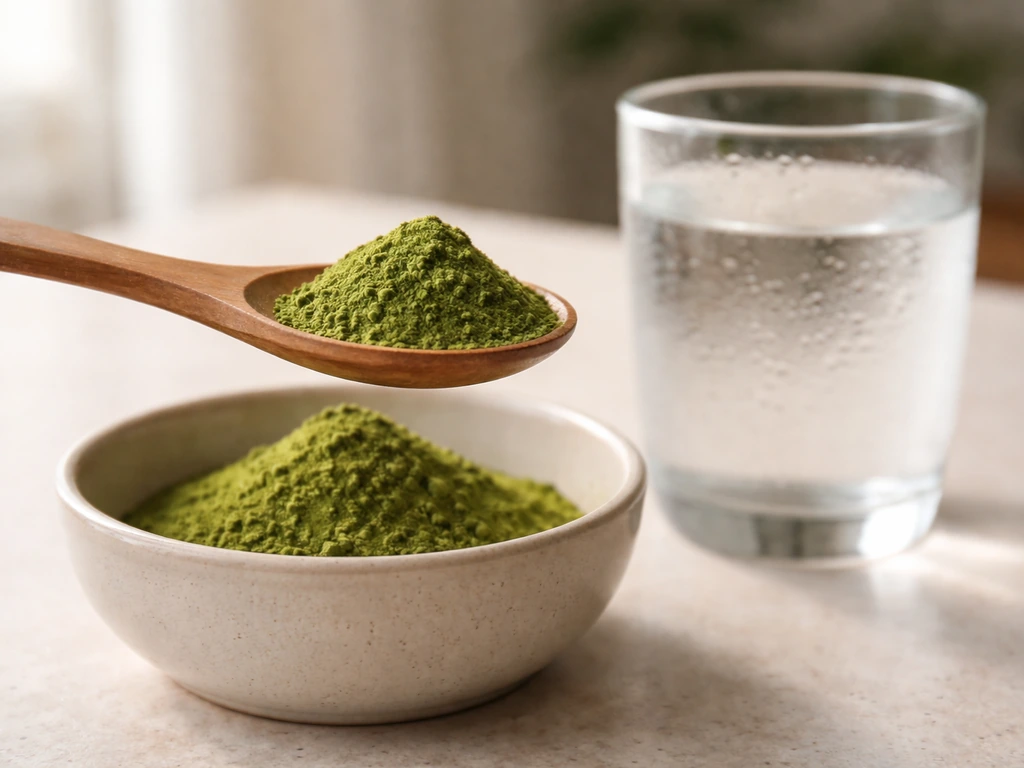
Does moringa powder increase height or just nutrition intake?
Most of the marketing language around moringa and height conflates two completely separate things: supplying nutrients and triggering growth. Moringa leaf powder does contain real nutrients, including vitamin A, vitamin C, folate, calcium, iron, and some protein. At high enough servings those nutrients contribute to your daily intake. But contributing nutrients to your diet is not the same as activating height growth. Height is driven by a specific biological process involving growth plates, hormones, and adequate overall nutrition. Moringa does not directly stimulate that process.
LiverTox, which tracks clinical evidence on herbal products, states plainly that clinical studies have not convincingly demonstrated many of moringa's purported benefits in humans. A controlled trial in adults found moringa leaf powder had no measurable effect on anthropometric outcomes or bone mass metrics. A randomized, double-blind controlled trial in adults with HIV on antiretroviral therapy found that moringa leaf powder had no effect on anthropometric outcomes and related measures such as BMI and bone mass metrics moringa leaf powder had no measurable effect on anthropometric outcomes or bone mass metrics. That is exactly the result you would expect from a nutrient supplement given to people whose growth plates are already closed.
How height actually grows: growth plates, hormones, and nutrient requirements
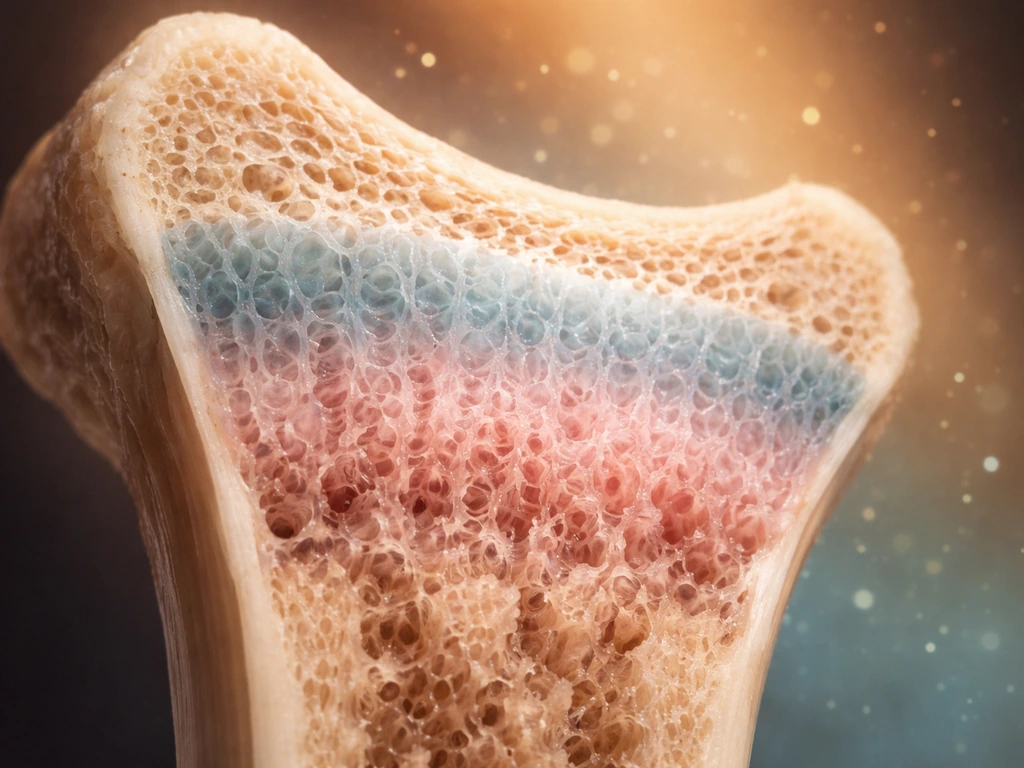
Height increases when cartilaginous growth plates at the ends of your long bones add new tissue and then harden. This process is driven primarily by growth hormone (GH) and insulin-like growth factor 1 (IGF-1), with supporting roles from thyroid hormones and sex hormones during puberty. Once those growth plates fully close, usually in the late teens for girls and early-to-mid twenties for boys, your skeleton cannot get longer no matter what you eat or supplement.
Nutrition does not replace hormones as the driver of growth, but it sets the ceiling on what those hormones can accomplish. The key nutrients are protein (for tissue synthesis), calcium (1,300 mg/day for ages 9 to 18 per NIAMS/NIH guidance), vitamin D (needed for calcium absorption and bone mineralization), and zinc (deficiency is directly linked to impaired growth and immune function). Severe or prolonged shortfalls in any of these during childhood can result in stunting, meaning a child grows less than their genetic potential allows. Correcting those shortfalls can restore some of that potential, but only while growth plates are still open.
What nutrients moringa actually provides and whether they can fix deficiencies
Moringa leaves do contain a meaningful nutrient profile. Per 100g of dried leaf powder, the nutrient content is genuinely impressive on paper, with calcium, iron, vitamin A, vitamin C, folate, and antioxidants all present. The catch is that no one is eating 100g of moringa powder a day. A typical supplement serving is about 1 teaspoon, roughly 1 to 2 grams. At that dose, the percent of daily values you are actually getting is small.
To put it in perspective: a child aged 9 to 18 needs 1,300 mg of calcium per day. A teaspoon of moringa powder delivers a fraction of that. Vitamin D, which is critical for bone health and whose deficiency can cause rickets (a condition that genuinely stunts growth), is not found in meaningful amounts in moringa at all. So while moringa can add some micronutrients to the diet, calling it a deficiency corrector requires honest accounting of how much you are actually taking in per serving.
The scenario where moringa could plausibly matter is in populations with very limited dietary diversity, particularly in low-income or food-insecure settings where multiple micronutrient gaps exist simultaneously. Some research on maternal moringa supplementation during pregnancy and early infancy has looked at outcomes related to infant nutritional status, and follow-up studies have examined stunting rates in children whose mothers received moringa during pregnancy. These are the closest real-world scenarios to a genuine growth-relevant effect, and even there the evidence is preliminary and context-specific, not a blanket endorsement of moringa as a height supplement.
Kids and teens versus adults: who could potentially benefit?
Age is the single most important variable here, and it cuts the answer in two very different directions.
Children and adolescents with open growth plates

If a child is growing and is genuinely deficient in multiple micronutrients, improving their overall nutritional status can support growth. In that context, moringa as part of a more nutrient-rich diet could contribute, indirectly, to growth outcomes. The word 'indirectly' is doing a lot of work here. Moringa is not a growth stimulant. It is a leafy green that happens to be particularly nutrient-dense. Eating more vegetables, including moringa, as part of an overall adequate diet is always a reasonable thing to do for a growing child. Expecting moringa specifically to add centimeters to a well-nourished child's height is not realistic.
Adults with closed growth plates
For adults, height is essentially fixed. The controlled trial data, including an adult RCT that measured anthropometric and bone mass outcomes after moringa supplementation, found no meaningful effect. This aligns perfectly with the biology. What some adults interpret as 'getting taller' after improving their nutrition or posture is usually postural: better core strength, reduced spinal compression, or simply standing more upright. That is real and worth pursuing, but it is not the same as skeletal height increase.
What the research actually says (and what it does not)
The existing clinical trial evidence on moringa and growth is limited, mixed, and largely focused on infant or early childhood nutrition in resource-limited settings. A systematic review examining moringa leaf supplementation across human and animal studies found some positive signals for iron and vitamin A status improvement, but growth outcomes in controlled human trials were not consistently demonstrated. The pregnancy supplementation and follow-up stunting study from Indonesia is interesting but cannot be extrapolated to a teenager or adult taking moringa powder capsules in a well-fed context.
There are no rigorous, peer-reviewed trials showing that moringa supplementation increases height in children or adolescents who are not already severely malnourished. Even if you see claims online, can chia seeds make you grow taller is not supported by solid clinical evidence either, especially for people with closed or nearly closed growth plates increases height. Claiming otherwise is a marketing narrative, not a scientific one.
If you want to try moringa: practical use, safety, and product quality
If you decide to try moringa as part of a broader effort to optimize your nutrition, here is what to actually pay attention to.
Dosage and realistic expectations
Most moringa powder products suggest 1 to 2 teaspoons per day, roughly 2 to 5 grams. At that range, you are getting a small but real contribution of vitamin A, some iron, folate, and antioxidants. It blends reasonably well into smoothies or yogurt. Do not expect it to compensate for a diet that is otherwise low in protein, calcium, or vitamin D. Those gaps require more targeted solutions.
Product quality and safety risks
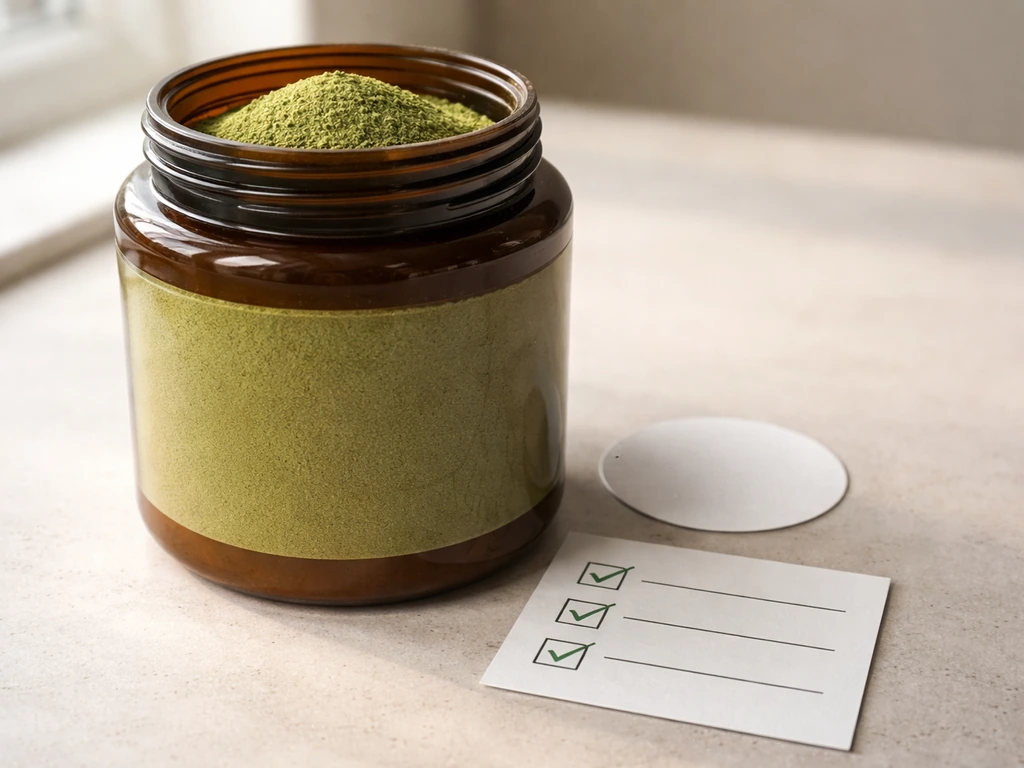
This is where moringa supplementation gets genuinely complicated. In May 2026, the FDA documented a Salmonella outbreak investigation linked to moringa leaf powder, which is a direct reminder that botanical powders carry real microbiological contamination risk. Separately, peer-reviewed testing has found heavy metal concentrations including lead, arsenic, cadmium, and mercury in various moringa products. These are not hypothetical concerns.
If you are buying moringa powder, look for products that carry third-party verification such as the USP Verified Mark, NSF certification, or Informed Sport certification. These programs test for contaminants and verify that what is on the label is actually in the product. Buying a cheap, unverified bulk powder from an unknown source is where the risk concentrates.
On the liver safety front, rare but documented cases of herb-induced liver injury have been reported with moringa-containing supplements, particularly in formulations combining multiple botanicals. If you notice jaundice, upper right abdominal pain, or unusual fatigue while taking any herbal supplement, stop taking it and see a doctor.
Who should avoid moringa
- Pregnant women should avoid high doses; some components of moringa bark and root may have uterine-stimulating effects (leaf powder at moderate doses has a different profile, but caution is still warranted without medical guidance)
- People on blood thinners, thyroid medications, or diabetes medications should check with a doctor, as moringa may interact with these
- Children under 2 should not be given supplement powders without a pediatrician's oversight
- Anyone with a history of liver disease should avoid moringa supplements given the rare but real liver injury signals
What to actually do if you want to maximize height potential
Whether you are a parent thinking about a growing child, a teenager still in your growth window, or an adult wondering if you have left any height on the table, the same evidence-based levers apply. Moringa is not one of the primary levers.
| Factor | Why It Matters | Practical Target |
|---|---|---|
| Protein intake | Essential for tissue synthesis and IGF-1 signaling | 0.8–1.2g per kg body weight daily; higher end during active growth |
| Calcium | Directly required for bone mineralization | 1,300 mg/day for ages 9–18; 1,000 mg/day for adults |
| Vitamin D | Enables calcium absorption; deficiency causes rickets | 600–1,000 IU/day for children and teens; get levels tested if concerned |
| Zinc | Deficiency directly impairs linear growth | 8–11 mg/day depending on age; found in meat, legumes, seeds |
| Sleep | Growth hormone is predominantly secreted during deep sleep | 9–11 hours for school-age children; 8–10 hours for teens |
| Physical activity | Weight-bearing exercise supports bone density | At least 60 minutes of moderate to vigorous activity daily for youth |
| Avoid smoking/alcohol/extreme dieting | All suppress growth hormone and nutrient availability | Non-negotiable during active growth years |
Moringa can fit into this picture as a supplementary source of some micronutrients, especially if dietary variety is genuinely limited. But it is not a shortcut around the fundamentals above. Similar claims are made for other popular supplements including sea moss, chia seeds, colostrum, and goat milk. Sea moss is similar in that it is often marketed as a height booster, but there is no good evidence that it directly increases height. The pattern is the same across all of them: none of these foods or supplements directly causes height increase, but adequate overall nutrition during the growth window does matter, and whole-food sources of key nutrients are generally preferable to any single supplement.
When to talk to a doctor
Some height concerns have medical causes that no supplement addresses. If a child is consistently falling below their growth curve, if puberty is significantly delayed, or if there is a family history of growth disorders, those are conversations for a pediatric endocrinologist. Conditions like growth hormone deficiency, hypothyroidism, celiac disease, or inflammatory bowel disease can all impair growth and require diagnosis and treatment, not moringa powder. An adult who is genuinely concerned about whether their growth plates are still open can confirm this with a simple bone age X-ray. Getting that clarity is more useful than spending money on supplements based on hope.
The bottom line is this: moringa is a legitimately nutritious plant with a real micronutrient profile, a reasonable safety record at moderate doses from quality sources, and some preliminary evidence supporting its use in contexts of genuine nutritional deprivation. It is not a height supplement. Using it as part of a solid overall diet during your growth years is reasonable. Expecting it to add inches to your frame is not.
FAQ
How can I tell if my child’s short stature is likely nutrition-related versus a medical growth problem?
Look for pattern signals, height crossing percentiles over time, delayed puberty, fatigue, GI symptoms, or signs of endocrine issues. If a child is consistently below the growth curve or not tracking their usual percentile, ask the pediatrician about labs for thyroid function, celiac screening, and other causes, because moringa will not correct hormone-driven or disease-related growth limits.
If moringa is not a height booster, what is a more evidence-based way to maximize growth potential?
Prioritize overall calories and protein, ensure adequate calcium plus vitamin D, and check iron status if there is fatigue or dietary low iron intake. A targeted approach, guided by a clinician or dietitian, is usually more effective than adding one micronutrient source without confirming what is missing.
Can taking moringa help if a teen is already past the main growth spurt?
If growth plates are near closure, additional micronutrients may help only if a deficiency is present. Otherwise, moringa will not lengthen bones. If height gain has stalled, a bone age X-ray and a review of puberty timing can clarify whether the window for height increase is still open.
What dosage is “safe,” and does taking more moringa increase any chance of height effects?
More is not better. The article’s typical range is about 1 to 2 teaspoons per day, but exceeding labeled servings increases exposure to contaminants and potential side effects without any evidence that higher doses stimulate bone growth. Stick to third-party tested products and avoid stacking multiple moringa supplements.
Are there situations where moringa could be risky or should be avoided?
Avoid using moringa as a supplement for children without medical guidance if there is liver disease, unexplained elevated liver enzymes, or if the product quality is unknown. Also be cautious with pregnancy or breastfeeding and with people on multiple botanicals, because reported liver injury cases are more common in multi-ingredient formulas.
What contaminants should I worry about with moringa powder, and how do I reduce my risk?
The main concerns are bacterial contamination (for example, Salmonella) and heavy metals (lead, arsenic, cadmium, mercury). The practical step is choosing products with credible third-party verification that tests for both contaminants and label accuracy, rather than buying bulk powder from an unknown source.
Could moringa interfere with medications or cause side effects?
Potentially, yes, because herbal products can affect metabolism and some people experience GI upset or, rarely, liver-related symptoms. If you take prescription meds, talk to a clinician or pharmacist before starting, and stop immediately if you develop jaundice, right-upper abdominal pain, or unusual persistent fatigue.
If I buy a third-party verified moringa, is the nutrient amount listed on the label guaranteed?
Not perfectly. Verification programs generally improve confidence in contaminant testing and label accuracy, but nutrient content can still vary by batch and processing. To manage expectations, treat moringa as a modest micronutrient addition, not a precise replacement for calcium or vitamin D.
Can moringa help with bone density, even if it cannot increase height?
It might contribute indirectly if it helps correct specific nutrient gaps, but adult evidence in controlled settings has not shown meaningful changes in bone mass metrics. If your goal is bone health, vitamin D adequacy, calcium intake, resistance training, and addressing underlying deficiencies tend to matter more.
What should I do if a supplement marketer claims moringa will “increase height in X weeks”?
Treat rapid, specific time claims as a red flag. Skeletal height changes require open growth plates and consistent growth biology, which moringa does not directly trigger. The safer approach is to ask for human trials with measurable height outcomes in the same age group and to verify the product quality before spending money.
Can Sea Moss Help You Grow Taller? What Science Says
Science verdict: sea moss lacks proof for height gains, but may help only with iodine deficiency; safety and better opti