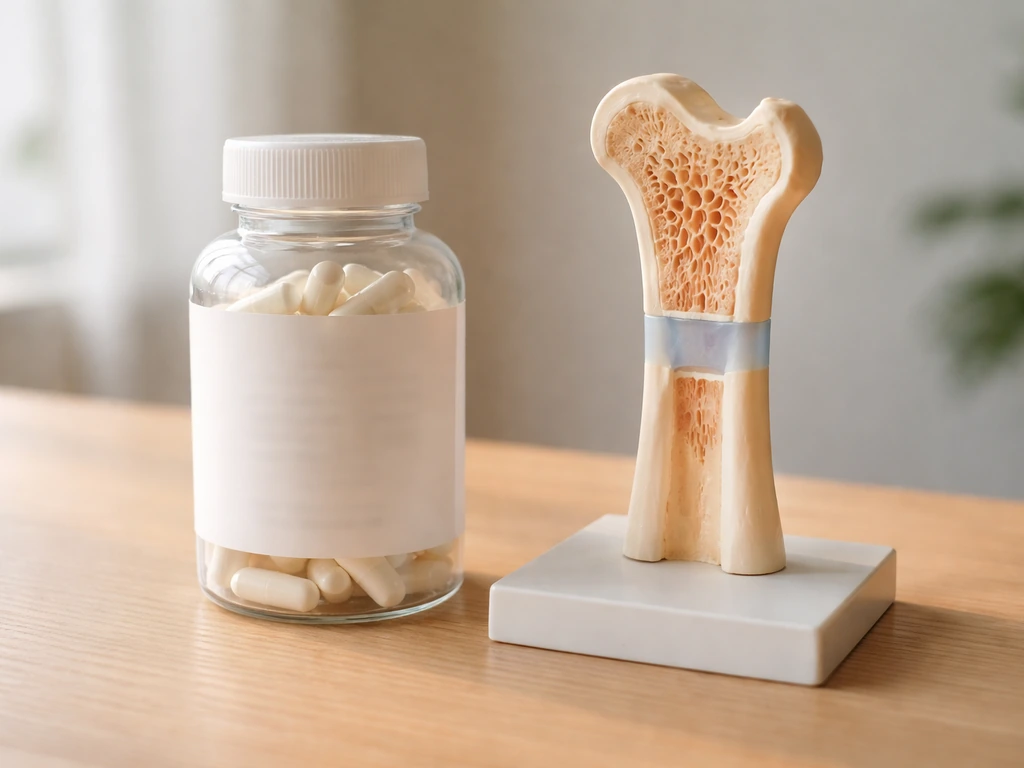
No single amino acid will make you grow taller. What actually matters is getting enough total protein and calories to keep your IGF-1 levels healthy during the years your growth plates are still open. Of all the amino acids studied, arginine has the most direct evidence for supporting the growth hormone axis in children, but even that effect is about supporting normal growth rather than pushing beyond your genetic ceiling. If you're an adult whose growth plates have already fused, no amino acid, supplement, or diet change will add inches to your height.
What Amino Acids Make You Grow Taller

Marcus Reeves
2 Jul 2026
How height growth actually works
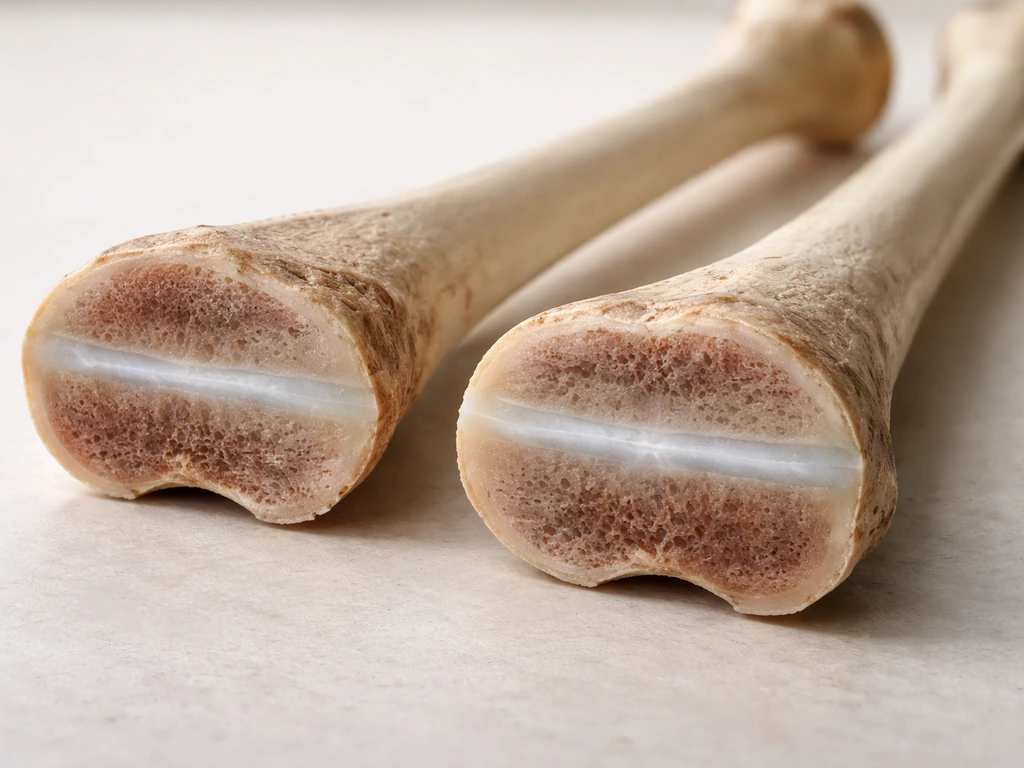
Height comes from your long bones getting longer, and that happens at the growth plates, which are thin cartilage discs near the ends of bones like the femur and tibia. Inside those plates, cartilage cells called chondrocytes multiply, enlarge, and are gradually replaced by bone through a process called endochondral ossification. Growth hormone (GH) from the pituitary gland triggers the liver and local tissues to produce IGF-1, which is the main chemical signal that drives chondrocyte activity and bone elongation.
The catch is that growth plates eventually close. Research using MRI in nearly 1,000 adolescents found that closure follows a predictable sequence and is mostly complete in boys between ages 17 and 20, with variation by site. Once those plates fuse, longitudinal bone growth stops permanently. Puberty accelerates growth but also triggers the hormonal cascade that seals the plates for good. This biology sets a hard ceiling on what nutrition, supplements, or any other intervention can do.
Where amino acids fit in the picture
Amino acids are the building blocks of protein, and protein is essential for growth on several levels. Your body needs adequate dietary protein to synthesize the structural proteins in bone and cartilage, to produce growth hormone, and to maintain IGF-1 levels. Studies in early childhood show a direct link between protein intake and circulating IGF-1 concentrations, and IGF-1 is what drives chondrocyte proliferation in the growth plate.
In a randomized evaluation of early-life protein intake from 6 to 24 months, researchers assessed IGF-1 levels along with body composition and linear growth outcomes, directly linking protein/energy effects to growth markers protein intake in early life as an RCT framework for IGF-1 and growth outcomes.
When protein or calorie intake drops, IGF-1 levels fall too, and linear growth slows. This is the core mechanism: amino acids support growth by keeping the GH/IGF-1 axis functioning properly, not by directly adding height.
The critical word here is deficiency. The growth benefit from amino acids and protein is most reliably seen when correcting undernutrition. In children who are already eating enough total protein and calories, adding more protein or isolated amino acid supplements on top of an adequate diet does not produce meaningful extra height gains. Meta-analyses of nutrition interventions in children over age two confirm this pattern: the gains are real when you're fixing a deficit, and modest to negligible when baseline nutrition is already sufficient.
The amino acids most relevant to growth
Essential amino acids come first

Essential amino acids (EAAs) are the ones your body cannot make on its own: histidine, isoleucine, leucine, lysine, methionine, phenylalanine, threonine, tryptophan, and valine. Because your body depends entirely on diet for these, going short on any one of them limits overall protein synthesis, including synthesis of the hormones and growth factors involved in height development. FAO/WHO scoring frameworks for children's protein needs are built around hitting targets for these indispensable amino acids. Getting enough EAAs through food is a foundation, not an optional upgrade.
Arginine: the one with the most direct evidence
Among all amino acids, arginine has the strongest research connection to the growth hormone axis. Arginine is conditionally essential, meaning your body can produce it but sometimes not in sufficient quantities during growth or illness. A clinical trial in short children found that low-dose oral arginine (4 g per day) increased both baseline and stimulated GH secretion. A large observational study in Copenhagen school children also found a dose-dependent relationship between dietary arginine intake and linear growth. That said, a systematic review notes that arginine's ability to boost GH does not automatically translate into meaningful height gains across all populations, especially those who aren't deficient in the first place.
Glutamine and others: limited direct evidence
Glutamine is another conditionally essential amino acid that gets mentioned in growth contexts, often because it supports gut health and immune function. But a randomized, placebo-controlled trial of glutamine supplementation in growth-faltering infants found no significant improvement in linear growth compared to placebo. That's an important null result. Branched-chain amino acids (leucine, isoleucine, valine) are critical for protein synthesis and frequently marketed for growth and muscle, but direct evidence linking BCAA supplementation to increased height in children is sparse. The pattern is consistent: amino acids matter as part of total protein adequacy, not as standalone height-boosting agents.
| Amino Acid | Type | Evidence for Height/Growth | Best Source |
|---|---|---|---|
| Arginine | Conditionally essential | Modulates GH secretion; observational link to linear growth in children; does not reliably add height above adequate nutrition | Meat, poultry, fish, nuts, seeds, legumes |
| All 9 EAAs (e.g., leucine, lysine, tryptophan) | Essential (must get from diet) | Critical for protein synthesis and IGF-1 support; deficiency limits growth; surplus above adequacy shows minimal extra benefit | Complete protein foods: eggs, meat, dairy, soy, quinoa |
| Glutamine | Conditionally essential | RCT in faltering infants showed no significant linear growth benefit over placebo | Meat, fish, dairy, eggs, cabbage, spinach |
| BCAAs (leucine, isoleucine, valine) | Essential | Important for muscle/protein synthesis; no strong direct evidence for increasing height | Meat, dairy, eggs, legumes |
Getting enough amino acids through food

The most reliable way to cover your amino acid needs for growth is to eat enough total protein from high-quality sources and to make sure you're not under-eating calories overall. Calories matter because if your body is in an energy deficit, it will break down protein for fuel instead of using it for growth and repair. These two things, protein and overall energy intake, work together.
Complete protein foods (eggs, meat, poultry, fish, dairy) contain all nine essential amino acids and are the most efficient option. Plant-based eaters can combine sources like legumes with grains or include soy and quinoa, which are complete on their own. A trial comparing milk protein to rapeseed protein in 7-8 year old children found that protein source can influence growth-related biomarkers, which suggests food quality matters, not just total grams.
Rough daily protein targets by life stage, as a practical starting point:
| Age Group | Approximate Daily Protein Target | Notes |
|---|---|---|
| Children 4-8 years | ~19-20 g/day (minimum) | Higher intakes common in well-nourished settings; focus on food variety |
| Children 9-13 years | ~34 g/day (minimum) | Growth spurts can increase needs; prioritize calorie adequacy too |
| Teens 14-18 years | ~46-52 g/day (minimum) | Boys tend to need more during peak pubertal growth; active teens may need more |
| Adults 19+ years | ~0.8 g/kg body weight/day (minimum) | Height gains no longer possible after growth plate fusion; protein still vital for bone health |
These are minimums. Active kids and teens, or anyone recovering from illness or undernutrition, may need more. If a child is consistently falling short on appetite or is a picky eater, that is worth addressing proactively rather than compensating with supplements alone.
Amino acid supplements: when they help and when they don't
Amino acid supplements, including single amino acids like arginine or blended essential amino acid (EAA) products, are generally safe for most healthy people at reasonable doses. The International Society of Sports Nutrition notes that EAA supplements at doses up to around 15 g are well tolerated in healthy individuals. For arginine specifically, the Mayo Clinic flags potential blood pressure effects and interactions with certain medications, so caution applies if someone is on cardiovascular drugs or blood pressure medication.
Here is where realism matters: if you are already eating adequate protein and calories, adding amino acid supplements on top is unlikely to produce meaningful additional height gain during childhood or adolescence. The growth benefit from amino acids is tied to correcting deficiency or supporting the GH/IGF-1 axis when it's underfueled. Once those needs are met, the law of diminishing returns applies hard.
Supplement quality is also a legitimate concern. The FDA does not pre-approve dietary supplements for safety or effectiveness, and adulteration of supplement products (including amino acid and peptide products) is a documented problem. Some products are marketed as peptides for height, but the evidence for can peptides help you grow taller is limited and quality concerns are a major issue. A JAMA Network Open analysis of FDA enforcement found patterns of pharmaceutical adulteration in supplements. If you're considering amino acid supplements for a child, the risk-benefit calculation shifts significantly, and a clinician should be involved.
- Supplements may help if: there is a confirmed nutritional deficiency, the child has poor appetite or limited dietary variety, a clinician has identified suboptimal protein intake or low IGF-1
- Supplements are unlikely to help if: diet already meets protein and calorie needs, growth plates have fused (adults), or the child is otherwise healthy and well-nourished
- Avoid: high-dose single amino acid supplements in children without medical guidance, products with unclear ingredient lists or quality certifications, and anything marketed with exaggerated height claims
Practical guidance based on your age
Kids and teenagers: growth plates are still open, so nutrition matters now
If you are a child or teen (or a parent of one), this is when protein and amino acid status genuinely affects height potential. The practical focus should be on consistent, adequate food intake: enough total calories, high-quality protein at most meals, and a varied diet that covers micronutrients like zinc, vitamin D, and calcium alongside the macros. Amino acid supplements are not necessary for a child eating a reasonably balanced diet. The biggest real-world risks to reaching genetic height potential are chronic undernutrition, recurrent illness, and untreated hormonal issues, not a specific amino acid gap.
If a child is growing slowly relative to their growth curve, has a poor appetite, or shows signs of nutritional insufficiency, that is a clinical conversation, not a supplement shopping trip. A pediatrician can evaluate IGF-1 levels, growth hormone function, and nutritional status in context. Catching and correcting a true deficiency early has far more impact than any supplement protocol started after the fact.
Adults: growth plates are fused, so the goal shifts
If you are past your late teens and your growth plates are closed, no amino acid or supplement will make you taller. That is not pessimism, it is physiology. What you can do is protect the height you have by maintaining good bone density (protein, calcium, vitamin D, and weight-bearing exercise all help) and improving posture, which can recover a small but real amount of visible height that gets compressed by slouching and spinal compression over time. Adequate protein also supports muscle mass and back strength, which contribute to standing tall.
Some adults exploring this topic may have come across related questions about peptides, L-arginine, or creatine for height. The honest answer is the same across all of them for adults: none of these reliably reopen closed growth plates or restart longitudinal bone growth. The evidence for L-arginine, for example, is grounded in GH modulation during active growth periods, not in adults with fused plates. Redirecting that interest toward bone health and strength is a much better use of effort.
The bottom line on amino acids and height
Amino acids support height growth by fueling the protein synthesis and IGF-1 signaling your growth plates depend on. Arginine has the most direct human evidence for supporting the GH axis during active growth. Essential amino acids as a whole are critical because your body cannot make them and any shortfall limits growth. But there is no amino acid you can add that reliably pushes height beyond your genetic potential, and no supplement that matters if your diet is already adequate.
For kids and teens, the practical priority is simple: eat enough real food, hit your protein targets, don't chronically under-eat, and see a clinician if growth looks off. For adults, the height ship has sailed, but amino acids and protein are still worth caring about for bone health, posture, and long-term strength.
FAQ
If arginine or BCAAs are important, can I just add them to make a child grow faster?
Most “growth” products either add amino acids that you can already obtain from food, or they try to mimic the same GH/IGF-1 support. If your child is already eating enough protein and calories, adding more grams usually will not translate into extra height because growth plates determine the endpoint.
What’s the biggest mistake people make when trying to use amino acids for height?
A common mistake is chasing a single amino acid while total protein and overall energy are low. The most useful next step is to review protein distribution across the day (aim for protein at multiple meals) and correct any calorie deficit first, because IGF-1 tends to drop when energy intake is insufficient.
Can someone get enough protein but still be “missing” the amino acids needed for growth?
Yes. It is possible to meet daily protein grams but still under-supply essential amino acids if the diet is very limited or relies on low-quality protein. For practical screening, check whether the diet regularly includes complete protein sources (or, for plants, compatible combinations like legumes plus grains or soy and quinoa).
How do I know whether slow height is due to nutrition versus an underlying medical issue?
If growth is slow, talk to a clinician before starting supplements. Doctors may use height velocity (how many centimeters per year), growth curve assessment, and sometimes labs such as IGF-1 and thyroid markers to determine whether the issue is nutrition, puberty timing, endocrine problems, or another cause.
Does it matter when or how often amino acids are taken, or is daily total all that counts?
For children and teens, the key is consistent intake over weeks to months, not a one-time “extra dose.” If a child’s appetite is poor, pairing protein with calorie-dense options and addressing feeding issues can matter more than adding an amino acid powder.
Are amino acid or peptide supplements safe and trustworthy enough to try?
Yes, supplement quality is a real edge case. Some products, including “peptide” height claims, have been found to be adulterated. If a family chooses supplements for a specific medical reason, using reputable brands with third-party testing and involving a clinician is the safer approach.
What can adults realistically do instead if supplements do not reopen growth plates?
Adult height increases from amino acids are not expected because growth plates are typically closed after late teens. What can improve in adults is posture and spinal loading, where adequate protein supports muscle strength in the back and core, which can make height look better rather than change bone length.
What are the main safety concerns with L-arginine or essential amino acid supplements for kids?
If supplementation is considered for a child, dosing should be individualized and conservative. Even when “generally tolerated,” side effects can include gastrointestinal upset, and safety can change with medical conditions, especially for arginine in people with blood pressure issues or on related medications.
What if my child is vegetarian or has a limited diet, can amino acids still cover them?
If a child is on a restrictive diet, the risk is that protein or essential amino acids fall short even if calories look okay. A dietitian can help ensure adequate complete protein patterns, micronutrients like calcium and vitamin D for bone health, and enough total energy to support growth.
Is it better to get amino acids from food or from supplements when growth is a concern?
It depends. Protein from food tends to come packaged with micronutrients and supports satiety and overall intake, which indirectly helps IGF-1 through better energy balance. Supplements can be a tool for short-term gaps, but they are usually not a substitute for fixing underlying undernutrition.
Next Article
Does L-Arginine Help You Grow Taller? Evidence and Safety
Evidence on whether L-arginine can increase height, its biology, limits by growth plates, and safe, better alternatives.