
L-arginine is not going to make you taller. There is no convincing evidence that taking L-arginine supplements produces meaningful height gains in healthy children, teens, or adults. The one clinical area where arginine has shown any height-related signal at all is prepubertal children with idiopathic short stature, and even there, a 2026 systematic review and meta-analysis found the benefit was small (roughly 0.59 cm per year extra growth velocity) and statistically uncertain at 12 months. For adults with closed growth plates, the question is essentially moot from a biology standpoint. L-arginine plays real roles in the body, and it does touch some growth-related pathways, but touching a pathway is not the same as moving a clinically relevant dial.
Does L-Arginine Help You Grow Taller? Evidence and Safety

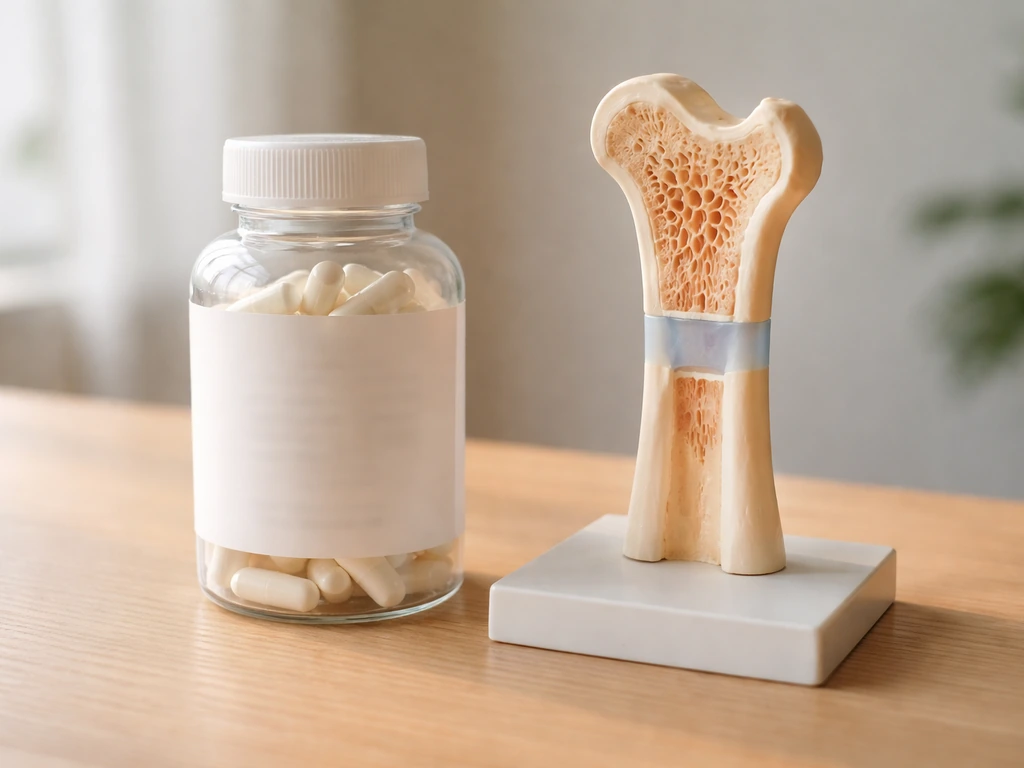
What L-arginine is and what it actually does
L-arginine is a conditionally essential amino acid, meaning your body can make it under normal circumstances but may need dietary or supplemental sources during times of illness, injury, or rapid growth. You get it from protein-rich foods like meat, poultry, fish, dairy, and nuts. Its most discussed physiological role is as the primary substrate for nitric oxide (NO) synthesis. The enzyme nitric oxide synthase converts L-arginine into citrulline and NO, which causes blood vessels to relax and dilate. This is why arginine is marketed heavily for gym performance and cardiovascular support.
But arginine does not just funnel into NO. It also enters the urea cycle, where the enzyme arginase competes with nitric oxide synthase for the same substrate, producing urea and L-ornithine instead. That competition matters because it limits how much arginine actually gets converted to NO, especially in inflammatory conditions. Arginine also connects to the GH/IGF-1 axis, specifically by blunting the normal inhibitory feedback that IGF-1 exerts on growth-hormone-releasing hormone (GH-RH) sensitivity. In simple terms, arginine can nudge the neuroendocrine signaling involved in growth hormone release, which is how it came to be studied in height contexts.
How height growth actually works
Height increases because of what happens inside your growth plates, which are cartilaginous zones near the ends of your long bones. Chondrocytes (cartilage cells) in the growth plate proliferate, enlarge, and deposit extracellular matrix; that process is what physically lengthens the bone. Growth hormone stimulates the liver (and local tissues) to produce IGF-1, which drives chondrocyte hypertrophy and matrix production. Thyroid hormone, vitamin D, sex steroids, and glucocorticoids all modulate growth plate behavior too. The growth plate is genuinely endocrine-responsive tissue.
The catch is that growth plates have a biological expiration date. As puberty progresses, rising estrogen levels (in both males and females) trigger a process called epiphyseal fusion, where the growth plate gradually hardens into bone and longitudinal growth stops permanently. This is why precocious puberty causes short stature: the growth plates fuse early, cutting off years of potential growth. Once fusion is complete, no supplement, hormone, or intervention can reopen those plates and add height. The window for meaningful height intervention is childhood and early adolescence, and even within that window, the endocrine environment does most of the deciding.
Does L-arginine affect height in children and teens?

This is where the science is at least worth examining. There is a plausible biological story: arginine modulates GH release through neuroendocrine pathways, rat studies have shown that oral arginine for 28 days increased growth plate width and elevated serum GH (though animal data does not translate directly to humans), and IV arginine infusion is actually used clinically as a GH stimulation test in children. So the link between arginine and the GH/IGF-1 axis is not invented.
The problem is that plausible mechanism does not equal clinical benefit. The best available human evidence on this is that 2026 systematic review and meta-analysis specifically examining oral arginine as a treatment to improve height in prepubertal children with idiopathic short stature. A Nutrition Reviews systematic review reports that short-term arginine supplementation may lead to adverse gastrointestinal and cardiovascular effects, while also highlighting evidence gaps [may result in adverse gastrointestinal and cardiovascular effects](https://academic. oup.
com/nutritionreviews/article/74/11/708/2281654). It found a statistically significant effect on growth velocity when pooling 6-month and 12-month data (SMD 0. 66, about 0. 59 cm per year), but the 12-month data alone was not statistically significant, and the effect size was small.
More importantly, this is a specific clinical population (children with unexplained short stature, not average-height kids), so extrapolating those findings to a healthy teen who wants to be taller is not scientifically justified.
The GH response question adds another layer of uncertainty. A 2022 systematic review and meta-analysis found that L-arginine can modulate GH release mechanisms, but that effects on GH levels were not significantly different between adults and children in pooled analysis, and some individual studies showed no increase in plasma GH after arginine supplementation at all. Inconsistent GH responses across trials mean the endocrine mechanism that would logically connect arginine to growth is not reliably activated by oral supplementation.
What about adults? Can L-arginine add height after puberty?
No. Once your growth plates are fused, which typically happens in the late teens to early 20s (somewhat earlier in females than males due to estrogen dynamics), height cannot increase through any nutritional or supplementation strategy. The bone architecture is set. L-arginine supplementation in adults has been studied mostly in athletic performance and cardiovascular contexts, and even there the results are underwhelming: one trial in young men found that bolus arginine supplementation affected neither muscle blood flow nor muscle protein synthesis at rest or after resistance exercise. There is no human trial showing adult height gains from arginine, because the biology makes that outcome impossible regardless of the supplement.
If you are an adult and you feel you are shorter than you should be, the more useful conversation is with a clinician who can assess whether any underlying endocrine issue was missed during development. That is not a supplement question.
What actually helps maximize height potential

The evidence-based levers for height are not glamorous, but they are real. They work by supporting the endocrine environment and growth plate biology during the window when that biology is still active. None of them are supplements in the conventional sense. Many people ask what amino acids make you grow taller, but for height the bigger limits are growth plate timing, hormones, and overall nutrition.
Adequate nutrition across the board
Protein deficiency stunts growth, and overall caloric insufficiency is one of the most reliable ways to reduce height potential. L-arginine as an isolated supplement is a thin solution to a broad nutritional requirement. If diet is poor, fixing total protein and caloric intake matters far more than supplementing one amino acid. This applies equally to the full amino acid profile; other amino acids that contribute to growth-related tissue synthesis are just as important to get from whole food sources.
Micronutrient status: vitamin D, zinc, and calcium
Vitamin D is a direct modulator of growth plate biology. Zinc deficiency is one of the more documented nutritional causes of growth retardation in children. Calcium supports bone mineralization. Getting these from food and correcting deficiencies with targeted supplementation is a legitimate strategy during childhood and adolescence; this is fundamentally different from taking an ergogenic amino acid supplement hoping it triggers growth.
Sleep: where GH actually gets released
The majority of growth hormone secretion in children and adolescents happens during slow-wave sleep. If you want to support the GH/IGF-1 axis, consistent, adequate sleep is a far more reliable lever than anything in a supplement bottle. Chronically short or disrupted sleep in growing children genuinely impairs the endocrine environment that drives height.
Physical activity and resistance exercise
Regular physical activity supports healthy GH secretion and overall metabolic health during development. The concern that resistance training stunts growth in children is not supported by evidence when programming is age-appropriate. Sedentary behavior, on the other hand, is associated with worse metabolic and endocrine health across the board.
Addressing endocrine issues clinically
If a child or teen is growing significantly below the expected curve, the right step is a clinical evaluation, not self-supplementation. Growth hormone deficiency, hypothyroidism, and other endocrine disorders are diagnosable and often treatable. Recombinant human GH therapy, when indicated and administered under specialist care, does produce meaningful height outcomes in children with documented GH deficiency or certain other conditions. That is an endocrine intervention done with a prescription and monitoring, which is categorically different from an over-the-counter amino acid.
L-arginine vs. other supplements commonly linked to height
L-arginine often gets grouped with other supplements that people associate with height or growth, including protein powders, creatine, and various amino acids or peptides. Peptides are sometimes marketed as height boosters, but the evidence is similarly limited when growth plate biology and genetics are the real constraints. Creatine is mainly known for improving strength and training performance, not for increasing height.
The mechanisms differ, but the general conclusion is similar across these categories: none has strong evidence for producing height gains in healthy individuals, and none can override the biological constraints imposed by growth plate status and genetics. The most defensible role for any supplement is correcting a documented deficiency or supporting overall nutritional adequacy, not directly triggering growth.
Safety, dosing, and who should be cautious
If you are considering L-arginine for any reason, the safety profile is reasonably well characterized at moderate doses. Doses up to around 9 grams per day are generally considered safe for short-term use of several weeks. At higher doses or with prolonged use, the risk of side effects increases.
- Gastrointestinal effects (nausea, diarrhea, bloating) are the most common complaints, particularly with higher doses.
- L-arginine can lower blood pressure, so combining it with antihypertensive drugs, diuretics, or blood-pressure-lowering supplements significantly increases the risk of hypotension.
- People with a history of herpes simplex virus should use caution because arginine is associated with viral replication in some contexts.
- Children and adolescents should not self-supplement with L-arginine outside of clinical supervision; the research in prepubertal children with idiopathic short stature was conducted under medical oversight, not as DIY supplementation.
- Anyone on medications for blood pressure, heart conditions, or erectile dysfunction (like PDE5 inhibitors, which also affect NO pathways) should consult a clinician before using L-arginine.
- Supplement quality is a genuine concern: the dietary supplement market is not tightly regulated, and label accuracy varies widely.
The framing matters here: L-arginine is not uniquely dangerous, but it is also not a benign "height booster" you can take freely. If the goal is height, the risk-benefit calculation is straightforward: the potential height benefit in most users is essentially zero, and the side effect profile is non-trivial at higher doses.
The honest bottom line
L-arginine has a genuine physiological story that connects it loosely to growth hormone pathways, and there is a small signal in prepubertal children with idiopathic short stature, but that signal is clinically modest and does not translate to height gains in healthy children, teens who are growing normally, or adults with fused growth plates. The biology of height is governed by growth plate status, endocrine function, genetics, and overall nutritional adequacy.
None of those are meaningfully moved by an amino acid supplement. If you are a parent of a child who seems to be growing slowly, talk to a pediatric endocrinologist. If you are a teen or adult wanting to be taller, focus on sleep, consistent nutrition, and physical activity during whatever growth window remains. That is where the real levers are.
FAQ
If I take L-arginine, can it help me grow taller if I am already a teen?
Probably not. Even though L-arginine can influence nitric oxide and may affect growth-hormone signaling in some studies, there is no good evidence that it meaningfully increases bone length in healthy children, teens, or adults.
Does L-arginine help only kids with certain medical conditions, or can any child use it to get taller?
In people with open growth plates, there is a chance a small effect could exist in very specific cases, such as prepubertal children with idiopathic short stature. It is not the same as a height-booster for otherwise healthy kids who are tracking normally.
Why does L-arginine affect growth-hormone pathways but still not reliably increase height?
Yes, a risk is assuming “more GH” automatically equals “more height.” Studies show mixed or inconsistent growth-hormone responses after arginine supplementation, so boosting a pathway does not reliably translate into higher growth velocity.
What should parents do instead of trying L-arginine if a child seems short?
Because timing and diagnosis matter. If a child is growing significantly below their expected curve, the first step is a pediatric evaluation (often including endocrine labs and growth-plate assessment), not starting an over-the-counter amino acid regimen.
Is there a way to tell whether L-arginine could work for height based on growth plates being open?
Growth plate fusion is the limiting factor. For many people, fusion occurs in late teens to early adulthood, with some variation by sex and individual development, but once fused, no supplement can reopen plates to add height.
If my diet is poor, is L-arginine a good alternative to improving protein and calories?
It can be appropriate if it corrects a demonstrated deficiency or supports overall nutrition, but L-arginine is not a stand-alone fix if calories or total protein are low. In growth, total intake patterns and key micronutrients often matter more than one amino acid.
Are there common mistakes people make when using L-arginine for height, especially long-term?
Yes. Very high doses, or long-term use without medical guidance, increases the likelihood of side effects. Also, using supplements to “self-treat” endocrine problems can delay diagnosis of treatable conditions like hypothyroidism or growth hormone deficiency.
Can I use the same idea as medical arginine testing or infusion to improve height at home?
L-arginine may be used as part of medical protocols for specific purposes, but oral “height” dosing is different from a supervised clinical plan. If you are considering it for a child or if there is any growth concern, discuss dosing and suitability with a clinician first.
What if I am taking other growth-related supplements along with L-arginine?
L-arginine is unlikely to be the main issue, but supplement stacking can increase complexity and risk. If someone already uses multiple amino acids or peptides, it is easy to overdo dosing and miss the real drivers (sleep, protein adequacy, micronutrients, and endocrine evaluation).
What are the most evidence-based next steps if my goal is to maximize height potential?
Start by improving the fundamentals. For height potential during remaining growth years, consistent sleep, meeting protein and calorie needs, maintaining adequate vitamin D, zinc, and calcium status, and staying active are more evidence-aligned than adding L-arginine.
Can Peptides Help You Grow Taller? Evidence, Limits, Next Steps
Evidence on whether peptides can help you grow taller, limits for adults, risks, and next steps for height potential.