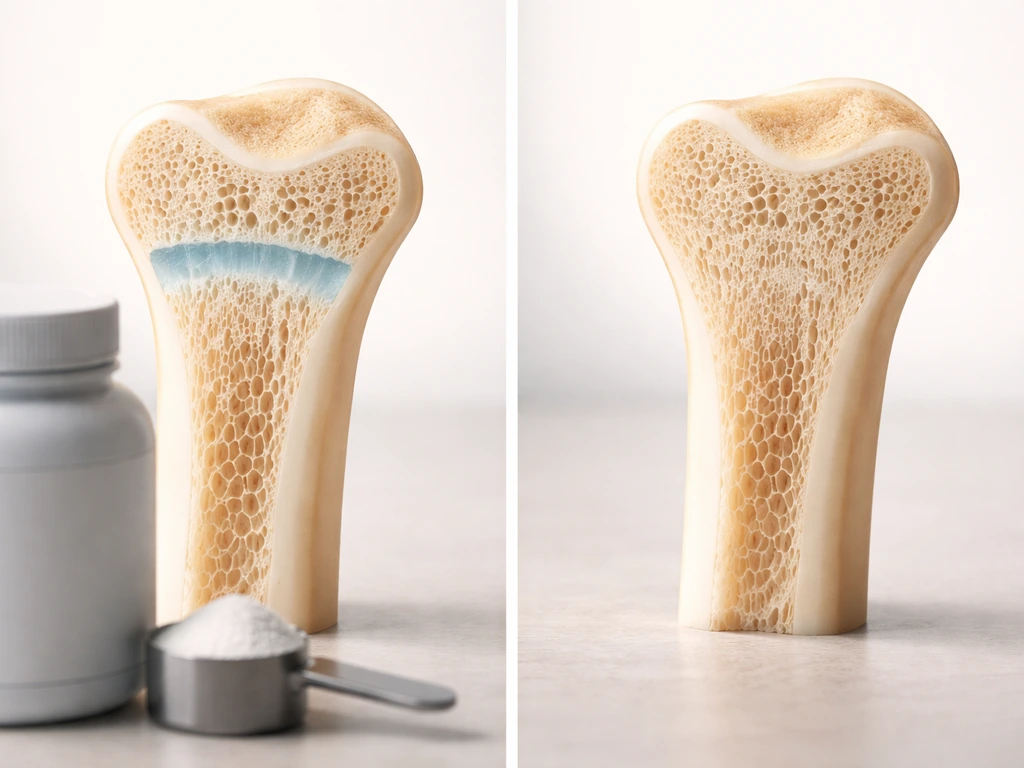
For most people, especially adults, peptides will not make you taller. Height growth depends entirely on open growth plates, and once those close in your late teens or early twenties, no peptide, hormone, or supplement changes your bone length. The one real exception is a narrow medical scenario: children or adolescents with a diagnosed growth hormone deficiency or specific growth disorder can, under careful clinical supervision, benefit from prescription growth-related peptides or growth hormone therapy. For everyone else, the online market for "height-boosting" peptides is a mix of hype and genuine safety risk.
Can Peptides Help You Grow Taller? Evidence, Limits, Next Steps

Marcus Reeves
12 May 2026
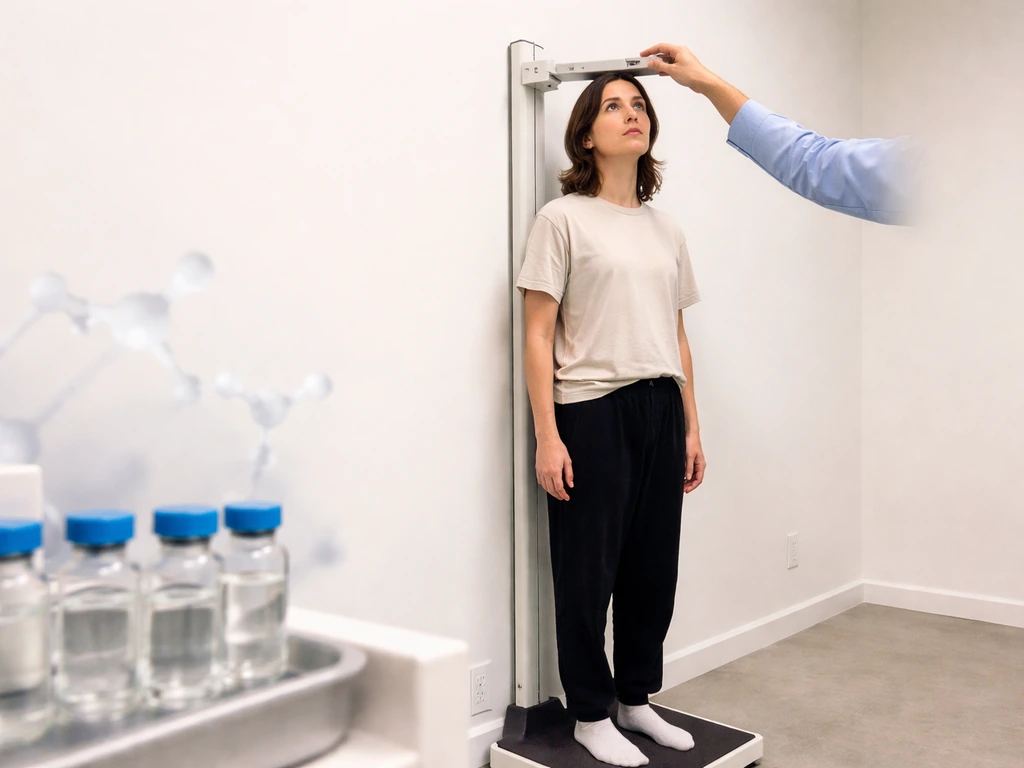
What peptides are and why people think they can increase height
Peptides are short chains of amino acids, the same building blocks that make up proteins. In the context of height and growth, two categories get most of the attention. First are growth hormone secretagogues (GHS), which include compounds like GHRP-2 and GHRP-6. These signal the pituitary gland to release more growth hormone (GH). Second are IGF-1 pathway agents, including mecasermin (recombinant IGF-1), which act downstream of GH to stimulate tissue growth directly. A third category worth mentioning is growth hormone-releasing factor (GHRF) analogs like tesamorelin, which is FDA-approved, but only for reducing excess abdominal fat in HIV-infected adults with lipodystrophy, not for height.
The logic behind using these peptides for height sounds superficially reasonable: more GH means more IGF-1, IGF-1 stimulates bone and cartilage growth, therefore more IGF-1 equals more height. This chain of reasoning is biologically real in children with genuine GH deficiency. The problem is that it ignores the single biggest variable: whether your growth plates are still open.
Growth plates 101: why age is everything
Long bones grow at the epiphyseal plates, also called growth plates, which are cartilaginous zones near the ends of bones. During childhood and adolescence, these plates produce new cartilage cells that calcify and extend the bone. Once puberty ends, rising sex hormone levels cause the plates to fuse and ossify completely. After that, the bone is solid from end to end and no longer capable of longitudinal growth.
In females, hand and wrist epiphyses are typically closed by around age 17. In males, that process is usually complete by around age 19, though long bones can continue growing until approximately age 18 in females and age 21 in males. These are population averages, and individual timing varies depending on puberty onset, nutrition, and genetics. But the bottom line is the same: after epiphyseal closure, you are done growing taller, regardless of what you take.
This creates a sharp divide in how any growth-related peptide or therapy actually works. In a child or younger adolescent with open growth plates and a hormonal deficiency driving slow growth, increasing GH or IGF-1 activity can genuinely accelerate linear growth and improve final adult height. In an adult with fused plates, raising GH or IGF-1 levels does not rebuild that machinery. It can change body composition, bone density, and soft tissue, but it cannot push bone ends further apart.
What the evidence actually says about peptides and height

In children and adolescents with diagnosed deficiencies
This is where legitimate evidence exists. Children with growth hormone deficiency (GHD) typically respond well to somatropin (recombinant human GH) treatment, and the Endocrine Society notes they can often reach normal adult height with appropriate therapy. Diagnostic criteria for childhood GHD include height more than 2 standard deviations below the mean combined with growth velocity more than 1 SD below the mean over a year, among other factors. In Turner syndrome, guidelines recommend starting GH therapy early, ideally around ages 4 to 6, because earlier initiation is associated with greater height gain.
Mecasermin (Increlex), which is recombinant IGF-1, has an FDA-approved role for severe primary IGF-1 deficiency in children. Combined GH and GnRH analog therapy also has systematic review evidence supporting its use in specific pediatric conditions like central precocious puberty, where early puberty threatens to close growth plates too soon. These are all clinician-diagnosed, carefully monitored protocols. None of this translates into "take a peptide and get taller" for a healthy teenager or adult.
In healthy children and adolescents without deficiencies
The evidence for using GH or IGF-1 pathway peptides in children who are simply short but otherwise healthy is thin and contested. Guidelines from NICE and the Endocrine Society frame GH therapy around diagnosed deficiency or specific conditions, not around the desire to be taller. There is no credible clinical evidence that giving GHRPs or similar peptides to a healthy, GH-sufficient child or teen produces meaningful additional height.
In adults

For adults, the honest answer is: peptides will not make you taller. Creatine also does not have credible evidence showing it can increase adult height creatine can increase height. The Endocrine Society's guidance on adult GH deficiency is explicit that GH replacement in appropriately diagnosed adults targets body composition, skeletal integrity, exercise capacity, and quality of life, not height. Once linear growth is complete, the mechanism simply does not exist. GHRPs like GHRP-2 and GHRP-6, which stimulate GH release, have no established height benefit in adults and have not been approved for any indication related to stature.
Risks, safety concerns, and the legal reality
This is where things get serious. Most of the peptides marketed for height online are sold as "research use only" products, but the FDA has made clear that labeling a product for research does not exempt it from drug regulations if it is clearly intended for human use. In a December 2024 warning letter, the FDA cited a vendor for marketing peptides this way and referenced the requirement that new drugs cannot be introduced into interstate commerce without an approved application.
Compounded versions of GHRP-2 and GHRP-6 have also drawn FDA enforcement attention. In a 2019 warning letter, FDA cited a pharmacy for compounding products using these peptides because they were not components of FDA-approved human drugs and were not on the 503A bulks list, making them ineligible for compounding exemptions. The FDA also has the authority to take enforcement actions including seizure and injunction against non-compliant compounded products. The DEA has separately warned that buying prescription-type drugs online without valid prescriptions can be illegal and dangerous.
Beyond legality, there are real physiological risks. Even FDA-approved mecasermin carries a black-box style warning for hypoglycemia, particularly when starting treatment, requiring that it be given shortly before or after a meal or snack. GH manipulation in GH-sufficient adults increases insulin resistance, a metabolic concern flagged in the Endocrine Society's clinical practice guideline. GH and IGF-1 axis stimulation also carries theoretical concerns around promotion of existing tumors or abnormal tissue growth, which is why GH products carry explicit contraindications in people with active malignancy. For unregulated, untested peptide products purchased from research vendors, none of this safety monitoring happens.
Who might actually benefit from prescription growth-related peptides
There is a real and legitimate role for growth-related peptide therapy, but it is narrow, diagnosis-dependent, and always clinician-managed. The people who can genuinely benefit include children with confirmed growth hormone deficiency, children with blank" rel="noopener noreferrer">Turner syndrome or other specific growth disorders, children with severe primary IGF-1 deficiency who qualify for mecasermin therapy, and adults with diagnosed adult-onset GH deficiency (for non-height reasons like body composition and bone health). Adults with HIV-associated lipodystrophy may qualify for tesamorelin, but again, this is not a height therapy.
None of these are DIY protocols. They involve baseline labs, imaging (often bone age X-rays), endocrinology evaluation, and ongoing monitoring. NICE guidelines specify, for example, stopping or reassessing GH therapy when growth velocity falls below 2 cm per year or when bone age thresholds are reached.
For adults with growth hormone deficiency, NICE TA064 recommends stopping GH treatment once linear growth is complete (growth rate <2 cm/year) and reassessing GH status after 2 to 3 months stopping or reassessing GH therapy when growth velocity falls below 2 cm per year.
Humatrope prescribing information ties continuation decisions to bone age exceeding 15 years in boys and 14 years in girls combined with a growth rate below 2 cm per year. This level of clinical oversight cannot be replicated by self-dosing.
Evidence-based ways to maximize your height potential right now
If you still have open growth plates (typically if you are a teenager who has not yet completed puberty), the most effective strategy is giving your body everything it needs to grow as well as it possibly can. This is where nutrition, sleep, and activity matter a lot, and they do not carry the risks of unregulated peptides.
- Sleep: Growth hormone is released in pulses during deep sleep. Consistently getting 8 to 10 hours per night during adolescence is one of the most underappreciated factors in normal growth. Chronic sleep deprivation blunts GH secretion.
- Protein and calories: Adequate protein intake supports IGF-1 production and tissue growth. Undernutrition is one of the most common causes of growth stunting worldwide. Aiming for sufficient total calories and quality protein sources (like those discussed in relation to protein and height) gives growing bodies the raw materials they need.
- Micronutrients: Zinc, vitamin D, and calcium are especially important for bone development. Deficiencies in any of these can impair normal skeletal growth.
- Weight management: Both obesity and being underweight negatively affect epiphyseal maturation and growth velocity. Maintaining a healthy body weight supports normal puberty timing and growth patterns.
- Impact and resistance exercise: Weight-bearing activity and resistance training support bone density and healthy skeletal development. This does not make you taller per se, but it optimizes the skeletal framework you are building.
- Posture and spinal alignment: For adults who have finished growing, improving posture (particularly reducing thoracic kyphosis and forward head posture) can recover 1 to 2 cm of perceived and measured standing height. This is not bone growth, but it is real and measurable.
Amino acids, including arginine (sometimes promoted for its GH-stimulating properties), are worth understanding in context. While there is some evidence that amino acids influence GH and IGF-1 pathways, the effect in healthy, well-nourished individuals is modest and unlikely to translate into meaningful extra height. The fundamentals of sleep, total nutrition, and physical activity provide far more reliable returns.
Your practical next steps

First, figure out where you actually stand
Before doing anything else, gather the relevant information. Plot your height on a growth chart relative to your age and sex. Compare your current height to your mid-parental height target (add mom and dad's height, add 5 inches for boys or subtract 5 inches for girls, divide by 2). Look at your growth history over the past year: have you grown more or less than expected? Think about your puberty stage: if you are still early in puberty, you likely have meaningful growth remaining. If puberty is complete, linear growth is finished or nearly so.
When to talk to a doctor
A conversation with a clinician (ideally a pediatric endocrinologist for children and teens, or an endocrinologist for adults) is warranted if a child's height is more than 2 standard deviations below average for their age and sex, if growth velocity has been below the 25th percentile for bone age, if there is a family history of growth hormone deficiency or related conditions, or if puberty seems significantly delayed or early. A clinician can order a bone age X-ray (left hand and wrist), serum IGF-1 and IGFBP-3 levels, and other labs to determine whether there is a diagnosable underlying cause. This is the only legitimate pathway to any prescription growth therapy.
A comparison of the main options
| Approach | Who it applies to | Evidence for height | Risk level | Practical recommendation |
|---|---|---|---|---|
| Prescription GH therapy (somatropin) | Children/teens with diagnosed GHD or specific conditions | Strong, within medical indication | Moderate (requires monitoring) | Pursue through endocrinologist if clinically indicated |
| Mecasermin (IGF-1 therapy) | Children with severe primary IGF-1 deficiency | Established within indication | Moderate to high (hypoglycemia risk) | Prescription only, specialist-managed |
| GHRP-2, GHRP-6 (unregulated peptides) | Marketed to anyone; no approved indication | No credible evidence for height in adults; unapproved | High (unregulated, legal risk, unknown purity) | Avoid |
| GH secretagogues from online vendors | Marketed broadly | No established height benefit | High (illegal importation risk, FDA enforcement) | Avoid |
| Nutrition, sleep, exercise optimization | Children, teens, and adults | Strong for maximizing natural potential | Very low | Start immediately, regardless of age |
What to say to your doctor
Keep it straightforward. Tell your doctor you are concerned about height (or your child's height), share a growth history if you have one, and ask specifically about bone age assessment and IGF-1 levels. Ask whether height velocity over the past year is within normal range for your bone age. If a referral to a pediatric endocrinologist is appropriate, ask for one. What you do not need to do is walk in mentioning specific peptides you read about online. Focus on the symptom and the question, and let the diagnostic workup tell the story.
The bottom line is that peptides are not a shortcut to height. For a narrow group of children and adolescents with real hormonal diagnoses, prescription therapies involving the GH-IGF-1 axis are legitimate and effective when managed by specialists. For healthy adults, or even healthy teenagers without a diagnosed deficiency, the evidence simply is not there, and the risk from unregulated products is real. If you still have growing to do, maximize the fundamentals. If growth plates are closed, focus on posture and overall health. And if there is a genuine clinical concern, get an evaluation rather than ordering something from a research peptide website.
FAQ
How can I tell if my growth plates are still open without guessing my age?
The most practical option is a clinician-ordered bone age X-ray (often left hand and wrist). Bone age is used alongside growth history and puberty stage to estimate remaining height potential. Age averages (like “growth plates close by 17 to 19”) can miss individual variation, especially with early or delayed puberty.
If a teen is “short,” is that automatically growth hormone deficiency?
Not necessarily. Many short teens are constitutionally short or have delayed puberty, and those cases usually do not benefit from GH or IGF-1 pathway peptides. A proper workup looks at height percentile plus growth velocity over time, then labs such as IGF-1 and IGFBP-3, and sometimes thyroid and other screening tests to find the cause.
What growth measurements should I track before seeing an endocrinologist?
Track measured height over at least 12 months, ideally using the same technique and timing (for example, morning measurements). Also note puberty timing (Tanner stage if available) and any weight changes. Clinicians use growth velocity, not just a single height number, to decide whether further testing is needed.
Are there any situations where peptides might help an adult indirectly even if they cannot increase height?
Yes, but only for specific medical indications. For example, GH-related therapy for diagnosed adult GH deficiency targets things like body composition, bone health, and exercise capacity. It should be framed as a health treatment, not a stature plan, and it requires diagnosis and monitoring.
What are the most common reasons people buying “height peptides” end up disappointed?
The main reason is that most buyers are GH-sufficient adults or teens with closed or nearly closed plates, so there is no mechanism to lengthen bones. A secondary issue is product variability: “research use” or compounded peptides may not match labeled dosing, and contamination or incorrect formulation can undermine any expected effect while increasing risk.
Do nutrition supplements, amino acids, or arginine improve height in people who are already healthy?
In well-nourished, healthy people, any effect of amino acids on the GH and IGF-1 axis is usually modest and unlikely to produce meaningful additional adult height. The higher-yield priorities are adequate total calories and protein for your age, consistent sleep, and regular activity, because these support normal growth physiology rather than pushing hormonal pathways.
If I am considering a prescription GH or IGF-1 treatment, what monitoring should I expect?
Expect baseline and follow-up labs (commonly IGF-1, glucose, and other safety markers), periodic clinical assessments, and decisions based on growth velocity and bone age changes. If therapy is stopped due to slowing growth or reaching bone age thresholds, clinicians reassess rather than continuing indefinitely.
Can “bone age” testing be misleading or inaccurate?
It can be, because bone age interpretation has some inter-reader variability and depends on correct imaging technique. That is why clinicians combine bone age with height velocity, puberty assessment, and lab results instead of relying on a single X-ray result to decide treatment.
What signs should trigger urgent medical evaluation for a child’s growth?
Consider prompt evaluation if a child’s growth seems to slow rapidly, crosses multiple percentile lines, has symptoms suggesting endocrine disease (severe fatigue, appetite or weight changes, headaches or vision changes), or if puberty timing is unusually early or late. These situations can reflect treatable causes beyond simple “being short.”
Is it safe to try online peptides if they are “not approved” but supposedly “pharmaceutical grade”?
Safety is not assured. “Research use only” labeling does not make human use regulatory-compliant, and unapproved peptides lack the quality control, dosing verification, and medical monitoring required for prescription products. Even when hormone pathways are involved, risks like blood sugar changes and tissue growth concerns can occur, so self-experimentation is not a safe substitute for supervision.
What should I say to my doctor if I am worried about height but I do not know the cause?
Focus on the problem and your data: share height measurements, growth velocity over the past year, family heights, timing of puberty signs, and any medical history. Ask directly whether bone age and IGF-1 (and related screening labs) are appropriate, and whether a pediatric endocrinology referral is warranted. You do not need to lead with specific peptide names.
Next Article
Does Creatine Help You Grow Taller? Evidence and What to Do
Clear verdict on whether creatine can increase height, why it cannot, and age-specific steps to maximize growth potentia