
Eating meat can support normal height growth in children and teens, but it won't make you taller on its own, and it does nothing for height in adults. What meat actually does is supply protein, iron, zinc, B12, and other nutrients that your body needs to grow properly during the years when growth is still possible. If you're deficient in those nutrients and you start eating meat (or more of it), you might grow closer to your genetic potential. But if you're already well-nourished, adding more meat doesn't unlock extra height. And once your growth plates close, usually by your late teens, no food can make you taller.
Does Eating Meat Make You Grow Taller? Evidence and Tips

Marcus Reeves
18 Jun 2026
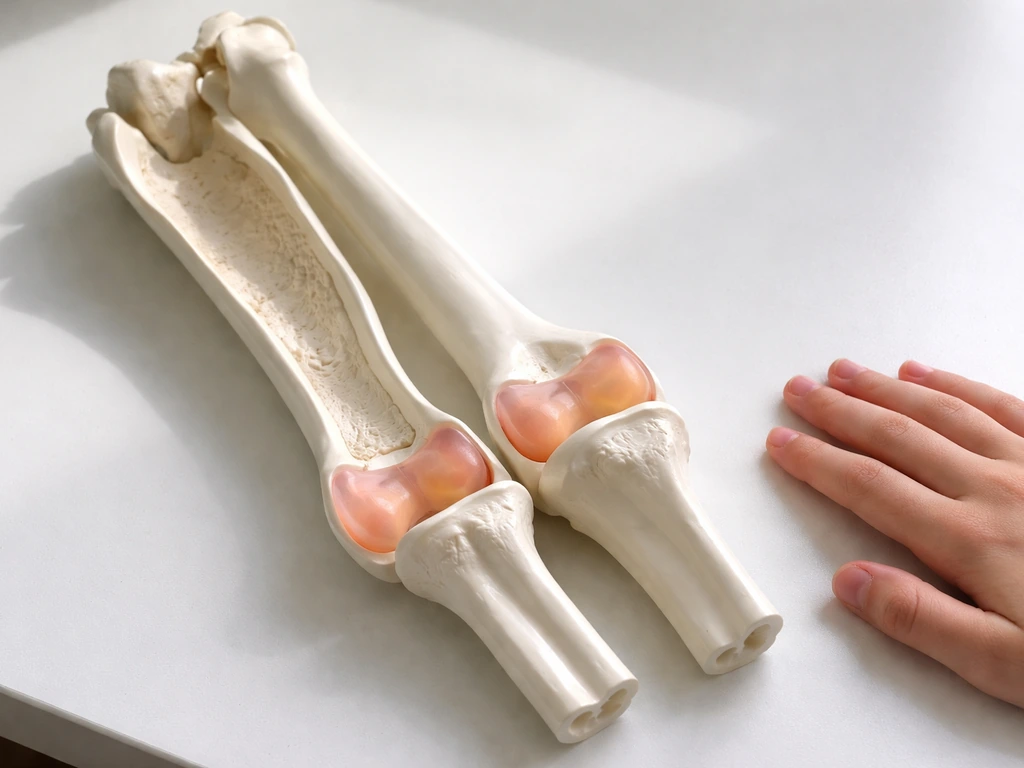
How height actually happens (it's not about any single food)
Height is determined by what happens at your growth plates, which are thin zones of cartilage located near the ends of your long bones, like the femur and tibia. During childhood and puberty, these plates produce new bone tissue, pushing the bone longer and making you taller. That process is driven primarily by growth hormone and IGF-1, with sex hormones like estrogen and testosterone playing a big role during puberty. When puberty ends, those hormones signal the growth plates to fuse and harden into solid bone, ending linear growth for good.
Genetics sets the ceiling. Research consistently shows that about 60 to 80 percent of adult height variation comes down to your genes. But here's the part that actually matters for diet: genetics sets the ceiling, and nutrition determines how close you get to it. A child who is chronically undernourished or deficient in key nutrients may fall significantly short of their genetic height potential. That's where food, including meat, becomes genuinely important.
Sleep and physical activity also play real roles during growing years. Deep sleep triggers the largest daily pulse of growth hormone, which is why adequate sleep in childhood and adolescence isn't optional if you care about growth. Exercise, particularly resistance and impact-based activity, supports bone density and healthy IGF-1 signaling. No single piece of the puzzle, not meat, not sleep, not any supplement, works in isolation.
What meat actually gives your body for growth
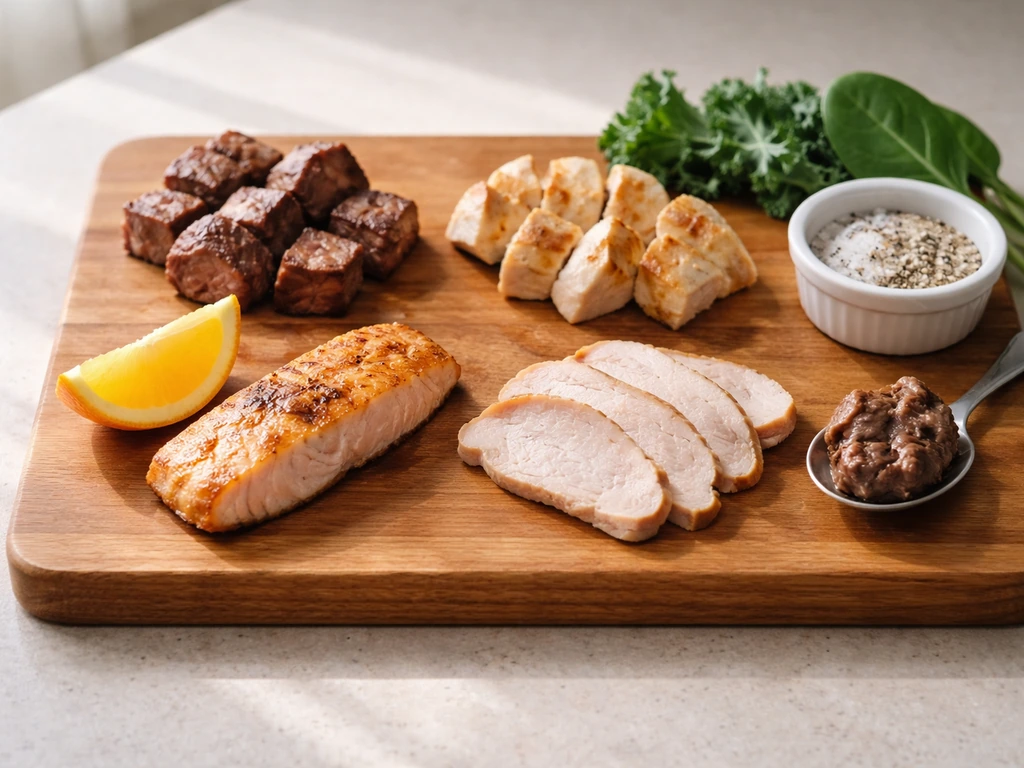
Meat is a dense source of several nutrients that are specifically tied to bone growth and overall development. Understanding what those nutrients do makes it easier to see why meat can matter and where its role ends.
| Nutrient | Found in meat | Role in growth |
|---|---|---|
| Complete protein (all essential amino acids) | All meat types | Builds muscle and bone matrix; supports IGF-1 signaling which drives bone elongation |
| Heme iron | Red meat especially; also poultry, fish | Prevents iron-deficiency anemia, which stunts growth and energy availability in children |
| Zinc | Red meat, poultry | Required for growth hormone receptor function; deficiency directly associated with stunting |
| Vitamin B12 | All animal meats | Supports cell division and neurological development; found almost exclusively in animal foods |
| Creatine | Red meat especially | Supports muscle energy; may modestly influence lean mass development |
| Vitamin D (modest) | Fatty fish, liver | Works with calcium to mineralize bone; meat is not a major source but contributes |
The protein piece deserves extra attention. Protein isn't just about muscle. It supplies the amino acids needed to build the collagen framework of bone itself, and adequate protein intake is one of the clearest dietary predictors of normal linear growth in children. WHO guidance specifically identifies animal-source foods, including meat, as important components of nutrient-dense diets during the 6 to 23 month window, which is a high-risk period for growth faltering. A 2022 review looking at low- and middle-income countries, where undernutrition is more prevalent, found consistent evidence that animal-source foods support linear growth, particularly in contexts where plant-based diets may be low in bioavailable protein and micronutrients.
It's worth noting that the research picture isn't perfectly clean. A Cochrane evidence summary reviewing trials on animal-source foods in children 6 to 59 months found mixed results, with some trials showing improved growth and weight gain and others showing no significant difference. In a randomized controlled trial of formula-fed infants, meat-based versus dairy-based complementary diets were compared to assess growth and linear growth trajectories blank" rel="noopener noreferrer">A Cochrane evidence summary reviewing trials on animal-source foods in children 6 to 59 months found mixed results. Context matters enormously here: a child already eating adequate protein and micronutrients gains very little from adding meat, while a child who is deficient can see meaningful changes. This is the core nuance that most 'meat makes you taller' claims miss entirely.
Kids and teens vs adults: what diet can and can't change
If you're still growing (roughly under 18)
This is the window where diet genuinely matters for height outcomes. During childhood and adolescence, consistently eating enough total calories, adequate protein, and sufficient micronutrients like zinc, iron, calcium, and vitamin D gives your body the raw materials it needs to reach its genetic height potential. Correcting a deficiency during active growth can help a child recover lost growth velocity, though severe or prolonged undernutrition in early childhood can cause permanent stunting that's difficult to reverse. The practical takeaway: if a child or teen is eating a chronically poor diet or is underweight, improving nutrition, whether through meat or other high-quality protein sources, can absolutely have a real impact on how tall they end up. Even if you eat a vegan diet, you can still support healthy growth by meeting protein and key micronutrient needs during childhood and adolescence do vegans grow taller.
If your growth plates are closed (most adults over 18 to 21)
Once the growth plates fuse, no food, supplement, or exercise program will make your bones longer. That's just physiology. Eating more meat as an adult won't add centimeters to your height. What good nutrition can do for adults is support strong bones (reducing fracture risk and bone loss over time), maintain muscle mass that supports upright posture, and help you avoid the spinal compression that comes with things like disc dehydration or poor core strength. Posture and spinal health can affect how tall you appear and feel, but that's distinct from actual skeletal height. If someone is telling you that eating a particular food will make you taller as an adult, that's not supported by science.
Meat vs other protein sources: does it have to be meat?

No, it doesn't. Meat is a convenient, high-density source of complete protein and several micronutrients, but it's not the only path to adequate nutrition for growth. The question of whether vegetarians or vegans grow as tall as meat-eaters is genuinely interesting, and the honest answer is: with careful dietary planning, they can. The challenge is that plant proteins are often lower in bioavailability and missing specific amino acids, and nutrients like B12, heme iron, and zinc are much harder to get in adequate amounts from plants alone. That's why fortified foods, supplementation, and strategic food combining matter more for plant-based eaters.
| Protein source | Complete protein? | Key growth nutrients | Considerations |
|---|---|---|---|
| Beef, pork, lamb | Yes | Protein, heme iron, zinc, B12, creatine | High saturated fat in some cuts; excellent micronutrient density |
| Chicken, turkey | Yes | Protein, B12, zinc, some iron | Leaner option; widely available and affordable |
| Fish and seafood | Yes | Protein, B12, vitamin D, omega-3s | Fatty fish is one of few food sources of vitamin D |
| Eggs | Yes | Protein, B12, vitamin D, choline | Highly bioavailable; eggs are among the best single growth-support foods |
| Dairy (milk, yogurt) | Yes | Protein, calcium, vitamin D, B12 | Strong calcium and vitamin D profile; important for bone mineralization |
| Legumes + grains | Combined, yes | Fiber, some iron and zinc (lower bioavailability) | Requires planning; B12 must come from fortification or supplements |
| Tofu, tempeh, edamame | Yes (soy is complete) | Protein, some iron and calcium | Good plant-based option; still needs B12 from other sources |
If you're building a growth-supportive plate for a child or teen, the goal is hitting total protein targets, covering calcium and vitamin D for bone mineralization, and ensuring iron and zinc aren't falling short. Meat makes that easier, but it's not mandatory if the rest of the diet is built thoughtfully. Eggs, in particular, are worth highlighting as a highly bioavailable, affordable source of growth-relevant nutrients.
Practical checklist: what actually supports growth day to day
Protein targets by age
| Age group | Approximate daily protein target | Example sources |
|---|---|---|
| Toddlers (1–3 years) | 13–16g | 2 oz meat or equivalent eggs/dairy/legumes |
| Children (4–8 years) | 19–24g | 3 oz meat or mixed sources |
| Pre-teens (9–13 years) | 34–40g | 4–5 oz meat or equivalent |
| Teens (14–18 years) | 46–59g (girls/boys) | 5–7 oz meat or equivalent; higher end for active boys |
| Adults (19+, maintenance) | 0.8g per kg body weight | More if active; not for height, for muscle and bone health |
Daily growth-support checklist
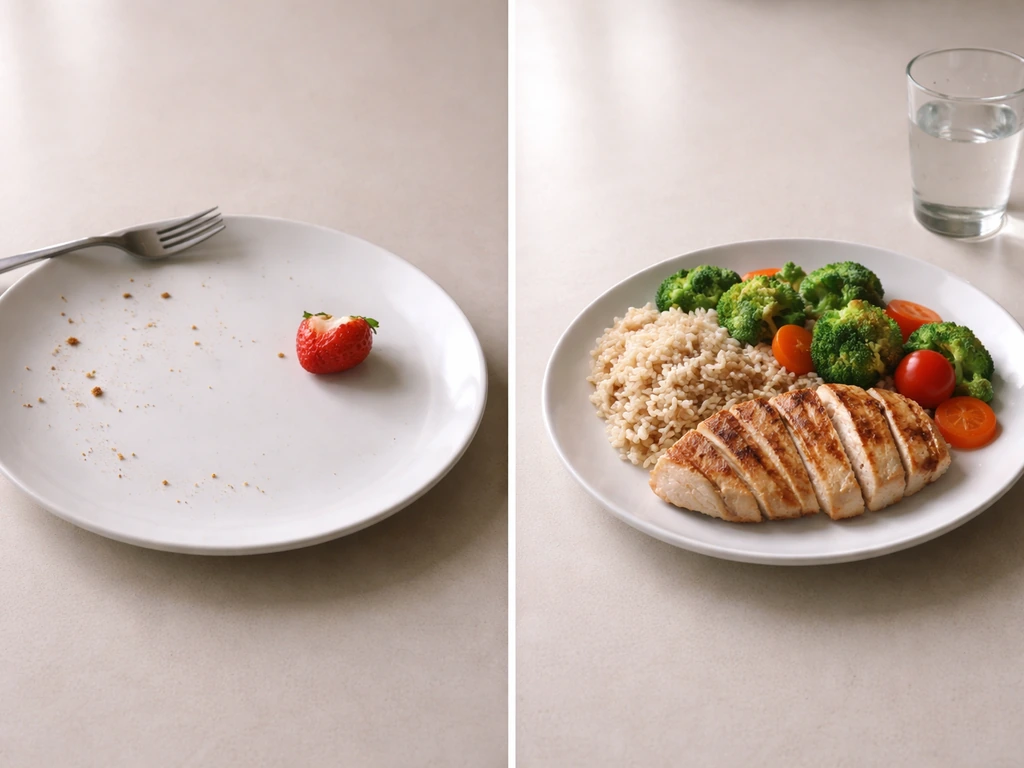
- Hit your protein target: aim for a palm-sized serving of protein at most meals
- Get enough total calories: being consistently underfueled is one of the clearest brakes on normal growth
- Include calcium daily: 1,000 mg for kids 4–8, 1,300 mg for teens 9–18 (milk, yogurt, fortified foods, leafy greens)
- Cover vitamin D: 600 IU per day for most children and teens; fatty fish, fortified dairy, or a supplement
- Prioritize 8–10 hours of sleep for children and 8–9 hours for teens (growth hormone peaks during deep sleep)
- Stay physically active: weight-bearing exercise supports bone density and healthy growth signaling
- Watch for signs of iron deficiency: fatigue, pale skin, poor concentration, and slowed growth can all point to low iron
Signs your diet might be holding back growth
- Consistently eating less than hunger demands or skipping meals regularly
- Avoiding whole food groups without a thoughtful substitute plan (e.g., no meat and no eggs and no dairy)
- Noticeable fatigue, brittle nails, or poor wound healing (can signal protein, iron, or zinc shortfall)
- Stunted growth compared to peers or dropping percentiles on a pediatric growth chart
- Delayed puberty onset, which can compress the growth window if nutrition is part of the cause
When to talk to a doctor about growth concerns
Diet optimization has real limits, and some growth concerns go beyond what food can fix. You should talk to a pediatrician or family doctor if a child drops two or more growth chart percentile lines over a short period, isn't gaining height at all during the expected growth years, shows signs of delayed puberty (no signs by age 13 in girls, 14 in boys), or appears to be eating normally but still not growing as expected. These situations warrant a clinical evaluation, not just a dietary overhaul.
A doctor can order labs that give you actual data rather than guesswork. Relevant tests often include serum ferritin (iron stores), zinc levels, 25-hydroxyvitamin D, IGF-1 (which reflects growth hormone activity), thyroid function, and a complete blood count. If a deficiency is found and corrected early enough during active growth, it can make a meaningful difference. If something like a growth hormone deficiency or celiac disease (which impairs nutrient absorption) is identified, that changes the treatment picture entirely.
For adults concerned about height, posture assessment and spinal health are the more relevant conversations to have. A physiotherapist or sports medicine doctor can help identify whether rounded shoulders, anterior pelvic tilt, or compressed discs are reducing your standing height, and what you can actually do about it. It won't change your bone length, but it can affect how tall you stand and how you carry yourself every day.
FAQ
If I start eating meat now, will that make me grow taller?
Only if a child is currently low in key nutrients that meat provides, such as protein, iron, zinc, and vitamin B12. If intake is already adequate, adding more meat typically does not create extra height gains beyond what genetics allows.
Does eating more meat after the growth plates close help adults get taller?
No. Height after late teens is limited by fused growth plates. In adults, meat mainly supports bone health and muscle maintenance, which may improve posture and reduce age related bone loss, but it cannot increase actual bone length.
How quickly would height change if a child was nutrient deficient and started eating meat?
A realistic expectation is that fixing undernutrition can help a child catch up to their growth trajectory, but it is not instant and not guaranteed. The most visible changes tend to come when a deficiency is corrected early, while growth plates are still active.
Is protein from meat enough to grow taller, or do micronutrients matter too?
Many people focus on protein, but height growth also depends on enough calories and micronutrients, especially calcium and vitamin D for bone mineralization, plus iron and zinc for healthy growth signaling. A diet can be high in meat but still fall short if overall intake or micronutrients are lacking.
Will switching from a plant-based diet to meat automatically increase height?
If a child is already meeting nutrition needs, switching from plant-based proteins to meat may not change height outcomes. The bigger factor is whether their total diet provides adequate, bioavailable protein and micronutrients consistently during childhood and adolescence.
Is it better to eat a lot of meat to maximize height growth?
Try to avoid extreme approaches. Overeating calories can affect weight and health, and relying on meat while ignoring fruits, vegetables, and fiber can crowd out other micronutrients. The goal is balanced nutrition, not maximizing meat servings.
How can I tell if lack of nutrients is the reason a child is not growing?
Chronically low iron, low vitamin D, or poor protein intake can reduce growth velocity. A pattern of fatigue, frequent infections, or dietary restriction can be clues, but the only reliable way to confirm is through a clinician review and targeted lab tests.
What if my child eats a normal amount but still isn’t growing?
Some children eat “enough” by volume but still underconsume key nutrients due to low appetite, picky eating, or meal patterns that miss nutrients like B12, heme iron, or calcium. In those cases, improving overall diet quality and nutrient coverage can matter more than adding meat alone.
Can puberty timing change how nutrition affects height growth?
If the issue is delayed puberty, early or late maturation can affect height timing. Nutrition helps support growth, but it does not correct puberty timing problems. That is one reason doctors may check growth charts, puberty staging, and sometimes hormone related evaluations.
If eating meat does not increase bone length, can it still change how tall I look?
For posture related “height differences,” meat does not change bone length. If someone looks shorter due to rounded shoulders, anterior pelvic tilt, or spinal compression, a physiotherapist can assess mechanics and recommend targeted strengthening, stretching, and posture habits.
Does the type of meat (red meat, poultry, fish) affect height-related nutrition?
Meat choice matters for nutrient mix. For example, some meats and seafood provide more readily absorbable iron and B12, and dairy or fortified alternatives can cover calcium and vitamin D gaps. If meat is limited, the plan should still ensure the same nutrient targets.
Can a vegetarian or vegan diet support normal height growth without meat?
Yes, though the diet must be planned to cover the same growth-relevant nutrients. With careful protein quality, fortified foods, and proper B12 and iron/zinc strategies, vegetarians and vegans can support normal growth, but it often takes more meal planning than omnivorous diets.
When should parents stop guessing and get medical evaluation for poor growth?
If a child drops two or more major percentile lines, shows no growth over a meaningful period, has delayed puberty signals, or has symptoms suggesting malabsorption, a pediatric evaluation is important. Dietary changes alone can miss treatable causes like celiac disease or hormonal issues.
What lab tests do doctors usually check when a child is not growing as expected?
For height concerns, common clinician lab work can include ferritin, 25-hydroxyvitamin D, zinc, IGF-1, thyroid function, and a complete blood count. Knowing which deficiency exists helps avoid unnecessary changes and targets the correct cause.
Next Article
Does Chicken Help You Grow Taller? Nutrition and Evidence
See if chicken boosts height: protein and nutrients help normal growth in kids, not adults after growth plates close.