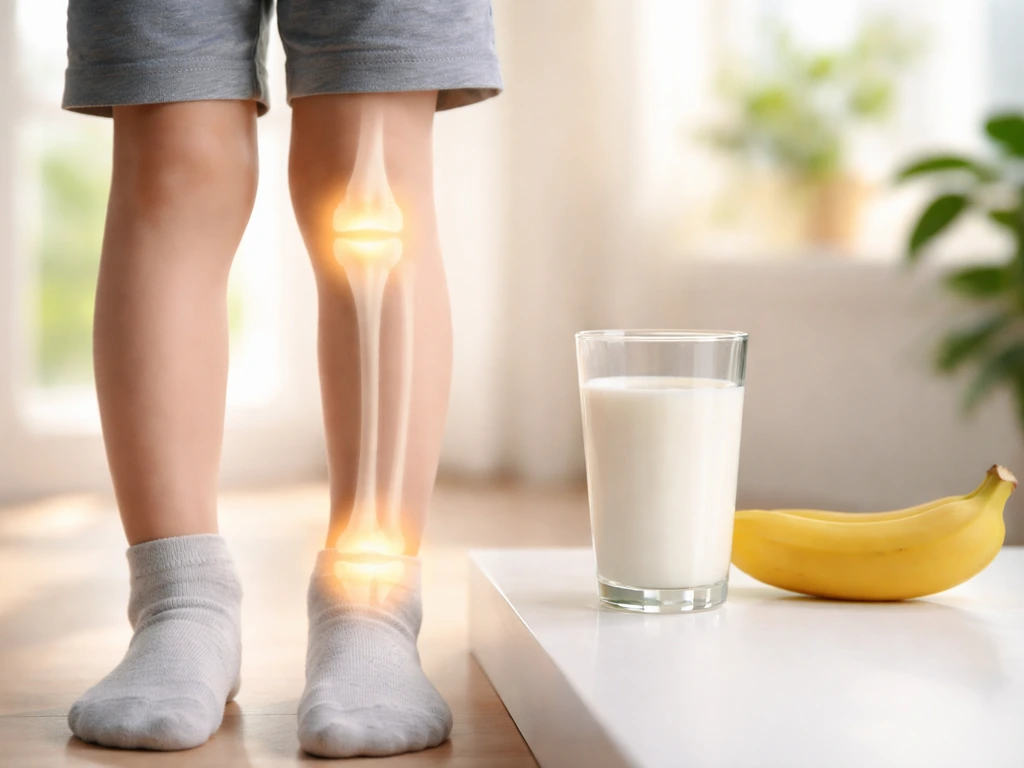
Chicken can support normal height growth, but only if you're still in a growth window (childhood or the teen years before your growth plates close) and only as part of an overall adequate diet. It won't add centimetres by itself. If your growth plates have already fused, which happens in most people by the late teens, no food, including chicken, can make you taller. What chicken genuinely offers is a solid package of protein, zinc, iron, B vitamins, and phosphorus that the body needs to build bone and tissue during the years when growth is actually happening.
Does Chicken Help You Grow Taller? Nutrition and Evidence

Marcus Reeves
4 Jun 2026
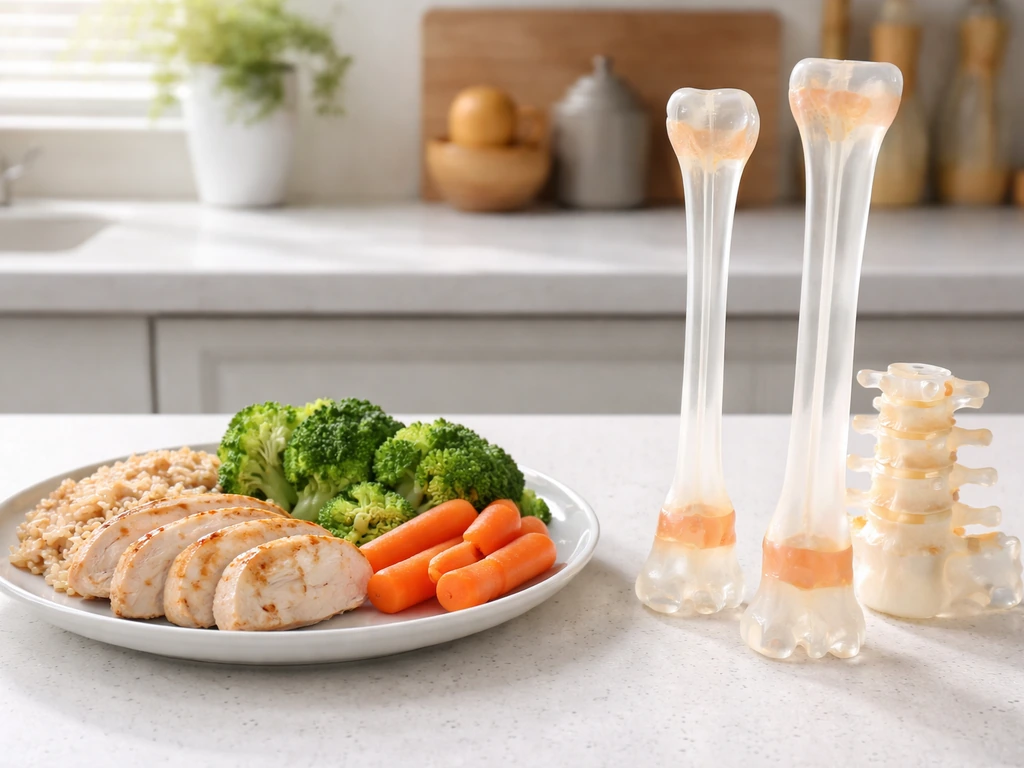
How height growth actually works
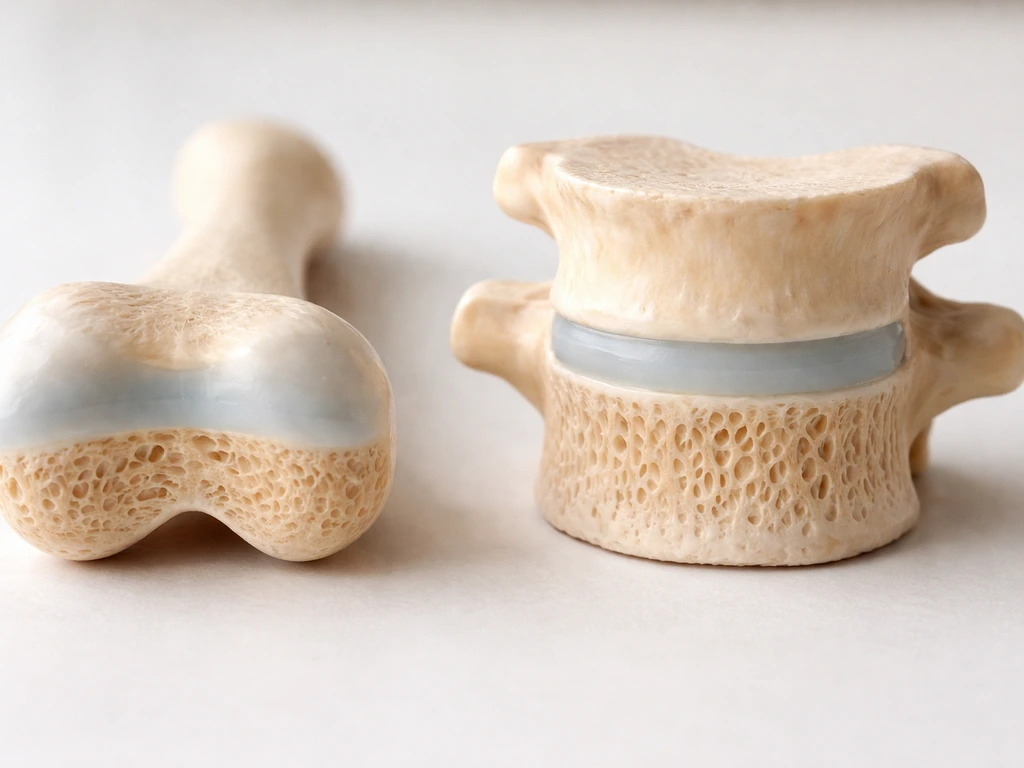
Height increases when the long bones of your legs and spine lengthen. That lengthening happens at cartilage zones near the ends of bones called growth plates (epiphyseal plates). During childhood and the teenage years, those plates are active, and new bone tissue is laid down there. blank" rel="noopener noreferrer">Hormones, especially growth hormone and sex hormones released during puberty, regulate how fast that process goes and when it stops.
Puberty is the critical window. The growth spurt that comes with it can add several centimetres per year, and the Endocrine Society notes that tools like bone age X-rays can estimate how much time a person has left in that window. As puberty progresses toward its end, the growth plates undergo a process called senescence and then close. Once they fuse, longitudinal bone growth is over regardless of what you eat or how you train. In most girls this happens by around age 15 to 17; in most boys it's closer to 17 to 19, though there's meaningful individual variation.
For adults with closed growth plates, the honest answer is that height is fixed. In general, simply eating a lot more than you need does not make you taller if your growth plates are already closed. Some posture improvements or spinal decompression from stretching can create a tiny, temporary difference in how tall you measure, but that's not the same as genuine skeletal growth. Understanding this distinction matters before evaluating any food's effect on height.
What's actually in chicken and why it matters for growth
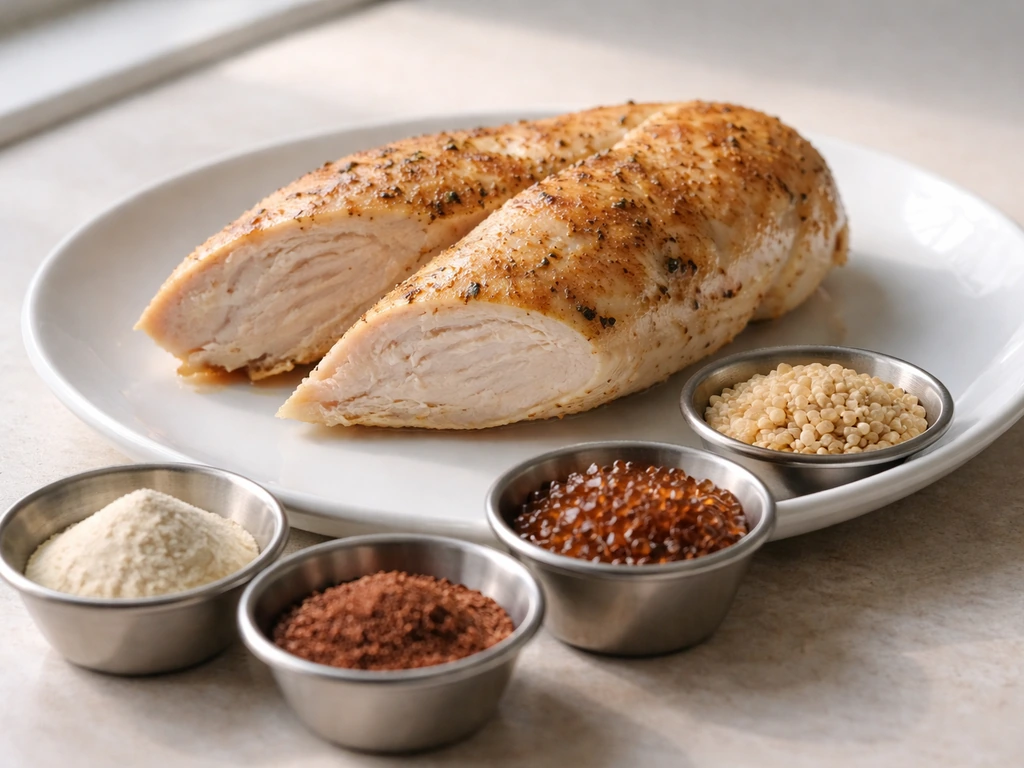
Chicken is one of the most protein-dense, broadly available foods on the planet, and protein is the raw material your body uses to build muscle, bone matrix, and connective tissue. A 100g serving of cooked skinless chicken breast delivers roughly 31g of protein with a complete amino acid profile, meaning it contains all the essential amino acids the body can't make on its own. But the story doesn't stop at protein.
Key nutrients in chicken and their roles in growth
| Nutrient | What it does for growth | Amount in 100g cooked chicken breast (approx.) |
|---|---|---|
| Protein | Builds bone matrix, muscle, and connective tissue; supports IGF-1 production | ~31g |
| Zinc | Supports cell division and growth; deficiency is directly linked to impaired growth in children | ~1–2mg |
| Iron | Necessary for physical growth, oxygen transport, and connective tissue function | ~1mg |
| Vitamin B12 | Deficiency associated with impaired growth in children; some effects may be irreversible | ~0.3µg |
| Phosphorus | Structural component of bone mineral alongside calcium | ~220mg |
| Niacin (B3) | Energy metabolism; supports tissue repair and growth processes | ~13mg |
Zinc deserves particular attention. The NIH Office of Dietary Supplements explicitly states that blank" rel="noopener noreferrer">impaired growth is a recognised sign of zinc inadequacy during childhood and adolescence. Iron gets less attention in height conversations, but the NHS notes that children need both protein and iron to grow and develop, and iron-deficiency anaemia is one of the more common nutritional shortfalls in kids. Vitamin B12 is another one: a systematic review found that B12 deficiency in children is associated with impaired growth, and some of those effects can be lasting. Chicken provides meaningful amounts of all three.
None of this means chicken is magic. It means chicken is a genuinely useful food during growth years because it hits several nutritional targets at once. Missing those targets consistently, especially during the growth spurt, is where real damage to height potential can happen.
Calories and protein: how much you actually need
Protein alone doesn't drive growth. Total calorie intake matters just as much. If a child or teenager is chronically undereating, the body redirects energy away from growth to keep essential functions running. That's one of the reasons the AAP flags growth faltering as something that needs nutritional and medical evaluation, not just a single dietary fix.
Protein requirements scale with age and body size. The Dietary Reference Intakes framework from the National Academies puts daily protein needs at roughly 0.95g per kilogram of body weight for children aged 4 to 13, and 0.85g per kilogram for teenagers aged 14 to 18. A growing 14-year-old weighing 55kg therefore needs around 47g of protein per day at minimum. One medium chicken breast covers most of that on its own. For most kids eating varied diets in developed countries, protein deficiency is unusual. Where it matters most is in contexts of food insecurity, very restrictive diets, or eating disorders.
One thing worth stating clearly: eating extra chicken beyond what you need for adequate nutrition won't push your body to grow taller. The limiting factor for height is growth plate activity regulated by hormones and genetics, not a surplus of dietary protein. Overloading on protein doesn't amplify the growth signal.
What the research actually shows
The evidence on animal-source foods and height outcomes in children is real but not straightforward. A Cochrane review on animal-source foods and linear growth in children under 5 concluded that the evidence is limited and of very low quality, and expressed genuine uncertainty about effects on height-for-age outcomes. A separate systematic review on animal-source foods and stunting in children aged 6 to 60 months highlighted significant heterogeneity across studies, partly because context matters so much: a child in a food-insecure setting where animal protein is genuinely scarce gets a different benefit from added chicken than a child already eating plenty of diverse food.
A large observational study using NHANES data found that overall nutritional adequacy and diet quality were associated with height-for-age z-scores in US children. The takeaway from that study is telling: it wasn't any single food driving the association, it was whether the overall diet was meeting nutritional needs. Cross-sectional research on high protein intake and linear growth has found similar associations, but those studies can't establish causation because taller, faster-growing children may simply eat more protein because they're bigger.
The honest summary is this: adequate nutrition, including sufficient protein from sources like chicken, appears to support normal growth potential during childhood and adolescence, especially in populations where deficiency is a real risk. But in already well-nourished kids, adding more chicken is unlikely to push height meaningfully beyond what genetics determines. And compared with other animal protein sources like beef or eggs, the evidence doesn't single out chicken specifically as superior for growth. If you're wondering about beef specifically, it is also a protein source, but the same growth plate and overall diet rules apply. If you are comparing eggs to chicken for height, the same rule applies: what matters is overall nutrition during your growth window, not any single food eggs for growth. The nutrient profile of chicken is strong, but similar benefits come from other quality protein sources.
Genetics is still the dominant factor
It would be misleading to talk about diet and height without being direct about genetics. Researchers estimate that roughly 60 to 80 percent of final height variation between individuals is determined by genetics. Nutrition, sleep, and physical activity influence whether a person reaches their genetic ceiling, but they can't push someone past it in any meaningful way. Hormonal regulation of the growth plates, as outlined in Endocrine Reviews research on systemic and local growth plate regulation, is fundamentally tied to genetic programming. Diet is a necessary condition for reaching potential height, not a tool for exceeding it.
Practical next steps if you're trying to support growth

Step 1: Work out where you are in your growth window
If you're a parent or a teenager asking this question, the single most useful first step is figuring out whether growth plates are still open. A paediatrician can assess this using bone age X-rays or simply by evaluating pubertal stage and growth history. If plates are still open, diet genuinely matters. If they're closed, focus on posture, body composition, and overall health rather than trying to add height.
Step 2: Build a diet that covers all the bases
Chicken can be a regular part of a growth-supporting diet, but don't treat it as the only lever. The NHANES research reinforces that overall diet quality is what correlates with better height-for-age outcomes. Aim for a diet that includes diverse protein sources, calcium-rich foods like dairy or fortified alternatives, fruits and vegetables for micronutrients, and enough total calories for the age and activity level. If you're eating very little meat or are vegetarian or vegan, pay attention to zinc, iron, B12, and total protein from plant sources. Vegans can still support healthy growth by meeting key nutrients like protein, zinc, iron, and vitamin B12, especially during childhood and adolescence vegetarian or vegan. If you're wondering whether do vegetarians grow taller, the key is making sure a vegetarian diet still covers zinc, iron, B12, and enough total protein for growth.
Step 3: Prioritise sleep
Growth hormone is released in pulses during deep sleep. Children aged 6 to 12 need 9 to 12 hours; teenagers need 8 to 10 hours. Chronic sleep deprivation reduces growth hormone output, which directly affects growth plate activity. Sleep is probably the most underrated variable in this conversation.
Step 4: Stay physically active
Weight-bearing activity and resistance exercise stimulate growth hormone release and support bone density. Swimming, running, basketball, and resistance training are all appropriate for growing children and teenagers. There's no evidence that heavy weightlifting stunts growth in adolescents when done with proper form, despite the persistent myth.
Step 5: Track growth with actual charts
For children, the most practical tool available is a CDC or WHO growth chart. The CDC positions these charts as part of an overall health picture, not a single-measurement verdict. Plot height measurements every few months and look for consistent progress along a percentile curve. What matters is sustained growth along an expected trajectory, not hitting a specific number. If a child's growth curve is flattening or crossing percentile lines downward, that's worth a conversation with a paediatrician rather than just adding more protein to the diet.
The bottom line
Chicken is genuinely useful food during the years when growth is possible. Its combination of complete protein, zinc, iron, B12, and phosphorus supports the biological processes involved in normal height development. But it works as one part of an adequate, varied diet, not as a standalone height solution. Eating more chicken than you need won't trigger extra growth, and it can't do anything if your growth plates have already closed. The factors that matter most for reaching your height potential are genetics, adequate overall nutrition (not any single food), consistent quality sleep, and physical activity during childhood and the teen years.
FAQ
I’m a young adult, does chicken still help me grow taller?
If you are past your main teen years and your growth plates are likely fused, chicken can still be healthy but it cannot increase bone length. The practical check is age plus puberty history, and if you need certainty, a clinician can estimate bone age (often with an X-ray) to see whether growth potential remains.
How much chicken should I eat for height, and is more better?
Try to think in terms of meeting needs, not maximizing. If you are already eating enough total calories and protein, extra chicken usually just replaces other foods rather than changing growth, because height is limited by growth plate timing and hormone signaling.
What if my child eats some chicken but still doesn’t seem to grow well?
Protein helps only when total nutrition supports growth. If a child is under-eating overall or has frequent GI issues, picky eating, or food insecurity, adding chicken may improve protein intake but it still may not correct micronutrient gaps (like iron, zinc, and B12) or low calorie intake.
Does chicken need to be paired with other foods to help growth?
Because chicken supplies multiple nutrients, the “chicken effect” is really a whole-diet effect. For example, pairing chicken with iron and zinc sources, plus vitamin C foods, helps absorption better than chicken alone, especially if the child has marginal iron status.
If chicken helps with growth, do I still need calcium or vitamin D?
Chicken does not replace dairy or fortified alternatives if calcium and vitamin D are inadequate. Bone growth depends on overall mineral availability, so a plan that includes calcium-rich foods and adequate vitamin D exposure or supplementation (if prescribed) matters for reaching height potential.
If I don’t eat meat, can I still grow normally without chicken?
If someone is vegetarian or vegan and already meets protein needs, the common limiting nutrients for growth support are zinc, iron, and vitamin B12. B12 often requires fortified foods or supplements, and iron intake may need planning to avoid deficiency.
Can chicken improve growth if a teen has an eating disorder or very low calories?
If the diet is very restrictive, chicken can be beneficial but it won’t fix growth if calories and key nutrients are consistently low. In children with growth faltering, healthcare guidance is important because causes can include iron deficiency, chronic inflammation, endocrine issues, or inadequate overall intake.
Are there any ‘chicken diet’ tricks that can make you taller faster?
Chicken is not a reliable “height supplement.” If someone is aiming to gain height quickly through dieting, the better next step is to review sleep, total calories, and activity, and to rule out nutrient deficiencies with a clinician rather than increasing chicken portions alone.
When should a parent worry about a child’s height curve instead of adjusting diet?
The growth pattern matters more than one measurement. A single slow month can happen, but sustained flattening, crossing down percentiles, or poor weight gain along with poor height gain are reasons to talk to a pediatrician promptly.
Does chicken matter if my child is sleeping too little?
Sleep is a major regulator of growth hormone pulses, so chronic short sleep can blunt growth response even if protein intake is adequate. Improving sleep timing and duration often does more for growth potential than increasing chicken.
Can exercise combined with chicken help you grow taller after puberty?
If someone trains with resistance exercise properly, it supports bone health and can improve overall growth-supportive physiology, but it does not reopen closed growth plates. Expect benefits for strength and posture, not extra bone length after plates fuse.
Next Article
Does Eating Make You Grow Taller? Nutrition, Growth Plates, and Myths
See if eating more helps you grow taller, how nutrients affect growth plates, and myths for kids, teens, and adults.