
Eating the right foods in adequate amounts can help you reach your genetic height potential, but only if your diet was previously falling short of what your body needs. If you're already getting enough calories and nutrients, eating more won't add extra inches. Nutrition is one real lever in the height equation, but it works within limits set by your genes, your age, and whether your growth plates are still open.
Does Eating Make You Grow Taller? Nutrition, Growth Plates, and Myths

Marcus Reeves
15 May 2026

Does eating more actually make you taller?
The honest answer is: it depends on your starting point. If you're a child or teenager who isn't getting enough food or key nutrients, improving your diet can meaningfully increase how tall you grow. That's not a small thing. Chronic undernutrition during childhood is one of the leading causes of stunted growth worldwide, and the WHO uses stunting as a primary indicator of nutritional imbalance in children. Fix the nutrition gap during the growth window, and you can recover lost potential.
But if you're already well-nourished and eating enough, piling on extra food won't stretch you taller. Height isn't like muscle mass, where you can push the ceiling higher with more input. The upper limit is mostly set by your DNA, and once your growth plates close (usually in your late teens), no amount of food changes your height. So the real question isn't just 'does eating make you taller?' but 'is my current diet limiting my growth right now?'
How height growth actually works
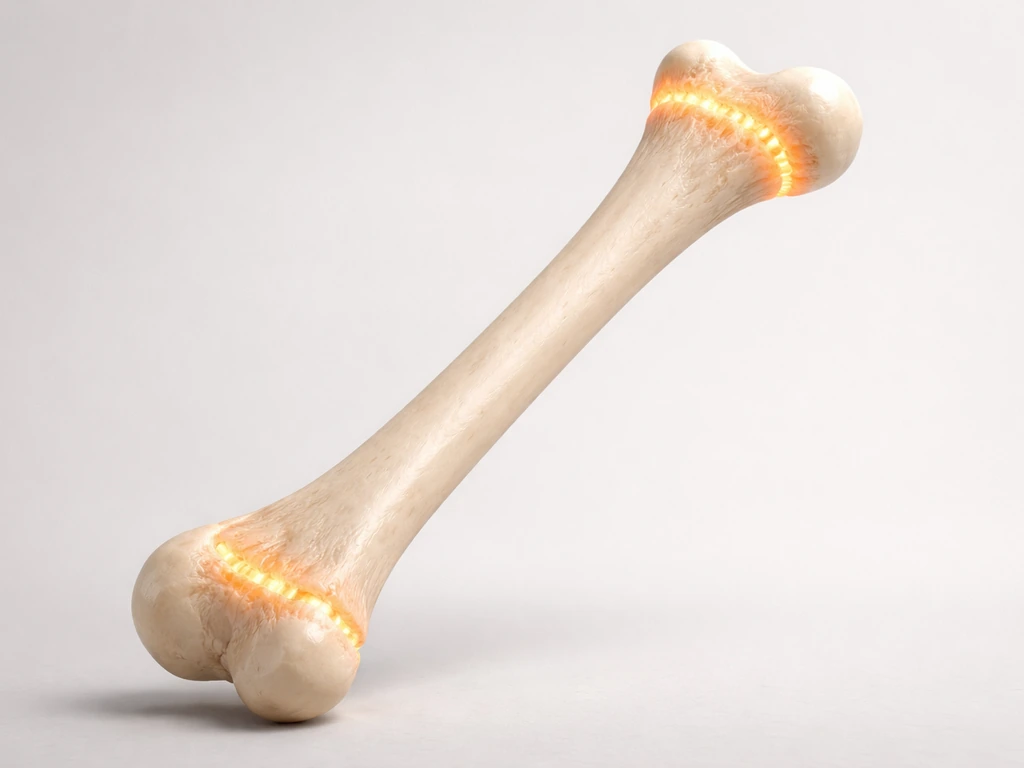
Height comes from the lengthening of your long bones, particularly the bones in your legs and spine. At the end of each long bone are growth plates, also called epiphyseal plates, which are zones of actively dividing cartilage cells. As these cells multiply, the bone grows longer. Growth hormone from the pituitary gland and IGF-1 (insulin-like growth factor 1) from the liver drive this process, and sex hormones during puberty accelerate it dramatically before eventually signaling the plates to close.
Once those growth plates fuse and harden into solid bone, linear growth stops entirely. For most girls, plate closure happens between 14 and 16. For most boys, it's between 16 and 18, though some continue until around 20. After that point, your skeleton is set. This is why age matters so much when you're thinking about food and height: nutrition can only influence height while the growth plates are still active.
Genetics sets the blueprint. Your height potential is largely inherited, and studies on identical twins consistently show that genes account for roughly 60 to 80 percent of height variation between people. Nutrition, sleep, and overall health fill in the rest. Think of genetics as the ceiling and adequate nutrition as how close you actually get to it.
When nutrition can actually change how tall you grow
The clearest evidence for nutrition affecting height comes from looking at what happens when children don't get enough. Chronic undernutrition, especially in the first 1,000 days of life (from conception to age two), causes stunting, a condition where a child's height falls significantly below what's expected for their age. The WHO defines stunting as height-for-age below two standard deviations of the growth standard, and it affects hundreds of millions of children globally.
Stunting isn't just about not eating enough overall calories. It often involves deficiencies in specific nutrients that bone growth depends on. Children who are protein-deficient, calcium-deficient, or lacking key micronutrients consistently grow shorter than their genetic potential. When those deficiencies are corrected early enough, catch-up growth can and does occur. This is the window where better eating genuinely translates to more height.
The key phrase is 'early enough.' Catch-up growth is most effective during infancy and early childhood, and becomes harder to achieve as the teen years progress and the growth plates approach closure. It doesn't mean that a 14-year-old with a poor diet can't benefit from improving it, but the window is narrower and the potential for full catch-up is smaller. The earlier a nutritional gap is addressed, the better the outcome for final height.
The nutrients that matter most for growing taller

Not all food is equal when it comes to supporting height. Total energy matters, but specific nutrients do most of the heavy lifting. Here's what the research points to:
| Nutrient | Role in Height Growth | Key Food Sources |
|---|---|---|
| Protein | Provides amino acids for bone matrix and IGF-1 production; deficiency directly limits growth | Meat, eggs, dairy, legumes, fish |
| Calcium | Primary mineral in bone tissue; inadequate intake reduces bone density and length | Dairy, fortified plant milks, leafy greens, sardines |
| Vitamin D | Regulates calcium absorption; deficiency causes rickets and impaired bone growth | Sunlight, fatty fish, fortified foods, eggs |
| Zinc | Critical for cell division in growth plates; deficiency is strongly linked to stunting | Red meat, shellfish, legumes, seeds, nuts |
| Iron | Supports oxygen delivery to growing tissues; anemia slows overall development | Red meat, lentils, spinach, fortified cereals |
| Total calories | Undereating overall suppresses growth hormone signaling regardless of other nutrients | Varied whole-food diet meeting energy needs |
Protein deserves special attention because it's the most directly linked to linear growth. Eating meat can help some people meet protein and zinc needs, but it still only affects height if there is a nutritional gap during active growth. Studies across populations consistently show that children with adequate protein intake, particularly from animal sources, tend to grow taller than those without it. That's not to say plant-based diets can't support growth, but they require more planning to hit protein and zinc targets. Some people wonder whether vegan diets affect height, but the key factor is whether the diet meets your protein, zinc, calcium, vitamin D, and overall calorie needs during growth. If you're curious about how specific protein sources compare, eggs, beef, and chicken each have their own research backing when it comes to supporting growth. Eggs can contribute protein and vitamin D, which are nutrients that support healthy growth when you are still within your growth window.
Vitamin D and calcium work as a team. You can eat plenty of calcium-rich food, but without adequate vitamin D, your gut absorbs much less of it. Many kids and teens are low in vitamin D, especially those who live in northern climates, spend little time outdoors, or eat a limited diet. This is one of the more common and correctable nutritional gaps affecting bone growth in practice.
Why eating more than you need won't make you taller
One of the most common misconceptions is that eating a large amount of food, or eating a lot of protein, will push height beyond what genetics allows. Chicken is a common high-protein food, but it helps height only when it corrects an overall nutritional gap during active growth eating a lot of protein. It won't. Once your nutritional needs are met, growth hormone and IGF-1 are already operating at their genetically determined levels. Adding more food doesn't increase those signals further in any meaningful way. What it does instead is increase fat mass, not bone length.
There's also a myth that eating specific 'superfoods' or supplements can trigger growth at any age. There's no food or supplement that reopens fused growth plates or forces bone elongation in an adult. Products marketed this way are either ineffective or, in some cases, harmful. The biology is clear: no food can override the structural reality of closed epiphyseal plates.
Interestingly, very high-calorie diets during early childhood can actually accelerate puberty onset, which causes the growth plates to close sooner. This means a child who goes through puberty at 9 or 10 instead of 12 or 13 may end up shorter as an adult than their genetic potential suggested, because they had fewer years of pre-pubertal growth. Overfeeding in early childhood is not a height strategy.
What to expect at different life stages
Young children (birth to age 5)
This is the most critical window. The first two years of life see the fastest height gain outside the womb, and nutritional deficits during this period have the most lasting impact on final height. The WHO recommends exclusive breastfeeding for the first 6 months, followed by nutritious complementary foods. For clinical monitoring, the WHO Child Growth Standards are used for children from birth to age 2 to track whether growth is on track.
Children and adolescents (ages 2 to 20)

For children 2 and older through adolescence, clinicians in the U.S. use CDC growth charts to monitor height-for-age and flag concerns. A height below the 2nd percentile on those charts is a clinical signal worth investigating, not necessarily alarming on its own, but worth a conversation with a pediatrician. During puberty, the growth spurt can add 8 to 12 centimeters per year at its peak. Adequate protein, zinc, calcium, and vitamin D are especially important during this phase. Teens who eat poorly, restrict calories, or follow very limited diets without planning are most at risk of not reaching their height potential. If you are vegetarian, you can still support growth, but you need to plan carefully to meet key nutrients like protein, zinc, calcium, and vitamin D limited diet.
Adults (18 and older)
For the vast majority of adults, growth plates are already fused and height is fixed. No dietary change will increase height at this stage. What good nutrition does for adults is protect bone density and spinal health, which helps prevent the gradual height loss that comes with age-related disc compression and osteoporosis. Eating enough calcium, vitamin D, and protein in adulthood is about preserving the height you have, not gaining more.
Practical steps you can take right now
If you're a parent trying to support a child's growth, or a teenager wondering if your diet is holding you back, here's how to think about it practically:
- Check growth chart trends, not just a single measurement. A child tracking consistently at the 25th percentile isn't concerning. A child who drops from the 50th to the 15th over 12 to 18 months is worth investigating.
- Look for dietary gaps, not just total food volume. Is there enough protein at most meals? Regular dairy or fortified alternatives for calcium? Time outdoors or a vitamin D source in winter months?
- Make sure calories are genuinely sufficient. Kids and teens who are very active, going through a growth spurt, or recovering from illness need more energy than usual. Skipping meals or heavily restricting food during these periods is a real risk.
- If the diet is plant-based, plan deliberately. Protein, zinc, iron, and vitamin B12 all need attention on vegan or vegetarian diets to avoid gaps that could limit growth.
- Track for at least 6 to 12 months. Growth happens slowly, and short-term dietary changes won't produce overnight height changes. Consistency matters more than perfection.
When to talk to a doctor

Some growth concerns go beyond what diet can fix, and it's important to know when to get a professional involved. See a pediatrician or family doctor if:
- A child's height has dropped across two major percentile lines on a growth chart over time
- A child or teen is significantly underweight alongside slow height gain
- Puberty hasn't started by age 13 in girls or 14 in boys, or is progressing unusually slowly
- There are signs of an underlying condition such as chronic fatigue, frequent illness, delayed bone age on X-ray, or symptoms of thyroid or hormonal issues
- Dietary improvements have been in place for 6 or more months and growth still isn't progressing as expected
- A child is falling below the 2nd percentile for height on CDC growth charts without a clear family history reason
Growth delay can sometimes signal endocrine issues like growth hormone deficiency or hypothyroidism, both of which are treatable when caught early. A clinician can order a bone age X-ray (which shows how much growth potential remains based on growth plate status) and basic bloodwork to rule these out. Nutrition is a powerful tool, but it's not the only one, and knowing when to bring in medical help is part of any realistic growth optimization plan.
The bottom line: food matters for height, but only in the right context. If there's a real nutritional gap during an active growth period, fixing it can genuinely help. Fixing any nutrient gaps that are limiting growth can help you reach more of your genetic height potential nutritional gap. If the diet is already solid and the growth plates are still open, the focus should be on consistency rather than volume. And if the plates have already closed, the goal shifts to protecting what you have. Understanding which situation applies to you is the most useful thing you can take away from the science here.
FAQ
If I’m already an adult, can changing my diet still make me taller?
In adults, diet cannot lengthen bones because growth plates are fused. However, eating well can prevent additional height loss later by supporting bone density and reducing fracture risk (for example, adequate calcium, vitamin D, and protein).
Does eating extra protein (more meat, shakes, or supplements) automatically make you taller?
Yes, but only if the calories and key nutrients rise from a deficit to an adequate intake. If you are already meeting your energy needs, extra protein usually does not increase linear growth and can mainly contribute to extra fat mass.
Can vegetarian or vegan diets support maximum height potential?
It depends on whether the diet is nutritionally complete during your growth years. For vegetarian or vegan eating patterns, the higher-risk nutrients are often protein, zinc, calcium, and vitamin D, plus enough overall calories, so planning around these matters more than avoiding animal foods.
My child eats plenty of protein, but growth still seems slow. What else could be missing?
Not always, and “hitting protein” is not the same as meeting all growth needs. If calcium and vitamin D are low, or total calories are insufficient, children can still grow below potential even with decent protein intake.
If my child is eating poorly, will a multivitamin fix height problems?
Vitamins and minerals cannot replace missing overall intake. A supplement might help if you are deficient (commonly vitamin D), but if a child has chronic undernutrition or multiple nutrient gaps, supplements alone will not fully correct growth potential.
How do I know if my height concern is real versus normal differences?
Check whether the growth issue is a true slowdown versus normal variation. A single short measurement is not enough, clinicians look for a sustained downward crossing on growth charts over time and may consider bone age X-ray and bloodwork if the pattern suggests a medical cause.
If a kid starts eating better at 13 or 15, is catch-up growth still possible?
Timing matters. Addressing nutrition early in life gives the best chance for catch-up growth, and the window narrows during later childhood and teen years as growth plates approach closure.
Can overeating or high-calorie diets in toddlers make kids shorter later?
Overfeeding in early childhood can shift puberty earlier in some kids, which may shorten the total time for height gain. That means “more calories” is not the same as “better for height,” especially if weight gain becomes excessive.
How does early puberty affect height and what should parents watch for?
If puberty happens earlier than peers, growth plates may close sooner. If you notice very early pubertal signs, it can be worth discussing with a clinician, because early evaluation can clarify whether timing is affecting final height.
If a teenager is not eating enough but still seems “normal weight,” could it still affect height?
Frequent dieting, calorie restriction, or very limited diets in teens can reduce growth signaling because the body may not have enough energy and nutrients to support linear growth. Even without obvious weight loss, low intake during active growth can matter.
Are height supplements or “growth booster” foods worth trying after the teen years?
Supplements marketed for height generally cannot reopen fused growth plates. Be cautious with products that promise dramatic height gains in adults, and avoid taking high-dose nutrients without testing, since excess (for example, vitamin A) can be harmful.
What should I do next if my child’s height is not tracking normally?
The most useful next step is to compare growth trends to standardized growth charts and discuss dietary intake quality with a pediatrician or dietitian. If growth is persistently below expectations, clinicians can consider bone age and relevant labs rather than relying on guesswork.
Next Article
Do Eggs Help You Grow Taller? Evidence, Nutrients, Limits
Evidence-based look at whether eggs can increase height, key nutrients, limits by age, and safe eating tips.