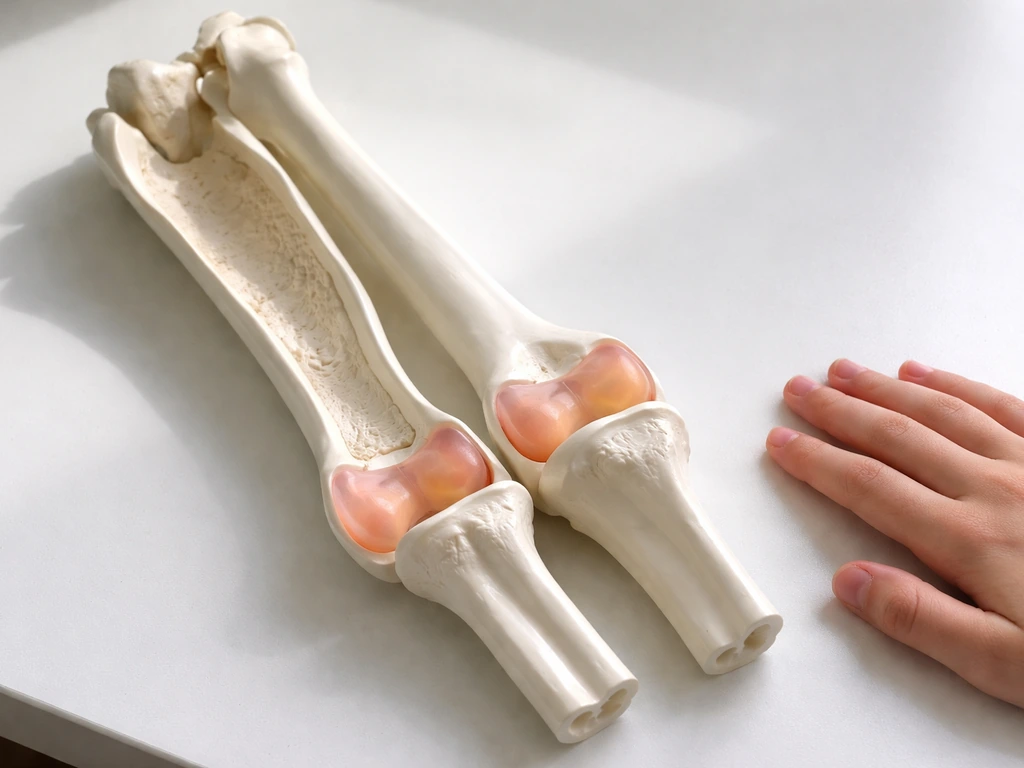
Eating a lot does not automatically make you taller. Diet can support your growth potential, but only if your body is actually short on calories or specific nutrients and your growth plates are still open. If you're already eating enough and your plates have fused, eating more will add body weight, not height. That's the honest answer, and the rest of this article explains exactly why, and what you can actually do about it.
Does Eating a Lot Help You Grow Taller? Evidence-Based Guide

Marcus Reeves
21 Jun 2026
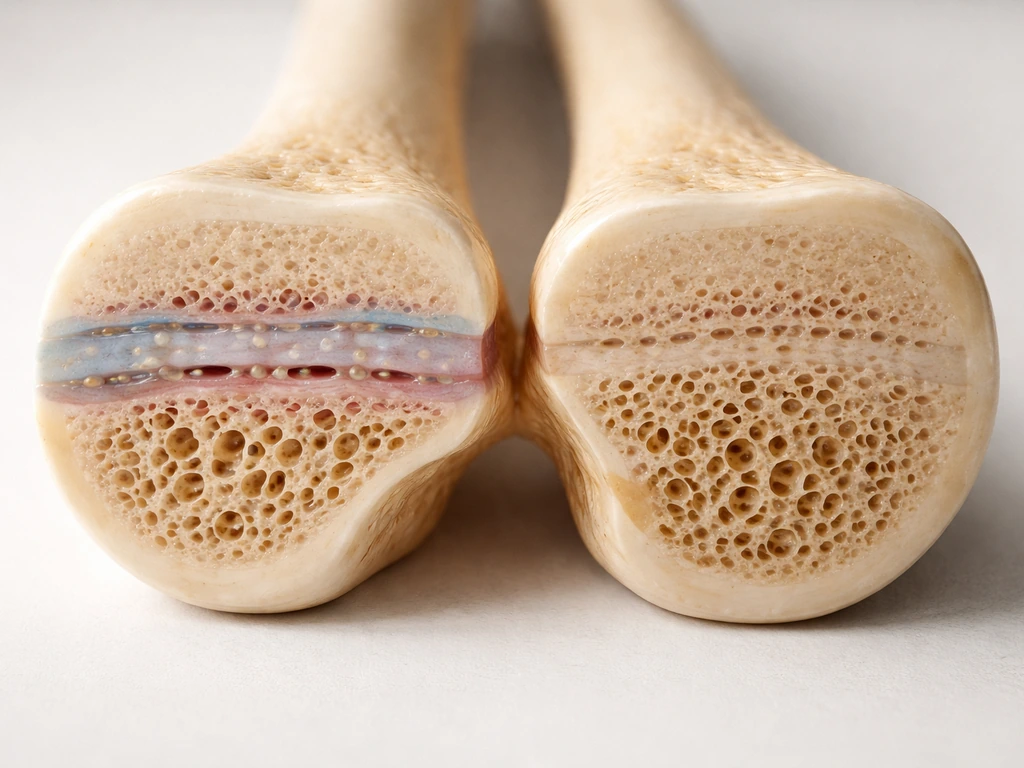
How height growth actually works
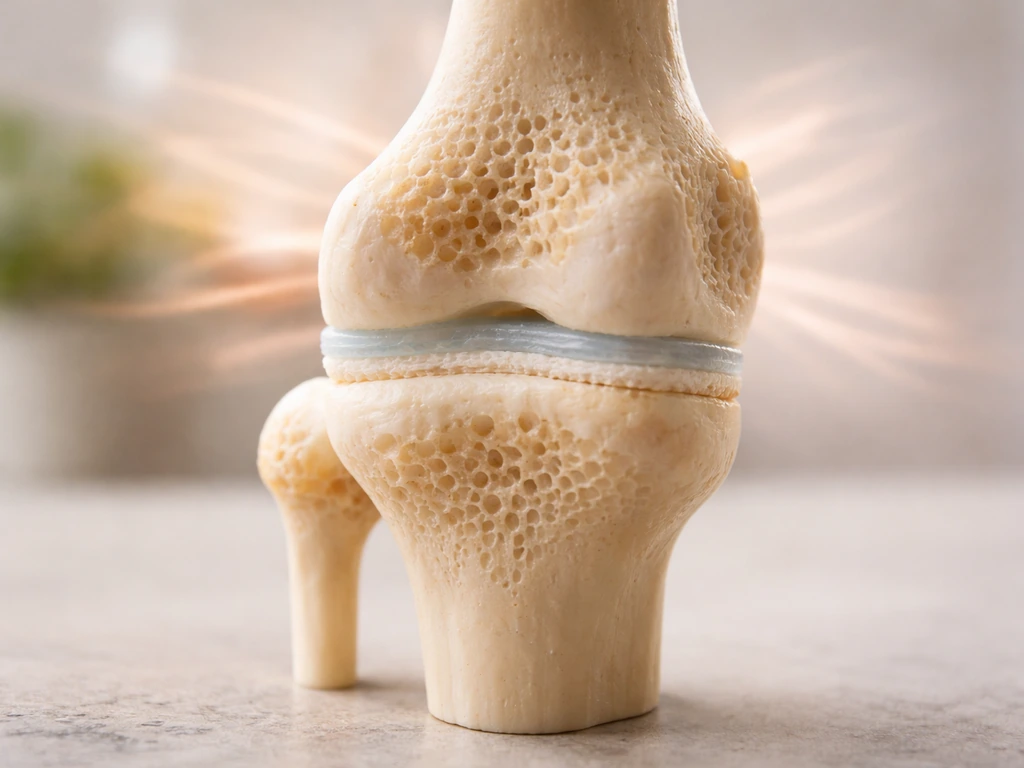
Your height is determined primarily by your genetics, but biology gives you a window to reach your genetic ceiling, and that window is tied to your growth plates. Growth plates (also called epiphyseal plates) are strips of cartilage near the ends of your long bones. As long as they're open, the cartilage can multiply and the bone can lengthen. Once they fuse, no amount of food, exercise, or anything else will add to your skeletal height.
What triggers that fusion? Mostly hormones. The pubertal surge in sex steroids, specifically estrogen in girls and testosterone (converted to estrogen in bone tissue) in boys, drives the big adolescent growth spurt but also accelerates plate closure. Growth hormone (GH) and its downstream signal IGF-1 regulate how fast and how much linear growth happens at the plate, while thyroid hormones and other factors fine-tune the process. When puberty wraps up, estrogen exposure causes the plates to fully calcify and close. In girls this can happen as early as 12 to 14 years old; in boys, typically somewhere between 14 and 17, though there's real individual variation.
Puberty timing matters too. Delayed puberty pushes the growth spurt later but can sometimes preserve more growth time. Precocious (early) puberty does the opposite: sex steroids arrive earlier, the spurt comes sooner, but plates also close sooner, which can actually reduce final adult height. Pediatric endocrinologists monitor this closely because the timing of hormonal exposure, not just nutrition, is a major driver of how tall a person ends up.
What 'eating a lot' changes depending on your age
Your life stage completely changes what extra food intake can and can't do for your height. Think of it in three phases.
Children (roughly 2 to 10 years)

This is when adequate nutrition matters most for reaching genetic height potential. Chronic undernutrition during childhood is one of the most consistent causes of stunted linear growth worldwide. In genuinely undernourished kids, correcting calorie and nutrient deficits, especially protein, zinc, and iron, can produce meaningful catch-up growth. But that's correcting a deficit, not surpassing a ceiling. Research on food-based interventions in children under five shows mixed results: some trials show real benefit, others don't, and the effect almost always depends on how deficient the child was to begin with. For a well-nourished child who's growing normally, eating extra calories doesn't produce extra height, it produces extra weight. Chicken can be a helpful way to get enough protein, but protein alone does not reopen closed growth plates or guarantee extra height.
Teenagers (puberty through late teens)
The adolescent growth spurt is the last major window for linear growth, and calorie and protein needs are genuinely elevated during this period. A teenager who is significantly undereating, whether from an eating disorder, food insecurity, or extreme dieting, can suppress the GH/IGF-1 axis and impair their growth. Getting adequate nutrition during this window matters. But a teen who's already eating enough won't get taller by piling on more food. Even if you eat more, beef specifically does not have a special ability to make you grow taller if your growth plates are limited or already nearing closure does beef help you grow taller. And if plates close on the early end of the typical range, that window closes faster than expected regardless of diet.
Adults (growth plates closed)
Once your growth plates are fused, no nutritional strategy will increase your skeletal height. Even if meat provides high-quality protein and micronutrients, it cannot reopen fused growth plates or override puberty-related growth plate closure. This is not a matter of degree; it's physiology. Adults sometimes notice very small apparent height changes from improved posture or spinal disc hydration, but that is not bone growth. Eating more as an adult in hopes of growing taller will only result in fat or muscle mass gain depending on what and how much you eat.
The nutrition basics that actually support growth
For kids and teens with open growth plates, the goal is sufficiency across key nutrients, not abundance. The NIH Office of Dietary Supplements consumer zinc fact sheet also provides zinc intake targets by age and sex, using the RDA/AI framework and noting upper limits. Here's what the evidence actually supports:
- Calories: Total energy intake needs to meet the demands of growth, activity, and development. Severe calorie restriction clearly impairs growth; moderate restriction in already-adequate children does not appear to increase height with more food.
- Protein: Essential for IGF-1 production and bone matrix formation. Adequate protein intake (from sources like meat, eggs, dairy, legumes, and fish) is one of the most important dietary factors for supporting normal growth velocity. The question of whether specific protein sources like eggs, chicken, beef, or plant proteins differ meaningfully in their growth effects is nuanced and depends heavily on overall diet quality.
- Calcium: Critical for bone mineralization during growth. Children and adolescents have higher calcium needs than most adults, with recommendations ranging roughly from 1,000 to 1,300 mg per day depending on age. Dairy, fortified foods, leafy greens, and fortified plant milks are practical sources.
- Vitamin D: Supports calcium absorption and bone metabolism. However, a well-designed randomized trial found that supplementing vitamin D in children with low levels did not significantly increase height or affect pubertal development, suggesting vitamin D alone is not a growth accelerator even when baseline levels are low.
- Zinc: A meta-analysis of micronutrient trials found zinc supplementation has a statistically significant but small effect on linear growth in children (around 0.22 SD units), with larger effects in more deficient populations. It matters most when there's an actual deficit.
- Iron and magnesium: Important for overall metabolism and development, with established upper intake limits to avoid excess. Iron deficiency can impair general health and development; correcting it supports normal growth, but excess supplementation carries its own risks.
- Overall diet quality: A varied diet that covers all micronutrient bases is consistently more important than maximizing any single nutrient. Evidence suggests that single-nutrient supplementation after the first two years of life has limited effects on linear growth in well-nourished populations.
The real risks of overeating for height

There's a common belief that eating more equals growing more, but overeating carries real downsides that can actually work against optimal growth and health. The most obvious is excess weight gain, which doesn't contribute to height and adds metabolic burden during development. But there are subtler problems too.
NICE clinical guidance on faltering growth makes an interesting point: children who drink too many energy-dense beverages, even nutritious ones like milk, can suppress appetite for other foods, worsening overall nutritional balance even as total calorie intake goes up. You can overdo one thing and create deficiencies elsewhere. Similarly, megadosing individual supplements in hopes of accelerating growth can push nutrients past their Tolerable Upper Intake Levels, risking adverse effects. Fat-soluble vitamins like vitamin D have well-established toxicity risks at very high doses. Supplemental magnesium above age-specific upper limits can cause gastrointestinal problems. More is not automatically better.
There's also a hormonal angle worth knowing. Significant excess body fat can alter the hormonal environment in ways that affect pubertal timing. Early puberty means earlier growth plate closure, which can paradoxically reduce final adult height even if a child is physically large during childhood. This is one reason pediatric endocrinologists pay close attention to growth trajectories rather than just size.
Food timing and eating patterns that matter
Specific eating patterns can support or undermine the hormonal environment that drives growth, even when total calories are adequate. A few things are worth paying attention to:
- Meal frequency: Regular meals across the day help maintain stable blood sugar and support consistent IGF-1 signaling. Skipping meals or eating very erratically can create short-term nutritional gaps that add up over time during critical growth windows.
- Pre-bed eating: Growth hormone secretion peaks during early slow-wave sleep. A light, protein-containing snack before bed (like a small amount of cottage cheese, Greek yogurt, or similar food) won't hurt and may support the overnight recovery environment, though this effect is modest and not a stand-alone strategy.
- Avoiding appetite displacement: Don't let high-calorie, low-nutrient foods crowd out the nutrient-dense foods that actually provide growth-supporting compounds. A diet heavy in ultra-processed food can hit calorie targets while missing calcium, zinc, protein quality, and key vitamins.
- Hydration: Often overlooked, adequate water intake supports the cellular processes that underpin bone and tissue growth. It won't make you taller, but dehydration that's chronic enough to affect general health does impair development.
Sleep and activity: the growth stack that diet can't replace

Diet is one leg of the growth support system, but it can't carry the whole thing. Two other factors are equally important and regularly underestimated.
Sleep
GH secretion is strongly tied to sleep architecture, particularly slow-wave (deep) sleep in the early part of the night. Research has documented this pattern directly in children: GH levels spike during those first hours of sleep. The American Academy of Sleep Medicine recommends 8 to 10 hours per night for teenagers aged 14 to 17, a recommendation the AAP endorses. Younger children need even more: toddlers and preschoolers are recommended 10 to 14 hours including naps. Chronic sleep deprivation, which is common in teens, disrupts this GH secretion pattern. You can eat perfectly and still be undermining the hormonal environment for growth if sleep is consistently short or poor quality.
Physical activity
Weight-bearing and impact exercise engages the bone remodeling process through mechanical loading, a process called mechanotransduction. A 24-week controlled trial looking at vertical impact training (jumping exercises) in children with short stature found effects on bone mineral density and linear growth. Exercise probably doesn't create height beyond genetic limits, but it does support bone density and healthy skeletal development, and it works synergistically with adequate nutrition and sleep. A sedentary, well-fed child is not in an optimal growth environment.
Practical next steps: assessing your intake and knowing when to get help
Here's how to think practically about whether nutrition is actually a limiting factor for you or your child, and what to do next.
Signs that nutrition might be limiting growth
- Weight and height are both tracking below expected ranges for age (not just height alone)
- Diet is noticeably restricted in calories, protein, or food variety for prolonged periods
- Signs of specific deficiency: fatigue, brittle nails, poor wound healing, frequent illness, dental issues
- Growth has slowed noticeably compared to the child's own previous trajectory (downward crossing of growth percentiles)
- Appetite is chronically poor or eating patterns are very erratic
What 'adequate' intake actually looks like
For a growing child or teenager, adequate intake means hitting calorie needs for age and activity level, getting roughly 0.8 to 1.5 grams of protein per kilogram of body weight daily depending on age and growth stage, reaching calcium targets of around 1,000 to 1,300 mg per day, maintaining vitamin D sufficiency (blood levels generally above 20 ng/mL), and eating a varied diet with vegetables, fruits, whole grains, and protein sources across the week. The NIH Office of Dietary Supplements provides an evidence-based DRI framework for calcium, including Recommended Dietary Allowances (RDAs) and Tolerable Upper Intake Levels (ULs), with different intake recommendations by age blank" rel="noopener noreferrer">calcium targets of around 1,000 to 1,300 mg per day. If you're wondering whether plant-based diets affect height, the key is whether you're meeting essential nutrients for growth, not whether the diet is vegan vegetables, fruits, whole grains, and protein sources. It does not mean eating as much as physically possible.
When to see a doctor
Consult a pediatrician or pediatric endocrinologist if a child's height is more than 2 standard deviations below the mean for age and sex, if growth velocity has significantly slowed or stopped before expected plate closure timing, if puberty is significantly delayed or appears very early, or if you suspect an underlying condition like hypothyroidism, GH deficiency, celiac disease, or inflammatory bowel disease that could impair nutrient absorption or growth signaling. Clinical workup often includes blood tests for IGF-1, thyroid hormones, and nutritional markers, plus a bone age X-ray of the hand and wrist to assess how much growth plate maturity remains and estimate remaining growth potential. That bone age X-ray is genuinely useful: it tells you whether the growth window is still open and how much of it is left, which determines whether dietary changes can even influence height at all.
If you're an adult wondering whether changing your diet can add height, the honest answer is no, and a doctor visit isn't going to change that. But if you have a child or teenager who seems to be falling behind on their growth curve, getting a proper evaluation is far more useful than simply feeding them more. You may also wonder, for example, whether do vegetarians grow taller, but diet type matters far less than genetics, growth plate timing, and overall nutrition adequacy. The question is never just 'how much are they eating' but 'what does the whole growth picture look like?'
The bottom line on eating a lot and height
Nutrition supports height; it doesn't manufacture it. If a child or teen is genuinely undernourished, improving their diet can help them reach closer to their genetic potential. But for someone already eating adequately, eating a lot more won't add centimeters. It adds calories, and usually body weight. The factors that determine how tall you'll be are mostly set by your genetics and shaped by your hormonal environment during the growth plate window. Diet is one input into that system, not the master switch. Focus on getting the basics right, consistently, across protein, key micronutrients, sleep, and physical activity, and you're doing everything nutrition can realistically do for height.
FAQ
If I eat more than I need, can I “force” growth if I’m still a teen?
It depends on whether your body is actually undernourished. If you are already meeting calorie and nutrient needs, extra food mainly increases weight, not height. The only situation where “more” can translate into more height is when intake is too low for your age and the growth plates are still open, then correcting the deficit supports catch-up growth.
Does eating a lot of protein (or supplements) make you taller faster?
Not in a reliable way. Protein quality matters, but extra protein cannot reopen growth plates or override puberty-driven plate closure. If protein is low, fixing it can help you grow normally, but once you meet protein needs, additional protein will not add extra centimeters.
Can overeating still fail to help height because of diet quality?
Even if your total calories are adequate, too many calories from a limited range of foods can still derail growth by causing nutrient imbalances. For example, relying heavily on energy-dense drinks or snacks can reduce appetite for iron- and zinc-rich foods, making overall growth-supporting intake worse even though calories go up.
What happens if a child gains a lot of weight while trying to get taller?
Yes, if it leads to earlier puberty or rapid fat gain that affects hormonal timing. Excess body fat can shift the pubertal environment toward earlier growth plate closure, which may reduce final adult height, even if a child appears bigger in the short term.
Could perfect eating still not increase height if sleep is poor?
“More” matters less than growth adequacy. If sleep is consistently short, GH secretion patterns are disrupted, so nutrition alone may not support optimal linear growth. Aim for age-appropriate sleep duration and consistent bed and wake times, since irregular schedules can also worsen sleep quality.
Are vitamin or mineral supplements a good way to grow taller if I’m eating enough?
Supplements can help only when there is a deficiency or a specific medical cause. Without deficiencies, megadosing can cause harm (for instance, vitamin toxicity risk with fat-soluble vitamins, or GI issues from high supplemental magnesium). The safer next step is nutrient testing when a clinician suspects deficiency or malabsorption.
If I’m an adult, is there any nutritional strategy that truly increases height?
If growth plates are fused, no diet, exercise program, or supplement can increase bone length. At most, you might see small changes from posture, muscle strength, or temporary fluid-related effects. The practical decision is to focus on bone health and functional improvements rather than expecting additional height.
How can I tell whether my child’s nutrition is limiting growth versus genetics?
A key check is growth velocity, not just height. If a child has a normal growth rate for age and sex, overeating is unlikely to increase height. If growth velocity slows, or the height is far below expectations, it suggests a need for medical evaluation rather than simply increasing portions.
What tests are most useful when a child seems to be not growing as expected?
A clinician may use bone age to estimate remaining growth potential and determine whether growth plates are still open. They may also check IGF-1, thyroid function, and nutritional or malabsorption-related markers when indicated. This is more informative than dietary tweaks because it directly assesses the remaining window for linear growth.
Does early or late puberty change how much diet can affect eventual height?
Some individuals develop earlier or later pubertal milestones, which changes the timing of growth spurts and plate closure. If puberty starts unusually early or unusually late, the diet strategy won’t be the main lever. The right next step is to track puberty timing and discuss concerns with a pediatrician or pediatric endocrinologist.
Next Article
Does Eating Meat Make You Grow Taller? Evidence and Tips
Meat won’t directly make you taller, but enough protein and nutrients can support normal growth in teens.